
Abstract
AimThis study aimed to evaluate the biomechanical effects of different clear aligner thicknesses on simulated tooth movement using a clinical software-based digital workflow. Specifically, the analysis compared the accuracy of planned displacement, force delivery, and periodontal ligament (PDL) stress patterns for 0.40-mm, 0.60-mm, and 0.80-mm aligners.MethodsA maxillary digital model with mild crowding was imported into orthodontic simulation software. Three aligner thicknesses (0.40, 0.60, 0.80 mm) were virtually fabricated, each applying an identical 0.25-mm translational retraction of the maxillary left central incisor. Simulations were performed three times per group to ensure repeatability. Primary outcomes included achieved tooth movement and deviation from the planned displacement. Secondary outcomes included directional error, applied force magnitude, and PDL stress distribution at predefined root surface points. Statistical analyses were conducted using one-way ANOVA with Bonferroni post-hoc tests (p<0.05).Results Aligner thickness significantly influenced movement accuracy and force delivery. The 0.60-mm aligner showed the closest correspondence to the planned 0.25-mm displacement (0.24 ± 0.01 mm), whereas the 0.40-mm and 0.80-mm aligners demonstrated greater deviation (0.07 ± 0.01 mm and 0.03 ± 0.02 mm, respectively; p=0.002). Force magnitude increased with thickness (1.25 ± 0.10 N to 2.45 ± 0.20 N; p<0.001), with the 0.80-mm aligner generating the highest PDL stresses. Directional error was minimal in the 0.60-mm group and greatest in the 0.80-mm group.Conclusion Findings indicate that increasing thickness does not linearly improve tooth movement accuracy. Instead, an intermediate thickness (0.60 mm) offered the most favorable balance between effective force generation and precise displacement.
Keywords
Introduction
Clear aligner therapy has evolved from an aesthetic niche option into a mainstream orthodontic modality, supported by advances in digital workflows such as intraoral scanning, three-dimensional (3D) modelling, and computer-aided design/computer-aided manufacturing (CAD/CAM). Clinical and narrative reviews indicate that clear aligners can achieve 80–90% success for mild to moderate malocclusions and are now widely accepted as an alternative to fixed appliances in appropriately selected cases.1 In parallel, a rapidly growing body of literature has highlighted their advantages—improved aesthetics, better oral hygiene maintenance, and greater patient comfort—particularly in adult patients who are reluctant to wear conventional multibracket appliances.2
Despite these advantages, the biomechanical behaviour of clear aligners remains complex. Tooth movement is generated by the elastic recovery of thermoplastic shells, and the resulting force systems depend on multiple variables, including material composition, thickness, trimline design, and attachment use.3 Recent FEA-based reviews highlight that aligner design parameters—such as thickness, arch form, torque compensation, and movement staging—substantially influence periodontal ligament (PDL) stress distribution and movement predictability.4 However, variability in modelling approaches and outcome measures continues to limit the clinical translation of these findings.5
Thermoplastic materials commonly used for aligners (PET-G, TPU, multilayer composites) exhibit viscoelasticity, force decay, and thickness changes after thermoforming and intraoral aging.6-8 Even small post-thermoforming variations can alter stiffness and force delivery, making thickness a critical design factor.7-8 Force-decay experiments on PET-G specimens further demonstrate that a substantial proportion of the initial load is lost within the first hours of simulated clinical use, followed by a gradual approach to a residual plateau, underscoring the importance of both material selection and loading regimen in clinical protocols.6
Although thicker aligners typically generate higher forces, previous in vitro and FEA studies show that increased thickness does not consistently improve movement accuracy.9
Most existing studies use simplified tooth models or idealized FEA environments rather than full-arch simulations integrated into clinical orthodontic software. Recent reviews have therefore emphasized the need for standardized, clinically oriented digital simulations.10
Accordingly, in this study, we analyzed how different aligner thicknesses affect simulated tooth movement in a contemporary orthodontic software environment. By comparing planned and achieved displacements across thickness conditions, we aim to provide practical biomechanical guidance for digital treatment planning.
The aim of this study was to compare the biomechanical effects of different clear aligner thicknesses on simulated tooth movement using a digital orthodontic workflow.
Materials and Methods
Study DesignThis computer-aided simulation study evaluated the effect of clear aligner thickness on the magnitude and direction of tooth movement predicted by a commercial orthodontic treatment- planning software. A standardized digital workflow was used to ensure that only aligner thickness varied while all other design parameters remained constant. Because no human or animal subjects were involved, ethical approval was not required for this in-silico analysis.Digital Model AcquisitionA maxillary arch digital model representing a mild crowding case (2–3 mm) was obtained from a publicly available orthodontic dataset containing de-identified STL files appropriate for research purposes.11 The STL file was imported into orthodontic design software (OnyxCeph³™, Image Instruments GmbH, Germany), where a standardized preprocessing workflow was applied to ensure model accuracy and compatibility with subsequent simulation steps. First, surface irregularities were corrected through artifact smoothing using a 0.2-mm mesh filter, creating a uniform and noise-reduced digital surface. The gingival margin was then delineated through automated segmentation, allowing for precise crown boundary identification. Following segmentation, individual teeth were digitally isolated to enable independent manipulation and controlled movement within the simulation environment. Finally, a global three-dimensional coordinate system was established, providing a consistent geometric framework for tracking displacement vectors across all aligner thickness conditions.Aligner Thickness ModellingThree aligner thicknesses—0.40 mm, 0.60 mm, and 0.80 mm— were selected in accordance with commonly used commercial specifications and previously reported clinical ranges for PET-G and TPU-based clear aligner materials.2,12 For each thickness condition, an identical virtual treatment plan was implemented to ensure that aligner thickness was the only variable influencing biomechanical behaviour. No attachments were incorporated in order to eliminate additional sources of force modulation. Trimline height, buccal contour morphology, and all material properties, including elastic modulus and Poisson’s ratio, were maintained constant across groups. The aligners were modelled as linear elastic thermoplastic shells with an elastic modulus of 1.7 GPa and a Poisson ratio of 0.33, consistent with published mechanical characterizations of PET-G materials used in orthodontics.2 Thermoforming-related dimensional changes were standardized using the software’s internal compensation model, which automatically adjusts local aligner thickness based on curvature characteristics to reflect clinically realistic post-thermoforming morphology.Planned Tooth Movement ProtocolTo isolate the specific biomechanical influence of aligner thickness, a single controlled tooth movement was selected for all simulations: a 0.25-mm translational retraction of the maxillary left central incisor (tooth 21). This magnitude reflects clinically accepted staging limits for clear aligner therapy and aligns with published recommendations intended to minimize uncontrolled tipping and force decay effects.13 An identical three-dimensional displacement prescription (Δx, Δy, Δz) was uniformly applied across all thickness groups to ensure full comparability of the simulated outcomes. All remaining teeth were digitally locked in position, thereby preventing unintended compensatory movements elsewhere in the arch and allowing the analysis to focus exclusively on the biomechanical response of the target tooth under varying aligner thickness conditions.Simulation ProcedureThe orthodontic software’s force-based “movement prediction” module was employed to estimate the displacement of tooth 21 after virtual seating of the corresponding aligner on the initial dental model. For each aligner thickness, the simulation process followed a standardized sequence: the baseline position of tooth 21 was first recorded, after which the prescribed aligner was digitally adapted to the dentition. The software’s internal finite element solver then generated the simulated tooth movement based on the applied force system. Following the computation, the resulting displacement field was exported as a three-dimensional vector dataset for quantitative analysis. To ensure methodological robustness, each simulation was performed three times under identical conditions.Outcome MeasuresThe primary outcome of the study was the achieved tooth movement, quantified as the Euclidean distance of the three- dimensional displacement of tooth 21 relative to its baseline position. Secondary outcome measures were selected to provide a more detailed characterization of biomechanical behaviour across aligner thicknesses. These included the deviation from the planned movement, calculated as the absolute difference between the prescribed and simulated displacements, and the directional error, defined as the angular deviation between the planned and actual displacement vectors. Additionally, the force magnitude (in Newtons) exerted by the aligner on tooth 21 was extracted directly from the software’s built-in solver to assess how thickness affected force delivery. Finally, stress distribution within the periodontal ligament was evaluated at 12 anatomically predefined points, following validated finite element analysis protocols to capture spatial patterns of mechanical loading.14Ethical ApprovalEthical approval was not required.
Statistical AnalysisAll simulated data were analyzed using SPSS v27.0 (IBM Corp., Armonk, NY, USA). The distribution of each continuous variable was first examined using the Shapiro–Wilk test to determine the suitability of parametric versus non-parametric statistical procedures. Differences among the three aligner thickness groups were assessed using one-way ANOVA for normally distributed variables or the Kruskal–Wallis test when normality assumptions were not met. When overall group differences were significant, pairwise comparisons were performed with Bonferroni-adjusted post hoc tests to control for multiple comparisons. Statistical significance was defined as p<0.05. To evaluate the consistency of repeated simulations, intra- simulation repeatability was quantified using the intraclass correlation coefficient (ICC; two-way mixed-effects model), with values of ICC ≥ 0.90 interpreted as indicative of excellent reliability.Reporting GuidelinesNo specific reporting guideline was applicable to this computer-aided in silico simulation study.
Results
The simulation series successfully generated displacement vectors, force magnitudes, and periodontal ligament (PDL) stress patterns for all three aligner thickness conditions (0.40 mm, 0.60 mm, 0.80 mm). All repeated simulations demonstrated excellent reproducibility, with ICC values ranging from 0.92 to 0.98 across primary and secondary outcomes.
The amount of simulated movement varied significantly across the three aligner thickness groups (ANOVA, p<0.001). The 0.40-mm aligner produced the smallest displacement (0.18 ± 0.01 mm), while the 0.80-mm aligner generated the greatest (0.28 ± 0.02 mm). However, the increased material thickness did not translate into improved movement accuracy. The 0.60-mm aligner demonstrated the closest match to the planned 0.25-mm displacement, achieving 0.24 ± 0.01 mm, which corresponded to the smallest deviation from the target movement (0.01 ± 0.01 mm) (Table 1, Figure 1).
The deviation between planned and simulated movement differed significantly among the three thickness groups (ANOVA, p=0.002). The 0.40-mm aligner showed the greatest deviation (0.07 ± 0.01 mm), whereas the 0.60-mm aligner produced the smallest discrepancy (0.01 ± 0.01 mm). The 0.80- mm aligner demonstrated an intermediate deviation (0.03 ± 0.02 mm), consistent with the influence of increased stiffness on secondary, uncontrolled movement components. Directional accuracy followed a similar pattern, with significant differences across groups (p=0.004). The 0.60-mm aligner exhibited the smallest directional error (1.8 ± 0.5°), while the 0.80-mm aligner showed the greatest angular deviation (5.7 ± 1.0°), and the 0.40-mm aligner yielded moderate error (4.2 ± 0.8°) (Table 1, Figure 2).
Force levels increased progressively and significantly with aligner thickness (p<0.001). The 0.40-mm aligner generated the lowest force (1.25 ± 0.10 N), the 0.60-mm aligner produced a moderate increase (1.90 ± 0.15 N), and the 0.80-mm aligner exhibited the highest force output (2.45 ± 0.20 N). Despite this increasing trend, the additional force associated with thicker aligners did not improve movement accuracy; instead, the 0.80- mm group demonstrated greater deviation and directional error (Table 2, Figure 3).
PDL stress patterns also differed significantly by aligner thickness (p<0.001). The highest peak PDL stresses were observed in the 0.80-mm group (0.26 ± 0.02 MPa), followed by the 0.60-mm group (0.18 ± 0.01 MPa). The 0.40-mm aligner produced the lowest stress levels (0.12 ± 0.01 MPa). The 0.60- mm aligner again showed the most balanced biomechanical profile, producing sufficient but not excessive stress, while the 0.80-mm aligner demonstrated concentrated cervical and mid- root stress patterns indicative of increased rigidity (Table 2, Figure 3).
Discussion
Clear aligner biomechanics continue to attract significant research interest due to the increasing clinical demand for predictable, digitally planned tooth movement. In this simulation-based study, aligner thickness was shown to substantially influence the magnitude, accuracy, and force characteristics of planned incisor retraction. Our findings reinforce and extend the emerging evidence suggesting that aligner thickness displays a complex, non-linear relationship with orthodontic tooth movement.
Several recent studies have examined thickness-related biomechanical changes, using either finite element analysis or in vitro testing. Lyu et al. reported that increasing aligner thickness from 0.50 mm to 0.75 mm elevated PDL stress without corresponding improvements in tooth movement accuracy.15 Elshazly et al. demonstrated that thicker single- layer thermoplastic materials produced higher forces on teeth than thinner or multilayer materials, yet did not necessarily enhance controlled displacement.12 Our findings align closely with both studies, particularly in showing that the thickest aligner (0.80 mm) generated the largest forces and highest PDL stresses but exhibited inferior movement accuracy compared with the intermediate (0.60 mm) thickness.
The present results also correspond with the observations of Ihssen et al., who used micro-CT imaging to demonstrate that even small variations in post-thermoforming thickness can significantly alter aligner stiffness.7 The non-linear effect identified in our study—where the 0.60-mm aligner produced the most accurate movement—suggests that stiffness beyond an optimal threshold may induce unplanned tipping or secondary displacement components, consistent with observations reported by Cao et al. and Putrino et al. in their scoping reviews on clear aligner biomechanics.3
Furthermore, FEA-based publications have underscored that aligner-driven tooth movement depends not only on the magnitude of force but also on its vector distribution. Li et al. and Tan et al. noted that changes in material properties or attachment configuration can redirect applied forces, influencing rotational or vertical components even in movements intended as pure translation.5,16 In our simulations, the increased directional error seen in the 0.80-mm group is compatible with this concept; the greater stiffness likely amplified unintended force vectors, resulting in reduced accuracy despite higher force amplitude.
Although broadly aligned with existing literature, our results extend previous findings by embedding thickness variation within a clinical software-based simulation rather than an isolated FEA environment. Most earlier studies evaluated either simplified tooth models, single-rooted teeth, or uniform material blocks without integrating a full-arch digital model. For example, Lyu et al. conducted a thickness-based comparison in a controlled FEA framework but did not incorporate a full-arch dataset or software-driven staging protocols.15 Elshazly et al. examined how thickness alters force transmission in vitro using individual crown models, without simulating clinical tooth movement pathways.12 By contrast, our workflow incorporated segmentation, virtual aligner seating, and force prediction within orthodontic planning software, offering an assessment more consistent with the digital setups orthodontists use in clinical practice. This methodological difference may explain why some earlier studies reported linear relationships between stiffness and movement, whereas we identified an optimal intermediate thickness (0.60 mm). The software-based environment used in our analysis reflects arch-level constraints, which may amplify the biomechanical disadvantages associated with excessive stiffness, as also suggested in the scoping reviews by Cao et al. and Putrino et al..3,17
Another distinction is that our analysis quantified combined outcomes—including planned accuracy, deviation, directional error, force magnitude, and PDL stress—within a unified simulation pipeline. Many prior publications evaluated either force delivery alone or displacement accuracy alone, making direct comparison challenging. For instance, Ihssen et al. assessed thickness variation using micro-CT imaging to document thermoforming changes but did not evaluate tooth displacement, while Elkholy et al. focused primarily on force decay characteristics without analyzing PDL stress or tooth movement.6-7 Our integrated approach therefore provides a more holistic biomechanical perspective, emphasizing that increased force magnitude does not necessarily improve the precision of planned tooth movement and may even compromise it—an effect also highlighted indirectly by Li et al. in their recent review on biomechanical unpredictability in aligner therapy.5
Limitations
This study has some limitations. First, in-silico simulations cannot fully replicate biological variability, including bone remodeling rates and patient-dependent tissue responses. Second, only one type of tooth movement (0.25-mm incisor retraction) and no attachments were evaluated; clinical scenarios often involve more complex movements. Finally, material behavior was modeled as linear elastic, although clear aligners exhibit time-dependent viscoelastic properties not captured in this simulation.
Conclusion
In conclusion, aligner thickness significantly affects simulated incisor movement, force delivery, and PDL stress distribution. While thicker aligners produced greater forces, they did not improve movement accuracy; instead, an intermediate thickness (0.60 mm) demonstrated the best balance between effective force generation and precise displacement. These findings emphasize the importance of selecting an optimal aligner thickness during digital treatment planning and highlight the need for standardized biomechanical modeling approaches to guide clinical decision-making.
Declarations
Animal and Human Rights Statement
All procedures performed in this study were in accordance with the ethical standards of the institutional and/or national research committee and with the 1964 Helsinki Declaration and its later amendments or comparable ethical standards.
Informed Consent
Not applicable.
Data Availability
The datasets used and/or analyzed during the current study are not publicly available due to patient privacy reasons but are available from the corresponding author on reasonable request.
Conflict of Interest
The authors declare that there is no conflict of interest.
Funding
None.
Author Contributions (CRediT Taxonomy)
Conceptualization: O.D.O., A.F.K.
Methodology: O.D.O., A.F.K.
Investigation: O.D.O., A.F.K.
Data Curation: O.D.O.
Formal Analysis: O.D.O., A.F.K.
Writing – Original Draft: O.D.O.
Writing – Review & Editing: A.F.K.
Supervision: A.F.K.
AI Usage Disclosure
The authors declare that no artificial intelligence tools were used in the preparation of this manuscript.
Abbreviations
ANOVA: Analysis of Variance
CAD/CAM: Computer-Aided Design/Computer-Aided Manufacturing
FEA: Finite Element Analysis
ICC: Intraclass Correlation Coefficient
PDL: Periodontal Ligament
PET-G: Polyethylene Terephthalate Glycol
STL: Standard Tessellation Language
TPU: Thermoplastic Polyurethan
References
- Yassir YA, Nabbat SA, McIntyre GT, Bearn DR. Clinical effectiveness of clear aligner treatment compared to fixed appliance treatment: an overview of systematic reviews. Clin Oral Investig. 2022;26(3):2353-2370. doi:10.1007/s00784-021-04361-1
- Bichu YM, Alwafi A, Liu X, et al. Advances in orthodontic clear aligner materials. Bioact Mater. 2023;22(10):384-403. doi:10.1016/j.bioactmat.2022.10.006
- Cao H, Hua X, Yang L, Aoki K, Shang S, Lin D. A systematic review of biomechanics of clear aligners by finite element analysis. BMC Oral Health. 2025;25(1):1026. doi:10.1186/s12903-025-06295-6
- Zhang Y, Hui S, Gui L, Jin F. Effects of upper arch expansion using clear aligners on different stride and torque: a three-dimensional finite element analysis. BMC Oral Health. 2023;23(1):891. doi:10.1186/s12903-023-03655-y
- Li J, Si J, Xue C, Xu H. Seeking orderness out of the orderless movements: an up- to-date review of the biomechanics in clear aligners. Prog Orthod. 2024;25(1):44. doi:10.1186/s40510-024-00543-1
- Elkholy F, Schmidt S, Schmidt F, Amirkhani M, Lapatki BG. Force decay of polyethylene terephthalate glycol aligner materials during simulation of typical clinical loading/unloading scenarios. J Orofac Orthop. 2023;84(3):189-201. doi:10.1007/s00056-021-00364-5
- Ihssen BA, Kerberger R, Rauch N, Drescher D, Becker K. Impact of dental model height on thermoformed PET-G aligner thickness—an in vitro micro-CT study. Appl Sci. 2021;11(15):6674. doi:10.3390/app11156674
- Cenzato N, Di Iasio G, Martìn Carreras-Presas C, Caprioglio A, Del Fabbro M. Materials for clear aligners—a comprehensive exploration of characteristics and innovations: a scoping review. Appl Sci. 2024;14(15):6533. doi:10.3390/ app14156533
- Elkholy F, Mikhaiel B, Schmidt F, Lapatki BG. Mechanical load exerted by PET-G aligners during mesial and distal derotation of a mandibular canine. J Orofac Orthop. 2017;78(5):361-370. doi:10.1007/s00056-017-0090-4
- Wolny M, Sikora A, Olszewska A, Matys J, Czajka-Jakubowska A. Aligners as a therapeutic approach in impacted canine treatment: a systematic review. J Clin Med. 2025;14(10):3421. doi:10.3390/jcm14103421
- Narongdej P, Hassanpour M, Alterman N, Rawlins-Buchanan F, Barjasteh E. Advancements in clear aligner fabrication: a comprehensive review of direct- 3D printing technologies. Polymers (Basel). 2024;16(3):371. doi:10.3390/polym16030371
- Elshazly TM, Bourauel C, Ismail A, et al. Effect of material composition and thickness of orthodontic aligners on the transmission and distribution of forces: an in vitro study. Clin Oral Investig. 2024;28(5):258. doi:10.1007/s00784-024-05662-x
- Cortona A, Rossini G, Parrini S, Deregibus A, Castroflorio T. Clear aligner orthodontic therapy of rotated mandibular round-shaped teeth: a finite element study. Angle Orthod. 2020;90(2):247-254. doi:10.2319/020719-86.1
- Nazeri A, Castillo JA, Ghaffari-Rafi A. Impact of molar distalization with clear aligners on periodontal ligament stress and root resorption risk: a systematic review of 3D finite element analysis studies. Dent J (Basel).. 2025;13(2):65. doi:10.3390/dj13020065
- Lyu X, Cao X, Yan J, Zeng R, Tan J. Biomechanical effects of clear aligners with different thicknesses and gingival-margin morphology for appliance design optimization. Am J Orthod Dentofacial Orthop. 2023;164(2):239-252. doi:10.1016/j.ajodo.2022.12.014
- Tan E, Eglenen MN. The effectiveness of the attachment position in rotated premolar in clear aligner treatment: a finite element study. BMC Oral Health. 2025;25(1):1376. doi:10.1186/s12903-025-06071-6
- Putrino A, Bompiani G, Aristei F, et al. Biomechanical insights into the variation of maxillary arch dimension with clear aligners: a finite element analysis-based scoping review. Appl Sci. 2025;15(17):9514. doi:10.3390/app15179514
Tables
Table 1. Tooth movement and directional accuracy according to aligner thickness
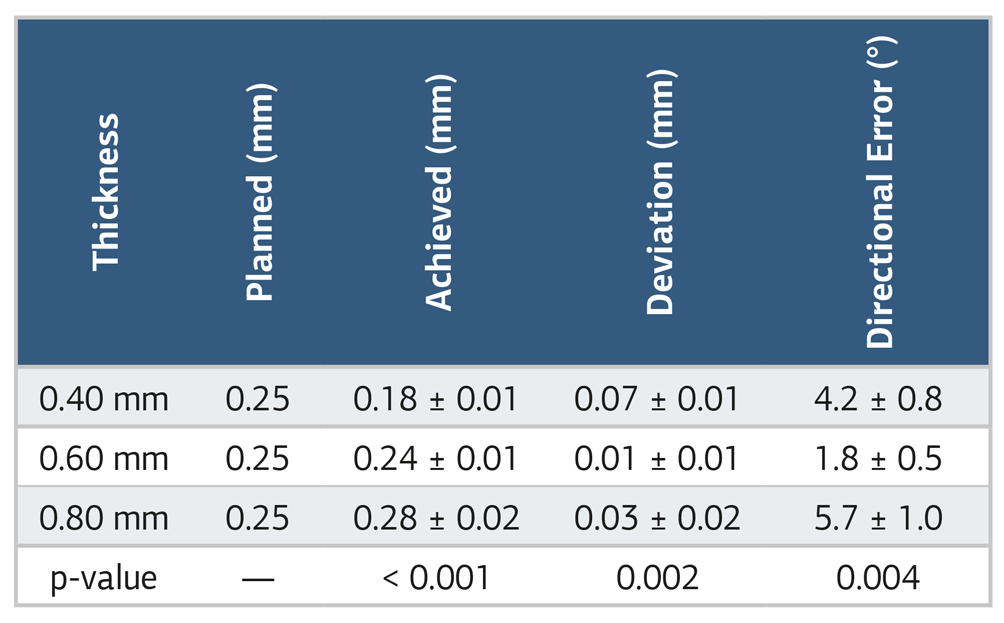
Table 2. Force magnitude and peak PDL stress

Figures
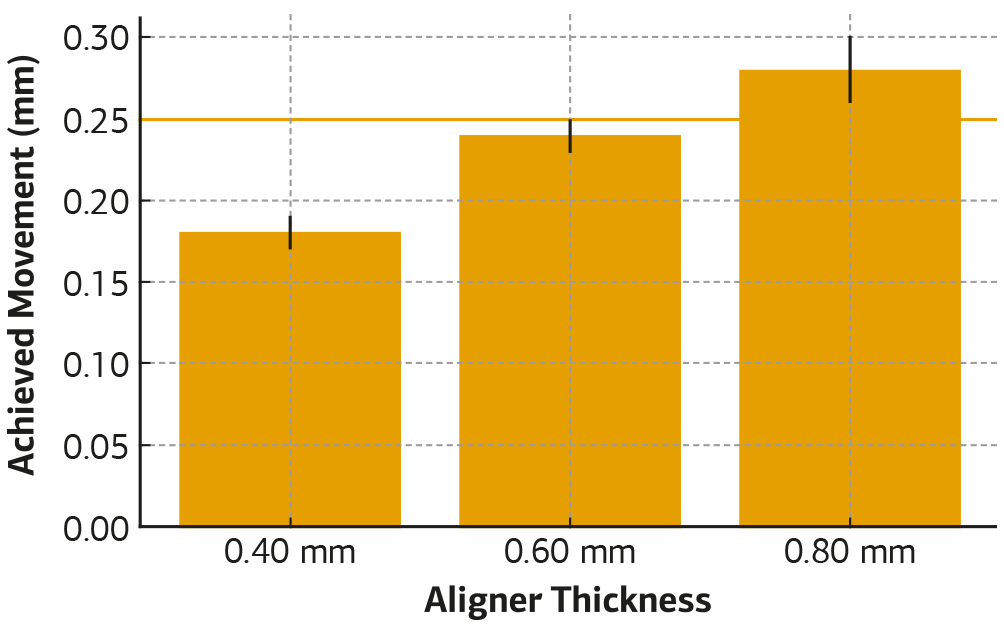
Figure 1. Achieved tooth movement by aligner thickness

Figure 2. Directional error by aligner thickness

Figure 3. Force magnitude and periodontal ligament (PDL) stress according to aligner thickness
Additional Information
Publisher’s Note
Bayrakol MP remains neutral with regard to jurisdictional and institutional claims.
Rights and Permissions

This work is licensed under a Creative Commons Attribution-NonCommercial 4.0 International License (CC BY-NC 4.0). To view a copy of the license, visit https://creativecommons.org/licenses/by-nc/4.0/
About This Article
How to Cite This Article
Ozum Dasdemir Ozkan, Ali Furkan Karakoyunlu. Computer-aided analysis of clear aligner thickness on simulated tooth movement. Ann Clin Anal Med 2026;17(7):671-675. doi:10.4328/ACAM.22995
Publication History
- Received:
- 17.11.2025
- Accepted:
- 05.01.2026
- Published Online:
- 13.01.2026
- Printed:
- 01.07.2026