
Abstract
AimThe purpose of this study was to evaluate the effectiveness of an individualized aerobic exercise program prescribed according to V̇O₂max measured by cardiopulmonary exercise testing (CPET) in a cardiac rehabilitation setting.MethodsAn observational case-control study. Thirty patients diagnosed with compensated Heart failure and functional capacity New York Heart Association 2-3 were included in the study. Participants underwent a CPET to determine aerobic capacity. Before and after the intervention, CPET and 6-Minute Walk Test (6MWT) for functional exercise capacity, the short form-36 health survey (SF-36) scale to assess quality of life, handgrip strength using a dynamometer for muscle strength, and the Hospital Anxiety and Depression Scale (HADS) were applied.ResultsThe study included 30 patients, 85.7% of whom were male, with a mean age of 52.8 years. The CPET results before and after rehabilitation revealed changes in several parameters; however, only PETCO₂ and resting systolic blood pressure showed statistically significant changes. There were no significant differences in the VO₂ max, VE/VCO₂ slope (EQCO₂), O₂ pulse, or heart rate recovery (HRR) levels after treatment assessment. In the functional assessment, handgrip strength significantly increased (P = .001). The energy/fatigue and social functioning domains of the SF-36 significantly improved after rehabilitation (P = .032 and P = .024, respectively). There was no difference in anxiety or depression assessments (both P > .05).ConclusionA structured rehabilitation program featuring continuous moderate-intensity aerobic exercise significantly improves ventilatory efficiency, blood pressure control, peripheral muscle strength, and certain aspects of quality of life in heart failure patients.
Keywords
Introduction
Heart failure (HF) is a global health problem affecting an estimated 64.3 million individuals worldwide.1 In high-income countries, the prevalence of clinically diagnosed HF is approximately 1% to 2% of the adult population.2 Although survival following a diagnosis of HF has improved with advances in pharmacologic and device-based therapies, prognosis remains poor; nearly 30% to 40% of patients die within one year of diagnosis.1,2 In some cases, patients with chronic HF progress to a stage characterized by persistent symptoms and structural cardiac abnormalities, despite optimal medical management. This clinical condition is referred to as advanced heart failure and often necessitates evaluation for heart transplantation or long-term mechanical circulatory support.3
The 2016 European Society of Cardiology guidelines emphasize the role of non-pharmacological strategies, recommending regular aerobic exercise (Class I-A) for improving symptoms and functional capacity in patients with HF.4 Exercise training (ET), when properly supervised, is one of the most effective interventions to enhance cardiopulmonary function and health-related quality of life in HF.5,6 Cardiac rehabilitation (CR) offers a structured, interdisciplinary approach tailored to individual needs, aiming to improve physical function and psychosocial well-being while slowing disease progression and reducing mortality with an aerobic exercise program.6
In patients with HF, aerobic exercise improves peak oxygen uptake (VO₂max) and left ventricular function, while resistance training enhances muscle strength and endurance. Numerous studies have demonstrated the safety and effectiveness of exercise interventions, with improvements in VO₂max, biomarkers, and quality of life, although a subset of patients, up to one-third, may exhibit minimal change in VO₂max despite participation in structured ET programs.7
VO₂max is a key objective marker of functional capacity and prognostic risk in cardiovascular disease, especially HF.8 Cardiopulmonary exercise testing (CPET) allows for direct measurement of gas exchange and provides comprehensive data, including VO₂max, ventilatory equivalents, oxygen pulse, and the VE/VCO₂ slope.9,10 These data guide exercise prescription, monitor treatment response, and support risk stratification. Although not universally available, even standard maximal or submaximal exercise tests can yield useful insights for tailoring CR.11
The aim of this study was to evaluate the effectiveness of a cardiac rehabilitation program involving moderate-intensity aerobic exercise prescribed based on CPET-derived VO₂max in patients with HF. By analyzing changes in CPET parameters and clinical scales before and after the intervention, we aimed to assess the impact of individualized exercise therapy and support optimized rehabilitation planning for this patient population.
Materials and Methods
This was a prospective observational case-control study of heart failure patients referred to our cardiopulmonary rehabilitation unit from specialized cardiology and cardiovascular surgery outpatient clinics. All participants provided written informed consent before commencing the study. The study was registered at ClinicalTrials.gov under registration number NCT07128784.
Participants were eligible if they were 18–75 years old, had compensated heart failure (HF) with New York Heart Association (NYHA) class II–III, left ventricular ejection fraction (LVEF) <40%, body mass index (BMI) between 18–30 kg/m², clinically stable symptoms for less than or equal to 2 weeks, and had received stable doses of HF medications during that period.
Exclusion criteria included recent cardiac device implantation (more than 6 weeks) or planned device/heart transplant within 12 months; acute coronary syndrome within 6 weeks; severe hypertrophic cardiomyopathy; acute myocarditis or pericarditis; intracardiac thrombus; primary pulmonary, perinatal, or thyroid-related cardiomyopathy; uncontrolled hypertension (systolic blood pressure [SBP] > 200 mmHg or diastolic blood pressure (DBP) > 110 mmHg); significant arrhythmias (e.g., ventricular tachycardia, frequent premature ventricular contractions (PVCs), atrioventricular (AV) block, QT prolongation); ischemia at <2 metabolic equivalents (METs); recent worsening dyspnea or exercise intolerance; or cognitive impairment.
Thirty-two patients diagnosed with compensated HF and functional capacity NYHA 2-3 were included in the study. Participants underwent a CPET to determine their VO₂max aerobic capacity for exercise prescriptions. The treatment responses of the patients were evaluated with CPET, which determines the cardiac-pulmonary responses to exercise together. Two participants withdrew from the study.
Demographic data of thirty patients were interviewed regarding age, sex, height, weight, educational level, occupation, marital status, systemic diseases, smoking and alcohol consumption, prior surgeries, and current medications. 6-minute walk test (6MWT) for functional exercise capacity, the Short Form-36 Health Survey (SF-36) to assess quality of life, handgrip strength measured using a dynamometer, and the Hospital Anxiety and Depression Scale (HADS) to evaluate depression and anxiety levels were administered to participants.
Cardiopulmonary Exercise Test (CPET) Application and ParametersCardiopulmonary exercise testing is an objective method that measures maximum oxygen consumption by analyzing inhaled and exhaled gases through a mask. This test can provide a number of physiological parameters, including respiratory, hemodynamic, and metabolic responses to exercise, which may reflect the mechanisms underlying exertional dyspnea, angina pectoris, and fatigue in patients with cardiovascular disorders.12
CPET exercise protocol to be applied is determined according to the patient's functional capacity, depending on the specific characteristics of the patient. A continuously increasing ramp protocol with increments of 10 W/min was performed using a cycle ergometer. This offers the advantage of a short protocol with low initial work rate and a brief duration of high-intensity cardiopulmonary exercise. The optimum duration for the CPET test is 8-12 minutes. Blood pressure, pulse, electrocardiogram, symptoms, spirometry, gas exchange, and ventilatory responses are monitored in the exercise test.12
Cardiopulmonary exercise testing was performed using a cycle ergometer and gas exchange analyzer. Data were evaluated using the standardized 9-panel graphical display, which facilitates integrated interpretation of ventilatory, cardiovascular, and metabolic responses to exercise.12VO₂maxVO₂max is an indicator of functional capacity and represents the highest rate at which an individual can consume oxygen during exercise. In patients with heart failure, VO₂max is a valuable measure for assessing prognosis and treatment response. 13Oxygen Pulse (O₂ Pulse)O₂ pulse refers to the volume of oxygen expelled from the ventricles with each heartbeat. Values greater than 80% of the patient's expected value are considered normal. In heart failure patients, oxygen pulse may be low due to a decrease in stroke volume.13Minute Ventilation (VE)It is defined as the product of the respiratory rate and the volume of air exhaled per cycle (tidal volume). Ventilation increases continuously during progressive effort on CPET and undergoes additional increases influenced by the anaerobic metabolism resulting from the accumulation of lactic acid, well defined as the first and second ventilatory thresholds. Increases are seen in rates due to insufficient effective respiration.13
Ventilatory Equivalents for Oxygen (VE/VO₂) and for Carbon Dioxide (VE/VCO₂)
These are the ratios between pulmonary ventilation and O₂ consumption (VE/VO₂) or CO₂ production (VE/VCO₂). The VE/VO₂ reflects the ventilatory need for a certain O₂ consumption level. Patients with an inadequate ratio between pulmonary ventilation and pulmonary perfusion ventilate inefficiently and have high VE/VO₂ values (pulmonary disease and HF).14 VE/VCO₂ represents the ventilatory need to eliminate a certain amount of CO₂ produced by active tissues, being influenced by the partial pressure of carbon dioxide (PaCO₂). It relates to changes in the ventilation-perfusion relationship or hyperventilation. The VE/VCO₂ slope reflects the severity and prognosis of patients with HF.13PETCO₂PETCO₂ reflects ventilation-perfusion matching in the lungs and provides an indirect indication of cardiac function.15 Its normal range is 36 to 42 mmHg. Abnormal PETCO₂ values can indicate the severity of HF in patients.Respiratory Exchange Ratio (RER)The respiratory exchange ratio, also termed the respiratory coefficient, represents the quotient of carbon dioxide production (VCO₂) to oxygen consumption (VO₂). It is currently considered the most reliable non-invasive marker for assessing maximal or near-maximal exercise intensity. RER values ≥ 1.10 are specifically sought in CPET and are accepted as a parameter indicative of exhaustion or near-exhaustion.15
The patients were enrolled in a continuous, moderate-intensity lower-extremity cycling ergometry exercise program. Exercise intensity was prescribed to be between 60% and 70% of their VO₂max as determined by CPET. A 10-week exercise program was administered three days per week, with each session lasting 40 minutes (comprising a 5-minute warm-up, 30 minutes of exercise training, and a 5-minute cool-down).
Six-minute walking tests (6MWT) were administered to all the patients, and a corridor with a length of about 60 m was selected. The best effort to walk back and forth in the corridor was tested, and the patient’s vital signs and walking distance were recorded after 6 min. A change of 14 meters in the 6MWT has been determined to be clinically significant.16Ethical ApprovalThe study was approved by the Ethics Committee of Ankara City Hospital (Date: 14.05.2025, Decision No: TABED 2-25-1203).Statistical AnalysisStatistical analyses were performed using SPSS version 25.0 (SPSS Inc., Chicago, IL, USA). The Shapiro-Wilk test was used to assess the normality of continuous variables. Descriptive statistics were presented as n (%) for categorical variables, mean ± standard deviation for normally distributed continuous variables, and median (interquartile range) for non-normally distributed and ordinal variables. Paired comparisons were conducted using either the paired samples t-test or the Wilcoxon signed-rank test, depending on the distribution of the data. A P value < .05 was considered statistically significant.
Reporting GuidelinesThis study was reported in accordance with the STROBE guideline.
Results
The study included 30 patients, 85.7% of whom were male, with a mean age of 52.8 years. Ischemic cardiomyopathy was found in 66.7% of the patients, and the mean ejection fraction of the patients was 29.3%. Demographic and clinical characteristics of patients are given in Table 1.
The CPET results before and after rehabilitation revealed improvements in all parameters; only PETCO₂ (P = .018) and resting systolic blood pressure (P = .007) indicated statistically significant changes. A summary of the cardiopulmonary exercise test results is presented in Table 2. No statistically significant changes were observed in VO₂max, the VE/VCO₂ slope, O₂ pulse, or heart rate recovery after the intervention. These results are shown in Supplementary Table 1. In functional evaluation, handgrip strength (HGS) was significantly increased (P = .001). Although the improvement in 6MWT was not statistically significant (P = .253), the change was clinically important (>14 m A summary of the functional, quality-of-life, and psychological assessment results is presented in Table 3.The energy/fatigue and social functioning subgroups of the SF-36 measure were better after rehabilitation than before (P = .032 and P = .024, respectively). These results were given in Supplementary Table 2. There was no difference in anxiety or depression assessments (both P > .05).
Discussion
In our study evaluating the impact of cardiac rehabilitation programs incorporating moderate-intensity exercise training on functional capacity in patients with HF, although all CPET parameters showed trends of improvement post-rehabilitation, only PETCO₂ and resting systolic blood pressure changes reached statistical significance. In the study conducted by Guazzi and colleagues evaluating ventilatory efficiency in patients with heart failure, increases in PETCO₂ levels were interpreted as indicators of improved ventilatory efficiency and enhanced alveolar perfusion. This finding was considered a recognized marker of appropriate cardiac output adaptations and reduced pulmonary ventilation-perfusion mismatch in individuals with heart failure.17 Similarly, the observed reduction in resting systolic blood pressure aligns with previous studies indicating that regular aerobic exercise contributes to improved vascular endothelial function and reduced systemic vascular resistance, ultimately lowering blood pressure in HF populations.18,19
In our study, no significant changes were observed in VO₂max, VE/VCO₂ slope, O₂ pulse, or HRR, consistent with the findings reported by Smart et al.20 Goulart et al. have shown that CPET can improve patients’ cardiac function, guide rehabilitation exercises to enhance the adaptability of cardiac function in CHF patients, and play an important role in promoting the rehabilitation of CHF patients.21 Clear and proven improvements of VO₂max after rehabilitation training are not reported in the literature, and our study confirms that the VO₂max performance at the CPET does not change significantly over time.
In our study, we also evaluated the respiratory parameters along with the cardiovascular, ventilatory, and gas exchange responses of our patients based on their CPET results, both before and after the treatment. In line with observations reported in the literature for patients with heart failure and reduced ejection fraction, the majority of patients also presented with EQCO₂ levels exceeding 36.14 In our study, similar to the literature, the mean EQCO₂ levels of the patients were above 35. In patients with CHF, an elevated VE/VCO₂ slope points to increased anaerobic metabolism, which in turn compromises cardiac function. Prior research indicates that the diminished heart function observed in CHF patients is primarily linked to impaired vasodilation and reduced pulmonary oxygen content, resulting from a decline in the blood's oxygen-carrying capacity.22
In our current study, functional assessment of HGS improved significantly after rehabilitation. Similarly, Tyni Lenne and colleagues demonstrated that skeletal muscle dysfunction is a well-known contributor to exercise intolerance in HF. Although the increase in 6-minute walk test (6MWT) distance did not reach statistical significance, the clinically meaningful improvement (>14 m) observed in our cohort is in line with established minimal clinically important differences for this test in HF patients.23 These gains may translate into better daily functional capacity and autonomy.
Regarding QOL outcomes, the SF-36 energy/fatigue and social functioning domains improved significantly after rehabilitation, corroborating prior evidence that exercise-based interventions can positively impact psychosocial and fatigue-related aspects of living with HF.24
Our study confirms that aerobic exercise-based rehabilitation can yield meaningful improvements in ventilatory efficiency, blood pressure regulation, muscle strength, and QOL domains in HF patients. While maximal exercise capacity parameters did not change significantly, the overall functional gains and subjective improvements underscore the value of integrating structured aerobic exercise into HF management. Future studies with larger sample sizes, longer intervention periods, and combined exercise modalities may further elucidate the potential for comprehensive benefits in this population.
Limitations
This study has several limitations that should be acknowledged. First, the sample size was relatively small, which may have limited the statistical power to detect changes in some CPET parameters, particularly VO₂max and VE/VCO₂ slope. Second, the duration of the intervention was moderate; it is possible that longer training periods or higher exercise intensities could elicit more pronounced cardiopulmonary adaptations. Third, the study lacked a control group, which limits the ability to attribute all observed improvements solely to the exercise intervention. Finally, psychological outcomes such as anxiety and depression may require multimodal interventions beyond aerobic exercise alone to achieve significant improvements.
Conclusion
This study demonstrates that a structured rehabilitation program based on continuous moderate-intensity aerobic exercise leads to clinically meaningful improvements in ventilatory efficiency, blood pressure control, peripheral muscle strength, and selected domains of QOL in patients with heart failure. Although maximal exercise capacity parameters did not significantly improve, the observed functional and psychosocial gains underscore the value of incorporating moderate aerobic exercise into routine heart failure management. These findings support the growing evidence that tailored, safe, and accessible aerobic interventions can enhance both the physiological and QOL outcomes for patients living with heart failure.
Declarations
Animal and Human Rights Statement
All procedures performed in this study were in accordance with the ethical standards of the institutional and/or national research committee and with the 1964 Helsinki Declaration and its later amendments or comparable ethical standards.
Informed Consent
Written informed consent was obtained from all participants prior to inclusion in the study.
Data Availability
The datasets used and/or analyzed in the current study are not publicly available due to patient privacy concerns but are available from the corresponding author upon reasonable request.
Conflict of Interest
The authors declare no conflict of interest.
Funding
None.
Author Contributions (CRediT Taxonomy)
Conceptualization: E.E.B.
Methodology: E.E.B.
Software: E.E.B., R.Ö.
Data curation: A.M.A.
Investigation: E.A., N.K.O.G.
Visualization: E.A., N.K.O.G.
Writing – original draft: A.M.A.
Writing – review & editing: E.E.B., E.A.
Validation: R.Ö.
Supervision: D.D., E.A., N.K.O.G.
AI Usage Disclosure
The authors declare that no AI-assisted technologies were used.
Abbreviations
AV: Atrioventricular
BMI: Body mass index
CPET: Cardiopulmonary exercise testing
CR: Cardiac rehabilitation
DBP: Diastolic blood pressure
ET: Exercise training
HF: Heart failure
HGS: Handgrip strength
HRR: Heart rate recovery
LVEF: Left ventricular ejection fraction
NYHA: New York Heart Association
QOL: Quality of life
RER: Respiratory exchange ratio
SBP: Systolic blood pressure
SF-36: Short form-36 health survey
VE: Minute ventilation
References
- Conrad N, Judge A, Tran J, et al. Temporal trends and patterns in heart failure incidence: a population-based study of 4 million individuals. Lancet. 2018;391(10120):572-580. doi:10.1016/s0140-6736(17)32520-5
- GBD 2017 Disease and Injury Incidence and Prevalence Collaborators. Global, regional, and national incidence, prevalence, and years lived with disability for 354 diseases and injuries for 195 countries and territories, 1990-2017: a systematic analysis for the Global Burden of Disease Study 2017. Lancet. 2018;392(10159):1789-1858.
- Crespo-Leiro MG, Metra M, Lund LH, et al. Advanced heart failure: a position statement of the Heart Failure Association of the European Society of Cardiology. Eur J Heart Fail. 2018;20(11):1505-1535. doi:10.1002/ejhf.1236
- Piepoli MF, Hoes AW, Agewall S, et al. 2016 European guidelines on cardiovascular disease prevention in clinical practice: the Sixth Joint Task Force of the European Society of Cardiology and other societies on cardiovascular disease prevention in clinical practice (constituted by representatives of 10 societies and by invited experts) developed with the special contribution of the European Association for Cardiovascular Prevention & Rehabilitation (EACPR). Eur Heart J. 2016;37(29):2315-2381. doi:10.1093/eurheartj/ehw106
- Harjola VP, Mullens W, Banaszewski M, et al. Organ dysfunction, injury and failure in acute heart failure: from pathophysiology to diagnosis and management: a review on behalf of the Acute Heart Failure Committee of the Heart Failure Association (HFA) of the European Society of Cardiology (ESC). Eur J Heart Fail. 2017;19(7):821-836. doi:10.1002/ejhf.872
- Yancy CW, Jessup M, Bozkurt B, et al. 2017 ACC/AHA/HFSA focused update of the 2013 ACCF/AHA guideline for the management of heart failure: a report of the American College of Cardiology/American Heart Association Task Force on Clinical Practice Guidelines and the Heart Failure Society of America. Circulation. 2017;136(6):e137-e161. doi:10.1161/cir.0000000000000509
- Bozkurt B, Fonarow GC, Goldberg LR, et al. Cardiac rehabilitation for patients with heart failure: JACC expert panel. J Am Coll Cardiol. 2021;77(11):1454-1469. doi:10.1016/j.jacc.2021.01.030
- Roibal Pravio J, Barge Caballero E, Barbeito Caamaño C, et al. Determinants of maximal oxygen uptake in patients with heart failure. ESC Heart Fail. 2021;8(3):2002-2008. doi:10.1002/ehf2.13275
- Fletcher GF, Ades PA, Kligfield P, et al. Exercise standards for testing and training: a scientific statement from the American Heart Association. Circulation. 2013;128(8):873-934. doi:10.1161/cir.0b013e31829b5b44
- Alba AC, Adamson AA, Macisacc J, et al. The added value of exercise variables in heart failure prognosis. J Card Fail. 2016;22(7):492-497. doi:10.1016/j.cardfail.2016.01.012
- Keteyian SJ, Squires RW, Ades PA, Thomas RJ. Incorporating patients with chronic heart failure into outpatient cardiac rehabilitation: practical recommendations for exercise and self-care counseling—a clinical review. J Cardiopulm Rehabil Prev. 2014;34(4):223-232. doi:10.1097/hcr.0000000000000073
- Sietsema KE, Sue DY, Stringer WW, Ward SA. Principles of exercise testing and interpretation: including pathophysiology and clinical applications. 6th ed. Wolters Kluwer; 2021:1-7.
- Task Force of the Italian Working Group on Cardiac Rehabilitation and Prevention; Working Group on Cardiac Rehabilitation and Exercise Physiology of the European Society of Cardiology. Statement on cardiopulmonary exercise testing in chronic heart failure due to left ventricular dysfunction: recommendations for performance and interpretation part III: interpretation of cardiopulmonary exercise testing in chronic heart failure and future applications. Eur J Cardiovasc Prev Rehabil. 2006;13(4):485-494. doi:10.1097/01.hjr.0000201518.43837.bc
- Malhotra R, Bakken K, D’Elia E, Lewis GD. Cardiopulmonary exercise testing in heart failure. JACC Heart Fail. 2016;4(8):607-616. doi:10.1016/j.jchf.2016.03.022
- Guazzi M, Adams V, Conraads V, et al. EACPR/AHA scientific statement: clinical recommendations for cardiopulmonary exercise testing data assessment in specific patient populations. Circulation. 2012;126(18):2261-2274. doi:10.1161/cir.0b013e31826fb946
- Khan MS, Anker SD, Friede T, et al. Minimal clinically important differences in 6-minute walk test in patients with HFrEF and iron deficiency. J Card Fail. 2023;29(5):760-770. doi:10.1016/j.cardfail.2022.10.423
- Guazzi M, Reina G, Tumminello G, Guazzi MD. Exercise ventilation inefficiency and cardiovascular mortality in heart failure: the critical independent prognostic value of the arterial CO₂ partial pressure. Eur Heart J. 2005;26(5):472-480. doi:10.1093/eurheartj/ehi060
- Cornelissen VA, Fagard RH. Effects of endurance training on blood pressure, blood pressure-regulating mechanisms, and cardiovascular risk factors. Hypertension. 2005;46(4):667-675. doi:10.1161/01.hyp.0000184225.05629.51
- Taylor RS, Sagar VA, Davies EJ, et al. Exercise-based rehabilitation for heart failure. Cochrane Database Syst Rev. 2014;2014(4):CD003331. doi:10.1002/14651858.cd003331.pub4
- Smart N, Marwick TH. Exercise training for patients with heart failure: a systematic review of factors that improve mortality and morbidity. Am J Med. 2004;116(10):693-706. doi:10.1016/j.amjmed.2003.11.033
- Goulart CDL, Dos Santos PB, Caruso FR, et al. Publisher correction: the value of cardiopulmonary exercise testing in determining severity in patients with both systolic heart failure and COPD. Sci Rep. 2020;10:7398.
- Patti A, Blumberg Y, Hedman K, et al. Respiratory gas kinetics in patients with congestive heart failure during recovery from peak exercise. Clinics (Sao Paulo). 2023;78:100225. doi:10.1016/j.clinsp.2023.100225
- Shoemaker MJ, Curtis AB, Vangsnes E, Dickinson MG. Clinically meaningful change estimates for the six-minute walk test and daily activity in individuals with chronic heart failure. Cardiopulm Phys Ther J. 2012;24(3):21-29. doi:10.1097/01823246-201223030-00002
- Gary RA, Sueta CA, Dougherty M, et al. Home-based exercise improves functional performance and quality of life in women with diastolic heart failure. Heart Lung. 2004;33(4):210-218. doi:10.1016/j.hrtlng.2004.01.004
Tables
Table 1. Demographic and clinical characteristics of patients
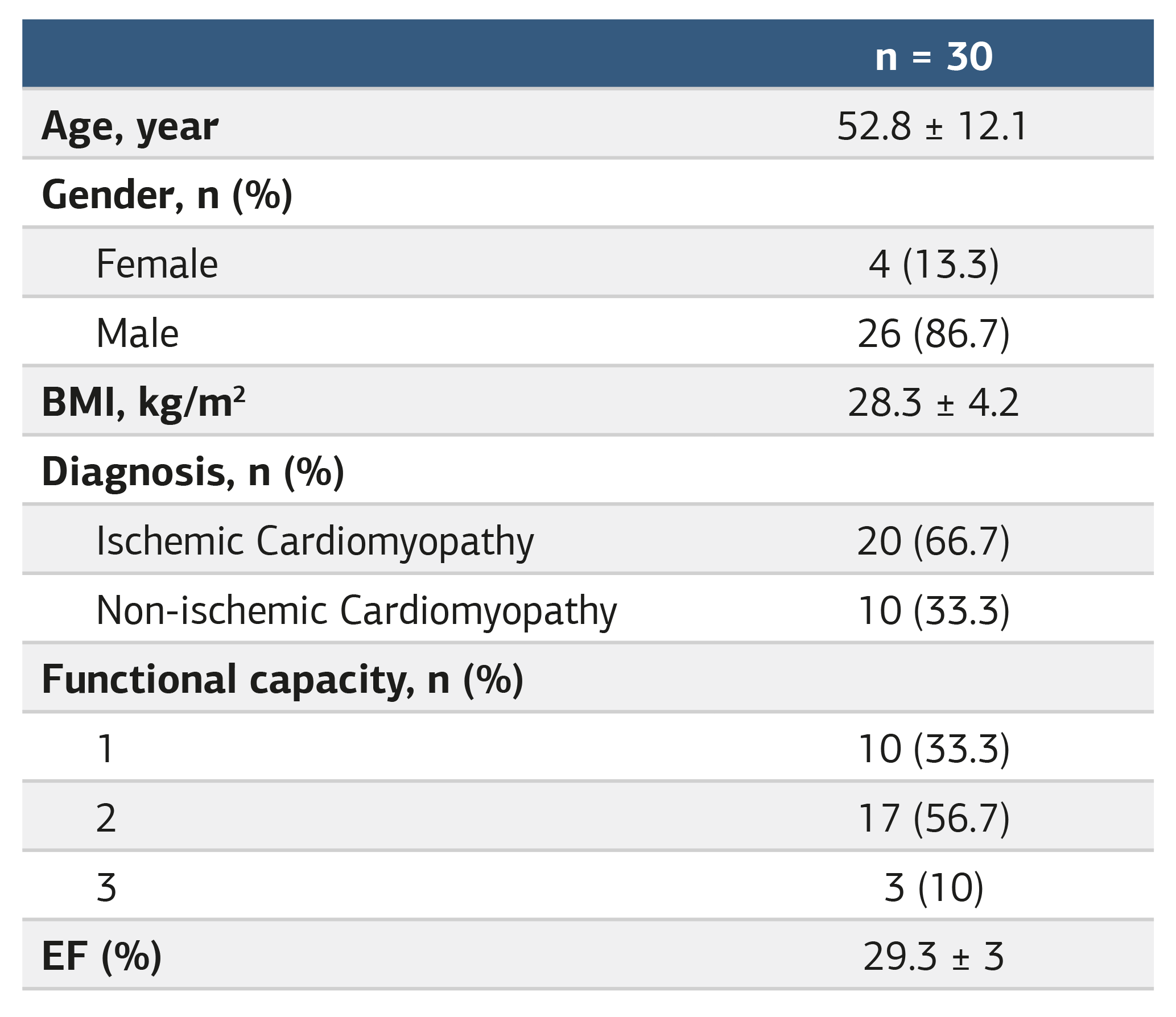
Data are given as n (%) or Mean ± standard deviation. BMI; body mass index, EF; ejection fraction
Table 2. The results of cardiopulmonary exercise testing
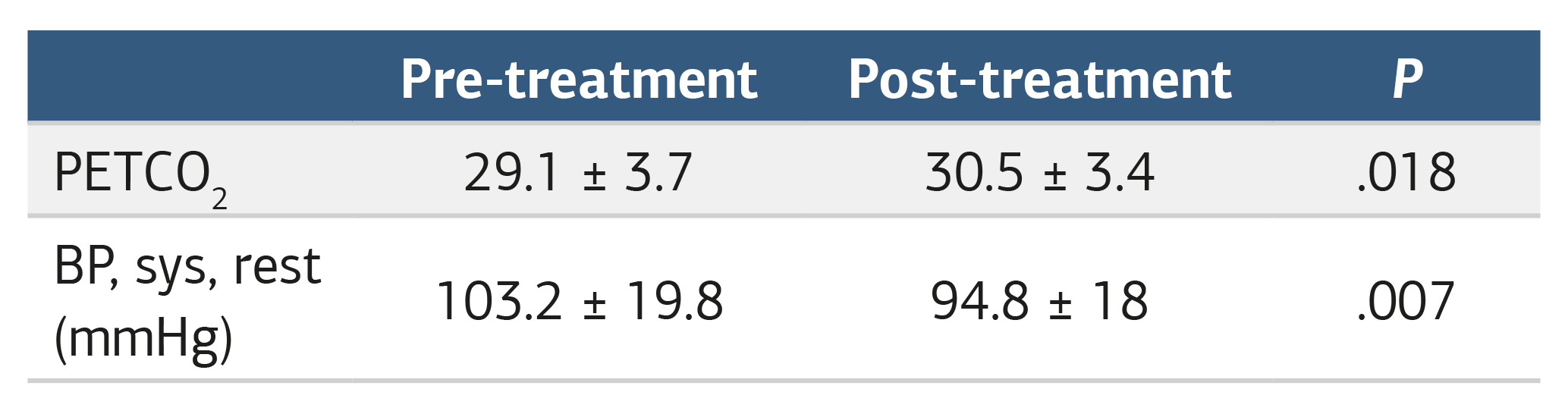
Data are given as Mean±Standard deviation or median (interquartile range). Statistically significant values are marked in bold.
Table 3. Functional, Quality of Life and Psychological Assessments
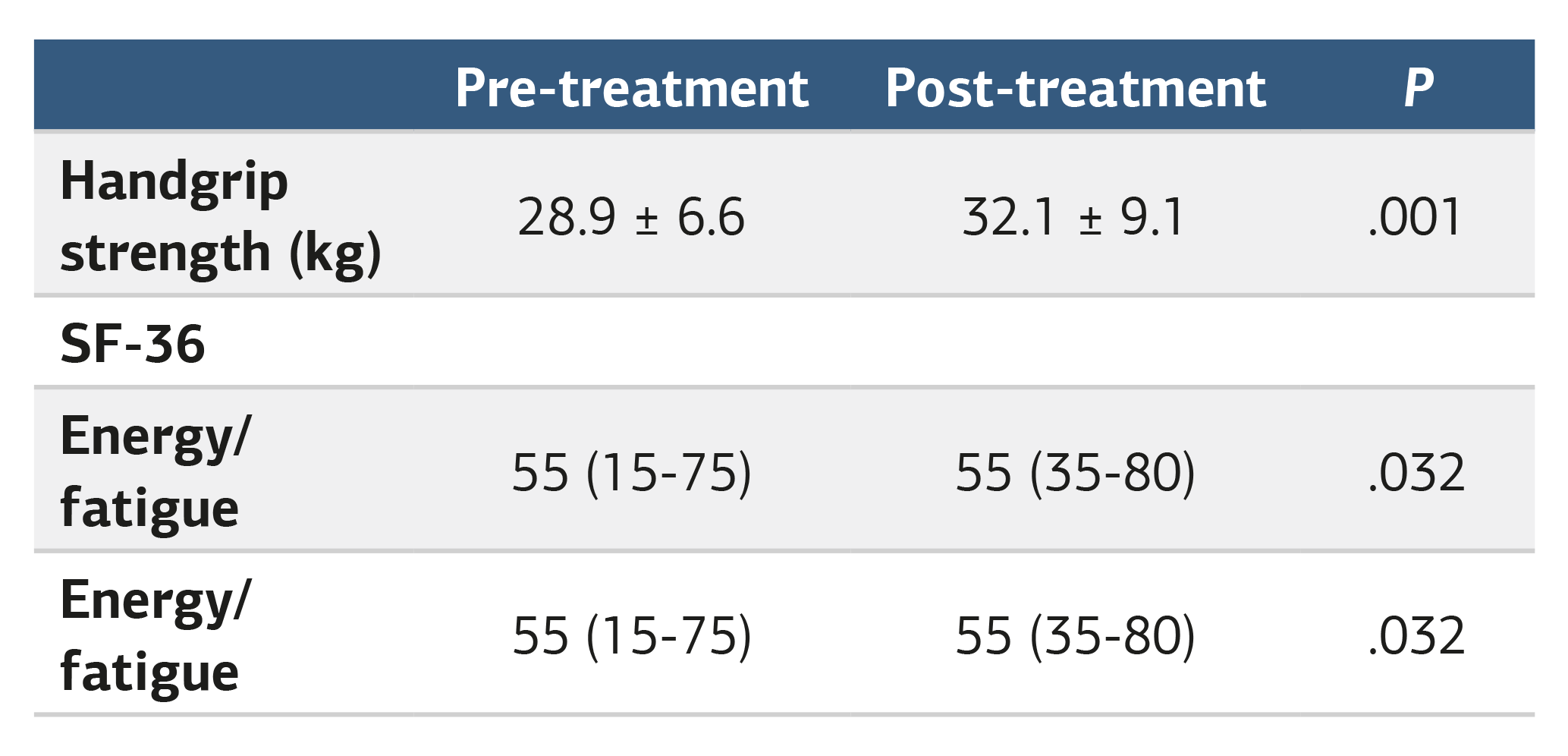
Data are given as Mean ± standard deviation or median (interquartile range). Statistically significant values are marked in bold.
Additional Information
Publisher’s Note
Bayrakol MP remains neutral with regard to jurisdictional and institutional claims.
Rights and Permissions

This work is licensed under a Creative Commons Attribution-NonCommercial 4.0 International License (CC BY-NC 4.0). To view a copy of the license, visit https://creativecommons.org/licenses/by-nc/4.0/
About This Article
How to Cite This Article
Emine Esra Bilir, Ebru Alemdaroğlu, Nilüfer Kutay Ordu Gökkaya, Refiye Önal, Dilek Dizdar, Ayşe Merve Ata. Effect of exercise training on aerobic capacity in heart failure patients. Ann Clin Anal Med 2026;17(8):799-803. doi:10.4328/ACAM.50040
Publication History
- Received:
- 26.01.2026
- Accepted:
- 15.04.2026
- Published Online:
- 16.04.2026
- Printed:
- 01.08.2026