
Abstract
AimSurgical site infections (SSIs) are common complications in colorectal cancer surgeries, with an even higher incidence of rectal cancer due to coloanal or colorectal anastomoses. SSIs have been linked to an increased risk of local recurrence. This study aims to evaluate the effect of IBL on SSI development in rectal cancer patients.MethodsPatients aged 18–80 years who underwent elective surgery for Stage I–III rectal adenocarcinoma were included. Surgical procedures followed Total Mesorectal Excision (TME) principles, using either low anterior resection (LAR) with circular staplers or abdominoperineal resection (APR). ROC analysis was conducted to determine the optimal intraoperative blood loss (IBL) cutoff for SSI prediction. Univariate and multivariate Cox regression models were used to identify risk factors, with a p-value <0.05 considered statistically significant.ResultsIBV was significantly higher in patients with SSI (170 [150–225] vs.78 [60–100], p<0.001). ROC analysis determined the optimal IBV cut-off for SSI risk prediction (AUC:0.719, 95% CI:0.636–0.803, p=0.042). Sensitivity was 73.9%, and specificity was 69.6% (p<0.001). Multivariate analysis confirmed that high IBV (OR:5.761, p<0.001), laparoscopic surgery (OR:0.067, p=0.025), and anastomotic leaks (OR:32.986, p<0.001) were independent risk factors for SSI development.ConclusionIntraoperative blood loss (IBL) is a significant risk factor for SSI development in rectal cancer surgeries. IBL exceeding 110 mL increases SSI risk by fivefold. These results highlight the need for further prospective studies evaluating strategies and risk assessment models aimed at reducing SSI incidence in this patient population.
Keywords
Introduction
Surgical site infections (SSIs) are among the most common postoperative complications in patients undergoing colorectal cancer surgery. Due to the presence of coloanal or colorectal anastomoses, the incidence of SSIs is even higher in rectal cancer surgeries. In addition to short-term morbidity, studies have reported an increased risk of local recurrence following SSI development.1
Several factors have been associated with SSI development in these patients. Demographic characteristics such as age, diabetes, smoking, and malnutrition play a role. Additionally, disease-related factors, including neoadjuvant therapy, advanced stage, and tumor localization, have been implicated. Perioperative factors, such as the type of anastomosis, laparoscopic approach, and mechanical or oral bowel preparation, are also considered important. However, the impact of these factors remains a topic of ongoing debate.2-3-4-5
Intraoperative blood loss (IBL) is also considered one of the key factors in SSI development. Studies have suggested that blood loss between 50 and 200 mL may contribute to SSI risk. In various studies evaluating factors such as laparoscopy, mechanical or oral bowel preparation, tumor localization, and the use of non-absorbable sutures, intraoperative bleeding has been identified as an independent risk factor.6-7-8
Postoperative reductions in tissue perfusion and disruption of the mucosal barrier due to bleeding are known to increase susceptibility to both superficial and deep incisional SSIs. Additionally, inadequate drainage of hematomas has been shown to contribute to the development of organ-space SSIs through a similar mechanism.9-10-11
This study aims to determine the impact of intraoperative blood loss on SSI development in rectal cancer patients, particularly in a cohort that includes cardiac patients receiving anticoagulant therapy and those with an increased risk of bleeding.
Materials and Methods
Study DesignThe records of patients who underwent rectum cancer surgery in the Department of Gastrointestinal Surgery at the Koşuyolu Yuksek Ihtisas High Training and Research Hospital between 01/01/2018 and 12/31/2023 were reviewed.Inclusion CriteriaPatients who underwent surgery for rectal adenocarcinoma and with resections completed according to oncological principles in elective settings were included in the study. Only patients with complete demographic and clinicopathological data before and after surgery were considered. The study included patients aged between 18 and 80 years. Only Stage I, II, and III patients solitarily operated for rectum cancer included.Exclusion CriteriaPatients who underwent surgery under emergency conditions, such as bleeding obstruction or hemodynamic instability during procedures, as well as those who underwent palliative surgery, and incomplete surgical specimens, were excluded from the study. Patients with positive Circumferential Resection Margin (cRM), positive surgical margins or Additionally, patients with a history of immunodeficiency, those who received but did not complete neoadjuvant therapy, and those with missing preoperative demographic data, intraoperative or postoperative follow-up, or clinicopathological data were excluded. Furthermore, to ensure consistency in the effectiveness of prophylactic treatment, patients with penicillin or metronidazole allergies were also excluded from the study. Stage IV patients, or any patient with additional surgical resection which may contribute to increased risk for SSI development, were excluded. Patients treated with prior rectum obstruction with a diverting colostomy or rectal stenting as a bridge for neoadjuvant therapy were excluded. Finally, any patient with a prior colon cancer and colon surgery history is excluded.Preoperative and Perioperative Patient AssessmentThe study was conducted at a specialized center primarily focused on cardiology and cardiovascular surgery, one of the three major referral hospitals for cardiovascular specialties in Istanbul. It was carried out in a gastrointestinal surgery department in the same center where fellowship training is provided and where a higher number of patients with a history of cardiac disease are referred. Consequently, preoperative evaluations included comprehensive assessments of patients’ cardiovascular disease demographics and histories of anticoagulant use. Other preoperative demographic data were retrieved from the hospital’s electronic automation system. Additionally, intraoperative data, such as estimated blood loss, the amount of resuscitated crystalloid fluids, surgical approach, and procedure details, were extracted from surgical and anesthesia records. Postoperative follow-up data were obtained from hospital records. Neoadjuvant chemoradiotherapy was administered to patients diagnosed with locally advanced rectal cancer during preoperative staging, and surgery was planned at least six weeks after the completion of their preoperative treatment. All patients received intravenous prophylaxis with 2 g of cefazolin and 500 mg of metronidazole before surgery. A single anesthesia team was responsible for both preoperative and postoperative follow-ups. Prior to rectal cancer surgery, all patients received two oral doses of Sennoside A+B and two rectal enemas. Fluid hydration was maintained during mechanical bowel preparation. Preoperative anemia was defined as hemoglobin ≤8 g/dL in patients without comorbidities and ≤10 g/dL in those with cardiovascular disease. Laparoscopic or conventional surgery was performed in all patients, with at least one silicone drain placed in the right or left paracolic region, positioned at the level of the preperitoneal reflection. Also, an additional closed-suction drain is used in patients with abdominoperineal resection. Skin sterilization was achieved using chlorhexidine. Surgical procedures were performed according to Total Mesorectal Excision (TME) criteria using either low anterior resection or abdominoperineal resection techniques. All surgeries were conducted by board-certified general surgeons with at least five years of experience specializing in gastrointestinal surgery. For patients with low anterior resection, circular staplers are used for anastomosis formation.
SSIs were classified based on the Centers for Disease Control and Prevention (CDC) 1988 criteria, incorporating the 2017 updates. They were categorized into Superficial Surgical Site Infection (SiSSI), Deep Surgical Site Infection (DiSSI), and Organ/Space Infection (OSI). Patients exhibiting at least one of these subtypes were considered to have developed an SSI.Ethical ApprovalThis study was approved by the Ethics Committee of the University of Health Sciences Koşuyolu High Specialization Training and Research Hospital (Date: 03.09.2024, Decision No: 2024/15/899).Statistical AnalysisStatistical analyses were performed using the SPSS 27.0 software package (SPSS Inc., Chicago, IL). The normality of quantitative variables was assessed with the Kolmogorov-Smirnov test. For comparisons between independent groups, the independent samples t-test was applied to normally distributed variables, while the Mann-Whitney U test was used for non-normally distributed variables. Associations between categorical variables were examined using the chi-square test. Descriptive statistics for normally distributed quantitative variables were reported as mean ± standard deviation, whereas non-normally distributed quantitative variables were presented as median (25th–75th percentile). Categorical variables were expressed as frequency and percentage (%). ROC analysis was performed to determine the optimal IBV cutoff for predicting SSI risk, along with its corresponding sensitivity and specificity. Factors associated with SSI development were evaluated using univariate and multivariate Cox regression models. A p-value <0.05 was considered statistically significant.Reporting GuidelinesThis study was reported in accordance with the STROBE guideline.
Results
A total of 158 rectal cancer patients met the inclusion criteria and were included in the study. Patients were classified based on SSI presence: 46 (29.1%) developed SSI, while 112 (70.9%) remained infection-free. Among SSI cases, 18 had organ/space SSI (OSI-SSI), 8 had deep incisional SSI (DiSSI), and 29 had superficial incisional SSI (SiSSI). Management varied by SSI type. Five OSI-SSI patients required re-laparotomy, ten underwent radiologic or endoscopic interventions, and three received medical therapy alone. Among the eight DiSSI cases, six required surgical debridement, while two were managed with bedside wound care. All 29 SiSSI cases were treated with bedside wound care. An analysis of demographic data revealed no significant differences between groups in terms of gender distribution (p=0.525), mean age (p=0.140), BMI (p=0.528), ASA score (p=0.991), hypertension (p=0.715), diabetes mellitus (p=0.357), chronic heart failure (p=0.597), coronary artery bypass history (p=0.288), coronary stent placement (p=0.569), cardiac valve replacement (p=0.774), arrhythmia (p=0.122), COPD (p=0.420), anemia (p=0.639), smoking (p=0.343), anticoagulant use (p=0.215), and prior laparotomy (p=0.616). However, tumor location differed significantly, with upper (37.5% vs.30.4%) and middle rectal tumors (51.8% vs.34.8%) more common in the SSI- group, while lower rectal tumors were significantly more frequent in the SSI+ group (10.7% vs.34.8%, p=0.001). Clinicopathological analysis showed no significant differences between groups in terms of cancer stage (p=0.242), T stage (p=0.256), N stage (p=0.580), neoadjuvant therapy (p=0.290), surgical approach (p=0.702), stoma presence (p=0.327), LVI (p=0.090), PNI (p=0.119), tumor differentiation (p=0.218), perioperative (p=0.080) and postoperative erythrocyte transfusion (p=0.323), total lymph node count (p=0.400), operative time (p=0.374), and perioperative fluid replacement volume (p=0.122). However, laparoscopic surgery was significantly less common in the SSI+ group (30.4% vs.2.2%, p<0.001). Major complications were significantly more frequent in the SSI+ group (0.9% vs.32.6%, p<0.001), with a higher incidence of anastomotic leakage (1.8% vs.26.1%, p<0.001) and greater intraoperative blood loss (78 [60–100] ml vs.170 [150–225] ml, p<0.001). Other complications, including chylous ascites (p=0.118), pneumonia (p=0.362), acute kidney injury (p=0.513), and acute mechanical intestinal obstruction (p=0.255), showed no significant differences between groups. Significant values are summarized in Table 1. A ROC curve analysis was performed to determine the cut-off value for IBL. The Area Under the Curve (AUC) was 0.719, with a standard error for AUC (SEAUC) p-value of 0.042 and a 95% confidence interval (CI) of 0.636–0.803. Sensitivity was found to be 73.9%, and specificity was 69.6% (p<0.001). Information related to the ROC curve is provided in Figure 1. Based on the IBL cut-off value (110 ml), patients were classified into two groups: 90 (57.0%) with low IBL (<110 ml) and 68 (43.0%) with high IBL (>110 ml). No significant differences were observed between groups in terms of gender (p=0.166), mean age (p=0.477), BMI (p=0.135), ASA score (p=0.202), hypertension (p=0.750), diabetes mellitus (p=0.122), chronic heart failure (p=0.983), history of coronary artery bypass (p=0.745), coronary stent placement (p=0.093), cardiac valve replacement (p=0.435), arrhythmia (p=0.889), COPD (p=0.805), smoking (p=0.303), anticoagulant use (p=0.651), anticoagulant type (p=0.529), or previous laparotomy (p=0.681). However, preoperative anemia was significantly more common in the high IBL group (2.2% vs.10.3%, p=0.030). Upper (37.8% vs.32.4%) and middle rectal tumors (51.1% vs.41.2%) were more prevalent in the low IBL group, whereas lower rectal tumors were significantly more frequent in the high IBL group (11.1% vs.26.5%, p=0.043). Clinicopathological analysis showed no significant differences between groups in cancer stage (p=0.644), T stage (p=0.636), N stage (p=0.218), surgical procedure (p=0.097), stoma presence (p=0.084), LVI (p=0.322), PNI (p=0.267), or tumor differentiation (p=0.768). No significant differences were found between groups regarding complication severity (p=0.097), chylous ascites (p=0.248), pneumonia (p=0.102), acute kidney injury (p=0.102), acute mechanical intestinal obstruction (p=0.813), anastomotic leakage (p=0.582), or total lymph node count (p=0.322). However, neoadjuvant therapy was significantly more frequent in the high IBL group (31.1% vs.50.0%, p=0.016), while laparoscopy was more commonly performed in the low IBL group (32.2% vs.8.8%, p<0.001). Operative time was similar between groups (p=0.615), whereas perioperative crystalloid replacement volume was significantly higher in the high IBL group (p=0.023). Significant values are summarized in Table 2. All significant variables were included in the regression analysis. In the univariate analysis, laparoscopic surgery was associated with a lower risk of SSI (OR:0.051, p=0.004), while anastomotic leakage (OR:19.412, p<0.001), high IBV levels (OR:6.500, p<0.001), and lower rectal cancer (OR:4.000, p=0.005) increased the risk. However, neoadjuvant therapy, major complications, anemia, surgical procedures, and perioperative crystalloid replacement were not significant factors for SSI development. In the multivariate analysis, laparoscopic surgery remained protective (OR:0.067, p=0.025), while anastomotic leakage (OR:32.986, p<0.001) and high IBV levels (OR:5.761, p<0.001) were confirmed as independent risk factors (Table 3).Discussion
In our study, increased intraoperative blood loss was shown to be an independent risk factor for SSI development in rectal cancer surgery, alongside anastomotic leakage and conventional surgical approaches. When intraoperative blood loss exceeded 110 mL, the risk of SSI increased approximately fivefold, with the potential to rise up to fifteenfold. IBL is one of the key factors contributing to SSI, which significantly delays patients’ return to daily life after surgery. Performing controlled surgical procedures may facilitate earlier recovery and prevent delays in adjuvant therapy when needed.
In colorectal cancer surgery, the opening of the intestinal mucosa itself increases SSI rates. While SSI rates range from 9% to 20% following colorectal surgery, they are even higher in rectal cancer cases. Operating in a confined and anatomically complex space like the pelvis can lead to deviations from the planned resection planes, increasing the risk of intraoperative bleeding.6
Intraoperative bleeding has been reported to cause tissue hypoperfusion and ischemia. This condition not only makes ischemic and necrotic tissues more susceptible to SSI development but also promotes pathogen proliferation through alterations in membrane permeability, ultimately increasing the risk of SSI. Literature studies have reported conflicting results regarding the impact of blood loss on SSI development.12-13-14-15
In a recent study including 1,408 patients evaluating risk factors for rectal cancer, intraoperative blood loss exceeding 200 cc was identified as an independent risk factor for the development of surgical site infections (SSI), increasing the risk by approximately 1.72 times. The same study also identified other independent risk factors, including abdominoperineal resection, open surgery, operative time, absorbable sutures, mechanical bowel preparation, and oral antibiotic use. Similarly, in our study, intraoperative blood loss and open surgery were also found to be independent risk factors. However, unlike the previous study, mechanical bowel preparation was not identified as an independent risk factor in our cohort. We believe that the lower volume but higher risk associated with intraoperative bleeding in our study is likely due to our more limited cohort, which includes a higher proportion of patients with a history of cardiovascular disease. Moreover, the large-scale study did not evaluate one of the most critical predisposing factors: anastomotic leaks. In contrast, in our study, anastomotic leaks were identified as the most significant risk factor.6
Limitations
The most significant limitation of our study is its retrospective design. Due to exclusion criteria, the patient cohort was considerably reduced, resulting in a more limited sample. However, this also allowed for an evaluation within a more homogeneous patient population. Additionally, since all rectal cancer patients at the study center routinely underwent mechanical bowel preparation before surgery, the impact of mechanical bowel preparation on SSI development could not be assessed. Nevertheless, our study provides a valuable contribution to the literature regarding intraoperative blood loss, as it offers an evaluation within a cohort with a high prevalence of anticoagulant use.
Conclusion
In rectal cancer surgeries, intraoperative blood loss (IBL) has been identified as a significant risk factor not only for postoperative complications but also for the development of SSI, which holds prognostic importance, particularly in relation to local recurrence. It has been shown that when IBL exceeds 110 mL, the risk of SSI increases by approximately fivefold. Our study is expected to serve as a foundation for future prospective studies investigating prophylactic antibiotic therapy or risk analysis in this context.
Abbreviations
APR: Abdominoperineal resection
AUC: Area under the curve
BMI: Body mass index
CI: Confidence interval
IBL: Intraoperative blood loss
OR: Odds ratio
ROC: Receiver operating characteristic
SSI: Surgical site infection
TME: Total mesorectal excision
References
- Lawler J, Choynowski M, Bailey K, Bucholc M, Johnston A, Sugrue M. Meta-analysis of the impact of postoperative infective complications on oncological outcomes in colorectal cancer surgery. BJS Open. 2020;4(5):737-747. doi:10.1002/bjs5.50302
- Tsujio G, Fukuoka T, Sugimoto A, et al. The efficacy of chemical bowel preparation against incisional surgical site infection in colorectal cancer surgery: a propensity score matching study. Anticancer Res. 2024;44(8):3473-3480. doi:10.21873/anticanres.17167
- Zaman S, Mohamedahmed AYY, Ayeni AA, et al. Comparison of the colonic J-pouch versus straight end-to-end anastomosis following low anterior resection: a systematic review and meta-analysis. Int J Colorectal Dis. 2022;37(4):919-938. doi:10.1007/s00384-022-04130-w
- Khan MH, Tahir A, Hussain A, Monis A, Zahid S, Fatima M. Outcomes of robotic versus laparoscopic-assisted surgery in patients with rectal cancer: a systematic review and meta-analysis. Langenbecks Arch Surg. 2024;409(1):269-285. doi:10.1007/s00423-024-03460-3
- Yamamoto T, Yoshitomi M, Oshimo Y, et al. Ability of minimally invasive surgery to decrease incisional surgical site infection occurrence in patients with colorectal cancer and other gastroenterological malignancies. Front Surg. 2023;10:1-6. doi:10.3389/fsurg.2023.1150460
- Okada M, Kawai K, Sasaki K, et al. Intervention strategies to reduce surgical site infection rates in patients undergoing rectal cancer surgery. In Vivo. 2022;36(1):439-445. doi:10.21873/invivo.12722
- Katsumata K, Enomoto M, Ishizaki T, et al. Risk factors for surgical site infection and association of surgical site infection with survival of lower rectal cancer patients without clinical lateral pelvic lymph node metastasis: analysis of data from JCOG0212. Clin Exp Metastasis. 2021;38(5):459-466. doi:10.1007/s10585-021-10117-8
- Chang J, Karlsdottir BR, Phillips H, et al. Modern trends in surgical site infection rates for colorectal surgery: a national surgical quality improvement project study, 2013-2020. Dis Colon Rectum. 2024;67(9):1201-1209. doi:10.1097/dcr.0000000000003155
- Henry K, Merab K, Leonard M, Ronald KL, Nasser K, Moses G. Elevated serum lactate as a predictor of outcomes in patients following major abdominal surgery at a tertiary hospital in Uganda. BMC Surg. 2021;21(1):319. doi:10.1186/s12893-021-01315-y
- Altintas MM, Kaya S, Kocaoglu AE, Mulkut F. Does preoperative anaemia have an effect on the perioperative period in colorectal cancer surgery? Niger J Clin Pract. 2022;25(7):1102-1106. doi:10.4103/njcp.njcp_1664_21
- Claridge JA, Crabtree TD, Pelletier SJ, Butler K, Sawyer RG, Young JS. Persistent occult hypoperfusion is associated with a significant increase in infection rate and mortality in major trauma patients. J Trauma. 2000;48(1):8-15. doi:10.1097/00005373-200001000-00003
- Cheadle WG. Risk factors for surgical site infection. Surg Infect (Larchmt). 2006;7(1):7-11. doi:10.1089/sur.2006.7.s1-7
- Guzman-Pruneda FA, Husain SG, Jones CD, et al. Compliance with preoperative care measures reduces surgical site infection after colorectal operation. J Surg Oncol. 2019;119(4):497-502.
- Alsafrani TA, Alabbasi AA, Dabroom AA, et al. The effectiveness of superficial drain to reduce surgical site infection in colorectal surgery. Cureus. 2021;13:1-8. doi:10.7759/cureus.17232
- Koskenvuo L, Lunkka P, Varpe P, et al. Morbidity after mechanical bowel preparation and oral antibiotics prior to rectal resection: the MOBILE2 randomized clinical trial. JAMA Surg. 2024;159(6):606-614. doi:10.1001/jamasurg.2024.0184
Tables
Table 1. Demographic and clinicopathologic variable comparison of factors influencing SSI development
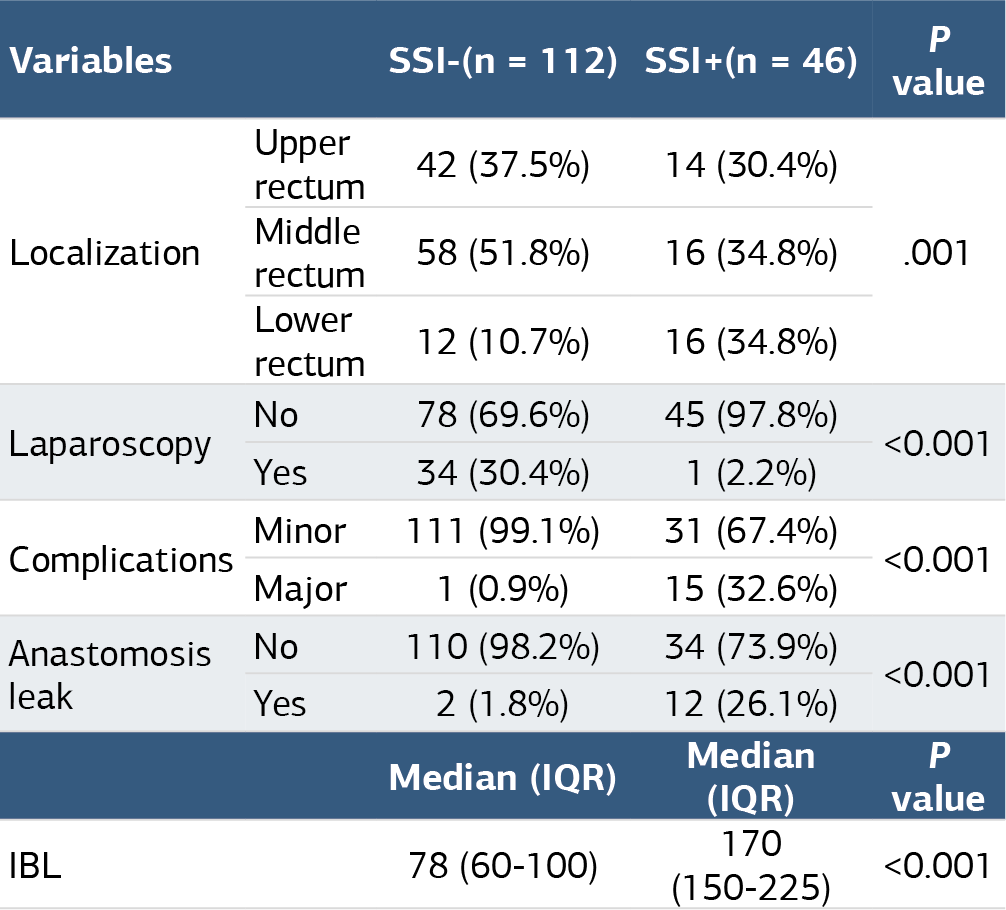
SSI: Surgical site infection; IBL: Intraoperative blood loss. †Chi-square test; ‡Mann–Whitney U test.
Table 2. Demographic and clinicopathologic characteristics of patients scaled by IBV cutoff
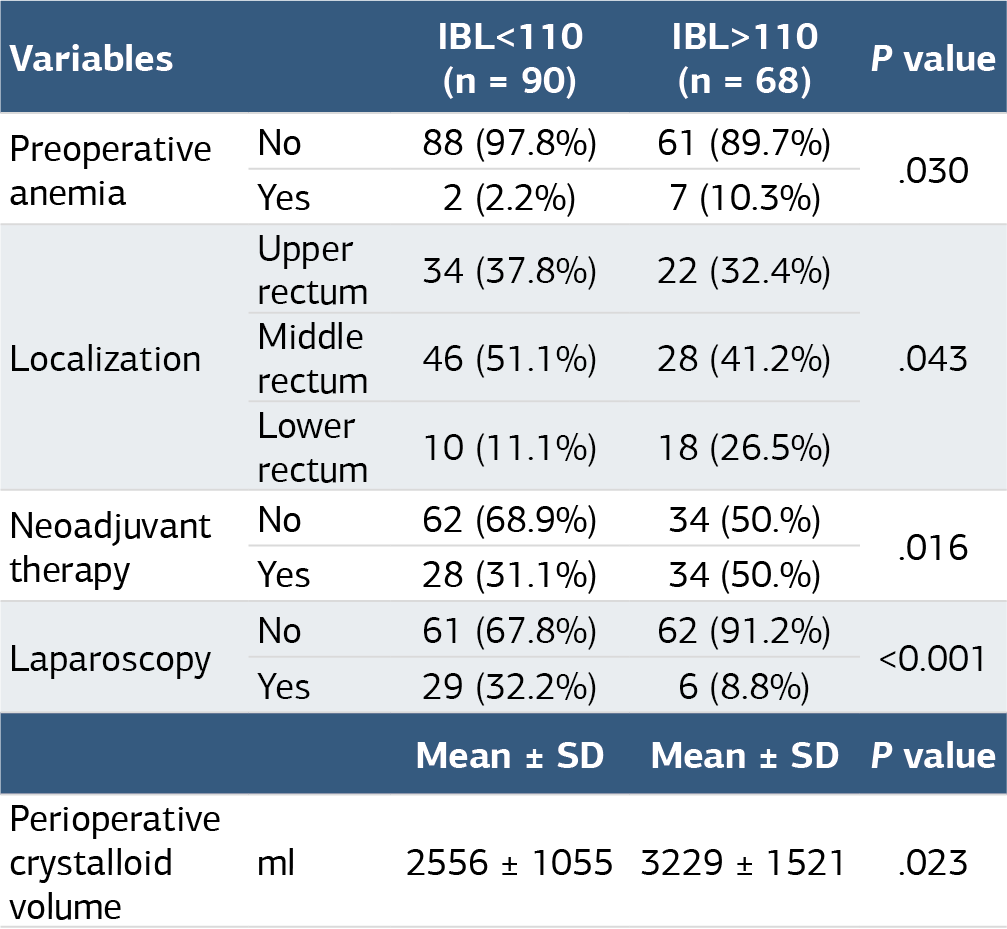
IBL: Intraoperative blood loss. †Chi-square test; ‡Mann–Whitney U test.
Table 3. Multivariate Cox regression for factors impacting SSI development
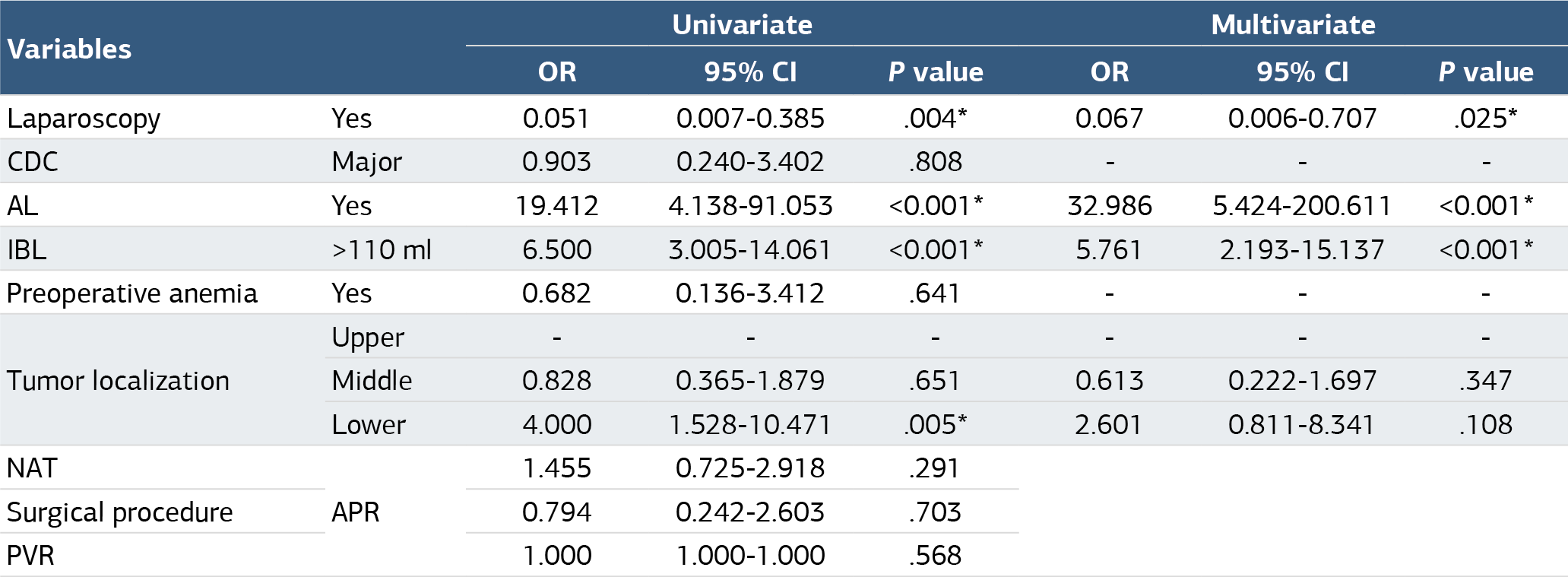
CDC: Clavien–Dindo classification; AL: Anastomotic leak; IBL: Intraoperative blood loss; NAT: Neoadjuvant therapy; PVR: Perioperative volume replacement; APR: Abdominoperineal resection; OR: Odds ratio; CI: Confidence interval. *P < 0.05.
Figures
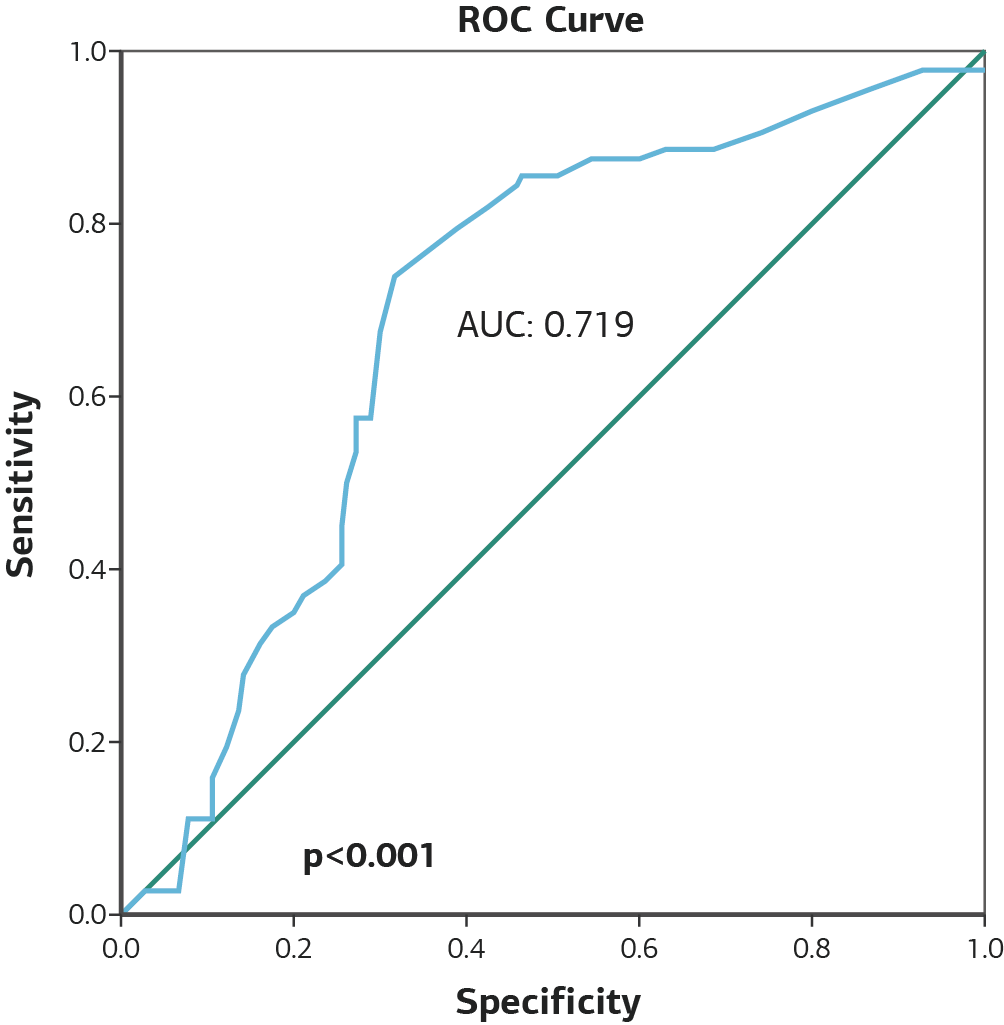
Figure 1. ROC analysis based on intraoperative bleeding volume
Additional Information
Publisher’s Note
Bayrakol MP remains neutral with regard to jurisdictional and institutional claims.
Rights and Permissions

This work is licensed under a Creative Commons Attribution-NonCommercial 4.0 International License (CC BY-NC 4.0). To view a copy of the license, visit https://creativecommons.org/licenses/by-nc/4.0/
About This Article
How to Cite This Article
İsa Caner Aydın, Mehmet Torun, Ahmet Orhan Sunar, Serkan Ademoğlu, Mürşit Dinçer, Selçuk Gülmez, Erdal Polat, Mustafa Duman. Role of intraoperative blood loss in predicting surgical site infections during rectal cancer surgery. doi:10.4328/ACAM.22618
Publication History
- Received:
- 25.02.2025
- Accepted:
- 23.03.2025
- Published Online:
- 24.03.2025
- Printed:
- 25.03.2025