
Abstract
AimIndwelling central venous catheters (ICVCs) are indispensable for long-term vascular access, yet their placement is associated with significant complications. Understanding the temporal distribution and risk factors for these complications is crucial for optimizing catheter management.MethodsThis retrospective cohort study evaluated 150 patients who underwent ICVC placement between November 2017 and November 2024. Patients were followed for six months to assess early (≤24 hours) and late (>24 hours) complications. Complications were categorized as thrombotic, infectious, or mechanical. Multivariate analysis was performed to identify independent risk factors influencing adverse outcomes.ResultsComplications occurred in 46% of patients, with early events in 12% and late complications in 34%. Thrombotic events (13.3%) were the most common late complication, with superior vena cava thrombosis occurring in 12%. Catheter occlusion (5.3%) developed exclusively in the late phase, with 37.5% of cases occurring between 1–2 months and 62.5% beyond 3 months. Subclavian vein catheterization was associated with a significantly higher complication rate (42.0%) compared to internal jugular vein placement (52.3% vs. 79.0%, p<0.001). Diabetes mellitus (p<0.001) and chronic renal failure (p<0.001) were the strongest predictors of catheter-related complications.ConclusionThis analysis recalibrates our understanding of ICVC complications, revealing thrombotic sequelae, not infectious events, as the predominant adverse outcomes. The identification of diabetes, renal dysfunction, and subclavian insertion as independently modifiable risk determinants establishes a framework for prophylactic optimization. These findings argue for preferential internal jugular cannulation, enhanced thromboprophylaxis strategies, and intensified surveillance for patients with metabolic and renal comorbidities.
Keywords
Introduction
Indwelling central venous catheters (ICVCs) are essential in modern medicine, offering reliable venous access for laboratory tests, drug administration, and parenteral nutrition, particularly in patients with chronic diseases.1 Despite their advantages, the placement and maintenance of ICVCs pose risks of significant complications.2 ICVC complications are classified as early or late, depending on their onset after placement.3 Mechanical obstruction, precipitation of drugs or parenteral nutrition preparations, or thrombotic obstruction are common causes of catheter occlusion. Catheter occlusion occurs in 50% of children and 66% of adults with long-term ICVCs and can lead to long-term vascular complications.4-7 Thrombotic occlusions impair catheter performance and contribute to serious complications, such as pulmonary embolism, infection, and post-thrombotic syndrome, increasing the complexity of long-term patient care.7-9 Thrombosis, in particular, has been identified as an important contributing factor to catheter-associated infections, as thrombotic sites provide a favorable environment for microbial colonization.10 Cardiac, vascular, pulmonary, and catheter insertion complications that occur during or immediately after indwelling central venous catheter placement are referred to as emergency complications. Rapid recognition and management of emergent complications are very important as they can often be life-threatening.11 Given the diverse range of complications associated with ICVCs, a thorough understanding of their risks, incidence, and clinical outcomes is essential for optimizing patient management. Retrospective studies provide a valuable means to analyze large patient cohorts, offering critical insights into complication rates, risk factors, and outcomes that shape clinical decision-making. This study retrospectively evaluates the incidence and nature of ICVC-related complications, with a particular focus on thrombosis, infection, and mechanical failure. By identifying key risk factors and associated outcomes, our findings aim to contribute to the development of preventive strategies and the refinement of management approaches for patients requiring long-term ICVCs.
Materials and Methods
Study DesignThis retrospective cohort study analyzed data from patients who underwent indwelling central venous catheter (ICVC) placement between November 2017 and November 2024. The primary objective was to assess the incidence and classification of ICVC-related complications and to identify potential risk factors contributing to their occurrence. Ethical approval was granted by the Local University Clinical Research Ethics Committee (Approval Number:2024/21-16). Given the retrospective nature of the study, informed consent was not required. All patient data were fully anonymized to maintain confidentiality and comply with ethical standards. The selection of catheter insertion sites was reviewed retrospectively based on medical records. The right internal jugular vein (anterior or central approach) was the most commonly utilized site for catheter placement. In cases where previous catheterization had resulted in thrombosis or stenosis, the left internal jugular vein was used. If neither jugular vein was available, the subclavian vein was selected as the next option. The femoral vein was cannulated only when all other venous access sites were occluded.
Catheter placement was performed under aseptic conditions in an operating theater, as documented in procedural records. Fluoroscopy guidance was used to facilitate guidewire positioning and ensure optimal catheter tip placement. Following insertion, a post-procedural chest X-ray was routinely performed to confirm catheter positioning and detect potential complications such as malposition, pneumothorax, or hemothorax. Data regarding catheter insertion techniques, imaging verification, and early procedural complications were collected from hospital records and systematically analyzed.Patient Selection and Data CollectionEligible patients were those who had documented indwelling central venous catheter (ICVC) placement, including dialysis catheters, for long-term use, as recorded in hospital databases. Inclusion criteria encompassed adult patients who required ICVCs for extended venous access due to medical conditions necessitating prolonged intravenous therapy, such as hemodialysis, total parenteral nutrition, or long-term antibiotic administration. Patients with totally implantable venous access devices (ports) were excluded from the study. Patients were excluded if they had incomplete or missing medical records, preventing comprehensive data analysis. Additionally, those with pre-existing ICVC-related complications before study enrollment were excluded to ensure that only newly developed complications were assessed. Patients who had ICVCs placed for short-term or emergency indications (<7 days), including acute resuscitation or temporary perioperative use, were also omitted, as their complication profiles may differ from long-term catheter use.
Relevant clinical data were systematically extracted from electronic medical records, ensuring consistency and completeness. Collected variables included patient demographics (age, sex, and underlying comorbidities such as malignancy, diabetes, and chronic kidney disease), catheter-related characteristics (type, insertion site, and duration of use), and recorded complications. Complications were classified into thrombotic (e.g., catheter-related thrombosis, deep vein thrombosis), infectious (e.g., catheter-associated bloodstream infections), and mechanical (e.g., occlusion, dislodgement, or breakage). Each complication was confirmed based on established clinical criteria, ensuring standardization in reporting. To protect patient confidentiality, all data were anonymized, and access was restricted to authorized study investigators in accordance with ethical guidelines.Classification of ComplicationsComplications in this study were classified as early (urgent) or late, based on their onset relative to catheter placement. Early complications were defined as adverse events occurring within the first 24 hours post-insertion and included cardiovascular, vascular, and pulmonary complications such as cardiac arrhythmias, arterial puncture, hematoma formation, and pneumothorax. These complications were considered procedure-related and required immediate intervention. In contrast, late complications were defined as adverse events developing over prolonged catheter use and were categorized into thrombotic, infectious, and mechanical failures. Thrombotic complications included superior vena cava thrombosis, deep vein thrombosis, and fibrin sheath formation, confirmed via radiological imaging. Infectious complications primarily involved catheter-associated bloodstream infections (CABSI), diagnosed through positive blood cultures and associated clinical symptoms such as fever and leukocytosis. Mechanical failures encompassed catheter occlusion, dislodgement, migration, and fracture, which often required catheter removal or replacement. Additionally, dialysis catheter-related complications, including catheter-related bloodstream infections (CRBSI) and superior vena cava thrombosis (SVC thrombosis), were analyzed separately due to their distinct risk profile compared to other ICVCs. This classification framework allowed for a comprehensive evaluation of complication incidence and risk factors, distinguishing immediate procedural risks from long-term device-related complications.Follow-up and Outcome AssessmentPatients were followed for a minimum period of 6 months post-catheter insertion to assess early and late complications. Clinical evaluations were performed at 1 week, 1 month, 3 months, and 6 months to document mechanical, thrombotic, and infectious complications. Catheter patency was assessed through clinical examination and radiological imaging when necessary. Cases of suspected infection were confirmed via blood cultures, and thrombotic events were verified with Doppler ultrasound or computed tomography venography (CTV). The follow-up period was extended for dialysis catheter patients, given the higher risk of late complications.Ethical ApprovalThis study was approved by the Ethics Committee of Zonguldak Bülent Ecevit University (Date: 04.12.2024, Decision No: 2024/21-16).Statistical AnalysisIBM® SPSS® Statistics version 25 (IBM Corp., Armonk, NY, USA) was used for statistical analysis. The distribution of numerical data was assessed using the Kolmogorov–Smirnov test. The chi-square test was employed for comparisons involving categorical variables. A normal distribution was found for survival groups, and comparisons were conducted using Student’s t-test. Qualitative data were presented as frequency and percentage, while continuous data were expressed as mean and standard deviation (SD) for parametric values.Reporting GuidelinesThis study was reported in accordance with the STROBE guideline.
Results
A total of 150 patients were included in the analysis, comprising 90 males (60%) and 60 females (40%), with a mean age of 65.4 ± 12.3 years. The predominant comorbidities were hypertension (50%), chronic kidney disease (36.6%), and diabetes mellitus (30%) (Table 1). Central venous catheters were primarily inserted in the internal jugular vein (66.7%), followed by the subclavian vein (26.6%) and femoral vein (6.6%). Dialysis catheters constituted 70% of all insertions, with a mean duration of use of 128 ± 45 days. Complications were observed in 69 patients (46%), with early complications occurring in 12% of cases and late complications in 34%. The most frequent early complications included arrhythmia (3.3%) and arterial puncture (2.7%). Among late complications, thrombotic events were most common (13.3%), particularly superior vena cava thrombosis (12.0%) (Figure 1), followed by catheter-associated bloodstream infections (8.0%) and mechanical complications such as occlusion (5.3%) (Table 2).
When comparing patients with complications (n = 69) to those without (n = 81), significant differences were observed in certain clinical parameters. Diabetes mellitus was significantly more prevalent in the complications group (46.3% vs.16.0%, p<0.001). Similarly, chronic renal failure showed a strong association with complication development (56.5% vs.19.7%, p<0.001). Catheter insertion site analysis revealed significant variations in complication rates (p<0.001). Notably, subclavian vein catheterization was associated with a higher rate of complications (42.0% in the complications group vs.13.5% in the non-complications group). Conversely, internal jugular vein placement showed a protective effect, with significantly lower representation in the complications group (52.3%) compared to the non-complications group (79.0%). Femoral vein catheterization demonstrated comparable complication rates between groups (5.7% vs.7.5%) (Table 3). All 8 cases of catheter occlusion were classified as late complications, occurring beyond 1 week post-insertion. Among these, 3 patients (37.5%) developed occlusion between 1 month and 2 months, primarily due to fibrin sheath formation or thrombotic deposits. The remaining 5 cases (62.5%) occurred beyond 3 months, suggesting chronic thrombotic occlusion or progressive lumen narrowing. No significant differences were observed between groups regarding gender, hypertension, malignancy history, cardiovascular disease, age, or catheter duration of use. Although not reaching statistical significance, dialysis catheters were less frequently associated with complications (65.2% vs.74.0%, p=0.053).
Discussion
The demographic transition toward extended longevity has necessitated comprehensive revisions of therapeutic algorithms to address the evolving pathophysiological profiles encountered in contemporary clinical practice.12,13 This population aging trend has driven increased utilization of indwelling central venous catheters as more patients require long-term vascular access for chronic disease management. Our investigation reveals a substantial burden of ICVC-associated adverse events affecting nearly half the cohort, which warrants critical reflection on existing preventive strategies and risk mitigation protocol. Our temporal bifurcation of complications into early (12%) and late (34%) manifestations elucidates distinct pathophysiological processes with implications for surveillance strategies (Figure 2). Procedure-associated events, principally arrhythmias (3.3%) and arterial puncture (2.7%) exhibited lower incidence than previously reported ranges,14,15 potentially attributable to standardized procedural protocols and advanced imaging guidance employed at our institution.
Multivariate analysis demonstrated that diabetes mellitus and chronic renal failure significantly amplified complication risk (p<0.001), establishing a multifactorial causality model wherein systemic vascular pathology precipitates localized catheter-associated adverse events. This relationship suggests that extrapolating complication risk exclusively from technical parameters offers insufficient predictive value without integrating patient-specific comorbidity profiles.
Anatomical selection for catheter placement emerged as a determinant variable with substantial clinical implications (p<0.001). The subclavian approach demonstrated substantially higher complication rates (42.0% versus 13.5% in non-complication cohorts), while internal jugular placement conferred protective effects (52.3% versus 79.0%). These findings align with Develter’s identification of the right internal jugular vein as the optimal placement site,16 yet interestingly, we did not observe their reported increase in bacteremia risk. This anatomical risk dichotomy challenges conventional approaches to access site selection and argues for preferential internal jugular placement unless anatomically contraindicated.
Our findings complement Hammoumi et al.’s observations in 1460 patients, where site-specific complications included subcutaneous hematoma, pneumothorax, and catheter distortion in the costoclavicular region,17 further emphasizing the critical importance of site selection and meticulous technique. Our documented occlusion rate of 5.3% represents a striking departure from published incidences of 14 to 36%.18-21 Rather than reflecting superior preventive efficacy, this discrepancy likely stems from our circumscribed 6-month surveillance window. The temporal progression pattern, 37.5% of occlusions emerging between months 1 to 2 and 62.5% developing beyond month 3, suggests an acceleration of occlusive pathology with extended catheter dwell time. This temporal signature aligns with Pietro’s observation that vascular access complications peak in the first 3 to 6 months following placement,22 though our data suggest a more protracted vulnerability window. Other investigators have similarly noted that catheter-related complications demonstrate the highest incidence within the first 90 days after insertion, particularly in patients with central venous and hemodialysis catheters,23 reinforcing the critical importance of intensive surveillance during this high-risk period.
Our study exhibits several methodological strengths, including comprehensive complication classification, standardized assessment protocols, and rigorous statistical analysis. Nevertheless, inherent limitations warrant acknowledgment. The retrospective design introduces potential selection bias and variability in documentation quality. The 6-month follow-up window, while pragmatically necessary, likely underestimates the cumulative complication burden, particularly for complications demonstrating exponential temporal distribution patterns. Additionally, our sample size, while adequate for primary outcome assessment, may limit statistical power for subgroup analyses. These findings carry significant clinical implications. First, they establish a hierarchy of modifiable risk factors: insertion site selection represents the most readily addressable parameter, followed by enhanced surveillance for patients with diabetes and renal dysfunction. Second, they highlight the need for extended thromboprophylaxis strategies, particularly for catheters expected to remain in situ beyond 3 months. Finally, they suggest that complication prevention must evolve from procedural excellence alone toward integrated patient catheter optimization paradigms that account for the complex interplay between systemic pathophysiology and localized vascular access.
Limitations
Despite methodological rigor, our investigation confronts inescapable constraints. The retrospective architecture inherently introduces recall asymmetry and documentation heterogeneity that elude statistical correction. Our circumscribed 6-month surveillance horizon truncates complication trajectories, potentially obscuring late manifestations that emerge beyond this temporal boundary. The monocentric framework limits extrapolation to institutions with divergent procedural protocols or patient demographics. While our cohort (n = 150) adequately powered primary analyses, granular subclassification analyses suffered diminished statistical resolution. The exclusion paradigm for patients with preexisting complications, while methodologically necessary, potentially filtered a subpopulation with distinct risk signatures. These limitations notwithstanding, our findings illuminate critical insights into ICVC complication pathogenesis and prophylaxis optimization.
Conclusion
Our findings reframe the conceptualization of ICVC complications from primarily infectious and technical challenges toward a more nuanced understanding dominated by thrombotic sequelae and fundamentally shaped by insertion site selection and patient-specific comorbidities. This paradigm shift necessitates recalibration of prevention strategies toward anatomical optimization and targeted prophylaxis for high-risk subpopulations.
Declarations
Animal and Human Rights Statement
All procedures performed in this study were in accordance with the ethical standards of the institutional and/or national research committee and with the 1964 Helsinki Declaration and its later amendments or comparable ethical standards.
Informed Consent
Informed consent was waived by the Ethics Committee due to the retrospective nature of the study.
Data Availability
The datasets used and/or analyzed during the current study are not publicly available due to patient privacy reasons but are available from the corresponding author on reasonable request.
Conflict of Interest
The authors declare that there is no conflict of interest.
Funding
None.
Abbreviations
CABSI: Catheter-associated bloodstream infection
CRBSI: Catheter-related bloodstream infection
CRF: Chronic renal failure
CTV: Computed tomography venography
DM: Diabetes mellitus
ICVC: Indwelling central venous catheter
IJV: Internal jugular vein
SPSS: Statistical Package for the Social Sciences
SVC: Superior vena cava
References
- Baskin JL, Pui CH, Reiss U, et al. Management of occlusion and thrombosis associated with long-term indwelling central venous catheters. Lancet. 2009;374(9684):159-169. doi:10.1016/s0140-6736(09)60220-8
- Eastridge BJ, Lefor AT. Complications of indwelling venous access devices in cancer patients. J Clin Oncol. 1995;13(1):233-238. doi:10.1200/jco.1995.13.1.233
- Rosovsky RP, Kuter DJ. Catheter-related thrombosis in cancer patients: pathophysiology, diagnosis, and management. Hematol Oncol Clin North Am. 2005;19(1):183-202.
- Balestreri L, De Cicco M, Matovic M, Coran F, Morassut S. Central venous catheter-related thrombosis in clinically asymptomatic oncologic patients: a phlebographic study. Eur J Radiol. 1995;20(2):108-111. doi:10.1016/0720-048x(95)00633-2
- Journeycake JM, Buchanan GR. Thrombotic complications of central venous catheters in children. Curr Opin Hematol. 2003;10(5):369-374. doi:10.1097/00062752-200309000-00008
- van Rooden CJ, Tesselaar ME, Osanto S, Rosendaal FR, Huisman MV. Deep vein thrombosis associated with central venous catheters: a review. J Thromb Haemost. 2005;3(11):2409-2419. doi:10.1111/j.1538-7836.2005.01398.x
- Rosovsky RP, Kuter DJ. Catheter-related thrombosis in cancer patients: pathophysiology, diagnosis, and management. Hematol Oncol Clin North Am. 2005;19(1):183-202.
- Boersma R, Jie KS, Verbon A, Van Pampus E, Schouten H. Thrombotic and infectious complications of central venous catheters in patients with hematological malignancies. Ann Oncol. 2008;19(3):433-442. doi:10.1093/annonc/mdm350
- Wilimas JA, Hudson M, Rao B, Luo X, Lott L, Kaste SC. Late vascular occlusion of central lines in pediatric malignancies. Pediatrics. 1998;101(2). doi:10.1542/peds.101.2.e7
- Barzaghi A, Dell’Orto M, Rovelli A, Rizzari C, Colombini A, Uderzo C. Central venous catheter clots: incidence, clinical significance and catheter care in patients with hematologic malignancies. Pediatr Hematol Oncol. 1995;12(3):243-250. doi:10.3109/08880019509029565
- Kornbau C, Lee KC, Hughes GD, Firstenberg MS. Central line complications. Int J Crit Illn Inj Sci. 2015;5(3):170-178. doi:10.4103/2229-5151.164940
- Park S, Wadhera RK, Jung J. Effects of Medicare eligibility and enrollment at age 65 years on the use of high-value and low-value care. Health Serv Res. 2023;58(1):174-185. doi:10.1111/1475-6773.14065
- Aydın IC, Sunar AO, Ademoğlu S, et al. The relationship between age and the development of major complications in patients who underwent laparoscopic surgery due to colon cancers. Laparosc Endosc Surg Sci. 2024;31(2):25-32. doi:10.14744/less.2024.04764
- Bowdle A. Vascular complications of central venous catheter placement: evidence-based methods for prevention and treatment. J Cardiothorac Vasc Anesth. 2014;28(2):358-368. doi:10.1053/j.jvca.2013.02.027
- Vats HS. Complications of catheters: tunneled and nontunneled. Adv Chronic Kidney Dis. 2012;19(3):188-194. doi:10.1053/j.ackd.2012.04.004
- Develter W, De Cubber A, Van Biesen W, Vanholder R, Lameire N. Survival and complications of indwelling venous catheters for permanent use in hemodialysis patients. Artif Organs. 2005;29(5):399-405. doi:10.1111/j.1525-1594.2005.29067.x
- El Hammoumi M, El Ouazni M, Arsalane A, El Oueriachi F, Mansouri H, Kabiri EH. Incidents and complications of permanent venous central access systems: a series of 1460 cases. Korean J Thorac Cardiovasc Surg. 2014;47(2):117-123. doi:10.5090/kjtcs.2014.47.2.117
- Lokich JJ, Bothe A Jr, Benotti P, Moore C. Complications and management of implanted venous access catheters. J Clin Oncol. 1985;3(5):710-717. doi:10.1200/jco.1985.3.5.710
- Kuhle S, Koloshuk B, Marzinotto V, et al. A cross-sectional study evaluating post-thrombotic syndrome in children. Thromb Res. 2003;111(4-5):227-233. doi:10.1016/j.thromres.2003.09.008
- Stephens LC, Haire WD, Kotulak GD. Are clinical signs accurate indicators of the cause of central venous catheter occlusion? JPEN J Parenter Enteral Nutr. 1995;19(1):75-79. doi:10.1177/014860719501900175
- Fratino G, Molinari A, Parodi S, et al. Central venous catheter-related complications in children with oncological/hematological diseases: an observational study of 418 devices. Ann Oncol. 2005;16(4):648-654. doi:10.1093/annonc/mdi111
- Ravani P, Gillespie BW, Quinn RR, et al. Temporal risk profile for infectious and noninfectious complications of hemodialysis access. J Am Soc Nephrol. 2013;24(10):1668-1677. doi:10.1681/asn.2012121234
- Napalkov P, Felici DM, Chu LK, Jacobs JR, Begelman SM. Incidence of catheter-related complications in patients with central venous or hemodialysis catheters: health care claims database analysis. BMC Cardiovasc Disord. 2013;13(1):86. doi:10.1186/1471-2261-13-86
Tables
Table 1. Patient demographics
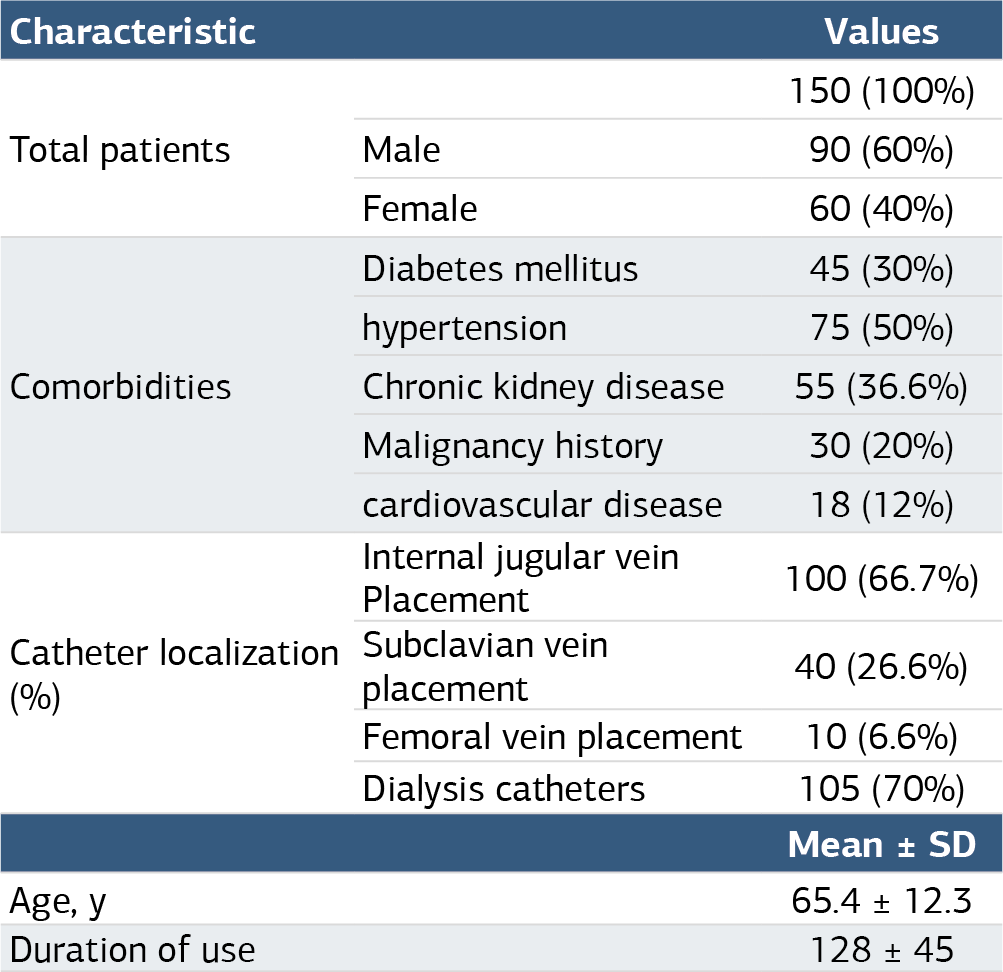
Table 2. Early and late complications of ICVCs
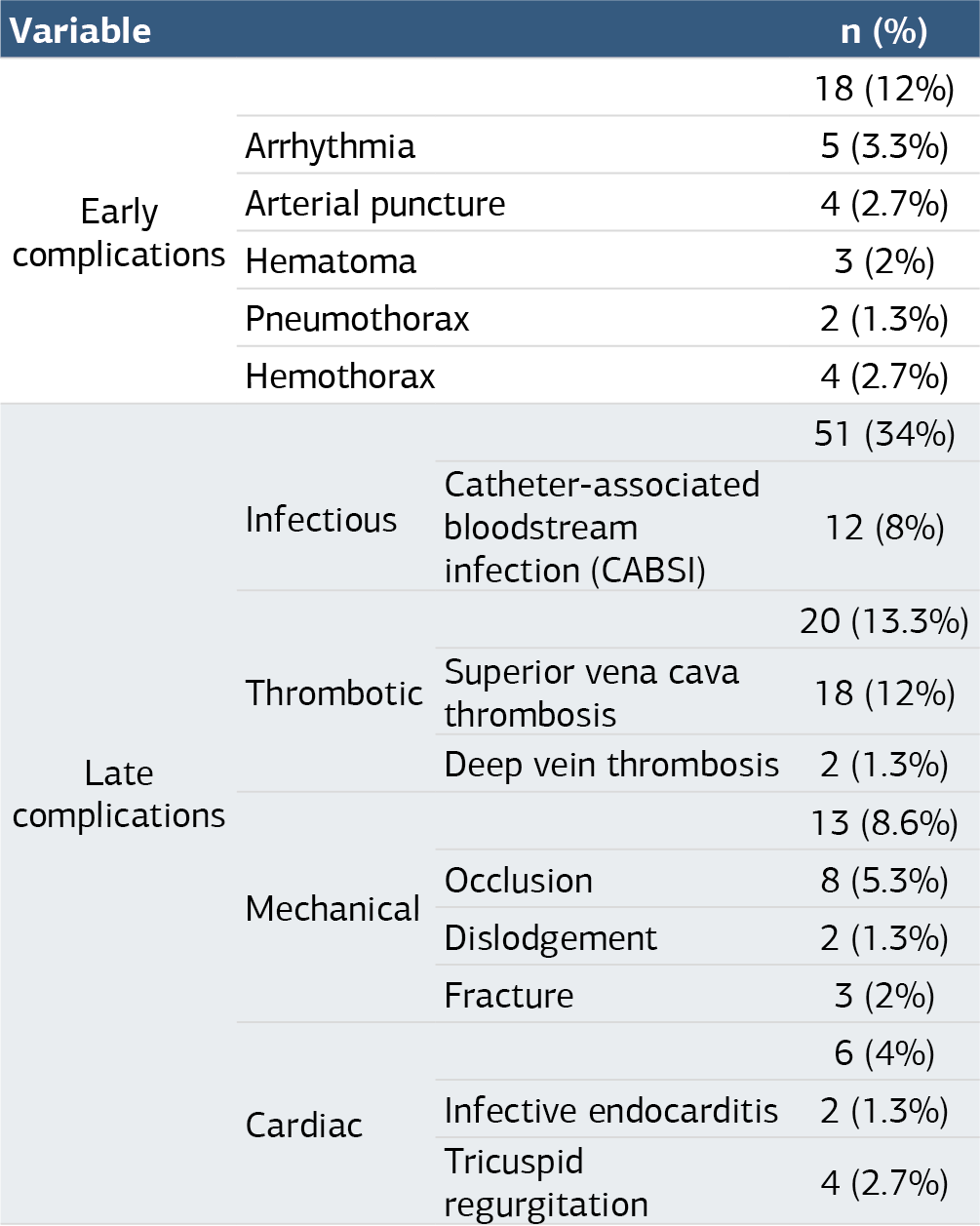
Table 3. Comparison of variables based on complications of ICVCs
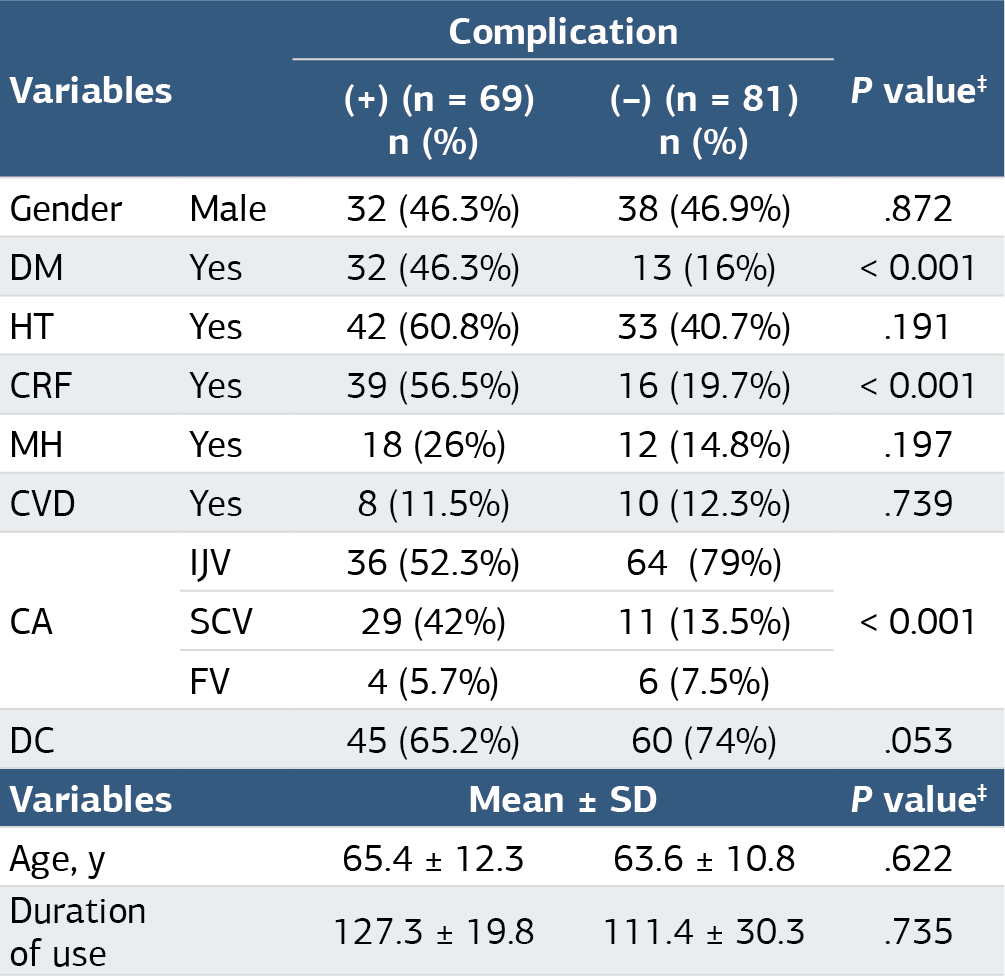
DM: Diabetes Mellitus, HT: Hypertension, CRF: Chronic Renal Failure, MH: Malignancy History, Cardiovascular Disease, CA: Catheterization Area, IJV: Intrajugular Vein, SCV: Subclavian Vein, FV: Femoral Vein, DC: Dialysis Catheter, †: Chi-Square Test, ‡: MannWhitney U Test.
Figures
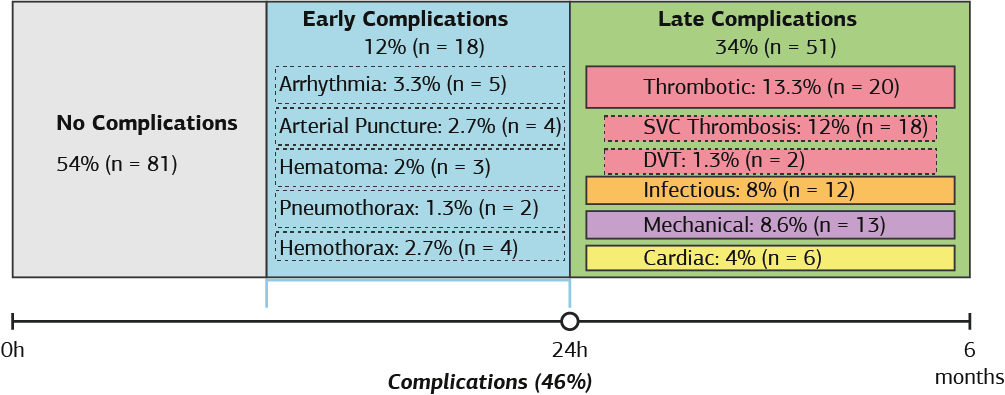
Figure 1. Distribution and classification of ICVC-related complications
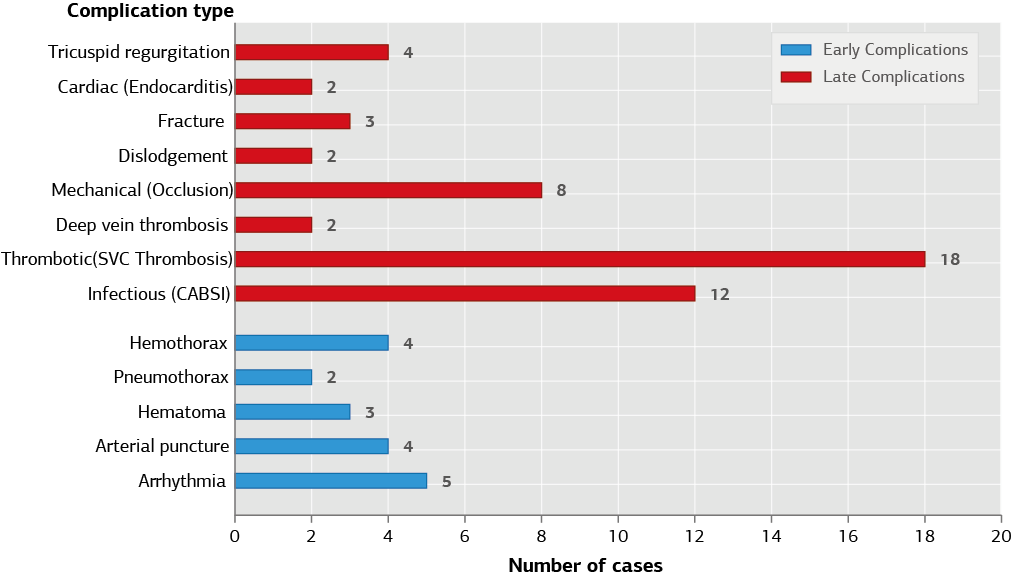
Figure 2. Early vs late complications of ICVCs
Additional Information
Publisher’s Note
Bayrakol MP remains neutral with regard to jurisdictional and institutional claims.
Rights and Permissions

This work is licensed under a Creative Commons Attribution-NonCommercial 4.0 International License (CC BY-NC 4.0). To view a copy of the license, visit https://creativecommons.org/licenses/by-nc/4.0/
About This Article
How to Cite This Article
Oguz Arslanturk, Ali Kemal Gur. Complications following indwelling catheter placement: a retrospective evaluation of clinical outcomes. Ann Clin Anal Med 2025;16(Suppl 1):69-73. doi:10.4328/ACAM.22639
Publication History
- Received:
- 09.03.2025
- Accepted:
- 24.03.2025
- Published Online:
- 24.03.2025
- Printed:
- 25.03.2025