
Abstract
AimUnstable distal radius fractures often necessitate surgical fixation to restore anatomy and preserve wrist function. This study aimed to evaluate the functional and radiological outcomes of volar locking plate fixation in adult patients with unstable distal radius fractures.MethodsThis retrospective single-center study was conducted at a tertiary care hospital in Türkiye over a 3.5-year period. Unstable distal radius fractures were identified based on Lafontaine’s radiographic criteria. All patients were treated using a volar locking plate via the Henry approach. Postoperatively, a standardized early mobilization protocol was implemented, with splint removal and initiation of wrist exercises on postoperative day 15. Functional outcomes were assessed using the Modified Mayo Wrist Score and the Turkish version of the Quick Disabilities of the Arm, Shoulder and Hand (Quick DASH-T) questionnaire, while radiological outcomes were evaluated using the Stewart radiological scoring system.ResultsA total of 51 unstable distal radius fractures were treated with volar locking plates. At final follow-up, 56.9% of patients had excellent and 21.6% had good functional outcomes, as assessed by the Modified Mayo Wrist Score. The mean Quick DASH-T score was 19.9 ± 20.4. Radiographic parameters, including radial height, inclination, and palmar tilt, showed marked improvement postoperatively. The Stewart score indicated excellent or good results in 98% of cases. The overall complication rate was 10%.ConclusionVolar locking plate fixation provides reliable anatomical restoration and favorable functional outcomes in patients with unstable distal radius fractures, with a low complication rate.
Keywords
Introduction
The wrist joint is a highly complex and mobile structure that plays a central role in functional hand activities. Its anatomical vulnerability contributes to a high incidence of trauma, with distal radius fractures (DRFs) being the most commonly encountered fractures of the upper limb, comprising nearly 15% of all skeletal injuries presenting to emergency departments.1While many DRFs are stable and amenable to conservative treatment, unstable fractures—particularly those that are intra-articular, comminuted, or associated with dorsal angulation—often require surgical fixation to restore anatomy and prevent long-term dysfunction.2Over the past two decades, open reduction and internal fixation (ORIF) with volar locking plates (VLPs) has become the preferred surgical technique due to its ability to provide angular stability and facilitate early mobilization.3
Biomechanical advantages of VLPs, such as subchondral buttressing and fixed-angle screw-plate constructs, are particularly beneficial in osteoporotic bone.4Moreover, the volar approach significantly reduces the risk of extensor tendon irritation, which is commonly seen with dorsal plating.5Several prospective and retrospective studies have demonstrated excellent functional and radiographic outcomes with VLPs, including consistent restoration of volar tilt, radial height, and radial inclination.6,7Functional recovery, often assessed via the DASH and Mayo wrist scores, has been shown to be superior or equivalent to external fixation, with lower complication rates.8
However, controversy persists regarding the ideal implant design, screw configuration, and optimal approach for specific fracture types.9This study aims to retrospectively evaluate the clinical and radiological outcomes of patients treated with VLP for unstable distal radius fractures, focusing on anatomical restoration and functional recovery.
Materials and Methods
Study DesignThis retrospective study was conducted at the Orthopedics and Traumatology Department of İstanbul Training and Research Hospital. Medical records of patients who presented to the emergency department between March 2010 and September 2013 and were diagnosed with unstable distal radius fractures were reviewed. Eligibility for surgical treatment was determined based on radiographic instability.10Radiographic Assessment and ClassificationAll patients underwent standard anteroposterior and lateral wrist radiographs at initial presentation. When necessary, computed tomography (CT) was used to further assess fracture morphology, particularly for evaluating intra-articular extension and comminution, which are critical in preoperative planning.11Fractures were classified using both the Frykman and AO classification systems, independently by two orthopedic surgeons. Fracture instability was defined according to the La Fontaine criteria, which include: • Dorsal angulation >20° • Comminution of the dorsal cortex • Intra-articular extension • Associated ulnar fracture • Age over 60 years These criteria have been shown to strongly predict secondary displacement in conservatively treated fractures.12,13Patients with at least one of these features were considered to have unstable fractures and were included in the study.Surgical TechniqueAll surgical procedures were performed under tourniquet control with the patient in the supine position. After appropriate anesthesia (general or regional), a volar longitudinal incision was made along the flexor carpi radialis tendon. Fracture fragments were anatomically reduced, and temporary fixation was achieved with K-wires when necessary. Definitive fixation was performed using fixed-angle volar locking plates. The accuracy of reduction and implant placement was verified fluoroscopically. The pronator quadratus muscle was repaired over the plate in all cases, as standard in volar plating techniques to minimize tendon irritation.6All fractures were fixed using the same model of fixed-angle titanium volar locking plate.Postoperative Management and Follow-UpA short-arm splint in the neutral position was applied postoperatively. Patients began finger range-of-motion exercises and forearm pronation-supination movements on postoperative day 1. Wrist mobilization was initiated following suture removal on postoperative day 15, in line with early rehabilitation protocols to improve outcomes.4Clinical and radiological evaluations were performed at regular intervals until fracture healing and functional recovery.Outcome MeasuresFunctional outcomes were assessed using the Modified Mayo Wrist Score and the Turkish version of the Quick Disabilities of the Arm, Shoulder and Hand (Quick DASH-T) score, both validated tools for upper limb function.14,15Radiographic outcomes were evaluated using the Stewart radiological criteria, which include assessment of radial height, inclination, and volar tilt.7Ethical ApprovalThis study was approved by the Ethics Committee of Health Sciences University İstanbul Training and Research Hospital (Date: 09.12.2016, Decision No: 892).Statistical AnalysisStatistical analyses were performed using SPSS version 16.0. Descriptive statistics were used to summarize patient characteristics. The Kruskal–Wallis test was applied to compare functional and radiological scores across three predefined age groups (28–44 years, 45–60 years, and over 60 years). A P value <0.05 was considered statistically significant. Reporting GuidelinesThis study was reported according to the STROBE guideline.
Results
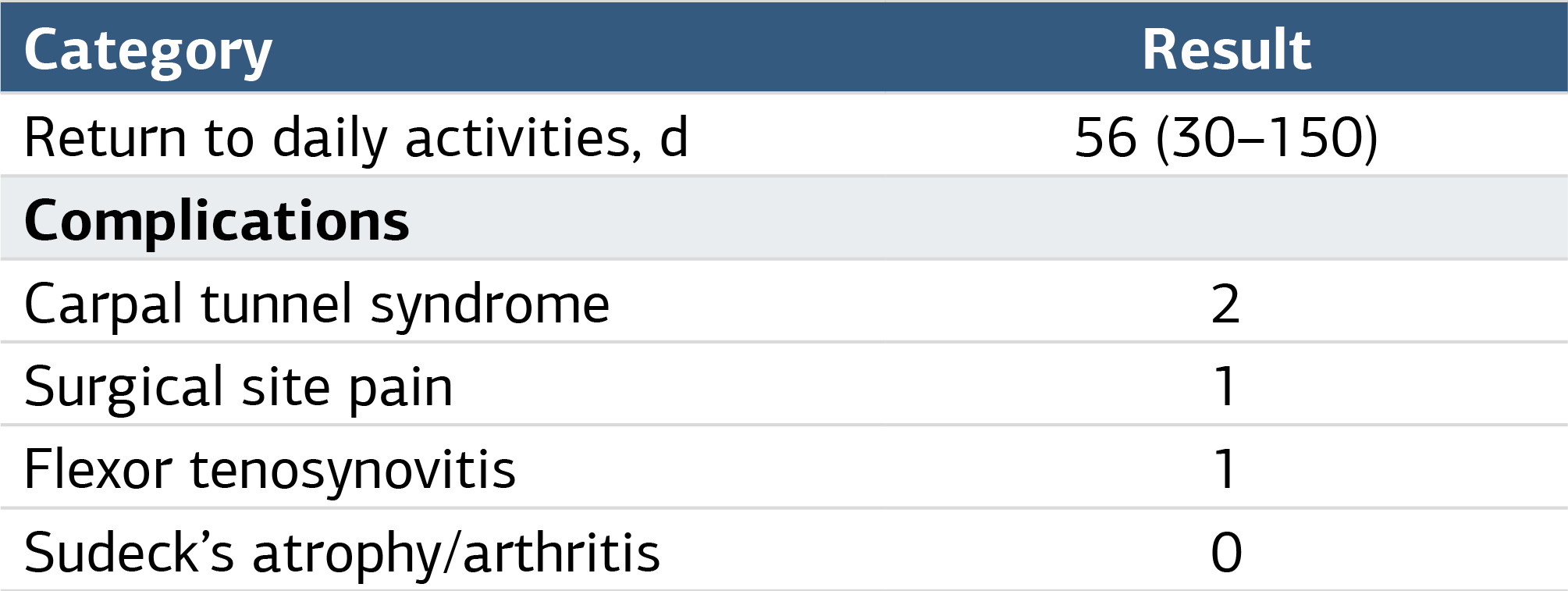
A total of 50 patients (28 males [56%] and 22 females [44%]) with 51 unstable distal radius fractures were included. The mean age was 50.2 years (range, 28–79). Patients were categorized into three age groups: 28–44 years (n=20, 40%), 45–60 years (n=19, 38%), and over 60 years (n=11, 22%). The most common mechanism of injury was a simple fall (70%), followed by high-energy trauma such as falls from height (12%), motor vehicle accidents (12%), assault (4%), and bicycle accidents (2%). At final follow-up, both clinical and radiological outcomes were evaluated. According to the Modified Mayo Wrist Score, 29 cases (56.9%) were classified as excellent, 11 (21.6%) as good, 10 (19.6%) as fair, and 1 (1.9%) as poor. The mean Quick DASH-T score was 19.9 ± 20.4 (range, 0–74) (Table 1). Radiographic evaluation revealed marked improvement following surgical intervention. Mean radial height increased from 4 mm preoperatively to 15 mm postoperatively; radial inclination improved from 7° to 22°; and palmar tilt from –9° to 3°. According to Stewart’s radiological scoring system, 38 cases (74.5%) had excellent results, 12 (23.5%) were good, and 1 (2.0%) was fair (Table 2). Joint congruency was restored in all but two cases. At final follow-up, mean wrist dorsiflexion was 70° (range 55–85°), palmar flexion 75° (60–90°), ulnar deviation 35° (25–45°), and radial deviation 25° (15–35°). Mean pronation and supination were 80° (75–85°) and 85° (75–95°), respectively. The average time to return to work or daily activities was 56 days (range 30–150) (Table 3). No intraoperative complications such as vascular injury or tendon rupture were observed. During follow-up, carpal tunnel syndrome occurred in 2 patients, surgical site pain in 1, and flexor tenosynovitis in 1 patient. No cases of Sudeck’s atrophy or arthritis were detected (Table 3). Subgroup analysis based on age groups revealed a clear trend in functional outcomes. The mean Modified Mayo Score was highest in the 28–44 age group (31.3), followed by the 45–60 group (24.1), and lowest in patients aged over 60 years (19.1), as illustrated in Figure 1. This gradient suggests age as a potential determinant of postoperative recovery, likely reflecting both bone quality and rehabilitation potential. Radiographic parameters also demonstrated marked improvement following volar plate fixation. Radial height increased from 4 mm to 15 mm, radial inclination from 7° to 22°, and palmar tilt from –9° to 3°, supporting the anatomical restoration achieved with volar plating (Figure 2). An illustrative case example is presented in Figure 3, demonstrating the radiological improvement achieved postoperatively.
Discussion
In this study, we retrospectively evaluated 51 distal radius fractures in 50 patients who underwent volar locked plating due to instability criteria. According to the Modified Mayo Wrist Score, 56.9% of fractures had excellent outcomes, 21.6% good, 19.6% fair, and only 1.9% poor—findings that are consistent with prior reports showing favorable functional results after volar plate fixation.16The mean Quick DASH-T score was 19.9±20.4, in line with other studies reporting mean scores between 14 and 20 after 1 year.17The Stewart radiological scoring system demonstrated excellent outcomes in 74.5% of cases, similar to other prospective studies showing radiographic success rates above 70%.18Restoration of key radiological parameters—radial height, inclination, and palmar tilt—was achieved postoperatively.19Complication rates remained low, with no major tendon injuries and only one patient requiring plate removal due to pain, confirming findings of minimal complications with volar plating.20
The management of unstable distal radius fractures remains an evolving topic. Although conservative treatment remains effective for stable extra-articular fractures, it is often insufficient in achieving long-term anatomical and functional restoration in displaced, intra-articular, or osteoporotic fractures.16Our patient selection was based on widely accepted instability criteria, including those by Lafontaine et al.10ensuring homogeneity of the cohort with true instability risk. Notably, our patients had a mean age of 50.2 years, and although over 70% of fractures resulted from simple falls, they still met criteria for instability, echoing findings by Mackenney et al. that patient age and fracture morphology are better predictors of instability than trauma mechanism alone.13
Several radiological parameters have been associated with long-term function. Restoration of radial height and palmar tilt has been linked to improved wrist biomechanics.21Our postoperative values (radial height: 15 mm, inclination: 22°, tilt: 3°) and range of motion outcomes (dorsiflexion: 70°, palmar flexion: 75°, pronation-supination: near-full) align with the literature, confirming volar plating’s capability to restore both anatomy and function.18,19
The debate between dorsal and volar plating persists. Dorsal approaches carry higher risks of extensor tendon irritation and rupture, whereas volar plating, particularly when kept proximal to the watershed line, offers a biomechanically favorable and safer alternative.16,17In our cohort, even complex intra-articular AO type C fractures were successfully managed with volar plating alone, consistent with clinical recommendations favoring volar-only fixation for many complex patterns.16The overall complication rate in our study was 10%, which is favorable compared to rates up to 30% in other series.17Importantly, there were no extensor tendon injuries, stressing the protective benefit of the volar approach. Younger patients in our cohort achieved significantly higher functional scores, reflecting better healing potential and rehabilitation compliance, consistent with previous literature.16However, patients over 60 also experienced satisfactory outcomes, affirming the efficacy of stable internal fixation and early mobilization across age groups.18
Limitations
This study has several limitations that should be acknowledged. First, its retrospective design inherently limits causal inference and is prone to selection and information bias. Second, the absence of a control group—such as patients treated conservatively or with alternative surgical techniques— precludes direct comparisons regarding the relative efficacy of volar plating. Third, the radiological evaluation was based solely on plain radiographs; advanced imaging modalities such as CT were not routinely used, potentially underestimating articular incongruities or subtle malreductions. Additionally, the functional outcomes were assessed at varying follow-up durations, which may introduce variability in the scores. Lastly, although clinical and radiological data were systematically collected, patient-reported outcome measures beyond Quick DASH-T were not utilized, limiting a more comprehensive assessment of subjective satisfaction and quality of life. Future prospective, controlled studies with standardized imaging and functional follow-up are warranted to validate and extend these findings.
Conclusion
Volar locked plating using the Henry approach was associated with reliable fracture stabilization, early mobilization, and favorable clinical and radiological outcomes in adults with unstable distal radius fractures. The low complication rate supports its continued use as a first-line surgical strategy in selected patients. Future prospective studies comparing implant designs and long-term functional recovery across age groups may further optimize treatment algorithms.
Declarations
Animal and Human Rights Statement
All procedures performed in this study were in accordance with the ethical standards of the institutional and/or national research committee and with the 1964 Helsinki Declaration and its later amendments or comparable ethical standards.
Informed Consent
The requirement for informed consent was waived by the Ethics Committee.
Data Availability
The datasets used and/or analyzed during the current study are not publicly available due to patient privacy reasons but are available from the corresponding author on reasonable request.
Conflict of Interest
The authors declare that there is no conflict of interest.
Funding
None.
Abbreviations
AO: Arbeitsgemeinschaft für Osteosynthesefragen
DASH-T: Turkish version of the Disabilities of the Arm, Shoulder and Hand questionnaire
DRF: Distal radius fracture
VLP: Volar locking plate
References
- Saving J, Enocson A, Ponzer S, Mellstrand Navarro C. External fixation versus volar locking plate for unstable dorsally displaced distal radius fractures: a 3-year follow-up of a randomized controlled study. J Hand Surg Am. 2019;44(1):18-26. doi:10.1016/j.jhsa.2018.09.015
- Lee JI, Park KC, Joo IH, Jeong HW, Park JW. The effect of osteoporosis on the outcomes after volar locking plate fixation in female patients older than 50 years with unstable distal radius fractures. J Hand Surg Am. 2018;43(8):731-737. doi:10.1016/j.jhsa.2018.05.028
- Williksen JH, Frihagen F, Hellund JC, Kvernmo HD, Husby T. Volar locking plates versus external fixation and adjuvant pin fixation in unstable distal radius fractures: a randomized, controlled study. J Hand Surg Am. 2013;38(8):1469-1476. doi:10.1016/j.jhsa.2013.04.039
- Shimura H, Nimura A, Fujita K, Miyamoto T. Mid-term functional outcome after volar locking plate fixation of distal radius fractures in elderly patients. J Hand Surg Asian Pac Vol. 2018;23(2):238-242. doi:10.1142/s2424835518500273
- Othman AY. Fixation of dorsally displaced distal radius fractures with volar plate. J Trauma. 2009;66(5):1416-1420. doi:10.1097/ta.0b013e31817db10a
- Bridges TN, Congiusta D, Joshi T, Campbell BR, Amer K, Tosti R. Volar locking plate fixation of distal radius fractures: a surgical technique. SurgiColl. 2024;2(2):1-5. doi:10.58616/001c.117052
- Kiliç A, Kabukçuoğlu Y, Ozkaya U, Gul M, Sokucu S, Ozdogan U. Volar locking plate fixation of unstable distal radius fractures. Acta Orthop Traumatol Turc. 2009;43(1):303-308.
- Dwyer CL, Crosby NE, Cooney T, Seeds W, Lubahn JD. Treating unstable distal radius fractures with a nonspanning external fixation device: comparison with volar locking plates in historical control group. Am J Orthop (Belle Mead NJ). 2017;46(5):344-352.
- Minegishi H, Dohi O, An S, Sato H. Treatment of unstable distal radius fractures with the volar locking plate. Ups J Med Sci. 2011;116(4):280-284. doi:10.3109/03009734.2011.594183
- Dissaneewate P, Thanavirun P, Tangjaroenpaisan Y, Dissaneewate K. External validation and revision of the Lafontaine criteria for unstable distal radius fractures: a retrospective study. J Orthop Surg Res. 2025;20(1):146. doi:10.1186/s13018-025-05558-w
- Porrino JA Jr, Maloney E, Scherer K, Mulcahy H, Ha AS, Allan C. Fracture of the distal radius: epidemiology and premanagement radiographic characterization. AJR Am J Roentgenol. 2014;203(3):551-559. doi:10.2214/ajr.13.12140
- Nesbitt KS, Failla JM, Les C. Assessment of instability factors in adult distal radius fractures. J Hand Surg Am. 2004;29(6):1128-1138. doi:10.1016/j.jhsa.2004.06.008
- Mackenney PJ, McQueen MM, Elton R. Prediction of instability in distal radial fractures. J Bone Joint Surg Am. 2006;88(9):1944-1951. doi:10.2106/jbjs.d.02520
- Nakamura T. Scoring systems in the wrist, forearm, and elbow field. J Wrist Surg. 2022;11(6):473. doi:10.1055/s-0042-1758762
- Koldas Dogan S, Ay S, Evcik D, Baser O. Adaptation of Turkish version of the questionnaire Quick Disability of the Arm, Shoulder, and Hand in patients with carpal tunnel syndrome. Clin Rheumatol. 2011;30(2):185-191. doi:10.1007/s10067-010-1470-y
- Rozental TD, Blazar PE. Functional outcome and complications after volar plating for dorsally displaced, unstable fractures of the distal radius. J Hand Surg Am. 2006;31(3):359-365. doi:10.1016/j.jhsa.2005.10.010
- Sügün TS, Gürbüz Y, Ozaksar K, Toros T, Kayalar M, Bal E. Results of volar locking plating for unstable distal radius fractures. Acta Orthop Traumatol Turc. 2012;46(1):22-25. doi:10.1016/j.jhsa.2012.10.018
- Wong KK, Chan KW, Kwok TK, Mak KH. Volar fixation of dorsally displaced distal radial fracture using locking compression plate. J Orthop Surg (Hong Kong). 2005;13(2):153-157. doi:10.1177/230949900501300208
- Sharma BD, Prajapati A, Regmi AP, et al. Functional outcome of volar locking plate for unstable distal radius fractures. J Chitwan Med Coll. 2018;8(3):38-44. doi:10.3126/jcmc.v8i3.23749
- Tarallo L, Mugnai R, Zambianchi F, Adani R, Catani F. Volar plate fixation for the treatment of distal radius fractures: analysis of adverse events. J Orthop Trauma. 2013;27(12):740-745. doi:10.1097/bot.0b013e3182913fc5
- Quadlbauer S, Pezzei C, Jurkowitsch J, et al. Functional and radiological outcome of distal radius fractures stabilized by volar-locking plate with a minimum follow-up of 1 year. Arch Orthop Trauma Surg. 2020;140(6):843-852. doi:10.1007/s00402-020-03411-9
Tables
Table 1. Functional outcomes
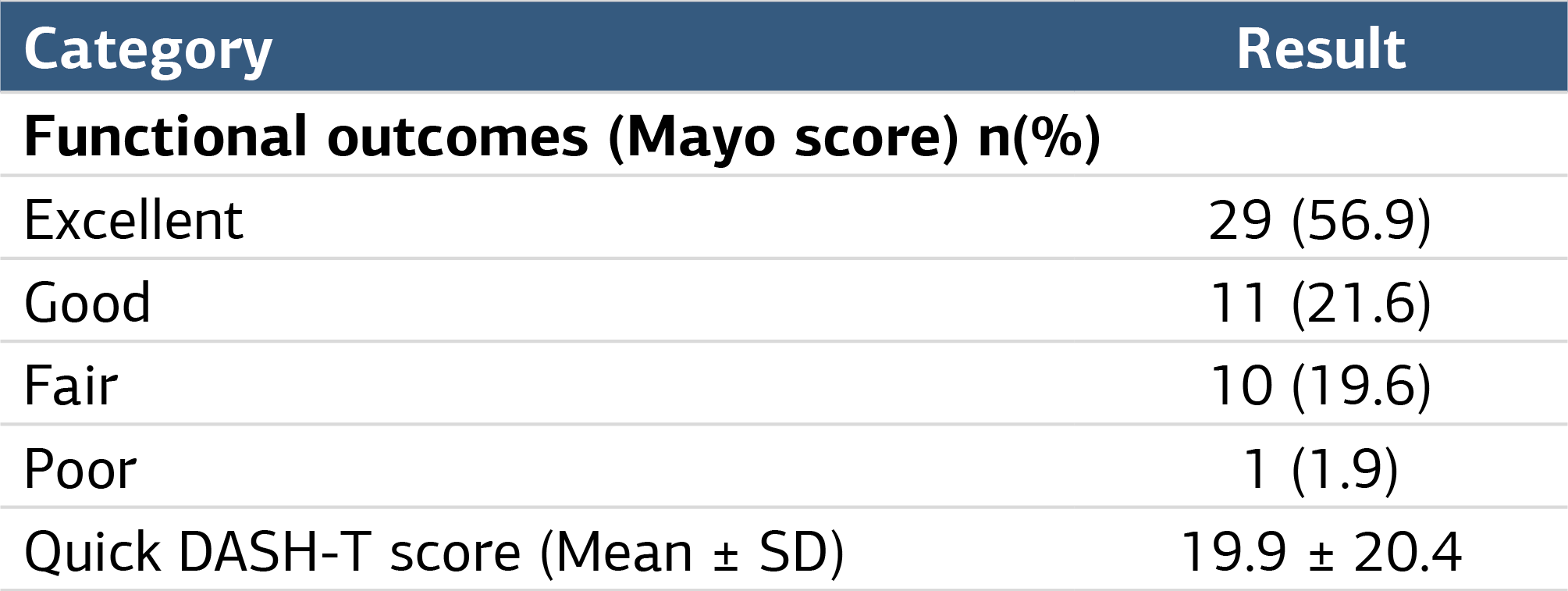
DASH-T, disabilities of the arm, shoulder and hand – Turkish version; SD, standard deviation
Table 2. Radiological results and range of motion
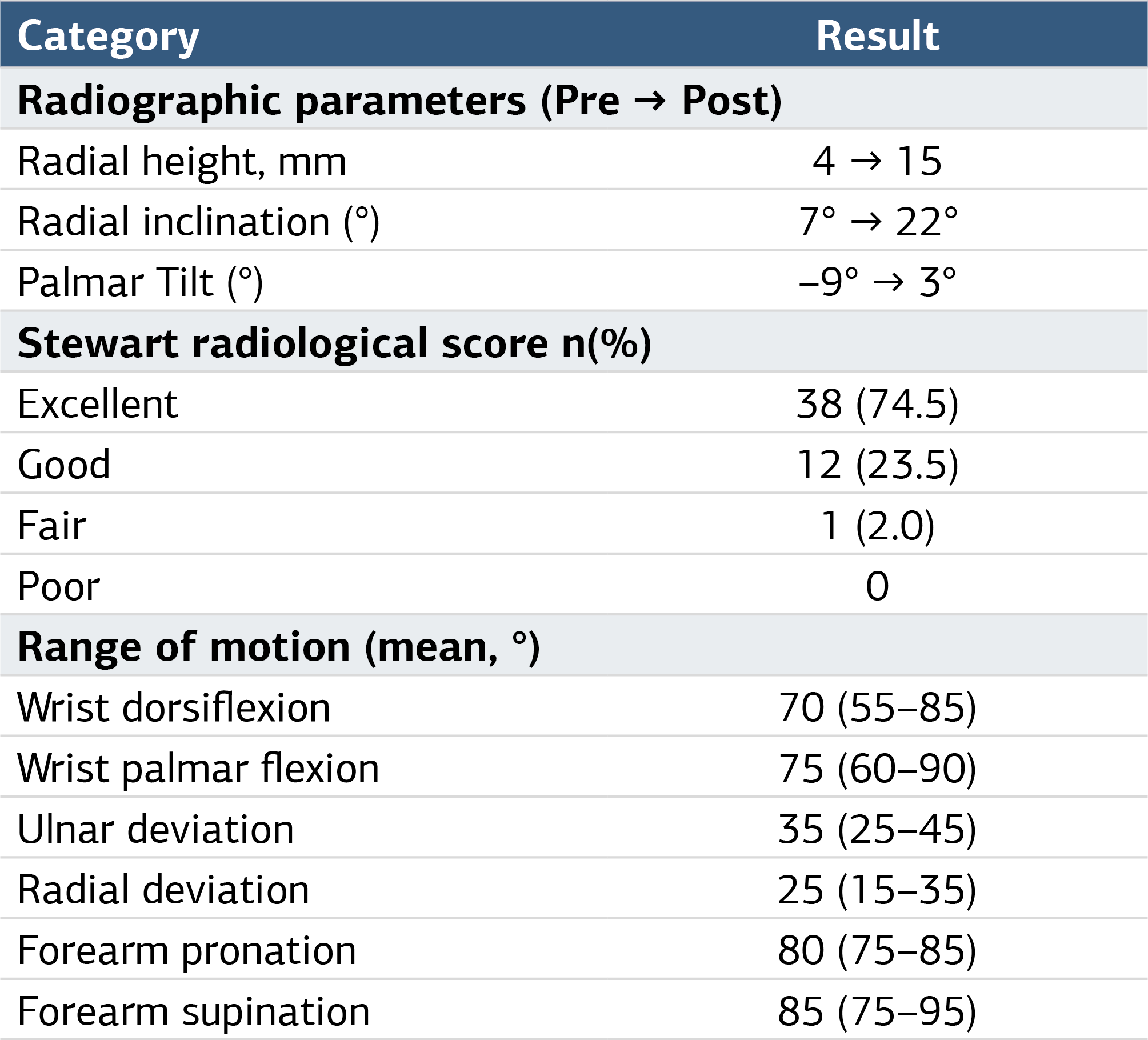
Table 3. Return to activity and complications
Figures
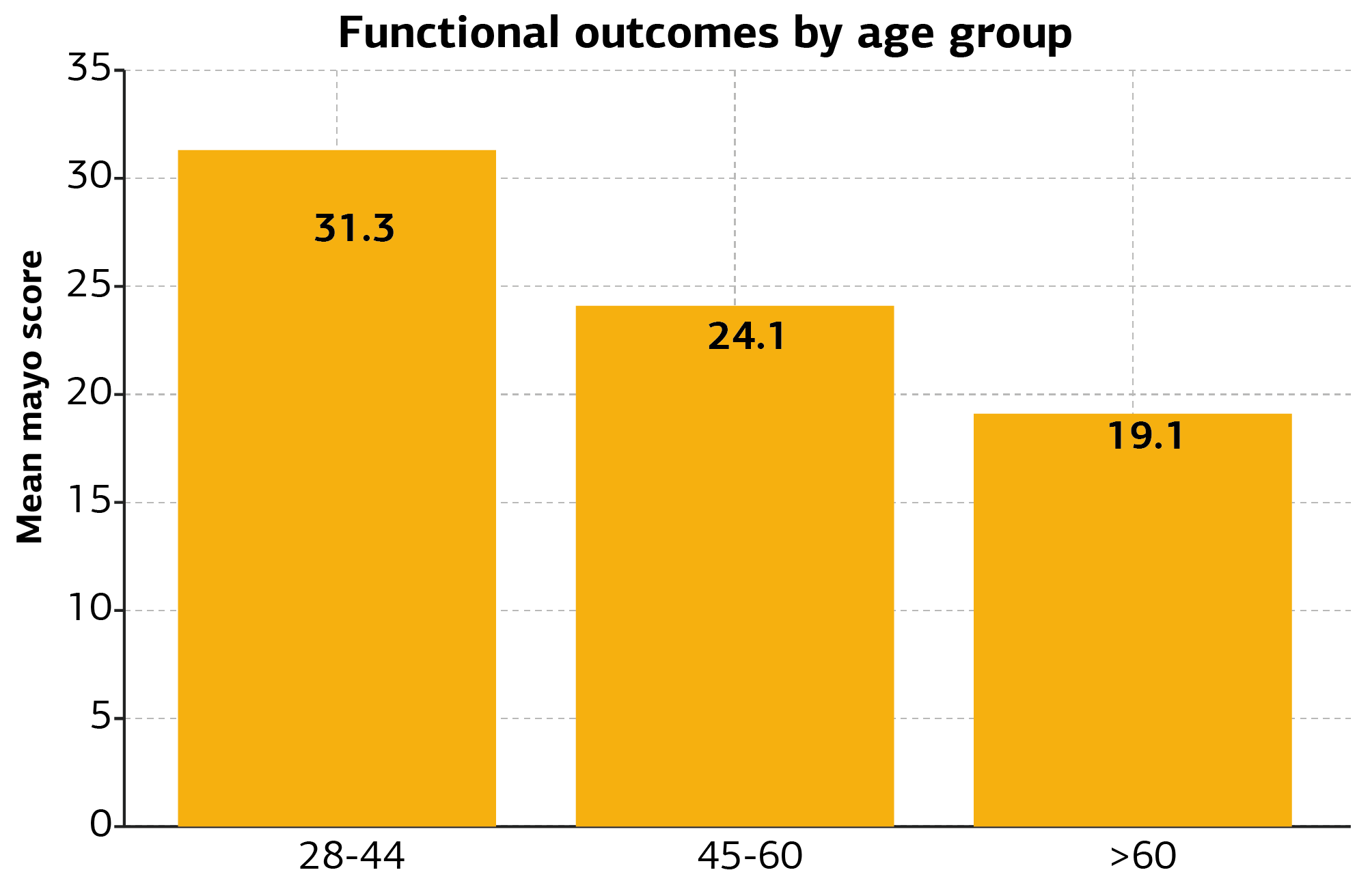
Figure 1. Functional outcomes by age group
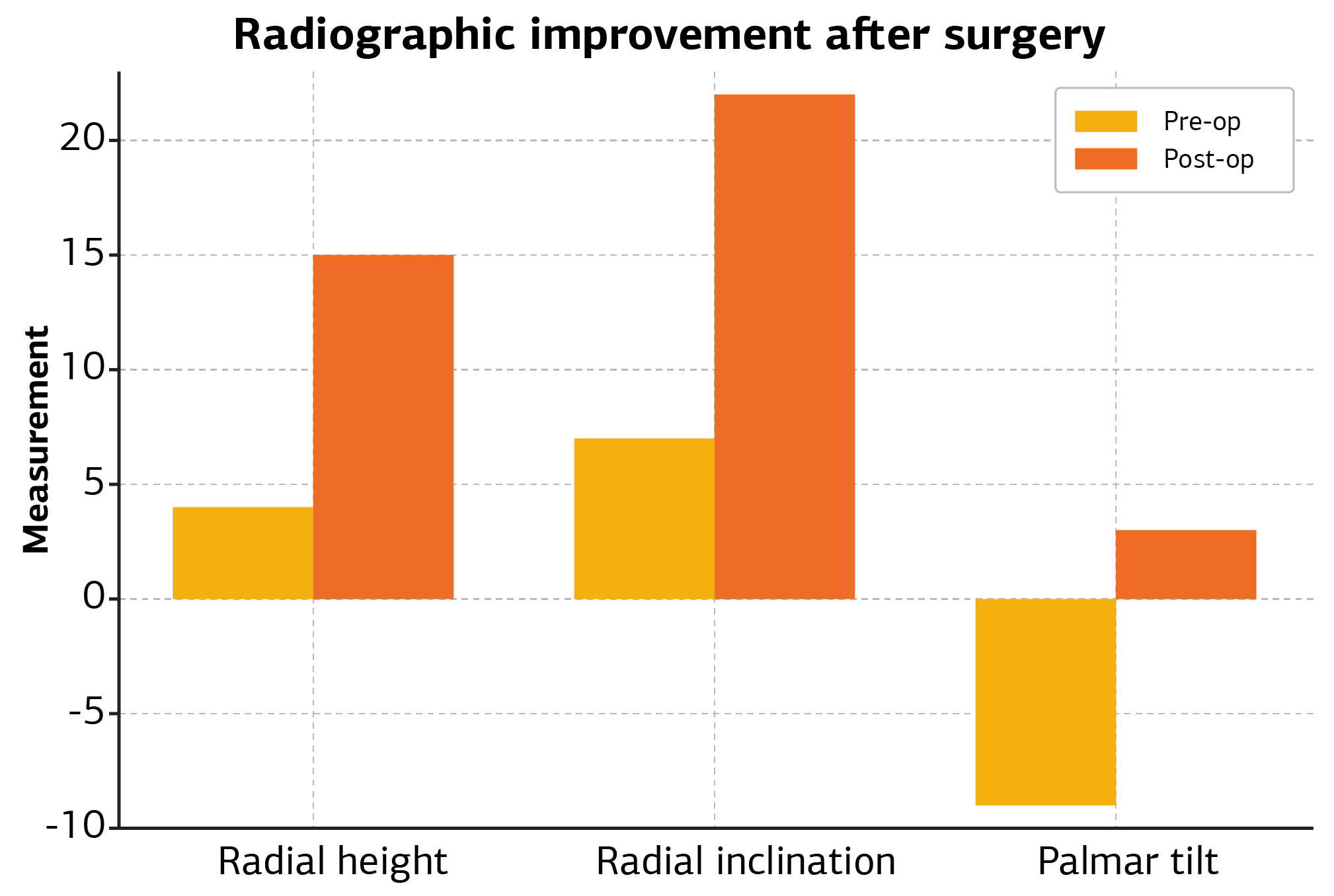
Figure 2. Radiographic improvement after surgery
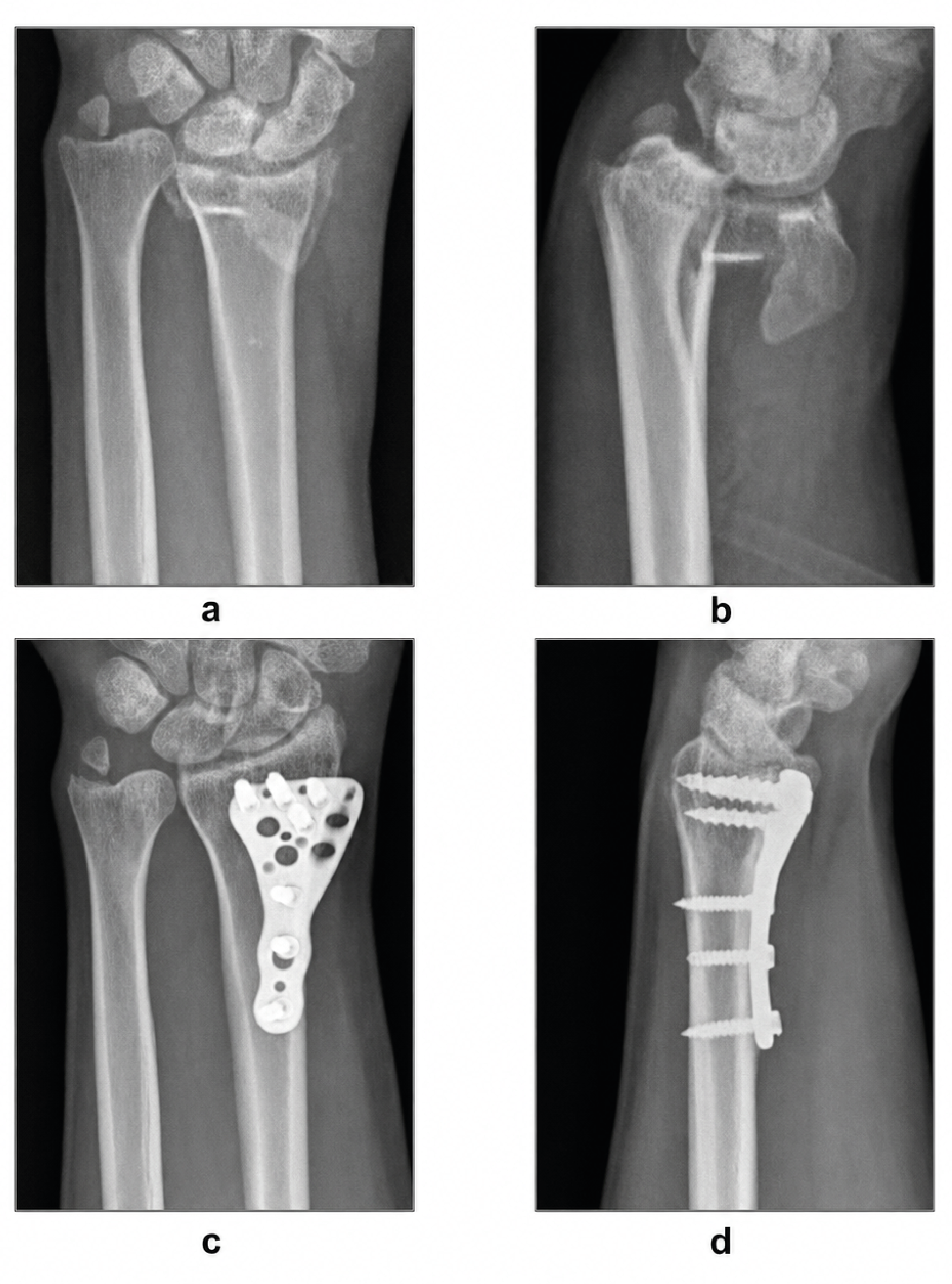
Figure 3. Preoperative (left) and postoperative (right) anteroposterior and lateral wrist radiographs of a 59-year-old female patient (Frykman type 4, AO type B2). (a) preoperative anteroposterior radiograph showing intra-articular and dorsally angulated distal radius fracture. (b) preoperative lateral radiograph demonstrating dorsal displacement and cortical comminution. (c) postoperative AP radiograph after volar locking plate fixation, showing restoration of radial height and articular congruency. (d) postoperative lateral view demonstrating correction of dorsal angulation and stable fixation with subchondral support
Additional Information
Publisher’s Note
Bayrakol MP remains neutral with regard to jurisdictional and institutional claims.
Rights and Permissions

This work is licensed under a Creative Commons Attribution-NonCommercial 4.0 International License (CC BY-NC 4.0). To view a copy of the license, visit https://creativecommons.org/licenses/by-nc/4.0/
About This Article
How to Cite This Article
Humam Baki, Yusuf Öztürkmen. Outcomes of volar locking plate fixation in unstable distal radius fractures. Ann Clin Anal Med 2025;16(Suppl 3):137-141. doi:10.4328/ACAM.22784
Publication History
- Received:
- 22.06.2025
- Accepted:
- 28.07.2025
- Published Online:
- 08.09.2025
- Printed:
- 25.10.2025