
Abstract
AimMeningitis is a central nervous system infectious disease with inflammation of the leptomeninges and subarachnoid space. There is still a severe mortality and morbidity from meningitis. Therefore, it is essential to make an early diagnosis and start empirical treatment for the causative agent as soon as possible.MethodsSeventy patients diagnosed with meningitis in our hospital were included in our study. The anamnesis, physical examination, laboratory results, and treatment of the patients were retrospectively reviewed.ResultsThe most common complaint of our patients was fever, with 84.3%. Meningeal irritation finding was positive in 86% of patients aged two years and older, while this rate was 22.4% in patients under two years of age. According to the meningeal irritation findings, a statistically significant difference was found in terms of neutrophil, lymphocyte, and platelet values (P < .05). Neutrophil levels of those with positive signs of meningeal irritation were significantly higher than in those without symptoms. Lymphocyte and platelet values of those with positive signs of meningeal irritation were substantially lower than in those without. The median values were 11.5 g/dL for hemoglobin, 11220/uL for leukocytes, 321500/uL for platelets, 25.9 mg/dL for CRP, 29 mm/h for ESR, 61.2 mg/dL for CSF glucose, 37.4 mg/dL for CSF protein, and 100 for cell count. ConclusionIn 4 of our patients, the CSF culture detected the causative microorganism. In 3 of the culture-negative patients, the causative pathogen was detected in CSF PCR. The most frequently preferred empirical antimicrobial treatment initiated for patients is the combination of vancomycin and a third-generation cephalosporin.
Keywords
Introduction
Meningitis is a central nervous system infectious disease that describes the inflammation of the meninges and the cerebrospinal fluid in the subarachnoid space resulting in severe mortality and morbidity.1,2 Bacteria, viruses, and other infectious agents can cause meningitis.1 Clinical findings and morphological, chemical, and microbiological examination of the cerebrospinal fluid can reveal the underlying cause. The main goal in treating meningitis is to diagnose and start treatment as soon as possible to prevent or minimize the complications that may develop.3,4 This research was carried out in the pediatric intensive care unit of our hospital to evaluate the clinical findings, blood tests, chemical and microbiological examinations in the cerebrospinal fluid and to examine the demographic characteristics, application complaints, examination findings, and test results of the patients diagnosed with meningitis, the compatibility of the biochemical and microbiological parameters obtained from these results, and the contribution of all these results to the diagnosis.1,5
Materials and Methods
Demographic characteristics, anamnesis, and physical examination findings, biochemical and microbiological data of 70 patients aged one month to 18 years who underwent lumbar puncture with the diagnosis of meningitis in Tekirdağ Namık Kemal University Hospital, Department of Pediatrics, Pediatric Intensive Care Unit were included in the study by retrospective examination.Ethical ApprovalEthical approval was obtained from Tekirdağ Namık Kemal University Non-Interventional Clinical Research Ethics Committee (Date: 30.03.2021, Decision No: 2021.66.03.06,).Statistical AnalysisStatistical analyses were performed using SPSS (IBM SPSS Statistics 24). Frequency tables and descriptive statistics were used to interpret the findings. Parametric methods were used for measurement values suitable for a normal distribution. Using parametric methods, the Independent Sample-t test (t-table value) method was used to compare the measurement values of two independent groups. Non-parametric methods were used for the measurement values that did not conform to the normal distribution. By non-parametric methods, the Mann-Whitney U test (Z-table value) method was used to compare the measurement values of two independent groups. The Spearman correlation coefficient was used to examine the relationships of two quantitative variables that do not have a normal distribution. Pearson-χ2 crosstabs were used to explore the relationships between two qualitative variables.Reporting GuidelinesThis study was reported in accordance with the STROBE guideline.
Results
It was determined that the mean age of the patients was 6.11±5.33 years, and 27 (38.6%) were in the ≤1 age group. Forty patients (57.2%) applied in the spring and summer months; 41 (58.6%) were male, 29 (41.4%) were female, and 5 (7.1%) had ventriculoperitoneal shunts (Table 1). A statistically significant difference was found in admission complaints regarding age and head and neck pain status (z = -6.431; P < .001). A statistically significant difference was found in age according to MIB status at the first examination (z = -5.829; P < .001). The age of those with MIB was significantly higher than that of those without. A statistically significant correlation was found between the patient group under two years of age and MIB status (χ2=25.677; P < .001). A statistically significant correlation was found between the patient group under two years of age and anterior fontanel status (χ2=35.758; P < .001). The anterior fontanel of 17 individuals (63%) under the age of two years was open. Those in the <2 age group were predominantly open (bomb and pulsatile), while those in the age group over two years old were all closed. Thirty-one of the patients (44.3%) had very intense leukocytes in the CSF culture, 64 (91.4%) had PMNL as the dominant cell, 66 (94.3%) had no growth in the CSF culture, four patients (5.7%) had change in their culture, two patients (50.0%) had change in CSF culture, pneumococcal growth was found in 3 (4.2%) of meningitis. There was no statistically significant difference in terms of leukocytes, neutrophils, lymphocytes, platelets, and C-Reactive Protein (CRP) according to the presence of fever in complaints at admission (P > .05). A statistically significant difference was found in erythrocyte sedimentation rate (ESR) values according to the presence of fever in complaints at admission (z = -2.442; P = .015). ESR values in those who had fever were significantly higher than in those who did not. There was no statistically significant difference in leukocytes, neutrophils, CRP, and ESR values according to the presence of head and neck pain in the presenting complaint (P > .05). A statistically significant difference was found in lymphocyte and platelet values according to head and neck pain status (P < .05). There was no statistically significant difference in the admission complaints regarding nausea, vomiting, sleepiness, leukocytes, neutrophils, platelets, CRP, and ESR values (P > .05). There was no statistically significant difference in leukocytes, neutrophils, lymphocytes, CRP, and ESR according to seizure status at admission (P > .05). However, a statistically significant difference was found in platelet values (t = -2.135; P = .036). Platelet values of those with seizure complaints were significantly higher than in those without seizures. At the first examination, there was no statistically significant difference in leukocytes, CRP, and ESR according to the meningeal irritation findings in the patients (P > .05). According to the meningeal irritation findings, a statistically significant difference was found in terms of neutrophil, lymphocyte, and platelet values (P < .05). Neutrophil levels in those with positive signs of meningeal irritation were significantly higher than in those without symptoms. A positive, weak, and statistically significant correlation was found between the patients’ leukocyte values and CRP values (r = 0.399; P = .001). As CRP increases, leukocytes increase. Likewise, leukocyte values decrease as CRP decreases. A positive, weak, statistically significant relationship was found between ESR and CRP (r = 0.440; P < .001). As CRP increases, ESR increases. When the distribution of the patients’ biochemical and microscopic examination results was examined, the median cell number was 100/mm3, the median CSF protein was 61.2 mg/dl, and the median CRP was 25.9 mg/dl. The median leukocyte count was 11220, which is detailed in Table 2.
Discussion
Childhood meningitis has been one of the most feared infectious diseases since ancient times.1 Acute bacterial meningitis, which continues to cause death and disability in children, is a neurological emergency, especially in developing countries with weak immunization studies.6 Despite advances in antimicrobial treatments, the rate of development of acute bacterial meningitis in some developing countries varies between 16-32% and is still very high.7,8
Most of our study’s patients (38.6%) were one year old or younger. We think that this result is due to the immaturity of the immune response and the lumbar puncture to be performed primarily when no fever focus can be found in a patient younger than one year of age and the vaccine doses have not been completed yet. It has been stated that the only risk factor is age under 1 year, and the mortality rate under 1 year of age is high; therefore, this age group should be closely monitored. The same study emphasized that the reasons behind the uncertain seasonal bacterial meningitis patterns should be investigated further. Considering the application dates of the 70 patients in our study, according to the seasonal distribution we made, the total number of patients admitted in the spring and summer months (57.2%) is higher than the number of patients admitted in the autumn and winter months (42.8%). However, no significant difference was observed between the distributions when the seasons were evaluated alone.
The most common finding in bacterial meningitis is fever.8 When the symptoms of 70 patients in our study were examined, the most common symptom was fever in 59 patients (84.3%). The most common symptom after fever is head and neck pain in 34 (48.6%) patients. A statistically significant difference was found in age according to head and neck pain status in admission complaints. Those with head and neck pain are significantly older than those without. Considering both the relationship of anterior fontanel status with age and the requirement that children must be above a certain age to define head and neck pain as a complaint, it is customary to be statistically significant. A statistically significant difference was found in admission complaints regarding age and head and neck pain status (z = -6.431; P < .001). The ages of those with head and neck pain were significantly higher than those without. A statistically significant difference was found in age according to MIB status at the first examination (z = -5.829; P < .001). The ages of those with MIB were significantly higher than those without.
In the study by Michos et al., in which they examined 506 patients with aseptic meningitis in Greece, the median cell number in the CSF was found to be 201/mm3, and PMNL was the dominant cell in 58.3% of the patients.9 PMNL predominates in the CSF in approximately 90% of patients with bacterial meningitis. PMNL predominates in the early period in 20-75% of cases with viral meningitis.10 In the CSF cell analysis of 70 patients in our study, the median cell number was 100/mm3, and in the CSF analysis of 64 (94.3%) of the patients, PMNL was dominant when cell typing was performed. S. pneumoniae growth was detected in 2 of 4 patients with culture development.
In our study, five patients (7.1%) had ventriculoperitoneal shunts, and all meningitis patients with VP shunts were younger than one year old. Enterococci were found in CSF culture in 1 patient with VP shunt, and Methicillin-Resistant Staphylococcus hominis growth was detected in CSF culture in 1 patient. However, since the number of patients with VP shunt is limited, it is difficult to make a judgment.
The diagnosis of bacterial meningitis is confirmed by microbiological testing of CSF, which includes cytochemical analysis, cell count, microscopy, and culture.11,12 However, antibiotics before the lumbar puncture procedure may reduce the culture yield and cause diagnostic uncertainty.12,13 In our study, when the symptoms and signs were compared with some biochemical parameters, ESR values in patients with fever were statistically significantly higher than in those without fever. No statistically significant difference was found between the patients with and without fever for values of other leukocytes, neutrophils, lymphocytes, and CRP. Lymphocyte and platelet values in those with head and neck pain were statistically significantly lower than in those without head and neck pain. Neutrophil values in patients with seizures were statistically significantly higher than in those without seizures. Neutrophil values in those with meningeal irritation findings were statistically significantly higher than in those without, and lymphocyte and platelet values were lower.
Limitations
This study has some limitations, including its retrospective, single-center design and relatively small sample size. In addition, the limited number of patients with ventriculoperitoneal shunts restricted further evaluation of this subgroup.
Conclusion
The mean age of the patients was 6.11±5.33 years, and 37.2% were one year old or younger. When patients’ admission symptoms and physical examination findings were examined, the most common symptom was fever, with a rate of 84.3%. ESR values in patients with fever at admission were statistically significantly higher than in those without. No statistically significant difference was found between the patients with and without fever for other values of leukocytes, neutrophils, lymphocytes, and CRP. The most common symptom after fever was head and neck pain, which was seen in 48.6%, and a statistically significant difference was found in age according to head and neck pain status in admission complaints (z = -6.431; P < .001). A statistically significant difference was found in lymphocyte and platelet values according to head and neck pain status (P < .05). The lymphocyte and platelet values in those with head and neck pain were significantly lower than in those without head and neck pain. The meningeal irritation findings showed a statistically significant difference in neutrophil, lymphocyte, and platelet values (P < .05). Growth was observed in the CSF culture of four patients, and S. pneumoniae growth was detected in 2 of them. In the other two patients with culture development, VP shunt was found. Enterococcus growth was seen in one of the CSF cultures, and Methicillin-Resistant Staphylococcus hominis growth was found in the CSF culture of the other patient. Five of the patients included in our study had VP shunt, and all of the patients with VP shunt were under one year old. In patients in whom the CSF PCR was studied, no growth was observed in the CSF culture of 3 patients, and N. meningitidis was found in one patient, Hib in one, and Parechovirus in the other in the CSF PCR results. The causative pathogen was detected by CSF culture and PCR methods in only seven of 70 patients in our study. Although the etiology cannot be determined, the patients are those whose meningitis is suspected by anamnesis, physical examination, and laboratory findings, and the diagnosis of meningitis is confirmed by the CSF’s cell count and biochemical analysis. For this reason, especially unexplained fever, headache, vomiting, and positive signs of meningeal irritation on physical examination, the presence of a bulging and pulsatile fontanelle in a child with open anterior fontanelle should bring meningitis to mind in the diagnosis, and especially if there are no contraindications, the presence of meningitis should be considered. If suspected, acyclovir treatment for HSV should be started.
Declarations
Animal and Human Rights Statement
All procedures performed in this study were in accordance with the ethical standards of the institutional and/or national research committee and with the 1964 Helsinki Declaration and its later amendments or comparable ethical standards.
Informed Consent
Informed consent was waived due to the retrospective nature of the study.
Data Availability
The datasets used and/or analyzed during the current study are not publicly available due to patient privacy reasons but are available from the corresponding author on reasonable request.
Conflict of Interest
The authors declare that there is no conflict of interest.
Funding
None.
Abbreviations
CRP: C-reactive protein
CSF: Cerebrospinal fluid
ESR: Erythrocyte sedimentation rate
HSV: Herpes simplex virus
MIB: Meningeal irritation findings
PCR: Polymerase chain reaction
PMNL: Polymorphonuclear leukocytes
SPSS: Statistical package for the social sciences
VP: Ventriculoperitoneal
References
- Hasbun R. Progress and challenges in bacterial meningitis: a review. JAMA. 2022;328(21):2147-2154. doi:10.1001/jama.2022.20521
- Van Hentenryck M, Schroeder AR, McCulloh RJ, Stave CD, Wang ME. Duration of antibiotic therapy for bacterial meningitis in young infants: a systematic review. Pediatrics. 2022;150(5). doi:10.1542/peds.2022-057510
- Silva GD, Guedes BF, Junqueira IR, Gomes HR, Vidal JE. Diagnostic and therapeutic approach to chronic meningitis in Brazil: a narrative review. Arq Neuropsiquiatr. 2022;80(11):1167-1177. doi:10.1055/s-0042-1758645
- Mijovic H, Sadarangani M. To LP or not to LP? Identifying the etiology of pediatric meningitis. Pediatr Infect Dis J. 2019;38(6 suppl 1). doi:10.1097/inf.0000000000002313
- de Almeida SM, Castoldi JR, Riechi SC. Comparison between cerebrospinal fluid biomarkers for differential diagnosis of acute meningitis. Diagnosis (Berl). 2023;10(3):298-308. doi:10.1515/dx-2023-0013
- Kuti BP, Bello EO, Jegede TO, Olubosede O. Epidemiological, clinical, and prognostic profile of childhood acute bacterial meningitis in a resource-poor setting. J Neurosci Rural Pract. 2015;6(4):549-557. doi:10.4103/0976-3147.165424
- Jarousha AM, Afifi AA. Epidemiology and risk factors associated with developing bacterial meningitis among children in Gaza Strip. Iran J Public Health. 2014;43(9):1176-1183.
- Nickerson JW, Attaran A, Westerberg BD, Curtis S, Overton S, Mayer P. Fatal bacterial meningitis possibly associated with substandard ceftriaxone: Uganda, 2013. MMWR Morb Mortal Wkly Rep. 2016;64(50-51):1375-1377. doi:10.15585/mmwr.mm6450a2
- Michos AG, Syriopoulou VP, Hadjichristodoulou C, et al. Aseptic meningitis in children: analysis of 506 cases. PLoS One. 2007;2(7). doi:10.1371/journal.pone.0000674
- Kanra G, Ceyhan M, Kara A. Meningitis II: clinical findings. Cocuk Sagligi Hast Derg. 2003;46(2):128-138.
- Polage CR, Cohen SH. State-of-the-art microbiologic testing for community-acquired meningitis and encephalitis. J Clin Microbiol. 2016;54(5):1197-1202. doi:10.1128/jcm.00289-16
- Khumalo J, Nicol M, Hardie D, Muloiwa R, Mteshana P, Bamford C. Diagnostic accuracy of 2 multiplex real-time polymerase chain reaction assays for the diagnosis of meningitis in children in a resource-limited setting. PLoS One. 2017;12(3). doi:10.1371/journal.pone.0173948
- Abdelrahim NA, Mohammed N, Evander M, Ahlm C, Fadl-Elmula IM. Viral meningitis in Sudanese children: differentiation, etiology, and review of literature. Medicine (Baltimore). 2022;101(46). doi:10.1097/md.0000000000031588
Tables
Table 1. Distribution Of Findings Related To Patients
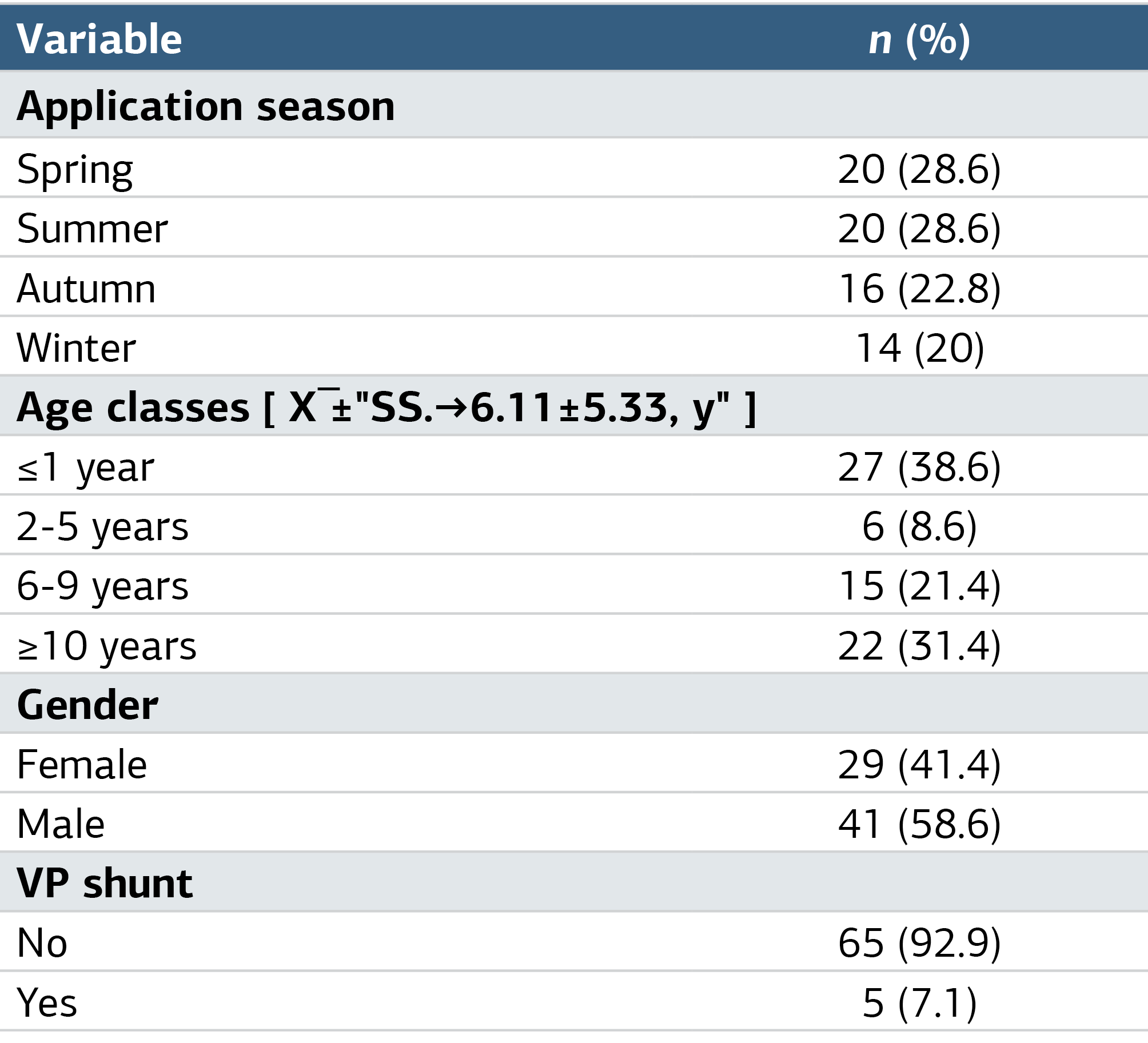
Table 2. Distribution Of Biochemical and Microscopic Examination Results Of The Patients
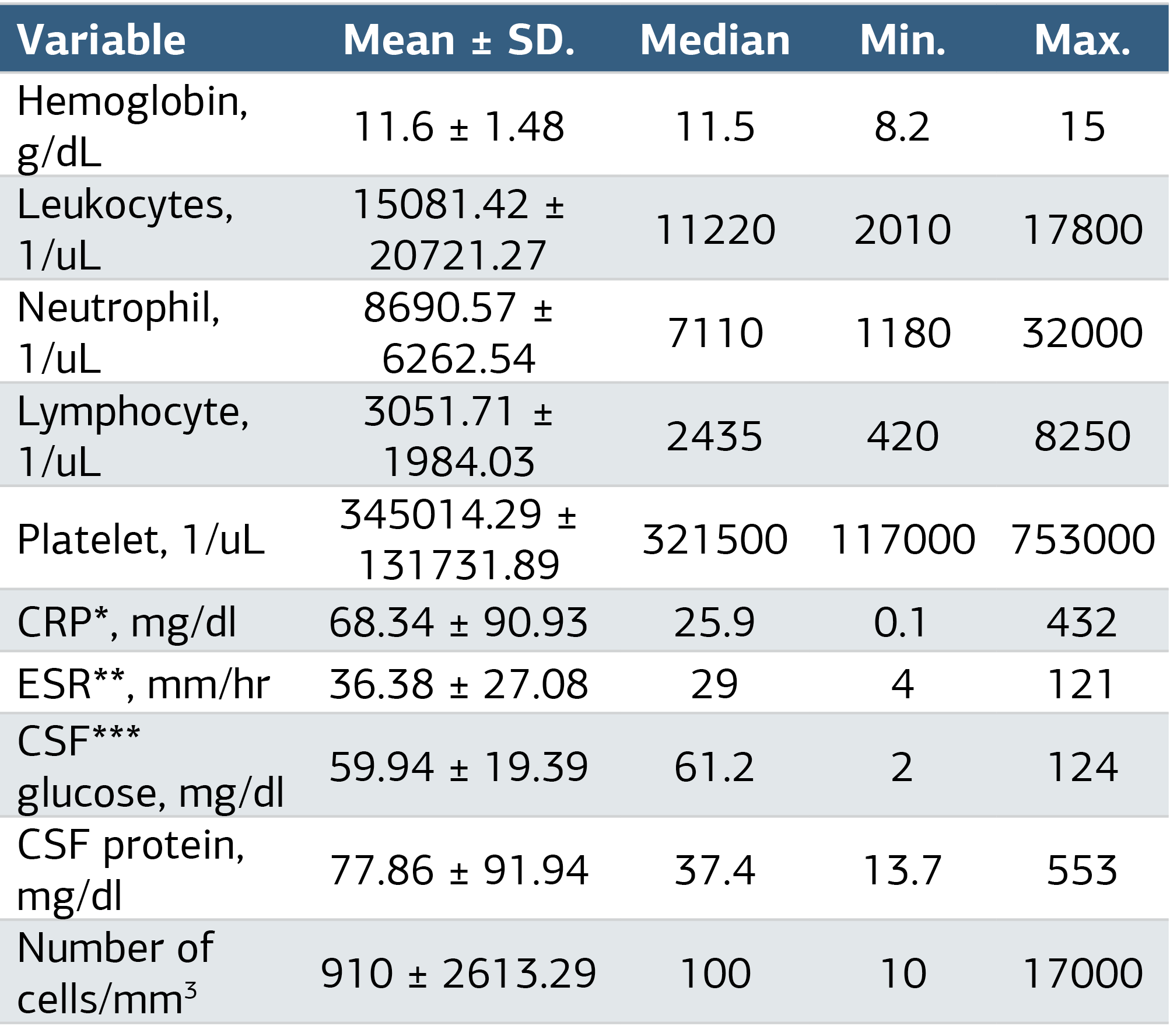
CRP*: C-Reactive Protein, ESR**: Erythrocyte Sedimentation rate, CSF***: Cerebrospinal Fluid
Additional Information
Publisher’s Note
Bayrakol MP remains neutral with regard to jurisdictional and institutional claims.
Rights and Permissions

This work is licensed under a Creative Commons Attribution-NonCommercial 4.0 International License (CC BY-NC 4.0). To view a copy of the license, visit https://creativecommons.org/licenses/by-nc/4.0/
About This Article
How to Cite This Article
Melis Öztürk Aykaç, Mustafa Törehan Aslan, Nedim Samancı. Retrospective evaluation of lumbar puncture analysis in the pediatric intensive care unit. Ann Clin Anal Med 2024;15(3):145-148. doi:10.4328/ACAM.21832
Publication History
- Received:
- 26.07.2023
- Accepted:
- 28.08.2023
- Published Online:
- 29.12.2023
- Printed:
- 01.03.2024