
Abstract
AimLaparoscopic adrenalectomy is a widely preferred method today. In recent years, many studies have reported that laparoscopic adrenalectomy requires less analgesic, less bleeding, lower complication rates and less hospitalization compared to open surgery. This study aimed to compare the surrenalectomy data performed in our clinic.MethodsThe data of surrenalectomies performed in our urology clinic between December 2010 and March 2022 were compared. Age, sex, side information, surgical method, and pathology results were recorded.ResultsForty five patients, aged between 26 and 83, were retrospectively analyzed. Of 45 patients who underwent surrenalectomy, 1 (2.2%) was bilateral, 25 (55.5%) were right, and 19 (42.3%) were left (42.3%) adrenalectomy. Of these cases, 18 (39.6%) were male, 27 (59.4%) were female, 31 (on one side of the bilateral) (67.4%) laparoscopic operation and 15 (on the other side of the bilateral) (32.6%) of them were open operation. Postoperative histopathological results were 17 (36.95%) adrenal cortical adenomas, 8 (17.4%) benign pheochromocytomas, 2 (4.35%) malignant pheochromocytomas, 6 (13.04%) adrenal cysts, 5 (10.86%) carcinoma metastases, 2 (4.36%) myelolipomas, 2 (4.36%) benign adrenal cortical oncocytomas, 1 (2.17%) borderline adrenal cortical oncocytoma, 1 (2.17%) oncocytic adrenal cortical carcinoma, 1 (2.17%) hydatid cyst and 1 (2.17%) adrenal tissue containing areas of bleeding and necrosis.ConclusionHistopathological results of surrenalectomy are not only significant in terms of malignancy but also important in terms of the treatment plan.
Keywords
Introduction
Adrenal masses have a high risk of malignancy. They may occur incidentally on radiological imaging, or they may occur with clinical and laboratory findings. Today, with the widespread use of imaging methods and diagnostic methods, the number of detections of adrenal masses has increased. Adrenal gland surgery is difficult and risky because there are critical vascular and anatomical structures around this gland.1,2 The size and location of the mass play an important role in determining the surgical approach to adrenal masses.3 It can be difficult to determine whether adrenocortical masses are benign or malignant. These masses may be hormone active or inactive. Indications for adrenalectomy are as follows: the adrenal mass is larger than 6 cm, it is an endocrine active tumor, the mass grows during follow-up, and there is suspicion of malignancy. Laparoscopic adrenalectomy was first described and applied by Gagner and colleagues in 1992.
Laparoscopic adrenalectomy is a widely preferred method today. In recent years, many studies have reported that laparoscopic adrenalectomy requires less analgesic, less bleeding, lower complication rates and less hospitalization compared to open surgery. The laparoscopic approach has become the gold standard.4 In the study of Elfenbein et al. postoperative morbidity was significantly higher in the open surgery group. The average hospitalization time and operation time were statistically longer in the open adrenalectomy group.5 Our aim in our study is to compare the results and effectiveness of open and laparoscopic techniques used in adrenalectomy and to emphasize the importance of the minimally invasive technique by scanning the literature.
Materials and Methods
Patients who were operated on for adrenal mass in our clinic between December 2010 and March 2022 were included in the study by obtaining permission numbered 2023-01/09 from the Ethics Committee on 18.01.2023. The patients included in the study consisted of patients who underwent adrenalectomy due to adrenal mass. Forty-five patients were included in our study. The patients were divided into two groups according to the surgical procedure performed. One group underwent open adrenalectomy and the other group underwent laparoscopic adrenalectomy. The approach in open and laparoscopic surgery was based on the surgeon’s preference and experience. Open surgery was preferred in patients with a history of upper abdominal surgery or a mass larger than 10 cm. Demographic characteristics, size, hormone activity status, and pathological results of the mass were documented. Experienced surgeons who completed the surgical learning curve performed the operations.Ethical ApprovalThis study was approved by the Ethics Committee of Cumhuriyet University, Faculty of Medicine (Date: 18.01.2023, Decision No: 2023-01/09).Statistical AnalysisStatistical analyses were performed using SPSS (IBM, version 21, NY, USA). Independent samples t-test or Mann–Whitney U test was used for comparisons between two groups, as appropriate. Pearson chi-square test and Fisher’s exact test were used for qualitative data. A P value of < .05 was considered statistically significant. Reporting GuidelinesThis study was reported in accordance with the STROBE guideline.
Results
Our study included 45 patients. There were 13 patients in Group (1) who had open adrenalectomy (OA) and 32 patients in Group (2) who had laparoscopic adrenalectomy (LA). Laparoscopic adrenalectomy operations were performed completely in the lateral position and completely performed transabdominally. All open adrenalectomy surgeries were performed transabdominally 10 of 13 cases are subcostal,2 median,1 paramedian incision was made. The mean age was 45,9 ± 8,9 in Group 1 and 51.0 ± 13,2 in Group 2 (P = .19). 78.1 % of patients who underwent LA and 46.2% of patients who underwent OA were hormone-active, and this difference was statistically non-significant (P = .072). Tumor diameter was larger in patients treated with OA (CS: 142.76± 108.7 cm3; LA: 66.95 ± 48.4 cm3) (P = .192) (Table 1). The most common indications for surgery in the OA and LA groups were adrenokortikal adenom/incidentaloma and pheochromocytoma, respectively. Right adrenal localization (54.3%) was more common in both group (P = .79). Postoperative histopathological results were 17 (36.95%) adrenal cortical adenomas, 8 (17.4%) benign pheochromocytomas, 2 (4.35%) malignant pheochromocytomas, 6 (13.04%) adrenal cysts, 5 (10.86%) carcinoma metastases, 2 (4.36%) myelolipomas, 2 (4.36%) benign adrenal cortical oncocytomas, 1 (2.17%) borderline adrenal cortical oncocytoma, 1 (2.17%) oncocytic adrenal cortical carcinoma, 1 (2.17%) hydatid cyst, and 1 (2.17%) adrenal tissue containing areas of bleeding and necrosis.(Table 2)
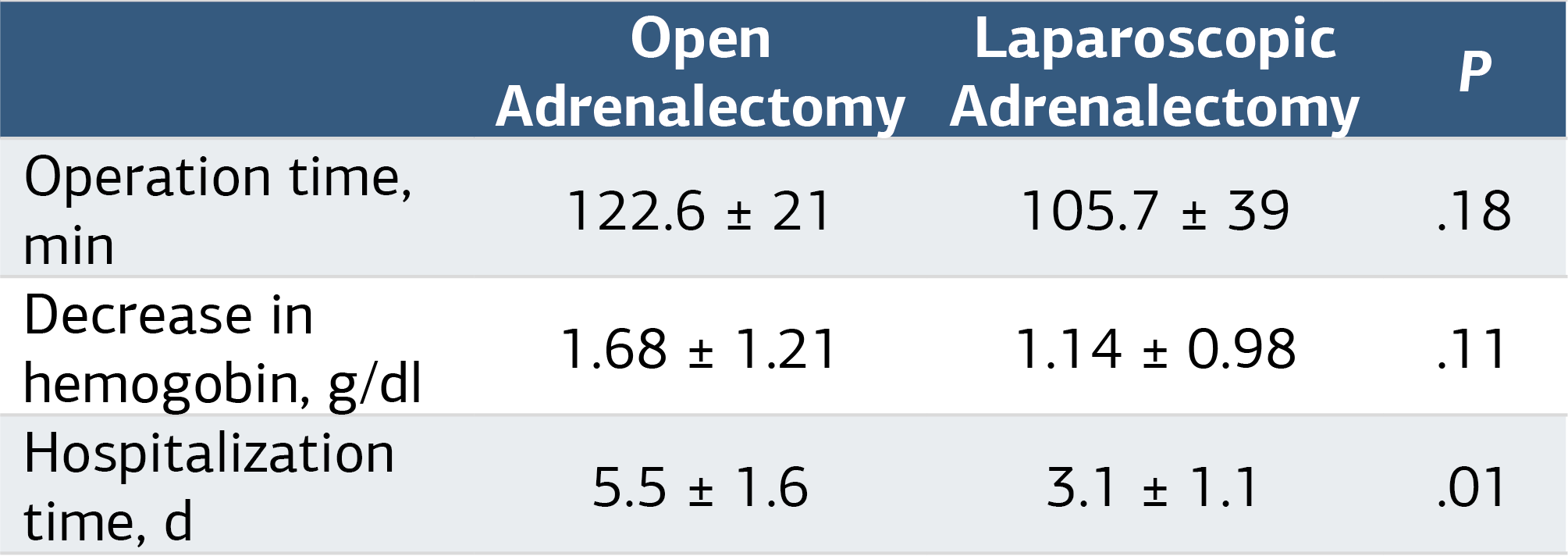
The operation time was 122.6±21 minutes in the OA group and 105.7±39 minutes in LA (P = .18). Decrease in hemoglobin was 1.68±1.21(g/dl) in OA and 1.14±0.98 (g/dl) in LA (P = .11). The hospitalization period was 5.5±1.6 days in OA and 3.1±1.1 days in LA. The difference was significant (P = .01) (Table3). Among the operated patients, only 1 patient was re-hospitalized. This patient was in the open adrenalectomy group.
Discussion
The anatomical location of the adrenal glands and adrenal lesions are usually small adrenal glands due to minimally invasive surgery increasing interest in adrenal surgery. Adrenal masses can be presented with very different clinical, laboratory and radiological data. Furthermore, adrenal masses are lesions that carry an approximately 4-12% malignancy risk.6 Open adrenalectomy requires a large incision that causes significant postoperative pain and morbidity. By laparoscopic adrenalectomy, the surgery became less invasive. Since laparoscopy started to be used in surgery, the most important disadvantage of cost is discussed. However, in all endoscopic procedures, laparoscopic adrenalectomy is performed with re-usable materials thus cost is not a serious problem. Also laparoscopic surgery results in a short-term hospitalization and thus provides an early return to work. Other economic benefits of laparoscopic surgery include reduction in cost with increasing experience. A retrospective analysis in our study was not evaluated by billing. Although clinically laparoscopic surgery may have additional cost, we believe it does not.
In the years when laparoscopic adrenalectomy was first described, it was recommended not to be performed in pheochromocytoma cases because of high intra-abdominal pressure. Furthermore, it was thought that manipulation of the mass during surgery may trigger an attack. However, laparoscopic intervention has been used in many pheochromocytoma cases to date and has been used intraoperatively. No increase in the risk of attacks was found. Of course, in this regard, the patient with pheochromocytoma who is planned to be operated on must be properly prepared in the preoperative period. Thanks to preoperative alpha and beta-adrenergic blockade and intraoperative blood pressure control, hypertensive attack is prevented. Significant advantages were obtained with laparoscopic adrenalectomy compared to open adrenalectomy in terms of bleeding amount, hospitalization time, postoperative pain, cosmetic and functional recovery.7 Chapius et al. first reported a patient with Cushing’s disease in 1997.8 After they reported that they had performed bilateral laparoscopic adrenalectomy, bilateral pheochromocytoma and congenital adrenal hyperplasia adrenalectomy experiences have been reported consecutively. According to these studies, postoperative recovery was faster in these patient groups compared to open surgery. However, bilateral adrenal glands that have reached large sizes, especially in ACTH-independent macronodular adrenal hyperplasia, remain controversial for laparoscopic adrenalectomy. Nevertheless, there are many reports that bilateral laparoscopic adrenalectomy is safe and effective in appropriate cases.9 We performed bilateral adrenalectomy (one side laparoscopic, other side open) safely in one patient. Our indication was carcinoma metastasis. Our opinion on this subject is that with appropriate patient selection, transabdominal or retroperitoneal methods can be safely applied by experienced surgical teams.
The malignancy rate of adrenal masses increases as the mass size increases. There are old studies that do not recommend laparoscopic surgery. The general concerns in these articles were peripheral tissue invasion, tumor perforation risk, and local or trocar site recurrences due to transplants. It has been reported in recent research that the surgical approach does not impact the oncological results in adrenocortical carcinoma. In the literature, the rates of marginless resections, disease-free survival, and average survival times, as well as overall and local recurrence rates, showed similarities between locally or locally advanced primary adrenocortical carcinoma and laparoscopic and open adrenalectomy.10 As the diameter increases in adrenal lesions the incidence of malignancy will increase.11 In patients undergoing open adrenalectomy compared to those undergoing laparoscopic adrenalectomy, higher tumor size was found.12 Nevertheless, with the increasing expertise in laparoscopic procedures, its application is also being considered for larger tumors. According to our research findings, the average tumor diameter was 142.76 ± 108.7 cm³ for patients undergoing open adrenalectomy and 66.95 ± 48.4 cm³ for those undergoing laparoscopic adrenalectomy (P = .192). Prior to surgery, open adrenalectomy is advisable if lymphadenopathy is present, if the tumor is larger than 10 cm, if there is invasion of adjacent organs or periadrenal tissues, or if there is evidence of thrombus in the renal vein or inferior vena cava. Surgical resection for adrenal cystic lesions should be considered when bleeding and calcification are observed during radiological assessment, and when hormones are active or when there is at least a 1 cm increase in size per year.13 In our study, surgery was performed on a total of seven adrenal cystic lesions. Four patients were operated on with an open approach and three patients underwent the laparoscopic approach. When hemodynamic instability and catecholamine levels were compared, there was no difference in pheochromocytoma between laparoscopic and open adrenalectomy.14 Hemostasis may be difficult laparoscopically if intraoperative bleeding is accompanied by a hypertensive crisis during pheochromocytoma surgery. Pheochromocytoma shows strong adhesions to surrounding tissues with a desmoplastic reaction. Laparoscopic surgery should be the preferred method in tumors with a high risk of malignancy because it is safe and applicable. In our study, in the laparoscopic group there were eight pheochromocytoma and one in the open group. The recommendations of the guidelines were taken into consideration when choosing open or laparoscopic surgical technique. Studies report that between 0% and 23% of cases are switched from laparoscopic technique to open technique.15 The most common cause is bleeding from small venous structures. Other causes include local or vascular invasion due to malignancy, vena cava or renal vein injuries, adjacent organ injuries, abdominal adhesions, obesity, diaphragmatic injury, large size of the mass and large liver.5 Our rate of conversion to open adrenalectomy was 7%. The most common cause was bleeding.
In general, the duration of laparoscopic adrenalectomy has been reported as slightly longer than open adrenalectomy.16 However, endoscopic technique can be applied in a shorter time with the increase of experience. There has been an increasing number of publications indicating that laparoscopic adrenalectomy has been completed in a much shorter time than open adrenalectomy.5 The reasons for this include: 1) open adrenalectomy, especially complex large or invasive, requires surgery being applied to malignant tumors, 2) increasing laparoscopic surgery experience is demonstrated.5 The mean operation time in laparoscopic adrenalectomy performed with the transperitoneal approach was 80 to 360 minutes in the literature.17 Our mean operation time was 105.7 ± 39 minutes in the laparoscopic group and 122.6 ± 21 minutes in the open group. We think that the reason for this difference is that the surgical technique is preferred as open in large masses.
Another advantage of laparoscopic adrenalectomy compared to open surgery is that the amount of intraoperative bleeding is less. Although most of the studies conducted so far have stated that the amount of bleeding is higher in open surgery, one reason for this is that open is more preferred in large masses.16 Many studies have reported that the amount of bleeding is less in the laparoscopic approach. In our cases, similar to previous studies, the amount of bleeding was less in the laparoscopic approach (P = .11). Other advantages of laparoscopic adrenalectomy include shortening hospitalization and early initiation of oral food intake. Lee et al. found that hospitalization time was shorter in laparoscopic adrenalectomy (mean, 4.1 days) than in open adrenalectomy (mean, 9.4 days). Bulus et al. reported the average time to resumption of oral food intake as 1.05 days in the laparoscopic approach and 2.42 days in the open approach. Consistent with existing literature, our findings indicate that patients in the laparoscopic group had shorter hospital stays and resumed oral food intake more quickly than those in the open group. While the rate of surgical complications in laparoscopic adrenalectomies typically ranges from 5% to 10%, open adrenalectomies tend to exhibit a higher incidence of complications. Wound complications are anticipated to be more prevalent in open compared to minimally invasive approaches.5,16 Complications did not exhibit a notable variance across the groups. The laparoscopic group experienced atelectasis, pleural effusion, and collection at the operative site as primary complications. Notably, no laparoscopy-associated complications were recorded in any of the patients within the laparoscopic group. Among fatalities following laparoscopic adrenalectomy, the leading causes were massive bleeding, pulmonary complications, sepsis, and cardiopulmonary failure.18 Our series experienced perioperative mortality in two patients, attributed to significant bleeding and cardiopulmonary complications. Post-hospital discharge, complications may prompt readmission. The recurrence rate varies based on the scale of surgical intervention and the specific surgical field. Following abdominal surgery, this rate ranges from 5% to 15%.19 Beck et al. identified various risk factors for readmission post-adrenalectomy, including diabetes, surgery for primary adrenal cancer, a high ASA score, the nature of the operation, advanced age, extended operation duration, and postoperative complications.20 In our study, one patient from the group who underwent open adrenalectomy was readmitted.
Limitations
The limitations of our study were that it was retrospective, the number of patients was limited, and it was conducted in a single center.
Conclusion
As a result, in our study, we found the superior features of LA compared to OA as short surgery time, short hospitalization time, less bleeding and early oral intake. When LA is performed by experienced people, complications can be prevented and it can be advantageous compared to open surgery. We believe that this increasingly applied surgery will become more preferred as experience increases.
Declarations
Animal and Human Rights Statement
All procedures performed in this study were in accordance with the ethical standards of the institutional and/or national research committee and with the 1964 Helsinki Declaration and its later amendments or comparable ethical standards.
Informed Consent
Informed consent was waived due to the retrospective nature of the study.
Data Availability
The datasets used and/or analyzed during the current study are not publicly available due to patient privacy reasons but are available from the corresponding author on reasonable request.
Conflict of Interest
The authors declare that there is no conflict of interest.
Funding
None.
Abbreviations
ACTH: Adrenocorticotropic hormone
ASA: American society of anesthesiologists
LA: Laparoscopic adrenalectomy
OA: Open adrenalectomy
SPSS: Statistical package for the social sciences
References
- Vaughan ED, Blumenfeld JD, Pizza JD. The adrenals. In: Campell’s Urology. 8th ed. Saunders Company; 2002:3507-3569.
- Girgin M, Çay F. Our experiences with laparoscopic transperitoneal adrenalectomy. Laparosc Endosc Surg Sci. 2018;25(1):1-4. doi:10.14744/less.2018.60362
- Eroğlu Ü, Koparal M, Üre İ, et al. Adrenalektomi yapılan hastaların klinik, onkolojik, fonksiyonel ve cerrahi sonuçları. Üroonkoloji Bülteni. 2016;15(4):129-135.
- Lee J, El-Tamer M, Schifftner T, et al. Open and laparoscopic adrenalectomy: analysis of the National Surgical Quality Improvement Program. J Am Coll Surg. 2008;206(5):953-961. doi:10.1016/j.jamcollsurg.2008.01.018
- Elfenbein DM, Scarborough JE, Speicher PJ, Scheri RP. Comparison of laparoscopic versus open adrenalectomy: results from American College of Surgeons-National Surgery Quality Improvement Project. J Surg Res. 2013;184(1):216-220. doi:10.1016/j.jss.2013.04.014
- Dinnes J, Bancos I, Ferrante di Ruffano L, et al. Management of endocrine disease: imaging for the diagnosis of malignancy in incidentally discovered adrenal masses: a systematic review and meta-analysis. Eur J Endocrinol. 2016;175(2). doi:10.1530/eje-16-0461
- Fiori C, Checcucci E, Amparore D, Cattaneo G, Manfredi M, Porpiglia F. Adrenal tumours: open surgery versus minimally invasive surgery. Curr Opin Oncol. 2020;32(1):27-34. doi:10.1097/cco.0000000000000594
- Chapuis Y, Chastanet S, Dousset B, Luton JP. Bilateral laparoscopic adrenalectomy for Cushing disease. Br J Surg. 1997;84(7):1009. doi:10.1002/bjs.1800840731
- Chow JT, Thompson GB, Grant CS, Farley DR, Richards ML, Young WF Jr. Bilateral laparoscopic adrenalectomy for corticotrophin-dependent Cushing syndrome: a review of the Mayo Clinic experience. Clin Endocrinol (Oxf). 2008;68(4):513-519. doi:10.1111/j.1365-2265.2007.03082.x
- Mpaili E, Moris D, Tsilimigras DI, Oikonomou D, Pawlik TM, Schizas D. Laparoscopic versus open adrenalectomy for localized/locally advanced primary adrenocortical carcinoma (ENSAT I-III) in adults: is margin-free resection the key surgical factor that dictates outcome? A review of the literature. J Laparoendosc Adv Surg Tech A. 2018;28(4):408-414. doi:10.1089/lap.2017.0546
- Sturgeon C, Shen WT, Clark OH, Duh QY, Kebebew E. Risk assessment in 457 adrenal cortical carcinomas: how much does tumor size predict the likelihood of malignancy? J Am Coll Surg. 2006;202(3):423-430. doi:10.1016/j.jamcollsurg.2005.11.005
- Humphrey R, Gray D, Pautler S, Davies W. Laparoscopic compared with open adrenalectomy for resection of pheochromocytoma: a review of 47 cases. Can J Surg. 2008;51(4):276-280.
- Janevska V, Janevski V, Stankov O, Spasevska L, Kostadinova-Kunovska S, Zhivadinovik J. Non-tumor cystic lesions of the adrenal gland. Pril (Makedon Akad Nauk Umet Odd Med Nauki). 2015;36(3):51-59. doi:10.1515/prilozi-2015-0078
- Tanaka M, Tokuda N, Koga H, Kimoto Y, Naito S. Laparoscopic adrenalectomy for pheochromocytoma: comparison with open adrenalectomy and comparison of laparoscopic surgery for pheochromocytoma versus other adrenal tumors. J Endourol. 2000;14(5):427-431. doi:10.1089/end.2000.14.427
- Raffaelli M, De Crea C, Bellantone R. Laparoscopic adrenalectomy. Gland Surg. 2019;8(1):41-52. doi:10.21037/gs.2019.06.07
- Bostancı M, Görgün M, Karaoğlan M, Çatal H. Laparoskopik adrenalektomi sonuçlarının açık adrenalektomi ile kıyaslanması. Ulus Cerrahi Derg. 2009;25(4):150-156.
- Chalkoo M, Awan N, Makhdoomi H, Arsalan SS, Raja W. Laparoscopic adrenalectomy: a short summary with review of literature. Arch Surg Clin Res. 2017;13(1):6-7. doi:10.29328/journal.ascr.1001001
- Balla A, Ortenzi M, Palmieri L, et al. Laparoscopic bilateral anterior transperitoneal adrenalectomy: 24 years experience. Surg Endosc. 2019;33(11):3718-3724. doi:10.1007/s00464-019-06665-6
- Hirano D, Hasegawa R, Igarashi T, et al. Laparoscopic adrenalectomy for adrenal tumors: a 21-year single-institution experience. Asian J Surg. 2015;38(2):79-84. doi:10.1016/j.asjsur.2014.09.003
- Beck AC, Goffredo P, Hassan I, et al. Risk factors for 30-day readmission after adrenalectomy. Surgery. 2018;164(4):766-773. doi:10.1016/j.surg.2018.04.041
Tables
Table 1. Demographic and Clinical Data
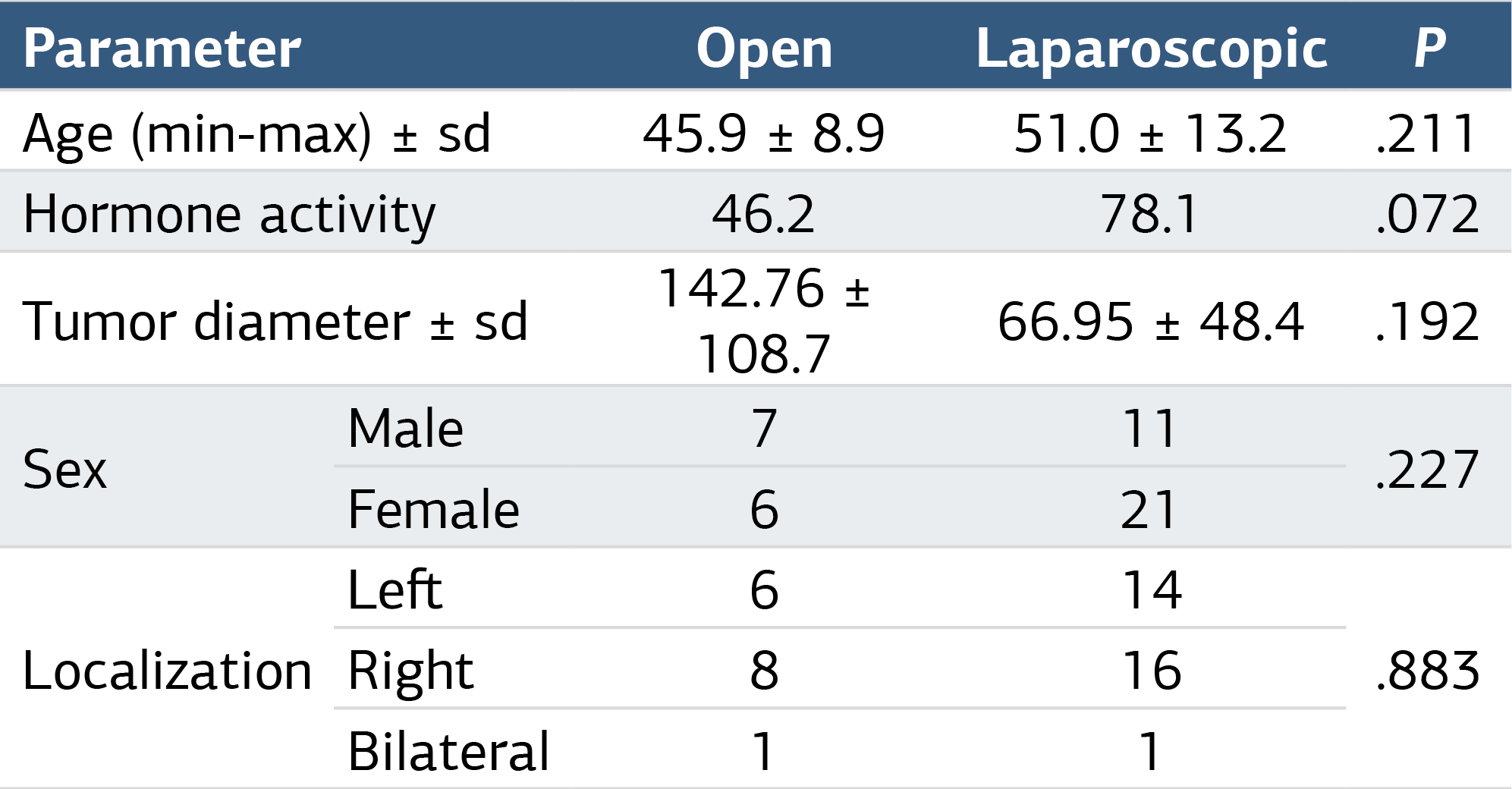
Table 2. Hysthopathologic Results
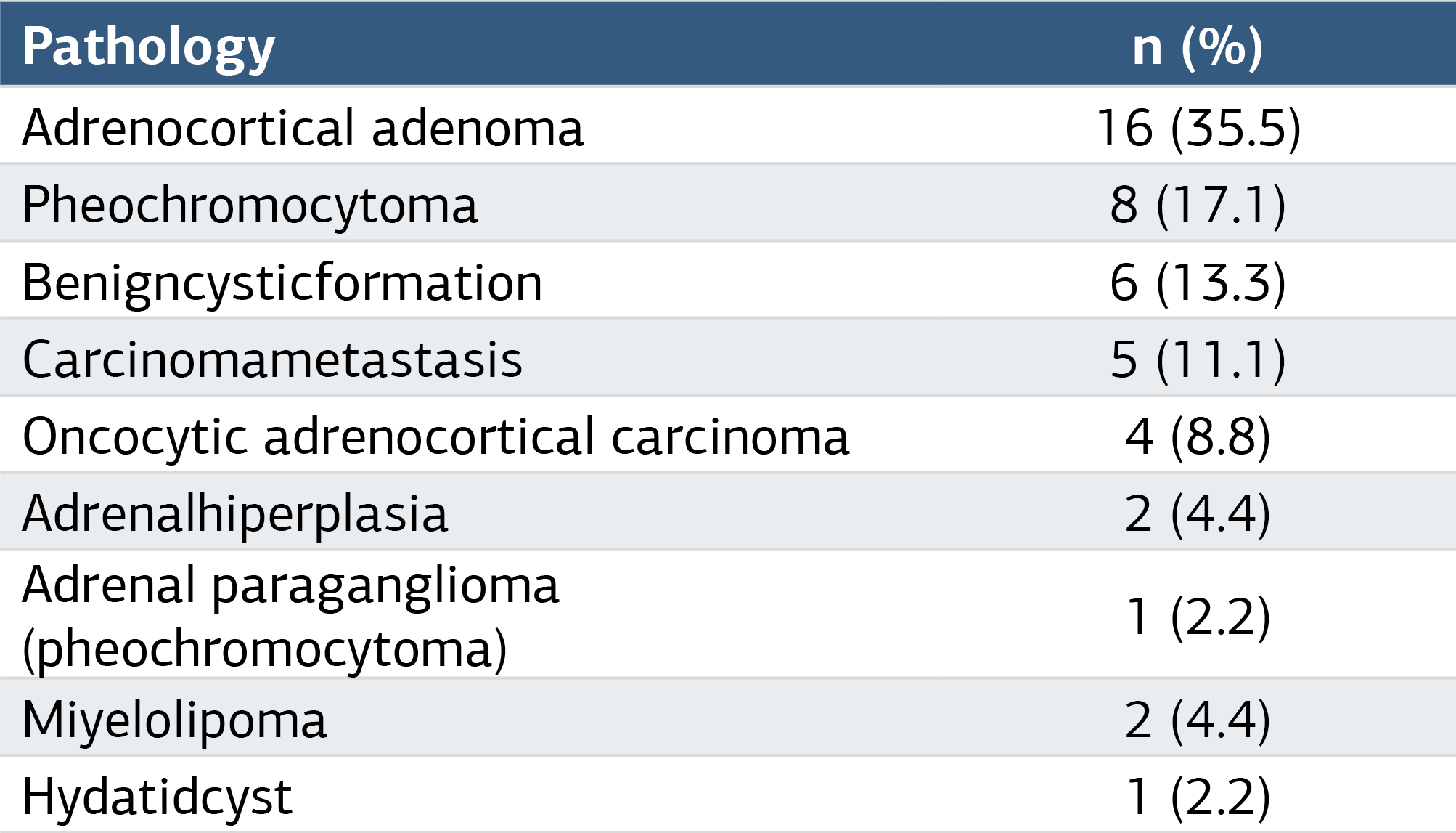
Table 3. Comparison of Open and Laparoscopic Adrenalectomy
Additional Information
Publisher’s Note
Bayrakol MP remains neutral with regard to jurisdictional and institutional claims.
Rights and Permissions

This work is licensed under a Creative Commons Attribution-NonCommercial 4.0 International License (CC BY-NC 4.0). To view a copy of the license, visit https://creativecommons.org/licenses/by-nc/4.0/
About This Article
How to Cite This Article
Aydemir Asdemir, İsmail Emre Ergin, Abuzer Öztürk, Hüseyin Saygın, Esat Korğalı. Clinical characteristics and results of 45 patients who had adrenalectomy in our clinic. Ann Clin Anal Med 2024;15(2):126-130. doi:10.4328/ACAM.22042
Publication History
- Received:
- 10.11.2023
- Accepted:
- 18.12.2023
- Published Online:
- 09.01.2024
- Printed:
- 01.02.2024