
Abstract
AimThe aim of this systematic review was to examine cohort studies investigating the association of this infection with maternal and perinatal mortality, especially stillbirth.MethodsAccording to the Preferred Reporting Items for Systematic Reviews and Meta-Analyses (PRISMA 2020) guidelines, a search was conducted on 3 databases: PubMed, Scopus and ScienceDirect for cohort studies published up to 24 April 2022 in English or French. Studies comparing the incidence of maternal or perinatal mortality among infected and uninfected pregnant women were retained.ResultsInitially, 2818 articles were identified, and 24 cohort studies were included. The overall population was 1511875 pregnant women. Of seventeen studies addressing maternal mortality, six reported a significant increase in death incidence among the exposed group (RR ranging from 13.3 to 22.26). Although, three studies found no significant difference (p ≥ 0.05). Eight studies reported no maternal deaths, of which 7 were conducted in the first year of the epidemic and 5 in a single center. The association of SARS-CoV-2 infection with perinatal mortality and stillbirth was not significant in 9/17 studies. However, 6/17 studies reported a significant association (RR ranging from 1.2 to 4.7).
Factors that may influence outcomes included disease severity, body mass index, ethnicity, previous morbidities, and gestational age at the time of exposure.ConclusionThe association between SARS-CoV-2 infection and maternal mortality was contrasting. Single-center studies revealed a low risk, while larger studies indicated a high risk of death. Furthermore, the association with perinatal mortality was less strong.
Keywords
Introduction
Pregnant women were defined as a vulnerable population during the COVID-19 pandemic.1
This is attributable to the physiological changes, which promote fetal development while reducing immunity and increasing the risk of infections.2 Pregnant women are more likely than the general population to be admitted to intensive care units (ICUs) for infection by SARS-CoV-2.3 Disease severity is influenced by several factors such as maternal age, weight, comorbidities, parity, and ethnicity.4 The probability of vertical transmission is low. However, adverse fetal outcomes have been noted,5 and pregnant women were more likely to die from COVID-19 than non-pregnant.6
The probability of maternal death ranges from 0% to 15.78% in pregnant women infected with SARS-CoV-2.7 According to a living systematic review, they had an increased risk of maternal death (OR=6.09), and fetal death (OR=1.81) compared to pregnant women without the condition.4 Furthermore, maternal mortality and stillbirth rates have increased during the COVID-19 pandemic compared to the pre-pandemic period.8 This rise has varied among high-income countries and middle- and low-income countries.9
Although fetal mortality has reduced in high-income countries, it is considered a poor outcome in women with COVID-19.10 According to the World Association of Perinatal Medicine (WAPM), perinatal death occurred in 4.1% of women infected with SARS-CoV-2.5,11 It occurs as a result of maternal or fetal complications.12 SARS-CoV-2 induces placental vascular damage with episodes of hypoxia with a risk of adverse perinatal outcomes.10
Despite evidence of an increased risk of maternal and perinatal mortality associated with COVID-19 status, multiple studies have reported that the incidence of maternal and fetal death was not statically different among test-positive and test-negative women.13
The effect of SARS-CoV-2 infection on maternal and perinatal outcomes must be measured over the long term, given the emergence of new variants.14 Therefore, the World Health Organization has recommended in its generic protocol: COVID-19 and pregnancy, 2022 (available at the WHO website), to search for comparative data among infected and uninfected pregnant women. These studies should be longitudinal to ensure long-term monitoring.1
Many published studies have reported data from infected cohorts of pregnant women without comparison groups.15 The primary objective of this systematic review is to examine comparative cohort studies that have investigated the association of SARS-CoV-2 infection status during pregnancy and the risk of maternal and perinatal mortality. The second objective is to identify factors that may influence this association.
Materials and Methods
Search StrategyThis systematic review was conducted in accordance with the PRISMA 2020 (preferred reporting items for systematic reviews and meta-analyses) guidelines.16 The protocol was registered and published on PROSPERO (registration number: CRD42022341500).
Two authors (K.O. and A.K.) independently queried three databases: Scopus, PubMed and ScienceDirect. Concerning Scopus and PubMed, the search for articles was done using two queries, first: (“COVID-19” or “SARS-CoV-2” or “Coronavirus” and “maternal mortality” or “maternal death”) and secondly: (“COVID-19” or “SARS-CoV-2” or “Coronavirus” and “perinatal mortality” or “perinatal death” or “stillbirth”). For ScienceDirect, the formula was as follows: ((“COVID-19” or “SARS-CoV-2” or “Coronavirus”) and (“maternal-death” or “maternal mortality” or “perinatal mortality” or “perinatal death” or “stillbirth”)).Selection ProcessWe included in this systematic review cohort studies published in English or French up to 24 April 2022. Initially, titles and abstracts were selected for relevant articles by 2 authors independently (K.O. and A.K.). Duplicate articles are eliminated using Zotero 6.0.18 (free version). A third reviewer (M.O.) was solicited to decide if there was disagreement between the two examiners. The included articles were retrieved in full text for further evaluation.Eligibility CriteriaArticles eligible for inclusion were comparative cohort studies that met the following criteria: 1) prospective or retrospective cohort studies; 2) studies that investigated the occurrence of maternal and/or perinatal death among pregnant women diagnosed with COVID-19 during pregnancy or at delivery (confirmed positive test) compared to pregnant women with negative test during the same investigation period.
Exclusion criteria were: 1) studies comparing the risk of mortality in SARS-CoV-2 infected pregnant women with that of pregnant women in the pre-pandemic period or non-pregnant women of childbearing age. 2) studies defined by their authors as cross-sectional, case-control, or cohort studies with no comparison group.Outcomes and Data Collection ProcessThis review compared SARS-CoV-2 infected and non-infected pregnant women with regard to the occurrence of the following outcomes:
a) maternal mortality: death of a woman, either during pregnancy or childbirth, from any cause related to or aggravated by pregnancy, or within 42 days of the end of pregnancy.17
b) perinatal mortality: incorporate stillbirth and early neonatal mortality (death of a child born alive and within the first 7 days of life).18
c) stillbirth: the birth of a baby without signs of life after 20 weeks of gestation.19
The first author (K.O.) collected data from the included studies. The collected information was verified by another author (A.K.). A third author (M.O.) was asked to decide in case of disagreement.
The results were presented in three tables. The first lists the characteristics of the included studies. The second and third tables show the results of the maternal mortality studies and the perinatal mortality studies respectively. Quantitative data were expressed as numbers and proportions (N; %), odds ratios, relative and adjusted relative risks (with 95% CI). Results were considered statistically significant (p<0.05). A narrative synthesis of the findings was performed.Quality Assessment of StudiesThe quality assessment was conducted by two independent reviewers (K.O. and A.K.) using the JBI cohort study critical assessment checklist, 2017 (available at the jbi.global website). This checklist, approved by the Joanna Briggs Institute scientific committee, assesses the quality of cohort studies according to 11 items: 1) population and study groups; 2) and 3) similarity and validity of exposure measurement; 4) and 5) identification and managing of confounding factors; 6) and 7) validity of outcome measurement; 8) to 10) duration and continuity of follow-up; 11) statistical analysis quality. The checkboxes were: yes, no, unclear or not applicable.
Agreement between the examiners was assessed using the statistical coefficient kappa (κ).Ethical ApprovalNot applicable.Statistical AnalysisA narrative synthesis of the findings was performed. Quantitative data were presented as numbers and proportions, odds ratios, relative risks, adjusted relative risks, and 95% confidence intervals, as reported in the included studies. Statistical significance was considered at P < .05.Reporting GuidelinesThis systematic review was reported in accordance with the Preferred Reporting Items for Systematic Reviews and Meta-Analyses (PRISMA) 2020 guidelines. The review protocol was registered in PROSPERO (CRD42022341500).
Results
Characteristics of Included StudiesInitially, 2818 articles were identified. After removing duplicates, screening by title and abstract and then by full text was performed according to the eligibility criteria. Finally, 24 cohort studies were included for the systematic review (figure 1).
The total duration of these studies extended from January 13, 2020, to July 4, 2021 (table 1). Eleven cohort studies had a prospective design.19,20 Twelve studies were retrospective.15,21,22 and there was one cohort with a retro-prospective design.23
Fourteen studies were multicenter.19,21,22,24-29 including a multinational study.26 Ten studies were single-center.15,20,23,30-36
The overall population included in this review was 1,511,875 pregnant women, with 30,633 testing positive for SARS-CoV-2 infection and 1,481,242 testing negative.
Five studies focused on maternal death.19,21,23,30,37 seven on perinatal death.28,31,32,38 and twelve on both mortalities.15,20,33,36,39Assessment of the Quality of the StudiesIncluded studies were assessed using the JBI cohort study critical assessment checklist. The results of the study assessment were detailed in supplementary material.
For all studies, the study groups were recruited from the same population, and the exposure measure was similar and valid, with ambiguities in the two studies.31,34 Confounding factors were identified in most studies (20/22), while strategies to address these confounders were indicated in 65% of these studies (13/20). The validity of outcomes measurement and duration of participant follow-up were overall appropriate. Regarding the statistical analysis, regression was used in 45% of the studies (11/24).
The reviewers agreed that, in all, the included studies had a low risk of bias. The quality was considered “good” and the statistical coefficient of kappa was κ = 0.71.Association of SARS-CoV-2 Infection During Pregnancy With the risk of Maternal MortalityAs shown in table 2, eight studies reported no maternal mortality.19,20,33-37 In contrast, the occurrence of maternal death in pregnant women with SARS-CoV-2 was reported in nine cohort studies.15,21-23,26,29,30,39
Three of these studies concluded that there was a high association between SARS-CoV-2 exposure in pregnancy and the occurrence of maternal death.29,35,40 However, a retrospective single-center study found no significant association between COVID-19 status and maternal mortality.15 Indeed, a multinational study including 18 countries showed that COVID-19 exposure during pregnancy was highly associated with an increased incidence of maternal mortality, with RR: 22.26 (2.88–172.11) (95% CI).26 Similarly, based on analysis of data from 720 American hospitals, the risk of maternal death was 25.6 times higher among pregnant women with COVID-19 who delivered and 13.3 among all hospitalized pregnant women with COVID-19, including pregnancies that did not proceed to birth.39 In addition, a cohort study conducted in 703 US hospitals found that women with a confirmed diagnosis of SARS-CoV-2 at the time of hospitalization for delivery had a 17-fold increased risk of death compared to the unexposed group.40
Five cohort studies compared the incidence of maternal mortality among pregnant women exposed and unexposed to SARS-CoV-2 infection during pregnancy using the Chi2 test and/or the Fisher’s exact test.21-23,29,30 Of these, three studies found that there was an increased incidence of maternal death for pregnant women infected by the SARS-CoV-2.22,29,30 However, two studies reported that the rates of maternal death in the exposed group were slightly higher than in the unexposed group, but this difference was not statistically significant.21,23
To investigate factors influencing the association of SARS-CoV-2 infection during pregnancy with the risk of maternal mortality, four studies divided the study population into subgroups and assessed this association in each subgroup.22,26,29,39 Stratification variables included severity of infection, maternal age, race/ethnicity, body mass index, previous morbidities, and gestational age at exposure (table 2).SARS-CoV-2 Infection During Pregnancy and the risk of Perinatal MortalityAs presented in table 3, seventeen cohort studies reported the occurrence of perinatal mortality in pregnant women diagnosed with COVID-19. Four of these studies reported a significant association between this exposure during pregnancy and the risk of stillbirth. This ranges from 1.2 to 4.7.33,38-40 Also, a multicenter cohort study noted a significantly high incidence of stillbirths among the infected group (0.8%) compared with the matched uninfected group (0.1%), (p<0.05).41 In addition, the multinational study by Villar et al. observed that newborns born to exposed mothers had a high perinatal morbidity and mortality index (PMMI) compared with those born to unexposed mothers (RR= 2.14).
Using regression, three studies found an insignificant association between SARS-CoV-2 infection status during pregnancy and the risk of stillbirth.27,28,31 In addition, five cohort studies concluded that there was no significant difference in fetal death incidence among the exposed and unexposed groups.22,24,29,34 Also, the variation in stillbirth incidence between asymptomatic women with SARS-CoV-2 and uninfected pregnant women was not statistically significant (p>0.05).25
Factors influencing the association between SARS-CoV-2 infection and the risk of perinatal mortality or stillbirth were assessed in eight studies.22,24,26,27,29,39,41 The risk of stillbirth was slightly higher in women aged ≥25 years, however, there was no significant difference between ethnic subgroups.39 In addition, it was noted that symptomatic women and women with high body mass index or previous morbidities were more likely to have severe perinatal morbidity and mortality.26 The influence of gestational age at infection on stillbirth incidence was discussed in four studies.22,27,36,41
Finally, two single-center studies reported that there were no stillbirths in the study population.20,32
Discussion
In the present review, six cohort studies showed that there was a high association between SARS-CoV-2 infection during pregnancy and the incidence of maternal death. According to a living systematic review and meta-analysis of eight studies, the probability of all-cause mortality in pregnant women with COVID-19 was higher compared to pregnant women without the disease.4 Another meta-analysis indicated that the probability of maternal death related to SARS-CoV-2 infection is high (pooled OR: 7.05.2,19,22 ).42 In contrast, a meta-analysis of six comparative studies showed that there was no significant difference in maternal mortality rates in relation to COVID-19 status (p=0.23).13
Eight included studies found no maternal deaths in pregnant women with SARS-CoV-2. Of these, seven were conducted during the first year of the pandemic and the majority were monocentric. Maternal death is an uncommon event requiring a large study population and a follow-up until six weeks after delivery to obtain valid results. Furthermore, the absence of symptoms may explain this finding; an included single-center study with no deaths indicated that 86.24% of infected women were asymptomatic.19 Other systematic reviews reported that no maternal deaths occurred among infected women.42,43 Similarly, a meta-analysis of data of the early pandemic revealed no deaths among 348 cases recorded.44
In the current review, countries concerned by the increase in maternal deaths related to COVID-19 were the USA in four studies,22,29,39 Romania,30 and eighteen countries included in a multinational study.26 A meta-analysis of recent studies conducted in low-resource countries showed an increased incidence of death in pregnant women who tested positive.45 Among the countries suffering most from this issue, Brazil recorded high maternal mortality rates during the outbreak.46
Regarding the determinants of the association between SARS-CoV-2 infection and maternal mortality risk, symptomatic pregnant women or those with a history of morbidity or overweight had a high incidence of maternal death.26 Similarly, a meta-analysis found that all 153 pregnant and postpartum women who died due to COVID-19 were symptomatic and suffered from morbidities such as diabetes, overweight, cardiovascular diseases, and asthma.9 A systematic review of 14 articles showed that high BMI or comorbidities were risk factors for mortality associated with SARS-CoV-2 infection.47 In our review, maternal age over 35 years increased the risk of maternal death.39 In another systematic review, 41.7% of died infected mothers were older than 35 years.9
In terms of perinatal death, six studies in this review found a significant association between SARS-CoV-2 infection during pregnancy and the risk of stillbirth. This is consistent with many systematic and meta-analyses, which have reported high odds ratio values (OR=2.70),48 (pooled OR 1.46),42 (OR=2.11),49 and (OR=2.36).50 In the opposite, nine included cohort studies revealed that SARS-CoV-2 exposure did not significantly influence the incidence of stillbirth. In agreement, this incidence was 1.1% in both groups according to a meta-analysis of six comparative studies.13 Another meta-analysis found that the risk of fetal death from COVID-19 was extremely low.51
In the current review, the probability of stillbirth was slightly higher among women over 25 years.39 However, a discrepancy has been observed regarding the effect of severity of infection, gestational age, and weight on this probability. Indeed, an included multinational cohort study noted that symptomatic women with a high body mass index were more likely to have a perinatal death.26 The fetal death rate was higher in asymptomatic or mildly affected women,29 and was not correlated with either BMI or gestational age.36 Besides, the incidence of stillbirth was higher in women infected within 30 days of delivery.22 While, it was higher among women infected in the first or second trimester.41 This discrepancy can be explained by sample size limitations in monocentric studies and retrospective data collection, mainly under-recording of patient information.
Most studies in this review involved pregnant women infected at or near the time of delivery. A review of maternal and fetal outcomes related to COVID-19 showed that the third trimester was the most vulnerable period for infection.52
Limitations
This systematic review had several strengths and limitations. It included comparative cohort studies allowing for follow-up of outcomes in and without the exposure. In addition, cohort studies comparing outcomes with the pre-pandemic period were eliminated to avoid confounding the impact of the COVID-19 pandemic on healthcare services. However, the unavailability of some data or full-text articles reduced the number of included studies.
The overall study period was from the beginning of the pandemic until July 2021, which provided a large study population (1,511,875 pregnant women). However, the data collected did not cover new variants such as Omicron, which appeared for the first time on 9 November 2021. In addition, the influence of vaccination status was not studied because the SARS-CoV-2 vaccine was contraindicated for pregnant women during the early pandemic.
The retrospective design of many cohort studies did not provide a real-time follow-up of outcomes related to SARS-CoV-2 infection. Nevertheless, there were more prospective than retrospective studies.
Therefore, meta-analyses of recent large-sample multicenter studies are recommended to compare the effect of infection with different variants of SARS-CoV-2 and vaccine coverage on maternal and fetal outcomes, including maternal and perinatal mortality.
Conclusion
The findings of included cohort studies regarding the association of SARS-CoV-2 infection during pregnancy with the risk of maternal and perinatal mortality varied.
Studies covering the early months of the pandemic noted that the risk of maternal mortality was low. However, larger studies reported that women exposed to SARS-CoV-2 infection during pregnancy have a higher risk of maternal mortality than those unexposed. Factors that may influence this association include the severity of COVID-19 disease, co-morbidities, overweight, maternal, gestational age, and ethnicity. On the other hand, according to findings of studies that have addressed perinatal mortality, the association of SARS-CoV-2 infection and the risk of stillbirth was lower than the association of this condition with maternal death.
Declarations
Animal and Human Rights Statement
All procedures performed in this study were in accordance with the ethical standards of the institutional and/or national research committee and with the 1964 Helsinki Declaration and its later amendments or comparable ethical standards.
Informed Consent
Not applicable.
Data Availability
The datasets used and/or analyzed during the current study are not publicly available due to patient privacy reasons but are available from the corresponding author on reasonable request.
Conflict of Interest
The authors declare that there is no conflict of interest.
Funding
None.
References
- Overtoom EM, Rosman AN, Zwart JJ, Vogelvang TE, Schaap TP, van den Akker T, et al. SARS-CoV-2 infection in pregnancy during the first wave of COVID-19 in the Netherlands: a prospective nationwide population-based cohort study (NethOSS). BJOG Int J Obstet Gynaecol. 2022;129(1):91-100. doi:10.1111/1471-0528.16903
- Kotlar B, Gerson E, Petrillo S, Langer A, Tiemeier H. The impact of the COVID-19 pandemic on maternal and perinatal health: a scoping review. Reprod Health. 2021;18(1):10. doi:10.1186/s12978-021-01070-6
- Lokken EM, Huebner EM, Taylor GG, Hendrickson S, Vanderhoeven J, Kachikis A, et al. Disease severity, pregnancy outcomes, and maternal deaths among pregnant patients with severe acute respiratory syndrome coronavirus 2 infection in Washington State. Am J Obstet Gynecol. 2021;225(1):77.e1-77.e14. doi:10.1016/j.ajog.2020.12.1221
- Allotey J, Stallings E, Bonet M, Yap M, Chatterjee S, Kew T, et al. Clinical manifestations, risk factors, and maternal and perinatal outcomes of coronavirus disease 2019 in pregnancy: Living systematic review and meta-analysis. BMJ. 2020;370:m3320. doi:10.1136/bmj.m3320
- Di Mascio D, Sen C, Saccone G, Galindo A, Grünebaum A, Yoshimatsu J, et al. Risk factors associated with adverse fetal outcomes in pregnancies affected by Coronavirus disease 2019 (COVID-19): A secondary analysis of the WAPM study on COVID-19. J Perinat Med. 2020;48(9):950-8. doi:10.1515/jpm-2020-0355
- Zambrano LD, Ellington S, Strid P, Galang RR, Oduyebo T, Tong VT, et al. Update: Characteristics of Symptomatic Women of Reproductive Age with Laboratory-Confirmed SARS-CoV-2 Infection by Pregnancy Status – United States, January 22-October 3, 2020. MMWR Morb Mortal Wkly Rep. 2020;69(44):1641-7. doi:10.15585/mmwr.mm6944e3
- Ciapponi A, Bardach A, Comandé D, Berrueta M, Argento FJ, Rodriguez Cairoli F, et al. COVID-19 and pregnancy: An umbrella review of clinical presentation, vertical transmission, and maternal and perinatal outcomes. PloS One. 2021;16(6):e0253974.
- Chmielewska B, Barratt I, Townsend R, Kalafat E, van der Meulen J, Gurol-Urganci I, et al. Effects of the COVID-19 pandemic on maternal and perinatal outcomes: a systematic review and meta-analysis. Lancet Glob Health. 2021;9(6):e759-e72. doi:10.1016/s2214-109x(21)00079-6
- Karimi L, Makvandi S, Vahedian-Azimi A, Sathyapalan T, Sahebkar A. Effect of COVID-19 on Mortality of Pregnant and Postpartum Women: A Systematic Review and Meta-Analysis. J Pregnancy. 2021;2021:8870129. doi:10.1155/2021/8870129
- Bunnell ME, Koenigs KJ, Roberts DJ, Quade BJ, Hornick JL, Goldfarb IT. Third trimester stillbirth during the first wave of the SARS-CoV-2 pandemic: Similar rates with increase in placental vasculopathic pathology. Placenta. 2021;109:72-4. doi:10.1016/j.placenta.2021.04.003
- WAPM (World Association of Perinatal Medicine) Working Group on COVID-19. Maternal and perinatal outcomes of pregnant women with SARS-CoV-2 infection. Ultrasound Obstet Gynecol Off J Int Soc Ultrasound Obstet Gynecol. 2021;57(2):232-41. doi:10.1002/uog.23107
- Tasew H, Zemicheal M, Teklay G, Mariye T. Risk factors of stillbirth among mothers delivered in public hospitals of Central Zone, Tigray, Ethiopia. Afr Health Sci. 2019;19(2):1930-7. doi:10.4314/ahs.v19i2.16
- Huntley BJF, Mulder IA, Di Mascio D, Vintzileos WS, Vintzileos AM, Berghella V, et al. Adverse Pregnancy Outcomes Among Individuals With and Without Severe Acute Respiratory Syndrome Coronavirus 2 (SARS-CoV-2): A Systematic Review and Meta-analysis. Obstet Gynecol. 2021;137(4):585-96. doi:10.1097/aog.0000000000004320
- Ryan GA, Purandare NC, McAuliffe FM, Hod M, Purandare CN. Clinical update on COVID-19 in pregnancy: A review article. J Obstet Gynaecol Res. 2020;46(8):1235-45. doi:10.1111/jog.14321
- Alipour Z, Samadi P, Eskandari N, Ghaedrahmati M, Vahedian M, Khalajinia Z, et al. Relationship between coronavirus disease 2019 in pregnancy and maternal and fetal outcomes: Retrospective analytical cohort study. Midwifery. 2021;102:103128. doi:10.1016/j.midw.2021.103128
- Singh GK. Trends and social inequalities in maternal mortality in the United States, 1969-2018. Int J Matern Child Health AIDS. 2021;10(1):29.
- Manning, E., Leitao, S., Corcoran, P., McKernan, J., de Foubert, P. and Greene, R. A. on behalf of the Perinatal Mortality Group (2018) Perinatal Mortality in Ireland Annual Report 2016, Cork: National Perinatal Epidemiology Centre.
- Flenady VJ, Middleton P, Wallace EM, Morris J, Gordon A, Boyle FM, et al. Stillbirth in Australia 1: The road to now: Two decades of stillbirth research and advocacy in Australia. Women Birth. 2020;33(6):506-13. doi:10.1016/j.wombi.2020.09.005
- Hill J, Patrick HS, Ananth CV, O’Brien D, Spernal S, Horgan R, et al. Obstetrical outcomes and follow-up for patients with asymptomatic COVID-19 at delivery: a multicenter prospective cohort study. Am J Obstet Gynecol MFM. 2021;3(6):100454. doi:10.1016/j.ajogmf.2021.100454
- Ruggiero M, Somigliana E, Tassis B, Li Piani L, Uceda Renteria S, Barbara G, et al. Clinical relevance of SARS-CoV-2 infection in late pregnancy. BMC Pregnancy Childbirth. 2021;21(1):505. doi:10.1186/s12884-021-03985-1
- Nayak AH, Kapote DS, Fonseca M, Chavan N, Mayekar R, Sarmalkar M, et al. Impact of the Coronavirus Infection in Pregnancy: A Preliminary Study of 141 Patients. J Obstet Gynecol India. 2020;70(4):256-61. doi:10.1007/s13224-020-01335-3
- Litman EA, Yin Y, Nelson SJ, Capbarat E, Kerchner D, Ahmadzia HK. Adverse perinatal outcomes in a large United States birth cohort during the COVID-19 pandemic. Am J Obstet Gynecol MFM. 2022;4(3):100577. doi:10.1016/j.ajogmf.2022.100577
- Gupta P, Kumar S, Sharma SS. SARS-CoV-2 prevalence and maternal-perinatal outcomes among pregnant women admitted for delivery: Experience from COVID-19-dedicated maternity hospital in Jammu, Jammu and Kashmir (India). J Med Virol. 2021;93(9):5505-14. doi:10.1002/jmv.27074
- Crovetto F, Crispi F, Llurba E, Pascal R, Larroya M, Trilla C, et al. Impact of Severe Acute Respiratory Syndrome Coronavirus 2 Infection on Pregnancy Outcomes: A Population-based Study. Clin Infect Dis. 2021;73(10):1768-75. doi:10.1093/cid/ciab104
- Cruz-Lemini M, Perez EF, De La Cruz Conty ML, Aguilar AC, Pardilla MBE, Rodriguez PP, et al. Obstetric outcomes of sars-cov-2 infection in asymptomatic pregnant women. Viruses. 2021;13(1):112. doi:10.3390/v13010112
- Villar J, Ariff S, Gunier RB, Thiruvengadam R, Rauch S, Kholin A, et al. Maternal and Neonatal Morbidity and Mortality Among Pregnant Women With and Without COVID-19 Infection: The INTERCOVID Multinational Cohort Study. JAMA Pediatr. 2021;175(8):817-26. doi:10.1001/jamapediatrics.2021.1050
- Regan AK, Arah OA, Fell DB, Sullivan SG. SARS-CoV-2 Infection during Pregnancy and Associated Perinatal Health Outcomes: A National US Cohort Study. J Infect Dis. 2022;225(5):759-67. doi:10.1093/infdis/jiab626
- Ferrara A, Hedderson MM, Zhu Y, Avalos LA, Kuzniewicz MW, Myers LC, et al. Perinatal Complications in Individuals in California With or Without SARS-CoV-2 Infection During Pregnancy. JAMA Intern Med. 2022;182(5):503-12. doi:10.1001/jamainternmed.2022.0330
- Metz TD, Clifton RG, Hughes BL, Sandoval GJ, Grobman WA, Saade GR, et al. Association of SARS-CoV-2 infection with serious maternal morbidity and mortality from obstetric complications. JAMA – J Am Med Assoc. 2022;327(8):748-59. doi:10.1097/01.aoa.0000891692.85343.2c
- Citu C, Neamtu R, Sorop VB, Horhat DI, Gorun F, Tudorache E, et al. Assessing sars-cov-2 vertical transmission and neonatal complications. J Clin Med. 2021;10(22).5253. doi:10.3390/jcm10225253
- Pirjani R, Hosseini R, Soori T, Rabiei M, Hosseini L, Abiri A, et al. Maternal and neonatal outcomes in COVID-19 infected pregnancies: a prospective cohort study. J Travel Med. 2020;27(7):taaa158. doi:10.22541/au.158920850.07965213
- Cosma S, Carosso AR, Cusato J, Borella F, Bertero L, Bovetti M, et al. Obstetric and neonatal outcomes after SARS-CoV-2 infection in the first trimester of pregnancy: A prospective comparative study. J Obstet Gynaecol Res. 2022;48(2):393-401. doi:10.1111/jog.15105
- Hcini N, Maamri F, Picone O, Carod JF, Lambert V, Mathieu M, et al. Maternal, fetal and neonatal outcomes of large series of SARS-CoV-2 positive pregnancies in peripartum period: A single-center prospective comparative study. Eur J Obstet Gynecol Reprod Biol. 2021;257:11-18. doi:10.1016/j.ejogrb.2020.11.068
- Steffen HA, Swartz SR, Jackson JB, Kenne KA, Ten Eyck PP, Merryman AS, et al. SARS-CoV-2 Infection during Pregnancy in a Rural Midwest All-delivery Cohort and Associated Maternal and Neonatal Outcomes. Am J Perinatol. 2021;38(6):614-21. doi:10.1055/s-0041-1723938
- Teixeira MLB, da Costa Ferreira Júnior O, João E, Fuller T, Silva Esteves J, Mendes-Silva W, et al. Maternal and neonatal outcomes of sars-cov-2 infection in a cohort of pregnant women with comorbid disorders. Viruses. 2021;13(7):1277. doi:10.3390/v13071277
- Sunder A, Varghese B, Darwish B, Shaikho N, Rashid M. Impacts and effects of COVID-19 infection in pregnancy. Saudi Med J. 2022;43(1):67-74. doi:10.15537/smj.2022.43.1.20210694
- Yang R, Mei H, Zheng T, Fu Q, Zhang Y, Buka S, et al. Pregnant women with COVID-19 and risk of adverse birth outcomes and maternal-fetal vertical transmission: a population-based cohort study in Wuhan, China. BMC Med. 2020;18(1):330. doi:10.1186/s12916-020-01798-1
- Gurol-Urganci I, Jardine JE, Carroll F, Draycott T, Dunn G, Fremeaux A, et al. Maternal and perinatal outcomes of pregnant women with SARS-CoV-2 infection at the time of birth in England: national cohort study. Am J Obstet Gynecol. 2021;225(5):522.e1-522.e11. doi:10.1016/j.ajog.2021.05.016
- Ackerman CM, Nguyen JL, Ambati S, Reimbaeva M, Emir B, Cabrera J, et al. Clinical and Pregnancy Outcomes of Coronavirus Disease 2019 among Hospitalized Pregnant Women in the United States. Open Forum Infect Dis. 2022;9(2): ofab429. doi:10.1093/ofid/ofab429
- Ko JY, DeSisto CL, Simeone RM, Ellington S, Galang RR, Oduyebo T, et al. Adverse Pregnancy Outcomes, Maternal Complications, and Severe Illness Among US Delivery Hospitalizations With and Without a Coronavirus Disease 2019 (COVID-19) Diagnosis. Clin Infect Dis. 2021;73(Suppl.1):S24-31. doi:10.1093/cid/ciab344
- Piekos SN, Roper RT, Hwang YM, Sorensen T, Price ND, Hood L, et al. The effect of maternal SARS-CoV-2 infection timing on birth outcomes: a retrospective multicentre cohort study. Lancet Digit Health. 2022;4(2):e95-e104. doi:10.1016/s2589-7500(21)00250-8
- Pathirathna ML, Samarasekara BP, Dasanayake TS, Saravanakumar P, Weerasekara I. Adverse Perinatal Outcomes in COVID-19 Infected Pregnant Women: A Systematic Review and Meta-Analysis. Healthcare (Basel). 2022;10(2): 203. doi:10.3390/healthcare10020203
- Smith V, Seo D, Warty R, Payne O, Salih M, Chin KL, et al. Maternal and neonatal outcomes associated with COVID-19 infection: A systematic review. PLoS One. 2020;15(6): e0234187. doi:10.1371/journal.pone.0234187
- Huntley BJF, Huntley ES, Di Mascio D, Chen T, Berghella V, Chauhan SP. Rates of maternal and perinatal mortality and vertical transmission in pregnancies complicated by severe acute respiratory syndrome coronavirus 2 (SARS-Co-V-2) infection: A systematic review. Obstet Gynecol. 2020;136(2):303-12. doi:10.1097/aog.0000000000004010
- La Verde M, Riemma G, Torella M, Cianci S, Savoia F, Licciardi F, et al. Maternal death related to COVID-19: A systematic review and meta-analysis focused on maternal co-morbidities and clinical characteristics. Int J Gynaecol Obstet Off Organ Int Fed Gynaecol Obstet. 2021;154(2):212-19. doi:10.1002/ijgo.13726
- Takemoto MLS, Menezes MO, Andreucci CB, Knobel R, Sousa LAR, Katz L, et al. Maternal mortality and COVID-19. J Matern Fetal Neonatal Med. 2022; 35(12):2355-61.51. Malik VS, Ravindra K, Attri SV, Bhadada SK, Singh M. Higher body mass index is an important risk factor in COVID-19 patients: a systematic review and meta-analysis. Environ Sci Pollut Res. 2020;27(33):42115-23.
- Malik VS, Ravindra K, Attri SV, Bhadada SK, Singh M. Higher body mass index is an important risk factor in COVID-19 patients: a systematic review and meta-analysis. Environ Sci Pollut Res. 2020;27(33):42115-42123. doi:10.1007/s11356-020-10132-4
- Pérez-López FR, Savirón-Cornudella R, Chedraui P, López-Baena MT, Pérez-Roncero G, Sanz-Arenal A, et al. Obstetric and perinatal outcomes of pregnancies with COVID 19: a systematic review and meta-analysis. J Matern Fetal Neonatal Med. 2022;35(25):9742-58. doi:10.1080/14767058.2022.2051008
- Wei SQ, Bilodeau-Bertrand M, Liu S, Auger N. The impact of covid-19 on pregnancy outcomes: a systematic review and meta-analysis. Cmaj. 2021;193(16):E540-E8. doi:10.1503/cmaj.202604
- Marchand G, Patil AS, Masoud AT, Ware K, King A, Ruther S, et al. Systematic review and meta-analysis of COVID maternal and neonatal clinical features and pregnancy outcomes to June 3rd 2021. AJOG Glob Rep. 2022;2(1):100049. doi:10.1016/j.xagr.2021.100049
- Toro FD, Gjoka M, Lorenzo GD, Santo DD, Seta FD, Maso G, et al. Impact of COVID-19 on maternal and neonatal outcomes: a systematic review and meta-analysis. Clin Microbiol Infect. 2021;27(1):36-46.
- Salem D, Katranji F, Bakdash T. COVID-19 infection in pregnant women: Review of maternal and fetal outcomes. Int J Gynaecol Obstet Off Organ Int Fed Gynaecol Obstet. 2021;152(3):291-8. doi:10.1002/ijgo.13533
Tables
Table 1. Characteristics of Included Studies
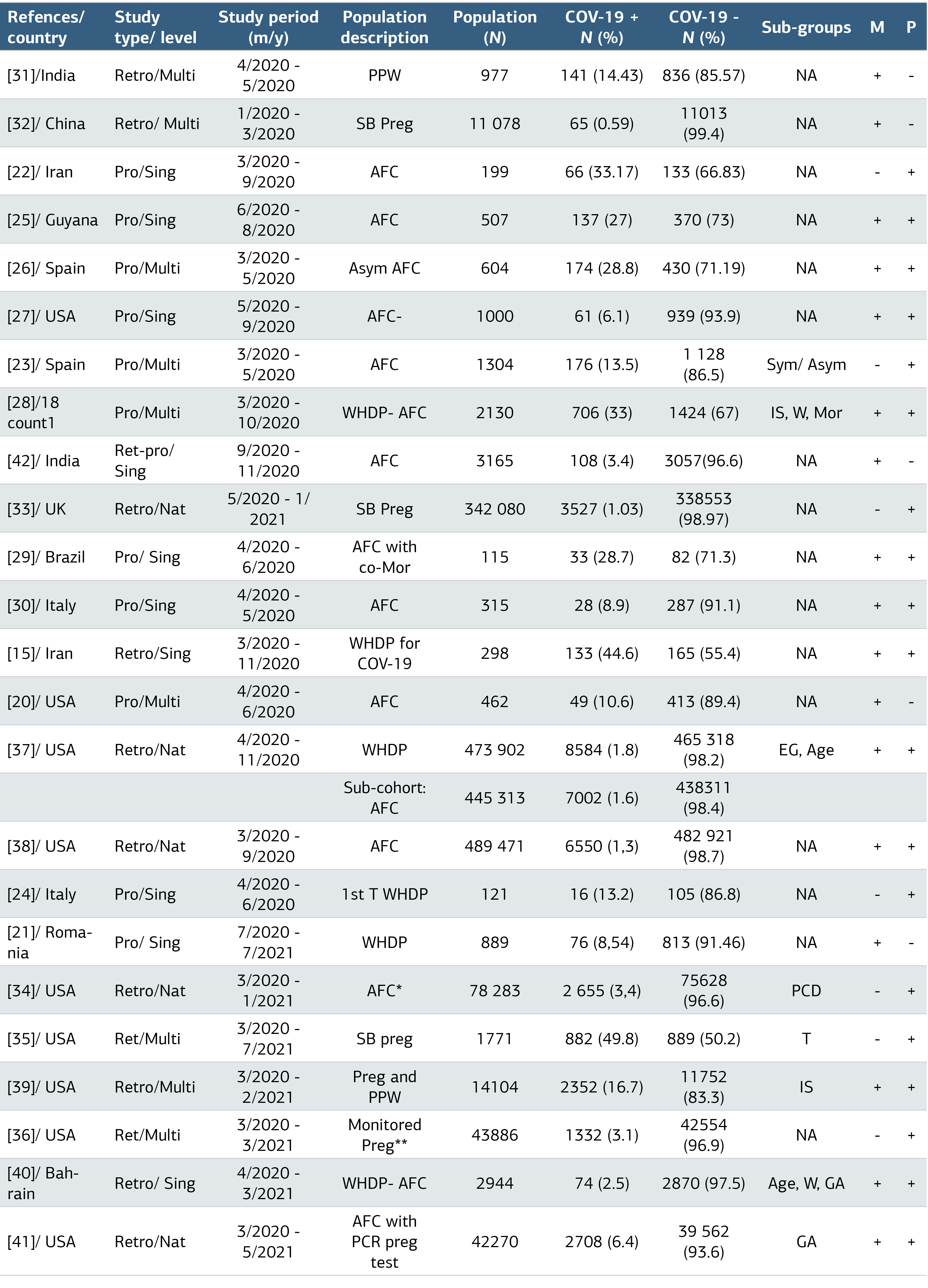
Abbreviations: COV-19+, women with SARS-CoV-2 infection; COV-19-, women without SARS-CoV-2 infection; M, Maternal mortality; P, Perinatal mortality; Pro, Prospective; Retro, Retrospective; Sing, Single center; Multi, Multicenter; Nat, National; + , outcome reported; -, outcome not reported; NA, not available; Preg, pregnancy; AFC, Admissions for childbirth; PPW, Post-partum women; WHDP, Women hospitalized during pregnancy; SB, single birth; Sym, symptomatic; asym, asymptomatic; IS, infection severity; W, weight; Mor, morbidities; EG, ethnic group; PCD, pregnancy conception date; T, pregnancy trimester; GA, gestational age.
Table 2. Incidence and Risk of Maternal Mortality by SARS-CoV-2 Status During Pregnancy
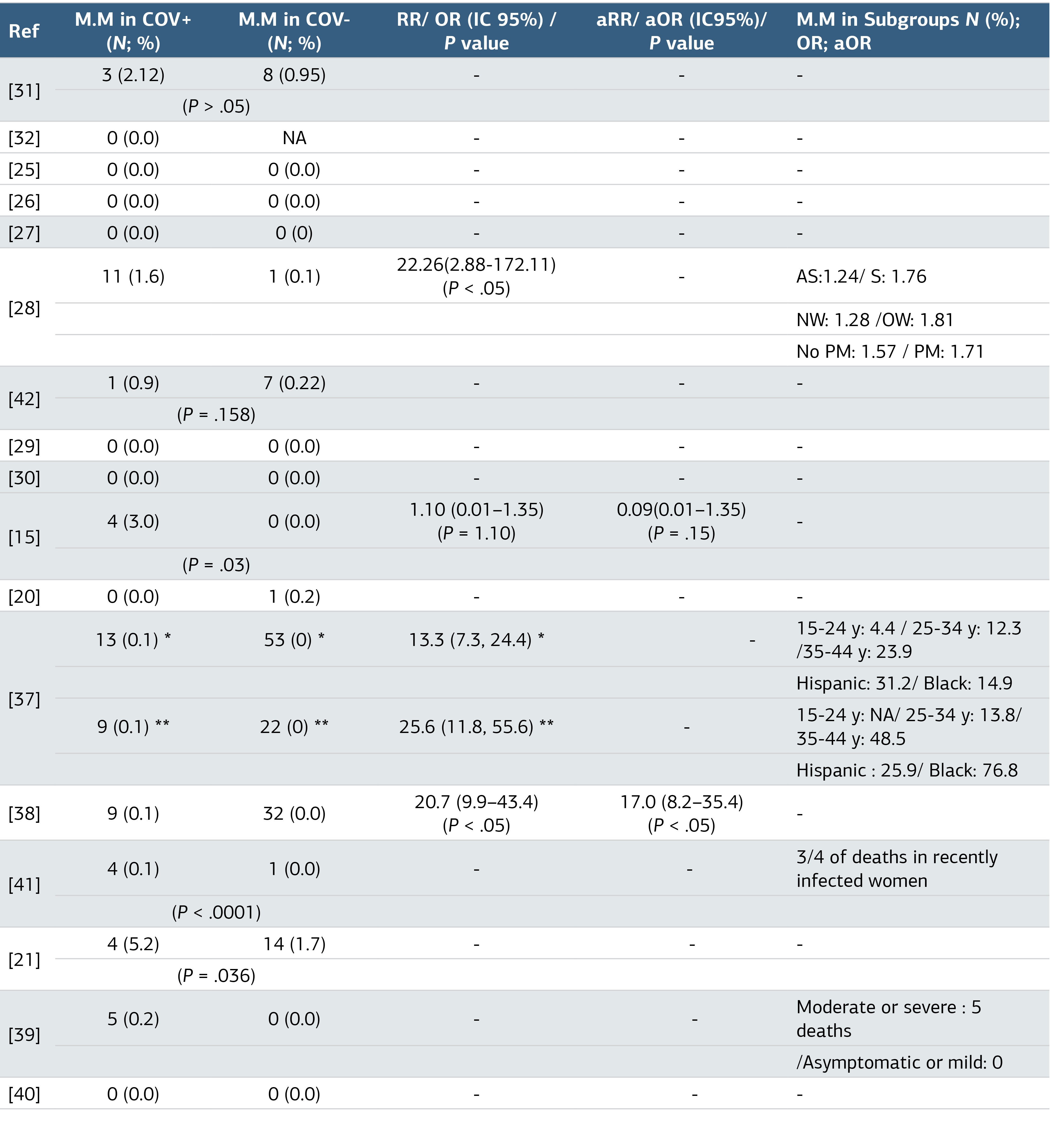
Abbreviations: COV+, women with SARS-CoV-2 infection; COV-, Women without a SARS-CoV-2 infection; MM, Maternal mortality; RR, Relative risk; OR, Odds ratio; NA, Not available; AS, asymptomatic; S, symptomatic; PM, past morbidity; NW, Normal weight; OW, Overweight. *, For hospitalized pregnant women; **,For women who delivered.
Table 3. Incidence and Risk of Perinatal Mortality or Stillbirth by SARS-CoV-2 Status
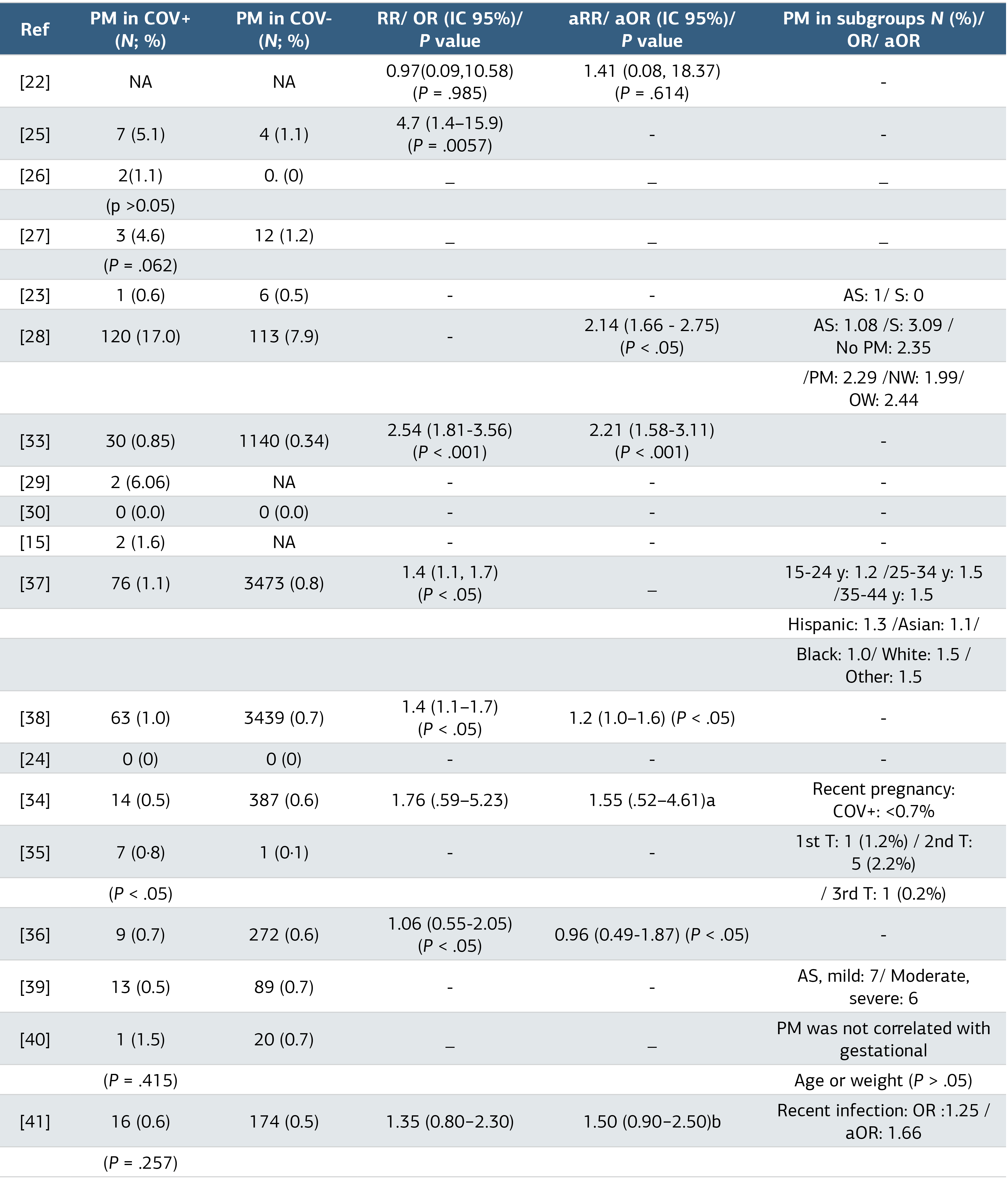
Abbreviations: COVID+, women with a SARS-CoV-2 infection; COVID -, Women without a SARS-CoV-2 infection; PM, perinatal mortality; S, symptomatic; AS, asymptomatic; PMor, past morbidity; NW, Normal weight; OW, Overweight; T, trimester. A, Cox proportional hazard model treating COVID-19 infection as a time-varying exposure (P < .05); b, OR adjusted for propensity score, which estimates the probability of developing COVID-19 as a function of 17 baseline covariables (P < .05).
Figures
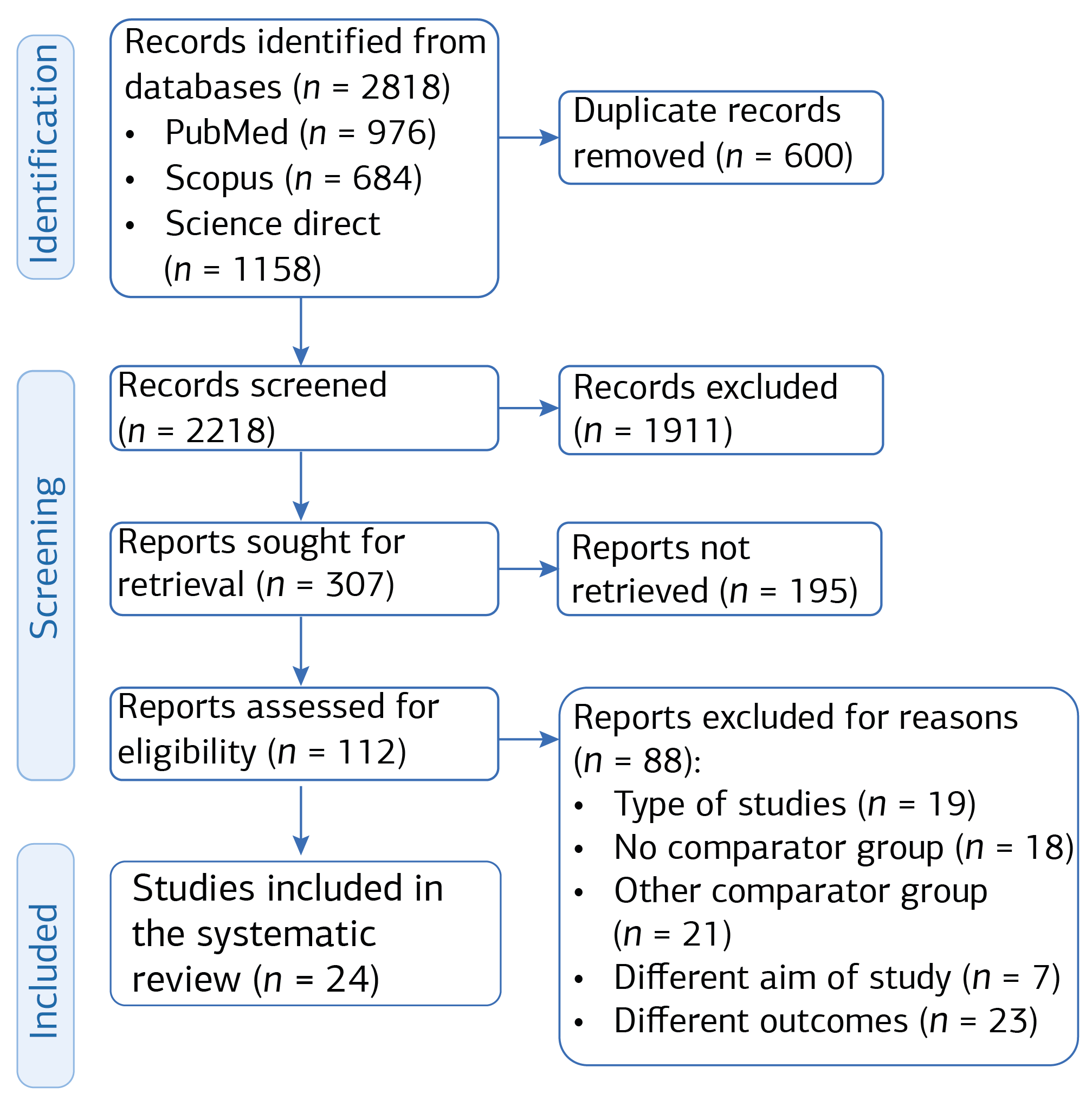
Figure 1. PRISMA Flow Diagram of Article Selection
Additional Information
Publisher’s Note
Bayrakol MP remains neutral with regard to jurisdictional and institutional claims.
Rights and Permissions

This work is licensed under a Creative Commons Attribution-NonCommercial 4.0 International License (CC BY-NC 4.0). To view a copy of the license, visit https://creativecommons.org/licenses/by-nc/4.0/
About This Article
How to Cite This Article
Keltouma Oumbarek, Ahmed Kharbach, Mohamed Amine Baba, Laila Lahlou, Karim Sbaı Idrıssı. Effect of SARS-CoV-2 infection during pregnancy on maternal and perinatal mortality: a systematic review of cohort studies. Ann Clin Anal Med 2024;15(Suppl 1):54-61. doi:10.4328/ACAM.21956
Publication History
- Received:
- 07.09.2023
- Accepted:
- 24.10.2023
- Published Online:
- 25.12.2023
- Printed:
- 20.03.2024