
Abstract
AimTrauma with high mortality and morbidity rates, especially in young patients, is an important health problem all over the world. To make prehospital triage easier and to predict the in-hospital mortality of severe trauma patients, some triage scores and decision algorithms have been improved. There are many prehospital trauma scores that evaluate anatomic variables, physiologic variables, or a combination of both. Some of them are trige-RTS, NTS and MGAP. The aim of this study was to compare prehospital trauma scores to predict in-hospital mortality of trauma patients.MethodsThis study was conducted in the capital’s training and research hospital between 01.06.2018 and 31.12.2019. Patients older than 18 years of age, admitted to the emergency department due to multiple traumas by ambulance were evaluated retrospectively. Triage revised trauma score (RTS), NTS, GCS and MGAP scores were evaluated.ResultsOne hundred patients who met the criteria were included in the study. Seventy-eight of the patients were male, and mean the age was 46.52 ± 19.36 years. Eighty-eight of the patients had blunt trauma and 31 of them died. ROC analyses were performed for prediction of mortality. The MGAP score with a cut-off value of 11 had highest sensitivity of 95.59%. NTS scores with the highest AUC value were found to be the strongest predictor of mortality.ConclusionThis study, which compared prehospital trauma scores to predict in-hospital mortality of trauma patients, has shown that with proper cut-off, all scores (GCS, RTS, NTS and MGAP) had similar predictive values. New Trauma Score might be a better option for the prediction of mortality in a pre-hospital setting. The results of this original study showed that NTS predicted in-hospital mortality better than RTS and was not inferior to MGAP. NST score had a sensitivity of less than %95 at our new cut-off point, either than choosing a lesser point for cut-off to increase sensitivity.
Keywords
Introduction
Trauma with high mortality and morbidity rates, especially in young patients, is an important health problem all over the world. To decrease these worse outcomes, patient transfer to a proper health center that is planned by prehospital emergency health care providers (PHCP) is essential.1 Healthcare providers need to make an effective field triage for choosing the appropriate target health center. To make prehospital triage easier and to predict the in-hospital mortality of severe trauma patients, some triage scores and decision algorithms have been improved.2
An ideal prehospital trauma score must prevent under-triage, which might increase the risk of mortality of incorrectly grouped patients, and over-triage, which might lead to the transfer of unnecessary patients to advanced trauma centers.3 There are many prehospital trauma scores that evaluate anatomic variables, physiologic variables, or a combination of both.4 The oldest and most widely used triage score was the Triage-Revised Trauma Score (triage-RTS), which evaluates the Glasgow Coma Scale (GCS), respiratory rate, and systolic blood pressure of the patient. The New Trauma Score (NTS) is the revised form of RTS that evaluates the systolic blood pressure and oxygen saturation of the patient. Since NTS is a relatively new score, there is a restricted number of studies about its efficacy.5 A mechanism, GCS, Age, Arterial Pressure (MGAP) score was developed in 2010 and proved to be more successful than RTS to predict prehospital trauma severity and in-hospital mortality.6
The aim of this study was to compare prehospital trauma scores to predict in-hospital mortality of trauma patients.
Materials and Methods
Study DesignThis study was conducted in a training and research hospital in the capital between 01.06.2018 and 31.12.2019. Patients older than 18 years of age, admitted to the emergency department due to multiple traumas by ambulance were evaluated retrospectively. Patients’ data reached from the hospital data registration system and Prehospital Emergency Health Care’s database were evaluated. Trauma scores of the patients were calculated and in-hospital mortality was recorded.Study PopulationPatients brought by prehospital emergency health care providers (112 system) to the emergency department due to multiple traumas were evaluated. The Injury Severity Score (ISS) of the patients was calculated to define multiple trauma patients. This was an anatomical scoring system that allocated the body to six regions as head and neck, face, chest, abdomen, and extremity, including the pelvis and external. Each injury of that region takes points between 0 (minor) and 6 (unsurvivable). The scores for the three most severely damaged areas of the body are squared and summed to produce the ISS score. The ISS score ranges from 0 to 75, and if any injury at any region is assigned as 6, the ISS score is automatically assigned a score of 75. Major trauma is considered when the ISS score is greater than 15 and this score linearly correlates with mortality, morbidity, hospital stay, and other measures of clinical severity.7 The study included the patients with ISS scores >15. Patients with ISS scores less than 15, patients admitted to the emergency department on their own (without using prehospital emergency health care service), death of patients on the field, and patients transferred from different hospitals to the study center were excluded.Evaluated Scoring SystemsThe triage-revised trauma score (RTS), NTS, GCS, and MGAP scores were evaluated. The revised trauma score evaluates the GCS, respiratory rate, and systolic blood pressure of the patients. Glasgow Coma Scale is the most widely used scoring system in all types of medical and trauma patients that evaluates the level of consciousness according to eye-opening, verbal, and motor responses and might be between 3-15 points. For the calculation of RTS, each variable is individually assessed and assigned a score ranging from 0 to 4; thus, the RTS score of the patient might be between 0-12. The RTS score of less than 11 defines 97% of lethal cases.6 The New Trauma Score is the revised form of RTS that evaluates GCS, systolic blood pressure, and oxygen saturation. For the calculation of NTS, similar to RTS, systolic blood pressure and oxygen saturation are assessed individually and assigned a score ranging from 0 to 4, but unlike RTS, GCS is directly included in the calculation.8 Thus, this score might range from 3-23, and a score of ≥18 predicts low risk.8
The MGAP score evaluates four variables: GCS (3-15 points), blunt trauma (4 points), systolic blood pressure (>120 mm Hg: 5 points, 60-120 mm Hg: 3 points), and age <60 years (5 points), and patients with ≥23 points are in the low-risk group.9
Ethical ApprovalThis study was approved by the Ethics Committee of Dışkapı Yıldırım Beyazıt Training and Research Hospital (Date: 12.09.2022, Decision No: 146/05).Statistical AnalysisAll data were analyzed with IBM SPSS Statistics 22.0 (IBM Corp., USA). The distribution of the variables was checked with the Kolmogorov-Smirnov test. According to normality, continuous variables were described as mean ± standard deviation or median and interquartile range (IQR 25-75%). Categorical variables were described as numbers and percentages. Chi-square tests and Fisher’s exact tests were used for categorical variables, and t-tests and Mann-Whitney U tests were used for continuous variables. The ROC curve (Receiver Operating Characteristic) method was used to determine the distinctiveness of the variables. The area under curve values of trauma scores were compared with DeLong test. Correlation coefficients and their significance were calculated using the Spearman test. P < .05 was considered statistically significant.
Reporting GuidelinesThis study was reported in accordance with the STROBE guideline.
Results
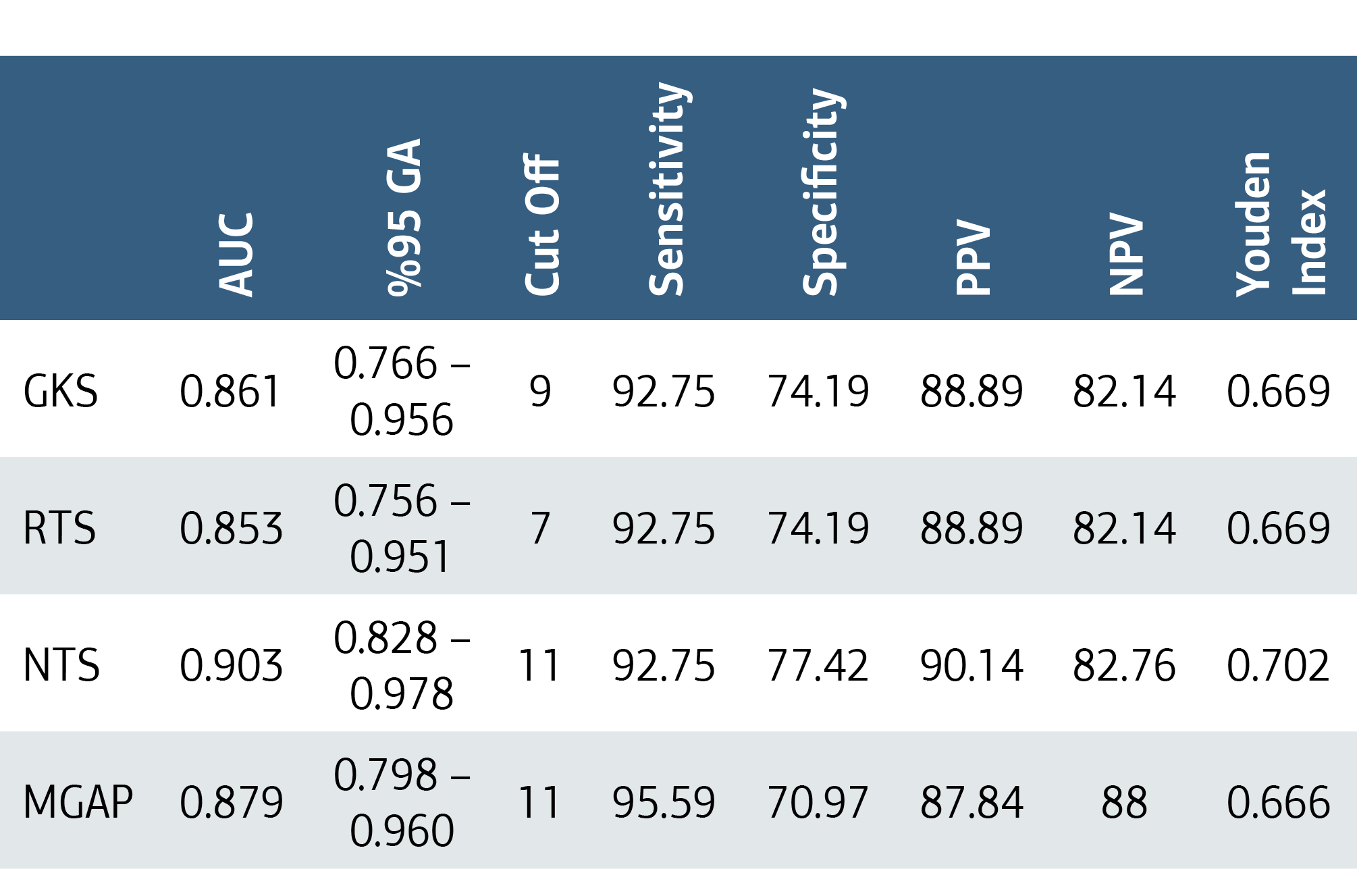
The number of patients admitted to the emergency department due to multiple traumas via the prehospital emergency health care system during the study period was 250. According to inclusion criteria, ISS scores were calculated and the number of patients with ISS ≥ 15 was 115. Of those patients, 15 were excluded due to lack of prehospital data. Thus, 100 patients meeting the inclusion criteria were evaluated. Seventy-eight of the patients were male and the mean age was 46.52 ± 19.36 years. Eighty-eight of the patients had blunt trauma and 31 of them died. The median time of death was 12.5 hours. 78% of the patients were male and the mean age of the patients was 46.52 years (Table 1). Patients were grouped according to survival. There was no difference in gender distribution between the groups, but the mean age was significantly higher in the mortal group. Also, the trauma scores of the non-survivors were lesser than survivors (Table 2). The correlation between trauma scores and time of death was analyzed but there was no correlation between those (P > .05 for all trauma scores). ROC analyses were performed for predictions of mortality. Between GCS, RTS, NTS, and MGAP, NTS had the highest AUC value of 0.903. Despite a numeric difference between AUC values, this difference was statistically insignificant (P > .05 for pairwise comparisons with the DeLong test). With the cut-off value of 9 for GCS, 7 for RTS, and 11 for NTS, all scores had similar sensitivity (92.75%). MGAP score with cut-off value of 11 had the highest sensitivity of 95.59% (Table 3). As a result of the ROC analysis, NTS was found to be the strongest score in predicting mortality (Figure 1).
Discussion
This study, which compared prehospital trauma scores to predict in-hospital mortality of trauma patients, has shown that with proper cut-off, all scores (GCS, RTS, NTS, and MGAP) had similar prediction value. On the other hand, because of having a relatively high AUC and having simple parameters to evaluate, in our opinion, New Trauma Score might be a better option for the prediction of mortality during a prehospital setting. Trauma is still one of the leading causes of death all over the world, and an important reason of morbidity and mortality in developed countries. It was demonstrated that effective prehospital care and rapid transfer to appropriate trauma centers might reduce morbidity and mortality.10 For a referral to a proper trauma center, predicting in-hospital mortality is an important guide; therefore, we compared the prehospital trauma scores of the patients. We think that our result will contribute to the development of national and international field triage guidelines and simplify and improve prehospital triage. There are lots of studies comparing MGAP and RTS in the literature. Differently from our results, studies declared that MGAP should replace RTS.9,11,12 One of its reasons is counting respiratory rate, a component of RTS, less than its actual number or in an inaccurate way.12 On the other hand, it was shown that the calculation of the MGAP score was easier and gave more accurate information about the patient’s general condition before hospital evaluation.11 The New Trauma Score is a new score, designed by Jeong et al. in 2017, therefore, studies about its validity are limited.8 The results of this original study showed that NTS predicted in-hospital mortality better than RTS and was not inferior to MGAP. In that study, patients were grouped into four categories and NTS 6-11 was grouped as high and NTS 3-5 was grouped as very high risk for death. Similarly, in our study with cut-off value of 11, NTS had 92.75% sensitivity for the prediction of mortality. American College of Surgeons Committee on Trauma (ACSCOT) has published guidelines for field triage of trauma patients since 1986.13 An ideal triage algorithm should limit under-triage to prevent increased risk of death for misclassified patients and also over-triage to prevent overload in referral centers and unnecessary costs. For this reason, a good triage algorithm should have >95% sensitivity.14 From this point of view, the only score with greater than 95% sensitivity in our study was MGAP, but it should not be forgotten that this value was reached with a cut-off of 11, which was significantly less than 23, the original cut-off point of the score. Even though the NTS score had a sensitivity of less than 95% at our new cut-off point, rather than choosing a lower point for cut-off to increase sensitivity, since AUC was highest at that point and had higher specificity, we think that NTS of 11 should be a good cut-off for prediction of mortality. The reason for these lower cut-off points than the original forms of scores might be the exclusion of patients who died on the field.
Limitations
First, this was a single-centered retrospective study. Since the data were based on prehospital records, it can be wondered if the calculations were accurate in the prehospital field. The study included only adult patients (pregnant ones excluded), so we could not make any comments about the pregnant patients and the pediatric population. Since patients’ deaths on field have been excluded, the advised cut-off points of scores are subject to change.
Conclusion
As a conclusion, with a proper cut-off point, RTS, NTS and MGAP had similar values for the prediction of in-hospital mortality in trauma patients. However, because of the ease of use and relatively higher AUC value than other scores, NST might be a good option for field triage in our opinion. However, multicenter
studies with greater sample sizes are needed.
Declarations
Animal and Human Rights Statement
All procedures performed in this study were in accordance with the ethical standards of the institutional and/or national research committee and with the 1964 Helsinki Declaration and its later amendments or comparable ethical standards.
Informed Consent
Informed consent was waived due to the retrospective nature of the study.
Data Availability
The datasets used and/or analyzed during the current study are not publicly available due to patient privacy reasons but are available from the corresponding author on reasonable request.
Conflict of Interest
The authors declare that there is no conflict of interest.
Funding
None.
Abbreviations
ACSCOT: American College of Surgeons Committee on Trauma
AUC: Area under the curve
GCS: Glasgow Coma Scale
IQR: Interquartile range
ISS: Injury Severity Score
MGAP: Mechanism, Glasgow Coma Scale, age, arterial pressure
NTS: New Trauma Score
PHCP: Prehospital emergency health care providers
ROC: Receiver operating characteristic
RTS: Revised Trauma Score
SPSS: Statistical Package for the Social Sciences
STROBE: Strengthening the Reporting of Observational Studies in Epidemiology
References
- Llompart-Pou JA, Chico-Fernández M, Sánchez-Casado M, et al. Scoring severity in trauma: comparison of prehospital scoring systems in trauma ICU patients. Eur J Trauma Emerg Surg. 2017;43(3):351-357. doi:10.1007/s00068-016-0671-8
- Gerdin LW, Khajanchi M, Kumar V, et al. Comparison of emergency department trauma triage performance of clinicians and clinical prediction models: a cohort study in India. BMJ Open. 2020;10(2):329.
- Boulton AJ, Peel D, Rahman U, Cole E. Evaluation of elderly specific prehospital trauma triage criteria: a systematic review. Scand J Trauma Resusc Emerg Med. 2021;29:127. doi:10.1186/s13049-021-00940-z
- Orhon R, Eren SH, Karadayı S, et al. Comparison of trauma scores for predicting mortality and morbidity on trauma patients. Ulus Travma Acil Cerrahi Derg. 2014;20(4):258-264. doi:10.5505/tjtes.2014.22725
- Lecky F, Woodford M, Edwards A, Bouamra O, Coats T. Trauma scoring systems and databases. Br J Anaesth. 2014;113(2):286-294. doi:10.1093/bja/aeu242
- Galvagno SM Jr, Massey M, Bouzat P, et al. Correlation between the Revised Trauma Score and Injury Severity Score: implications for prehospital trauma triage. Prehosp Emerg Care. 2019;23(2):263-270. doi:10.1080/10903127.2018.1489019
- Javali RH, Krishnamoorthy, Patil A, Srinivasarangan M, Suraj, Sriharsha. Comparison of Injury Severity Score, New Injury Severity Score, Revised Trauma Score, and Trauma and Injury Severity Score for mortality prediction in elderly trauma patients. Indian J Crit Care Med. 2019;23(2):73-77. doi:10.5005/jp-journals-10071-23120
- Jeong JH, Park YJ, Kim DH, et al. The new trauma score: a modification of the Revised Trauma Score for better trauma mortality prediction. BMC Surg. 2017;17(1):77. doi:10.1186/s12893-017-0272-4
- Mohammed Z, Saleh Y, AbdelSalam EM, Mohammed N, El-Bana E, Hirshon JM. Evaluation of the Revised Trauma Score, MGAP, and GAP scoring systems in predicting mortality of adult trauma patients in a low-resource setting. BMC Emerg Med. 2022;22(1):90. doi:10.1186/s12873-022-00653-1
- Morris RS, Karam BS, Murphy PB, et al. Field-triage, hospital-triage, and triage-assessment: a literature review of the current phases of adult trauma triage. J Trauma Acute Care Surg. 2021;90(6):138-145. doi:10.1097/ta.0000000000003125
- Bouzat P, Legrand R, Gillois P, et al. Prediction of intrahospital mortality after severe trauma: which prehospital score is the most accurate? Injury. 2016;47(1):14-18. doi:10.1016/j.injury.2015.10.035
- Laytin AD, Kumar V, Juillard CJ, et al. Choice of injury scoring system in low- and middle-income countries: lessons from Mumbai. Injury. 2015;46(12):2491-2497. doi:10.1016/j.injury.2015.06.029
- Sasser SM, Hunt RC, Faul M, et al. Guidelines for field triage of injured patients: recommendations of the National Expert Panel on Field Triage, 2011. MMWR Recomm Rep. 2012;61(RR-1):1-20.
- Cassignol A, Markarian T, Cotte J, et al. Evaluation and comparison of different prehospital triage scores of trauma patients on in-hospital mortality. Prehosp Emerg Care. 2019;23(4):543-550. doi:10.1080/10903127.2018.1549627
Tables
Table 1. General Characteristics and Vital Parameters of the Patients
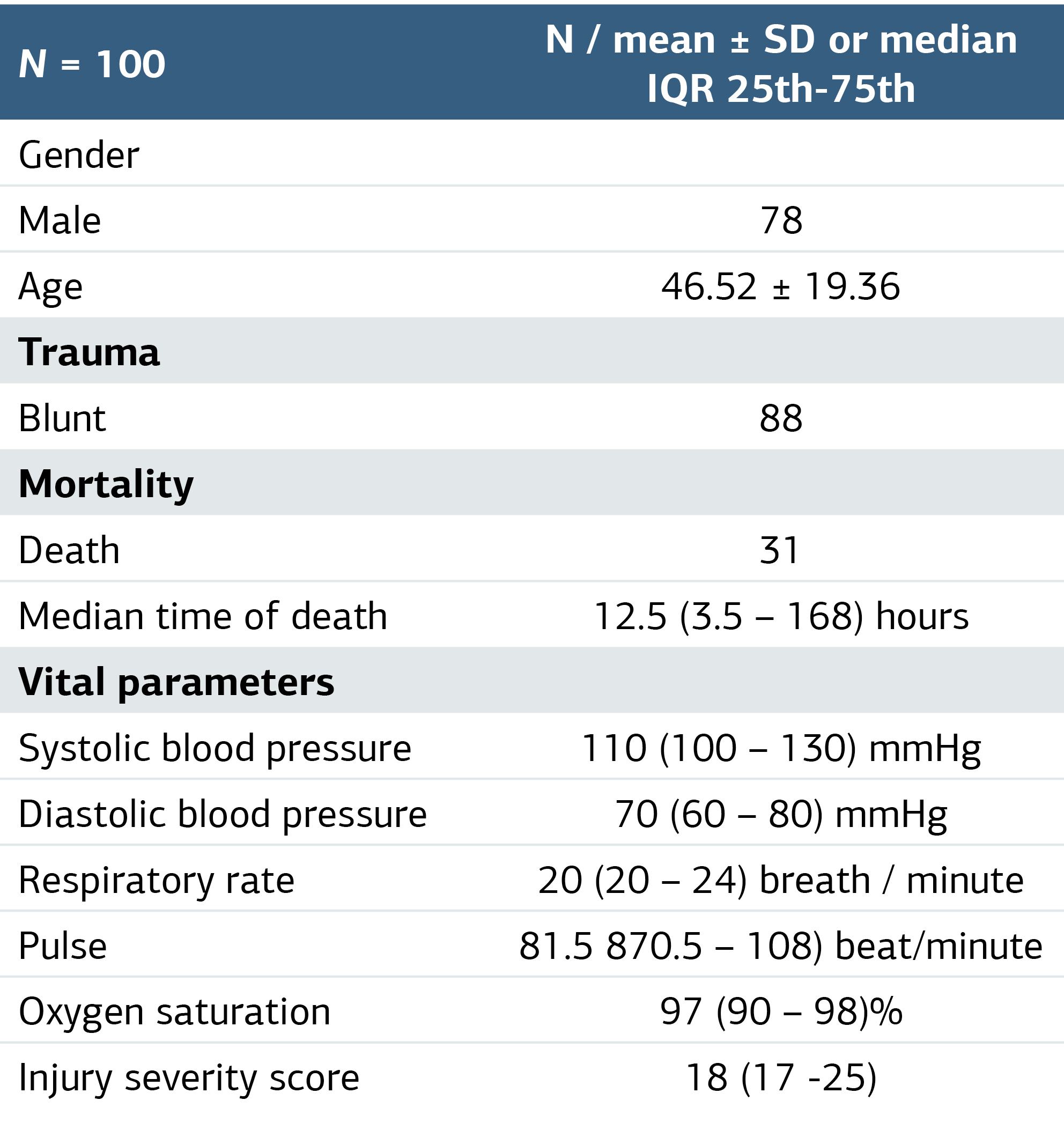
Table 2. Trauma Scores of the Patients According to Mortality
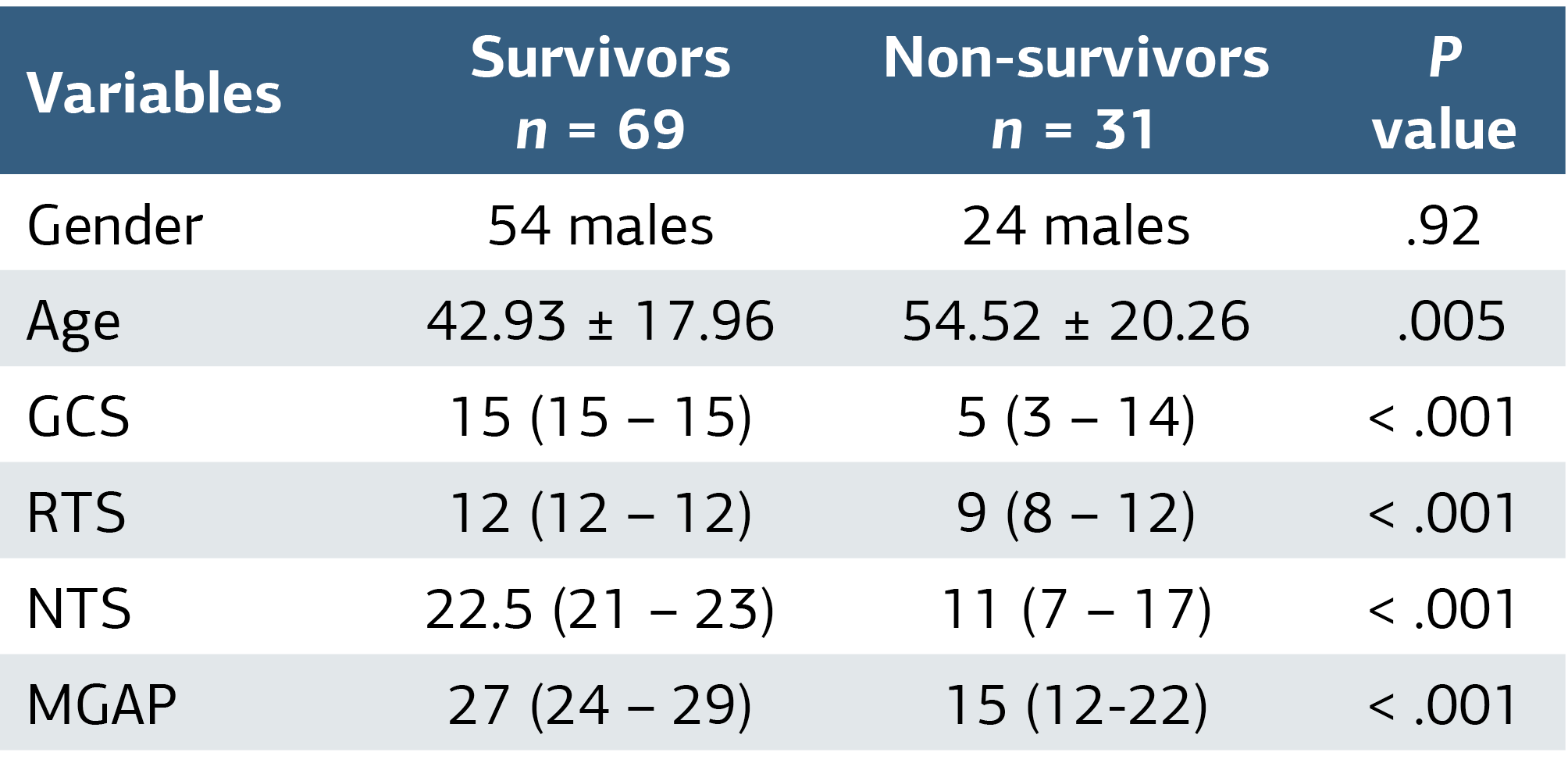
Table 3. Prognostic Value of Trauma Scores for Predicting Mortality
Figures
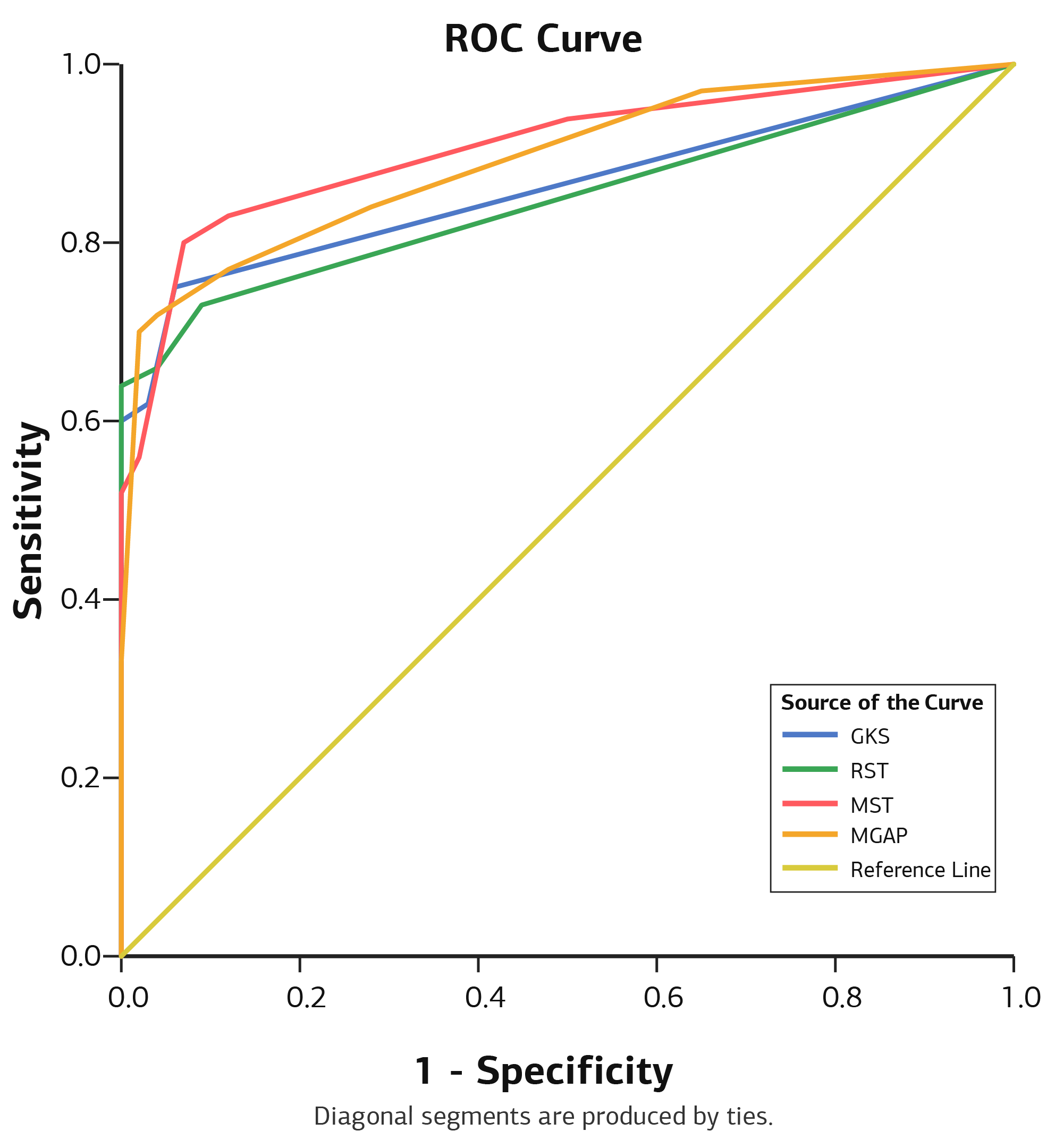
Figure 1. ROC Curve of Trauma Scores for Predicting Mortality
Additional Information
Publisher’s Note
Bayrakol MP remains neutral with regard to jurisdictional and institutional claims.
Rights and Permissions

This work is licensed under a Creative Commons Attribution-NonCommercial 4.0 International License (CC BY-NC 4.0). To view a copy of the license, visit https://creativecommons.org/licenses/by-nc/4.0/
About This Article
How to Cite This Article
Yıldız Yıldırımer Çelik, Gülşah Çıkrıkçı Işık, Eren Usul, Hakan Cenci, Ali Şahin. Comparison of prehospital trauma scores for prediction of mortality. Ann Clin Anal Med 2024;15(6):373-376. doi:10.4328/ACAM.21764
Publication History
- Received:
- 24.05.2023
- Accepted:
- 03.07.2023
- Published Online:
- 04.04.2024
- Printed:
- 01.06.2024