
Abstract
AimAtrial fibrillation (AF), which frequently occurs after coronary artery bypass graft surgery (CABG), raises the risk of adverse events such as stroke and heart failure. Insulin resistance (IR) is a major risk factor for developing postoperative AF (POAF), and the triglyceride-glucose (TyG) index offers a more precise and reliable assessment of IR compared to the homeostasis model. This study investigated the correlation between preoperative TyG index levels and POAF in patients undergoing off-pump CABG.MethodsFour hundred sixteen patients undergoing isolated off-pump CABG were included in the study. The preoperative TyG index and the presence of POAF were evaluated in all patients. Significant variables (P < .05) from univariate analysis were included in multivariate logistic regression to identify potential POAF risk factors. The TyG index’s predictive efficacy for POAF was assessed in two models: one with conventional risk factors and the other adding the TyG index. ResultsPOAF was detected in 106 patients (25.5%), with significantly higher TyG index levels observed in POAF patients compared to those without POAF [9.8 (8.0-11.7) vs. 9.0 (7.7-11.1), P < .001]. The TyG index was found to be an independent predictor of POAF (P < .001) with moderate predictive power (AUC=0.767). Adding the TyG index to the model, which included age and left atrial diameter, significantly improved its predictive capacity for POAF (P = .038).ConclusionIn our retrospective study, we identified the TyG index as an independent predictor of POAF in patients undergoing off-pump CABG.
Keywords
Introduction
Atrial fibrillation (AF) is the most common arrhythmia that occurs after coronary artery bypass graft surgery (CABG), with a prevalence of approximately 33%, typically within the first few days after the procedure. Noteworthy risk factors, including advanced age, impaired ventricular function, hypertension, and left atrial dilatation, are closely associated with the development of postoperative AF (POAF).1,2 Identifying high-risk patients for POAF before CABG is crucial, as it enables preoperative preventive measures and evaluation of modifiable risk factors.
Insulin resistance (IR) is associated with inflammation and oxidative stress, which contribute to left atrial remodeling. Studies have shown that IR is a recognized risk factor for developing POAF following CABG.3,4 However, there remains a gap in practical and accessible clinical tools that can predict AF after CABG and provide insights into IR.
The hyperglycemic-hyperinsulinemic clamp test is the reference method for evaluating IR in clinical settings. Although this test provides a comprehensive examination of IR by accurately measuring insulin sensitivity of peripheral tissues, its complexity limits routine use. The homeostasis model is often employed as a convenient option for evaluating IR in clinical practice.5 However, this test requires fasting blood insulin measurement, which is not routinely conducted.
In this context, the triglyceride-glucose (TyG) index, derived from triglyceride and glucose measurements, may offer a more accurate and reliable assessment compared to the traditional homeostasis model.6,7 The primary focus of this study was to investigate the association between preoperative TyG index levels and the development of POAF in patients undergoing off-pump CABG.
Materials and Methods
Study PopulationThis retrospective cross-sectional study enrolled 515 patients who received off-pump CABG at the Department of Cardiovascular Surgery between January 2015 and November 2022 and had no previous history of AF. Inclusion criteria were: age ≥18 years, undergoing first off-pump CABG after acute coronary syndrome or elective coronary angiography, and having normal sinus rhythm. The focus on off-pump CABG was chosen to minimize confounding factors related to different surgical approaches, given its higher prevalence in our clinic. Exclusion criteria included: high-degree heart block or permanent pacemaker placement, cardiogenic shock, left atrial diameter ≥55 mm, severe valve pathologies, previous paroxysmal AF attacks, prior amiodarone treatment, autoimmune diseases, malignancy, pregnancy, hyperthyroidism, chronic kidney failure requiring dialysis, advanced liver disease, and need for additional procedures such as valvular surgery or left ventricular aneurysmectomy. The primary outcome was the occurrence of POAF during hospitalization.Surgical Technique and Procedural StrategiesAll patients underwent off-pump CABG via midline sternotomy using standard surgical techniques. Saphenous vein grafts were harvested for conduit, and internal mammary artery grafts were used in most patients (93.5%). Potassium levels were maintained within 4.0-4.5 mEq/L. As part of the standard postoperative protocol, all patients received oral metoprolol succinate (25-200 mg) to maintain heart rates below 80 bpm.Laboratory AssessmentsDemographic and clinical characteristics, along with preoperative triglyceride and glucose values, were obtained from medical charts. On the morning of surgery, after at least 8 hours of fasting, patients underwent standard laboratory tests. Fasting serum triglyceride and glucose levels were measured using the Roche Cobas 8000 analyzer (Roche Diagnostics, Mannheim, Germany). The TyG index was calculated as ln [fasting TG (mg/dL) × fasting plasma glucose (mg/dL)/2].Cardiac Rhythm EvaluationCardiac rhythm was assessed using bedside monitors and twelve-lead ECGs immediately after surgery and daily until discharge. ECG recordings from patient files and clinical observation records were reviewed. POAF was defined as AF lasting ≥5 minutes or requiring cardioversion with electrical or antiarrhythmic drugs.Echocardiographic MeasurementsAll patients underwent transthoracic echocardiography using a Philips EPIQ 7C ultrasound machine with an S5-1 probe. Measurements included left atrial anteroposterior diameter, ejection fraction, and valve pathology assessment.Ethical ApprovalThis study was approved by the Ethics Committee of Karabük University (Date: 19.12.2022, Decision No: 2022/1171).Statistical AnalysisNormality of data distribution was evaluated using the Kolmogorov-Smirnov test. Variables were presented as percentages (%), means ± standard deviations, and medians with min-max values. Continuous variables were compared using independent sample t-tests or Mann-Whitney U tests, as appropriate. Categorical variables were analyzed with chi-square tests. The TyG index threshold for predicting POAF was determined using ROC analysis. Significant variables from univariate analysis (P < .05) were included in multivariate logistic regression models using the backward method. Predictive performance of the TyG index was compared between two models: one with conventional risk factors, and another with conventional risk factors plus the TyG index. Statistical significance was set at P < .05. Analyses were performed using IBM SPSS Statistics version 26 (IBM Corp., Armonk, NY). Reporting GuidelinesThis study was reported in accordance with the STROBE guideline.
Results
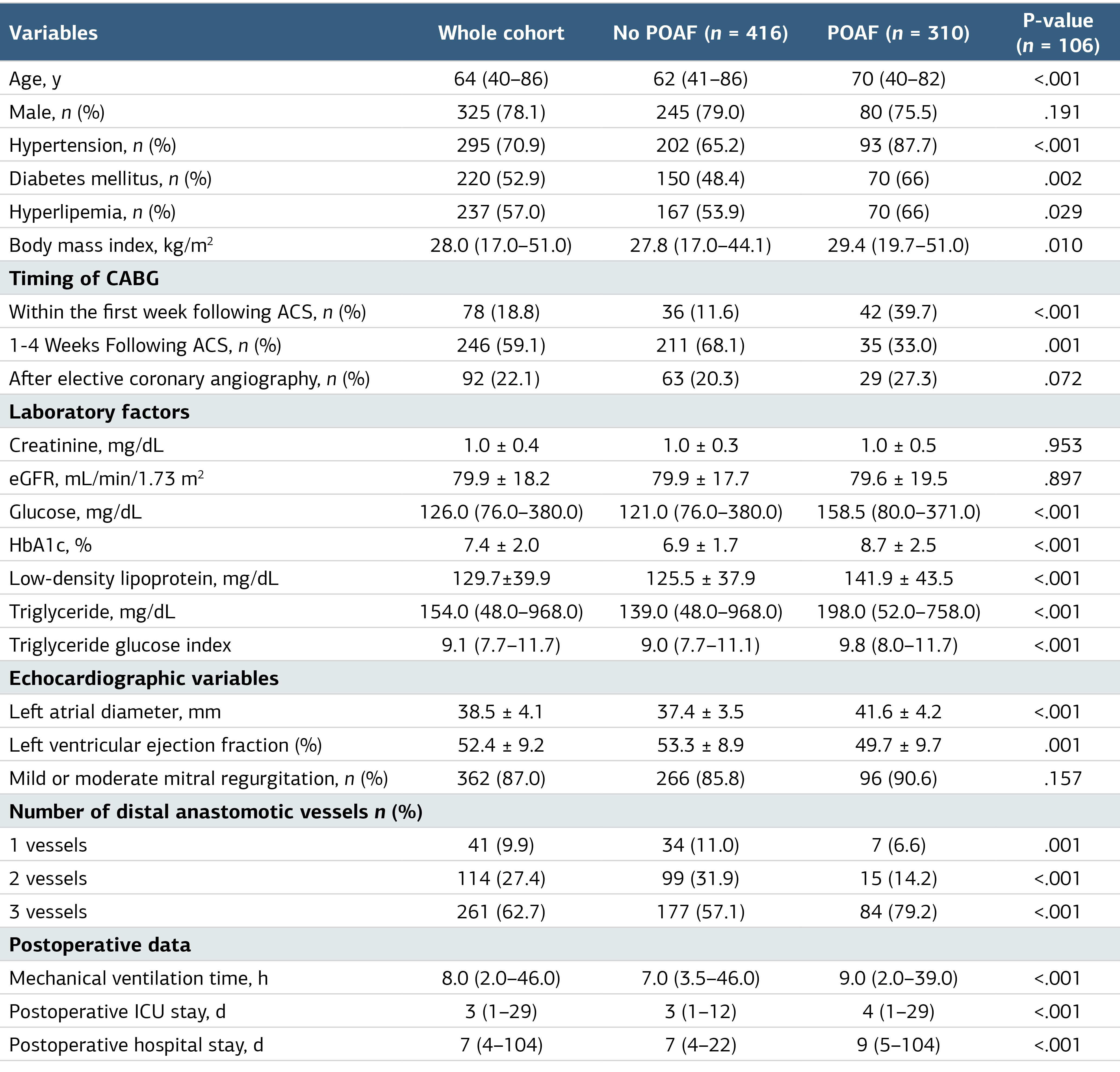
Of the 515 patients at baseline, 56 were excluded because of missing pre-CABG triglyceride values, 23 did not meet the diagnostic criteria for AF episodes, and 20 did not meet other criteria, leaving 416 patients in the analysis (Figure 1). The demographic characteristics, echocardiographic findings, and laboratory results of the study patients are presented in Table 1. The study included predominantly male participants (78.1%) with a median age of 64 years (40-86). Following surgery, POAF was identified in 106 patients (25.5%). The POAF group had higher TyG index values compared to those without POAF [9.8 (8.0-11.7) vs. 9.0 (7.7-11.1), P < .001].
Patients with POAF had a higher body mass index [29.4 (19.7-51.0) vs. 27.8 (17.0-44.1) kg/m², P = .010], and a higher prevalence of hyperlipidemia (P = .029), hypertension (P < .001), and diabetes (P = .002) compared to those without POAF.
Patients with POAF had greater left atrial anteroposterior diameter (41.6 ± 4.2 vs. 37.4 ± 3.5 mm, P < .001) and lower ejection fraction (EF) values (49.7 ± 9.7 vs. 53.3 ± 8.9 %, P = .001). However, no notable correlations were found between POAF and mild or moderate mitral regurgitation (P = .057). Compared to patients without POAF, those with POAF experienced prolonged durations of mechanical ventilation [9.0 (2.0–39.0) vs. 7.0 (3.5–46.0) hours, P < .001] and longer postoperative ICU stays [4 (1–29) vs. 3 (1–12) days, P < .001] (Table 1).
The relationship between the TyG index and AF in individuals with and without diabetes has yielded varied findings in previous studies.8-10 In light of this, we conducted an analysis focusing on the TyG index and its association with AF, considering patients’ diabetic status. For non-diabetic patients, significantly elevated TyG index values were observed in those who developed POAF compared to those without POAF [9.5 (8.0-10.4) vs. 8.8 (7.7-9.9), P < .001]. A similar difference was observed among diabetic patients who developed POAF compared to those without POAF [10.4 (8.2-11.7) vs. 9.3 (8.3-11.1), P = .003].
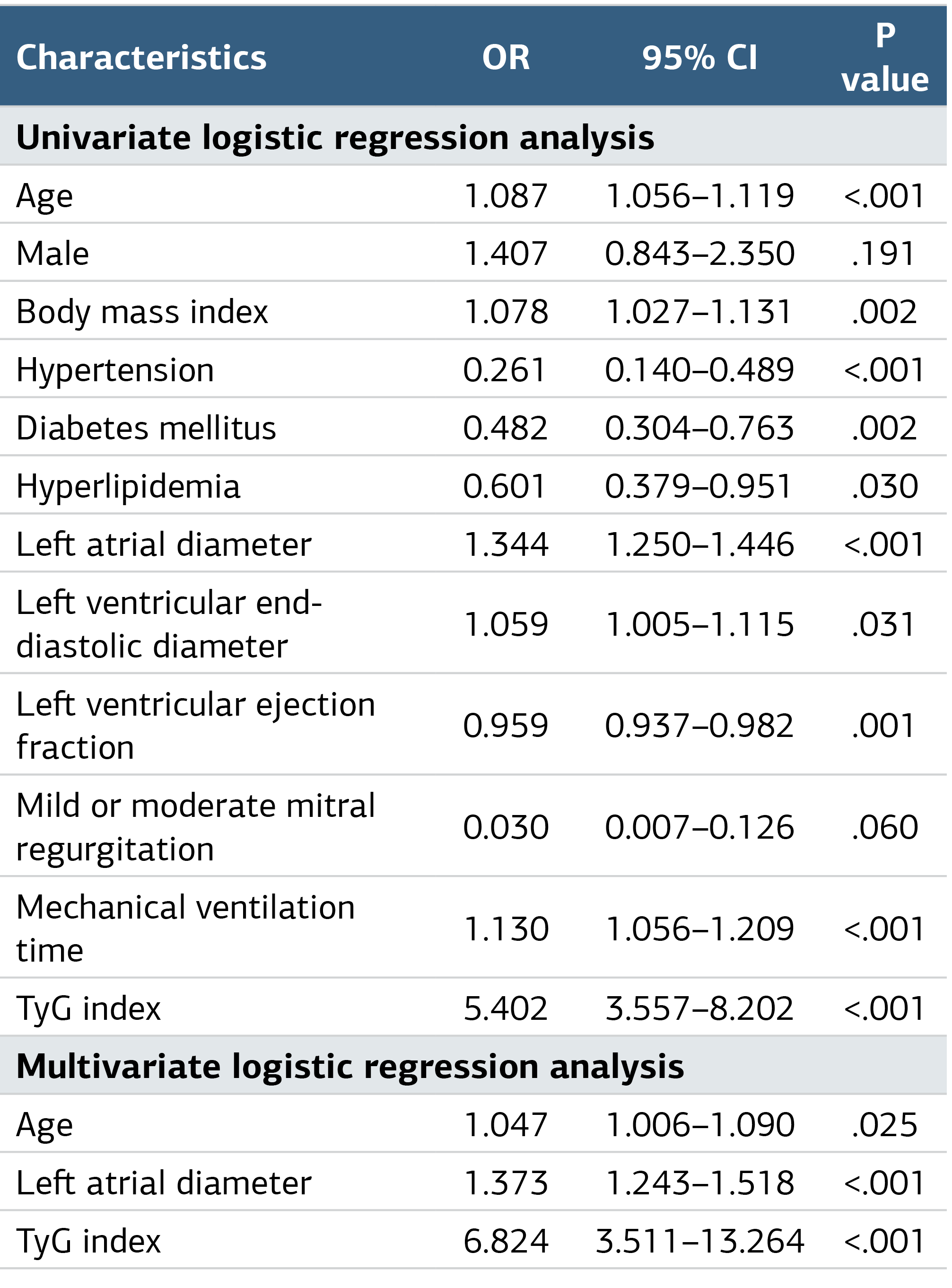
Univariate analysis demonstrated significant associations between POAF and preoperative variables including age, hyperlipidemia, diabetes mellitus, hypertension, LVEF, left atrial diameter, mechanical ventilation time, BMI, and TyG index. Male sex and mild/moderate mitral regurgitation did not show correlations with POAF. Multivariate analysis revealed that age (OR: 1.047, P = .025), left atrial diameter (OR: 1.373, P < .001), and TyG index (OR: 6.824, P < .001) independently contributed to POAF risk (Table 2).
The TyG index showed promise as a predictor for POAF, as evidenced by ROC curve analysis. The TyG index cutoff value of 9.38 demonstrated a sensitivity of 69.8% and a specificity of 30% in identifying patients at risk of POAF. The area under the ROC curve for the TyG index was 0.767 (95% CI: 0.709–0.826, P < .001), indicating moderate predictive power. Notably, inclusion of the TyG index in the model (age + left atrial diameter) significantly enhanced predictive capacity for POAF in off-pump CABG patients (AUC: 0.709 [0.663–0.752] vs. 0.774 [0.731–0.813], P = .038) (Figure 2).
Discussion
To the best of our knowledge, this study is the first to establish the TyG index as a predictor for POAF in patients undergoing isolated off-pump CABG procedures. Our findings, along with ROC curve analysis, provide notable evidence supporting the TyG index as a reliable predictive tool to identify individuals susceptible to POAF. Moreover, including the TyG index with standard risk factors significantly enhanced predictive ability for POAF after surgery.
The prevalence of POAF in our study was 25.5%, closely resembling the reported rate of 24.9% in patients following CABG based on recent data.11 After surgical revascularization, patients who experience POAF tend to have higher postoperative morbidity and mortality rates and extended ICU and hospital stays.12,13 According to our findings, patients with POAF had prolonged mechanical ventilation times and hospitalization. Hence, identifying patients at high risk for POAF in CABG is important.
Garg et al.14 reported that fasting or post-glucose insulin levels as indicators of IR could not predict AF risk. Therefore, in indices such as the homeostasis model, which requires fasting insulin levels, the TyG index emerges as an IR indicator that can provide more valuable information regarding cardiovascular events such as AF.15-17
The precise mechanism connecting the TyG index to POAF has not been definitively established. However, the TyG index, as an IR marker, holds significant potential in elucidating underlying factors contributing to POAF. A higher TyG index reflects elevated triglycerides or glucose, indicative of impaired glucose uptake and utilization, a hallmark of IR. Animal experiments have shown that IR causes atrial structural changes and increases AF susceptibility by disrupting calcium balance due to hyperglycemia.18 Studies have indicated that irregular calcium ion (Ca²⁺) handling is associated with abnormal electrical activity triggering AF.18,19 Given hyperglycemia’s detrimental effects on Ca²⁺ regulation, it can significantly impact atrial electrical and structural remodeling, contributing to AF initiation.18,20
Consistent with prior studies, our research demonstrates a robust association between IR and AF.3,4 Chen et al.8 supported the TyG index’s role as a predictor of AF, showing a meaningful correlation between IR and AF and a higher prevalence of AF among hospitalized patients with elevated TyG index values. Importantly, the TyG index maintained its independent association with AF even after adjusting for other predisposing factors.8
Our study revealed an association between increased TyG index levels and POAF in both diabetic and non-diabetic patients. While this connection has been established in non-diabetic patients in prior research,8,9 the significant link between the TyG index and AF in diabetic patients remains less explored. Shi et al.21 studied 3244 diabetic patients and found a strong linear correlation between the TyG index and AF prevalence. Their findings indicated the TyG index’s potential to enhance AF detection among diabetic individuals. Hyperglycemia, the primary driver of oxidative stress in diabetes, triggers reactive oxygen species generation, leading to atrial tissue changes and electrical disturbances—a pivotal factor in POAF development.22 In our study, the TyG index’s predictive efficacy for POAF among diabetic patients may be attributed to its incorporation of high blood glucose levels and its association with heightened oxidative stress.
Advanced age has been widely recognized as a primary risk factor for POAF in cardiac surgery, and left atrial enlargement strongly correlates with POAF risk.1,23 Therefore, we included age and left atrial diameter as conventional risk factors in our predictive model to assess the TyG index’s ability to predict POAF. Similarly, a study conducted by Wei et al.24 on patients who underwent septal myectomy found that the TyG index independently predicted the occurrence of POAF. However, unlike their findings, the inclusion of the TyG index in our model significantly enhanced the accuracy of our predictive model, enabling the identification of patients at risk of developing POAF.
Limitations
Our study has certain limitations that should be acknowledged. Firstly, the retrospective design restricted our ability to capture all potential factors that could influence the occurrence of POAF. Additionally, the fasting plasma triglyceride and glucose levels assessment was limited to a single measurement before surgery, preventing us from evaluating the impact of changes in the TyG index on POAF. Lastly, the generalizability of our findings to other cardiac surgical procedures, such as on-pump CABG, may be limited as our study exclusively focused on off-pump CABG patients.
Conclusion
In the patients undergoing off-pump CABG, the TyG index was a notable independent predictor for POAF, regardless of their diabetic status. However, more large-scale multicenter and prospective studies are needed to confirm its efficacy before it can be used in clinical practice.
Declarations
Animal and Human Rights Statement
All procedures performed in this study were in accordance with the ethical standards of the institutional and/or national research committee and with the 1964 Helsinki Declaration and its later amendments or comparable ethical standards.
Informed Consent
Informed consent was waived due to the retrospective study.
Data Availability
The datasets used and/or analyzed during the current study are not publicly available due to patient privacy reasons but are available from the corresponding author on reasonable request.
Conflict of Interest
The authors declare that there is no conflict of interest.
Funding
None.
Abbreviations
ACS: Acute coronary syndrome
AF: Atrial fibrillation
CABG: Coronary artery bypass grafting
ICU: Intensive care unit
IR: Insulin resistance
LVEF: Left ventricular ejection fraction
POAF: Postoperative atrial fibrillation
ROC: Receiver operating characteristic
TG: Triglycerides
References
- Mathew JP, Fontes ML, Tudor IC, et al. A multicenter risk index for atrial fibrillation after cardiac surgery. JAMA. 2004;291(14):1720-1729. doi:10.1001/jama.291.14.1720
- Auer J, Weber T, Berent R, Ng CK, Lamm G, Eber B. Risk factors of postoperative atrial fibrillation after cardiac surgery. J Card Surg. 2005;20(5):425-431. doi:10.1111/j.1540-8191.2005.2004123.x
- Echahidi N, Mohty D, Pibarot P, et al. Obesity and metabolic syndrome are independent risk factors for atrial fibrillation after coronary artery bypass graft surgery. Circulation. 2007;116(11 suppl). doi:10.1161/circulationaha.106.681304
- Hurt C, Coisne A, Modine T, et al. Contrasting effects of diabetes and metabolic syndrome on postoperative atrial fibrillation and in-hospital outcome after cardiac surgery. Int J Cardiol. 2013;167(5):2347-2350. doi:10.1016/j.ijcard.2012.11.034
- Borai A, Livingstone C, Ferns GA. The biochemical assessment of insulin resistance. Ann Clin Biochem. 2007;44(4):324-342. doi:10.1258/000456307780945778
- Simental-Mendía LE, Rodríguez-Morán M, Guerrero-Romero F. The product of fasting glucose and triglycerides as surrogate for identifying insulin resistance in apparently healthy subjects. Metab Syndr Relat Disord. 2008;6(4):299-304. doi:10.1089/met.2008.0034
- Du T, Yuan G, Zhang M, Zhou X, Sun X, Yu X. Clinical usefulness of lipid ratios, visceral adiposity indicators, and the triglycerides and glucose index as risk markers of insulin resistance. Cardiovasc Diabetol. 2014;13(1):1-10.
- Chen S, Mei Q, Guo L, et al. Association between triglyceride-glucose index and atrial fibrillation: a retrospective observational study. Front Endocrinol (Lausanne). 2022;13:1047927. doi:10.3389/fendo.2022.1047927
- Harati H, Zanetti D, Rao A, et al. No evidence of a causal association of type 2 diabetes and glucose metabolism with atrial fibrillation. Diabetologia. 2019;62:800-804. doi:10.1007/s00125-019-4836-y
- Lee Y, Cha SJ, Park JH, et al. Association between insulin resistance and risk of atrial fibrillation in nondiabetics. Eur J Prev Cardiol. 2020;27(18):1934-1941. doi:10.1177/2047487320908706
- D’Agostino RS, Jacobs JP, Badhwar V, et al. The Society of Thoracic Surgeons Adult Cardiac Surgery Database: 2018 update on outcomes and quality. Ann Thorac Surg. 2018;105(1):15-23. doi:10.1016/j.athoracsur.2017.10.035
- Filardo G, Hamilton C, Hebeler RF Jr, Hamman B, Grayburn P. New-onset postoperative atrial fibrillation after isolated coronary artery bypass graft surgery and long-term survival. Circ Cardiovasc Qual Outcomes. 2009;2(3):164-169. doi:10.1161/circoutcomes.108.816843
- LaPar DJ, Speir AM, Crosby IK, et al. Postoperative atrial fibrillation significantly increases mortality, hospital readmission, and hospital costs. Ann Thorac Surg. 2014;98(2):527-533. doi:10.1016/j.athoracsur.2014.03.039
- Garg PK, Biggs ML, Kaplan R, Kizer JR, Heckbert SR, Mukamal KJ. Fasting and postglucose load measures of insulin resistance and risk of incident atrial fibrillation: the Cardiovascular Health Study. Nutr Metab Cardiovasc Dis. 2018;28(7):716-721. doi:10.1016/j.numecd.2018.02.016
- Liu X, Tan Z, Huang Y, et al. Relationship between the triglyceride-glucose index and risk of cardiovascular diseases and mortality in the general population: a systematic review and meta-analysis. Cardiovasc Diabetol. 2022;21(1):1-17.
- Yan F, Yan S, Wang J, et al. Association between triglyceride glucose index and risk of cerebrovascular disease: systematic review and meta-analysis. Cardiovasc Diabetol. 2022;21(1):226. doi:10.1186/s12933-022-01664-9
- Hoshino T, Mizuno T, Ishizuka K, et al. Triglyceride-glucose index as a prognostic marker after ischemic stroke or transient ischemic attack: a prospective observational study. Cardiovasc Diabetol. 2022;21(1):264. doi:10.1186/s12933-022-01695-2
- Chan YH, Chang GJ, Lai YJ, et al. Atrial fibrillation and its arrhythmogenesis associated with insulin resistance. Cardiovasc Diabetol. 2019;18(1):1-14.
- Zhang X, Chen C. A new insight of mechanisms, diagnosis, and treatment of diabetic cardiomyopathy. Endocrine. 2012;41:398-409. doi:10.1007/s12020-012-9623-1
- Neef S, Dybkova N, Sossalla S, et al. CaMKII-dependent diastolic SR Ca2+ leak and elevated diastolic Ca2+ levels in right atrial myocardium of patients with atrial fibrillation. Circ Res. 2010;106(6):1134-1144. doi:10.1161/circresaha.109.203836
- Shi W, Qin M, Wu S, Xu K, Zheng Q, Liu X. Usefulness of triglyceride-glucose index for detecting prevalent atrial fibrillation in a type 2 diabetic population. Postgrad Med. 2022;134(8):820-828. doi:10.1080/00325481.2022.2124088
- Kim YM, Kattach H, Ratnatunga C, Pillai R, Channon KM, Casadei B. Association of atrial nicotinamide adenine dinucleotide phosphate oxidase activity with the development of atrial fibrillation after cardiac surgery. J Am Coll Cardiol. 2008;51(1):68-74. doi:10.1016/j.jacc.2007.07.085
- Burgos LM, Ramírez AG, Seoane L, et al. New combined risk score to predict atrial fibrillation after cardiac surgery: COM-AF. Ann Card Anaesth. 2021;24(4):458. doi:10.4103/aca.aca_34_20
- Wei Z, Zhu E, Ren C, Dai J, Li J, Lai Y. Triglyceride-glucose index independently predicts new-onset atrial fibrillation after septal myectomy for hypertrophic obstructive cardiomyopathy beyond the traditional risk factors. Front Cardiovasc Med. 2021;8:692511. doi:10.3389/fcvm.2021.692511
Tables
Table 1. Clinical Characteristics of the Study Population
Abbreviations: ACS, acute coronary syndrome; CAB, coronary artery bypass grafting; eGFR, estimated glomerular filtration rate; HbA1c, glycated hemoglobin A1c; ICU, intensive care unit; POAF, postoperative atrial fibrillation.
Table 2. Logistic Analysis for Predictors of Postoperative Atrial Fibrillation
Abbreviations: TyG, Triglyceride glucose index.
Figures
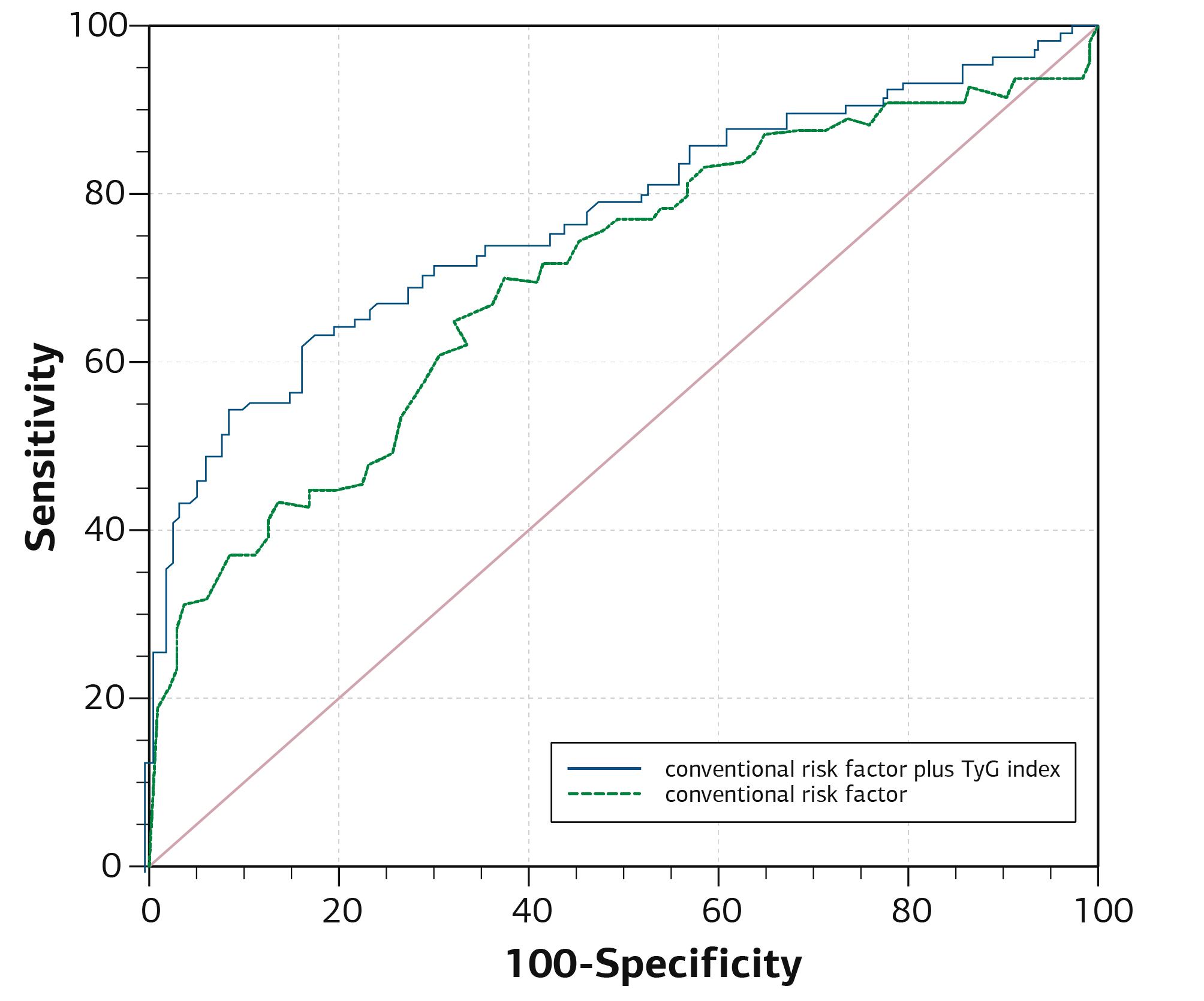
Figure 1. Flow Chart
Abbreviations: AF, atrial fibrillation; CABG, coronary artery bypass grafting; TG, triglycerides
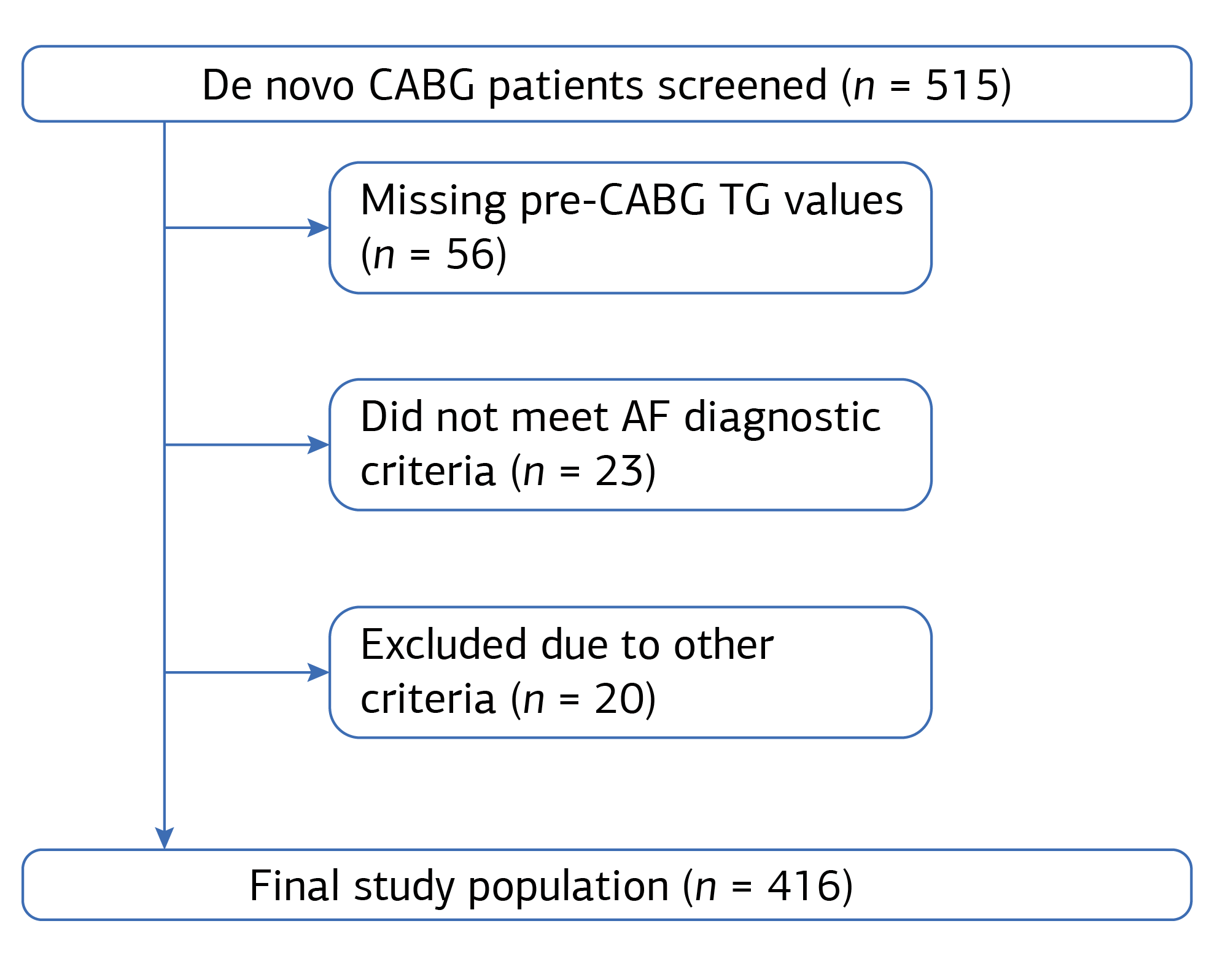
Figure 2. ROC Curves of the Conventional Risk Factor Model and the Conventional Risk Factor Plus TyG Index Model
The conventional risk factor model includes age and left atrial diameter
Additional Information
Publisher’s Note
Bayrakol MP remains neutral with regard to jurisdictional and institutional claims.
Rights and Permissions

This work is licensed under a Creative Commons Attribution-NonCommercial 4.0 International License (CC BY-NC 4.0). To view a copy of the license, visit https://creativecommons.org/licenses/by-nc/4.0/
About This Article
How to Cite This Article
İlke Erbay, Can Özkan. A novel predictor behind conventional risk factors of new-onset atrial fibrillation after off-pump coronary artery bypass graft surgery: the triglyceride-glucose index. Ann Clin Anal Med 2024;15(7):479-484. doi:10.4328/ACAM.22156
Publication History
- Received:
- 23.02.2024
- Accepted:
- 02.04.2024
- Published Online:
- 25.04.2024
- Printed:
- 01.07.2024