
Abstract
AimWe aimed to investigate the effectiveness of the American Society of Anesthesiologists (ASA), Charlson Age-added Comorbidity Index (CACI) and Surgical Risk Result Tool (SORT) scoring systems in determining postoperative intensive care requirements in patients undergoing gynecological malignancy surgery.MethodsOur study was carried out retrospectively examining the hospital records of patients who underwent gynecological malignancy surgery. Two groups were formed with the data obtained from the patients’ records in the preoperative and postoperative periods. Group 1: ICU indicated before the surgery and postoperatively ICU follow up needed. Group 2: ICU indicated but postoperatively ICU follow up was not needed. Age, gender, ASA Scoring, smoking, type of surgery, and co-morbid diseases of the patients included in the groups were noted in detail. SORT and CACI scores’ results were recorded by entering patient data electronically.ResultsAge, comorbidity and smoking usage were found to be risk factors in determining the need for postoperative intensive care in patients undergoing general anesthesia. ASA score, SORT score, CACI score were found to be statistically significant in predicting intensive care admission. The efficiency of SORT and CACI was evaluated by ROC analysis and AUC was found to be 0.886 and 0.855, respectively.ConclusionWe think that the CACI and SORT scores can be useful in determining the postoperative ICU need in daily clinical practice.
Keywords
Introduction
Surgical treatment is one of the cornerstones of treatment worldwide. Successful perioperative management significantly reduces mortality and morbidity. Being able to accurately determine the need for postoperative intensive care in the preoperative evaluation period in cancer patients can prevent wasting time, which is very valuable in the course of the disease. The operations of patients who need to be arranged in the postoperative intensive care unit (ICU) can be postponed until the ICU location is adjusted.1
Many factors play a role in the selection of patients who need to be followed in the intensive care unit after surgery. The individual characteristics of the patients, the anesthesia management, and the conditions of the surgical intervention affect the postoperative results.2
A scoring system that combines factors related to patient, anesthesia, and surgery to determine the indication for intensive care has not been developed yet. The ASA (American Society of Anesthesiologists) Score is an evaluation system that is considered useful for determining the anesthesia approach and especially the monitoring methods according to the physical condition of the patient. The Charlson Age Comorbidity Index (aCCI) is a score used to determine comorbidity in surgical or internal problems. The surgical outcome risk tool (SORT) is a score developed for use in estimating mortality for the postoperative 30-day period in adult surgical patients without neurologic disease.3-5
In this retrospective study, we aimed to investigate the effectiveness of ASA, CACI, and SORT scores in determining the need for intensive care in the preoperative evaluation process of patients who underwent gynecological system cancer surgery.
Materials and Methods
This retrospective study was conducted by examining the hospital records of patients who had undergone gynecological oncology surgery in our hospital during the 36‑month period between 01 July 2017 and 01 July 2020. The data of female patients aged 20–85 years who were operated under elective conditions with the diagnosis of ovarian, endometrium, vulva, vagina, and cervix cancer were included in the study.
The patients’ data of those who died within 24 hours in the postoperative period, who were evaluated as inoperable by the surgery during the operation, who developed surgical complications such as unpredictable vascular injury or serious organ damage during the operation, who developed life‑threatening complications due to anesthesia, and who underwent emergency surgery were excluded from the study. Based on these evaluations, two groups were formed. The number of samples in the groups was determined in line with similar studies.
Group 1:Patients with ICU indication in preoperative evaluation and ICU follow‑up after surgery.
Group 2:Patients with an ICU indication in the preoperative evaluation and transferred to the service without the need for postoperative ICU follow‑up.
Age, gender, ASA score, smoking, type of surgery, and additional diseases (COPD, CAD, CHF, HT, and DM) of the patients admitted to the groups were noted in detail. In our study, the cases’ SORT score was entered from http://sortsurgery.com/ and CACI score calculations were entered electronically from https://www.mdcalc.com/charlson-comorbidity-index-cci#use-cases, and the results were recorded.Ethical ApprovalThis study was approved by the Ethics Committee of Gaziantep University (Date: 10.09.2020, Decision No: 2020/225).Statistical AnalysisAnalyses were performed with the help of SPSS 22.0 and MedCalc programs. Student t‑test was used to compare numerical variables (age, BMI, preoperative and postoperative Hgb value, case duration) according to groups, and chi‑square test was used to compare categorical data (co‑morbidities, smoking status, ASA score).
Receiver operator characteristics curve (ROC) analysis was used while determining the cutoff point for SORT percentage and CACI variables. The area under the ROC curve is between 0.5 and 1.0, and the closer this value is to 1, the better the discriminant power of the test is considered. According to this:
- AUC=0.5 → no discrimination
- 0.5
Results
The mean age of the 96 patients was 61.09 ( ± 13.21) years (min–max: 31–84 years), the mean body mass index (BMI) was 26.6 ( ± 5.33) kg/m², and the smoking rate was 9.4%.
No significant correlation was found between the BMI, mean duration of the cases, preoperative hemoglobin (Hgb), postoperative Hgb values, and postoperative ICU admissions. However, age, presence of hypertension, presence of coronary artery disease, and smoking increased postoperative ICU admissions in a proportional and statistically significant way (Table 1).
Considering the effect of the ASA classification of the patients included in our study on whether or not they were admitted to the ICU, there were 4 different ASA scores in the cases, and only 4 out of 96 patients were determined as ASA I, 23 as ASA II, 68 as ASA III, and one as ASA IV. One‑way ANOVA test was used for statistical evaluation. Accordingly, as the ASA score increased, it was determined that the percentage of patients hospitalized in the ICU increased. In the data obtained, while there was no admission to the ICU in ASA I physical condition, this rate was 100% in ASA IV. In the statistical evaluation, it was observed that the ASA physical status value had a significant determining effect on ICU admission.
In our study, the effect of SORT and CACI indices on determining the need for postoperative ICU was examined by drawing a ROC curve. By determining the sensitivity and specificity of the tests and evaluating the data obtained, it was tried to determine a cut‑off value for the tests at admission to the ICU.
The AUC‑ROC value obtained when evaluating the effect of the SORT test on determining whether the patients would be admitted to the postoperative ICU was found to be 0.886. In addition, it was determined that SORT had the power to determine the need for ICU with 63.4% sensitivity and 100% specificity. The cut‑off value for SORT was determined as 1.58%.
The AUC‑ROC value for the Charlson Comorbidity Index with age was determined as 0.855 (Figure 1). It was also found that CACI had 90.2% sensitivity and 65.5% specificity in determining whether patients should be admitted to the ICU. In light of these data, the cut‑off value of the CACI index was determined as 4 points (Table 2).
Discussion
In our study, we aimed to evaluate the ASA, SORT, and CACI scores and to investigate their effectiveness in predicting the need for postoperative intensive care in patients who had undergone gynecological cancer surgery. Appropriate patient selection for the Intensive Care Unit (ICU) and similar extended postoperative care units is important because of the high cost and limited capacity of the ICU. However, preoperative selection remains difficult due to the large number of high‑risk patients and the lack of objective criteria. In the review published by the European Intensive Care Medical Association (ESICM) in 2017, it was evaluated that patient selection for postoperative ICU treatment was the second most important unresolved issue and recommended it as an area to be investigated in the future.6
Accurate perioperative risk assessment at the individual patient level enables clinical decision making and a clear demonstration of risks when consenting to surgery. Additionally, at the hospital or provider level, adjustment for the patient case mix allows for the evaluation of surgical outcomes or for clinical supervision. A number of risk stratification tools are currently available in clinical practice for both purposes.7,8
In recent years, many perioperative scoring systems have been described.8 However, a scoring system that evaluates patient‑ and surgical‑related factors together to preoperatively predict the indication for extended postoperative care has not yet been established. Therefore, the aim of our study is to evaluate the effectiveness of the three scoring systems we used to determine the probability of postoperative ICU admission.
With an effective preoperative risk assessment scoring system, hospitalization in the postoperative intensive care units with the correct indication can be provided and the need for invasive treatment can be reduced. In addition, risky conditions such as circadian rhythm disruption and delirium development can be prevented. Thus, it will be ensured that treatment resources are used effectively for patients who need real ICU hospitalization.9,10
ASA is the most commonly used preoperative evaluation score by anesthesiologists due to its ease of application and proven clinical data. The relationship between the postoperative condition and the patient’s ASA score and type of surgery has been investigated in many studies.11 The positive relationship between ASA score and postoperative mortality was first published in the past and was recently emphasized in a large prospective study.12 In the retrospective cohort studies of Park et al., they observed that the ASA III group showed higher ICU hospitalization rates and prolonged hospital stay compared to the ASA I and II groups.13 In a study conducted by Gözcü et al., it was concluded that the ASA score was not as significant as CCI in predicting ICU admission rate and length of hospital stay.14 In our study, it was seen that the ASA score was a successful evaluation score in predicting postoperative ICU exit, in line with previous studies.
CACI is a measure of comorbidity used to standardize the evaluation of surgical patients and has been used in many studies to estimate the postoperative mortality of patients undergoing surgery.15 So far, CACI has been reported to be a suitable prognostic factor for patients with hepatocellular carcinoma, breast, stomach, and colorectal cancer.16-19 In the study of Klausing et al., it was found that the CCI score is one of the most effective scoring methods for predicting ICU transfer.20 The CACI score was also evaluated by studies on morbidity and mortality.21 The number of studies on predicting postoperative intensive care exit is few. In our study, it was evaluated that the CACI score is a strong predictor of admission to the intensive care unit.
In a study conducted by Vahapoglu et al., it was determined that ASA, CACI, and SORT were effective in determining the ICU indication during the preoperative evaluation process of patients over 65 years of age undergoing elective surgery. However, the effectiveness of SORT was found to be superior to others. Also, it has been shown that SORT can be used before surgery to predict the risk of postoperative morbidity in major elective surgery.7 Risk stratification tools help clinicians provide more accurate information to patients and guide perioperative care decisions. Simple and cost‑effective risk score tools will become increasingly accessible to clinicians for use at the bedside as mobile digital devices become more widely available.
In our study, it was observed that SORT was more powerful than CACI in predicting the admission to the postoperative intensive care unit. SORT is a new system developed for the estimation of mortality in surgical patients. Since it is a system that evaluates the patient’s physical condition and age, as well as surgical status information, and carries almost all the parameters that may cause the need for postoperative ICU, it was thought that it could have a high determinant.
Limitations
The retrospective, single-center design and relatively small sample size are the main limitations of this study.
Conclusion
In conclusion: We think that SORT and CACI scoring methods and ASA scoring, which is a traditional preoperative risk assessment tool, have decisive features to predict the need for intensive care in the postoperative period in patients who will undergo gynecological cancer surgery. Prospective multicenter studies can assist in the use, validation, and generalization of risk prediction models in daily clinical practice.
Declarations
Animal and Human Rights Statement
All procedures performed in this study were in accordance with the ethical standards of the institutional and/or national research committee and with the 1964 Helsinki Declaration and its later amendments or comparable ethical standards.
Informed Consent
Informed consent was waived due to the retrospective nature of the study.
Data Availability
The datasets used and/or analyzed during the current study are not publicly available due to patient privacy reasons but are available from the corresponding author on reasonable request.
Conflict of Interest
The authors declare that there is no conflict of interest.
Funding
None.
Abbreviations
ASA: American Society of Anesthesiologists
AUC: Area under the curve
BMI: Body mass index
CACI: Charlson Age-added Comorbidity Index
CAD: Coronary artery disease
CCI: Charlson Comorbidity Index
CHF: Congestive heart failure
COPD: Chronic obstructive pulmonary disease
DM: Diabetes mellitus
HT: Hypertension
ICU: Intensive care unit
ROC: Receiver operating characteristic
SORT: Surgical Outcome Risk Tool
SPSS: Statistical Package for the Social Sciences
STROBE: Strengthening the Reporting of Observational Studies in Epidemiology
References
- Pearse RM, Moreno RP, Bauer P, et al. Mortality after surgery in Europe: a 7 day cohort study. Lancet. 2012;380(9847):1059-1065. doi:10.1016/s0140-6736(12)61148-9
- Kamath AF, Gutsche JT, Kornfield ZN, et al. Prospective study of unplanned admission to the intensive care unit after total hip arthroplasty. J Arthroplasty. 2013;28(8):1345-1348. doi:10.1016/j.arth.2013.01.011
- Foley C, Kendall MC, Apruzzese P, De Olivera GS. American Society of Anesthesiologists Physical Status Classification System as a reliable predictor of postoperative medical complications and mortality following ambulatory surgery: an analysis of 2,089,830 ACS-NSQIP outpatient cases. BMC Surg. 2021;21(1):253. doi:10.1186/s12893-021-01256-6
- Protopapa KL, Simpson JC, Smith NC, Moonesinghe SR. Development and validation of the Surgical Outcome Risk Tool (SORT). Br J Surg. 2014;101(13):1774-1783. doi:10.1002/bjs.9638
- Lin JX, Huang YQ, Xie JW, et al. Age-adjusted Charlson Comorbidity Index (ACCI) is a significant factor for predicting survival after radical gastrectomy in patients with gastric cancer. BMC Surg. 2019;19(1):53. doi:10.1186/s12893-019-0513-9
- Gillies MA, Sander M, Shaw A, et al. Current research priorities in perioperative intensive care medicine. Intensive Care Med. 2017;43(9):1173-1186. doi:10.1007/s00134-017-4848-3
- Wong DJN, Oliver CM, Moonesinghe SR. Predicting postoperative morbidity in adult elective surgical patients using the Surgical Outcome Risk Tool (SORT). Br J Anaesth. 2017;119(1):95-105. doi:10.1093/bja/aex117
- Sobol JB, Wunsch H. Triage of high-risk surgical patients for intensive care. Crit Care. 2011;15(2):217. doi:10.1186/cc9999
- Chan MC, Spieth PM, Quinn K, et al. Circadian rhythms: from basic mechanisms to the intensive care unit. Crit Care Med. 2012;40(1):246-253. doi:10.1097/ccm.0b013e31822f0abe
- Pelosi P, Ball L, Schultz MJ. How to optimize critical care resources in surgical patients: intensive care without physical borders. Curr Opin Crit Care. 2018;24(6):581-587. doi:10.1097/mcc.0000000000000557
- Horvath B, Kloesel B, Todd MM, et al. The evolution, current value and future of the American Society of Anesthesiologists Physical Status Classification System. Anesthesiology. 2021;135(5):904-919. doi:10.1097/aln.0000000000003947
- Koo CY, Hyder JA, Wanderer JP, et al. A meta-analysis of the predictive accuracy of postoperative mortality using the American Society of Anesthesiologists' physical status classification system. World J Surg. 2015;39(1):88-103. doi:10.1007/s00268-014-2783-9
- Park J, Kim D, Kim B, Kim YW. The American Society of Anesthesiologists score influences postoperative complications and total hospital charges after laparoscopic colorectal cancer surgery. Medicine (Baltimore). 2018;97(18):e0653. doi:10.1097/md.0000000000010653
- Gozcu O, Sen E, Sen H, Bayrak O. Comparison of different anaesthetic techniques used for geriatric patients who underwent TUR-P operation: a single-centre experience. Ann Clin Anal Med. 2021;12(2):201-204. doi:10.4328/acam.20414
- Dias-Santos D, Ferrone CR, Zheng H, et al. The Charlson Age Comorbidity Index predicts early mortality after surgery for pancreatic cancer. Surgery. 2015;157(5):881-887. doi:10.1016/j.surg.2014.12.006
- Zhang X, Wang X, Wang M, et al. Effect of comorbidity assessed by the Charlson Comorbidity Index on the length of stay, costs, and mortality among colorectal cancer patients undergoing colorectal surgery. Curr Med Res Opin. 2023;39(2):187-195. doi:10.1080/03007995.2022.2139053
- Huguet F, Mukherjee S, Javle M. Locally advanced pancreatic cancer: the role of definitive chemoradiotherapy. Clin Oncol (R Coll Radiol). 2014;26(9):560-568. doi:10.1016/j.clon.2014.06.002
- Bauschke A, Altendorf-Hofmann A, Mothes H, et al. Partial liver resection results in significantly better long-term survival than locally ablative procedures even in elderly patients. J Cancer Res Clin Oncol. 2016;142(5):1099-1108. doi:10.1007/s00432-016-2115-6
- Morgan JL, Richards P, Zaman O, et al. Bridging the Age Gap in Breast Cancer Trial Management Team. The decision-making process for senior cancer patients: treatment allocation of older women with operable breast cancer in the UK. Cancer Biol Med. 2015;12(4):308-315. doi:10.7497/j.issn.2095-3941.2015.0080
- Klausing A, Martini M, Wimmer MD, et al. Postoperative medical complications and intermediate care unit/intensive care unit admission in joint replacement surgery: a prospective risk model. J Arthroplasty. 2019;34(4):717-722. doi:10.1016/j.arth.2018.12.034
- St-Louis E, Iqbal S, Feldman LS, et al. Using the age-adjusted Charlson Comorbidity Index to predict outcomes in emergency general surgery. J Trauma Acute Care Surg. 2015;78(2):318-323. doi:10.1097/ta.0000000000000457
Tables
Table 1. Demographic Data of the Groups
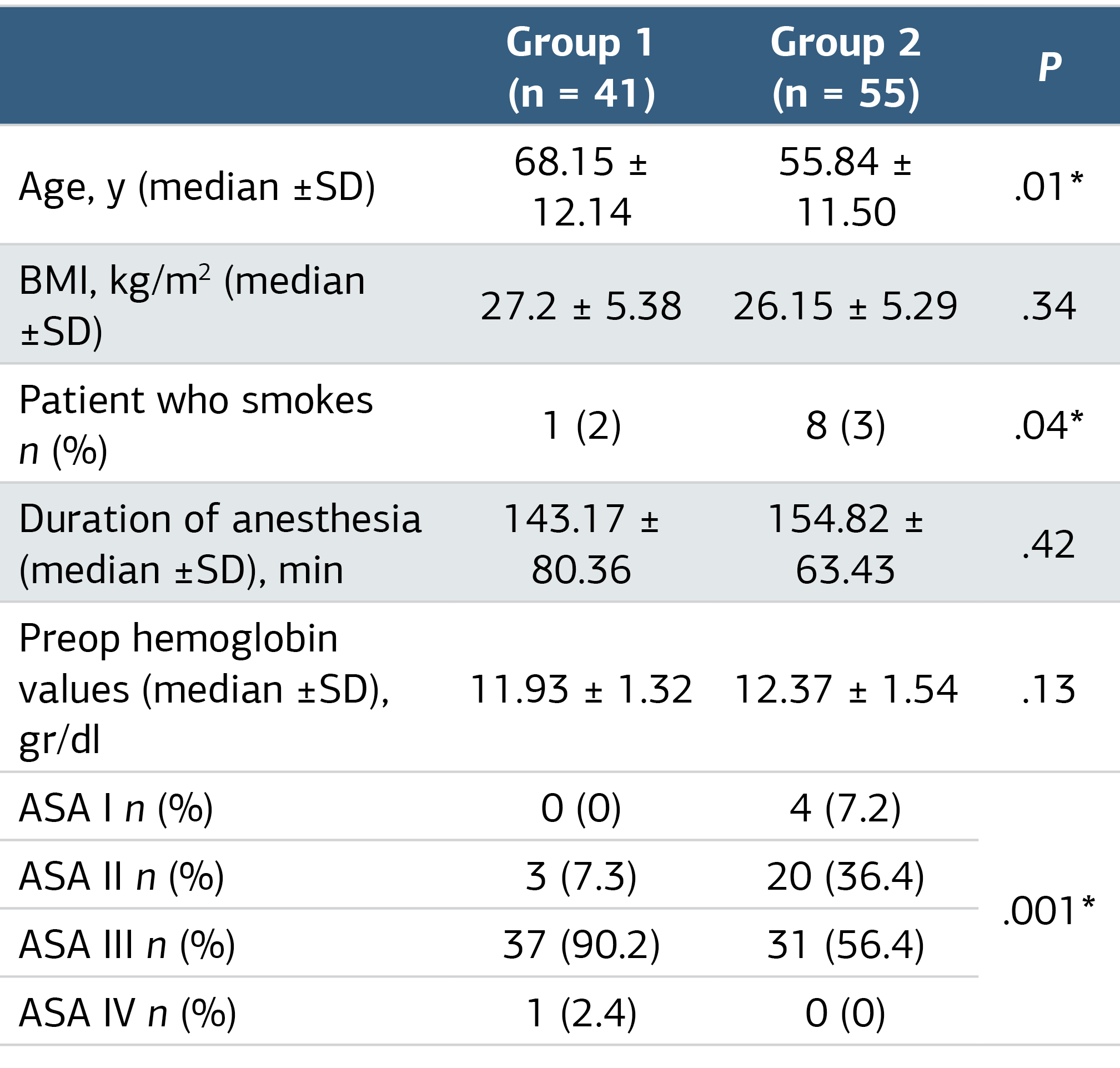
* Significant at P < .05, SD, Standard Deviation; BMI, Body Mass Index; ASA, American Soceity of Anesthesiologists.

Figures
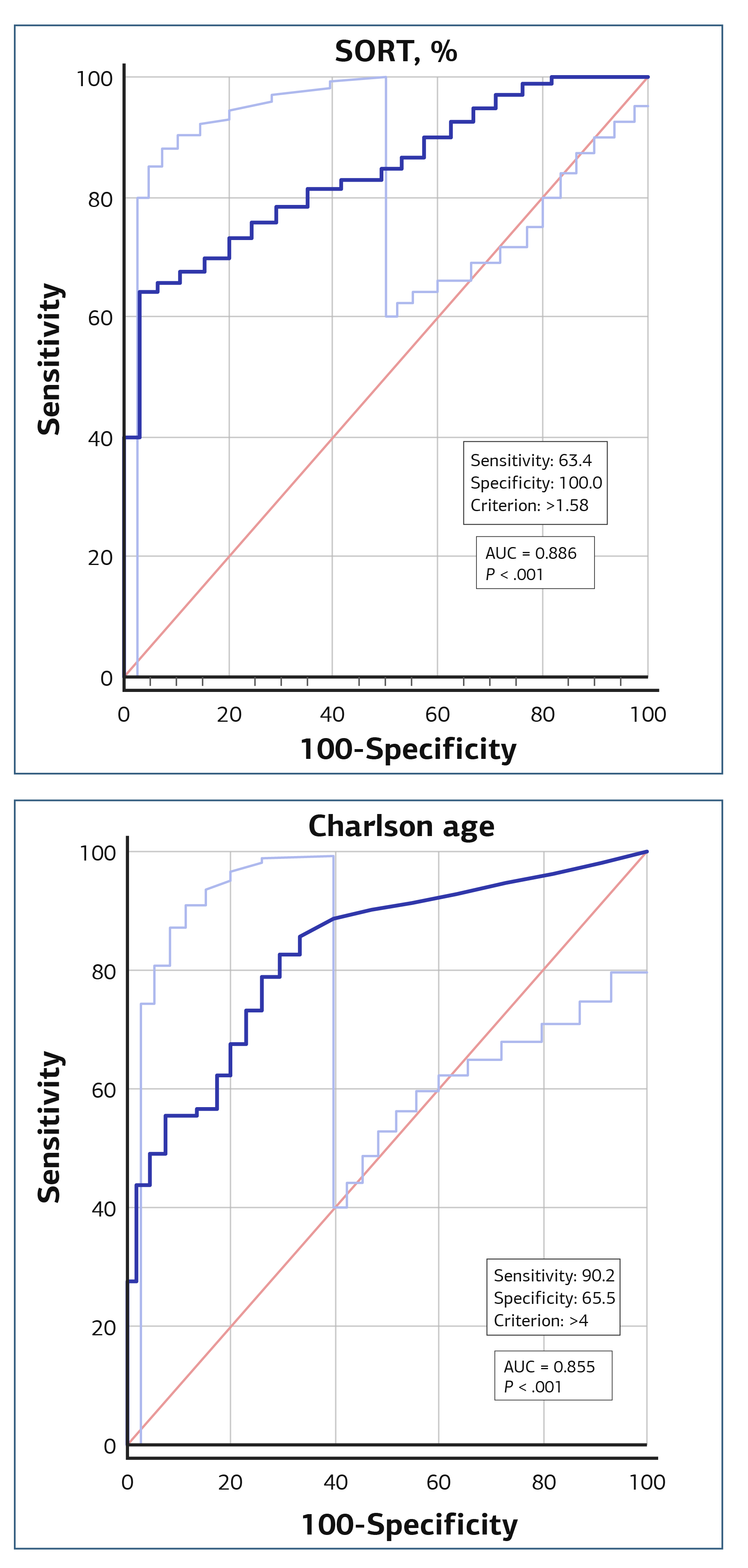
Figure 1. The AUC-ROC values of SORT and CACI
Additional Information
Publisher’s Note
Bayrakol MP remains neutral with regard to jurisdictional and institutional claims.
Rights and Permissions

This work is licensed under a Creative Commons Attribution-NonCommercial 4.0 International License (CC BY-NC 4.0). To view a copy of the license, visit https://creativecommons.org/licenses/by-nc/4.0/
About This Article
How to Cite This Article
Ahmet Çam, Elzem Şen. Evaluation of ASA, SORT and CACI scores in predicting the need for postoperative intensive care after gynecological malignant surgery. Ann Clin Anal Med 2024;15(11):739-742. doi:10.4328/ACAM.21863
Publication History
- Received:
- 04.03.2024
- Accepted:
- 06.05.2024
- Published Online:
- 28.09.2024
- Printed:
- 01.11.2024