
Abstract
AimIsolated blunt abdominal trauma due to occupational accidents and related hollow organ injury is a very rare phenomenon. Therefore, their diagnosis can be difficult and delays in diagnosis can result in significant morbidity and mortality. In this study, we aimed to present cases of hollow organ injury caused by isolated abdominal blunt trauma due to work accidents.MethodsFive male patients with isolated blunt abdominal trauma due to a work accident who applied to our center between 2017 and 2022 were included. Isolated blunt abdominal trauma occurred in three patients as a result of hitting a log, plank, and ax handle, and in one as a result of hitting a sack, and in one as a result of cow horn damage.ResultsIleal injury occurred in three patients, jejunal injury in one patient, and colonic injury in one patient. The average time for the onset of trauma to hospital admission varied between 3 to 60 hours. All patients developed acute abdominal signs, and abdominal CT showed abdominal free air, fluid, or a combination of both. One patient developed leukopenia, while other patients had significant leukocytosis. Primary repair was performed in two patients, loop ileostomy in two patients, and loop colostomy in one patient. Four patients were discharged and one patient died of sudden cardiac arrest.ConclusionHollow organ injury may occur due to isolated blunt abdominal trauma from work accidents, and the findings can be easily missed. Delays in diagnosis can lead to significant morbidity and mortality. Primary repair in the early period and ostomy creation in delayed perforations may be treatment options in these patients.
Keywords
Introduction
Penetrating or blunt abdominal trauma is routinely admitted to the emergency departments. Blunt abdominal trauma occurs in approximately 20% of patients presenting with multi-trauma. Isolated abdominal trauma, especially isolated blunt abdominal trauma, is less commonly observed. Although hollow viscus injury is frequently observed with penetrating injuries, it can also occur with blunt injuries. Factors such as altered state of consciousness, accompanying injuries, and lack of knowledge of the details of the event make diagnosis difficult. Diagnosis is usually made by diagnostic laparotomy in hemodynamically unstable patients, while computerized tomography (CT) is the diagnostic tool in hemodynamically stable patients. However, CT’s sensitivity and specificity decrease in hollow organ injuries. Delays in diagnosis can lead to significant morbidity and mortality.1-4
Work-related injuries are common all over the world, accounting for approximately 12.5% of all injuries. Approximately 13% of these injuries occur as a result of impact by an object.5 In this study, we aimed to present cases of hollow organ injury caused by isolated abdominal blunt trauma due to work accidents.
Materials and Methods
Five isolated blunt abdominal trauma patients admitted to the emergency department between 2017 and 2021 were included in the study. All patients were male. Trauma in all patients had occurred during a job. The causes of trauma in the patients were logging in forest work, ax handle slamming, timber slamming in the carpentry shop, heavy sack slamming, and cow horn injury. The average time for the operation varied between 3 to 60 hours. Four patients had acute abdominal symptoms at admission. One patient did not have acute abdominal symptoms at admission. Acute abdominal symptoms developed after hospitalization. Abdominal CT and abdominal ultrasonography (US) were used for imaging (Table 1). Laboratory findings, comorbidities, and length of stay were recorded.
Two patients with acute abdominal symptoms first applied to small district hospitals and were sent home with symptomatic treatment after their initial examination. For this reason, their admission to the emergency department of our hospital was delayed (36 and 46 hours, respectively). One patient with tenderness at the impact site and no acute abdomen symptoms was hospitalized for follow-up. In this patient, acute abdominal symptoms developed after defecation 18 hours after hospitalization. This patient applied to the district hospital approximately 36 hours after the initial trauma. There was no intra-abdominal free air and fluid in the CT scans. In the CT and US performed in our hospital, there was a mild edematous appearance only in one segment wall of the ileum. There was no free air and fluid in the abdomen. During follow-up, sudden acute abdominal symptoms developed after defecation. Patients 1 and 5 applied directly to our emergency department and had acute abdominal symptoms and imaging findings (free air and fluid in the abdomen) (Figure 1).Ethical ApprovalNot applicable.Statistical AnalysisNo statistical analysis was performed.Reporting GuidelinesThis study was reported in accordance with the PROCESS guidelines.
Results
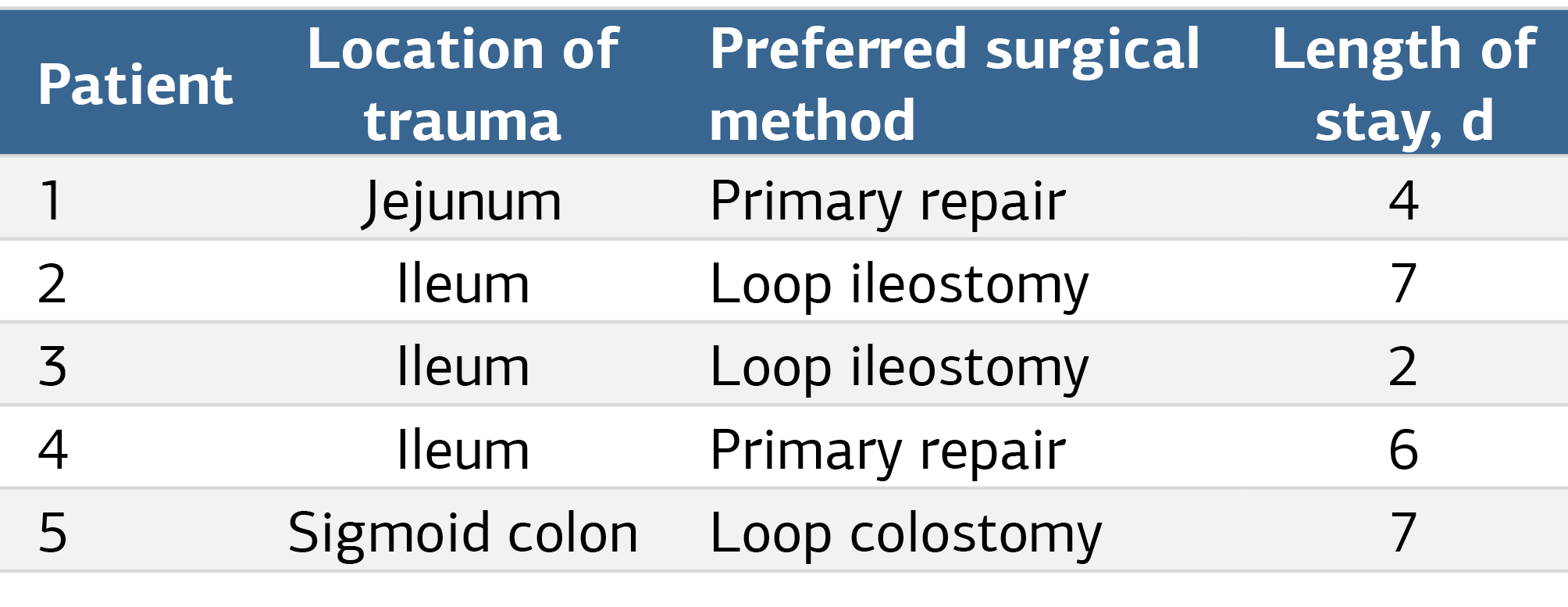
The patient with jejunal trauma who was admitted early had a full-thickness jejunal injury. This patient underwent primary repair. Although partial injury was present in one patient who presented with an ileal injury that presented late, the trauma area was re-shaped as loop ileostomy due to the presence of diffuse free ileal fluid in the abdomen and due to the delayed nature of the case. Primary repair was performed in the other patient who applied at the 36th hour because of the better general condition and laboratory findings despite the presence of diffuse fluid in the abdomen. Necrosis was not observed in this patient’s intestinal wall and mesentery. In the patient who was admitted 60 hours after the trauma and hospitalized for follow-up, ileal perforation developed after defecation at approximately 18 hours of follow-up. Loop ileostomy was preferred from the trauma area for this patient, who also had cardiac problems and a history of coronary artery bypass graft surgery. In the case with perforation of the sigmoid colon (Figures 2 and 3), the trauma area was dissected due to extensive intra-abdominal fecal peritonitis (Table 2).
The two patients who underwent primary repair, one patient who underwent loop colostomy, and one patient who underwent loop ileostomy were discharged without complications. The patient with delayed perforation and cardiac problems died at the 10th hour postoperatively due to sudden cardiac arrest. The ostomies of the patients who underwent loop ileostomy and colostomy were closed uneventfully in the 3rd month postoperatively.
Discussion
Abdominal traumas constitute approximately 20% of trauma patients and are responsible for approximately 10% of trauma-related deaths. Penetrating injuries are more common among isolated abdominal injuries, and hollow organ injury is more common for penetrating injuries. Blunt abdominal trauma is generally seen as a component of trauma in trauma patients such as traffic accidents or falling from a height, and the injured organs are usually parenchymal organs such as liver, spleen, and kidney.1,2,4,6
Although occupational accidents are more common in developing countries, they are an important problem worldwide. Among the studies published in the literature that include work-related injuries, injuries that develop after chronic exposure, such as musculoskeletal and eye injuries, are of importance.7,8 In our study, three patients were injured while doing their carpentry work. In the extensive study by McCoy et al. on carpentry injuries, “hit by an object” is the most common type of injury, as observed in our study.9 In Choi’s extensive study, exposure to an object hit is common in the carpentry group, similarly. It is stated that the risk of general body trauma and falling from height increases with age.10 In the literature, studies examining bovine injuries are mostly case reports. There are limited series from countries where rural life and animal husbandry are common. A comprehensive series on this topic is the study of 33 bovine-induced abdominal trauma by Ok et al. In this study, 31 patients had a history of blunt abdominal trauma. Small bowel and mesenteric injuries due to blunt abdominal trauma have been reported in the series.11 In a series from South Africa, various organ injuries due to animal trauma were examined and abdominal trauma was reported in 22 patients and the need for laparotomy was seen in 9 patients.12
In a prospective study by Wadhwa et al. conducted on 6570 trauma patients in a high-volume 3rd level trauma center, blunt abdominal trauma was detected in 465 of the patients, and hollow organ and mesenteric damage were detected in only 50 of these patients.13 The jejunum followed by the ileum were reported as the most frequently injured organs. The rectosigmoid injury reported in two patients was accompanied by pelvic fractures. Interestingly, our patient had isolated sigmoid colon injury after animal impact. The average admission time of the patients was reported as 12 hours. Morbidity and mortality rates increase in injuries exceeding eight hours, and primary repair becomes more difficult.14 In our patients, the duration of emergency admission was long except for one patient. This may be due to the delayed appearance of signs of isolated hollow organ injuries. Other reasons are that there is a dense rural population in our province and access to these patients is difficult due to long distance and social support. Three of our five patients had a history of applying to district hospitals before they applied to us. Two patients were only given symptomatic treatment in the district hospital where they first applied. The patient who was followed up due to edema in the ileum wall and did not have acute abdominal symptoms developed sudden perforation after defecation. In the case reported by Hamidian Johrami et al, the ileal perforation that developed 6 weeks after blunt trauma is consistent with the clinical course in our patient.15 The reported patient also had perforation for edema in the ileum, mesentery, and then in the intestinal wall a few weeks after follow-up.15 Late perforations following blunt trauma have also been reported in the literature.15,16 Meissnitzer et al. emphasized that mesenteric edema and intestinal wall edema on CT following blunt annealing should be considered as a precursor of intestinal perforation.17
Loop ileostomy and colostomy were preferred in three patients because of delayed admission, extensive peritonitis and intestinal contents, advanced age, and comorbidities. Resection was not required due to the absence of additional mesenteric injury. The fact that the injuries were in the distal ileum region facilitated patient compliance. Ileostomies were closed in the early period. Primary repair was performed in the young patient who presented early. In similar studies, there are cases in which primary repair or resection anastomosis is preferred, as well as delayed and complicated cases requiring diversion.13,14,18
Limitations
The main limitations of this study are the small number of patients and the heterogeneity of trauma mechanisms and admission times. In addition, all patients were male, which may limit the generalizability of the findings.
Conclusion
Isolated blunt abdominal traumas due to occupational accidents may lead to hollow organ perforations. Abdominal wall weakness may contribute to this, especially in elderly patients. Delays in diagnosis are common, and this can cause significant morbidity and even mortality.
Declarations
Animal and Human Rights Statement
All procedures performed in this study were in accordance with the ethical standards of the institutional and/or national research committee and with the 1964 Helsinki Declaration and its later amendments or comparable ethical standards.
Informed Consent
Written informed consent was obtained from all participants.
Data Availability
The datasets used and/or analyzed during the current study are not publicly available due to patient privacy reasons but are available from the corresponding author on reasonable request.
Conflict of Interest
The authors declare that there is no conflict of interest.
Funding
None.
Abbreviations
CT: Computed tomography
US: Ultrasonography
References
- Isenhour JL, Marx J. Advances in abdominal trauma. Emerg Med Clin North Am. 2007;25(3):713-733. doi:10.1016/j.emc.2007.06.002
- Coleman JJ, Zarzaur BL. Surgical management of abdominal trauma: hollow viscus injury. Surg Clin North Am. 2017;97(5):1107-1117. doi:10.1016/j.suc.2017.06.004
- Sánchez-Hernández ÁE, Martín-González I, Luna-Álvarez R, et al. Blunt abdominal trauma managed with mesenteric embolization: case report. Cir Cir. 2021;89(6):822-826.
- Prachalias AA, Kontis E. Isolated abdominal trauma: diagnosis and clinical management considerations. Curr Opin Crit Care. 2014;20(2):218-225. doi:10.1097/mcc.0000000000000074
- Williams JM, Higgins D, Furbee PM, Prescott JE. Work-related injuries in a rural emergency department population. Acad Emerg Med. 1997;4(4):277-281. doi:10.1111/j.1553-2712.1997.tb03548.x
- Gäble A, Mück F, Mühlmann M, Wirth S. Traumatisches akutes Abdomen [Acute abdominal trauma]. Radiologie (Heidelb). 2019;59(2):139-145. doi:10.1007/s00117-018-0485-2
- Agrawal C, Girgis S, Sethi A, et al. Etiological causes and epidemiological characteristics of patients with occupational corneal foreign bodies: a prospective study in a hospital-based setting in India. Indian J Ophthalmol. 2020;68(1):54-57. doi:10.4103/ijo.ijo_623_19
- Catanzarite T, Tan-Kim J, Whitcomb EL, Menefee S. Ergonomics in surgery: a review. Female Pelvic Med Reconstr Surg. 2018;24(1):1-12. doi:10.1097/spv.0000000000000456
- McCoy AJ, Kucera KL, Schoenfisch AL, Silverstein BA, Lipscomb HJ. Twenty years of work-related injury and illness among union carpenters in Washington State. Am J Ind Med. 2013;56(4):381-388. doi:10.1002/ajim.22134
- Choi SD. Aging workers and trade-related injuries in the US construction industry. Saf Health Work. 2015;6(2):151-155. doi:10.1016/j.shaw.2015.02.002
- Ok E, Küçük C, Deneme MA, Yılmaz Z, Sözüer EM. Large animal-related abdominal injuries. J Trauma. 2004;57(4):877-880. doi:10.1097/01.ta.0000100370.59653.41
- Wessels EU, Kong VY, Buitendag J, et al. The spectrum of animal-related injuries managed at a major trauma centre in South Africa. S Afr J Surg. 2019;57(3):54. doi:10.17159/2078-5151/2019/v57n3a2854
- Wadhwa M, Kumar R, Trehan M, et al. Blunt abdominal trauma with hollow viscus and mesenteric injury: a prospective study of 50 cases. Cureus. 2021;13(2):e13321. doi:10.7759/cureus.13321
- Bège T, Brunet C, Berdah SV. Hollow viscus injury due to blunt trauma: a review. J Visc Surg. 2016;153(4 suppl):61-68. doi:10.1016/j.jviscsurg.2016.04.007
- Hamidian Jahromi A, Johnson L, Youssef AM. Delayed small bowel perforation following blunt abdominal trauma: a case report and review of the literature. Asian J Surg. 2016;39(2):109-112. doi:10.1016/j.asjsur.2013.01.006
- Subramanian V, Raju RS, Vyas FL, Joseph P, Sitaram V. Delayed jejunal perforation following blunt abdominal trauma. Ann R Coll Surg Engl. 2010;92(2):W23-W24. doi:10.1308/147870810x476764
- Meissnitzer MW, Stättner S, Meissnitzer T. Small mesenteric hematoma following blunt abdominal trauma as early sign in computed tomography of occult small bowel perforation: report of 2 cases. Emerg Radiol. 2014;21(6):647-650. doi:10.1007/s10140-014-1235-z
- Zheng YX, Chen L, Tao SF, Song P, Xu SM. Diagnosis and management of colonic injuries following blunt trauma. World J Gastroenterol. 2007;13(4):633-636. doi:10.3748/wjg.v13.i4.633
Tables
Table 1. Patient Characteristics at Presentation
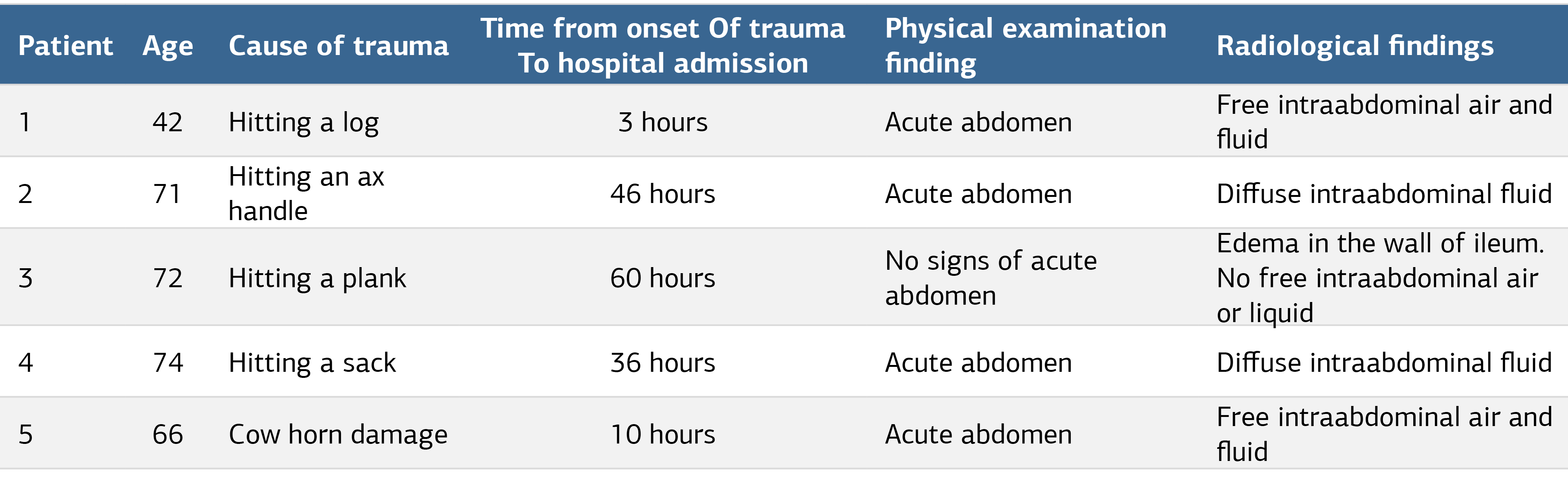
Table 2. Injury Site, Preferred Operation Type and Length of Stay of the Patients
Figures
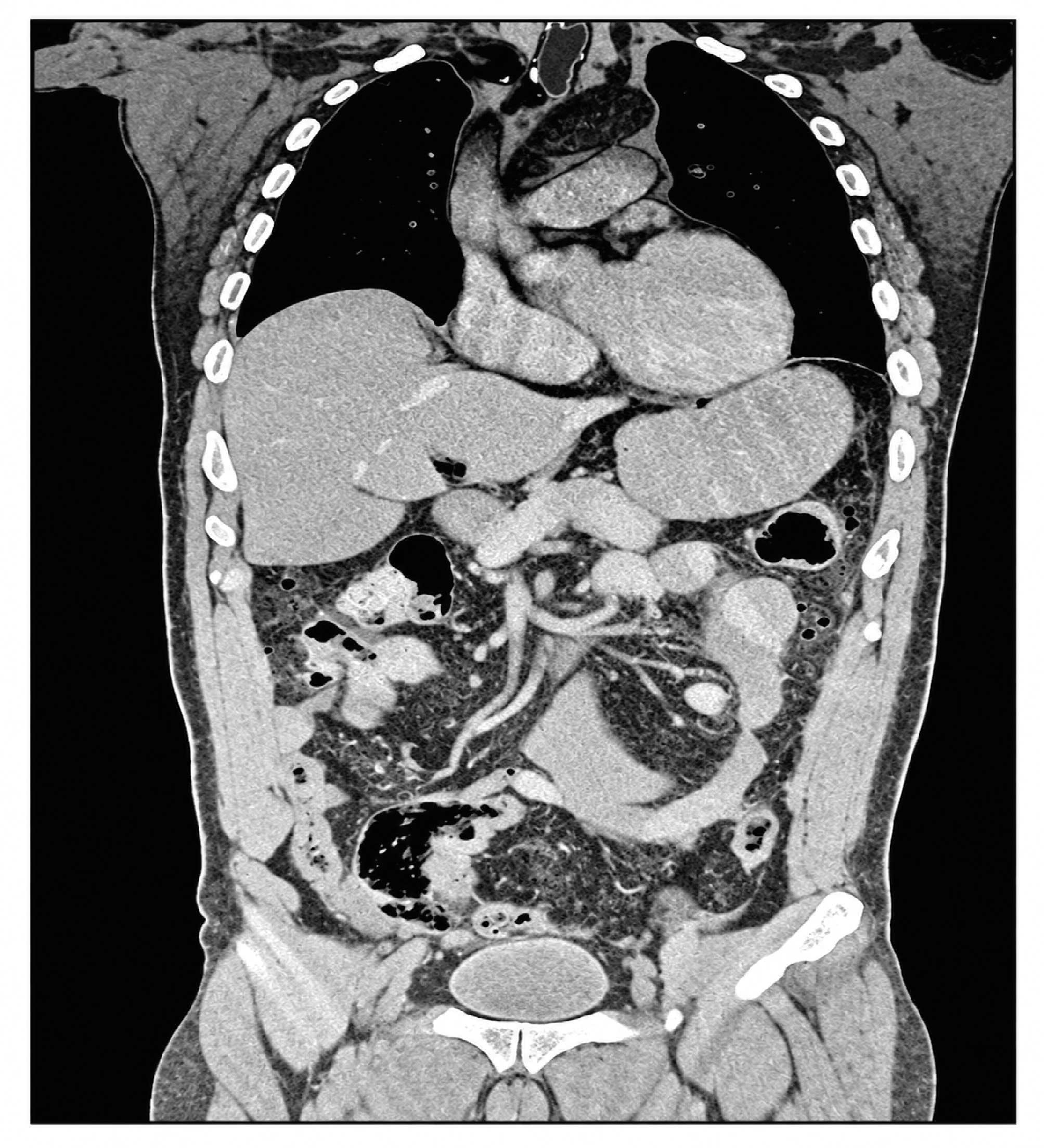
Figure 1. Free Air and Fluid Appearance in the Abdomen on Coronal CT Section in a Patient with Sigmoid Colon Perforation After Cow Horn Trauma
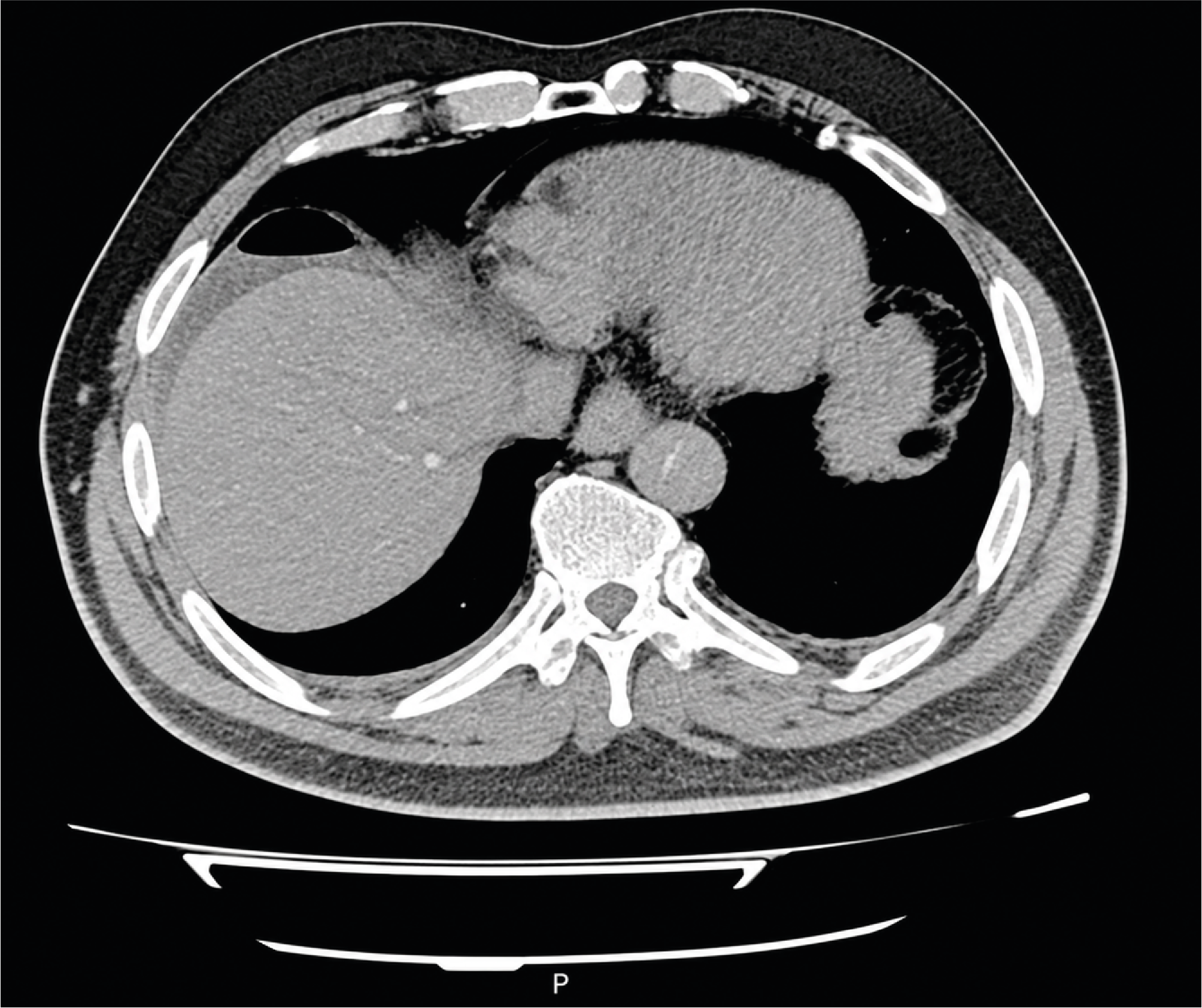
Figure 2. Free Air and Fluid Appearance in the Abdomen on Sagittal CT Section in a Patient with Sigmoid Colon Perforation After Cow Horn Trauma
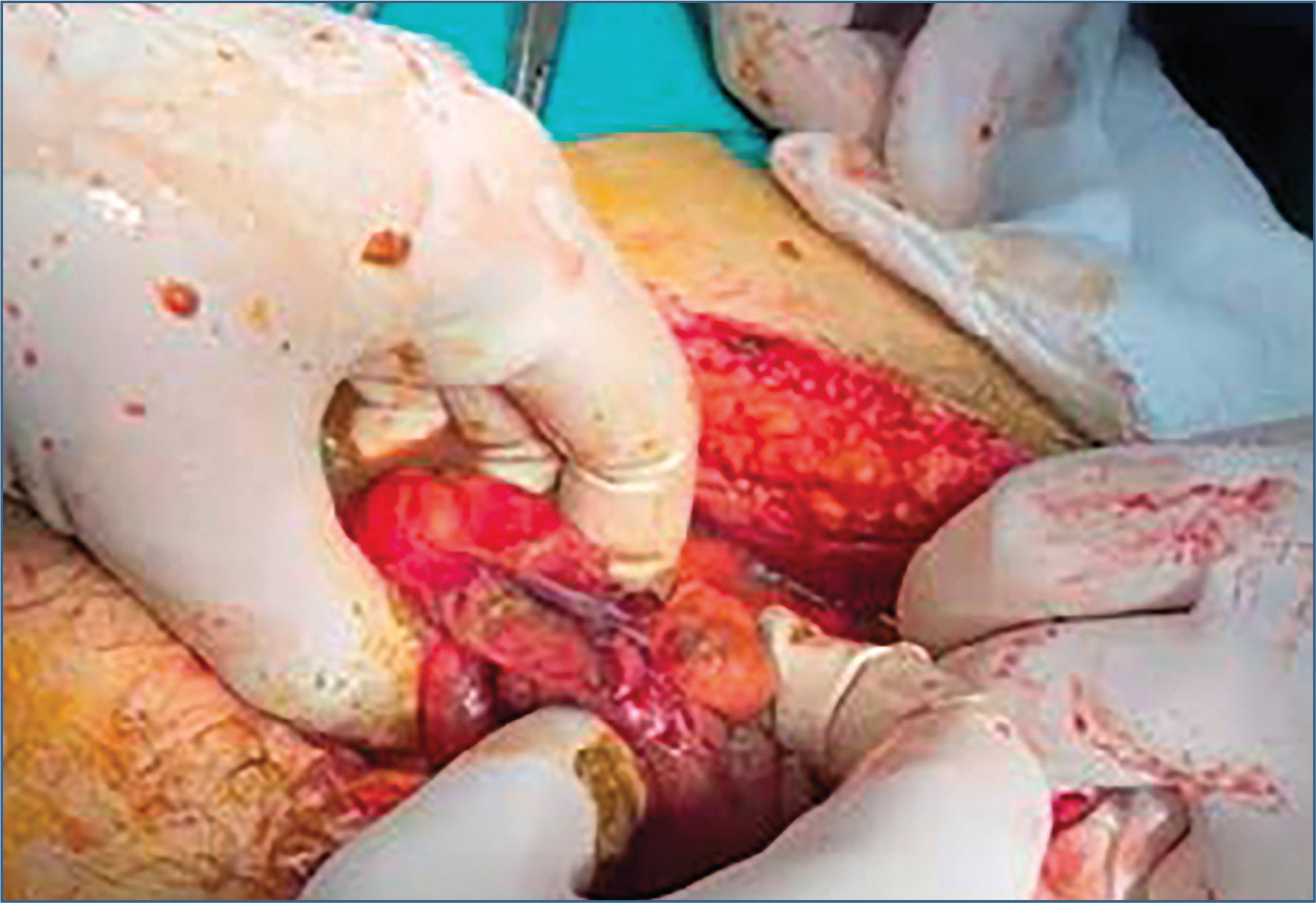
Figure 3. Injury Due to Cow Horn Damage in the Sigmoid Colon and Fecal Intra-Abdominal Contents
Additional Information
Publisher’s Note
Bayrakol MP remains neutral with regard to jurisdictional and institutional claims.
Rights and Permissions

This work is licensed under a Creative Commons Attribution-NonCommercial 4.0 International License (CC BY-NC 4.0). To view a copy of the license, visit https://creativecommons.org/licenses/by-nc/4.0/
About This Article
How to Cite This Article
Nazım Güreş, Ömer Küçük, Ergin Erginöz, Server Sezgin Uludağ. Intestinal perforation due to isolated blunt abdominal trauma from work accident: a single center experience. Ann Clin Anal Med 2023;14(1):17-20. doi:10.4328/ACAM.21396
Publication History
- Received:
- 18.09.2022
- Accepted:
- 19.10.2022
- Published Online:
- 21.10.2022
- Printed:
- 01.01.2023