
Abstract
AimIn this study, we aimed to evaluate the contact status of emergency department healthcare workers of a tertiary health center by investigating their antibody levels against COVID-19.MethodsCOVID-19 transmission status and SARS-CoV-2 IgG levels of 24 doctors and 55 nurses working at the emergency department and a control group of 73 non-healthcare workers were included in the study.ResultsPCR testing was positive for COVID-19 in 39.2%, only CT in 7.6%, both PCR and CT were positive in 10.1%, while both PCR and CT results were negative in 43%. PCR testing was positive in 13.7% of the control group. Compared to the control group, symptomatic frequency of COVID-19 infection (57% vs 14%, P < .001), COVID-19 antibody positivity, RT-PCR positivity, and COVID-19 IgG levels were statistically significantly higher. In both groups, the SARS-CoV-2 IgG level of those with positive RT-PCR in any test was higher than those with negative RT-PCR (P < .001). There was a negative (P = .001) correlation between SARS-CoV-2 antibody level and the time elapsed after detection of positivity, and a positive correlation with ferritin levels (P = .027) among Emergency Department workers (P < .05). ConclusionThe frequency of COVID-19 and antibody levels were significantly higher in emergency department workers who were diagnosed and treated COVID-19 patients than in the non-healthcare worker group. There are asymptomatic carriers in the community, hence protective equipment use, social distance and cleaning rules should be meticulously followed.
Keywords
Introduction
In December 2019, a novel virus called SARS-CoV-2 from the Coronavirus family was introduced. This virus is transmitted between humans and tends to affect the human respiratory system. Due to the growing number of people infected with the virus, the World Health Organization announced the COVID-19 pandemic on March 11, 2020. The pandemic resulted in death of more than 200,000 people, and an effective management protocol has not yet been reported.1,2 In treatment of COVID-19, antivirals, immunomodulators, anticoagulants, immune plasma therapies and other supplemental treatments are used.1,3
Patients with COVID-19 present with non-specific symptoms including fever, cough, myalgia, loss of taste and smelling functions. Admission to the wards was most commonly indicated due to respiratory dysfunction secondary to viral pneumonia.4,5 In addition to the respiratory involvement, renal and less commonly cardiac systems are frequently affected as well.6,7
While trying to control the infection rate, it is also important to determine patients who have the disease and healthy people at risk to decrease the number of people who necessarily have to be followed in quarantine. Reverse transcriptase polymerase chain reaction (RT-PCR) was carefully investigated to determine the symptomatic infection period and was found to be successful.8 The number and results of methods to detect previous infection, however, are limited. The presence of antibodies, as with other infectious diseases, can be a guide to detect patients with a previous infection status and therefore can be used to evaluate whether or when patients are able to return back to their daily living. However, in order to make such decisions affecting people in large scales, the results of antibody testing should be accurate and precise.9
A specific test should detect the antibodies against SARS-CoV-2 and a sensitive one should not give similar results with other antibodies. Thinking practically, a perfect test is not possible, especially in infectious diseases, where the timing of the test during a variable symptomatic period is also critical. Moreover, seroconversion also takes a considerable amount of time. Frequently, the initial IgM surge is followed by IgG and then IgA, but this may change depending on the severity of the disease, on the immune system of the patient. For instance, Roche and Abbott both reported a sensitivity of around 100% for their tests when they are performed after 14 days or more of the appearance of the symptoms in contrast to the other studies where reported sensitivities of the same kits were 87% and 93.4%, respectively.9,10
Being a healthcare professional is commonly a risk factor for not only other infectious diseases, but also COVID-19. In such a population, determination of the disease status and epidemiological investigation are important for public health purposes. In this study, we aimed to present the infection status, characteristics of infected patients and antibody levels among the healthcare professionals working at a tertiary center.
Materials and Methods
This cross-sectional study was performed among healthcare professionals who were not vaccinated against SARS-CoV-2. Informed approval was obtained from every participant in the study. All procedures performed in studies were in accordance with the ethical standards of the institutional and/or national research committee and with the 1964 Helsinki Declaration and its later amendments or comparable ethical standards. Only doctors and nurses who worked solely in the emergency department were included irrespective of a previous history of COVID-19. Patients over 18 years of age, who presented to the emergency department without symptoms of COVID-19 and who were not healthcare professionals were included in the study as a control group. Patient characteristics were recorded, including a previous history of COVID-19. Blood samples were obtained from the study and control groups and isolated at –40ºC after centrifugation. An ELISA kit (DiaPro, Milano, Italy) was used to determine the antibody titer.Ethical ApprovalThis study was approved by the Ethics Committee of Sisli Hamidiye Etfal Training and Research Hospital (Date: 03.02.2021, No: 3167).Statistical AnalysisStatistical analysis was performed using the Number Cruncher Statistical System 2007 (NCSS, Kaysville, Utah, USA).Reporting GuidelinesThis study was reported in accordance with the STROBE guideline.
Results
A total of 79 healthcare workers, 45 females (57%), including 24 (30.4%) doctors and 55 (69.6%) nurses were included. The control group included 73 patients; 21 females (28.8%) admitted to the emergency department with a similar range of age during the study period. Among healthcare workers, a retrospective investigation demonstrated that during diagnosis, PCR was positive in 39.2%, only computerized tomography was positive in 7.6%, and both were positive for COVID-19 in 43% of patients, with 2.5% requiring admission (Table 1). Antibody testing for COVID-19 yielded positive results in 55.7% of healthcare providers. Compared to the control group, a number of tests with positive results was significantly higher (P = .002). PCR tests were positive in 49.4% of the healthcare workers compared to 13.7% in the control group (P < .001). The frequency of asymptomatic COVID-19 infection was significantly higher among healthcare workers. IgG levels were significantly higher in the healthcare worker group (P = .027) (Table 2). Patients testing negative for COVID-19 with computerized tomography and PCR tests had significantly lower IgG levels compared to patients testing positive for either CT or PCR or both (Figure 1). IgG levels were also significantly higher in patients with positive PCR results in the control group, compared to the patients with negative PCR results (P < .001). Among patients with a history of COVID-19, there was a negative correlation between antibody levels and the time between the initial diagnosis and antibody testing. A positive correlation was found between ferritin levels at the initial diagnosis and the antibody levels (Figure 2).
Discussion
Compared to the other fields of medicine, healthcare workers working in the emergency department have a higher risk of contact with patients presenting with communicable diseases, since patients with acute symptoms frequently seek care in the emergency department for diagnosis. As expected, healthcare providers working in the field of emergency medicine are also at risk of getting infected with SARS-CoV-2.
Stringhini et al. reported a relatively low seroprevalence of 3.2% in their study including 2.3 million people from 50 countries.10 Many other studies from Europe and China also exist and report varying percentages of seroprevalence in the general population ranging between 0.23 and 10.9%.10,11 Different studies from the Netherlands, England, and Italy reported a PCR positivity ranging between 3–18% among healthcare professionals.12 Galanis et al. included 49 studies in their recent meta-analysis and demonstrated a seroprevalence ranging between 0–45.3% among healthcare workers and concluded that the seroprevalence among healthcare workers was significantly higher compared to the general population.13 Other studies and meta-analyses demonstrated a variable seroprevalence among healthcare workers ranging between 7–12.4%, showing healthcare workers having a higher risk of infection with SARS-CoV-2.14-16 Compared to the general population, Grant et al. and Rudberg et al. found a higher rate of seropositivity among healthcare providers.17,18 Further analysis by Shields et al. demonstrated higher seropositivity among healthcare workers working in emergency medicine, home care and internal medicine.19 Another study by Alserehi et al. demonstrated a higher rate of seropositivity in healthcare workers working at pandemic hospitals compared to their counterparts.20 The number of studies focusing on seroprevalence with antibody levels is limited, and results vary due to the differences between the populations, type and timing of testing. However, similar to others, we also found out that healthcare professionals have a higher seropositivity compared to the general population.
Ferritin is an iron-binding protein and levels are important to determine the iron levels in a patient. In addition, it is a critical marker of inflammation, and its increase is correlated with the level of inflammation.21 Lin et al. demonstrated that high levels of ferritin are associated with the presence and increasing severity of COVID-19.22 Other studies showed a correlation between ferritin levels and disease progression and outcome prognosis.23 In our study, we found out that higher levels of ferritin directly or indirectly result in a higher antibody level. Antibodies against SARS-CoV-2 decrease in time, as expected and our findings were concurrent with the other studies demonstrating the pattern of antibody levels following COVID-19.24
Limitations
There are several limitations in our study. Samples in our control and healthcare worker groups were not matched and subgroup analyses were not performed. In addition, due to the cross-sectional nature of this single-centered study, different results can be obtained in further studies to be carried out in different periods of the pandemic, due to its unexpectable course and in different regions, where the density of cases changes.
Healthcare providers in emergency medicine may need to intervene before they have the opportunity to take the necessary personal protective measures adequately, especially in emergency situations. The higher rate of those who are asymptomatic but are seropositive in the community can be explained by the fact that healthcare professionals are more aware of the symptoms of the disease and have PCR tests done more frequently.
Conclusion
Healthcare professionals working in the emergency department have a higher prevalence of COVID-19 compared to the general population, which suggests an increased risk of communicating the disease.
Declarations
Animal and Human Rights Statement
All procedures performed in this study were in accordance with the ethical standards of the institutional and/or national research committee and with the 1964 Helsinki Declaration and its later amendments or comparable ethical standards.
Informed Consent
Written informed consent was obtained from all participants prior to their inclusion in the study.
Data Availability
The datasets used and/or analyzed during the current study are not publicly available due to patient privacy reasons but are available from the corresponding author on reasonable request.
Conflict of Interest
The authors declare that there is no conflict of interest.
Funding
None.
Abbreviations
COVID-19: Coronavirus disease 2019
CT: Computed tomography
ELISA: Enzyme-linked immunosorbent assay
NCSS: Number cruncher statistical system
PCR: Polymerase chain reaction
RT-PCR: Reverse transcription polymerase chain reaction
References
- Aleebrahim-Dehkordi E, Reyhanian A, Saberianpour S, Hasanpour-Dehkordi A. Acute kidney injury in COVID-19: a review on current knowledge. J Nephropathol. 2020;9(4). doi:10.34172/jnp.2020.31
- Cheng Y, Luo R, Wang K, et al. Kidney disease is associated with in-hospital death of patients with COVID-19. Kidney Int. 2020;97(5):829-838. doi:10.1016/j.kint.2020.03.005
- Ronco C. Cardiorenal syndromes: definition and classification. Contrib Nephrol. 2010;164:33-38. doi:10.1159/000313718
- Yuen KS, Ye ZW, Fung SY, Chan CP, Jin DY. SARS-CoV-2 and COVID-19: the most important research questions. Cell Biosci. 2020;10:40. doi:10.1186/s13578-020-00404-4
- Osman M, Klopfenstein T, Belfeki N, Gendrin V, Zayet S. A comparative systematic review of COVID-19 and influenza. Viruses. 2021;13(3):452. doi:10.3390/v13030452
- Tian S, Xiong Y, Liu H, et al. Pathological study of the 2019 novel coronavirus disease through postmortem core biopsies. Mod Pathol. 2020;33(6):1007-1014. doi:10.1038/s41379-020-0536-x
- Abbasi SH, Boroumand MA. Expanded network of inflammatory markers of atherogenesis: where are we now? Open Cardiovasc Med J. 2010;4:38-44. doi:10.2174/1874192401004020038
- Watson J, Whiting PF, Brush JE. Interpreting a COVID-19 test result. BMJ. 2020;369. doi:10.1136/bmj.m1808
- Kumleben N, Bhopal R, Czypionka T, et al. Test, test, test for COVID-19 antibodies: the importance of sensitivity, specificity, and predictive powers. Public Health. 2020;185:88-90. doi:10.1016/j.puhe.2020.06.006
- Stringhini S, Wisniak A, Piumatti G, et al. Seroprevalence of anti-SARS-CoV-2 IgG antibodies in Geneva, Switzerland: the SEROCoV-POP population-based study. Lancet. 2020;396(10247):313-319. doi:10.1016/s0140-6736(20)31304-0
- Xu TL, Ao MY, Zhou X, et al. China’s practice to prevent and control COVID-19 in the context of large population movement. Infect Dis Poverty. 2020;9(1):115. doi:10.1186/s40249-020-00716-0
- Keeley AJ, Evans C, Colton H, et al. Roll-out of SARS-CoV-2 testing for healthcare workers at a large NHS Foundation Trust in the United Kingdom, March 2020. Euro Surveill. 2020;25(14):2000433. doi:10.2807/1560-7917.es.2020.25.14.2000433
- Galanis P, Vraka I, Fragkou D, Bilali A, Kaitelidou D. Seroprevalence of SARS-CoV-2 antibodies and associated factors in healthcare workers: a systematic review and meta-analysis. J Hosp Infect. 2021;108:120-134. doi:10.1016/j.jhin.2020.11.008
- Hossain A, Nasrullah SM, Tasnim Z, Hasan MK, Hasan MM. Seroprevalence of SARS-CoV-2 IgG antibodies among health care workers prior to vaccine administration in Europe, the USA, and East Asia: a systematic review and meta-analysis. EClinicalMedicine. 2021;33:100770. doi:10.1016/j.eclinm.2021.100770
- Godderis L, Boone A, Bakusic J. COVID-19: a new work-related disease threatening healthcare workers. Occup Med (Lond). 2020;70(5):315-316. doi:10.1093/occmed/kqaa056
- Guo CC, Mi JQ, Nie H. Seropositivity rate and diagnostic accuracy of serological tests in 2019-nCoV cases: a pooled analysis of individual studies. Eur Rev Med Pharmacol Sci. 2020;24(19):10208-10218. doi:10.26355/eurrev_202010_23243
- Grant JJ, Wilmore SMS, McCann NS, et al. Seroprevalence of SARS-CoV-2 antibodies in healthcare workers at a London NHS Trust. Infect Control Hosp Epidemiol. 2021;42(2):212-214. doi:10.1017/ice.2020.402
- Rudberg AS, Havervall S, Månberg A, et al. SARS-CoV-2 exposure, symptoms, and seroprevalence in healthcare workers in Sweden. Nat Commun. 2020;11(1):5064. doi:10.1038/s41467-020-18848-0
- Shields A, Faustini SE, Perez-Toledo M, et al. SARS-CoV-2 seroprevalence and asymptomatic viral carriage in healthcare workers: a cross-sectional study. Thorax. 2020;75(12):1089-1094. doi:10.1136/thoraxjnl-2020-215414
- Alserehi HA, Alqunaibet AM, Al-Tawfiq JA, et al. Seroprevalence of SARS-CoV-2 among healthcare workers in Saudi Arabia: comparing case and control hospitals. Diagn Microbiol Infect Dis. 2021;99(3):115273. doi:10.1016/j.diagmicrobio.2020.115273
- Garcia PC, Longhi F, Branco RG, Piva JP, Lacks D, Tasker RC. Ferritin levels in children with severe sepsis and septic shock. Acta Paediatr. 2007;96(12):1829-1831. doi:10.1111/j.1651-2227.2007.00564.x
- Lin Z, Long F, Yang Y, Chen X, Xu L, Yang M. Serum ferritin as an independent risk factor for severity in COVID-19 patients. J Infect. 2020;81(4):647-679. doi:10.1016/j.jinf.2020.06.053
- Gandini O, Criniti A, Ballesio L, et al. Serum ferritin is an independent risk factor for acute respiratory distress syndrome in COVID-19. J Infect. 2020;81(6):979-997. doi:10.1016/j.jinf.2020.09.006
- Seow J, Graham C, Merrick B, et al. Longitudinal observation and decline of neutralizing antibody responses in the 3 months following SARS-CoV-2 infection in humans. Nat Microbiol. 2020;5(12):1598-1607. doi:10.1038/s41564-020-00813-8
Tables
Table 1. Distribution of Patient Characteristics, SARS-CoV-2 IgG Positivity, RT-PCR and COVID-19 Status According to Study and Control Groups.
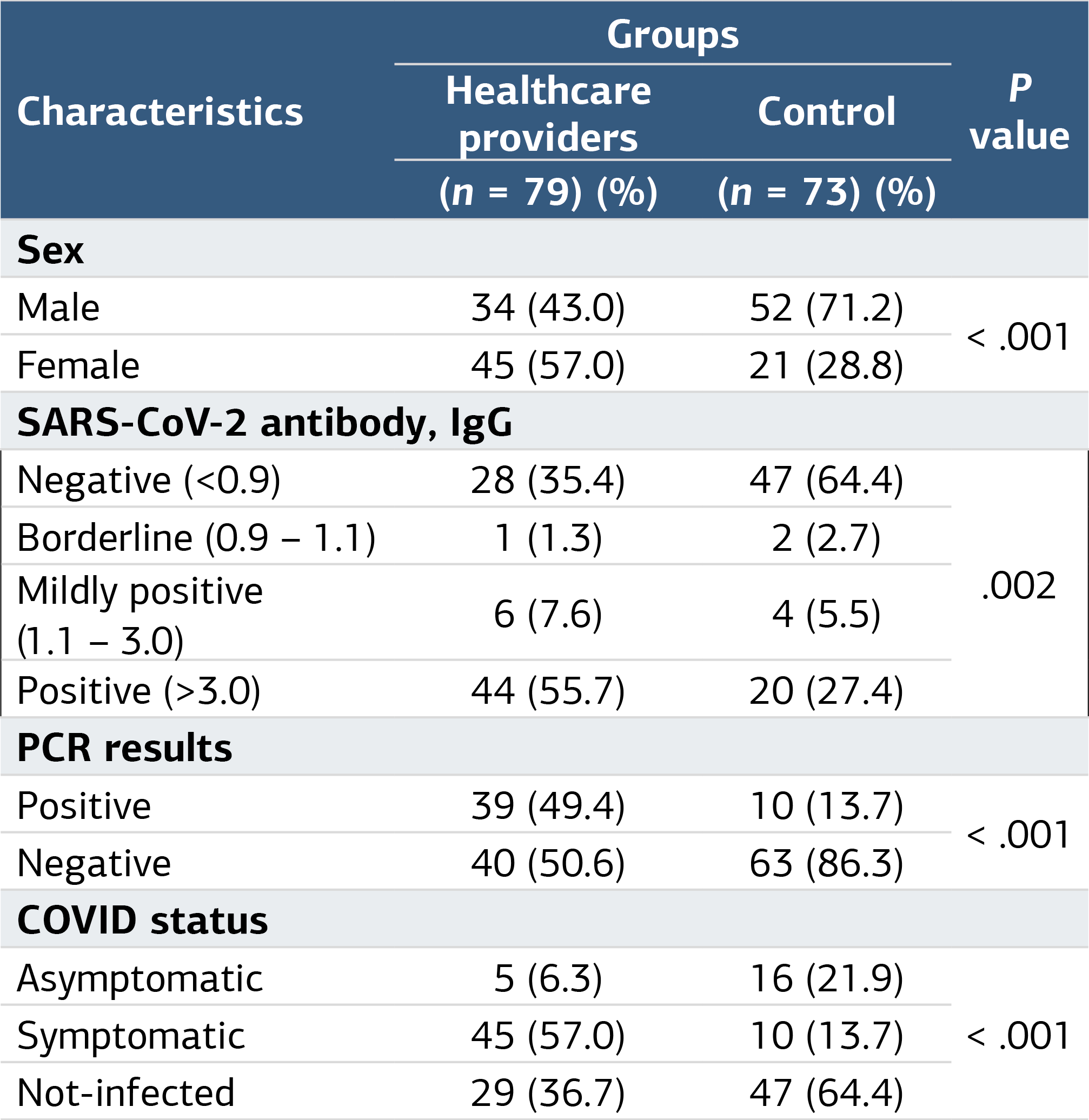
Table 2. Distribution of SARS-CoV-2 IgG levels between groups.

Figures
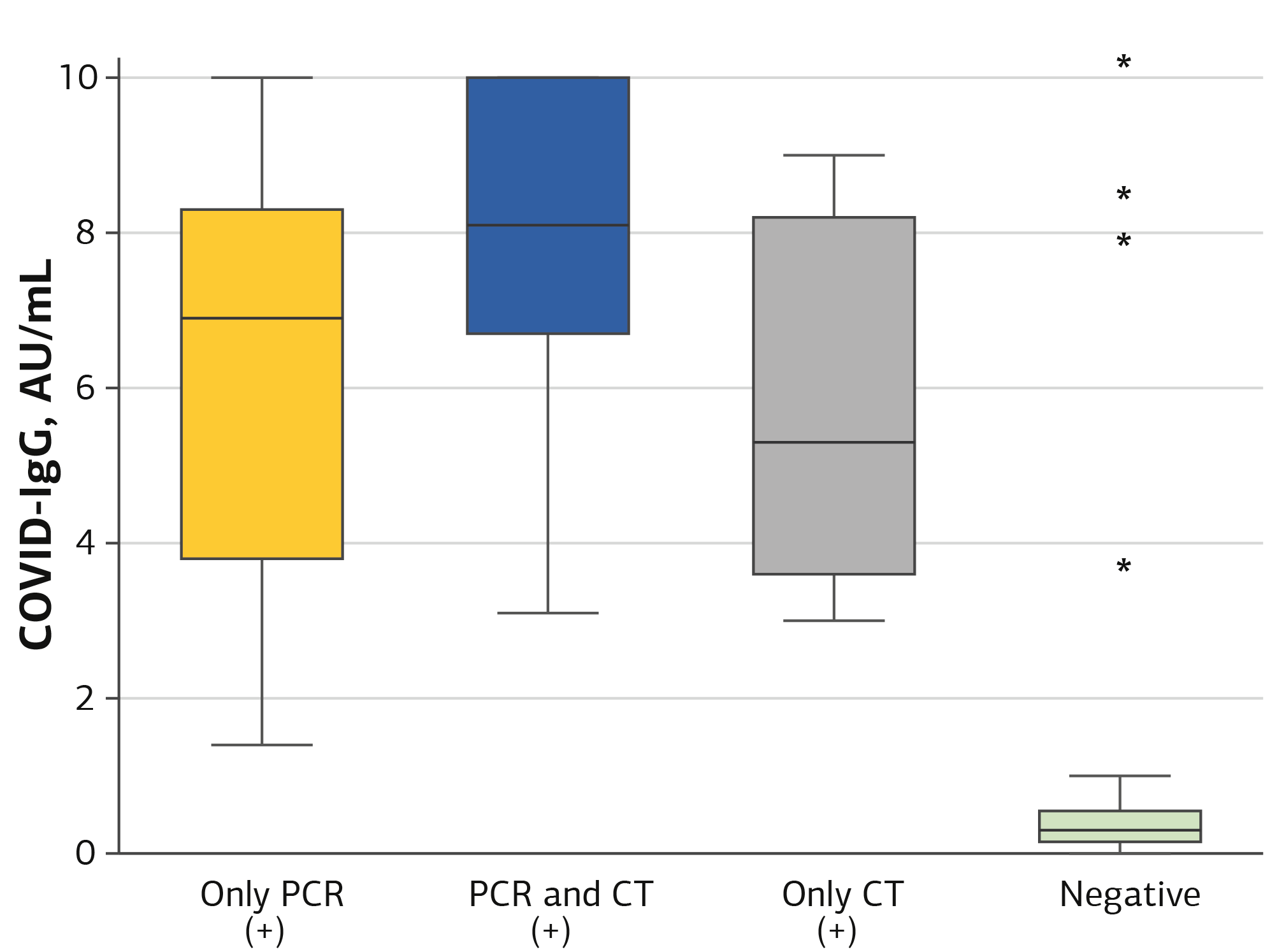
Figure 1. Graphical demonstration of the distribution of SARSCoV-2 IgG levels among emergency service workers according to PCR and CT results.
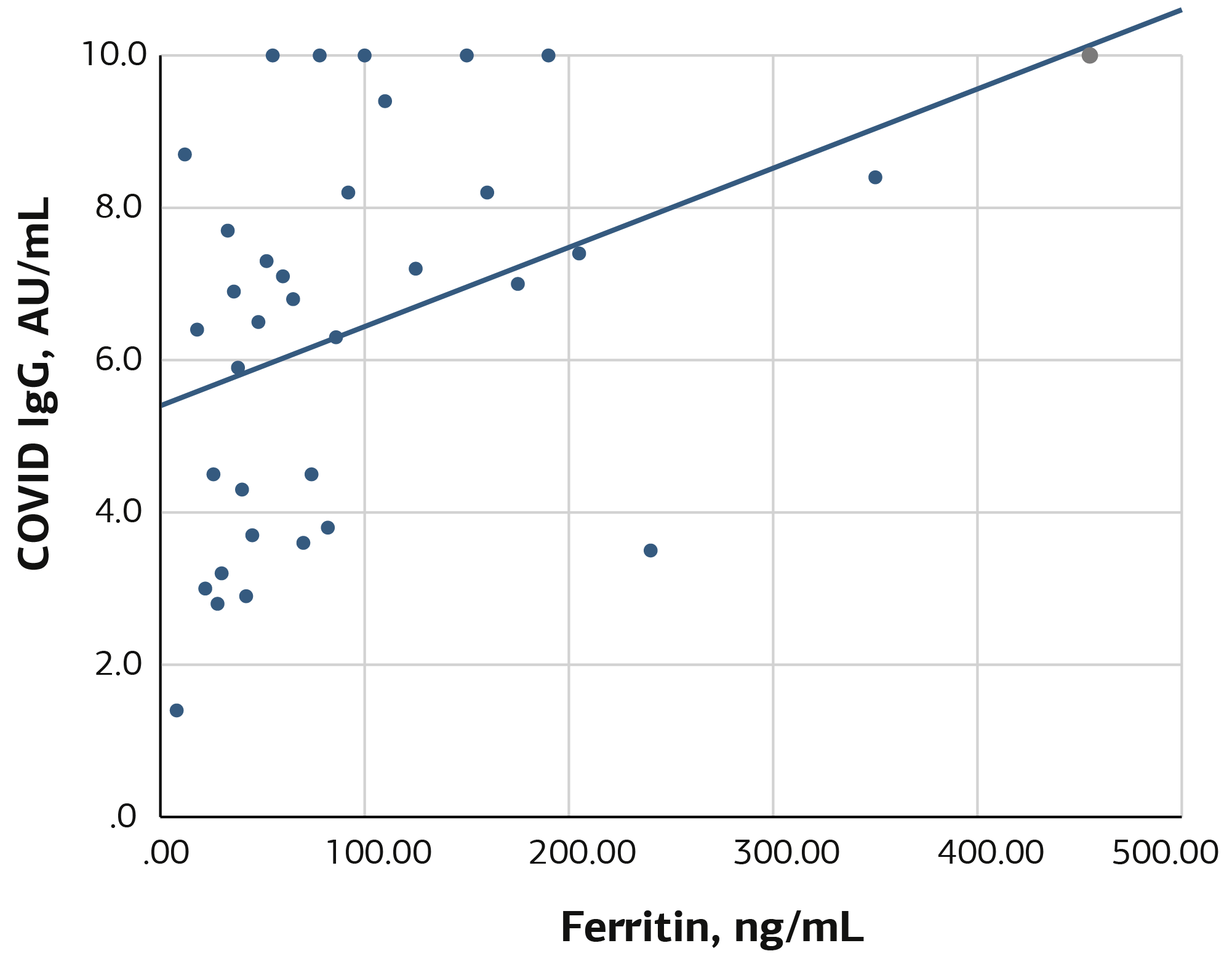
Figure 2. Correlation between ferritin and SARS-CoV-2 IgG levels
Additional Information
Publisher’s Note
Bayrakol MP remains neutral with regard to jurisdictional and institutional claims.
Rights and Permissions

This work is licensed under a Creative Commons Attribution-NonCommercial 4.0 International License (CC BY-NC 4.0). To view a copy of the license, visit https://creativecommons.org/licenses/by-nc/4.0/
About This Article
How to Cite This Article
Selin Celik, Ertugrul Altinbilek, Ozgur Cevrim, Nesrin Gareayaghi. Evaluation of COVID-19 antibody levels in emergency department healthcare workers. Ann Clin Anal Med 2024;15(1):7-10. doi:10.4328/ACAM.21575
Publication History
- Received:
- 03.01.2023
- Accepted:
- 02.03.2023
- Published Online:
- 09.11.2023
- Printed:
- 01.01.2024