
Abstract
AimThe aim of this study is to investigate relationship between immunoglobin (Ig) levels and severity of COVID-19 disease.MethodsThe study was carried out at Ayancık State Hospital. Ethics committee approval was obtained before starting the study. Patients who applied to Ayancık State Hospital between 2021-2022 and were diagnosed with COVID-19 over the age of 19 were included in the study. Data on demographic and laboratory parameters of patients were obtained from hospital information system records. Patient files with additional information were not included in the study. Demographic data, laboratory parameters and immunoglobulin levels of patients with severe and mild COVID-19 disease were compared.ResultsOf the patients diagnosed with COVID-19 included in the study, 28 (43.8%) were male and 36 (56.3%) were female. When the patients were evaluated according to age group, 44 (68.8%) were <65 years old and 20 (31.3%) were >65 years old. There was no significant difference between the severity of COVID-19 disease and the distribution of patients by gender and age group (respectively, P = .208; P = .059. There was a statistically significant difference in IgA, IgG, and IgM measurements between those with mild and severe disease (Respectively, P = .001, P = .001, P = .011). IgA (2.33), IgG (12.19) and IgM (1.31) measurements were higher in those with mild COVID-19 disease.ConclusionThe results showed that immunoglobulin indices were significantly lower in patients with severe COVID-19. Therefore, the lack of immunoglobulin can be considered an indicator of the severity of the disease and the potential poor outcome of the disease.
Keywords
Introduction
SARS-CoV-2 is the viral agent of the acute respiratory disease COVID-19 and one of the new members of the coronavirus family. This virus has been called COVID-19 by the World Health Organization.1 The COVID-19 virus has rod-shaped structures called spikes on its surface. The spikes are made of protein and glycoprotein and are placed on their surface after passing through the lipid membrane of the virus. The spikes are the virus’s main factor in attaching to human lung cells and entering them. There are other protein compounds in the structure of the membrane, shell, and covering of genetic material of COVID-19 viruses.2 The type and structure of these compounds, called antigens, lead to the stimulation of the human immune system.
Antigens of the SARS-CoV-2 virus are the main targets of the immune system response of infected people to destroy the virus and fight against it.3 Between 25 and 50 percent of people infected with COVID-19 may never develop symptoms, and some may only develop a mild illness.4 Serology tests will be able to identify these individuals and help researchers better assess the mortality rate from this disease. The production of antibodies in the blood increases and becomes detectable after a person is infected with infectious agents. In addition, over time, the type of antibodies also changes and passes from one type to another.5
Identification and reporting of cases of COVID-19 are mainly based on polymerase chain reaction (PCR) testing for people with clinical symptoms who go to clinics for treatment. However, one of the methods of estimating the actual cases of infection is serological tests because asymptomatic infections cannot be detected in routine tests based on clinical symptoms, and people who do not have clinical symptoms probably cannot be identified and reported.6 From a clinical point of view, the Ig antibody measurement generally indicates a person’s immune status against pathogens.7 Due to its low price, easy access, short duration of testing, convenient sampling, and no need for highly specialized laboratory equipment, this test is a standard method for early diagnosis and checking the history of people infected with the SARS-CoV-2 virus.8
In this study, we aimed to investigate the relationship between admission Ig levels with the severity of the COVID-19 disease.
Materials and Methods
The study was carried out at Ayancık State Hospital. Ethics committee approval was obtained before starting the study. Patients over the age of 18 who applied to Ayancık State Hospital between 2021-2022 and were diagnosed with COVID-19 were included in the study. Information on demographic and laboratory examinations of patients and information on COVID-19 disease were obtained from hospital information system records. Patients with missing file records were excluded from the study. The day of the first symptoms was accepted as the day of onset of the disease and the diagnosis of acute respiratory distress syndrome (ARDS) was made according to the Berlin 2012 definition. Demographic data and laboratory parameters of patients separated according to mild and severe COVID-19 disease clinic were evaluated comparatively.Ethical ApprovalThis study was approved by the Ethics Committee of Private Medicana Samsun Hospital (Date: 09.12.2021, Decison No: 7157).Statistical AnalysisFrequency and (n(%)) statistics were given for categorical (qualitative) variables, mean, standard deviation (mean±sd), minimum, maximum and median (Max-Min (M)) statistics were given for numerical (quantitative) variables. Evaluation was made with statistical tests according to the structure of the variables. First, it was checked whether the quantitative variables fit the normal distribution. The means were evaluated according to the results of the normal distribution. Ig measurements showed normal distribution. Square test was used to determine the relationship between disease severity and grouped variables. Differences in Ig measurements according to disease severity and demographic characteristics (sex, age) were analyzed by independent groups t-test. ROC analysis was used for the predictive levels and probabilities of the cut-off values of the variables of the determined Ig measurements. The data were analyzed in the SPSS 21 program and the significance level was taken as 0.05.Reporting GuidelinesThis study was reported in accordance with the STROBE guideline.
Results
Of the patients diagnosed with COVID-19 included in the study, 28 (43.8%) were male and 36 (56.3%) were female. When the patients were evaluated according to age group, 44 (68.8%) were <65 years old and 20 (31.3%) were >65 years old. There was no significant difference between the severity of COVID-19 disease and the distribution of patients by gender and age group (Respectively; P = .208; P = .059; Table 1). There was a significant difference between IgA, IgG ve IgM levels according to COVID-19 disease severity (Respectively, P = .001, P = .001, P = .011, Figure 1). The comparison of immunoglobulin levels according to the gender and age group of the patients and the severity of the COVID-19 disease is shown in Table 1. The results of the ROC analysis performed to examine the ability of Ig values to predict disease severity are shown in Table 2. It was determined that IgA, IgG and IgM measurements made a statistically significant difference in estimating the severity of COVID-19 disease (respectively, P = .013, P = .004, P = .004, Table 2). The specificity and sensitivity of these values are given in Figure 2. Estimation and detection probabilities of Ig measurements, which have a significant level of estimation of the disease level according to the ROC analysis results, according to the cut-off values, are given in Table 3. IgA was highest in those with severe disease. The relationship between disease severity and Ig measurement levels according to cutoff values is shown in Table 3. While there was no statistically significant relationship between disease severity and IgG and IgM levels (P = .078; P = .129), there was a significant difference between IgA and disease severity (P = .040) (Table 3). It was determined that most of the COVID-19 patients with severe disease (60.9%) had IgA below the threshold.
Discussion
Some studies show that measuring and checking immunoglobulin levels can help clinicians screen those prone to worsening symptoms in the early stages of the disease.5,9 In the present study, we investigated the role of Imnuglobin indices in predicting the worsening of symptoms of COVID-19 patients. Our results showed that IgA, IgG, and IgM have significant differences between the two groups of severe and mild disease and are significantly lower in patients with more severe symptoms. These findings are consistent with the results of previous studies.10,11 Also, in our study, IgA had the highest ability to predict the exacerbation of symptoms in patients. Some similar studies have found the highest predictability in IgM.12,13 and others in IgA.14,15 It seems that the difference in the demographic characteristics of the participants can explain this inconsistency. However, the results of these studies were consistent with the significant difference in immunoglobulin levels between patients with severe and mild disease. Studies show that immunoglobulin levels allow clinicians to diagnose patients with a poor prognosis at an early stage.12-15 Due to the lack of treatment methods for COVID-19, immunoglobulin-based treatments can be a potential and available option.13,15
In our study, from a total of 64 patients with COVID-19, immunoglobulin was significantly lower in patients with severe disease than in patients with mild disease. Piechotta et al.16 evaluated the prevalence of humoral immunodeficiency in patients with COVID-19. The results of this study showed a 29% IgG deficiency, 33% IgA deficiency, and 22% IgM deficiency in COVID-19 patients. Based on the results of this study and other similar studies.17 the prevalence of immunoglobulin disorders in patients with COVID-19 is relatively high. Considering that screening for immunodeficiency in patients with COVID-19 has benefits such as response to immunoglobulin replacement,14 shortening of hospital stay,15 and improvement of clinical symptoms,16 and there may be more serious long-term side effects such as chronic lung disease that can be prevented and treated by timely detection, immunological evaluation, especially humoral immunity,17 is suggested in patients with COVID-19, especially in severe cases.
Limitations
One of the limitations of this study is the small sample size and lack of examination of the history of immunoglobulin deficiency in patients. Also, all the participants in this study had been referred to a treatment center. Future studies can be conducted with a larger sample size, examining patients’ history of immunoglobulin deficiency and data from several treatment centers.
Conclusion
This study investigated the role of immunoglobulin indices in predicting the severe symptoms of COVID-19. The results showed that the immunoglobulin indices were significantly lower in patients with severe COVID-19. Therefore, the lack of immunoglobulin can be considered an indicator of the severity of the disease and the potential poor outcome of the disease. More studies are needed to investigate the role of IVIg in the treatment of COVID-19.
Declarations
Animal and Human Rights Statement
All procedures performed in this study were in accordance with the ethical standards of the institutional and/or national research committee and with the 1964 Helsinki Declaration and its later amendments or comparable ethical standards.
Informed Consent
Informed consent was waived due to the retrospective nature of the study.
Data Availability
The datasets used and/or analyzed during the current study are not publicly available due to patient privacy reasons but are available from the corresponding author on reasonable request.
Conflict of Interest
The authors declare that there is no conflict of interest.
Funding
None.
Abbreviations
ARDS: Acute respiratory distress syndrome
COVID-19: Coronavirus disease 2019
PCR: Polymerase chain reaction
ROC: Receiver operating characteristic
SPSS: Statistical Package for the Social Sciences
References
- Abdolahi N, Kaheh E, Golsha R, et al. Letter to the editor: efficacy of different methods of combination regimen administrations including dexamethasone, intravenous immunoglobulin, and interferon-beta to treat critically ill COVID-19 patients: a structured summary of a study protocol for a randomized controlled trial. Trials. 2020;21(1):549. doi:10.1186/s13063-020-04499-5
- Lisboa Bastos M, Tavaziva G, Abidi SK, et al. Diagnostic accuracy of serological tests for COVID-19: systematic review and meta-analysis. BMJ. 2020;370. doi:10.1136/bmj.m2516
- Cervia C, Zurbuchen Y, Taeschler P, Ballouz T, Menges D, Hasler S. Immunoglobulin signature predicts risk of post-acute COVID-19 syndrome. Nat Commun. 2022;13(1):446. doi:10.1038/s41467-021-27797-1
- Galeotti C, Kaveri SV, Bayry J. Intravenous immunoglobulin immunotherapy for coronavirus disease 2019 (COVID-19). Clin Transl Immunology. 2020;9(10). doi:10.1002/cti2.1198
- Herishanu Y, Rahav G, Levi S, et al. Efficacy of a third BNT162b2 mRNA COVID-19 vaccine dose in patients with CLL who failed standard 2-dose vaccination. Blood. 2022;139(5):678-685. doi:10.1182/blood.2021014085
- Gonzalez JLB, Gámez MG, Enciso EAM, et al. Efficacy and safety of convalescent plasma and intravenous immunoglobulin in critically ill COVID-19 patients: a controlled clinical trial. medRxiv. 2021;03:1-23. doi:10.1101/2021.03.28.21254507
- Hagin D, Freund T, Navon M, et al. Immunogenicity of Pfizer-BioNTech COVID-19 vaccine in patients with inborn errors of immunity. J Allergy Clin Immunol. 2021;148(3):739-749. doi:10.1016/j.jaci.2021.05.029
- Herishanu Y, Avivi I, Aharon A, et al. Efficacy of the BNT162b2 mRNA COVID-19 vaccine in patients with chronic lymphocytic leukemia. Blood. 2021;137(23):3165-3173. doi:10.1182/blood.2021011568
- Jabbari P, Rezaei N. With risk of reinfection, is COVID-19 here to stay? Disaster Med Public Health Prep. 2020;14(4). doi:10.1017/dmp.2020.274
- Lanza M, Polistina GE, Imitazione P, et al. Successful intravenous immunoglobulin treatment in severe COVID-19 pneumonia. IDCases. 2020;21. doi:10.1016/j.idcr.2020.e00794
- Marcos-Jiménez A, Sánchez-Alonso S, Alcaraz-Serna A, et al. Deregulated cellular circuits driving immunoglobulins and complement consumption associate with the severity of COVID-19 patients. Eur J Immunol. 2021;51(3):634-647.
- Muccioli L, Pensato U, Bernabè G, et al. Intravenous immunoglobulin therapy in COVID-19-related encephalopathy. J Neurol. 2021;268(8):2671-2675. doi:10.1007/s00415-020-10248-0
- Norman M, Gilboa T, Ogata AF, et al. Ultrasensitive high-resolution profiling of early seroconversion in patients with COVID-19. Nat Biomed Eng. 2020;4(12):1180-1187. doi:10.1038/s41551-020-00611-x
- Notz Q, Schmalzing M, Wedekink F, et al. Pro- and anti-inflammatory responses in severe COVID-19-induced acute respiratory distress syndrome: an observational pilot study. Front Immunol. 2020;11:581338. doi:10.3389/fimmu.2020.581338
- Petrović T, Alves I, Bugada D, et al. Composition of the immunoglobulin G glycome associates with the severity of COVID-19. Glycobiology. 2021;31(4):372-377.
- Piechotta V, Iannizzi C, Chai KL, et al. Convalescent plasma or hyperimmune immunoglobulin for people with COVID-19: a living systematic review. Cochrane Database Syst Rev. 2021;5(5). doi:10.1002/14651858.cd013600.pub4
- Pourahmad R, Moazzami B, Rezaei N. Efficacy of plasmapheresis and immunoglobulin replacement therapy (IVIG) on patients with COVID-19. SN Compr Clin Med. 2020;2(9):1407-1411. doi:10.1007/s42399-020-00438-2
Tables
Table 1. Comparison of Ig Measurements by Gender and Age
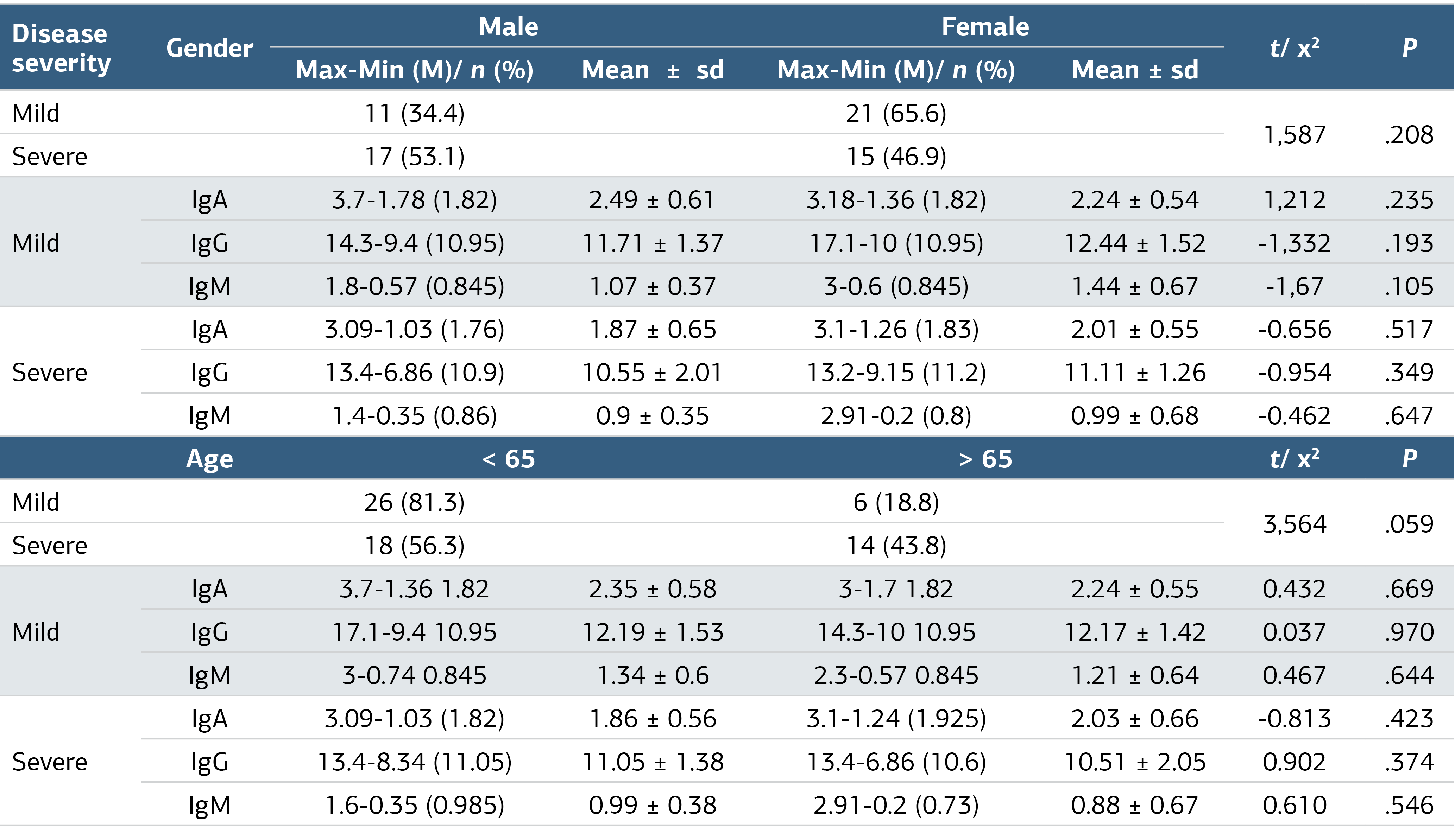
*P < .05 significant difference, P > .05 no significant difference; t-test; Chi -square test
Table 2. ROC Analysis of Ig Measurements of Disease Severity
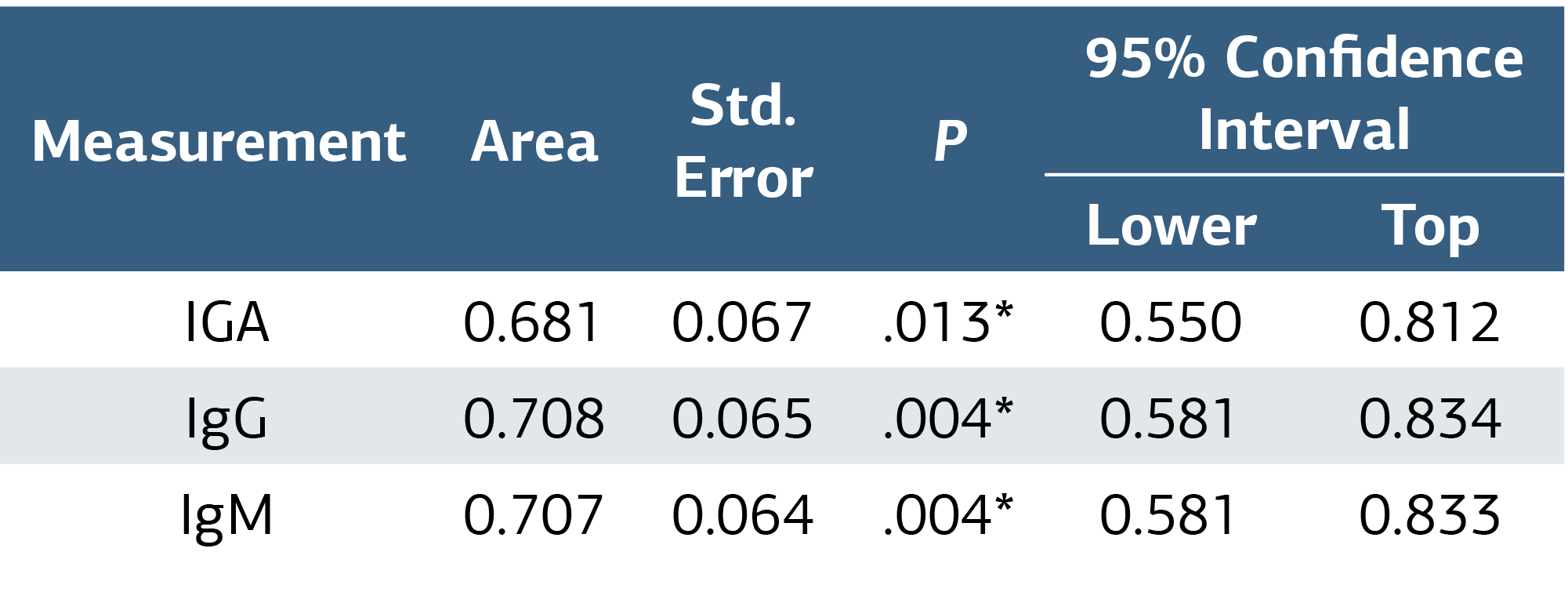
*P < .05 significant area, P > .05 not significant; ROC
Table 3. Cut-off Values and Estimation Probabilities of Measures Determined for Disease Severity and the Relationship between Disease Severity and Levels of Ig Measurements According to Cut-off Values
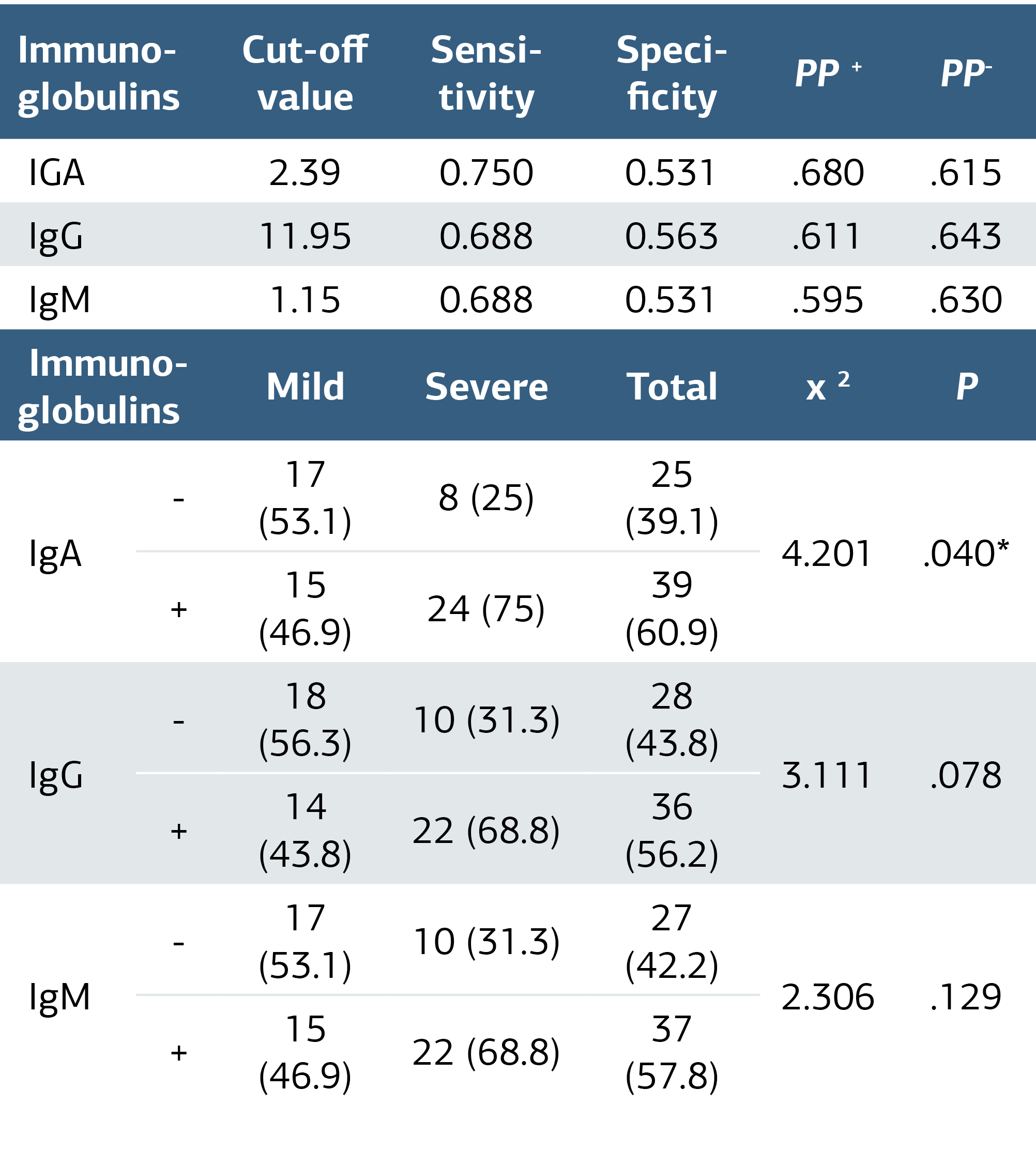
*P < .05 significant relationship, P > .05 no significant relationship; Chi -square test
Figures
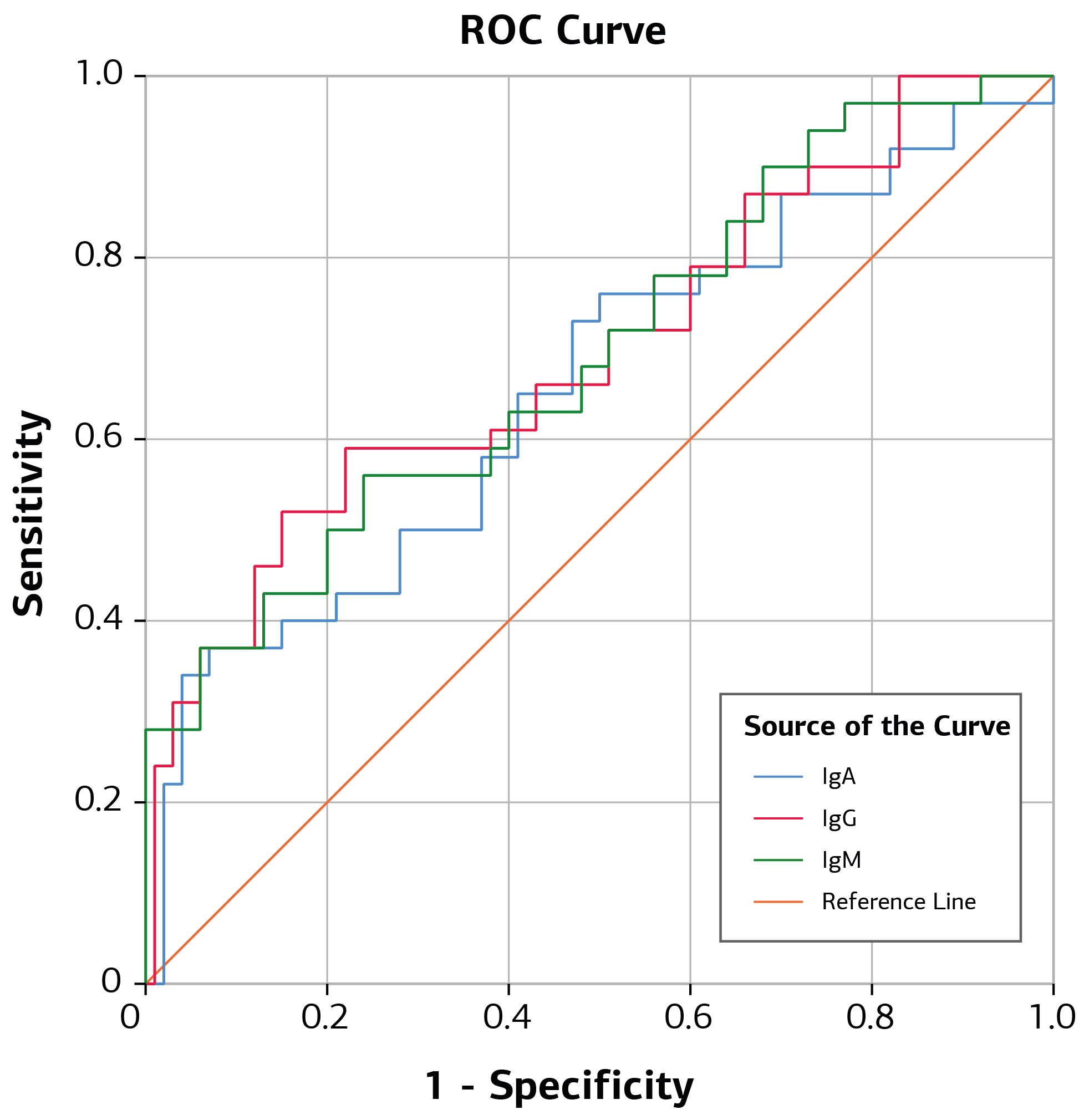
Figure 1. ROC Curve Analysis of Immunoglobulin Measures
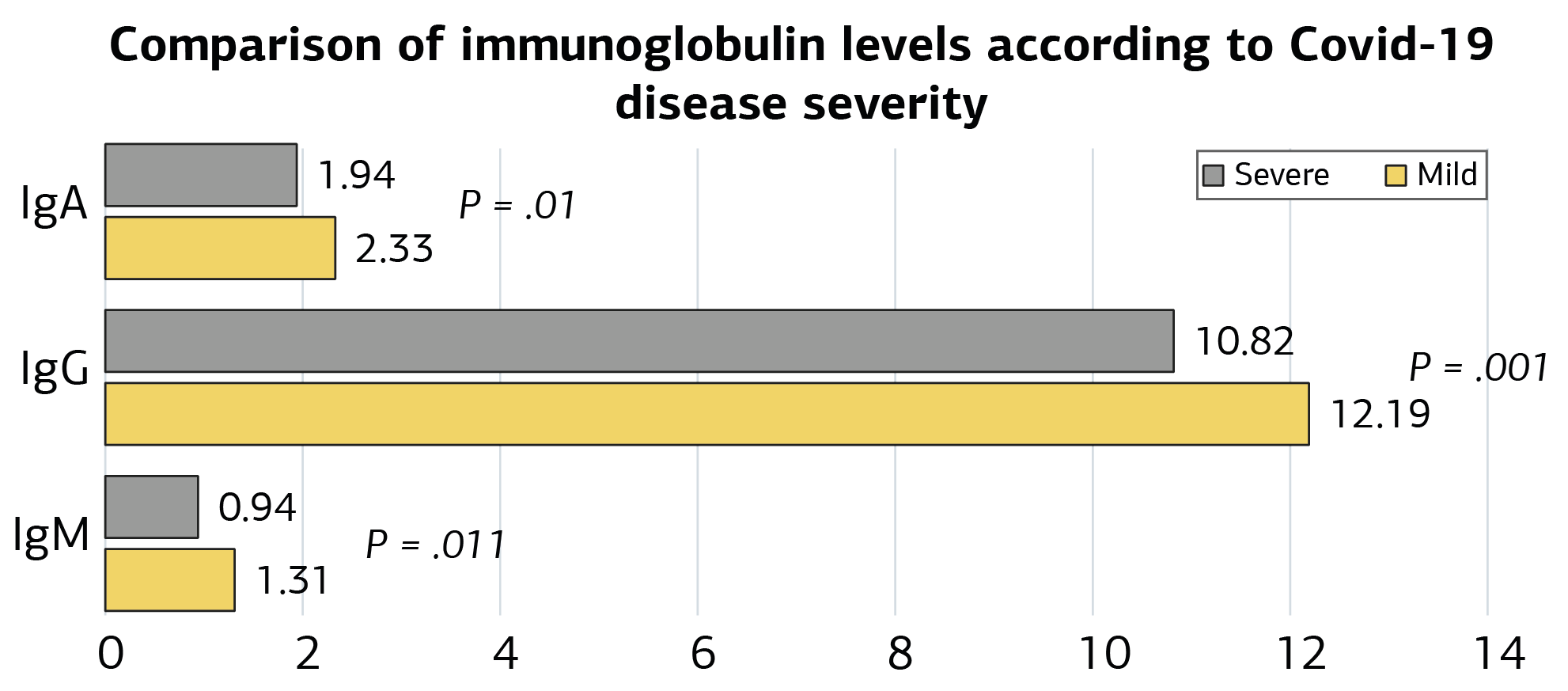
Figure 2. Comparison of Immunoglobulin Levels According to Covid-19 Disease Severity
(*P < .05 significant difference, P > .05 no significant difference; t-test)
Additional Information
Publisher’s Note
Bayrakol MP remains neutral with regard to jurisdictional and institutional claims.
Rights and Permissions

This work is licensed under a Creative Commons Attribution-NonCommercial 4.0 International License (CC BY-NC 4.0). To view a copy of the license, visit https://creativecommons.org/licenses/by-nc/4.0/
About This Article
How to Cite This Article
Zeynep Ergenç, Hasan Ergenç, Ahmet Öztürk, Tezcan Kaya, Ahmet Nalbant, Cengiz Karacaer, Mustafa Usanmaz, İbrahim Hakkı Tör, Ersin Alkılınç, Gülsüm Kaya, Özlem Karaca Ocak, Özgür İnce. The relationship between admission immunoglobulin levels with the severity of the COVID-19 disease. Ann Clin Anal Med 2024;15(4):221-224. doi:10.4328/ACAM.21731
Publication History
- Received:
- 17.04.2023
- Accepted:
- 05.06.2023
- Published Online:
- 22.02.2024
- Printed:
- 01.04.2024