
Abstract
AimCord blood, sourced from umbilical cords, is extensively utilized as hematopoietic stem cells in marrow transplants. This study examined the correlation between cord blood quality and newborn weight, with an emphasis on volume and weight. Influential factors included volume, neonatal weight, placental weight, cord length, maternal age, birth sequence, gestational age, and environmental conditions. While the association between newborn weight and cord blood quality has been established, this study investigates the relationship within Turkey’s autologous cord blood banking.MethodsThis study adopted a cross-sectional and retrospective design, utilizing data collected from the KordData program between September 1, 2018, and January 1, 2019. The dataset comprised information on 50 female and 50 male newborns. Pearson’s correlation tests were used to evaluate the correlation between newborn weight and blood volume.ResultsThe study revealed that newborn weight and collected cord blood volume were positively correlated for both male and female infants. The average birth weight of female infants was 3274 g, with an average cord blood volume of 84.2 ml. Male infants had an average birth weight of 3319 g, with an average collected blood volume of 90.9 ml.ConclusionThis study is consistent with existing literature, emphasizing the positive correlation between newborn weight and cord blood volume. Addressing collection challenges is crucial for success, and requires medical expertise. This sheds light on the relationship in cord blood banking, emphasizing the role of cord blood volume in stem cell sourcing. Despite these limitations, further research is required to confirm these results.
Keywords
Introduction
Over the past 30 years, cord blood has proven its effectiveness and success as a source of hematopoietic stem cells, particularly in bone marrow transplantation.1,2 Derived from the umbilical cord tissue, placental extension and cord blood quality are influenced by various factors. Among these, the collected blood volume, newborn weight, placental weight, cord length, maternal age, and factors such as birth order and gestational week were the most notable. Additionally, modifiable environmental factors, such as maternal smoking, impact cord blood stem cell quality.3 Essential for cord blood to be used in stem cell and cellular therapies, quality control tests involve calculating CD34+ cells (hematopoietic stem cells) and total nucleated cell (TNC) counts.4-6 Forty-five articles exploring the relationship between newborn weight and cord blood quality were found in the literature.7 These articles revealed positive correlations among thirty-seven studies with volume, thirty-three with TNC, and thirty with CD34+ cell count and colony-forming unit (CFU) count.7,8 Although data on this topic are scarce in the Turkish literature, no data exist regarding autologous cord blood banking. Newborn weight has been deemed a paramount parameter for predicting cord blood quality, with the added advantage of being assessable by obstetricians and gynecologists before birth.9 Cord blood collection may be influenced by structural factors such as newborn characteristics and the collection process itself. The primary goal is to maximize the collected blood volume.10 This study aimed to examine the relationship between two pivotal parameters determining cord blood quality, blood volume and newborn weight, in individuals seeking autologous cord blood banking services in Türkiye.
Materials and Methods
This study adopted a cross-sectional retrospective design. Data recorded in the Akdeniz University Technopark Babylife Cord Blood Bank and Human Cell-Tissue Production Center Data program between September 1, 2018, and January 1, 2019, were scanned and subjected to statistical analysis. The study examined data from 50 female and 50 male newborns.Ethical ApprovalEthical approval was granted by the Akdeniz University Faculty of Medicine Clinical Research Ethics Committee on Date: 21.02.2018, Decision No: 147. Ethics Committee approval for the study was obtained.Statistical AnalysisPearson’s correlation tests were performed using SPSS 21.0. The Pearson correlation coefficient (r) was determined and the P value was found to be less than 0.05, indicating statistical significance.Reporting GuidelinesThis study was reported in accordance with the STROBE guideline.
Results
The average birth weight of female infants was 3274 g, with an average cord blood volume of 84.2 ml. Male infants had an average birth weight of 3319 g (Figure 1 A), with an average collected blood volume of 90.9 ml (Figure 1B). To eliminate the influence of sex, the correlation between infant weight and collected blood volume was assessed separately in female and male infants. Positive correlations were identified in both groups (Figure 2, Figure 3).
Discussion
This study, based on data from individuals seeking autologous cord blood banking in the Turkish population, supports the findings in the literature. A positive relationship between infant weight and blood volume was observed. This underscores the critical role of collected cord blood volume in determining stem cell source adequacy and treatment potential.7,8 Cord blood collection challenges include rapid clotting, which can affect the collection process and result in situations in which clotting occurs during collection. Similarly, technical difficulties or factors such as baby positioning during collection may lead to insufficient blood collection. These challenges affect collection reliability and successful outcomes. Obstetricians, gynecologists, and midwives play a pivotal role in addressing these challenges by informing expectant mothers of cord blood before birth. This minimizes collection problems and ensures successful completion, increasing awareness and informed decision-making by pregnant women.9
Hematopoietic stem cell therapies play a crucial role in various clinical applications. Hematopoietic stem cells in the cord blood are preferred for treating blood cancers and similar disorders. Furthermore, stem cells found in cord blood show potential for tissue regeneration and regenerative therapies. Lymphocyte types in the cord blood also contribute significantly to clinical applications. T lymphocytes and natural killer (NK) cells play vital roles in regulating immune responses and cancer immunotherapy.10
Limitations
Limitations include the study’s cross-sectional and retrospective nature, which affects data collection conditions, and data being derived from a single autologous cord blood bank, which limits the generalizability of the results.
Conclusion
This study presents the results of a cross-sectional and retrospective investigation of individuals seeking autologous cord blood banking in Turkey. These results highlight the positive relationship between infant birth weight and collected cord blood volume, emphasizing the critical role of collected cord blood volume in determining collection effectiveness and stem cell source adequacy. This study underscores the importance of the experience and expertise of obstetricians, gynecologists, and midwives in the cord blood collection process. Further comprehensive and controlled prospective studies are required to confirm these findings.
Declarations
Animal and Human Rights Statement
All procedures performed in this study were in accordance with the ethical standards of the institutional and/or national research committee and with the 1964 Helsinki Declaration and its later amendments or comparable ethical standards.
Informed Consent
Informed consent was waived due to the retrospective nature of the study.
Data Availability
The datasets used and/or analyzed during the current study are not publicly available due to patient privacy reasons but are available from the corresponding author on reasonable request.
Conflict of Interest
The authors declare that there is no conflict of interest.
Funding
None.
References
- Kurtzberg J, Troy JD, Page KM, et al. Unrelated donor cord blood transplantation in children: lessons learned over 3 decades. Stem Cells Transl Med. 2023;12(1):26-38. doi:10.1093/stcltm/szac079
- Sanchez-Petitto G, Rezvani K, Daher M, et al. Umbilical cord blood transplantation: connecting its origin to its future. Stem Cells Transl Med. 2023;12(2):55-71. doi:10.1093/stcltm/szac086
- Burgucu D. Effect of smoking on the hematopoietic stem cell count in cord blood. Ann Clin Anal Med. 2021;12(suppl 1). doi:10.4328/acam.20339
- Wang X, Gong S, Zhu W, Fu H, Sun H. A systematic review and meta-analysis of cord blood collection practices. Transfusion. 2019;59(6):1993-2004.
- Salge-Bartels U, Huber HM, Kleiner K, Volkers P, Seitz R, Heiden M. Evaluation of quality parameters for cord blood donations. Transfus Med Hemother. 2009;36(5):317-324. doi:10.1159/000232384
- Naseri Mobaraki S, Abroun S, Atashi A, Kaviani S. Evaluation of expansion and maintenance of umbilical cord blood CD34+ cells in the coculture with umbilical cord blood-derived mesenchymal stem cells in the presence of microcarrier beads. Cell J. 2023;25(3):184-193. doi:10.22074/cellj.2022.557607.1084
- Omori A, Chiba T, Kashiwakura I. Relationship between radiosensitivity of human neonatal hematopoietic stem/progenitor cells and individual maternal/neonatal obstetric factors. J Radiat Res. 2010;51(6):755-763. doi:10.1269/jrr.10115
- Kudo Y, Minegishi M, Seki O, et al. Quality assessment of umbilical cord blood units at the time of transplantation. Int J Hematol. 2011;93(5):645-651. doi:10.1007/s12185-011-0830-y
- Solves P, Perales A, Moraga R, Saucedo E, Soler MA, Monleon J. Maternal, neonatal, and collection factors influencing the haematopoietic content of cord blood units. Acta Haematol. 2005;113(4):241-246. doi:10.1159/000084677
- Berrien-Elliott MM, Jacobs MT, Fehniger TA. Allogeneic natural killer cell therapy. Blood. 2023;141(8):856-868. doi:10.1182/blood.2022016200
Figures
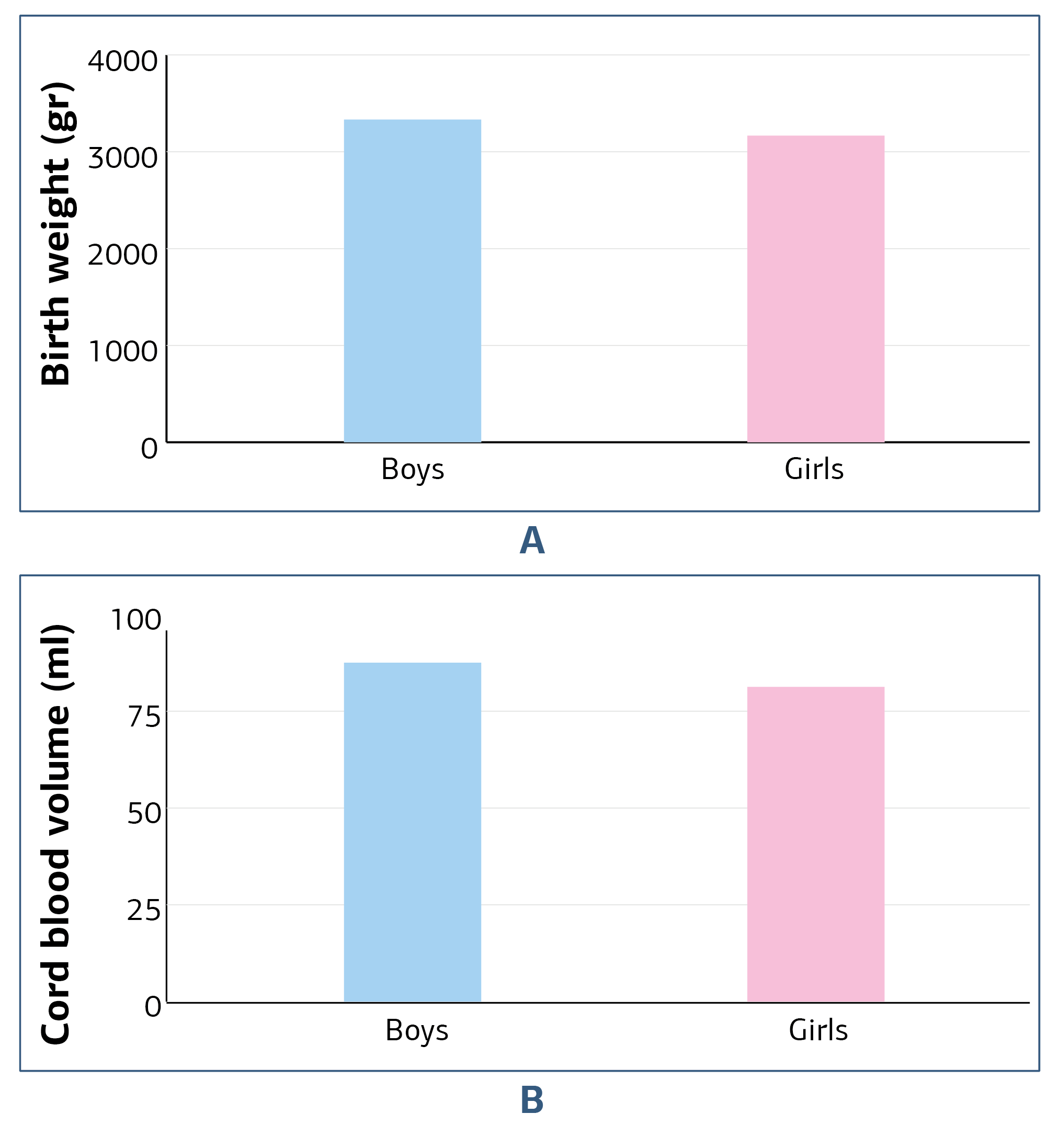
Figure 1. A) Newborn birth weight B) Collected cord blood volumes
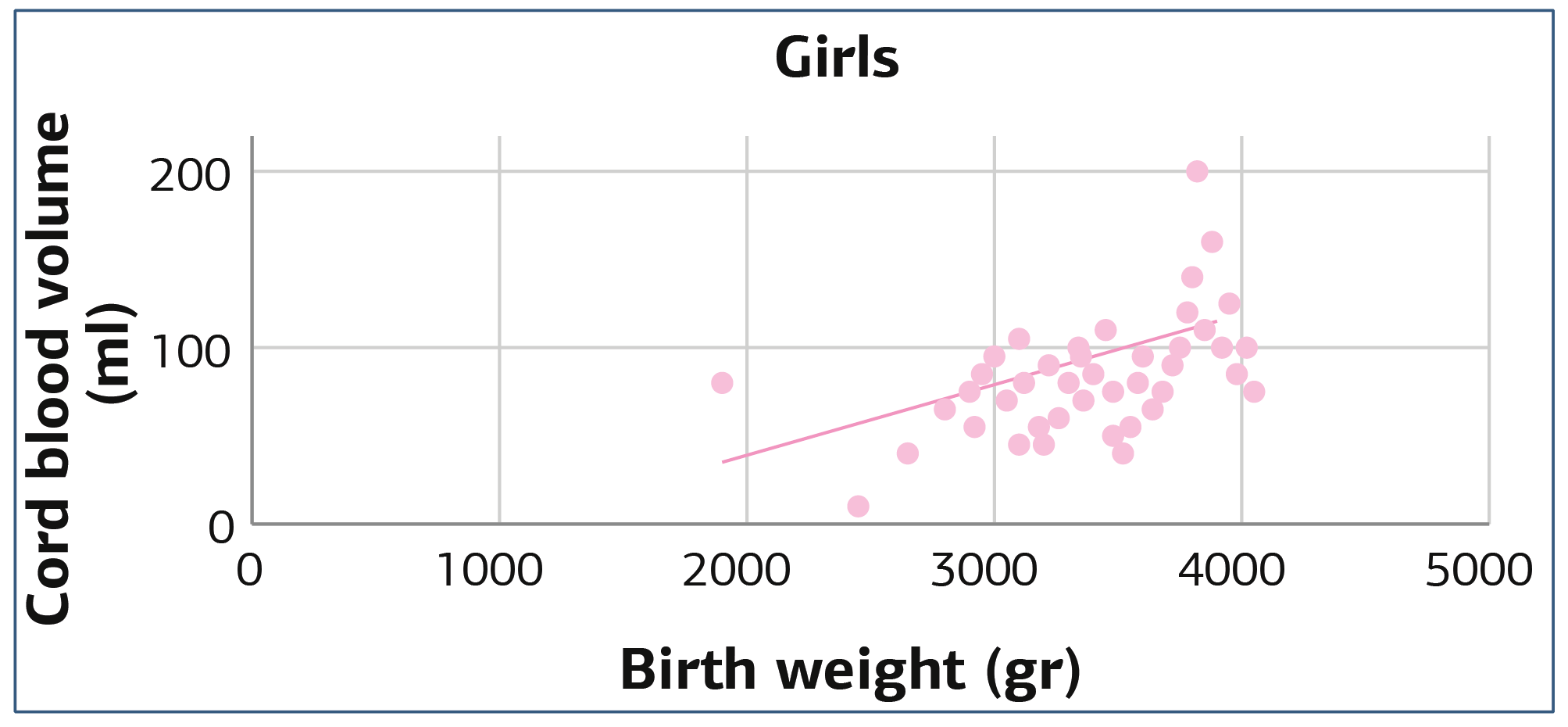
Figure 2. Comparison of newborn weight and cord blood volume (female infant). (n = 50) [p
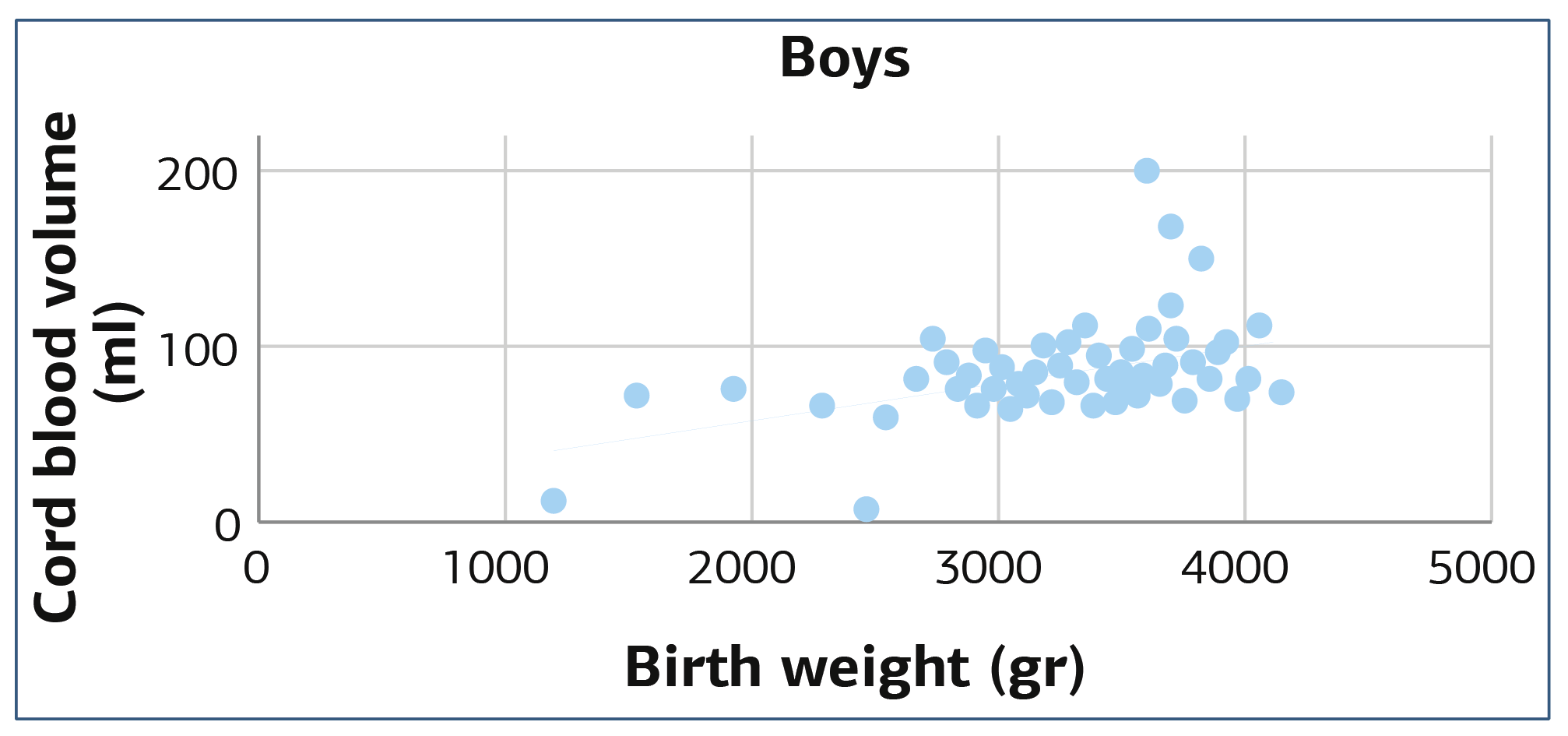
Figure 3. Comparison of newborn weight and cord blood volume (male infant). (n = 50) [p
Additional Information
Publisher’s Note
Bayrakol MP remains neutral with regard to jurisdictional and institutional claims.
Rights and Permissions

This work is licensed under a Creative Commons Attribution-NonCommercial 4.0 International License (CC BY-NC 4.0). To view a copy of the license, visit https://creativecommons.org/licenses/by-nc/4.0/
About This Article
How to Cite This Article
Melek Büyükkınacı Erol, Durmus Burgucu. Cord blood quality: examination of newborn weight and blood volume in autologous cord blood banking – a single-center experience. Ann Clin Anal Med 2024;15(1):25-27. doi:10.4328/ACAM.21869
Publication History
- Received:
- 14.08.2023
- Accepted:
- 09.09.2023
- Published Online:
- 28.10.2023
- Printed:
- 01.01.2024