
Abstract
Aim The current study was conducted to evaluate the pattern of analgesic use and the occurrence of side effects among the Saudi population in Arar, Saudi Arabia. Methods The study was conducted via a cross-sectional electronic questionnaire among Saudi citizens in Arar city, Saudi Arabia. The questionnaire contains 11 questions about the demographics of participants, pattern of use, side effect, and source of information. Results Three hundred and ninety subjects aged 12 to 70 years (98 males and 292 females) participated in the study. Generally, paracetamol was the most used analgesic (50%), followed by ibuprofen (40%). Combined use of analgesics was reported by 49 participants (12%). There was a significant difference in the types of analgesics used according to the gender and age of the participants (P < .001). Regarding the frequency of analgesic use, 308 (78.7%) reported using analgesics when indicated, while daily, weekly, and monthly use were also reported among 5.6%, 8.2% and 7.4% of participants, respectively. Headache was the most reported indication for analgesic use (66.4%). Most participants (227, 58.2%) reported using analgesics after meals. Side effects were reported in 111 participants (28.5%). Drowsiness was the most common side effect (11.3%). Side effects were significantly higher among participants using NSAIDs analgesics (P < .001). Conclusion The pattern of analgesic use in Arar is generally satisfactory and rationalized without reported misuse. Healthcare professionals are the most common source of awareness, which shows the effectiveness of outreach awareness campaigns.Keywords
Introduction
The practice of using drugs that have not been prescribed, recommended, or controlled by a certified healthcare professional is also known as “over-the-counter” (OTC) medication.1 Self-medication is a term that can be used to describe patients who treat self-diagnosed disorders or symptoms with non-prescription medications without consulting a doctor and under medical supervision.2,3 For instance, nonsteroidal anti-inflammatory drugs (NSAIDs) and acetaminophen (paracetamol) are analgesic types of OTC medications that are commonly used worldwide.4,5 Fortunately, they are considered safe when used correctly.
The analgesic effect occurs when the prostaglandin is inhibited in the hypothalamus by using paracetamol. Furthermore, it can function in the peripheral nervous system by increasing the pain threshold and inhibiting prostaglandin synthesis in the central nervous system to block pain impulse generation. It is frequently used for fever and pain relief. However, it has some side effects such as disorientation, dizziness, gastrointestinal bleeding, laryngeal edema and nephrotoxicity.6 Unintentional paracetamol overdose has the potential to result in liver failure.7 Additionally, NSAIDs like diclofenac, ibuprofen, and aspirin act by inhibiting cyclooxygenase (COX 1–2); they provide analgesic effect, anti-inflammatory, and antipyretic properties, and may also prevent platelet function. The long-term use of NSAIDs may result in duodenal or gastric ulcers.8
Many previous studies have evidenced that over the past three decades, analgesic use has remarkably increased in both developing and developed countries.9 For example, one study conducted a systematic review of Middle Eastern countries and found that these areas frequently use OTC drugs, with KSA ranking fourth at 35.4% (after Iran, Pakistan, and Jordan).10 Moreover, some local studies found that analgesics, specifically diclofenac sodium, were the most prescribed class of medication in KSA, with a percentage of 67%.11 According to reports, self-medication with OTC analgesics is a global public health issue.12,13 Finally, a study conducted in central Saudi Arabia reported that 41.8% of OTC medications involved analgesics.14
Inappropriate or irrational use of analgesics leads to increased morbidity and mortality rates and deterioration of the quality of life, and may also lead to misuse of healthcare resources and increased healthcare costs.9 Public awareness of the side effects of medications is mandatory, especially for OTC medications, to prevent their abuse and hazardous effects. Hence the current study aimed to evaluate the pattern of use, side effects and sources of information among the population of Arar, Northern Border province, to help local health authorities evaluate the magnitude of the problem of analgesic misuse in Arar.
Materials and Methods
Study DesignThe study was conducted as a cross-sectional study between January to March 2023 using an online Google form, which was distributed by the research team in the different areas of Arar and through the common social communications platforms.Participants and Sample SizeThe sample size was identified by utilizing the equation n = z²p(1-p)/e² (n = sample size, z = degree of confidence based on standard normal distribution, p = approximate proportion of the population exhibiting the trait, and e = tolerated margin of error). A proper sampling method was utilized. Expected sample for robust data was expected to be over 350 participants from various age groups, occupations, and educational levels. Only responses collected from Saudi citizens above 18 years of age were considered for data analysis. Data were collected using the adapted questionnaire from Karami et al.8 after their permission, with a few modifications, that was distributed online to the public population on specific social media platforms, including WhatsApp and Twitter, which included questions relevant to the study objectives.Ethical ApprovalThe study was approved by the local bioethics committee of Northern Border University on 2/2/2023 (Decision No. 26/44/H). The aim of the study was clarified to the participants and their data were kept confidential at all stages of the study.Statistical AnalysisCategorical variables were compared using the chi-square test. A two-sided P value < .05 was considered statistically significant.Reporting GuidelinesThis study was reported in accordance with the STROBE guideline.
Results
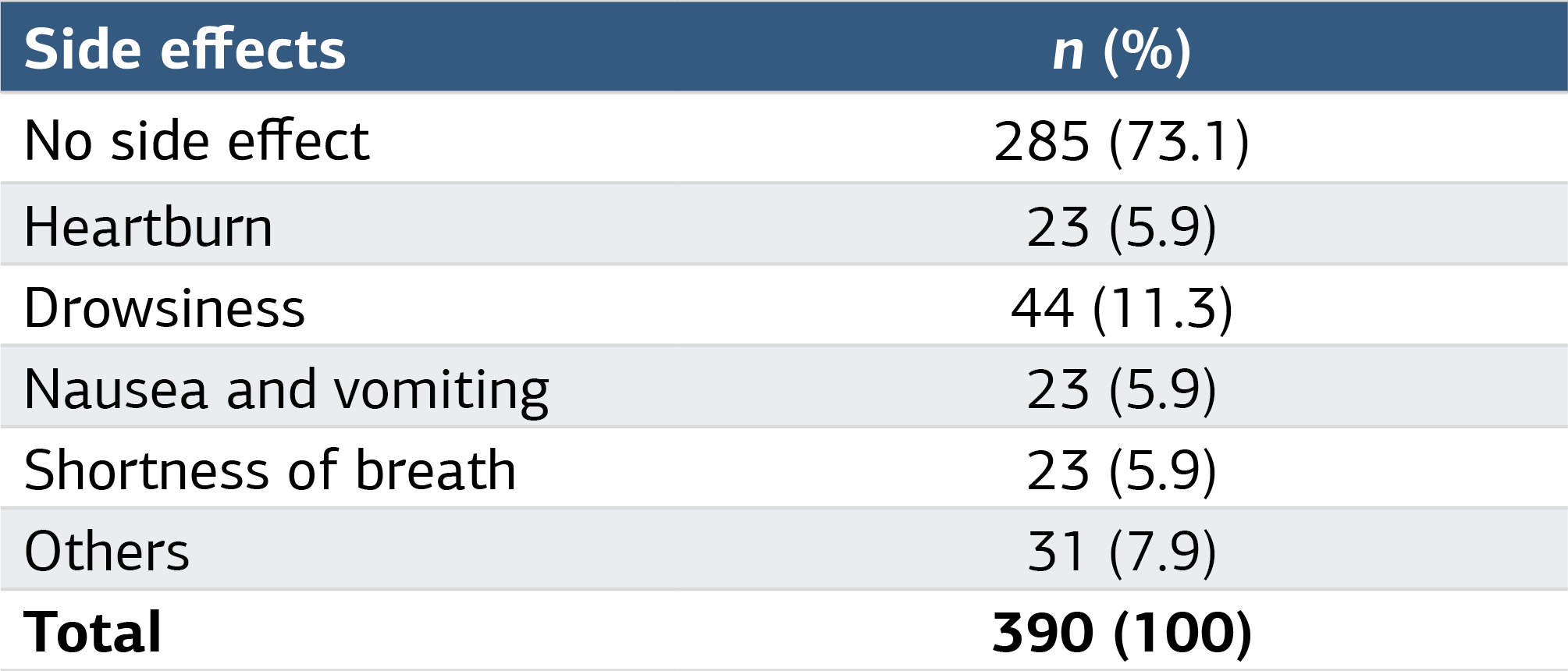
As the questionnaire was modified from another referenced one, thus, being a self-constructed one, it was validated by a test of validity (Cronbach’s alpha test) with an alpha coefficient of all questionnaire items of 0.82. Three hundred and ninety subjects (98 males and 292 females) aged from 12 to 70 years (average 56.1 ± 12.2 years) participated in the study; 65.9% of participants reported university and postgraduate education (Table 1). Around 97% of female respondents and 73% of male respondents reported using at least one analgesic. According to the type of analgesics used, generally, paracetamol was the most used analgesic among 195 participants (50%), followed by ibuprofen (40%). Forty-nine participants (12%) reported usage of more than one type of analgesics. There was a significant difference in the types of used analgesics according to the gender and age of the participants (P < .001; chi-square df: 23.55, 4 and 71.75, 16, respectively). Ibuprofen was the most used analgesic among females (46%) and participants aged below 20 years (70%) (Figure 1). According to the frequency of analgesic use, 308 (78.7%) reported using analgesics when indicated, while daily, weekly, and monthly use were also reported among 5.6%, 8.2% and 7.4% of participants, respectively due to chronic and repeated pain. Headache, dental pain, fever, and menstrual pain were the most reported indications for analgesic use among participants (66.4%, 31%, 27.4%, and 24.4%, respectively). Regarding timing of administration, 227 (58.2%) participants reported using analgesics after meals, while 96 participants (24.6%) did not report a definite timing. Side effects were reported in 111 participants (28.5%). Drowsiness, heartburn, nausea and vomiting were the most common side effects (11.3%, 5.9% and 5.9%, respectively) (Table 2). Thirty-nine participants reported more than one side effect. After the exclusion of participants who reported using paracetamol with NSAIDs (13 participants), side effects were significantly higher among participants using NSAIDs analgesics (P < .001) with the risk of side effects being approximately twice as high. Interestingly, participants’ top source of information about analgesics was healthcare professionals (about 50%), followed by family and friends, internet sources, and the media among 32%, 20%, and 10% of participants, respectively.Discussion
The present study examined patterns of analgesic use in the general population as well as the side effects of analgesics. According to the respondents, the use of analgesics was more prevalent among female participants than male respondents, which is consistent with surveys conducted in the Kingdom of Norway and Saudi Arabia, as well as what was reported in studies conducted in the United States that found that women are more conservative about analgesics than males.15-17 Paracetamol, followed by ibuprofen (NSAID), was the most used analgesic in Arar, KSA, according to previous studies conducted in Saudi Arabia.15-17 However, in Germany, another study showed the opposite result18 according to their pattern of use. Paracetamol is now available in many shops, aiding many patients in the treatment of minor complaints, while still ignoring the danger of dependence or overuse. Additionally, ibuprofen and diclofenac were the second most popular OTC analgesics optioned by the general population. This high rate of NSAID use is most likely due to its high availability, low cost, and excellent safety record.19 They are most often used for more severe pain, such as toothache or pain that does not respond to paracetamol. Furthermore, a low frequency of repeated use was reported in this study, with 78.7% of the participants using them as needed and 7.4% using them only every few months. Daily (5.6%) and weekly (8.2%) use were consistent with results from a previous study in the Eastern region.20 In this study, female gender was associated with a higher frequency of analgesics use (p=). This was consistent with the findings of three previous studies.21 This is understandable as past research has shown that females exhibit a higher sensitivity to pain than males.22 Higher level of education was markedly associated with lower frequency of analgesic use (P < .001), which is consistent with many previous studies.23 Drowsiness, heartburn, nausea and vomiting were the most common reported side effects (11.3%, 5.9% and 5.9%, respectively). This is similar to a previous study conducted in 2001 in Italy that demonstrated mainly gastrointestinal symptoms reported by 5.5% of users and occurring primarily with diclofenac, piroxicam, ibuprofen, and ketoprofen.24 In addition, the use and availability of OTC NSAIDs are increasing as a result, and the side effects were significantly higher among participants using NSAID analgesics (P < .001), with the risk of side effects being approximately twice as high. It is known that non-steroidal anti-inflammatory drugs (NSAIDs) when used therapeutically have greater adverse effects than paracetamol.9 However, this study had a few limitations. First, the sample size was small and needs to be enlarged to increase its statistical power, specifically, the number of participants with a level of education lower than high school. Second, the survey only used the brand names of the most popular drugs; thus, not all brands were included.Limitations
The main limitation of the current study was that the number of female participants was nearly triple the number of males hence further analytical tools were recommended to validate the results obtained in this research.
Conclusion
Analgesics were reported to be used by all participants, with common combinations between the different types. Paracetamol was the most used among males, while ibuprofen was most common among females and young age groups. Around 79% of participants only used analgesics when indicated. Headache and dental pain were reported to be the most common indications, taken by people for a variety of conditions, including headache, fever, and toothache. Analgesics were commonly used after meals. Side effects were reported in only around 25% of participants, with drowsiness and gastrointestinal manifestations being the most common.
To conclude, the pattern of use of analgesics in Arar is generally accepted and rationalized without reported abuse among participants and accepted levels of occurrence and types of side effects. Healthcare professionals are the most common source of use, which shows the effectiveness of counselling and outreach awareness campaigns.
Declarations
Animal and Human Rights Statement
All procedures performed in this study were in accordance with the ethical standards of the institutional and/or national research committee and with the 1964 Helsinki Declaration and its later amendments or comparable ethical standards.
Informed Consent
Informed consent was obtained from all participants prior to their inclusion in the study.
Data Availability
The datasets used and/or analyzed during the current study are not publicly available due to patient privacy reasons but are available from the corresponding author on reasonable request.
Conflict of Interest
The authors declare that there is no conflict of interest.
Funding
None.
Abbreviations
COX: Cyclooxygenase
KSA: Kingdom of saudi arabia
OTC: Over-the-counter
References
- Mahrous MS. Frequency of use of nonprescribed medication among population sample from Al Madina City and its impact on quality of care in Saudi Arabia. Int J Health Sci (Qassim). 2018;12(5):3-9.
- Alzahrani M, Alhindi T, Almutairi A, Aldajani M, Sami W. Frequency of using nonprescribed medication in Majmaah city, Saudi Arabia: a cross-sectional study. J Pak Med Assoc. 2015;65(8):825-828. doi:10.7707/hmj.552
- Mei F, Li J, Zhang L, et al. Preference of orthopedic practitioners toward the use of topical medicine for musculoskeletal pain management in China: a national survey. Orthop Surg. 2022;14(10):2470-2479. doi:10.1111/os.13446
- Ju C, Wei L, Man KKC, et al. Global, regional, and national trends in opioid analgesic consumption from 2015 to 2019: a longitudinal study. Lancet Public Health. 2022;7(4). doi:10.1016/s2468-2667(22)00013-5
- McGettigan P, Henry D. Use of nonsteroidal anti-inflammatory drugs that elevate cardiovascular risk: an examination of sales and essential medicines lists in low-, middle-, and high-income countries. PLoS Med. 2013;10(2). doi:10.1371/journal.pmed.1001388
- van den Anker JN. Optimising the management of fever and pain in children. Int J Clin Pract Suppl. 2013;(178):26-32. doi:10.1111/ijcp.12056
- Roberts E, Delgado Nunes V, Buckner S, et al. Paracetamol: not as safe as we thought? A systematic literature review of observational studies. Ann Rheum Dis. 2016;75(3):552-559. doi:10.1136/annrheumdis-2014-206914
- Bindu S, Mazumder S, Bandyopadhyay U. Nonsteroidal anti-inflammatory drugs and organ damage: a current perspective. Biochem Pharmacol. 2020;180:114147. doi:10.1016/j.bcp.2020.114147
- Kim J, Kinney K, Nyquist M, Capellari E, Vordenberg SE. Factors that influence how adults select oral over-the-counter analgesics: a systematic review. J Am Pharm Assoc. 2022;62(4):1113-1123. doi:10.1016/j.japh.2022.03.007
- Babakor SD, Al Ghamdi MM. Prevalence and determinants of over-the-counter analgesics usage among patients attending primary health care centers in Jeddah, Saudi Arabia. J Young Pharm. 2018;10(1):91. doi:10.5530/jyp.2018.10.21
- AlKhamees OA, AlNemer KA, Bin Maneea MW, et al. Top 10 most used drugs in the Kingdom of Saudi Arabia 2010-2015. Saudi Pharm J. 2018;26(2):211-216. doi:10.1016/j.jsps.2017.12.009
- Koffeman AR, Valkhoff VE, Celik S, et al. High-risk use of over-the-counter nonsteroidal anti-inflammatory drugs: a population-based cross-sectional study. Br J Gen Pract. 2014;64(621). doi:10.3399/bjgp14x677815
- Ibrahim NK, Alamoudi BM, Baamer WO, Al-Raddadi RM. Self-medication with analgesics among medical students and interns in King Abdulaziz University, Jeddah, Saudi Arabia. Pak J Med Sci. 2015;31(1):14-18.
- Karami N, Altebainawi AF, Alfarki SA, et al. Knowledge and attitude of analgesics use among Saudi population: a cross-sectional study. Int J Med Sci Public Health. 2018;7:137-142. doi:10.5455/ijmsph.2018.0721125122017
- Dale O, Borchgrevink PC, Fredheim OM, Mahic M, Romundstad P, Skurtveit S. Prevalence of use of nonprescription analgesics in the Norwegian HUNT3 population: impact of gender, age, exercise, and prescription of opioids. BMC Public Health. 2015;15(1):1-9.
- Siddig AI, Alqahtani AM, AlShalawi A, Turkistani M, Binbaz S, Altowairqi A. Awareness of analgesics complications in Saudi Arabia: a cross-sectional study. Future J Pharm Sci. 2020;6(1):1-6. doi:10.1186/s43094-020-0018-5
- Muhammad AT, Aljohani MM, Alnakhli HA, Shaqroon HA, Manfaloti MH, Alamri AA. Practice and awareness of the general population about common over-the-counter analgesics dependence and side effects in Al-Madinah, Saudi Arabia. Majmaah J Health Sci. 2021;9(1):65-79. doi:10.5455/mjhs.2021.01.008
- Sarganas G, Buttery AK, Zhuang W, et al. Prevalence, trends, patterns, and associations of analgesic use in Germany. BMC Pharmacol Toxicol. 2015;16:1-3.
- Kawuma R, Chimukuche RS, Francis SC, Seeley J, Weiss HA. Knowledge, use/misuse, and perceptions of over-the-counter analgesics in sub-Saharan Africa: a scoping review. Glob Health Action. 2021;14(1):1955476. doi:10.1080/16549716.2021.1955476
- Almohammed BA. Frequency and knowledge of analgesics self-use and their adverse effects in the Eastern Province of Saudi Arabia. Cureus. 2023;15(1). doi:10.7759/cureus.33344
- Mehuys E, Crombez G, Paemeleire K, et al. Self-medication with over-the-counter analgesics: a survey of patient characteristics and concerns about pain medication. J Pain. 2019;20(2):215-223. doi:10.1016/j.jpain.2018.09.003
- Shaikh NF, Shen C, LeMasters T, Dwibedi N, Ladani A, Sambamoorthi U. Prescription nonsteroidal anti-inflammatory drugs and incidence of depression among older cancer survivors with osteoarthritis: a machine learning analysis. Cancer Inform. 2023;22:11769351231165161. doi:10.1177/11769351231165161
- Bartley EJ, Fillingim RB. Sex differences in pain: a brief review of clinical and experimental findings. Surv Anesthesiol. 2016;60(4):175-176. doi:10.1097/01.sa.0000484819.20819.8b
- Adorisio S, Muscari I, Fierabracci A, et al. Biological effects of bergamot and its potential therapeutic use as an anti-inflammatory, antioxidant, and anticancer agent. Pharm Biol. 2023;61(1):639-646. doi:10.1080/13880209.2023.2197010
Tables
Table 1. Demographic data of study participants
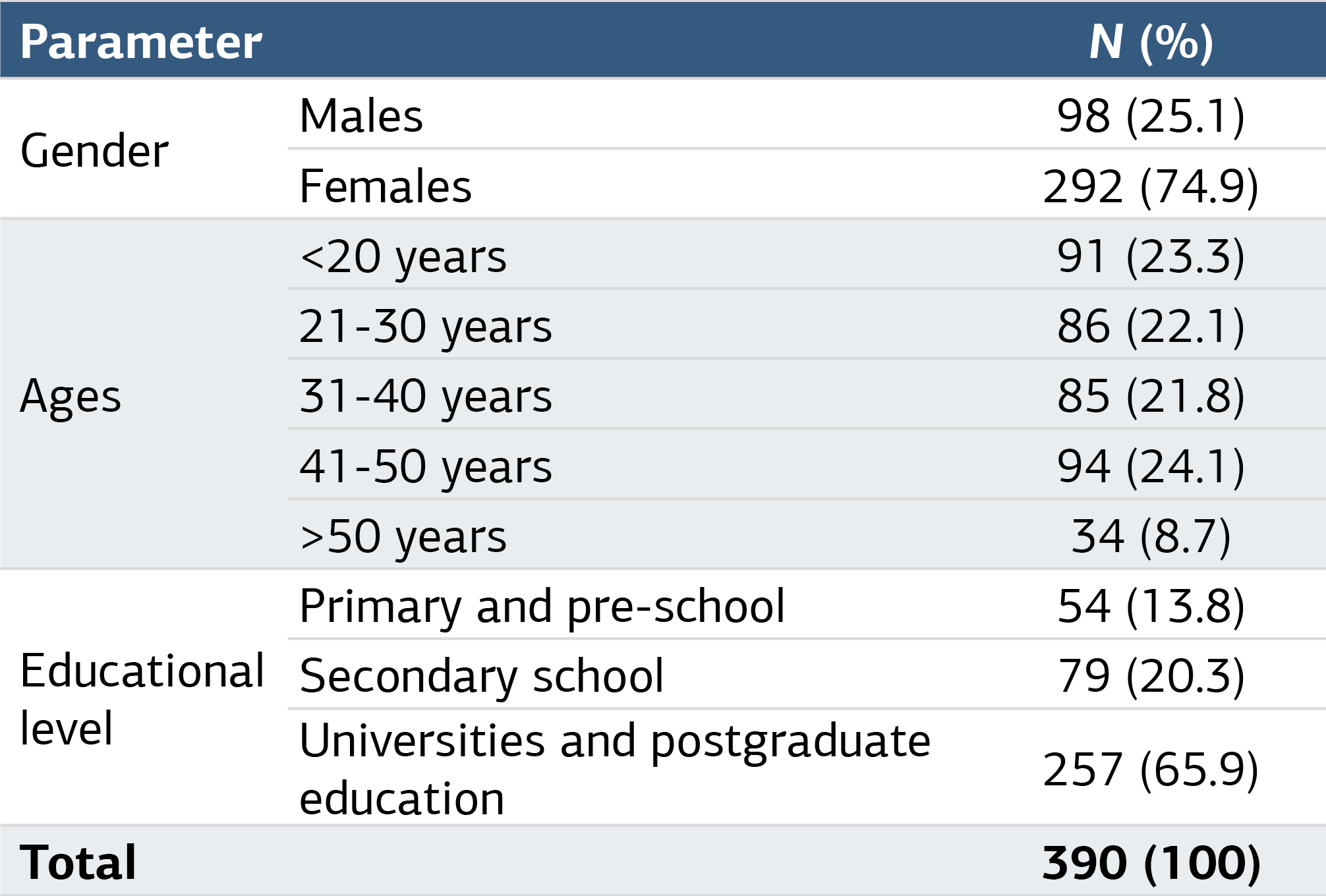
Table 2. Reported analgesic side effects among study participants
Figures
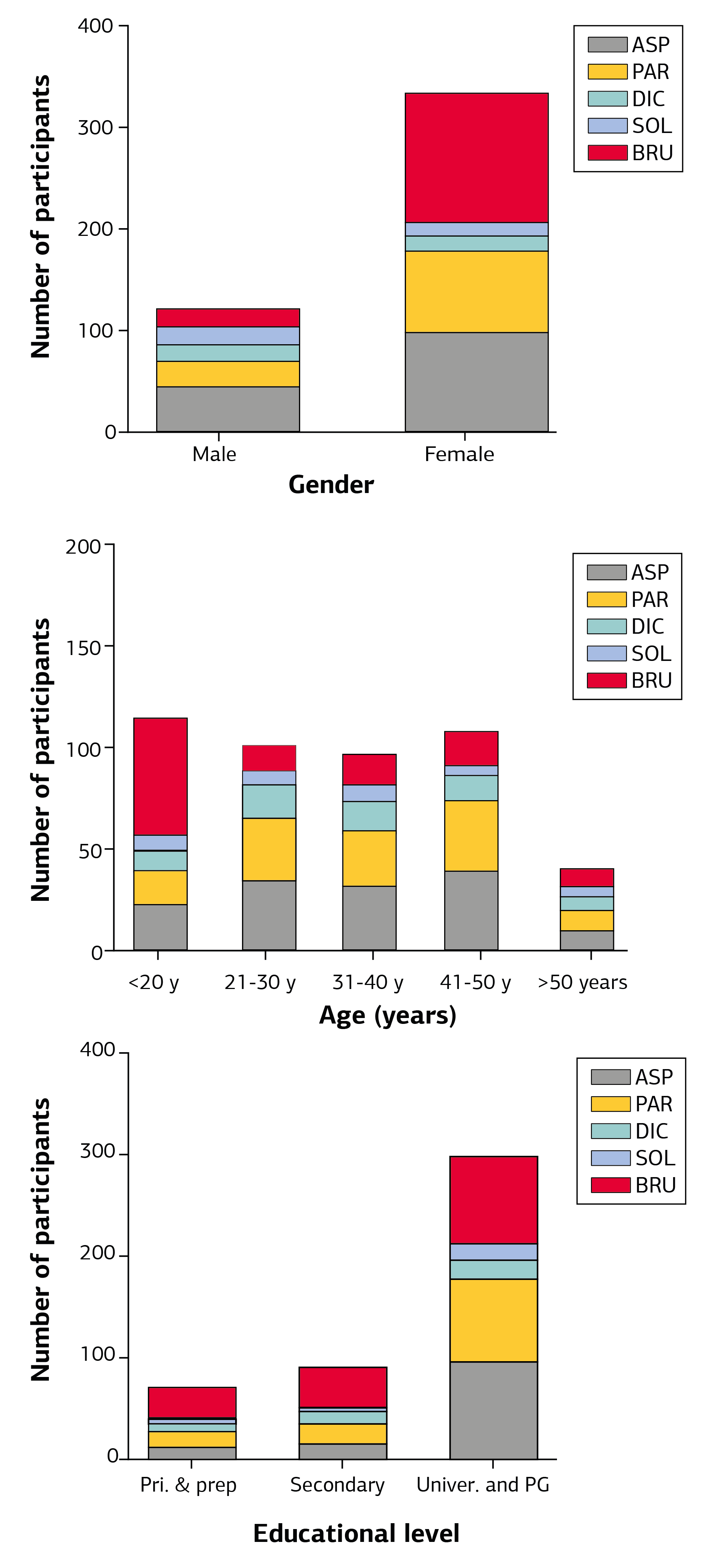
Figure 1. Participants’ analgesic use patterns according to their age, gender and educational level
Additional Information
Publisher’s Note
Bayrakol MP remains neutral with regard to jurisdictional and institutional claims.
Rights and Permissions

This work is licensed under a Creative Commons Attribution-NonCommercial 4.0 International License (CC BY-NC 4.0). To view a copy of the license, visit https://creativecommons.org/licenses/by-nc/4.0/
About This Article
How to Cite This Article
Ekramy Elmorsy, Shmoukh Mushref M Alruwaili, Razan Ibrahim Ali Alsayer, Nouf Khalid J Alanazi, Khulud Hamed Saud Alshammari, Dana Ahmed Abdullah Albalawi. Pattern of analgesics’ use and side effects among Saudis in Arar, Saudi Arabia. Ann Clin Anal Med 2024;15(1):28-32. doi:10.4328/ACAM.21919
Publication History
- Received:
- 30.08.2023
- Accepted:
- 06.11.2023
- Published Online:
- 10.11.2023
- Printed:
- 01.01.2024