
Abstract
AimThe relationship between elevated vitamin B12 levels and liver damage is well-established, but its association with the severity of heart failure (HF) remains unclear. This study aimed to investigate the prognostic importance of vitamin B12 levels according to disease severity in HF patients with reduced left ventricular ejection fraction (HFrEF).MethodsTwo hundred and three consecutive patients with HFrEF were enrolled in this study. Patients were divided into advanced and non-advanced HF groups based on specific criteria and the primary endpoint was all-cause mortality, which was prospectively assessed. Cox proportional hazards regression analyses were conducted to identify independent predictors of mortality.ResultsOf the study patients, 75 (36.9%) had advanced, while 128 (63.1%) had non-advanced HF. The advanced group had significantly higher serum vitamin B12 levels compared to the non-advanced group (P < .001). Serum vitamin B12 level of >707.8 pg/mL had a sensitivity of 78.3% and specificity of 76.1% in predicting all-cause mortality (area under the curve = 0.863, 95% CI 0.806-0.920, P < .001). Kaplan-Meier analysis demonstrated that patients with vitamin B12 levels > 707.8 pg/mL had significantly lower survival rates (P < .001). In Cox regression analysis, vitamin B12 emerged as an independent predictor of death. ConclusionElevated serum vitamin B12 levels in HFrEF patients are associated with advanced HF, increased ALT and GGT levels, indicating a cardiohepatic syndrome, and independently predict higher all-cause mortality risk.
Keywords
Introduction
Heart failure is a clinically significant health issue affecting approximately 1-2% of the adult population in developed countries. It is a major global health problem, causing significant mortality and hospitalization among adults.1 Furthermore, the presence of comorbid conditions complicates the treatment process, with anemia being a significant problem that prolongs hospitalization. The incidence of anemia among individuals with HF ranges from 4% to 61%, with iron deficiency being the primary cause.2
The prevalence of vitamin B12 deficiencies in HF patients remains uncertain, with studies reporting conflicting results.2-4 Recent research has identified a connection between plasma levels of N-terminal pro-B-type natriuretic peptide (NT-proBNP), a marker for systemic congestion, and vitamin B12 levels in HF.5
Vitamin B12 has been recognized as a potential marker for liver cell damage, as it can be released into the bloodstream from damaged liver cells.6 Heart failure can cause disruptions in liver oxygenation due to hypotension, decreased blood oxygen levels, and hepatic congestion.7 This hepatocyte injury can lead to the release of stored vitamin B12 into the bloodstream, resulting in increased serum levels.7-9 While this increase has been demonstrated in acute HF,10 the difference in vitamin B12 levels according to HF stage is less clear in chronic HF.
This study aimed to investigate the association between vitamin B12 levels and HF severity and mortality in advanced and non-advanced chronic HF patients with reduced ejection fraction.
Materials and Methods
Study PopulationThe study population consisted of consecutive chronic HF patients admitted to the Department of Cardiology, between January 2017 and February 2019. The inclusion criteria were age 18 years or older, chronic stable HF with echocardiographic evidence of reduced left ventricular ejection fraction (≤40%), and experiencing symptoms corresponding to a functional class of New York Heart Association (NYHA) I-IV. Exclusion criteria included acute decompensated HF, prior myocardial infarction and myocarditis within the last six months, active infection, hypertrophic and restrictive cardiomyopathy, non-cardiac liver failure, renal failure requiring dialysis, malignancies, connective tissue-inflammatory and autoimmune diseases, pregnancy, vegan or vegetarian dietary patterns, and receiving vitamin B12 replacement therapy within the last six months.
The patients were classified into two groups based on the 2018 European Society of Cardiology Advanced HF Status Statement criteria: advanced HF group and non-advanced HF group.11 The advanced HF group was characterized by severe and persistent HF symptoms according to the NYHA functional classification system of class III or IV and significant cardiac dysfunction with a left ventricular ejection fraction of ≤30%.11 Data on demographic characteristics, physical examination findings, laboratory results, NYHA functional classes, and echocardiographic evaluations were obtained from the hospital’s electronic medical record system for all patients. The study’s primary endpoint was all-cause mortality, which was prospectively evaluated at regular intervals via outpatient visits or telephone interviews until December 2019.
Of the 245 patients screened, 26 had their vitamin B12 levels and other laboratory data measured on different days, 9 tested positive for anti-hepatitis C antibody or showed reactivity to hepatitis B surface antigen, and 7 had left ventricular assist devices, leaving a total of 203 patients available for this study (Figure 1).Laboratory AssessmentsPeripheral venous blood samples were obtained from the antecubital vein and collected into standardized tubes containing EDTA for complete blood count analysis using the XE-1200 instrument (Sysmex, Kobe, Japan). Routine liver function tests that included serum alanine aminotransferase (ALT), aspartate aminotransferase (AST), bilirubin, and gamma-glutamyl transferase (GGT) were obtained at the time of admission, as were plasma levels of vitamin B12 and NT-proBNP. Vitamin B12 and NT-proBNP levels were determined using the Beckman Coulter Access Immunoassay Systems. The manufacturer’s reference interval for vitamin B12 was 211–911 pg/mL.Echocardiographic EvaluationTransthoracic echocardiography was performed on all patients using a commercially available device (VIVID 7, GE Medical Systems, Milwaukee, WI) using a 2.5 MHz probe. Left ventricular ejection fraction (LVEF) was measured using a modified Simpson’s method during the same visit when blood samples were collected to assess vitamin B12 levels. Tricuspid annular plane systolic excursion (TAPSE) value less than 17 mm was defined as right HF accompanying left ventricular dysfunction. Echocardiography was performed to assess the diameter of the inferior vena cava (IVC), and greater than 2.1 cm was defined as IVC dilatation.12Ethical ApprovalEthical approval was obtained from the Bioethics Committee of Türkiye Yüksek İhtisas Training and Research Hospital (Date: 06.02.2019, Decision No: 2019-0012).Statistical AnalysisAll analyses were performed using the SPSS 26 software package (IBM Corp., Armonk, NY). The Kolmogorov-Smirnov test assessed the normal distribution of the variables. Variables were expressed as frequencies, percentages (%), means (± standard deviation), and medians (interquartile range), as appropriate. The Chi-square test compared categorical variables. Inter-group comparisons of continuous variables were performed using Student’s t-test (for parametric data) or the Mann–Whitney U test (for non-parametric data). A univariate linear regression model was initially constructed using all clinical, echocardiographic, and laboratory variables with significant correlations with vitamin B12 (P < .05). Subsequently, for predicting vitamin B12 levels, all variables included in the univariate linear regression were entered into a multivariate linear regression model using the backward elimination method. Receiver operating characteristic curve (ROC) analysis was performed to assess the cut-off value of vitamin B12 for predicting all-cause mortality. Kaplan-Meier analysis was used to estimate survival over the follow-up period for categories of independent variables, and the log-rank test was used to compare survival functions calculated according to different factors. Predictive Cox regression models were created using significant variables from the log-rank test. For the model obtained, crude and multivariable-adjusted hazard ratios and 95% confidence intervals were determined for each variable. A two-sided P value <0.05 was considered statistically significant.
Reporting GuidelinesThis study was reported in accordance with the STROBE guideline.
Results
The study included 203 consecutive patients with chronic stable HF, 75 (36.9%) with advanced HF, and 128 (63.1%) with non-advanced HF. Most patients (84.2%) were male, with a mean age of 52 years (range 19-70). The mean follow-up time was 20.1 ± 8.1 months. No significant differences were found between the advanced and non-advanced groups in terms of age (P = .309), gender (P = .467), etiology of HF (P = .510), hypertension (P = .593), and diabetes mellitus (P = .232). Characteristics of the groups are presented in Table 1.
Vitamin B12 deficiency was similar between advanced and non-advanced HF groups [8 patients (10.7%) vs. 21 patients (16.4%), respectively; P = .390]. On the contrary, serum vitamin B12 levels were found to be significantly higher in the advanced HF group compared to the non-advanced group [829 pg/mL (137-2000) vs. 363.3 pg/mL (148.3-991), P < .001]. The prevalence of concomitant right HF in advanced HF patients was determined to be higher compared to the non-advanced HF group [64 patients (85.3%) vs. 53 patients (41.4%), P < .001]. Higher levels of vitamin B12 were observed in advanced HF patients with concomitant right HF compared to those without right HF [879.6 pg/mL (137.0-2000.0) vs. 803.9 pg/mL (400.0-1205.0), respectively; P = .037]. However, a similar significant difference was not found in the non-advanced group (P = .056).
In the univariate analysis, several variables including LVEF (r = -0.399, P < .001), TAPSE (r = -0.423, P < .001), NT-proBNP (r = 0.748, P < .001), ALT (r = 0.460, P < .001), GGT (r = 0.554, P < .001), direct bilirubin (r = 0.504, P < .001), and indirect bilirubin (r = 0.342, P < .001) levels, exhibited significant correlations with vitamin B12 levels in patients with HFrEF. However, in multivariate analysis, NT-proBNP (P < .001), ALT (P = .002), and GGT (P < .001) all displayed positive correlations with vitamin B12 levels, while conversely, the LVEF showed a negative association with vitamin B12 (P = .006) (Table 2).
ROC curve analysis showed that a serum B12 level of 707.8 pg/mL had a sensitivity of 78.3% and specificity of 76.1% in predicting all-cause mortality, with an area under the curve (AUC) of 0.863 (95% CI: 0.806-0.920, P < .001). In Kaplan-Meier analysis, the survival rate was significantly lower in patients with a serum vitamin B12 level >707.8 pg/mL than in patients with a serum vitamin B12 level ≤707.8 pg/mL (62.3% vs. 93.7%, P < .001) (Figure 2).
Mortality data were available for all patients. During the follow-up period, the overall mortality rate was 15.76% (n = 32). Furthermore, the levels of vitamin B12 were higher in the deceased patients compared to the surviving patients [909.0 pg/mL (587.0-2000.0) vs. 438.5 pg/mL (148.3-2000.0), respectively; P < .001].
Kaplan-Meier analysis was used to estimate survival during the follow-up period based on various independent variables. Variables of diabetes mellitus, advanced HF, vitamin B12, NT-proBNP, LVEF, and TAPSE that showed significant associations with mortality in the Log-Rank test, along with age and gender, were further evaluated using Cox proportional hazards regression models to determine their independent predictive value for mortality. Multivariate analysis revealed a significant association between mortality and various factors, including diabetes mellitus (aHR = 2.374, 95% CI 1.033-5.454, P = .042), advanced HF (aHR = 22.919, 95% CI 2.881-182.342, P = .003), and serum vitamin B12 levels (aHR = 1.107, 95% CI 1.000-1.302, P = .008) per 1 unit increase, as demonstrated in Table 3. The results of the Cox regression analysis indicated that higher levels of vitamin B12 were associated with an increased risk of mortality in patients with HFrEF.
Discussion
This study demonstrated the emergence of vitamin B12 as an independent predictor of mortality in patients with HFrEF. In fact, increased vitamin B12 levels were more prevalent in the advanced HF group, suggesting its potential relevance in disease progression.
Previous reports indicate a positive correlation between serum vitamin B12 levels and the severity of HF.13,14 An early study by Rachmilewitz et al.9 first investigated the use of serum cyanocobalamin to indicate hepatic injury in HF. Their study focused on 28 patients with chronic congestive HF and significant hepatomegaly. They reported a considerable decrease in serum cyanocobalamin levels in cases where compensation was achieved. However, this study did not report on changes in vitamin B12 levels after treatment and stabilization of the patients, which is important for understanding the relationship between vitamin B12 and stable chronic HF at different stages.
Numerous studies have demonstrated that advanced HF is associated with a cholestatic liver enzyme profile, characterized by elevated levels of ALT, AST, and GGT in the bloodstream, a manifestation of the cardiohepatic syndrome.15,16 Argan et al.17 have reported higher levels of vitamin B12 in patients with chronic stable HFrEF compared to the general population. This elevation was associated with clinical signs of right HF and slight increases in direct bilirubin levels, suggesting the presence of cardiohepatic syndrome. Additionally, our study revealed a correlation between higher vitamin B12 levels and liver function abnormalities, such as elevated ALT and GGT levels. These findings suggest that higher vitamin B12 levels could serve as a potential marker for detecting the presence of cardiohepatic syndrome, a condition that becomes more prominent as HF progresses.
Several potential mechanisms have been proposed to explain HF’s increased serum cobalamin levels. One hypothesis is that liver dysfunction, the most extensive reservoir of vitamin B12 in the body, could disrupt cobalamin storage, releasing cobalamin from hepatocytes. Another possibility is that endothelial dysfunction resulting from hepatic congestion due to elevated venous pressure may contribute to reduced synthesis of transport proteins and diminished binding capacity of vitamin B12.18 Zafarullah et al.10 conducted a study to investigate the serum levels of vitamin B12 in patients hospitalized with decompensated HF. They reported that patients with biventricular failure exhibited elevated serum vitamin B12 levels during their initial hospitalization. However, after receiving diuretic treatment and experiencing a reduction in systemic congestion, the vitamin B12 levels decreased by approximately 30% upon discharge.10 Moreover, we found that patients in the advanced HF group had a higher rate of diuretic usage and showed dilatation of the IVC, indicating a greater degree of systemic congestion.19,20 These findings further strengthen the association between HF severity, the level of congestion, and elevated vitamin B12 levels.
Elevated levels of vitamin B12 in the bloodstream have been recognized as an early indication of an underlying severe condition.21 Supporting this notion, a study conducted by Soohoo et al.22 demonstrated a correlation between high plasma concentrations of vitamin B12 and an increased mortality risk among hemodialysis patients. Similarly, elevated vitamin B12 levels are frequently observed in hepatocellular carcinoma and hematological malignancies and are associated with mortality in these diseases.23,24 However, the association between elevated vitamin B12 levels and mortality in HF patients has not been established.
In our study, we found that elevated levels of vitamin B12 not only provided insights into the severity of HF but also emerged as an independent predictor of mortality. These results suggest that vitamin B12 can be a potential biomarker for monitoring HF progression. Therefore, during the clinical evaluation of HF patients, clinicians should be alert to the accompanying increase in vitamin B12 levels, and closer monitoring of these patients may be warranted.
Limitations
Our study has several limitations. Firstly, the study had a retrospective design. Another limitation is the relatively smaller sample size in the advanced HF group compared to the non-advanced HF group, which could have been addressed by having an equal number of patients in both groups to strengthen our results. Furthermore, we did not assess hepatic endothelial dysfunction or monitor vitamin B12 transporters such as transcobalamin-II. Transcobalamin II is crucial in transporting vitamin B12 from the gastrointestinal system to various tissues, including the liver. At the same time, transcobalamin-I (or haptocorrin) is involved in reverse-transporting vitamin B12 from tissues back to the liver.25 These values would have helped us determine whether transporter synthesis is affected in advanced-stage HF and the underlying reasons for the elevated serum cobalamin levels.
Conclusion
Elevated serum vitamin B12 levels in HFrEF patients are associated with advanced HF, increased ALT, and GGT levels, indicating a cardiohepatic syndrome and independently predicting higher all-cause mortality risk.
Declarations
Animal and Human Rights Statement
All procedures performed in this study were in accordance with the ethical standards of the institutional and/or national research committee and with the 1964 Helsinki Declaration and its later amendments or comparable ethical standards.
Informed Consent
Informed consent was waived due to the retrospective design of the study.
Data Availability
The datasets used and/or analyzed during the current study are not publicly available due to patient privacy reasons but are available from the corresponding author on reasonable request.
Conflict of Interest
The authors declare that there is no conflict of interest.
Funding
None.
Abbreviations
ALT: Alanine aminotransferase
ARB: Angiotensin receptor blocker
ARNI: Angiotensin receptor-neprilysin inhibitor
AST: Aspartate aminotransferase
CI: Confidence interval
EDTA: Ethylenediaminetetraacetic acid
GGT: Gamma-glutamyl transferase
HF: Heart failure
IVC: Inferior vena cava
LVEDD: Left ventricular end-diastolic diameter
LVEF: Left ventricular ejection fraction
MCV: Mean corpuscular volume
NYHA: New york heart association
ROC: Receiver operating characteristic
SPSS: Statistical package for the social sciences
TAPSE: Tricuspid annular plane systolic excursion
References
- Maggioni AP, Dahlstrom U, Filippatos G, et al. EURObservational Research Programme: regional differences and 1-year follow-up results of the Heart Failure Pilot Survey. Eur J Heart Fail. 2013;15(7):808-817. doi:10.1093/eurjhf/hft050
- Tang YD, Katz SD. Anemia in chronic heart failure: prevalence, etiology, clinical correlates, and treatment options. Circulation. 2006;113(20):2454-2461. doi:10.1161/circulationaha.105.583666
- Rizzo C, Carbonara R, Ruggieri R, Passantino A, Scrutinio D. Iron deficiency: a new target for patients with heart failure. Front Cardiovasc Med. 2021;8:709872. doi:10.3389/fcvm.2021.709872
- Van der Wal HH, Comin-Colet J, Klip IT, et al. Vitamin B12 and folate deficiency in chronic heart failure. Heart. 2015;101(4):302-310. doi:10.1136/heartjnl-2014-306022
- Witte KK, Desilva R, Chattopadhyay S, Ghosh J, Cleland JG, Clark AL. Are hematinic deficiencies the cause of anemia in chronic heart failure? Am Heart J. 2004;147(5):924-930. doi:10.1016/j.ahj.2003.11.007
- Dou J, Xu W, Ye B, Zhang Y, Mao W. Serum vitamin B12 levels as indicators of disease severity and mortality of patients with acute-on-chronic liver failure. Clin Chim Acta. 2012;413(23-24):1809-1812. doi:10.1016/j.cca.2012.07.008
- Samsky MD, Patel CB, DeWald TA, et al. Cardiohepatic interactions in heart failure: an overview and clinical implications. J Am Coll Cardiol. 2013;61(24):2397-2405. doi:10.1016/j.jacc.2013.03.042
- Andrès E, Serraj K, Zhu J, Vermorken AJ. The pathophysiology of elevated vitamin B12 in clinical practice. QJM. 2013;106(6):505-515. doi:10.1093/qjmed/hct051
- Rachmilewitz M, Stein Y, Aronovitch A, Grossowicz N. Serum cyanocobalamin, vitamin B12, as an index of hepatic damage in chronic congestive heart failure. Arch Intern Med. 1959;104(3):406-410. doi:10.1001/archinte.1959.00270090060010
- Zafarullah H, Laguardia SP, Paulus BM, et al. Elevated serum cobalamin in patients with decompensated biventricular failure. Am J Med Sci. 2008;336(5):383-388. doi:10.1097/01.maj.0000310651.34229.73
- Crespo-Leiro MG, Metra M, Lund LH, et al. Advanced heart failure: a position statement of the Heart Failure Association of the European Society of Cardiology. Eur J Heart Fail. 2018;20(11):1505-1535. doi:10.1002/ejhf.1236
- Rudski LG, Lai WW, Afilalo J, et al. Guidelines for the echocardiographic assessment of the right heart in adults: a report from the American Society of Echocardiography. J Am Soc Echocardiogr. 2010;23(7):685-713. doi:10.1016/j.echo.2010.05.010
- Herrmann M, Müller S, Kindermann I, et al. Plasma B vitamins and their relation to the severity of chronic heart failure. Am J Clin Nutr. 2007;85(1):117-123. doi:10.1093/ajcn/85.1.117
- Herrmann M, Kindermann I, Müller S, et al. Relationship of plasma homocysteine with the severity of chronic heart failure. Clin Chem. 2005;51(8):1512-1515. doi:10.1373/clinchem.2005.049841
- Vasconcelos LA, Almeida EA, Bachur LF. Clinical evaluation and hepatic laboratory assessment in individuals with congestive heart failure. Arq Bras Cardiol. 2007;88(5):590-595.
- Poelzl G, Eberl C, Achrainer H, et al. Prevalence and prognostic significance of elevated γ-glutamyltransferase in chronic heart failure. Circ Heart Fail. 2009;2(4):294-302. doi:10.1161/circheartfailure.108.826735
- Argan O, Ural D, Karauzum K, et al. Elevated levels of vitamin B12 in chronic stable heart failure: a marker for subclinical liver damage and impaired prognosis. Ther Clin Risk Manag. 2018;14:1067-1073. doi:10.2147/tcrm.s164200
- Baker H, Leevy CB, DeAngelis B, Frank O, Baker ER. Cobalamin, vitamin B12, and holotranscobalamin changes in plasma and liver tissue in alcoholics with liver disease. J Am Coll Nutr. 1998;17(3):235-238. doi:10.1080/07315724.1998.10718752
- Faselis C, Lam PH, Patel S, et al. Loop diuretic prescription and long-term outcomes in heart failure: association modification by congestion. Am J Med. 2021;134(6):797-804. doi:10.1016/j.amjmed.2020.11.019
- Lee HF, Hsu LA, Chang CJ, et al. Prognostic significance of dilated inferior vena cava in advanced decompensated heart failure. Int J Cardiovasc Imaging. 2014;30(7):1289-1295. doi:10.1007/s10554-014-0468-y
- Flores-Guerrero JL, Minović I, Groothof D, et al. Association of plasma concentration of vitamin B12 with all-cause mortality in the general population in the Netherlands. JAMA Netw Open. 2020;3(1). doi:10.1001/jamanetworkopen.2019.19274
- Soohoo M, Ahmadi SF, Qader H, et al. Association of serum vitamin B12 and folate with mortality in incident hemodialysis patients. Nephrol Dial Transplant. 2017;32(6):1024-1032. doi:10.1093/ndt/gfw090
- Lin CY, Kuo CS, Lu CL, Wu MY, Huang RF. Elevated serum vitamin B12 levels in association with tumor markers as the prognostic factors predictive for poor survival in patients with hepatocellular carcinoma. Nutr Cancer. 2010;62(2):190-197. doi:10.1080/01635580903305334
- Gavars D, Perminov D, Tauckels E, Lindenberga I, Auce A, Lejniece S. Association of elevated vitamin B12 with oncohematological diseases in a cohort of 79524 patients from Latvia. Exp Oncol. 2019;41(4):354-362.
- Ermens AA, Vlasveld LT, Lindemans J. Significance of elevated cobalamin, vitamin B12, levels in blood. Clin Biochem. 2003;36(8):585-590. doi:10.1016/j.clinbiochem.2003.08.004
Tables
Table 1. Baselines Characteristics of the Non-Advance HF and Advanced HF Patients
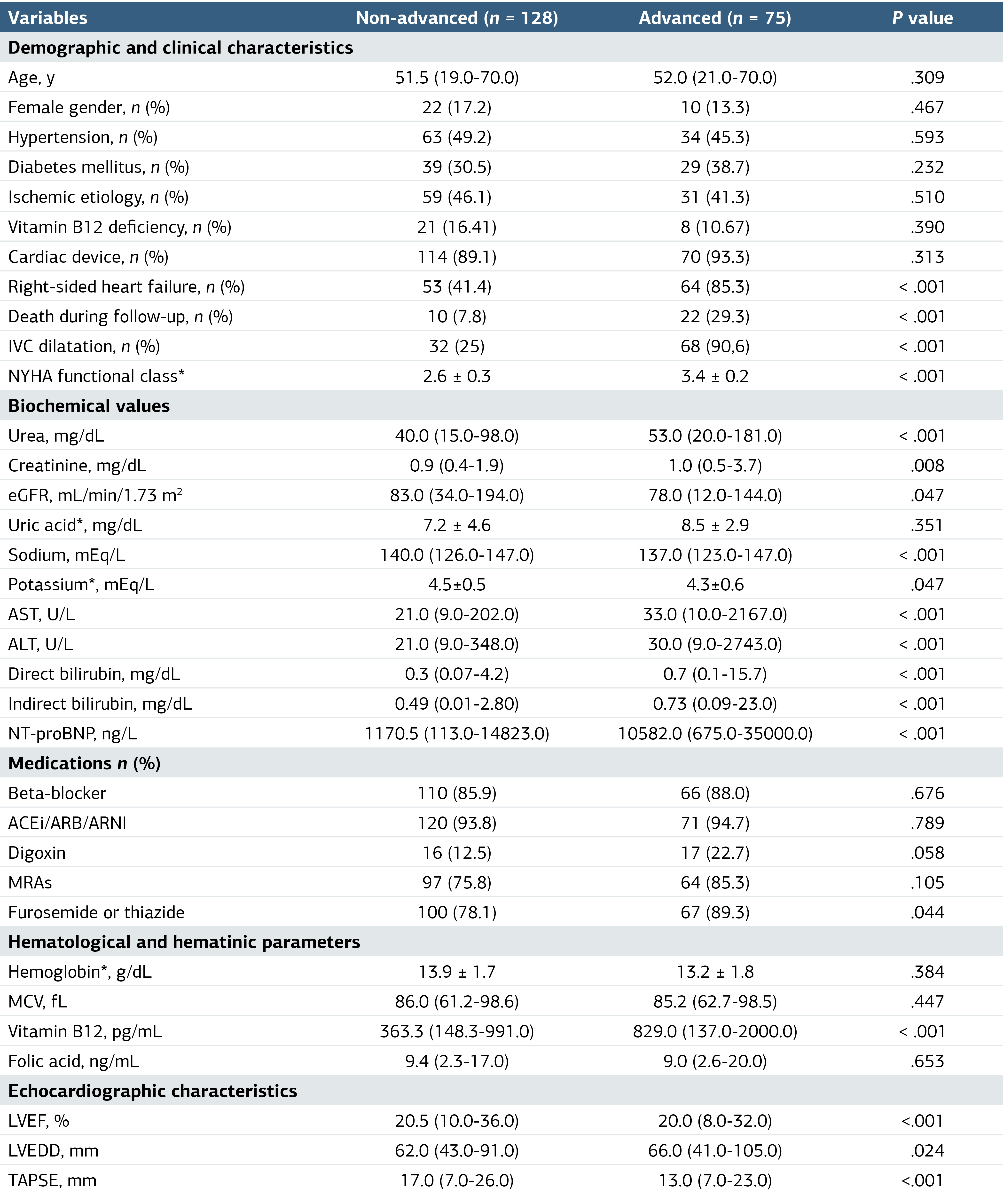
* Shows Normally Distributed Data Abbreviations: ACEi, Angiotensin-Converting Enzyme Inhibitor; ALT, Alanine Aminotransferase; ARB, Angiotensin Receptor Blocker; ARNI, Angiotensin Receptor-Neprilysin Inhibitor; AST, Aspartate Transaminase; eGFR, Glomerular Filtration Rate; IVC, Inferior Vena Cava; LVEDD, Left Ventricular End-Diastolic Diameter; LVEF, Left Ventricular Ejection Fraction; MCV, Mean Corpuscular Volume; MRAs, Mineralocorticoid Receptor Antagonists; NT-proBNP, N Terminal Pro Hormone of Brain Natriuretic Peptide; TAPSE, Tricuspid Annular Plane Systolic Excursion
Table 2. Significant Multivariate Correlates of Vitamin B12 in HFrEF Patients
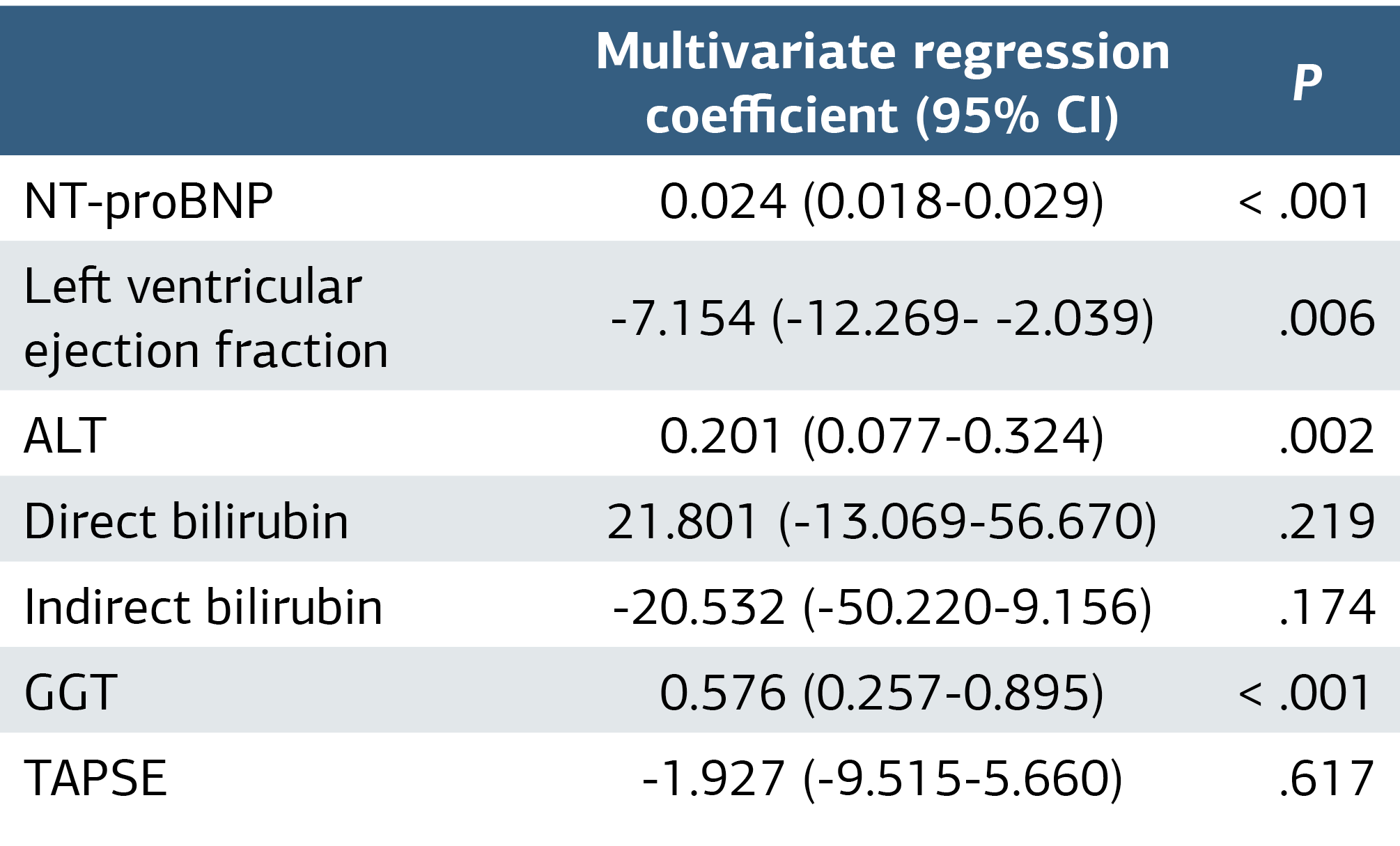
Abbreviations: ALT, Alanine Aminotransferase; GGT, Gamma Glutamyl Transferase; NTproBNP, N Terminal Prohormone of Brain Natriuretic Peptide; TAPSE, Tricuspid Annular Plane Systolic Excursion
Table 3. Univariate and Multivariate Cox Regression Analysis of Predictors of Mortality in HFrEF Patients
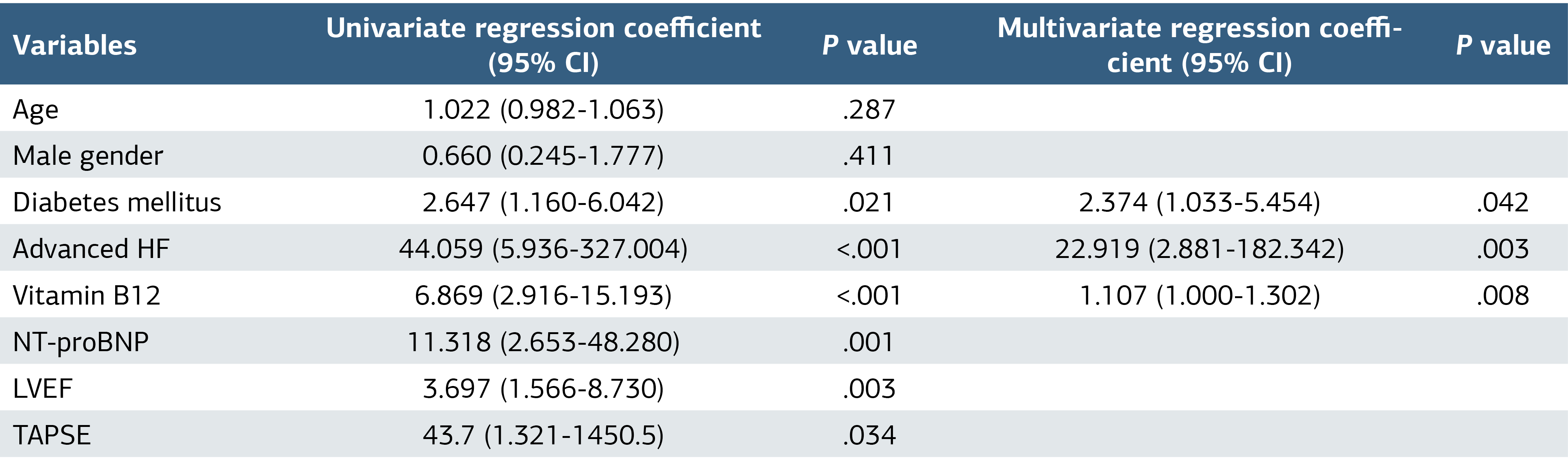
Abbreviations: CI, Confidence Interval; HF, Heart Failure; HFrEF, Heart Failure With Reduced Ejection Fraction; LVEF, Left Ventricular Ejection Fraction; NT-proBNP, N Terminal Prohormone of Brain Natriuretic Peptide; TAPSE, Tricuspid Annular Plane Systolic Movement
Figures
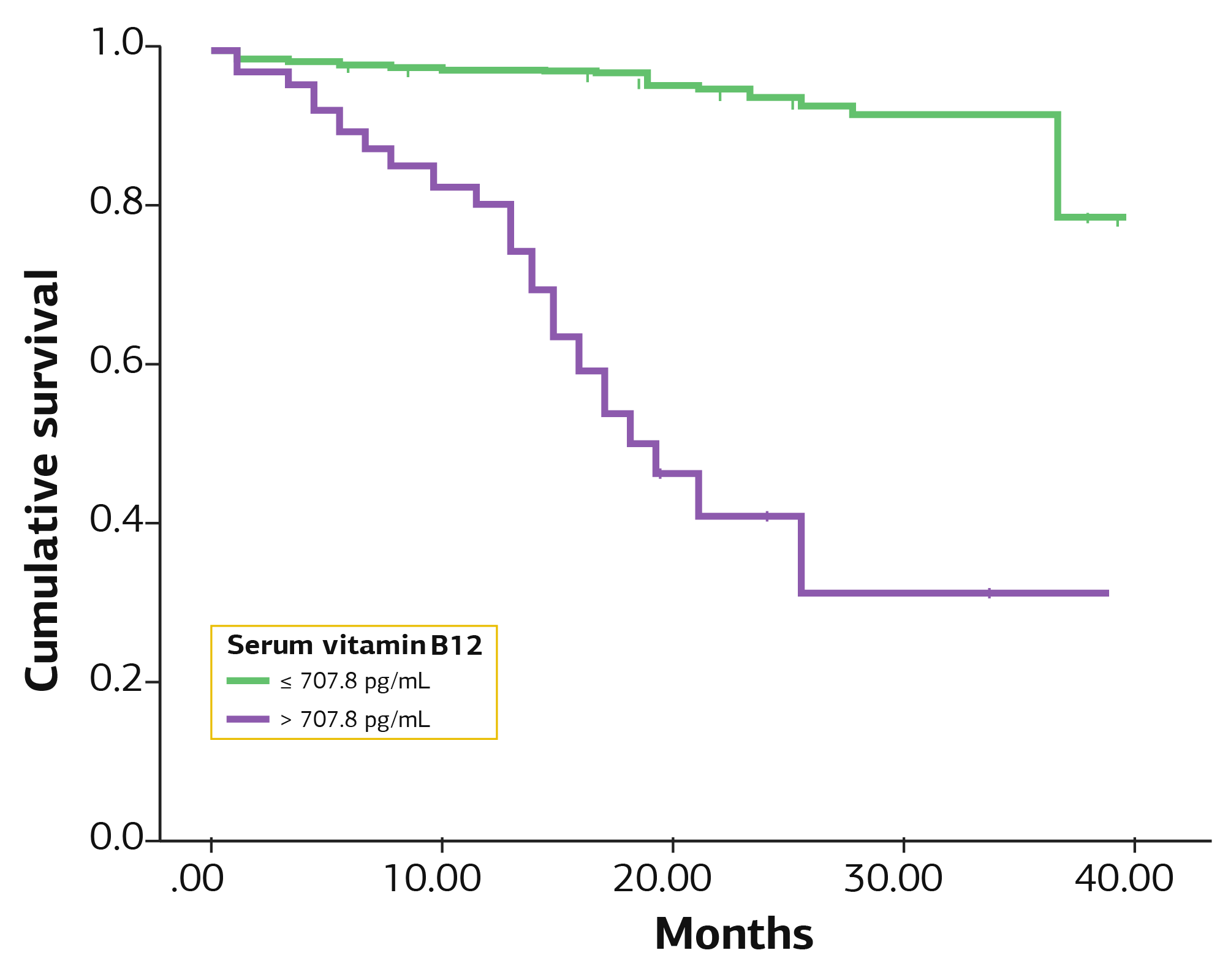
Figure 1. Study Flowchart
The diagram describes the protocol used for the enrollment of patients with HFrEF in the present study. HFrEF, heart failure with reduced ejection fraction
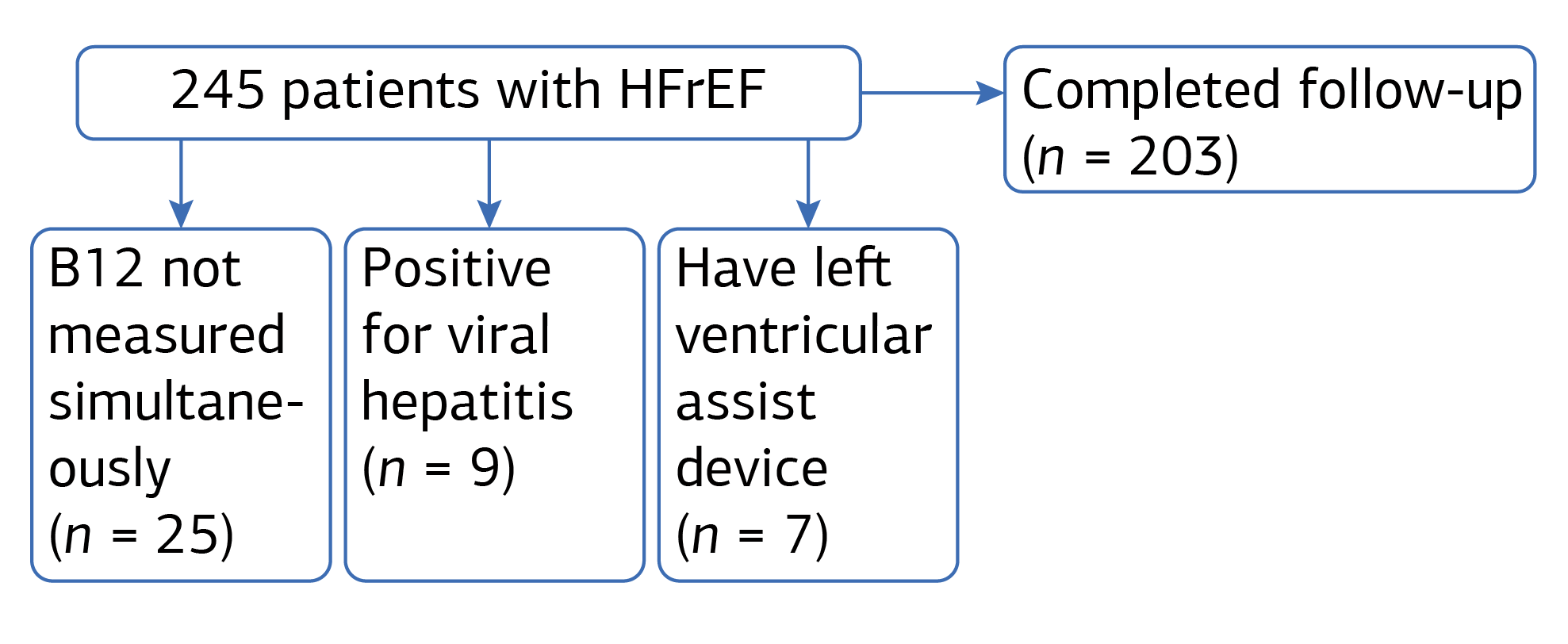
Figure 2. Kaplan–Meier Survival Curves for the All HFrEF Patients with High and Low Serum B12 Levels
Abbreviation: HFrEF, Heart Failure With Reduced Ejection Fraction
Additional Information
Publisher’s Note
Bayrakol MP remains neutral with regard to jurisdictional and institutional claims.
Rights and Permissions

This work is licensed under a Creative Commons Attribution-NonCommercial 4.0 International License (CC BY-NC 4.0). To view a copy of the license, visit https://creativecommons.org/licenses/by-nc/4.0/
About This Article
How to Cite This Article
İlke Erbay, Burcu Demirkan, Yeşim Akın, Gülcihan Kevser Balcı. Increased vitamin B12 in heart failure with reduced ejection fraction: a novel marker of disease severity and mortality. Ann Clin Anal Med 2024;15(6):377-382. doi:10.4328/ACAM.21994
Publication History
- Received:
- 24.09.2023
- Accepted:
- 31.10.2023
- Published Online:
- 06.11.2023
- Printed:
- 01.06.2024