
Abstract
AimThe current study evaluated UTI among Saudi children in the Northern Border region regarding their predisposing factors, causative uropathogens and antibiotic sensitivity.MethodsThe retrospective study enrolled children (0–14 years old) who attended Arar Maternity & Pediatric Hospital from 2017–2022 with a final discharge diagnosis of UTI according to the American Academy of Pediatrics (AAP) Clinical Practice Guidelines.ResultsUTI was reported in 606 cases during the study period. It was more prevalent among male infants below the age of one year, while in girls, it was more common above 6 years of age. High-grade fever, dysuria, foul-smelling urine and loin pain were the most common presentations. Recurrent UTI was reported in 30.4% of cases. Constipation was the most common reported risk factor (32.7% of diagnosed children). Structural anomalies were the most common predisposing factors among recurrent UTI cases. Escherichia coli (E. coli) and Klebsiella were the most common causative organisms (56.4% and 28.9% of cases, respectively). Culture and sensitivity test data showed that E. coli were most sensitive to IMP, ceftriaxone (CTR) and TZP in about 98.5%, 84.8% and 74.6% of cases, respectively. Klebsiella was sensitive to IMP, TZP and amikacin (AMK) in about 42.3%, 34.3% and 33.7% of cases, respectively.ConclusionThe current data showed that UTI is a common health problem among children in the Northern Border region and provide insights into its uropathogens and their antibiotic response characteristics, which can help in management plans.
Keywords
Introduction
Urinary tract infections (UTI) are considered to be a serious health problem among children worldwide, with around 6 million children suffering from UTI attending outpatient departments and nearly 300,000 admitted to hospital wards.1 UTIs are among the most common infections in children and, if not timely treated, can lead to renal injury and systemic illnesses such as hypertension or even kidney failure in the future.2 It is reported that 3% to 5% of girls develop their first attack of UTI by 5 years of age, whereas about 1% of boys develop their first UTI in the first year of life, especially those who are uncircumcised.3 Recurrent UTI is also a very common problem in pediatric patients, as it may lead to renal scarring, hypertension and even end-stage kidney disease.4
UTI is mainly caused by bacteria, but other organisms such as viruses, parasites and fungi may also be responsible. Gram-negative bacteria are the most common, especially E. coli, which accounts for 70–90% of UTIs in children.5 Other groups of uropathogens include Proteus, Klebsiella, Pseudomonas and Actinobacter, whereas only about 10% may be Gram-positive bacteria like Enterococcus, Staphylococcus and Streptococcus agalactiae.6
As antibiotic use has been on the rise in recent years, the incidence of multidrug resistance among uropathogens has increased worldwide.7 One study showed that more than 80% of uropathogens in developing countries are now resistant to trimethoprim or trimethoprim-sulfamethoxazole.8 Many clinicians in developing countries encounter UTI as a cause of significant morbidity and mortality.9,10 Several other studies have documented the emergence of resistant uropathogens and their susceptibility patterns to commonly used antimicrobial agents in order to guide the choice of empiric therapy worldwide.11,12 As resistance rates differ globally against commonly used drugs for bacterial infection, knowledge of local etiology and susceptibility profiles can support the most effective empirical treatment.
We found very limited data about the present study in other areas of Saudi Arabia. To the best of our knowledge, there are currently no published studies describing the prevalence and spectrum of uropathogens in pediatric patients and their antimicrobial susceptibility patterns in the Northern Border province. Therefore, this research was conducted to investigate the prevalence and patterns of antibiotic resistance of uropathogens among pediatric patients (0–14 years) at Maternity & Pediatric Hospital, Arar city, Kingdom of Saudi Arabia.
Materials and Methods
Arar city is the capital of the Northern Border region of Saudi Arabia. The current study is a retrospective study in which the medical records of children who attended the Maternity & Pediatric Hospital in Arar and were diagnosed with UTI between 1 January 2013 and 31 December 2018 were collected and reviewed. The study design was approved by the local bioethics committee of Northern Border University to get access to the patients’ data. Data confidentiality was considered in all research steps.
For children (0–14 years old) with a final discharge diagnosis of urinary tract infection (UTI), medical records data were collected regarding their demographic data (ages and genders), clinical presentations, predisposing factors for UTI and the laboratory and radiology investigations data were collected for further analysis. Microbial culture results were also included with their culture and antibiotic sensitivity assays. UTI was diagnosed following the American Academy of Pediatrics (AAP) Clinical Practice Guidelines.13 UTI was diagnosed in cases when ≥50,000 cfu/mL of a single uropathogenic organism was detected with a positive urinalysis (at least one of the following criteria was found: WBC ≥5 cells/hpf, leucocyte esterase positive or presence of bacteria). In addition, patients with bacterial colony counts of 10,000–100,000 cfu/mL (with pyuria/bacteriuria in urinalysis) were also diagnosed with UTI. Recurrent UTI was diagnosed as at least 3 attacks of UTI within 12 months with complete clinical resolution in between the attacks.Ethical ApprovalEthics Committee approval for the study was obtained.Statistical AnalysisStatistical analyses were performed using SPSS software (IBM Corp., Armonk, NY, USA). Categorical variables are presented as frequencies and percentages. The chi-square test was used for comparisons between groups. A P value < .05 was considered statistically significant.Reporting GuidelinesThis study was reported in accordance with the STROBE guideline.
Results
According to the medical records of Arar Maternity & Pediatric Hospital, 606 children were diagnosed with UTI during the selected study years (2017–2022). Data regarding the sex and ages of the children enrolled in the study are shown in Table 1. There was a statistically significant difference (P < .001; X²=16.96, 2) in the prevalence of UTI between male and female patients in the different age groups. Most of the children enrolled in the study were below the age of one year. UTI showed a higher prevalence among children under one year (46% of the diagnosed cases). Recurrent UTI was reported in 184 cases (30.4% of UTI cases). Recurrent UTI was more common among female children (53/81 cases). Recurrent cases were mainly diagnosed at the age below 1 year (98 cases), followed by the age group 1 to 5 years, with 65 cases reported. Regarding case management, 338 cases were managed as outpatients (55.8%), while admission was indicated for 268 (43.2%) cases for appropriate management. Regarding the clinical presentation of children enrolled in the study, high-grade fever, dysuria, foul-smelling urine and loin pain were the most common presentations among the studied cases (about 50%, 32%, 27.2% and 27.1% of cases, respectively) (Table 2). Clinical presentations in relation to the ages and sex of the children enrolled in the study are shown in Figure 1. According to patient records, associated predisposing factors for UTI were reported in 400 cases. Constipation was the most common reported risk factor (32.7% of diagnosed children). Constipation was also the most common predisposing factor among children diagnosed with recurrent UTI (55/184 cases), followed by structural anomalies (43/184 cases). Regarding the bacteria isolated from urine cultures of the diagnosed cases, E. coli was the most common isolated bacterium in cases managed in the outpatient clinics (242/338 cases), while Klebsiella was the most common among the admitted cases (105/268 cases). Culture and sensitivity tests in the records of the patients included in the study showed that most bacterial isolates were sensitive to imipenem (IMP), followed by tazobactam-piperacillin (TZP). The lowest sensitivity was shown to vancomycin (VAN). E. coli isolates were sensitive to ceftriaxone in 84.8% of cases, while Klebsiella isolates were mainly sensitive in around 29% of the diagnosed Klebsiella UTI cases (Table 3).
Discussion
Urinary tract infection is a major health condition among children. The current study investigated the problem among children admitted to Arar Maternity and Pediatric Hospital during the time period from January 2017 to December 2022 through a retrospective study of patient records. According to the hospital records, 606 children were diagnosed with UTI during the selected study years. There was a statistically significant difference in prevalence of UTI between male and female patients in the different age groups. UTI showed a higher prevalence among children below the age of one year. Recurrent UTI was reported in 184 cases (30.4% of UTI cases) with a higher prevalence among female children (53/81 cases). Recurrent cases were mainly diagnosed at the age below 1 year. Regarding case management, 338 cases were managed as outpatients (55.8%), while admission was indicated for 268 (43.2%) cases for proper management.
High-grade fever, dysuria, foul-smelling urine and loin pain were the most common presentations among the studied cases. Constipation was the most common reported risk factor (32.7% of diagnosed children). Structural anomalies were the most common predisposing factors among children diagnosed with recurrent UTI. E. coli was the most common isolated bacterium in cases managed in the outpatient clinics, while Klebsiella was the most common among admitted cases. Culture and sensitivity tests showed that most bacterial isolates were sensitive to IMP, followed by TZP, while the lowest sensitivity was shown to VAN.
UTI is the second most common bacterial infection in childhood after middle ear infections. Among febrile infants and children with urinary symptoms, 6%–8% were shown to have UTI.6,14 Prevalence varies with age and gender. The current data showed that UTIs are higher among female children and infants. This is in accordance with other studies, which showed that UTI prevalence peaks in young infants and toddlers, with higher prevalence reported among females.6 This can be explained by the shorter female urethral distance from the foreskin surface area. UTI is significantly higher among uncircumcised boys (21%), while UTI was reported only in 2% of circumcised boys and 5% of girls during the first year of life.15 During toddler years, toilet training can lead to volitional holding and bladder stasis, promoting UTIs.16 Regarding recurrence, the current study ratio (30.4%) is the same as reported by Karen et al. (2015).17
Constipation was the most common reported risk factor (32.7% of diagnosed children). Structural anomalies were the most common predisposing factors among children diagnosed with recurrent UTI. This is in agreement with previously published data showing that impaired urine flow with urinary stasis is associated with higher rates of UTI. Impaired normal voiding may be due to structural urinary tract congenital anomalies or functional disorders such as neurogenic bladder, constipation and behavioural withholding.16 Common risk factors for recurrence also include vesicoureteric reflux and bladder and intestinal dysfunction, which are considered leading risk factors for recurrent UTI cases.17
The current data showed that E. coli was the most common isolated bacterium in outpatients, while Klebsiella was the most common among admitted cases. Hameed et al. (2019)18 reported that E. coli is the most common cause of community-acquired UTIs in children, causing three-quarters of all infections in a tertiary hospital in Riyadh, Saudi Arabia. Another regional study from Oman showed that E. coli was responsible for about two-thirds of all diagnosed UTIs among children, while K. pneumoniae was the second most common isolated uropathogen. Internationally, most pediatric UTIs are caused by Gram-negative coliform bacteria.16 E. coli has been reported in bacterial cultures of about 80% of UTI cases among children, as they have characteristic fimbriae that attach to the uroepithelial cell surface to overcome being flushed by normal voiding of urine. Other common uropathogens include Klebsiella, Proteus, Enterobacter and Enterococcus species.4,19
Regarding current culture sensitivity data, E. coli and K. pneumoniae showed high patterns of resistance to tested antibiotics. E. coli was found to be resistant to cotrimoxazole and amoxicillin/clavulinic acid in about 86.4% of cases. This finding minimizes the role of these antibiotics as empirical therapy for community-acquired UTIs. Third-generation cephalosporin ceftriaxone showed a potent effect against E. coli with a reported 85% sensitivity, supporting its use as an antibiotic of choice for empirical therapy of UTI cases. This finding is supported by Hameed et al.’s study (2019)18 in Riyadh. K. pneumoniae showed the highest sensitivity to IMP (around 40% of diagnosed cases only).
There are several strengths of this study, as it was based on a long study duration of five years to properly investigate the burden of UTI in the Northern Border region of Saudi Arabia with strict inclusion criteria for diagnosis of UTIs based on AAP definition (positive urinalysis and urine culture).
Limitations
The main limitation of this study is mainly due to beingits retrospective design with some lack of shortage in data recording in some patients files, which were excluded from the current study scope.
Conclusion
The reported data clarify, for the first time, the burden of UTI among children in Arar. Urinary tract infections were more prevalent among male infants below the age of one year, while in girls, they were more common above 6 years of age. High-grade fever, dysuria, foul-smelling urine and loin pain were the most common presentations. Recurrent UTI was reported in 30.4% of cases. Constipation was the most common reported risk factor. Structural anomalies were the most common predisposing factors among recurrent UTI cases. Escherichia coli (E. coli) and Klebsiella were the most common causative organisms. Culture and sensitivity test data showed that E. coli were most sensitive to IMP, ceftriaxone (CTR) and TZP, while Klebsiella was sensitive to IMP, TZP and amikacin (AMK).
Declarations
Animal and Human Rights Statement
All procedures performed in this study were in accordance with the ethical standards of the institutional and/or national research committee and with the 1964 Helsinki Declaration and its later amendments or comparable ethical standards.
Informed Consent
The requirement for informed consent was waived due to the retrospective nature of the study.
Data Availability
The datasets used and/or analyzed during the current study are not publicly available due to patient privacy reasons but are available from the corresponding author on reasonable request.
Conflict of Interest
The authors declare that there is no conflict of interest.
Funding
None.
Abbreviations
AAP: American academy of pediatrics
AMK: Amikacin
AMX: Amoxicillin
CIP: Ciprofloxacin
CTR: Ceftriaxone
GEN: Gentamicin
IMP: Imipenem
NOR: Norfloxacin
T/S: Trimethoprim–Sulfamethoxazole
TZP: Tazobactam–Piperacillin
UTI: Urinary tract infection
VAN: Vancomycin
WBC: White blood cell
References
- Gurung RR, Maharjan P, Chhetri GG. Antibiotic resistance pattern of Staphylococcus aureus with reference to MRSA isolates from pediatric patients. Future Sci OA. 2020;6(4). doi:10.2144/fsoa-2019-0122
- Mathur NB, Agarwal HS, Maria A. Acute renal failure in neonatal sepsis. Indian J Pediatr. 2006;73(6):499-502. doi:10.1007/bf02759894
- ’t Hoen LA, Bogaert G, Radmayr C, et al. Update of the EAU/ESPU guidelines on urinary tract infections in children. J Pediatr Urol. 2021;17(2):200-207.
- Zorc JJ, Kiddoo DA, Shaw KN. Diagnosis and management of pediatric urinary tract infections. Clin Microbiol Rev. 2005;18(2):417-422. doi:10.1128/cmr.18.2.417-422.2005
- Tullus K, Shaikh N. Urinary tract infections in children. Lancet. 2020;395(10237):1659-1668. doi:10.1016/s0140-6736(20)30676-0
- Shaikh N, Morone NE, Bost JE, Farrell MH. Prevalence of urinary tract infection in childhood: a meta-analysis. Pediatr Infect Dis J. 2008;27(4):302-308. doi:10.1097/inf.0b013e31815e4122
- Lee DS, Lee SJ, Choe HS. Community-acquired urinary tract infection by Escherichia coli in the era of antibiotic resistance. Biomed Res Int. 2018;2018:7656752. doi:10.1155/2018/7656752
- Muhammad A, Khan SN, Ali N, Rehman MU, Ali I. Prevalence and antibiotic susceptibility pattern of uropathogens in outpatients at a tertiary care hospital. New Microbes New Infect. 2020;36:100716. doi:10.1016/j.nmni.2020.100716
- Al Benwan K, Jamal W. Etiology and antibiotic susceptibility patterns of urinary tract infections in children in a general hospital in Kuwait: a 5-year retrospective study. Med Princ Pract. 2022;31(6):562-569. doi:10.1159/000527640
- Aboderin OA, Abdu AR, Odetoyin BW, Lamikanra A. Antimicrobial resistance in Escherichia coli strains from urinary tract infections. J Natl Med Assoc. 2009;101(12):1268-1273. doi:10.1016/s0027-9684(15)31138-x
- Bercion R, Mossoro-Kpinde D, Manirakiza A, Le Faou A. Increasing prevalence of antimicrobial resistance among Enterobacteriaceae uropathogens in Bangui, Central African Republic. J Infect Dev Ctries. 2009;3(3):187-190. doi:10.3855/jidc.34
- Habte TM, Dube S, Ismail N, Hoosen AA. Hospital and community isolates of uropathogens at a tertiary hospital in South Africa. S Afr Med J. 2009;99(8):584-587.
- Newman TB. The new American Academy of Pediatrics urinary tract infection guideline. Pediatrics. 2011;128(3):572-575. doi:10.1542/peds.2011-1818
- O’Brien K, Edwards A, Hood K, Butler CC. Prevalence of urinary tract infection in acutely unwell children in general practice: a prospective study with systematic urine sampling. Br J Gen Pract. 2013;63(607). doi:10.3399/bjgp13x663127
- Renko M, Salo J, Ekstrand M, et al. Meta-analysis of the risk factors for urinary tract infection in children. Pediatr Infect Dis J. 2022;41(10):787-792. doi:10.1097/inf.0000000000003628
- Tullus K. Fifteen-minute consultation: why and how do children get urinary tract infections? Arch Dis Child Educ Pract Ed. 2019. doi:10.1136/archdischild-2018-315023
- Keren R, Shaikh N, Pohl H, et al. Risk factors for recurrent urinary tract infection and renal scarring. Pediatrics. 2015;136(1).
- Hameed T, Al Nafeesah A, Chishti S, Al Shaalan M, Al Fakeeh K. Community-acquired urinary tract infections in children: resistance patterns of uropathogens in a tertiary care center in Saudi Arabia. Int J Pediatr Adolesc Med. 2019;6(2):51-54. doi:10.1016/j.ijpam.2019.02.010
- Edlin RS, Shapiro DJ, Hersh AL, Copp HL. Antibiotic resistance patterns of outpatient pediatric urinary tract infections. J Urol. 2013;190(1):222-227. doi:10.1016/j.juro.2013.01.069
Tables
Table 1. Age and sex of the children diagnosed as with UTI who attended to Arar maternity and pediatric hospital (2017-2022)
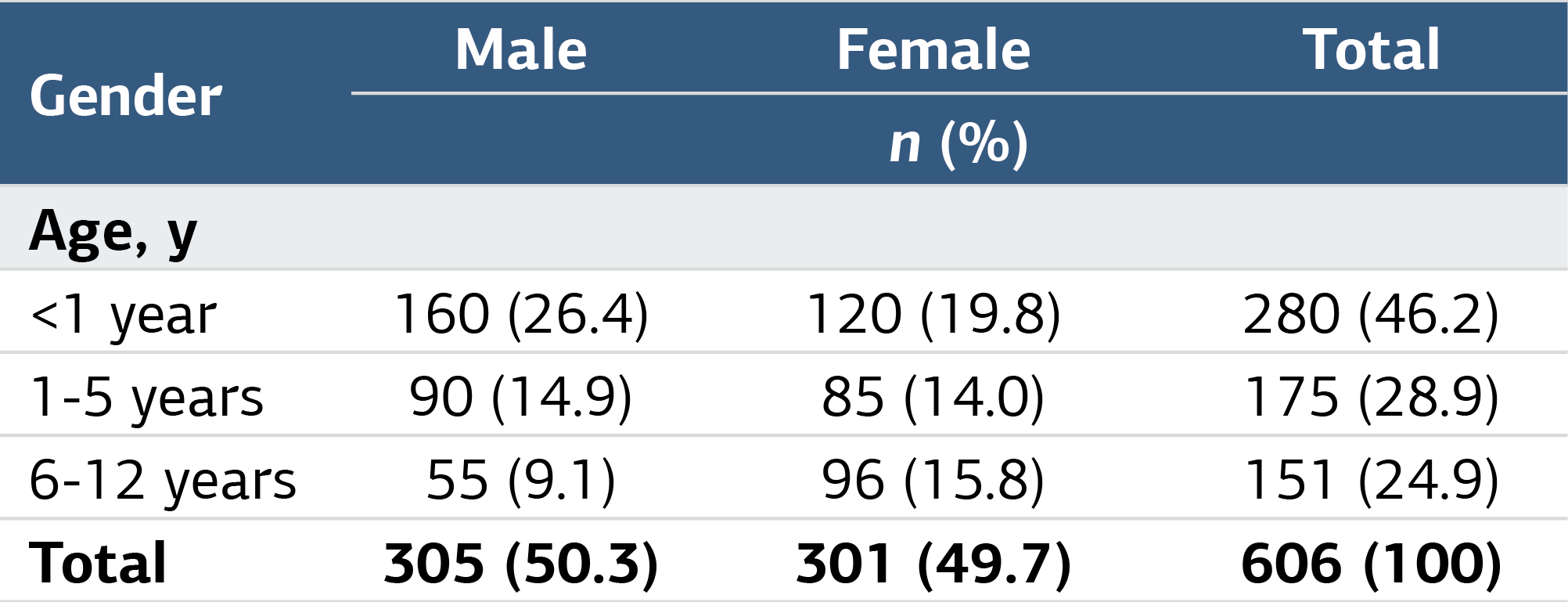
Table 2. Clinical presentation of the children diagnosed as with UTI who attended to Arar maternity and pediatric hospital (2017-2022)
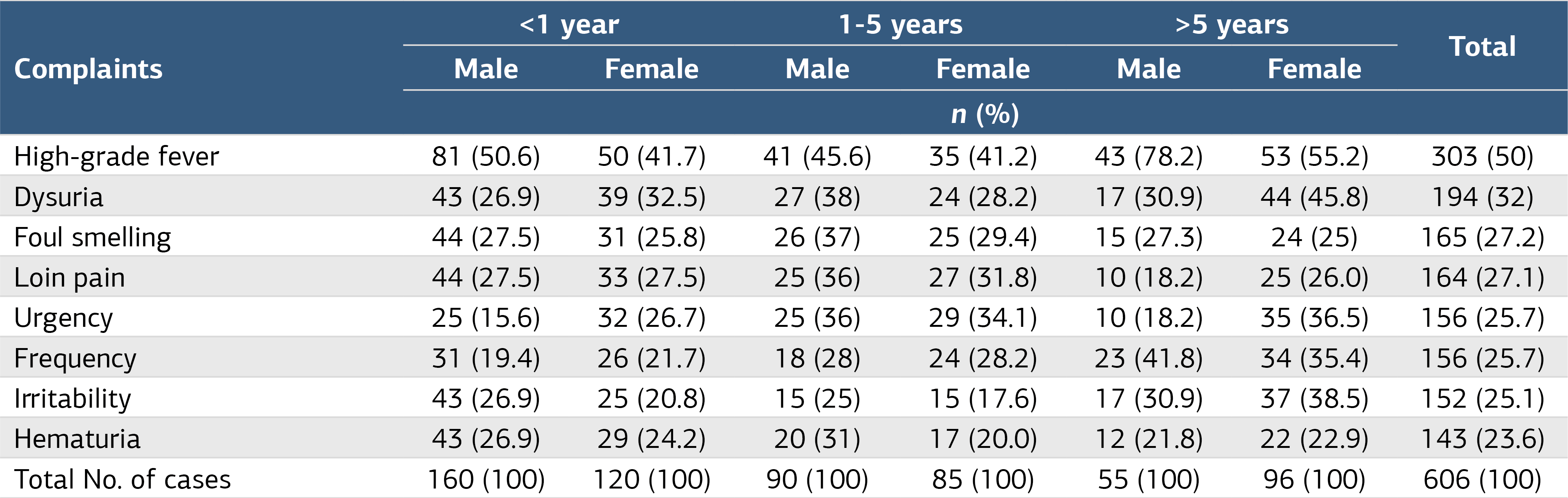
Table 3. Antibiotics sensietivity among children diagnosed as with UTI who attended to Arar maternity and pediatric hospital (2017-2022)
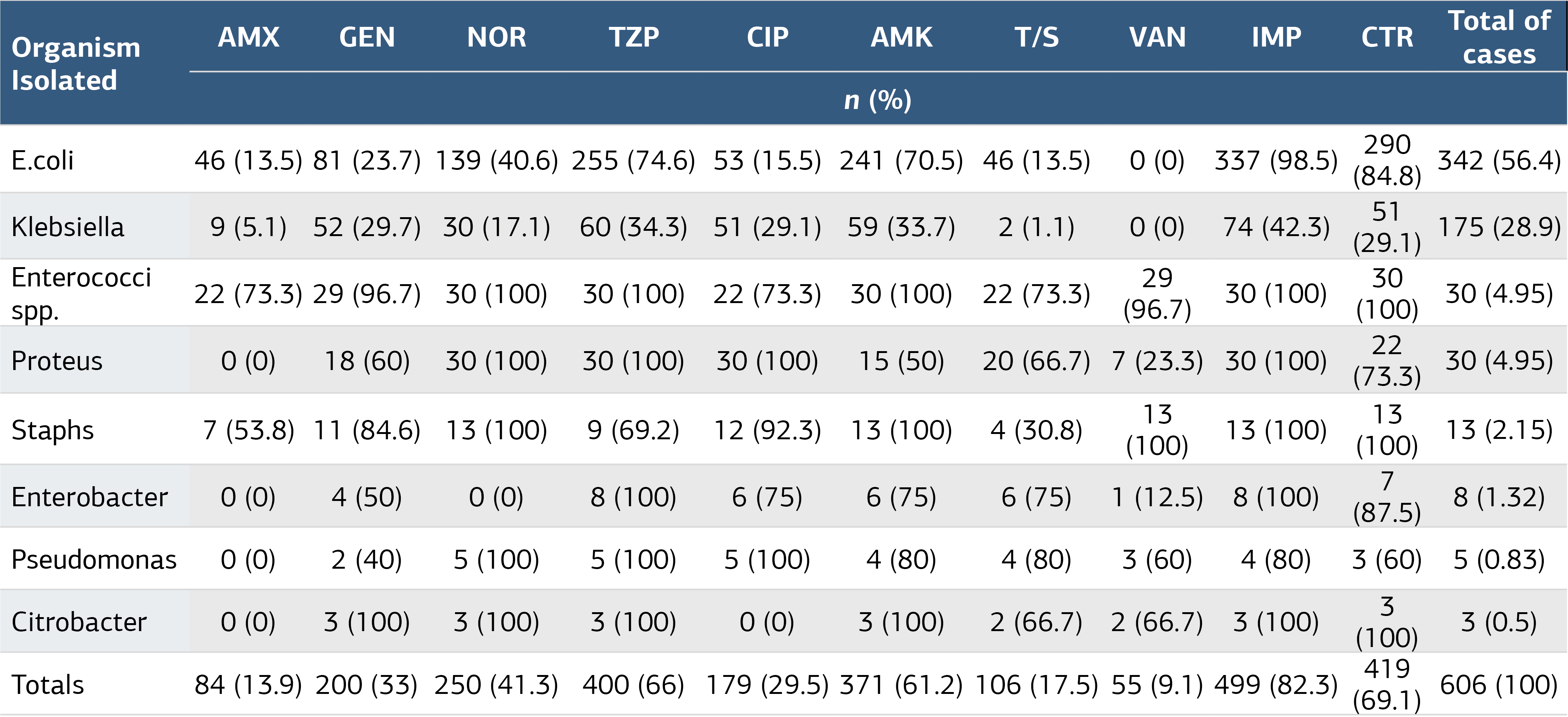
Amoxicillin (amx), Amikacin (amk), Ceftriaxone (ctr), Ciprofloxacin (cip), Gentamicin (gen), Imipenem (imp), Norfloxacin (nor), Tazobactam-Piperacillin (tzp), Vancomycin (van), Trimethoprim-sulfamethoxazole (t/s)
Figures
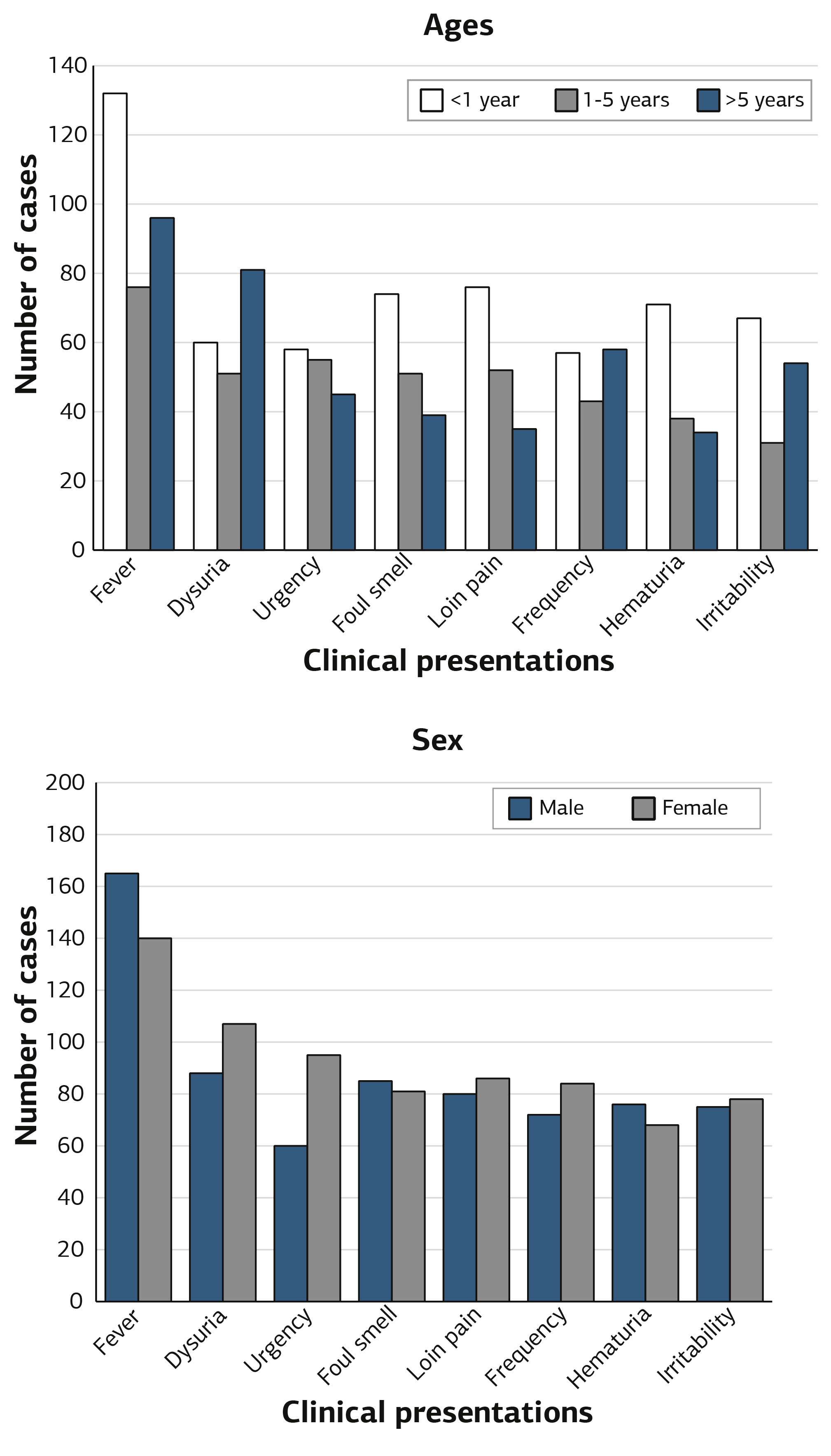
Figure 1. Clinical presentation of the children diagnosed as with UTI who attended to Arar maternity and pediatric hospital (2017-2022) in relation to their age and sex.
Additional Information
Publisher’s Note
Bayrakol MP remains neutral with regard to jurisdictional and institutional claims.
Rights and Permissions

This work is licensed under a Creative Commons Attribution-NonCommercial 4.0 International License (CC BY-NC 4.0). To view a copy of the license, visit https://creativecommons.org/licenses/by-nc/4.0/
About This Article
How to Cite This Article
Shehab Ahmed Alenazi. Uropathogens pattern in urinary tract infections among children in Arar, Saudi Arabia. Ann Clin Anal Med 2024;15(1):37-41. doi:10.4328/ACAM.22000
Publication History
- Received:
- 29.09.2023
- Accepted:
- 31.10.2023
- Published Online:
- 10.11.2023
- Printed:
- 01.01.2024