
Abstract
AimEndoscopic retrograde cholangio-pancreatography (ERCP) should be performed as the first-line treatment after appropriate imaging and drainage in non-complete biliary tract injuries. Our aim is to present our treatment strategy in such injuries in a tertiary center with the aim of contributing to the literature.MethodsBetween January 2016 and January 2022, 39 patients who underwent ERCP for iatrogenic simple biliary tract injury were included in our study. Magnetic resonance cholangiopancreatography was performed in all patients before the procedure. Sphincterotomy, balloon, basket catheter or balloon dilatation and plastic stent were performed under sedo-analgesia. Complication rates of the procedures were recorded.Results39 patients were included in the study. The mean age was 61.94±15.60 years. When the procedure characteristics of the patients who underwent ERCP were evaluated, 33 patients underwent selective cannulation and 6 patients underwent pre-cut. Primary cannulation was performed in 27 patients and secondary cannulation was performed in 12 patients. When we looked at the complications after ERCP, bleeding was not seen in any patient, while pancreatitis developed in 6 (15.40%) patients. After sphincterotomy and stenting, the procedure was successful in 35 (89.70%) patients and bile leakage disappeared in the follow-up.ConclusionEndoscopic interventional procedures should be considered as the first choice for idiopathic simple biliary tract leaks after laparoscopic cholecystectomy because they are minimally invasive, have a high success rate and eliminate the need for reoperation. Our early results are similar to the literature.
Keywords
Introduction
The most common causes of biliary tract injuries are cholecystectomy surgeries and liver hydatid cyst surgeries.1 Currently, laparoscopic cholecystectomy is the first-line treatment for symptomatic cholelithiasis. The incidence of biliary tract injury in laparoscopic cholecystectomy is reported to be 0.2%-0.9% in the current literature.2
Timing of treatment is recognized as the most important parameter in the success of treatment of iatrogenic biliary tract injuries.3 For example, there is a time frame for surgical repair after injury that should be optimally avoided between two and six weeks.4
Endoscopic retrograde cholangiopancreatography is indicated as the first choice method in the treatment of bile duct leaks after appropriate imaging and drainage.5 Endoscopic retrograde cholangiopancreatography is an effective method in both diagnosis and treatment. Studies have shown that endoscopic retrograde cholangiopancreatography has a very high success rate in cases without a full-thickness injury to the choledochus.1,6
In addition, the clinical guideline of the European Society of Gastrointestinal Endoscopy recommends sphincterotomy followed by temporary stent placement instead of sphincterotomy alone during endoscopic retrograde cholangiopancreatography performed for diagnosis and treatment after biliary tract injuries.7
Our study was planned to reveal the endoscopic retrograde cholangiopancreatography applications we performed as the first treatment method in simple biliary tract leaks and to reveal the power of endoscopic methods in the management of biliary tract leaks and to contribute to the literature on endoscopic management by creating a preliminary idea in patient follow-up.
Materials and Methods
Study DesignThis study was conducted retrospectively as a single-center study. The interventional endoscopy unit affiliated with the general surgery clinic of our hospital, which is a tertiary health center, is accepted as a reference endoscopy center in our region. Therefore, the included patient population consists of patients referred to our center and primary patients of our own clinic. Between January 2016 and January 2022, 74 patients who underwent endoscopic retrograde cholangiopancreatography procedure classified as Amsterdam type A due to biliary tract leakage were evaluated. Two patients under 18 years of age were excluded from the study. We excluded another eight patients whose postoperative follow-up was not performed by us and 25 patients who underwent surgical procedures other than laparoscopic cholecystectomy. A patient flowchart is shown in Figure 1.
Our study aims to reveal the endoscopic retrograde cholangiopancreatography applications we performed as the first treatment method in simple biliary tract leaks and to reveal the power of endoscopic methods in the management of biliary tract leaks. The study also aims to contribute to the literature on endoscopic management by creating a preliminary idea in patient follow-up. Magnetic resonance cholangiopancreatography was performed before the endoscopic procedure. Patients were also evaluated by an anesthesiologist before the procedure. Sphincterotomy, balloon, basket catheter or balloon dilatation and plastic stent application were performed after endoscopic retrograde cholangiopancreatography imaging with a side view duodenoscope under sedo-analgesia under anesthesiologist guidance.
Demographic data (age, gender), preoperative comorbid conditions, location of bile leakage during endoscopic procedure, sphincterotomy and stent application, precut rates during the procedure, selective cannulation rates, duration of hospitalization after the procedure, necessity of surgical procedure for bile leakage, bilirubin, amylase and leukocyte values before and after endoscopic procedure, duration of the procedure, and development of complications during the procedure were evaluated.Ethical ApprovalStudy approval was obtained from the Bandırma Onyedi Eylül University Ethics Committee with the decision (Date: 16.11.2022, Decision No: 2022-173).Statistical AnalysisStatistical analyses were performed using Statistical Package for the Social Sciences (version 26.0, SPSS Inc, Chicago, IL, USA). Besides descriptive statistical methods (mean, median, frequency, rate), the Kruskal-Wallis test was used to compare quantitative data, and the Mann-Whitney U test was used for two-group comparisons. The Pearson’s chi-squared test and Fisher’s exact test were used to compare qualitative data. P < .05 was considered statistically significant.
Reporting GuidelinesThis study was reported in accordance with the STROBE guideline.
Results
A total of 39 patients were included in our study regarding the endoscopic interventional procedures we performed in our clinic in for the intervention of idiopathic bile leaks in the Type
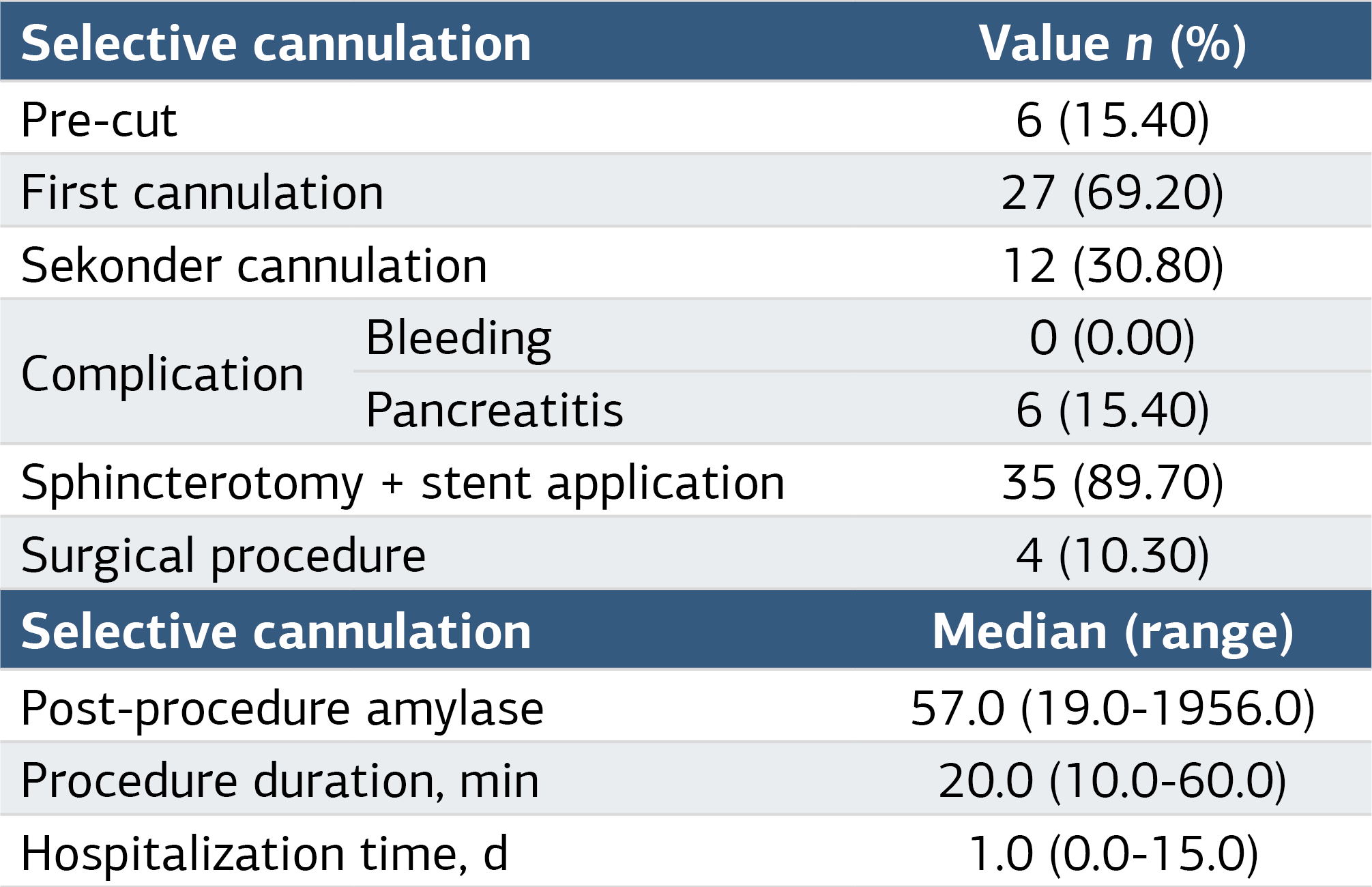
A group according to the Amsterdam classification, which occurred after laparoscopic cholecystectomies. Of the included patients, 22 were female and 17 were male. The mean age of the included patients was 61.94±15.60 years. When we evaluated the comorbid diseases of the patients included in the study, 19 (48.70%) patients had congestive heart failure, 5 (12.80%) patients had chronic kidney disease, 7 (17.90%) patients had chronic lung disease, and 1 (2.60%) patient had a history of malignancy. The most common presenting symptom of patients with idiopathic bile leakage after laparoscopic cholecystectomy was bile from the drain (48.70%). Other presenting complaints included abdominal pain, nausea and vomiting, and fever. The median total bilirubin value of the included patients at presentation was 1.20 mg/dL. The median direct bilirubin value was 0.90 mg/dL, and the diameter of the common bile duct measured on MRCP for evaluation at admission was 14.00 mm (Table 1).
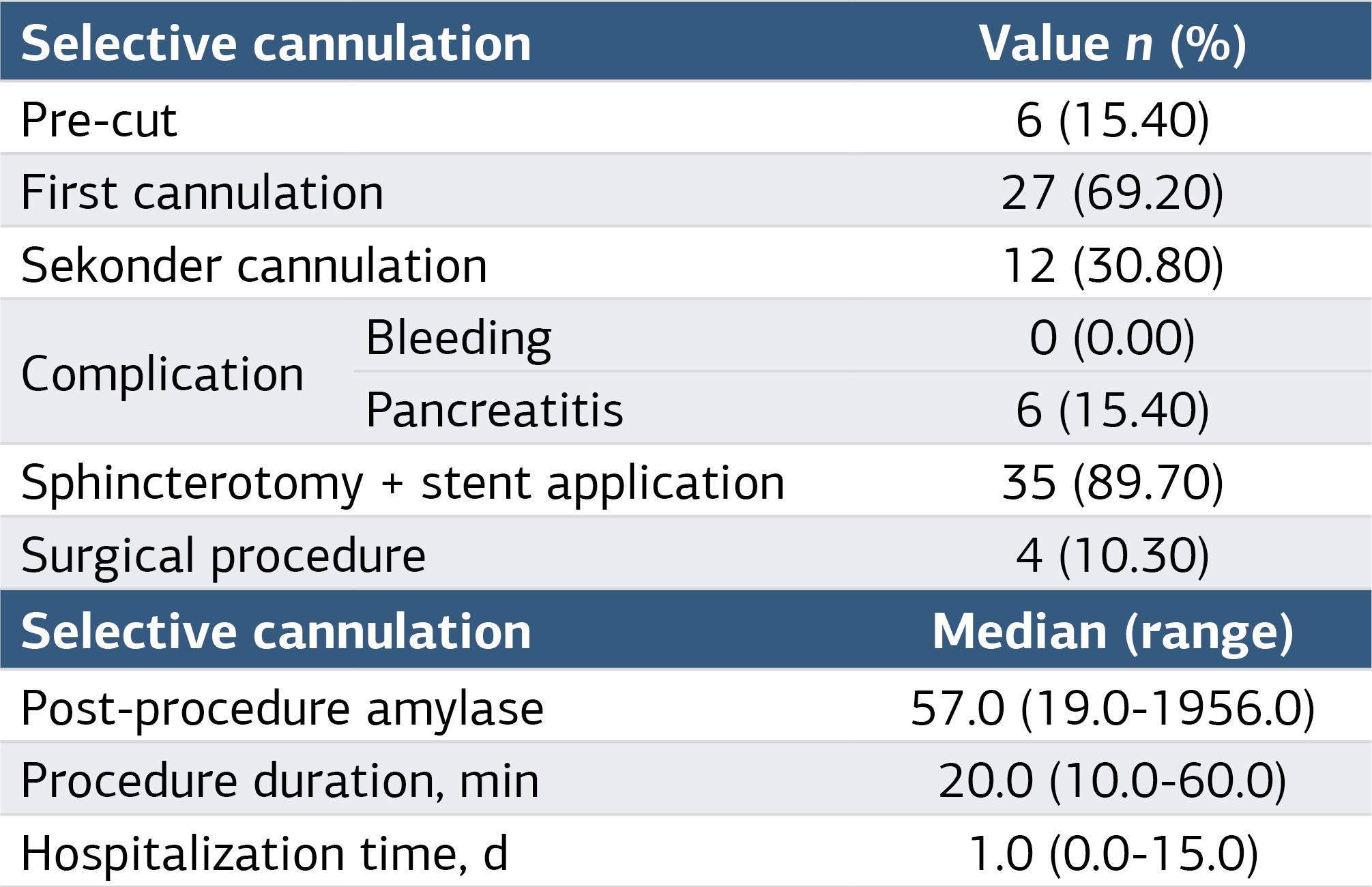
When the procedural characteristics of patients who underwent ERCP for postoperative bile leakage were evaluated, it was seen that selective cannulation was performed in 33 (84.60%)
patients and precut procedure was performed in 6 (15.40%) patients. When the cannulation procedure was detailed, primary cannulation was performed in 27 patients and secondary cannulation was performed in 12 patients. When we looked at the complications after ERCP, bleeding was never seen, while pancreatitis developed in 6 (15.40%) patients. The median procedure time was 20.0 (10.0-60.0) minutes. The median post-procedure biochemical control amylase value was 57.0 (19.0-1956.0). After sphincterotomy+stent application during ERCP procedure for bile leakage, the procedure was successful in 35 (89.70%) patients and the bile leakage disappeared in the follow-up. However, in 4 patients, the intervention was not successful and surgery was required. When we evaluated the duration of hospitalization in the clinic after the procedure, a median hospitalization period of 1.0 (0.0-15.0) days was observed (Table 2).
Discussion
Laparoscopic cholecystectomy surgery is one of the most frequently performed surgeries worldwide.8
Iatrogenic biliary tract injuries after gallbladder surgeries are seen with a probability of 0.3%-0.7% and can have important consequences.1,9 Endoscopic interventional procedures are at the forefront of treatment modalities after biliary tract injuries.1 Sphincterotomy and biliary stent placement constitute the golden standard treatment.10,11 With sphincterotomy, sphincter pressure decreases and following stent placement, bile flow to the duodenum is facilitated and healing is achieved.12
In our study, we aimed to reveal the endoscopic retrograde cholangiopancreatography applications we performed as the first treatment method in simple biliary tract leaks and to reveal the power of endoscopic methods in the management of biliary tract leaks. The study also aims to contribute to the literature on endoscopic management by creating a preliminary idea in patient follow-up.
When we evaluated the entire patient population, we found that the female patient population constituted a larger proportion with 56.40%. 51.30% of the patients had comorbid diseases in the preoperative period.
Acar T et al.8 achieved 81% success rate in leak management with endoscopic procedure, while Çelik M et al.12 achieved 89% success rate. When we evaluated the results of our endoscopic interventional procedures, we also achieved a high success rate of 89.70%. Acar T et al.8 found that the most common presenting complaint of patients after leakage was bile coming from the drain, and we also found that this was the most common presenting complaint.
According to Fasoulas K et al.13 The transition time to endoscopic retrograde cholangiopancreatography after surgery was long. Because of the multidisciplinary approach, it is inevitable that there is lost time for communication and information. Martinez-Lopez S et al.14 evaluated patients with idiopathic biliary tract injury after laparoscopic cholecystectomy and found that there is a need for more invasive procedures and longer hospitalization time in patients with late presentation. In our clinic, endoscopic retrograde cholangiopancreatography is performed by general surgeons and is planned in the early period in cases of bile leakage. Our early results are similar to the literature.
Limitations
This study has several limitations, including its retrospective, single-center design and relatively small sample size. These factors may limit the generalizability of the findings.
Conclusion
In idiopathic biliary tract leaks after laparoscopic cholecystectomy surgery, endoscopic interventional procedures in the Amsterdam type A stage are much less invasive and have a high chance of success. ERCP procedure can be used as the first choice as a reliable and effective method in bile duct leaks.
Declarations
Animal and Human Rights Statement
All procedures performed in this study were in accordance with the ethical standards of the institutional and/or national research committee and with the 1964 Helsinki Declaration and its later amendments or comparable ethical standards.
Informed Consent
The requirement for informed consent was waived due to the retrospective nature of the study.
Data Availability
The datasets used and/or analyzed during the current study are not publicly available due to patient privacy reasons but are available from the corresponding author on reasonable request.
Conflict of Interest
The authors declare that there is no conflict of interest.
Funding
None.
References
- Pesce A, Palmucci S, La Greca G, Puleo S. Iatrogenic bile duct injury: impact and management challenges. Clin Exp Gastroenterol. 2019;12(1):121-128. doi:10.2147/ceg.s169492
- Siiki A, Ahola R, Vaalavuo Y, Antila A, Laukkarinen J. Initial management of suspected biliary injury after laparoscopic cholecystectomy. World J Gastrointest Surg. 2023;15(4):592-599. doi:10.4240/wjgs.v15.i4.592
- Nuzzo G, Giuliante F, Giovannini I, et al. Bile duct injury during laparoscopic cholecystectomy: results of an Italian national survey on 56 591 cholecystectomies. Arch Surg. 2005;140(10):986-992. doi:10.1001/archsurg.140.10.986
- Schreuder AM, Nunez Vas BC, Booij KAC, et al. Optimal timing for surgical reconstruction of bile duct injury: meta-analysis. BJS Open. 2020;4(5):776-786. doi:10.1002/bjs5.50321
- Rustagi T, Aslanian HR. Endoscopic management of biliary leaks after laparoscopic cholecystectomy. J Clin Gastroenterol. 2014;48(8):674-678. doi:10.1097/mcg.0000000000000044
- Akool MA, Al-Hakkak SMM, Al-Wadees AA. The role of endoscopic retrograde cholangiopancreatography in the management of biliary complication post-laparoscopic cholecystectomy. Open Access Maced J Med Sci. 2021;9(B):313-317. doi:10.3889/oamjms.2021.6071
- Dumonceau JM, Tringali A, Papanikolaou IS, et al. Endoscopic biliary stenting: indications, choice of stents, and results: European Society of Gastrointestinal Endoscopy clinical guideline—updated October 2017. Endoscopy. 2018;50(9):910-930. doi:10.1055/a-0659-9864
- Acar T, Acar N, Güngör F, et al. İyatrojenik safra yolu yaralanmalarının endoskopik ve cerrahi yönetimi. Ulus Travma Acil Cerrahi Derg. 2020;26(2):203-211.
- Barbier L, Souche R, Slim K, Ah-Soune P. Long-term consequences of bile duct injury after cholecystectomy. J Visc Surg. 2014;151(4):269-279. doi:10.1016/j.jviscsurg.2014.05.006
- Sendino O, Fernández-Simon A, Law R, et al. Endoscopic management of bile leaks after liver transplantation: an analysis of two high-volume transplant centers. United European Gastroenterol J. 2018;6(1):89-96. doi:10.1177/2050640617712869
- Bismuth H, Majno PE. Biliary strictures: classification based on the principles of surgical treatment. World J Surg. 2001;25(10):1241-1244. doi:10.1007/s00268-001-0102-8
- Çelik M, Yilmaz H, Kılıç MC, et al. Postoperatif safra kaçağı olan olgularda endoskopik retrograd kolanjiyopankreatografi ile endoskopik sfinkterotomi ve biliyer stentlemenin etkinliği ve güvenliği. Ulus Travma Acil Cerrahi Derg. 2023;29(8):904-908.
- Fasoulas K, Zavos C, Chatzimavroudis G, et al. Eleven-year experience on the endoscopic treatment of post-cholecystectomy bile leaks. Ann Gastroenterol. 2011;24(3):200-205.
- Martinez-Lopez S, Upasani V, Pandanaboyana S, et al. Delayed referral to specialist centre increases morbidity in patients with bile duct injury after laparoscopic cholecystectomy. Int J Surg. 2017;44(1):82-86. doi:10.1016/j.ijsu.2017.06.042
Tables
Table 1. Demographic Characteristics, Comorbidities and Presenting Symptoms
SD, standard deviation; n, number; CBD, Common bile duct; mm, millimeter; mg:,milligram; dL, decilitre
Figures
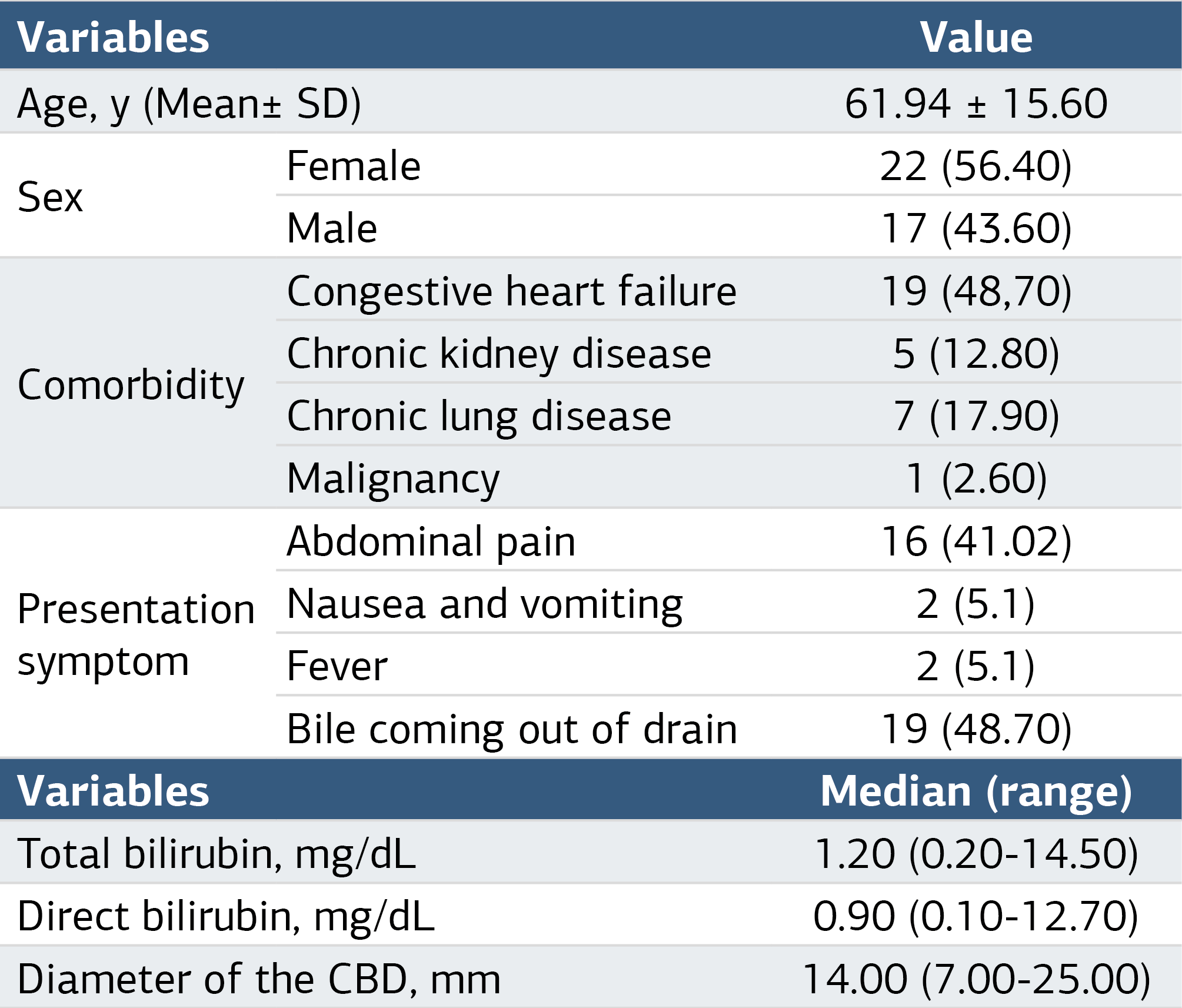
Figure 1. The Sample Collection Scheme
Additional Information
Publisher’s Note
Bayrakol MP remains neutral with regard to jurisdictional and institutional claims.
Rights and Permissions

This work is licensed under a Creative Commons Attribution-NonCommercial 4.0 International License (CC BY-NC 4.0). To view a copy of the license, visit https://creativecommons.org/licenses/by-nc/4.0/
About This Article
How to Cite This Article
Yunushan Furkan Aydoğdu, Tamer Akay, Alpaslan Fedayi Çalta, Ali Duran, Serhat Oğuz. Our experience with ERCP (endoscopic retrograde cholangio pancreatography) as the first line treatment for simple bile duct leakage. Ann Clin Anal Med 2024;15(2):122-125. doi:10.4328/ACAM.22019
Publication History
- Received:
- 20.10.2023
- Accepted:
- 20.11.2023
- Published Online:
- 27.11.2023
- Printed:
- 01.02.2024