
Abstract
AimA high-fat diet (HFD) leads to systemic low-grade inflammation associated with various metabolic and inflammation-related diseases. White tea (WT), rich in catechins and potent antioxidants, plays a pivotal role in disease prevention. This study aimed to explore the impact of white tea known for its beneficial health effects like antioxidants, anti-obesity, anti-diabetic, and anti-inflammatory properties on the levels of sortilin and interleukin-6 in the retroperitoneal adipose tissue of rats fed a high-fat diet (HFD).MethodsThe study utilized 24 male Sprague-Dawley rats, aged 6-8 weeks, categorized into three groups: control, HFD, and white tea in addition to HFD. The rats were allowed ad libitum access to food for 12 weeks, and the HFD+WT group received a daily oral gavage of 5 mg/kg of white tea. Weight measurements were recorded on a weekly basis, and the experiment was terminated upon achievement of the obesity criterion. At the end of the study, the levels of sortilin and IL-6 in retroperitoneal adipose tissue were measured by ELISA, while serum glucose, triglyceride, and total cholesterol levels were assessed using a colorimetric spectrophotometric technique.ResultsA statistically significant difference was observed between the control group and the HFD group for glucose, cholesterol sortilin and IL-6 levels as well as final live weight of the rats (P < .05). ConclusionIt was concluded that WT has a significant effect on preventing weight gain and reducing serum glucose and cholesterol levels. However, there were no observed alterations in sortilin and IL-6 levels in the retroperitoneal adipose tissue between HFD and HFD+WT group. This lack of change may be attributed to the low bioavailability of the bioactive compounds in WT following dietary intake.
Keywords
Introduction
The consumption of a high-fat diet (HFD) can lead to chronic low-level inflammation, which is associated with various metabolic and inflammation-related diseases.1 Obesity is characterized by a low-grade inflammatory process. It is a chronic pathological condition characterized by an increase in the number and volume of body fat cells due to an energy imbalance resulting from increased energy intake and decreased physical activity.2 Adipose tissue (AD) functions as an endocrine organ that secretes various adipocytokines associated with inflammation, including IL-6, TNF-α, IL-1β, and IL-8.3
Sortilin is a transmembrane protein encoded by the Sort1 gene located in the 1p13 locus, with a molecular weight of 95 kDa. While its primary expression occurs in neurons, adipocytes, hepatocytes, and macrophages, it is also found to be expressed in nearly all tissues. Sortilin has been reported to be associated with dyslipidemia, atherosclerosis, inflammation, and obesity, particularly in neurodegenerative diseases.4 Sortilin plays a role in obesity by binding to the adipogenic limiting receptor δ-like protein 1 (DLK1) in 3T3-L1 preadipocytes, inhibiting adipogenic differentiation, and functioning as a component of the GLUT4 storage vesicle (GSV) involved in insulin-dependent glucose uptake. Additionally, Sortilin is involved in the development of Type 2 diabetes by inhibiting GSV translocation in adipocytes and myocytes.5
Tea, a natural herbal beverage produced from Camellia sinensis (L.), belonging to the Theaceae family, is cultivated in over 30 countries globally and is widely consumed for its numerous health benefits and refreshing taste.6 Various types of tea, such as green tea, black tea, white tea, and oolong tea, can be derived from the leaves and buds of Camellia sinensis. These different types of tea are categorized by the level of fermentation undergone by the freshly picked leaves or buds during the production process.
White tea is named after the white hairs that cover the buds during harvesting. White tea, along with green tea, is often considered the least processed type of tea. It is unfermented or only lightly fermented, and rich in polyphenolic flavonoid-derived compounds known as catechins (flavan-3-ols). It exhibits higher antioxidant activity compared to black and green teas due to its minimal processing. Its rarity makes it a unique choice for tea enthusiasts.7 White tea contains high levels of catechins, such as epigallocatechin (EGC), epicatechin gallate (ECG), epicatechin (EC), and especially epigallocatechin gallate (EGCG), which significantly contribute to its bioactivities. Additionally, white tea has been reported to contain powerful antioxidant substances that offer numerous benefits in protecting against diseases. While some studies suggest that white tea may serve as a useful complementary or alternative treatment for obesity and its associated complications, the precise positive effects of white tea on obesity have not been fully elucidated.8
Based on current information, the aim of this study is to examine the effect of white tea, obtained from the Camellia sinensis plant cultivated in Rize and its surrounding regions, on the levels of sortilin and interleukin-6 in the retroperitoneal (RP) fat tissues of rats that were fed a high-fat diet (HFD).
Materials and Methods
Animals and ProceduresTwenty-four male Sprague Dawley rats, weighing between 250-300 grams and aged 6-8 weeks, were obtained from the Recep Tayyip Erdoğan University Experimental Animal Implementation and Research Center. All animals were handled according to the Laboratory Animal Care and Use protocols outlined in both the National and International Research Council Guides. They had ad libitum access to a control diet (Bayramoğlu Em ve Un San. Tic. A.S., Whole Pellet Rat Feed) for one week before being randomly divided into three groups, each containing eight rats, and were housed in transparent polyethylene cages.
Group 1 served as the control group, Group 2 was fed an HFD, and Group 3 was given white tea in addition to HFD fed (HFD+White tea (WT)). To induce an obesity model, rats were given HFD (Arden Research & Experiment, comprising 45% of calories from fat) ad libitum. In the HFD+WT group, rats were administered white tea (5 mg/kg/day) orally by gavage in addition to the HFD.
The white tea plant was obtained from the General Directorate of Tea Enterprises (Çaykur A.Ş. Rize, Turkey). White tea was steeped in boiled drinking water at a dose of 5 mg/kg per rat for 10 minutes and then allowed to cool to room temperature. White tea was freshly prepared and applied daily. Obesity is defined as an increase in body weight of at least 20% compared to the control group.9 The experiment was terminated when the rats in the HFD group reached the 20% weight gain criterion in comparison with the control group. After a 12-hour fasting period, the rats were anesthetized with ketamine hydrochloride. Blood samples were collected from the intracardiac left ventricle before the rats were euthanized under anesthesia/tranquilizer.Biochemical AnalysisThe serum triglyceride (TG), total cholesterol (TC), and glucose levels were measured by the routine clinical biochemistry laboratory using the Abbott Architect c 16000 autoanalyzer and commercial kits. The measurements were conducted in triplicate using the spectrophotometric method.ELISA Assays100 mg of Retroperitoneal adipose tissue (RP-AT) were homogenized in 1 mL of pH 7.4, 0.01 M PBS buffer using the TissueLyser II Qiagen for 5 minutes. Subsequently, the homogenized tissue was centrifuged at 2000g for 10 minutes. The resulting supernatant was transferred to other Eppendorf tubes for further analysis. The protein concentration of the sample was assessed using the commercially available Bicinchoninic Acid Method and BCA assay kit (Sigma cat no: QPBCA-1KT), following the instructions provided with the kit. ELISA kits were used to determine the levels of sortilin (Bt Lab, Cat No. E1429Ra) and IL-6 (Bt Lab, Cat No. E0135Ra) in RP-AT.Ethical ApprovalThis study was approved by the Local Committee of Recep Tayyip Erdoğan University (Date: 14.02.2023, Decision No: 2023/15).Statistical AnalysisAll data were analysed using SPSS 18.0 (IBM, Armonk, NJ, USA) software. The suitability of the obtained data for normal distribution was assessed using the Kolmogorov-Smirnov test. The data’s central tendencies were expressed as the arithmetic mean (X) and standard deviation (SD) since they were parametric. Variance analysis among groups was conducted using the One-Way ANOVA followed by the Tukey’s post hoc test, considering a P value of <0.05 as statistically significant.Reporting GuidelinesThis study was reported in accordance with the ARRIVE guidelines.
Results
Body Weight ChangeThe weekly change in body weight of the rats is illustrated in Figure 1. Corresponding to the macroscopic images, the HFD group displayed the highest weight gain, whereas the HFD + WT group exhibited the lowest. Statistical analysis indicated a significant difference in weekly weight gain between these two groups (P < .01).
Biochemical ResultsWhen comparing serum TC levels among the groups, the HFD group had the highest TC levels, while the CD group had the lowest. Regarding TC levels, the HFD group showed a statistically significant difference compared to other study groups (P < .05). In the analysis of serum TG levels, no statistically significant difference was observed between the study groups (P > .05).
In the comparison of serum glucose levels across groups, the HFD group demonstrated the highest glucose levels, whereas the CD group showed the lowest. The serum glucose level in the HFD group was found to be statistically significantly higher than that of the CD group (P < .05). Although the serum glucose level in the HFD + WT group was lower than that of the HFD group, this difference was not statistically significant (P > .05). The serum levels of TC, TG, and glucose are detailed in Table 1.
The levels of sortilin and IL-6 in the RT-AT among the study groups are presented in Figure 2. Analysis of sortilin levels in RP-AT showed that the RP sortilin levels in the HFD and HFD+WT groups were higher than those in the CD group (P < .05). The sortilin levels in RP-AT were comparable in between the HFD and HFD+WT groups. Analysis of IL-6 exhibited a pattern similar to sortilin levels. RP IL-6 levels were the highest in the HFD group (P < .05).
Data are given as mean ± SD. One-Way ANOVA – Tukey’s post hoc test.
* Statistically significantly different from other groups (P < .05).
Discussion
White tea has been reported to have protective effects against various health conditions, including cardiovascular disease, cancer, diabetes, obesity, central nervous system disorders and microbial diseases. These potential benefits could be due to its cardioprotective, antidiabetic, neuroprotective, anticarcinogenic, antimutagenic, antimicrobial, and anti-obesity effects, as well as its high antioxidant and anti-inflammatory capacities.8
Our study aimed to investigate the effect of white tea on body-weight gain, levels of sortilin, and IL-6 in retroperitoneal adipose tissue. We examined these factors in relation to changes in serum glucose, TC, and TG levels, as high levels of these factors are known to be closely associated with HFD-fed rats. When comparing the weight changes among the groups in this study, HFD+WT group showed lower weight gain, suggesting a potential inhibitory impact of white tea on fat tissue accumulation. Prior research has demonstrated that various types of tea (black, green, white, and oolong) can prevent weight gain in rats fed a HFD.10 Another study revealed that tea reduced body weight and accumulation of white fat in mice with diet-induced obesity, as well as preventing hepatic steatosis. A study comparing the effects of six types of tea found white tea to be the most effective in preventing obesity.11 Consistent with these findings, our study shows that white tea can prevent weight gain in HFD-fed mice aligns. White tea has been reported to exhibit its antiadipogenic and antilipemic effects by suppressing adipogenesis, fatty acid synthesis, and lipid absorption, while also stimulating beta-oxidation and lipolysis.1,11-13 Studies suggest that white tea extracts may have a beneficial effect on lipid metabolism and may therefore help to modulate the metabolic syndrome. In our study, the HFD+WT group showed reduced serum TG and TC levels. Previous studies investigating the impact of white tea on obesity have indicated that supplementing white tea in HFD-fed rats significantly reduces TG, TC, and LDL-C levels while increasing HDL-C levels.14,15 The HFD+WT group of our study had a statistically significant reduction in serum TC, whereas the decrease in serum TG was not statistically significant. Some studies have noted that while white tea decreases serum TC levels in HFD-induced obese rats, it does not significantly affect serum TG levels.10,16 In this regard, our study findings align with the results from Wang et al. and Ma et al.10,16
In the present study, we observed a decrease in serum glucose levels in the HFD+WT group when compared to other groups. Consistent with existing literature, white tea (WT) exhibited an antidiabetic effect. Previous studies administering white tea to pre-diabetic and diabetic rats have reported reductions in serum glucose levels and improvements in insulin tolerance.13,17,18 Conversely, other reports indicate that white tea enhances glucose tolerance by significantly reducing blood glucose in prediabetic rats, yet it does not affect serum insulin and fructosamine levels.19 In our study, the addition of white tea to rats alongside HFD resulted in reduced blood glucose levels. Our findings align with the literature, demonstrating the antidiabetic effect of white tea consumption. Studies in the literature have consistently shown that white tea has an anti-diabetic effect, with similar results in various experimental models.
Obesity-induced inflammation involves an upsurge in the number and activation of immune cells, resulting in the production of pro-inflammatory cytokines such as TNF-α and interleukins.20 Obesity is characterized by an increase in the secretion of several inflammatory molecules, including IL-6 from white adipose tissue, which has consequences for other organs and systems.21 In our study, we investigated the anti-inflammatory effect of white tea by analyzing IL-6 levels in RP-AT. A significant increase in IL-6 levels was observed in RP-AT of HFD-fed rats compared to those fed the control diet. This finding is consistent with the results of the study by Santos et al., which demonstrated increased levels of IL-6 in adipose tissue of HFD-fed mice.22 Likewise, Van der Heijden and colleagues state that HFD induced obesity leads to low-grade inflammation in adipose tissue.23 However, our study revealed that the white tea treatment showed no significant effect in reducing IL-6 levels in RP adipose tissue of HFD group. Although research on the effect of white tea on inflammation is limited, it is suggested that the phenolic compounds in its composition might exhibit anti-inflammatory properties. However, the present study found that white tea had no significantly effect on IL-6 levels in RP-AT. In a meta-analysis study by Haghighatdoost and Hariri, it was mentioned that bioactive compounds did not notably affect the C-reactive protein level but did lead to a significant decrease in TNF-α levels.17 It has been proposed that the limited bioavailability of bioactive compounds in tea following dietary intake might account for the observed absence of anti-inflammatory effects in mild inflammation.24 In our study, the lack of an effect on IL-6 levels in RP-AT by white tea supplementation alongside the HFD could possibly be attributed to a decline in its bioavailability post-dietary intake or the relatively low administered dose (5mg/kg).
Sortilin plays a role in the synthesis and secretion of proteins associated with lipid catabolism in adipocytes. Reports suggest that the reduction in sortilin levels within adipose tissue during obesity primarily stems from impaired insulin signaling, specifically the inhibition of the insulin/PI3K/AKT signaling cascade.25 As per reports, the formation of GSVs and insulin responses in preadipocytes (3T3-L1) necessitate the presence of sortilin. Glucose uptake is significantly reduced in the absence of sortilin.5 In our study, we observed that the amount of RP-AT sortilin was higher in the HFD-fed group than in the CD group (P < .05). However, no statistically significant difference (P > .05) was observed in the amount of sortilin when white tea was administered with HFD. The literature suggests that low levels of sortilin in adipose tissue are expected in obesity. However, the results of our study on sortilin levels were not consistent with previous research, possibly due to the use of a different animal species in the experimental model.
Limitations
The effects of white tea on serum lipid levels may vary due to differences in experimental models.
Conclusion
In this study, the potential protective effects of white tea against various health conditions were explored, considering its established properties like anti-inflammatory, antioxidant, and disease-fighting capabilities. The research aimed to understand the effect of white tea on body-weight gain, levels of sortilin and IL-6 in RP-AT, and changes in serum glucose, TC, and TG levels associated with obesity in HFD-fed rats. While the study hinted at a potentially inhibitory effect of white tea on weight gain in the HFD + WT group, consistent with prior research, complexities emerged regarding its effect on serum lipid levels and IL-6 in adipose tissue. Although the findings aligned with some existing studies, discrepancies arose concerning the impact on serum TG levels and IL-6 in RP-AT. The study highlighted the need for further investigation into the mechanisms underlying the effects of white tea, particularly in relation to inflammation and lipid metabolism, suggesting that the observed discrepancies might be due to differences in experimental models or bioavailability following dietary intake.
Conflict of Interest Statement: The author has no competing interests.
Statement of support and acknowledgement: I would like to express my gratitude to Eda Yilmaz Kutlu for her assistance during the writing phase.
Declarations
Animal and Human Rights Statement
All procedures performed in this study were in accordance with the ethical standards of the institutional and/or national research committee and with the 1964 Helsinki Declaration and its later amendments or comparable ethical standards.
Informed Consent
Not applicable.
Data Availability
The datasets used and/or analyzed during the current study are not publicly available due to patient privacy reasons but are available from the corresponding author on reasonable request.
Conflict of Interest
The authors declare that there is no conflict of interest.
Funding
None.
Abbreviations
AD: Adipose tissue
CD: Control diet
ELISA: Enzyme-linked immunosorbent assay
HFD: High-fat diet
IL-6: Interleukin-6
RP-AT: Retroperitoneal adipose tissue
SD: Standard deviation
TC: Total cholesterol
TG: Triglyceride
WT: White tea
References
- Shao X, Liu L, Zhou Y, et al. High-fat diet promotes colitis-associated tumorigenesis by altering gut microbial butyrate metabolism. Int J Biol Sci. 2023;19(15):5004-5019. doi:10.7150/ijbs.86717
- Crovesy L, Rosado EL. Interaction between genes involved in energy intake regulation and diet in obesity. Nutrition. 2019;67-68:110547. doi:10.1016/j.nut.2019.06.027
- Kunz HE, Hart CR, Gries KJ, et al. Adipose tissue macrophage populations and inflammation are associated with systemic inflammation and insulin resistance in obesity. Am J Physiol Endocrinol Metab. 2021;321(1). doi:10.1152/ajpendo.00070.2021
- Carlo AS, Nykjaer A, Willnow TE. Sorting receptor sortilin: a culprit in cardiovascular and neurological diseases. J Mol Med (Berl). 2014;92(9):905-911. doi:10.1007/s00109-014-1152-3
- Su X, Chen L, Chen X, Dai C, Wang B. Emerging roles of sortilin in affecting the metabolism of glucose and lipid profiles. Bosn J Basic Med Sci. 2022;22(3):340-352. doi:10.17305/bjbms.2021.6601
- Zhang Z, Liu C, Fang W, et al. Research progress on the lipid-lowering and weight loss effects of tea and the mechanism of its functional components. J Nutr Biochem. 2023;112:109210. doi:10.1016/j.jnutbio.2022.109210
- Wong M, Sirisena S, Ng K. Phytochemical profile of differently processed tea: a review. J Food Sci. 2022;87(5):1925-1942. doi:10.1111/1750-3841.16137
- Sanlier N, Atik İ, Atik A. A minireview of effects of white tea consumption on diseases. Trends Food Sci Technol. 2018;82:82-88. doi:10.1016/j.tifs.2018.10.004
- Buettner R, Schölmerich J, Bollheimer LC. High-fat diets: modeling the metabolic disorders of human obesity in rodents. Obesity (Silver Spring). 2007;15(4):798-808. doi:10.1038/oby.2007.608
- Wang C, Liu J, Sang S, et al. Effects of tea treatments against high-fat diet-induced disorder by regulating lipid metabolism and the gut microbiota. Comput Math Methods Med. 2022;2022:9336080. doi:10.1155/2022/9336080
- Liu C, Guo Y, Sun L, et al. Six types of tea reduce high-fat-diet-induced fat accumulation in mice by increasing lipid metabolism and suppressing inflammation. Food Funct. 2019;10(4):2061-2074. doi:10.1039/c8fo02334d
- Lee W, Lee D, Han E, Choi J. Intake of green tea products and obesity in nondiabetic overweight and obese females: a systematic review and meta-analysis. J Funct Foods. 2019;58:330-337. doi:10.1016/j.jff.2019.05.010
- Xu R, Yang K, Li S, Dai M, Chen G. Effect of green tea consumption on blood lipids: a systematic review and meta-analysis of randomized controlled trials. Nutr J. 2020;19(1):48. doi:10.1186/s12937-020-00557-5
- Li N, Zhou X, Wang J, et al. White tea alleviates non-alcoholic fatty liver disease by regulating energy expenditure and lipid metabolism. Gene. 2022;833:146553. doi:10.1016/j.gene.2022.146553
- Ferreira MCL, Lima LN, Cota LHT, et al. Effect of Camellia sinensis teas on left ventricular hypertrophy and insulin resistance in dyslipidemic mice. Braz J Med Biol Res. 2020;53(5). doi:10.1590/1414-431x20209303
- Ma H, Zhang B, Hu Y, et al. The novel intervention effect of cold green tea beverage on high-fat diet-induced obesity in mice. J Funct Foods. 2020;75:104279. doi:10.1016/j.jff.2020.104279
- Haghighat Doost F, Hariri M. The effect of green tea on inflammatory mediators: a systematic review and meta-analysis of randomized clinical trials. Phytother Res. 2019;33(9):2274-2287.
- Xia X, Xu J, Wang X, et al. Jiaogulan tea (Gynostemma pentaphyllum) potentiates the antidiabetic effect of white tea via the AMPK and PI3K pathways in C57BL/6 mice. Food Funct. 2020;11(5):4339-4355. doi:10.1039/d0fo00395f
- Islam MS. Effects of the aqueous extract of white tea (Camellia sinensis) in a streptozotocin-induced diabetes model of rats. Phytomedicine. 2011;19(1):25-31. doi:10.1016/j.phymed.2011.06.025
- Kumar DP, Koka S, Li C, Rajagopal S. Inflammatory mediators in obesity. Mediators Inflamm. 2019;2019:9481819. doi:10.1155/2019/9481819
- Shi C, Zhu L, Chen X, et al. IL-6 and TNF-α induced obesity-related inflammatory response through transcriptional regulation of miR-146b. J Interferon Cytokine Res. 2014;34(5):342-348. doi:10.1089/jir.2013.0078
- Santos IB, de Bem GF, da Costa CA, et al. Açaí seed extract prevents the renin-angiotensin system activation, oxidative stress and inflammation in white adipose tissue of high-fat diet-fed mice. Nutr Res. 2020;79:35-49. doi:10.1016/j.nutres.2020.05.006
- Van der Heijden RA, Sheedfar F, Morrison MC, et al. High-fat diet-induced obesity primes inflammation in adipose tissue prior to liver in C57BL/6j mice. Aging (Albany NY). 2015;7(4):256-268. doi:10.18632/aging.100738
- Hinojosa-Nogueira D, Pérez-Burillo S, Pastoriza De La Cueva S, Rufián-Henares JÁ. Green and white teas as health-promoting foods. Food Funct. 2021;12(9):3799-3819. doi:10.1039/d1fo00261a
- Li J, Wang Y, Matye DJ, et al. Sortilin 1 modulates hepatic cholesterol lipotoxicity in mice via functional interaction with liver carboxylesterase 1. J Biol Chem. 2017;292(1):146-160. doi:10.1074/jbc.m116.762005
Tables
Table 1. Serum Total Cholesterol, Triglyceride and Glucose Levels
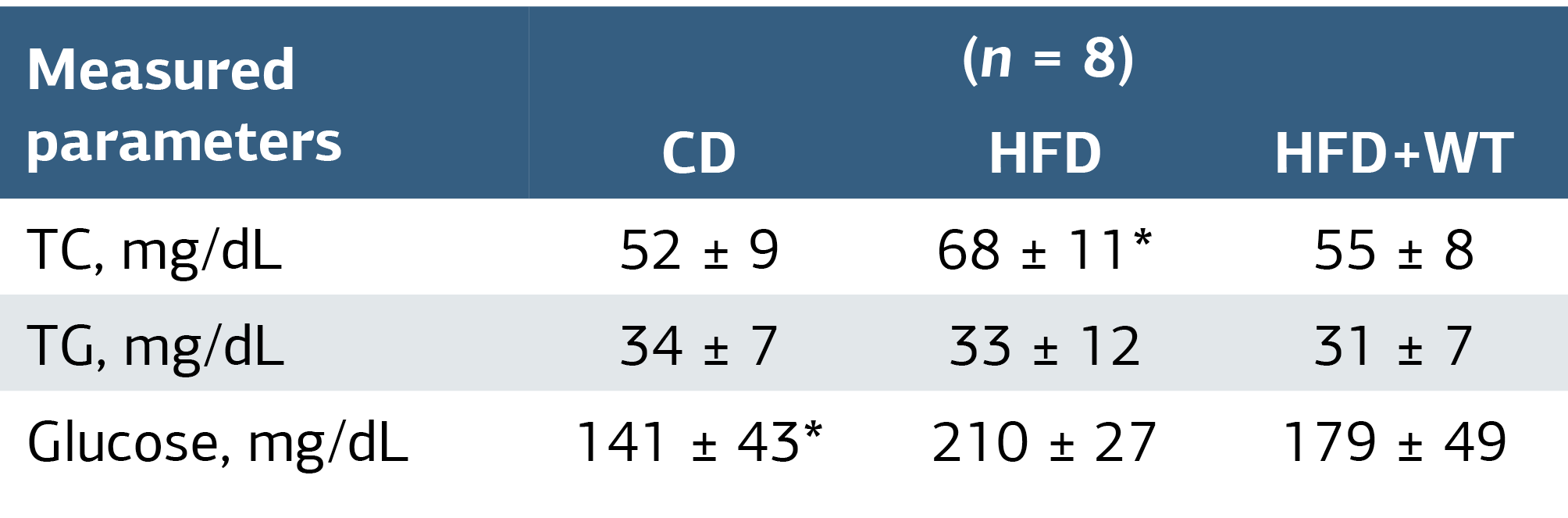
Data are given as mean±SD. One-Way ANOVA-Tukey's post hoc test *Statistically different from other groups (P < .05).
Figures
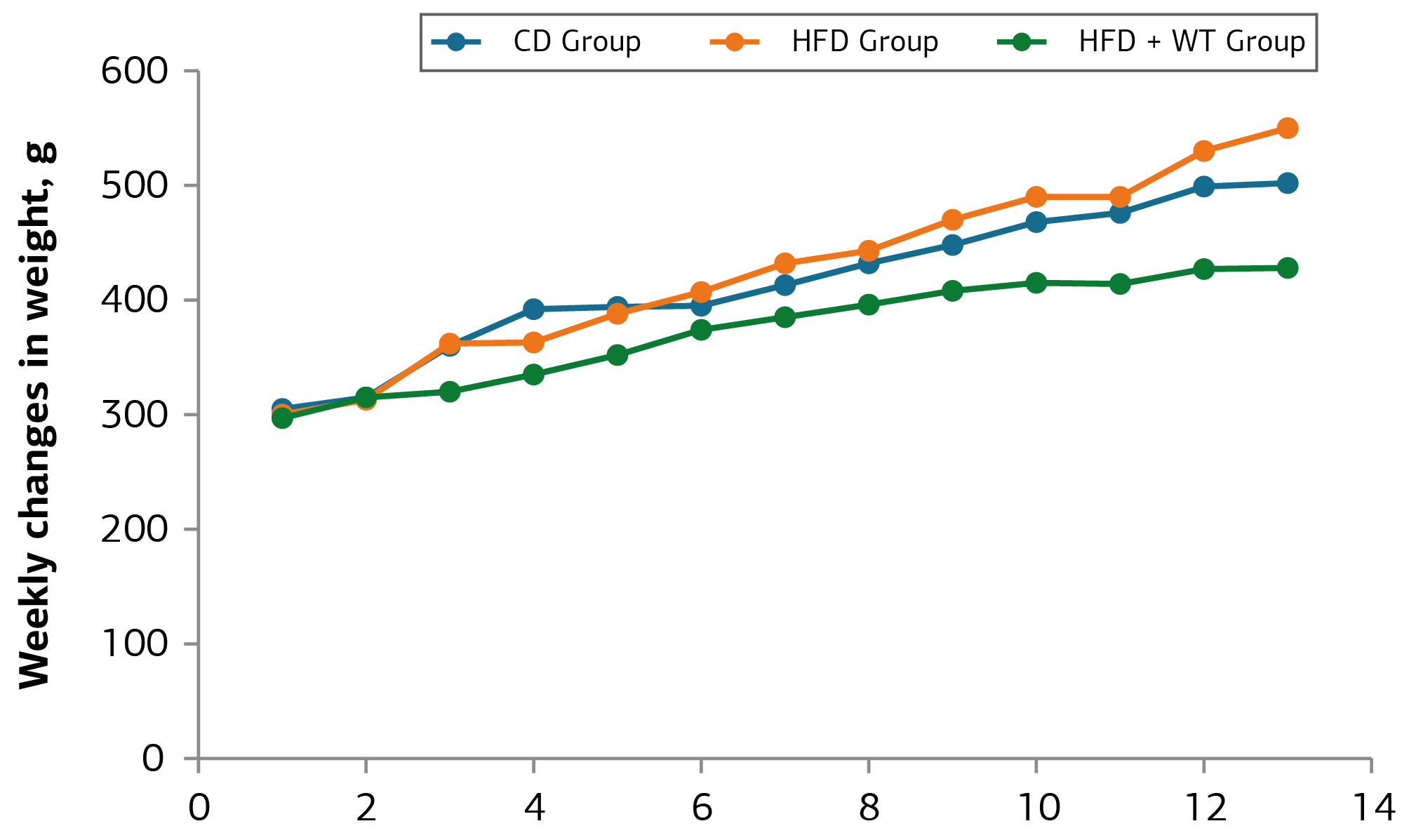
Figure 1. Weekly change in weight chart.
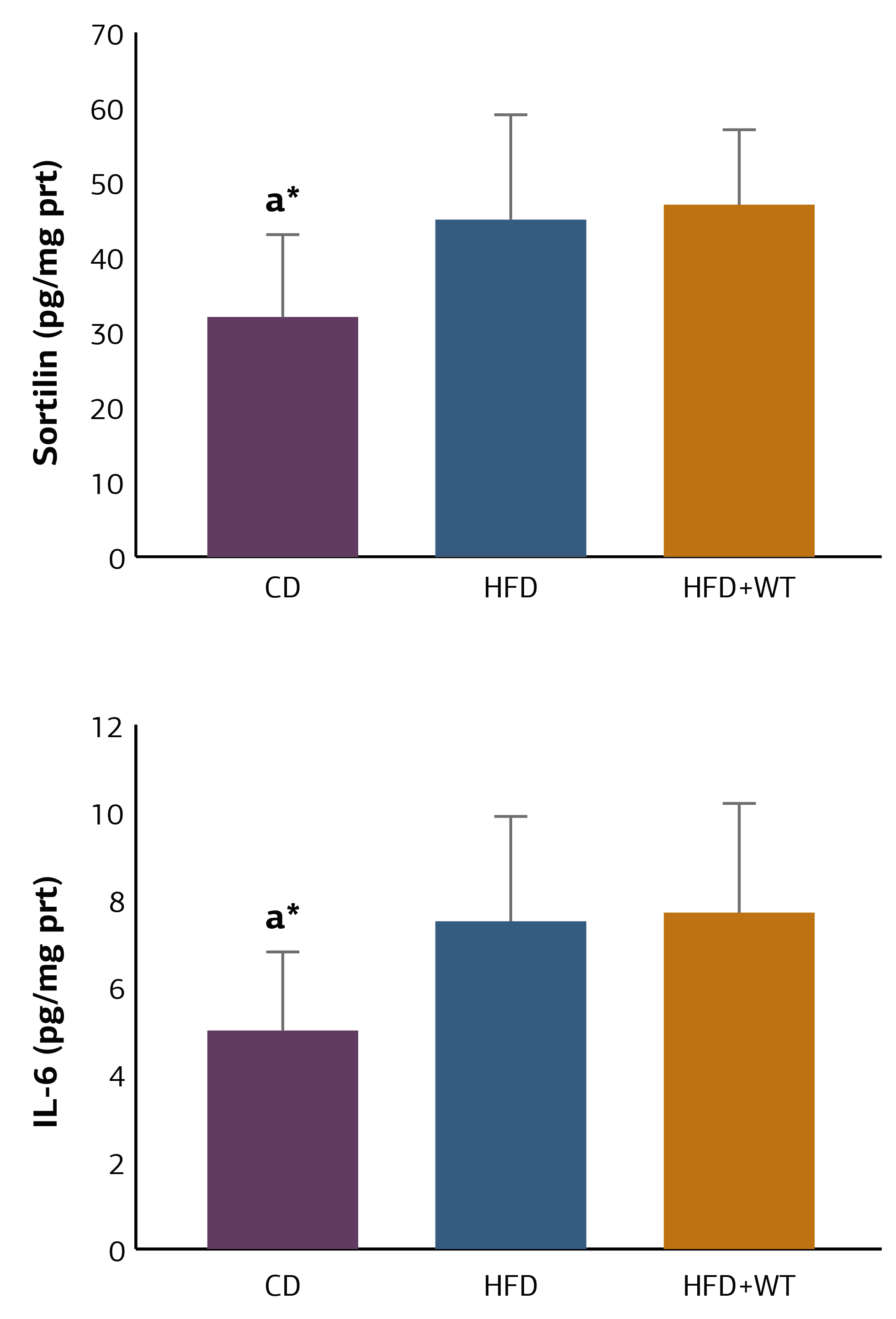
Figure 2. Sortilin and IL-6 Levels in RP-AT
Data are given as mean ±S D. One-Way ANOVA-Tukey’s post hoc test. *Statistically significantly different from other groups (P < .05)
Additional Information
Publisher’s Note
Bayrakol MP remains neutral with regard to jurisdictional and institutional claims.
Rights and Permissions

This work is licensed under a Creative Commons Attribution-NonCommercial 4.0 International License (CC BY-NC 4.0). To view a copy of the license, visit https://creativecommons.org/licenses/by-nc/4.0/
About This Article
How to Cite This Article
Mehtap Atak. Investigation of the effect of white tea on sortilin and interleukin-6 levels inretroperitoneal adipose tissue in high fat diet-fed rats. Ann Clin Anal Med 2024;15(4):277-281. doi:10.4328/ACAM.22094
Publication History
- Received:
- 03.01.2024
- Accepted:
- 29.02.2024
- Published Online:
- 07.03.2024
- Printed:
- 01.04.2024