
Abstract
AimEpoxyeicosanoids function as signal mediators in critical biological processes such as platelet aggregation, vasodilation, and anti-inflammation. With all these properties, Epoxyeicosanoids have been associated with many diseases. Metabolism of epoxyeicosanoids is carried out by soluble epoxide hydrolase enzymes, and as a result dihydroxyeicosatrienoic acids, which is a less active form than epoxyeicosanoids, are formed. In our study, SNP/mutation analysis was performed in the gene region responsible for the hydrolase activity of EPHX2, which encodes the soluble epoxide hydrolase enzyme.MethodsThe study consisted of two groups: a healthy group with 30 individuals and a T2DM patient group with 40 individuals. SNP/mutation analysis in the gene region responsible for the hydrolase activity of EPHX2 in both groups was performed by Sanger sequencing using appropriate primers.ResultsA total of 12 mutations were detected in both groups as a result of Sanger sequencing. Two of the 12 detected mutations were missense mutations (p.Asn359Thr and p.Ser412Arg). It was determined that the pathogenic scores of these mutations were close to 1 for Poly-Phen2 and 0-100 for SNAP. In addition, two (c.1058+165C>T and c.1058+146G>A) SNPs were detected in the intron we observed in the T2DM group, which has not been detected and defined before in our study.ConclusionWe believe that the mutations detected in our study, especially those that cause amino acid changes, may cause T2DM susceptibility in healthy individuals and progression of the disease pathogenesis in the T2DM group. We think that the detection of c.1058+165C>T and c.1058+146G>A mutations for the first time in our study will guide the next studies.
Keywords
Introduction
Eicosatrienoic acids (EETs), critical signaling molecules in the organism, are derived from arachidonic acid.1,2 Produced through the cytochrome P450 (CYP450) pathway, EETs are defined as hyperpolarizing factors derived from the endothelium. Mammals have four EET isomers with distinct biological functions: 5,6-EET, 8,9-EET, 11,12-EET, and 14,15-EET.2-4 The conversion of EETs to their less active forms, dihydroxyeicosatrienoic acids (DHETs), occurs through a two-step reaction catalyzed by soluble epoxide hydrolases (sEH). Eicosanoids have been identified as influential factors in the development of inflammatory, renal, and cardiovascular diseases. However, studies are scarce regarding the effects of EETs, products of the CYP450 pathway, on the pathogenesis of diabetes mellitus (DM).5-7 Considering both Type I diabetes mellitus (T1DM) and Type II diabetes mellitus (T2DM) as diseases developed due to insufficient functional beta-cell mass, we believe that detailed studies elucidating the precise mechanisms of action of potential molecules like EETs, effective in increasing beta-cell mass and/or improving beta-cell function, could pave the way for new strategies in diabetes treatment.5,8 In this study, to gain a better understanding of the EET metabolism in Type 2 diabetes mellitus (T2DM), the comprehensive screening of de novo mutations and/or single nucleotide polymorphisms (SNPs) in the alpha/beta hydrolase domain responsible for the enzyme’s hydrolytic activity of the EPHX2 gene was aimed through DNA sequence analysis. This thorough examination sought to illuminate the relationship between EPHX2 and T2DM by investigating mutations/SNPs.
Materials and Methods
The Formation of Patient and Control GroupsThe number of individuals in the groups for the planned sequence analysis was determined using the OSSE (Online Sample Size Estimator) program. The control group consisted of 30 people, and the Type 2 Diabetes Mellitus (T2DM) group (patients) consisted of 40 people.DNA Isolation From Blood SamplesDNA isolation from samples of the patient and control groups was conducted using the Blood DNA Isolation Kit with catalog number MG-KDNA-02 (Hibrigen, TR), following the protocol recommended by the manufacturer.Polymerase Chain Reaction (PCR) and Sanger DNA Sequencing AnalysisThe sequence information of the EPHX2 gene was amplified by PCR for 30 cycles using the primers specified in Table 1. The PCR mixture and PCR protocol used for amplification are summarized in Table 1. A PCR cycling program was used for PCR amplification.Sanger DNA Sequencing and Identification of Potential Mutations/SNPsThe DNA samples isolated from T2DM and control group were subjected to Sanger’s enzymatic method for sequence analysis. The results were visualized as electropherograms using software, and the analysis was conducted with Chromas 2.6.5 Technelsium DNA Sequencing Software.In-Silico Analysis of Detected Variants for Pathogenic Effects and Evolutionary Analysis Across SpeciesTo determine the potential pathogenicity of the identified mutations, scores provided by the PolyPhen-2 (http://genetics.bwh.harvard.edu/pph2/), SNAP (https://www.rostlab.org/services/SNAP/), and the Catalogue Of Somatic Mutations In Cancer (COSMIC) (https://cancer.sanger.ac.uk/cosmic) databases, accessible online, were utilized. The likelihood scores were used to determine whether each mutation was benign or pathogenic.Functional/Pathogenic Effect Analysis of Detected Mutations/SNPsVariants identified in the EPHX2 gene were assessed for their potential pathogenicity and clinical features using scores provided by the Polymorphism Phenotyping v2 (PolyPhen-2), SIFT, and SNAP databases, both in vivo and in vitro. Additionally, the Mutation Taster application, utilizing a Bayesian classifier to predict the disease potential of a change, was employed. For demonstrating the extent to which potential variants/mutations would affect the three-dimensional configuration of the protein, the SWISS-MODEL, an integrated web-based service dedicated to protein structure homology modeling, was used. STRING database, assessing protein-protein interaction information, was employed for protein-protein interaction analysis by generating different structural homology models for wild type and mutant. This allowed the evaluation of direct (physical) and indirect (functional) relationships among proteins in the pathway where the EPHX2 protein is present.Ethical ApprovalThis study was approved by the Ethics Committee of Niğde Ömer Halisdemir University Non-Interventional (Date: 22.12.2022, Decision No: 2022/116).Statistical AnalysisIn our study, statistical analysis was conducted by loading the data into the SPSS 14.0 program. Normality analysis was performed using the Kolmogorov-Smirnov test. Data showing conformity to normal distribution were analyzed using one-way ANOVA, while data not conforming to normal distribution were analyzed using the Mann-Whitney U test.Reporting GuidelinesThis study was reported in accordance with the STROBE guideline.
Results
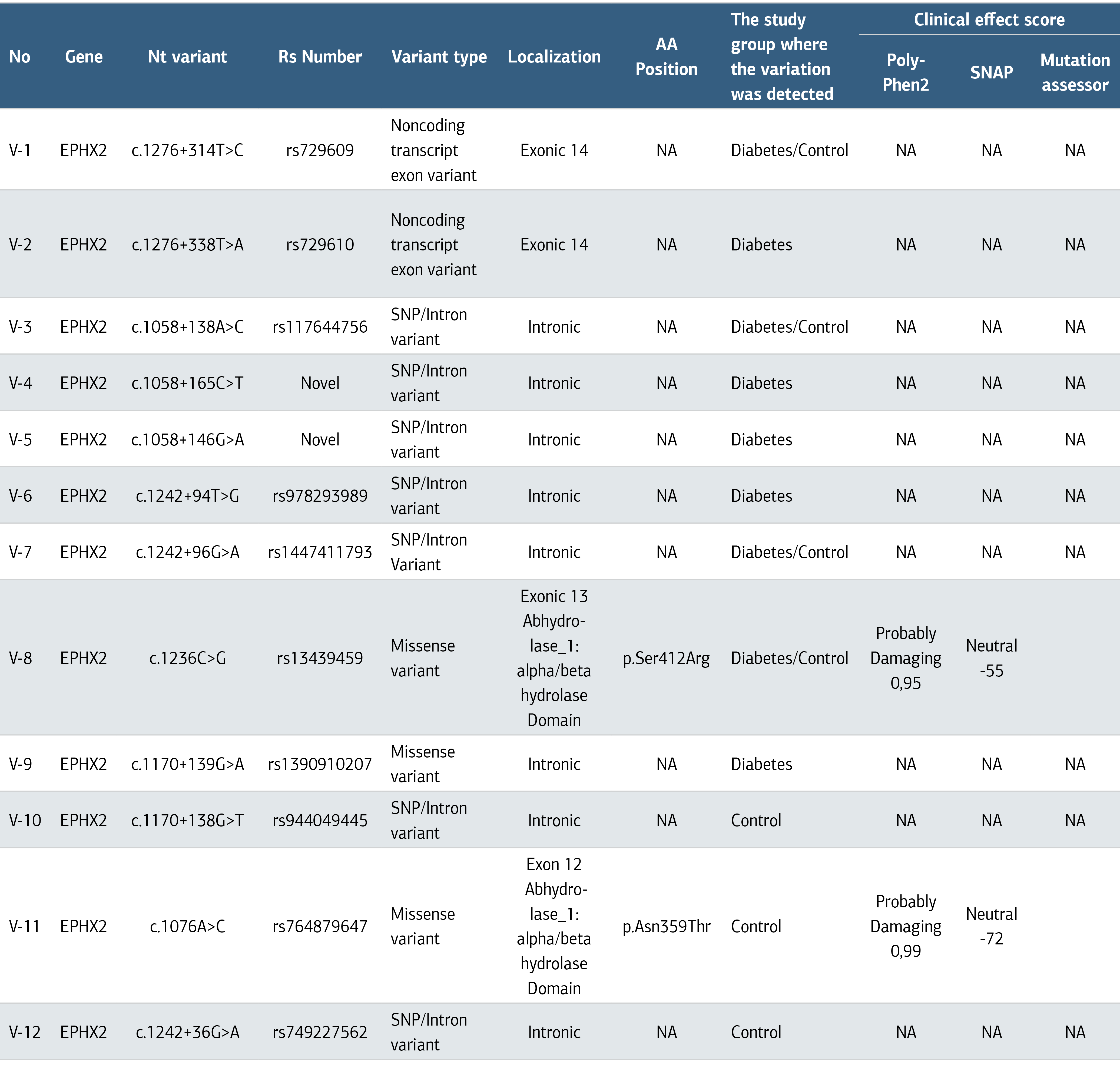
Patient InformationThe study groups were composed of individuals with similar age and gender characteristics who applied to the Department of Endocrinology and Metabolic Diseases at T.C.S.B. Niğde Ömer Halisdemir University Training and Research Hospital. As shown in Table 2, the control group included a total of 30 individuals, with 13 females and 17 males. The patient group included a total of 40 individuals, with 17 females and 23 males. There was no statistically significant difference in gender between the groups (P > .05). The mean age of the control group was determined to be 49.3 ± 1.2, and the mean age of the T2DM group was 61 ± 1.3. It was observed that the age of the T2DM patient group was higher compared to the control group, and this difference was statistically significant (P < .05). The average HbA1c was 5.6 ± 0.5 in the control group and 10.7 ± 2.8 in the T2DM group. The elevated HbA1c in the T2DM group was found to be statistically significant. The fasting serum glucose (FSG) levels for the control and T2DM groups were 82.93 ± 2 and 158.7 ± 12.6, respectively. It was observed that the FSG level in the T2DM group was higher than the control group, and this difference was statistically significant (P < .05) (Table 2). Results of Sanger DNA Sequencing AnalysisThe obtained PCR amplicons were submitted to the relevant service provider for Sanger DNA sequencing analysis. The capillary system automatic sequencing instrument ABI-3100 Applied Biosystem was utilized for DNA sequencing, and the results were visualized as electropherograms using software programs. The obtained data were analyzed using Chromas 2.6.5 Technelsiyum DNA Sequencing Software. Sequence analysis images for the T2DM and control groups are respectively presented in Figures 1 and 2.EPHX2 AnalysisOur study group was formed based on the criteria of the International Diabetes Federation, HbA1c, and fasting blood glucose values, consisting of a control group (n = 30) and a T2DM group (n = 40). A total of 12 mutations were detected in both groups (Table 3). The characteristic features of the identified mutations are presented in Table 3. Four mutations were observed in the control group, and two missense mutations were identified in the T2DM group. One exon variant was found in both groups, with 3 in the T2DM group and 14 in the control group in intron variants. When analyzed for all mutations, the control group exhibited a statistically significant higher number of mutations compared to the T2DM group.Results of In-Silico Analysis of Detected Variant Pathogenic Effects and Evolutionary Analysis Across SpeciesFigure 3. As depicted in A and B, the analysis results from PolyPhen-2 and SNAP database programs indicate that 2 missense mutations (EPHX2; p.Asn359Thr, p.Ser412Arg) among the 12 mutations identified in our study have pathogenic scores close to 1 for PolyPhen-2 and within the range of 0–100 for SNAP. Variants with an “affected” feature are predicted to possess pathogenic characteristics and may contribute to susceptibility to the disease. Additionally, the missense mutations identified were analyzed for amino acid sequence conservation across different species using the “Multiple sequence alignment” option within the PolyPhen-2 program. This analysis revealed that the two identified missense mutations altered crucial amino acids that have been conserved throughout evolutionary processes across different species. The location of these mutations, Ser412Arg and Asn359Thr, in the α/β hydrolase domain.
Discussion
In light of the data obtained in our study, our first noteworthy result is the identification of two mutations in the gene sequence responsible for the hydrolase activity of the sEH enzyme encoded by the EPHX2 gene, leading to amino acid changes. Our second finding, which we believe will capture the attention of researchers, is the discovery of two novel mutations in the EPHX2 gene, not previously identified in this study.
The relationship between EET metabolism and diabetes has been predominantly explored in studies focusing on sEH enzyme inhibition. In this study, the gene region responsible for the hydrolase activity of the EPHX2 gene encoding the sEH enzyme was comprehensively screened. A total of 12 mutations were identified in both groups, with 4 occurring in exons and 8 in introns. In our study, two mutations causing amino acid changes in the exon of the domain were identified in both the T2DM and control groups. Previous studies revealed no Ser412Arg (rs13439459) mutation detected in both control and T2DM patient groups. This SNP in exon 13 resulted in the conversion of serine amino acid at position 412 to arginine. Additionally, an Asn359Thr (rs764879647) mutation causing amino acid change, not previously identified, was detected in the control group in our study.9
In animal models, a missense mutation (RS751141G>A) in the 8th exon of the EPHX2 gene has been identified, leading to a substitution of arginine at position 287 with glycine. This alteration has been demonstrated to result in a significant decrease of approximately 25–58% in in vitro sEH activity compared to the wild-type sEH enzyme.10,11 This finding is consistent with the proposed impact of decreased sEH activity on EET levels and bioavailability.12 When examining the possible functional effects of the identified Ser412Arg and Asn359Thr mutations using PolyPhen-2, both mutations causing amino acid changes were observed to have a score close to 1, indicating potential deleterious effects. These mutations are located in the C-terminal hydrolase domain of the gene, which encompasses amino acids 235–555, forming a classical α/β hydrolase fold. Consequently, we hypothesize that these mutations may alter the enzyme’s substrate efficiency or hydrolysis mechanism, either enhancing or reducing the enzyme’s activity. Considering that the primary function of sEH enzyme is thought to convert endogenous epoxides (EETs) into biologically inactive DHETs, these mutations are likely to impact EET levels, contributing to the pathogenesis of various diseases in the organism.
In our study, we identified a Ser412Arg mutation in both the T2DM and control groups. This mutation leads to the conversion of serine to arginine at position 412 of the enzyme. Additionally, a novel mutation, Asn359Thr, causing an amino acid change, was detected in the control group, which has not been previously reported. As these mutations have not been observed before, their specific impact on the enzyme is currently unknown. To comprehensively understand their effects, it would be appropriate to first investigate the activities of wild-type sEH and mutant sEH enzymes in vitro. Furthermore, we identified two intronic SNPs (c.1058+165C>T and c.1058+146G>A) in the T2DM group, which have not been reported previously. Due to the lack of prior detection, the effects of these SNPs on the enzyme remain uncertain.
Comparisons with other studies indicate that the EPHX2 gene region has 13 SNPs in the protein-coding region, with only six (K55R, Cys154Tyr, Arg287Gln, Glu470Gly, Arg103Cys, and Val422Ala) causing amino acid changes. Among these, Arg287Gln, Val422Ala, and Glu470Gly are located in the hydrolase domain of the enzyme.10,13 Notably, the Arg287Gln variant has been associated with various diseases and demonstrated protective effects. Given the occurrence of Ser412Arg and Asn359Thr mutations in the C-terminal hydrolase domain, where Arg287Gln also resides, it is essential to thoroughly investigate the impact of these mutations on enzyme activity and explore their functional significance through more extensive studies.
Moreover, we compared the effects of these variations with a known polymorphism, K55R (9780A>G; Lys55Arg; rs41507953), located in the phosphatase domain. Similar to mutations in the hydrolase domain, the K55R polymorphism has been reported to cause changes in sEH activity. Additionally, the K55R variant, along with Arg287Gln (R287Q) polymorphism and Arg402–403 insertion, has been linked to altered enzyme activity, with K55R causing an increase in sEH activity, while Arg287Gln (R287Q) and Arg402–403 insertion resulted in decreased enzyme activity. Various polymorphisms in the EPHX2 gene, including K55R, Arg103Cys, Cys154Tyr, and Arg287Gln variants, have been shown to exhibit lower phosphatase activity14 and, in the case of K55R and Cys154Tyr variants, higher hydrolase activity.10
Limitations
However, the limitation of our study lies in the relatively small population size of both the patient and control groups. Based on the data obtained from this study, future research plans involve conducting a comprehensive mutation/SNP screening in a larger patient population with a high incidence, allowing for an extensive exploration of its impact on enzyme activity. Consequently, the role of the sEH enzyme in diabetes can be thoroughly examined at both the genetic and biochemical levels.
Conclusion
In our study, significant mutations/SNPs were identified in the sEH enzyme responsible for the metabolism of important metabolites of the CYP450 pathway, namely EETs. The detailed investigation of the role of these mutations and SNPs in the development of diabetes is evidently warranted.
Declarations
Animal and Human Rights Statement
All procedures performed in this study were in accordance with the ethical standards of the institutional and/or national research committee and with the 1964 Helsinki Declaration and its later amendments or comparable ethical standards.
Informed Consent
Informed consent was obtained from all participants.
Data Availability
The datasets used and/or analyzed during the current study are not publicly available due to patient privacy reasons but are available from the corresponding author on reasonable request.
Conflict of Interest
The authors declare that there is no conflict of interest.
Funding
This work was supported by TUBITAK (The Scientific andTechnological Research Council of Turkey) under grand number 222S679.
Abbreviations
CYP450: Cytochrome P450
DM: Diabetes mellitus
EPHX2: Epoxide hydrolase 2
FSG: Fasting serum glucose
PCR: Polymerase chain reaction
SNP: Single nucleotide polymorphism
T1DM: Type 1 diabetes mellitus
T2DM: Type 2 diabetes mellitus
References
- Bosma KJ, Kaiser CE, Kimple ME, Gannon M. Effects of arachidonic acid and its metabolites on functional beta-cell mass. Metabolites. 2022;12(4):342. doi:10.3390/metabo12040342
- Harder DR, Rarick KR, Gebremedhin D, Cohen SS. Regulation of cerebral blood flow: response to cytochrome P450 lipid metabolites. Compr Physiol. 2011;8(2):801-821.
- Tacconelli S, Patrignani P. Inside epoxyeicosatrienoic acids and cardiovascular disease. Front Pharmacol. 2014;5:239. doi:10.3389/fphar.2014.00239
- Imig JD. Epoxides and soluble epoxide hydrolase in cardiovascular physiology. Physiol Rev. 2012;92(1):101-130. doi:10.1152/physrev.00021.2011
- Grimes D, Watson D. Epoxyeicosatrienoic acids protect pancreatic beta cells against pro-inflammatory cytokine toxicity. Biochem Biophys Res Commun. 2019;520(2):231-236. doi:10.1016/j.bbrc.2019.09.124
- Falck JR, Manna S, Moltz J, Chacos N, Capdevila J. Epoxyeicosatrienoic acids stimulate glucagon and insulin release from isolated rat pancreatic islets. Biochem Biophys Res Commun. 1983;114(2):743-749. doi:10.1016/0006-291x(83)90843-4
- Xu X, Zhao CX, Wang L, et al. Increased CYP2J3 expression reduces insulin resistance in fructose-treated rats and db/db mice. Diabetes. 2010;59(4):997-1005. doi:10.2337/db09-1241
- Tunaru S, Bonnavion R, Brandenburger I, et al. 20-HETE promotes glucose-stimulated insulin secretion in an autocrine manner through FFAR1. Nat Commun. 2018;9(1):177. doi:10.1038/s41467-017-02539-4
- Imig JD, Hammock BD. Soluble epoxide hydrolase as a therapeutic target for cardiovascular diseases. Nat Rev Drug Discov. 2009;8(10):794-805. doi:10.1038/nrd2875
- Przybyla-Zawislak BD, Srivastava PK, Vázquez-Matías J, et al. Polymorphisms in human soluble epoxide hydrolase. Mol Pharmacol. 2003;64(2):482-490. doi:10.1124/mol.64.2.482
- Koerner IP, Jacks R, DeBarber AE, et al. Polymorphisms in the human soluble epoxide hydrolase gene EPHX2 linked to neuronal survival after ischemic injury. J Neurosci. 2007;27(17):4642-4649. doi:10.1523/jneurosci.0056-07.2007
- Can Demirdöğen B, Miçooğulları Y, Türkanoğlu Özçelik A, Adalı O. Missense genetic polymorphisms of microsomal epoxide hydrolase and soluble epoxide hydrolase and their relation to the risk of large artery atherosclerotic ischemic stroke in a Turkish population. Neuropsychiatr Dis Treat. 2021;17:3251-3265. doi:10.2147/ndt.s233992
- Kramer J, Proschak E. Phosphatase activity of soluble epoxide hydrolase. Prostaglandins Other Lipid Mediat. 2017;133:88-92. doi:10.1016/j.prostaglandins.2017.07.002
- Morisseau C, Hammock BD. Gerry Brooks and epoxide hydrolases: 4 decades to a pharmaceutical. Pest Manag Sci. 2008;64(6):594-609. doi:10.1002/ps.1583
Tables
Table 1. EPHX2 Gene Primers, PCR Mixture and PCR Protocol Used in PCR Protocol
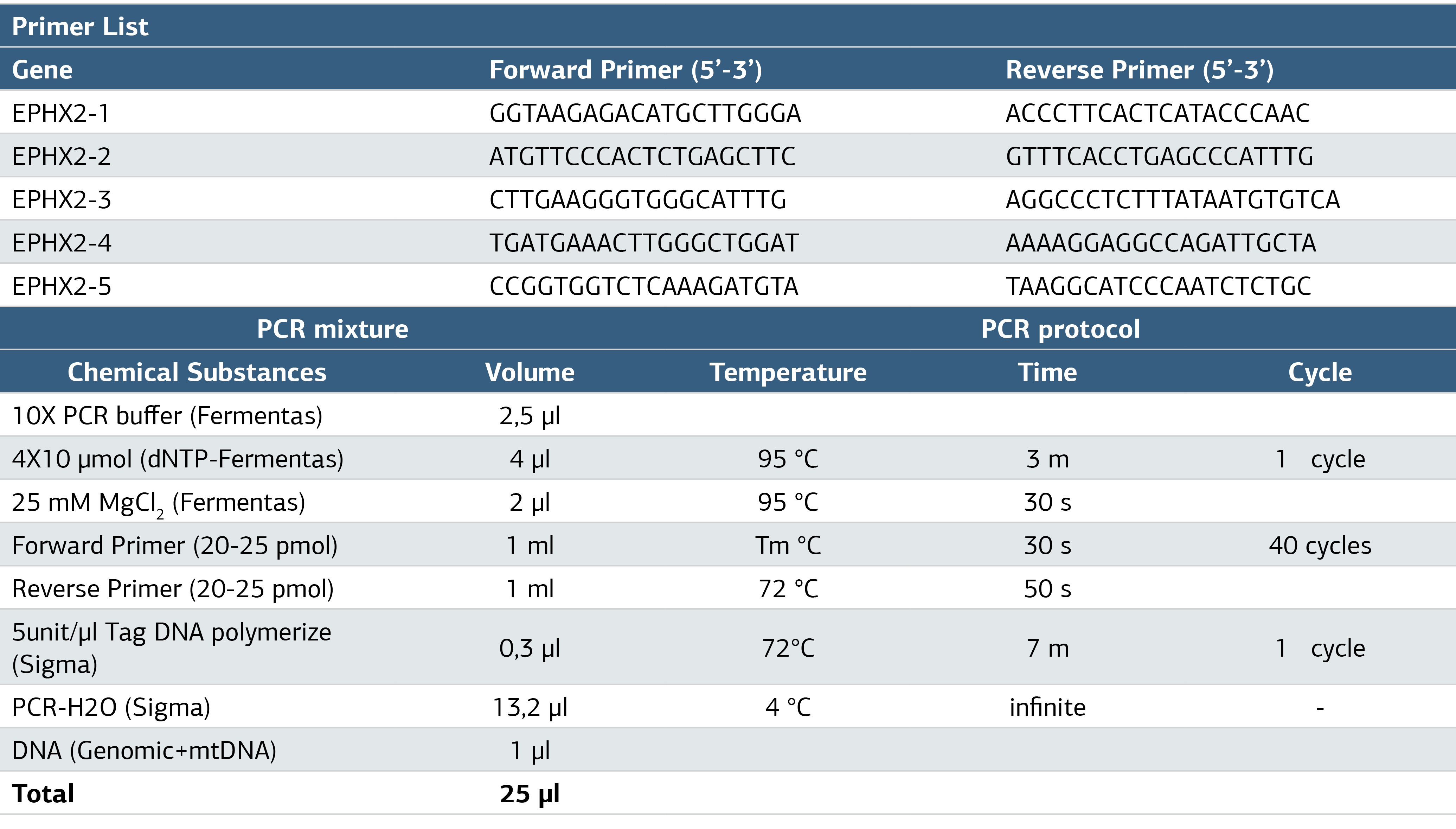
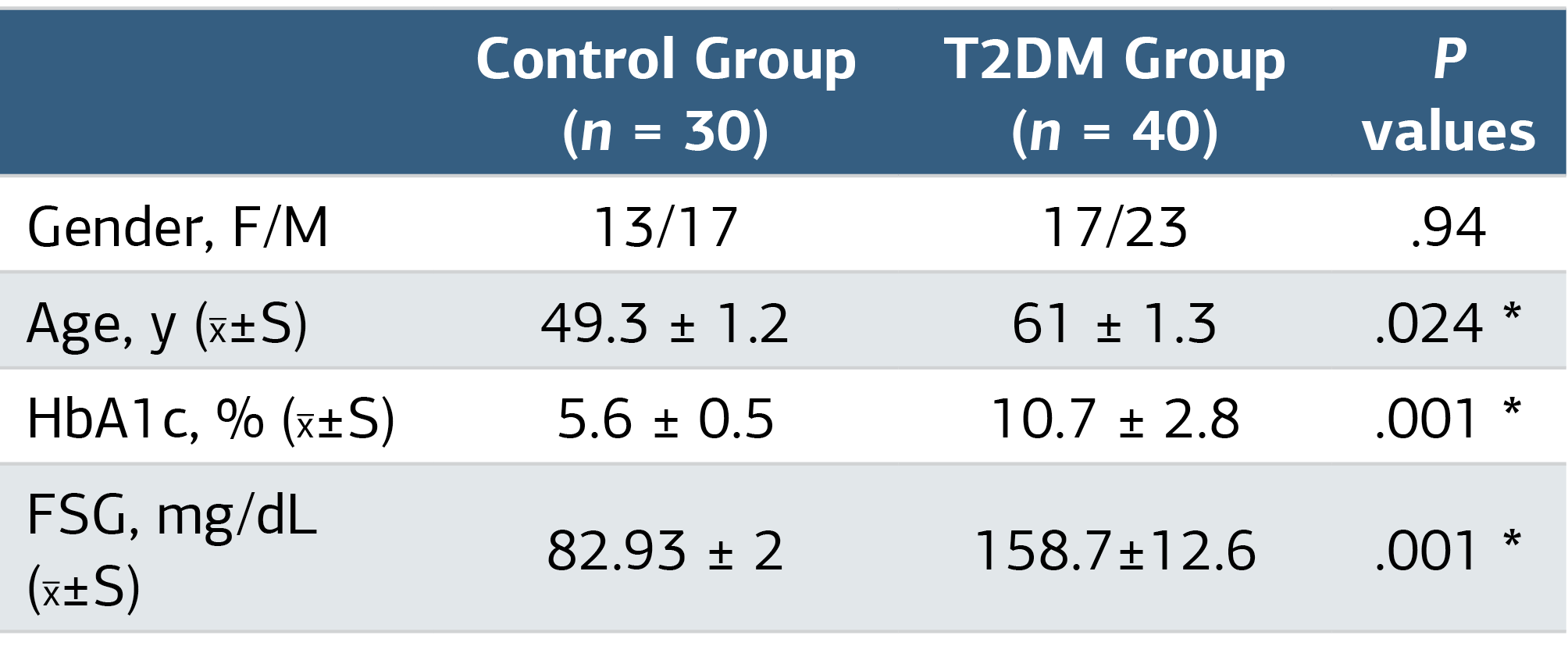
Table 3. Characteristic Features of EPHX2 Gene Mutations in the Study Group
Figures
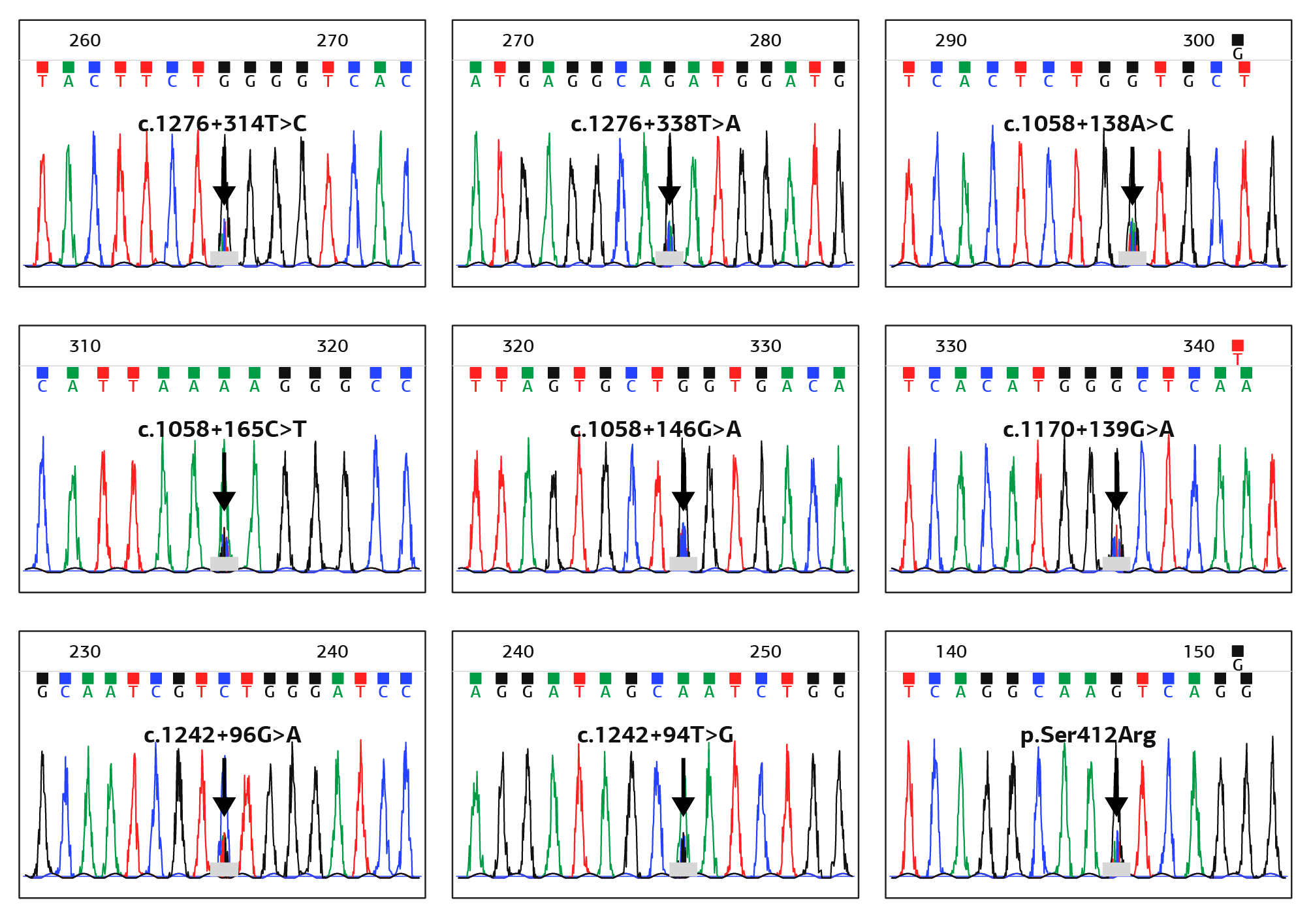
Figure 1. T2DM Group EPHX2, Results of Sanger DNA Sequencing and Detected Variants
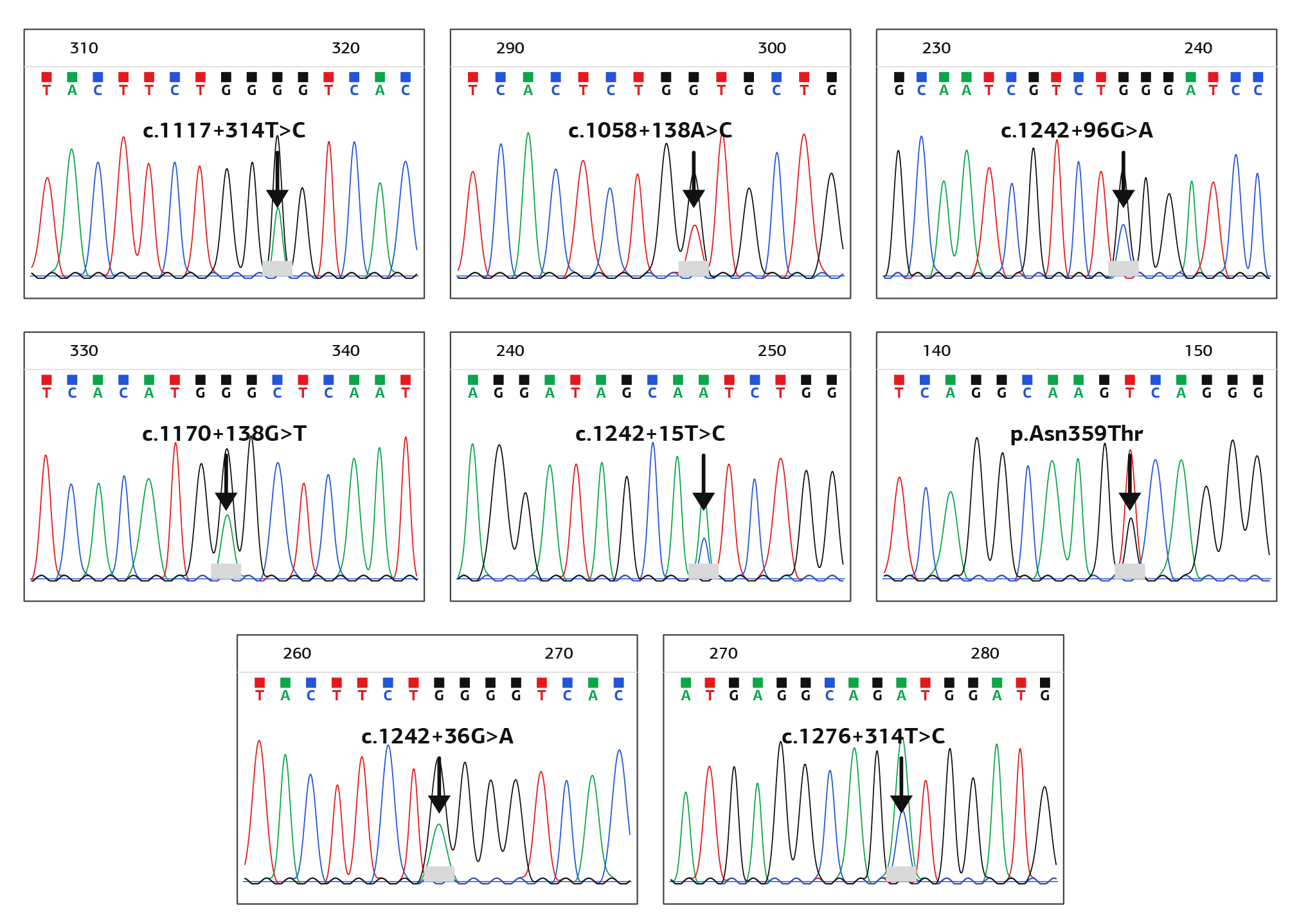
Figure 2. Control Group EPHX2, Results of Sanger DNA Sequencing and Detected Variants
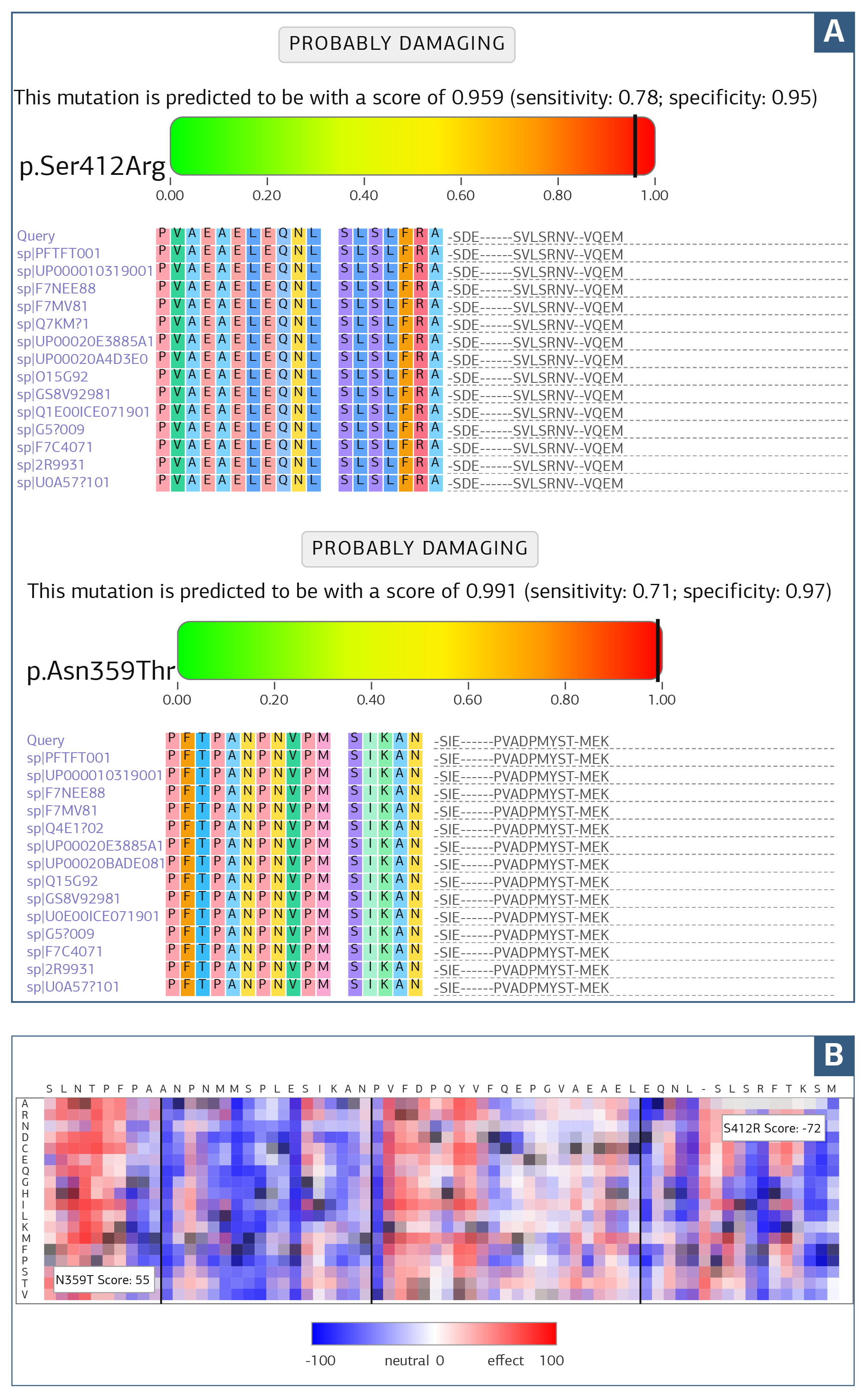
Figure 3. A) Prediction of Possible Functional Effects of Detected Missense Mutations Using PolyPhen2 and Determination of Their Impact on Evolutionarily Conserved Amino Acids (Representative Missense Mutations are Shown) B) Prediction of Possible Functional Effects of Detected EPHX2 Missense Mutations Using SNAP2
Additional Information
Publisher’s Note
Bayrakol MP remains neutral with regard to jurisdictional and institutional claims.
Rights and Permissions

This work is licensed under a Creative Commons Attribution-NonCommercial 4.0 International License (CC BY-NC 4.0). To view a copy of the license, visit https://creativecommons.org/licenses/by-nc/4.0/
About This Article
How to Cite This Article
Esma Özmen, Durmuş Ayan, Çağatay Emir Önder, Dilara Fatma Akın, Burcu Köse, İsmail Sarı, Cevat Yazıcı. Examination of the relationship between variants in the gene regionencoding soluble epoxy hydrolase enzyme hydrolytic activity and type 2 diabetes. Ann Clin Anal Med 2024;15(5):344-349. doi:10.4328/ACAM.22100
Publication History
- Received:
- 09.01.2024
- Accepted:
- 29.02.2024
- Published Online:
- 29.03.2024
- Printed:
- 01.05.2024