
Evaluation of C-reactive protein in patients with schizophrenia: A study of 126 cases hospitalized at Ar-Razi psychiatric university hospital in Salé, Morocco
Schizophrenia and inflammation
Authors
Abstract
AimIn this study in Morocco, we aimed to explore the inflammatory profile of schizophrenia patients, with a particular focus on the relationship between inflammation, as assessed by CRP levels, and schizophrenia in the active phase.
MethodsA cross-sectional study, analytical study of patients with schizophrenia hospitalised during the study period. Data collection included socio-demographic information, medical history, and clinical assessment, with biological analysis including CRP assay.
ResultsThe study included 124 participants with schizophrenia and revealed a predominance of males (92.7%) with a median age of 32 years. At admission, 58% had a CRP>6, but this proportion decreased to 23.3% at D15. Clinical assessments, such as PANSS, BPRS, and GAF, showed an improvement in scores at D15. Statistical analyses identified significant differences between the groups in terms of family situation, medical history, and interpretation of the BPRS scale, highlighting the importance of these factors in the variation in CRP levels. The fact of having a medical history and presenting a score of 2 (Moderately ill) on the BPRS scale is a risk factor that multiplies the risk of having a CRP >6 by 3.
ConclusionThe hypothesis that immune factors are linked to schizophrenia has been revived, and the role of immune dysfunction and inflammatory processes are validated as contributing elements to the development and relapse of the disease.
Keywords
Introduction
Schizophrenia is a psychiatric disorder with a prolonged and disabling course. Its prevalence is estimated at 1%.1,2,3 It is a national and international public health problem and is currently ranked by the World Health Organisation as one of the ten most disabling diseases, especially in young people.3 The National Survey on the Prevalence of Mental Disorders in the general population aged 15 and over carried out in Morocco revealed that 5.6% suffer from a psychotic disorder.4
There is no single recognised aetiology for schizophrenia; it is underpinned by an interplay of genetic, environmental and immuno-inflammatory mechanisms,5 so significant evidence is accumulating to suggest that schizophrenia is a heterogeneous syndrome with overlapping symptoms and aetiologies. The high social and personal costs of schizophrenia justify the search for better treatment, diagnosis and prevention strategies.3
In recent years, there has been a return to the hypothesis that immune factors are associated with schizophrenia.5 Thus, the role of immune dysfunction and inflammatory processes have been described as factors in the development of schizophrenia and relapse during the course of the illness.6
A growing number of clinical, epidemiological and experimental studies have shown links between schizophrenia and inflammatory diseases.7 Studies have shown that the immune system plays an important role in neurodevelopment through the regulation of various neuronal processes, including brain plasticity and the regulation of neurotransmitters.8
Observational studies have reported positive associations between inflammatory biomarkers and the risk of psychiatric disorders, including schizophrenia.7,8 These biomarkers may be direct pathophysiological mechanisms and may therefore serve as true intermediate or surrogate endpoints and may validate new therapeutic targets and pathways, predict response, facilitate patient treatment selection, guide therapeutic regimens and provide the rationale for personalised treatment.1
C-reactive protein (CRP) is a protein produced by hepatocytes following an acute or chronic inflammatory state. It is a nonspecific marker of inflammation that is associated with a number of pathologies, including coronary heart disease, stroke and peripheral vascular disease. Some studies have also suggested that CRP may play a role in the pathogenesis of schizophrenia, while others have suggested that it may be a consequence of the disease or linked to co-morbid conditions such as obesity and smoking.9
CRP has the advantage of being easily measured by blood sampling and is part of the usual work-up carried out in a hospital.10 However, few publications have dealt with the association of schizophrenia in the active phase and a biological marker such as CRP in Morocco.
The aim of our study is to investigate the inflammatory profile of Moroccan patients with schizophrenia and to explore the relationship between inflammation assessed by CRP levels in patients with schizophrenia.
Materials and Methods
Study Type and PopulationThis is a cross-sectional, descriptive, and analytical study.
Study Duration: January 1, 2023 to May 31, 2023.
Inclusion Criteria• Patients diagnosed with schizophrenia according to DSM-5 criteria.
• Men or women aged 18 and older.
• Hospitalized at Arrazi Hospital in Salé during the study period.
Exclusion Criteria• Records with missing data.
• Other psychiatric disorders than schizophrenia.
• Refusal to participate.
Sample Size CalculationThis is a conducted study targeting all patients during the study period.
Data CollectionData collection was through a questionnaire covering sociodemographic elements, personal and family history, toxic substance consumption, clinical, evolutionary, and therapeutic data of the disease. It focused on the patient and their socio-economic environment, including age, family and socio-professional situation. Clinical and therapeutic characteristics of the disease were assessed using scales: Positive and Negative Syndrome Scale (PANSS), Clinical Global Impression (CGI), Global Assessment of Functioning Scale (GAF), Brief Psychiatric Rating Scale (BPRS), and The Calgary Depression Scale for Schizophrenia (CDSS).
Biological AnalysisHematological assessment is part of the routine examination in the service, including white blood cell counts, neutrophil counts, lymphocyte counts, liver function tests, kidney function tests, and CRP. For blood sampling and CRP measurement: blood sampling is systematically performed for each admitted patient, ideally within 24 hours of admission, in the morning while fasting. CRP levels are categorized as follows: levels < 6 mg/l (the laboratory’s normal reference value) or > 6 mg/l considered elevated. If it is higher than 6 mg/l, a second CRP measurement for patient monitoring is performed after three weeks of antipsychotic treatment.
Financial Aspect of the Study: Participants in this study will not be remunerated for their questionnaire responses.
Ethical ApprovalThis study was obtained from the Ethics Committee of Biomedical Research at the Faculty of Medicine Rabat (Date: 24.09.2022, Decision No: 60/22).
Statistical AnalysisData management and statistical analysis were conducted using the JAMOVI software for Windows 2016. Qualitative variables were presented as frequencies and percentages, while quantitative variables were presented as mean ± standard deviation (SD) or median interquartile range (IQR). The Chi-square test (χ²) or Fisher’s exact test was performed based on specific application conditions to identify differences in proportions of categorical variables between the two groups. Additionally, multivariate logistic regression analyses were used to identify risk factors. All independent variables with a statistically significant value of p<0.05 between the two groups were considered in the multivariate logistic regression.
Respect for Confidentiality and Anonymity: Preparation of a dossier to be submitted to the Rabat Ethics Committee (CER): Informed consent form (Consent should be obtained for each participant).
Reporting GuidelinesThe study was reported in accordance with STROBE guidelines.
Results
Descriptive StatisticsSocio-demographic CharacteristicsA total of 124 participants meeting the study criteria were included. 92.7% were male, with a median age of 32.(26.38) More than half (60.7%) had a secondary level of education, 79.0% were unmarried, 90.3% had no profession, and the majority had no prior medical history (81.5%) (Table 1).
CRP CharacteristicsAt admission, 65 (58%) had a CRP level > 6. At Day 15, there was a decrease, with only 21 (23.3%) maintaining levels above 6.
Scale Interpretations• PANSS: At admission, 35 (28.7%) had a PANSS score > 86 (notoriously ill). At Day 15, only 8 (7.8%) maintained this score.
• BPRS: At admission, 44 (37%) had a BPRS score between 42 and 53 (very ill). At Day 15, only
Analytical StatisticsComparing the two groups (G1 CRP at admission <6 and G2 CRP at admission >6) using the Chi-square test (χ²) or Fisher’s exact test reveals a statistically significant difference with p<0.05 in terms of family situation and medical history (Table 2).
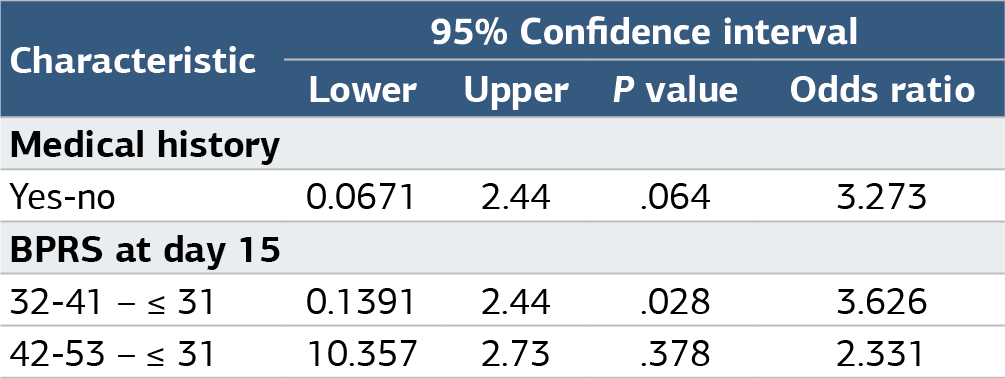
Furthermore, comparing the two groups (G’1 CRP at 15 days <6 and G’2 CRP at 15 days >6) shows a statistically significant difference with p<0.05 in the interpretation of the BPRS scale (Table 3). Multinomial Logistic Regression: Utilizing multivariate logistic regression and adjusting for confounding factors, it is concluded that having a medical history and presenting a score of 2 (Moderately ill) on the BPRS scale is a risk factor that triples the risk of having a CRP >6 (Table 3).
Discussion
According to our results, 92.7% of the participants were men. This contradicts the literature, which shows that the incidence of schizophrenia is higher in men than in women, with a ratio of almost 1.4:1, although several studies have found no difference between the sexes in the lifetime prevalence of the disease,3 our results can be explained by the earlier onset of symptoms in men than in women,11 better compliance with treatment12 and social skills better preserved by women,13 and as the presentation of schizophrenia in women may be less typical than in men, women run the risk of delayed diagnosis,14 potentially reducing their chances of seeking appropriate care and obtaining good results.15
According to our results, having a score of 2 (moderately ill) on the BPRS scale is a risk factor that multiplies by 3 the risk of having a CRP >6. In parallel with our results, a study by Fawzi et al.16 on Egyptian patients diagnosed with schizophrenia showed that higher CRP levels were positively correlated with the severity of psychopathology as measured by the PANSS, bearing in mind that the PANSS and BPRS scores explore the same dimensions of psychotic illness, another study by Steiner et al.17 showed that activation of the innate immune system correlated with PANSS score, and concluded that neutrophil and monocyte counts and CRP levels may be useful markers of disease acuity, severity and response to treatment.
Several studies have reported elevated levels of CRP at different stages of schizophrenia, indicating its potential to be used as a viable biomarker in the diagnosis and monitoring of schizophrenia as well as in the assessment of treatment response to conventional and non-conventional therapeutic regimens,18 several theories can explain the relationship between inflammation and schizophrenia such as the vulnerability-stress-inflammation model which suggests that stress can contribute to increased inflammation and exacerbate symptoms, it can also increase pro-inflammatory cytokines and contribute to chronic pro-inflammatory states.19
General population evidence of an association between elevated inflammatory markers in childhood and adolescence and risk of schizophrenia and associated psychosis later in adulthood suggests that inflammation may be a causal risk factor for psychosis rather than simply a consequence of the illness,20 which explains the favourable effects of anti-inflammatory and immunomodulatory therapy in schizophrenia, particularly at an early stage of the disease to prevent cognitive and social dysfunction in patients.21
According to our results, medical history is a risk factor for an increase in CRP, which is logical given that C-reactive protein is highly expressed in inflammatory conditions such as rheumatoid arthritis, certain cardiovascular diseases and infections.9 As an acute-phase protein, the plasma concentration of CRP deviates by at least 25% during inflammatory disorders.10 The highest concentrations of CRP are found in serum, with certain bacterial infections increasing levels by up to 1.000 times.10
Medical history is common in patients with schizophrenia and this has been demonstrated in several studies which confirm that patients suffering from schizophrenia have a higher prevalence of somatic diseases and early mortality than the general population.22 Furthermore, there are several causes of the increased frequency of somatic co-morbidities in patients with schizophrenia, including factors related to the illness itself, factors secondary to treatment, factors inherent in the perception of the illness, including the stigma attached to mental illness, and finally physical factors.22
Schizophrenia appears to be caused by complex interactions between multiple risk factors, with the role of immune dysfunction and inflammatory processes strongly present according to the results of the literature,5 anti-inflammatory targeted therapy shows promise as predictors of treatment response and as therapeutic targets.1,23
Limitations
Low Participation of WomenThe study faces a limitation in terms of gender participation, with a relatively low percentage of women compared to men. This gender imbalance may impact the generalizability of the findings and should be considered when interpreting the results.
Lack of Investigation into Cytokine Levels in Prodromal PsychosisThe study did not investigate cytokine levels in subjects with prodromal psychosis. It could be hypothesized that these subjects might exhibit abnormal markers compared to controls. Exploring cytokine levels in individuals with prodromal psychosis could provide valuable insights into the early stages of the disease.
Need for Replication of ResultsReplicating the current results in different populations, both among patients and controls, would be beneficial. This would contribute to the robustness and generalizability of the findings, ensuring that the observed associations are consistent across diverse samples.
Exploration of Inflammatory Profiles in Treatment-Resistant SchizophreniaIt would be valuable to test the hypothesis that patients with treatment-resistant schizophrenia have a distinct inflammatory profile compared to other schizophrenia patients. Understanding the inflammatory patterns in different subgroups of schizophrenia patients could guide tailored therapeutic interventions.
Longitudinal Studies with Serial Inflammatory Parameter Measurements
The study’s cross-sectional design provides a snapshot of inflammatory markers at a specific point in time. To enhance understanding, more longitudinal studies with serial measurements of inflammatory parameters throughout the clinical course of the disease are necessary. This would allow for tracking changes in inflammation over time and exploring potential correlations with the progression of schizophrenia. Addressing these limitations in future research endeavors could contribute to a more comprehensive understanding of the relationship between inflammation and schizophrenia, potentially leading to more targeted and effective interventions.
Conclusion
Schizophrenia emerges as a complex disorder resulting from intricate interactions among various risk factors. Literature findings confirm the role of immune system dysfunction and inflammatory processes in this context. However, the relationship between C-reactive protein (CRP) and schizophrenia is a complex dynamic, requiring in-depth investigations to better understand its nature. These additional research efforts are crucial to open new avenues for therapeutic and preventive interventions. These interventions should be informed by a comprehensive understanding of the underlying pathogenesis of this complex psychiatric disorder. The complexity of this relationship underscores the importance of continuing studies to further elucidate the underlying mechanisms and guide the development of more targeted and effective clinical strategies.
Declarations
Animal and Human Rights Statement
All procedures performed in this study were in accordance with the ethical standards of the institutional and/or national research committee and with the 1964 Helsinki Declaration and its later amendments or comparable ethical standards.
Informed Consent
Written informed consent was obtained from all participants.
Data Availability
The datasets used and/or analyzed during the current study are not publicly available due to patient privacy reasons but are available from the corresponding author on reasonable request.
Conflict of Interest
The authors declare that there is no conflict of interest.
Funding
None.
Abbreviations
BPRS: Brief psychiatric rating scale
CDSS: Calgary depression scale for schizophrenia
CGI: Clinical global impression
CRP: C-reactive protein
DSM: Diagnostic and statistical manual of mental disorders
GAF: Global assessment of functioning
IQR: Interquartile range
PANSS: Positive and negative syndrome scale
SD: Standard deviation
References
-
Aleman A, Kahn RS, Selten JP. Sex differences in the risk of schizophrenia: evidence from meta-analysis. Arch Gen Psychiatry. 2003;60(6):565-571. doi:10.1001/archpsyc.60.6.565
-
Kadri N, Agoub M, Assouab F, et al. Moroccan national study on prevalence of mental disorders: a community-based epidemiological study. Acta Psychiatr Scand. 2010;121(1):71-74. doi:10.1111/j.1600-0447.2009.01431.x
-
Schizophrenia Working Group of the Psychiatric Genomics Consortium. Biological insights from 108 schizophrenia-associated genetic loci. Nature. 2014;511(7510):421-427. doi:10.1038/nature13595
-
Sun HL, Bai W, Li XH, et al. Schizophrenia and inflammation research: a bibliometric analysis. Front Immunol. 2022;13:907851. doi:10.3389/fimmu.2022.907851
-
Feigenson KA, Kusnecov AW, Silverstein SM. Inflammation and the two-hit hypothesis of schizophrenia. Neurosci Biobehav Rev. 2014;38:72-93. doi:10.1016/j.neubiorev.2013.11.006
-
Campeau A, Mills RH, Stevens T, et al. Multiomics of human plasma reveals molecular features of dysregulated inflammation and accelerated aging in schizophrenia. Mol Psychiatry. 2022;27(2):1217-1225. doi:10.1038/s41380-021-01339-z
-
Miller BJ, Goldsmith DR. Inflammatory biomarkers in schizophrenia: implications for heterogeneity and neurobiology. Biomark Neuropsychiatry. 2019;1:100006. doi:10.1016/j.bionps.2019.100006
-
Kraguljac NV, McDonald WM, Widge AS, Rodriguez CI, Tohen M, Nemeroff CB. Neuroimaging biomarkers in schizophrenia. Am J Psychiatry. 2021;178(6):509-521. doi:10.1176/appi.ajp.2020.20030340
-
Du Clos TW, Mold C. C-reactive protein: an activator of innate immunity and a modulator of adaptive immunity. Immunol Res. 2004;30(3):261-277. doi:10.1385/ir:30:3:261
-
Sproston NR, Ashworth JJ. Role of C-reactive protein at sites of inflammation and infection. Front Immunol. 2018;9:754. doi:10.3389/fimmu.2018.00754
-
Li R, Ma X, Wang G, Yang J, Wang C. Why sex differences in schizophrenia? J Transl Neurosci (Beijing). 2016;1(1):37-42.
-
Morken G, Widen JH, Grawe RW. Nonadherence to antipsychotic medication, relapse and rehospitalisation in recent-onset schizophrenia. BMC Psychiatry. 2008;8:32. doi:10.1186/1471-244x-8-32
-
Brabban A, Tai S, Turkington D. Predictors of outcome in brief cognitive behavior therapy for schizophrenia. Schizophr Bull. 2009;35(5):859-864. doi:10.1093/schbul/sbp065
-
Chen JH, Sun Y, Ju PJ, Wei JB, Li QJ, Winston JH. Estrogen augmented visceral pain and colonic neuron modulation in a double-hit model of prenatal and adult stress. World J Gastroenterol. 2021;27(30):5060-5075. doi:10.3748/wjg.v27.i30.5060
-
Sommer IE, Tiihonen J, van Mourik A, Tanskanen A, Taipale H. The clinical course of schizophrenia in women and men: a nationwide cohort study. NPJ Schizophr. 2020;6(1):12. doi:10.1038/s41537-020-0102-z
-
Fawzi MH, Fawzi MM, Fawzi MM, Said NS. C-reactive protein serum level in drug-free male Egyptian patients with schizophrenia. Psychiatry Res. 2011;190(1):91-97. doi:10.1016/j.psychres.2011.05.010
-
Steiner J, Frodl T, Schiltz K, et al. Innate immune cells and C-reactive protein in acute first-episode psychosis and schizophrenia: relationship to psychopathology and treatment. Schizophr Bull. 2020;46(2):363-373.
-
Ullah I, Awan HA, Aamir A, et al. Role and perspectives of inflammation and C-reactive protein in psychosis: an economic and widespread tool for assessing the disease. Int J Mol Sci. 2021;22(23):13032. doi:10.3390/ijms222313032
-
Müller N. Inflammation in schizophrenia: pathogenetic aspects and therapeutic considerations. Schizophr Bull. 2018;44(5):973-982. doi:10.1093/schbul/sby024
-
Upthegrove R, Khandaker GM. Cytokines, oxidative stress and cellular markers of inflammation in schizophrenia. Curr Top Behav Neurosci. 2020;44:49-66.
-
Mongan D, Ramesar M, Föcking M, Cannon M, Cotter D. Role of inflammation in the pathogenesis of schizophrenia: a review of the evidence, proposed mechanisms and implications for treatment. Early Interv Psychiatry. 2020;14(4):385-397. doi:10.1111/eip.12859
-
Khlif H, Gressier F, Vacheron MN, Corruble E. Somatic pathologies associated with schizophrenia. In: Pathologies Schizophréniques in Psychiatrie. Lavoisier; 2012:191-198. doi:10.3917/lav.daler.2012.01.0191
-
Halaris A, Cantos A, Johnson K, Hakimi M, Sinacore J. Modulation of the inflammatory response benefits treatment-resistant bipolar depression: a randomized clinical trial. J Affect Disord. 2020;261:145-152. doi:10.1016/j.jad.2019.10.021
Tables
Table 1. Description of sociodemographic characteristics of patients
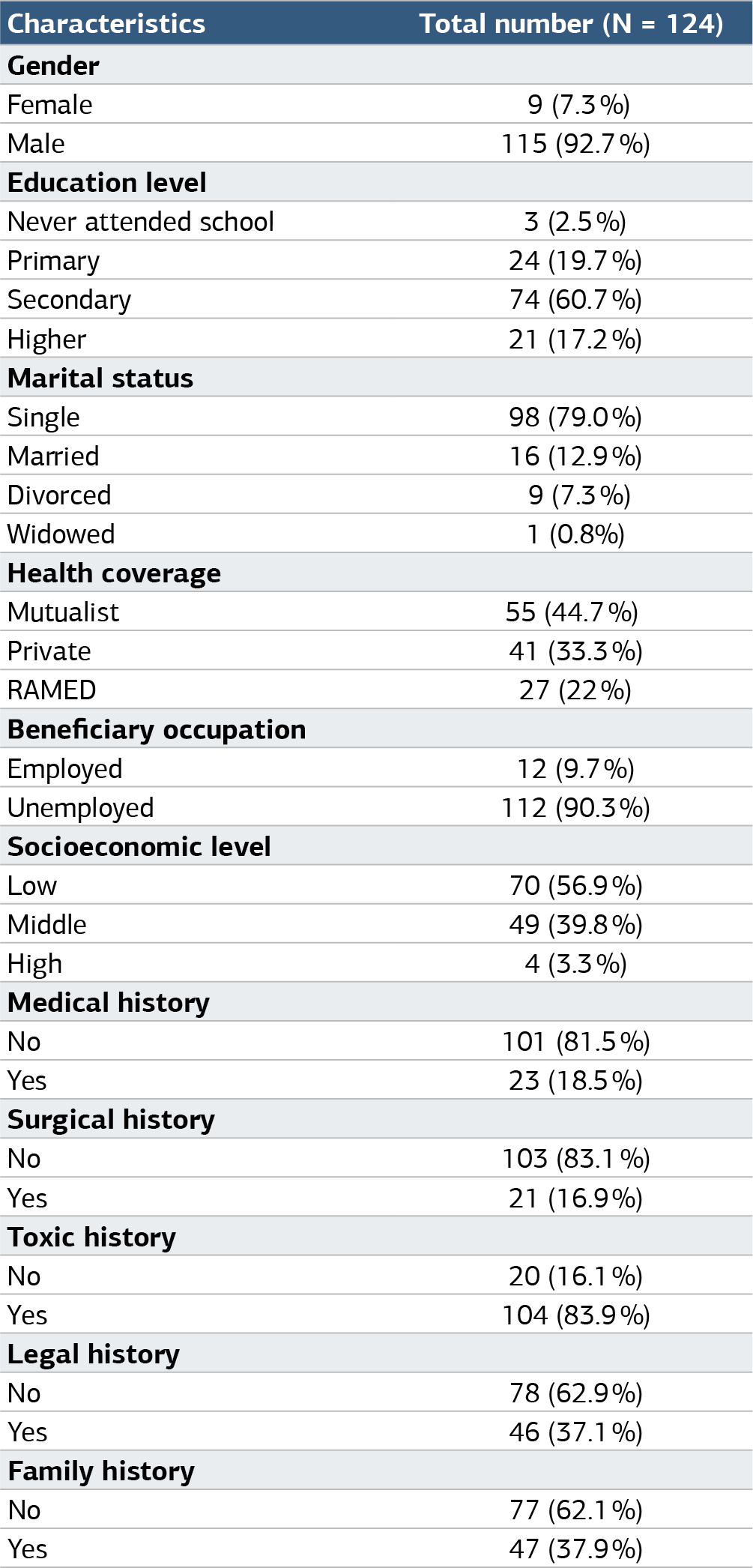
Table 2. Comparison between the two groups: Group 1 (CRP at admission <6) and Group 2 (CRP at admission >6) and the comparison between the two groups: Group 1 (CRP at day 15 <6) and Group 2 (CRP at day 15 >6)
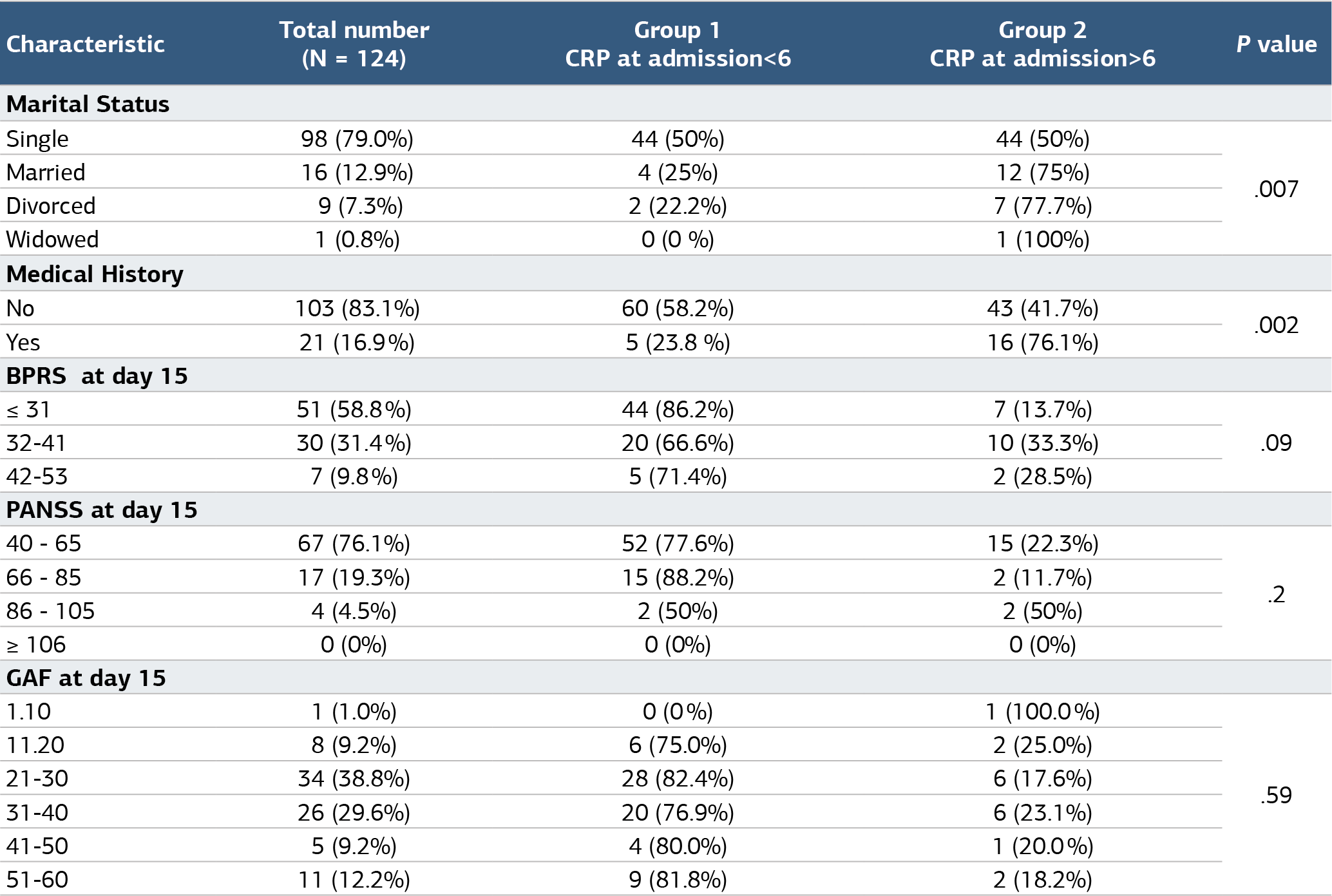
Table 3. Multivariate analysis between the two groups of patients at day 15
Additional Information
Publisher’s Note
Bayrakol MP remains neutral with regard to jurisdictional and institutional claims.
Rights and Permissions

This work is licensed under a Creative Commons Attribution-NonCommercial 4.0 International License (CC BY-NC 4.0). To view a copy of the license, visit https://creativecommons.org/licenses/by-nc/4.0/
About This Article
How to Cite This Article
Fouad Laboudı, Soukaina Statı, El Hassan Ouanouche, Zineb Bencharfa, Oumaima Seyar, Lamia Azızı, Soukaina Belafqıh, Majdouline Obtel, Ryad Tamuza, Abderrazak Ouanass. Evaluation of C-reactive protein in patients with schizophrenia: A study of 126 cases hospitalized at Ar-Razi psychiatric university hospital in Salé, Morocco. Ann Clin Anal Med 2025;16(2):77-81. doi:10.4328/ACAM.22187
- Received:
- March 20, 2024
- Accepted:
- August 7, 2024
- Published Online:
- October 25, 2024
- Printed:
- February 1, 2025