
Abstract
AimAnterior cervical discectomy and fusion (ACDF) and cervical disc prosthesis (CDP) methods, which are applied after anterior cervical discectomy, aim to preserve disc space height and cervical alignment. The aim of this study was to investigate the effect of both methods on cervical lordosis and adjacent segment degeneration.MethodsForty-four patients who underwent anterior cervical discectomy between 2019 and 2020 were included in the study. Patients operated on for reasons other than disc herniation or cervical spinal canal narrowing, patients operated on at more than one level, and patients without access to necessary radiological imaging data were not included in the study. Preoperative-postoperative changes in cervical lordosis angle and adjacent segment degenerations were examined.ResultsThe preoperative-postoperative change in cervical lordosis angle was −4.1 degrees in the ACDF group and −0.1 degrees in the CDP group (P < .001). It was found that preoperative-postoperative upper segment degeneration grades increased in 61.9% of patients in the ACDF group and 8.7% of patients in the CDP group (P < .001). It was found that preoperative and postoperative lower segment degeneration grades increased in 47.6% of patients in the ACDF group and 8.7% of patients in the CDP group (P < .004). ConclusionThe results obtained in the present study showed that the CDP method was superior to the ACDF method in terms of cervical lordosis angle change and adjacent segment degeneration.
Keywords
Introduction
Anterior cervical discectomy is a surgical method aimed at reducing nerve compression, preserving disc space height, and maintaining cervical alignment. The anterior cervical discectomy and fusion (ACDF) method, first introduced by Smith and Robinson in 1958, has been widely acknowledged as the gold standard for degenerative cervical disc disease.1 Studies and patient follow-ups over time have shown that the ACDF method increases the range of motion in adjacent segments by restricting motion in the operated segment.2,3 Although it is not clear whether the adjacent segment disease seen after cervical discectomy is a natural process or is related to changes in range of motion, the cervical disc prosthesis (CDP) method has been employed with this consideration in mind. The method, initially described by Fernström, aims to maintain mobility by employing a disc replacement that allows movement in multiple directions and aims to fulfill the role of the disc.4
In addition to adjacent segment degeneration and disease, the effect of the two methods on cervical sagittal alignment is also being questioned. In spinal surgery, there has been a significant focus on sagittal balance in recent years. It is well-known that pathologies occurring in areas with significant mobility, particularly in the lumbar and cervical regions, can influence each other.5 Decreased cervical lordosis is associated with neck pain severity and aggravates the course of myelopathy.6 Studies comparing ACDF and CDP methods have investigated cervical range of motion and lordosis angles, yielding varying results.
In this study, we aimed to retrospectively examine patients who underwent ACDF and CDP methods, evaluating the effects of the methods on cervical lordosis and adjacent segment degeneration over a three-year follow-up period.
Materials and Methods
The study was designed as a retrospective cohort study. Forty-four patients over the age of 18 who underwent anterior cervical discectomy between 2019 and 2020 in the Neurosurgery Clinics of Health Sciences University Dışkapı Yıldırım Beyazıt Training and Research Hospital and Şanlıurfa Training and Research Hospital were included in the study. Of the 44 patients included in the study, 32 were female and 12 were male. The mean age of the patients was 45.4 years. The mean age of patients who underwent CDP was 44, and the mean age of ACDF patients was 47.
The exclusion criteria included patients who underwent anterior cervical discectomy operations for reasons other than disc herniation or cervical spinal canal narrowing and had anterior cervical discectomy operations at more than one level. The preoperative and postoperative 3rd year imaging results of the patients were reviewed through the hospital database and patients whose preoperative and postoperative status could not be examined with appropriate imaging methods were not included in the study.
The same surgical technique was utilized in both clinics, and following anterior cervical discectomy, two methods were used to complete the surgeries: blade cage or cervical disc prosthesis. The dimensions of the material to be used were decided by examining preoperative cervical two-way radiographs. The blade peek cages used are standard peek cages that do not allow movement, with a locking knife mechanism, a toothed surface, and X-ray visible markers (Figure 1). All disc prostheses used are made of titanium alloy and allow ± 8° flexion/extension, ± 8° lateral bending, and ± 5° rotation (Figure 2).
The cervical lordosis angle of the patients was measured by the Cobb method as the angle between the lines passing through the C2 lower end and C7 upper end plate. For the adjacent segment angle, the angle between the lines passing through the upper vertebral lower end and lower vertebral upper end plate adjacent to the discectomized vertebrae was measured. For these measurements, lateral radiographs in which the upper and lower end plates of the C1-7 vertebrae could be observed were used in all patients.
The grading system of Suzuki et al. was used to classify adjacent segment degeneration (Table 1). In this grading system, magnetic resonance imaging (MRI) was used as the basis and grading was based on disc height, nucleus density and structure, nucleus-annulus separation, and presence or absence of disc herniation/bulging. Using preoperative and postoperative 3rd year MRI examinations of the patients, the degree of degeneration was documented and the changes between these periods were recorded.Ethical ApprovalThe study was approved by the medical research ethics committee of Harran University (Date: 25.12.2023, Decision No: HRÜ/23.24.30).Statistical AnalysisStatistical analyses were performed using SPSS 29.0 program. P = .05 was accepted as statistically significant in all analyses. Chi-square and Fisher’s exact tests were used to compare independent categorical variables, and the variables were presented in numbers and percentages. The conformity of independent continuous variables to normal distribution was evaluated by the Shapiro-Wilk test. Student’s t-test was used to compare normally distributed continuous variables between groups and the values were presented as mean and standard deviation. Mann-Whitney U test was used to compare non-normally distributed continuous variables between the groups and the values were presented as median and 25 and 75 percentile values. In the dependent analyses, McNemar’s test was used for categorical variables, and either the Wilcoxon signed-rank test or the dependent samples t-test was used for continuous variables according to the normality of distribution.Reporting GuidelinesThis study was reported in accordance with the STROBE guideline.
Results
A total of 44 patients were included in the study. Of the patients, 21 (47.7%) underwent the ACDF method and 23 (52.3%) underwent the CDP method. Of the patients operated with the ACDF method, 13 (61.9%) were female and 8 (38.1%) were male, while 19 (82.6%) of the patients operated with the CDP method were female and 4 (17.4%) were male. The mean age was 47 years in the ACDF group and 44 years in the CDP group. In the ACDF group, 57.1% of the patients (n = 12) were operated at the C6-7 level, while 52.2% of the patients (n = 12) were operated at the C5-6 level in the CDP group.
The preoperative-postoperative change in cervical lordosis angle was -4.1 degrees in the ACDF group and -0.1 degrees in the CDP group (P = .001). In preoperative-postoperative measurements of adjacent segments, the difference was -1.6 ± 2.1 degrees in the ACDF group and -1.0 ± 1.2 degrees in the CDP group (P = .213) (Table 2). When ACDF and CDP groups were evaluated within themselves, cervical lordosis angles in the ACDF group were measured as 14.9 (12.1-17.6) degrees preoperatively and 10.1 (6.1-12.6) degrees postoperatively (P = .001). In the CDP group, adjacent segment angles were measured as 7.4 ± 3.4 degrees preoperatively and 6.4 ± 3.3 degrees postoperatively (P = .001) (Table 2).
In the ACDF group, among six patients with preoperative Grade 1 degeneration at the upper level, the degeneration level remained unchanged in one patient, Grade 2 degeneration was observed in three patients (50.0%), and Grade 3 degeneration was observed in two patients (33.3%). In 61.5% (n = 8) of patients who initially had Grade 2 degeneration (n = 13), Grade 3 degeneration was observed. Among 10 patients with preoperative Grade 1 degeneration at the lower level, degeneration progressed to Grade 2 in seven patients, while no progression was detected in three patients. Among 9 patients with Grade 2 degeneration at the lower level, degeneration progressed to Grade 3 in three patients (P = .007).
In the CDP group, only two of the 13 patients with Grade 1 degeneration at the upper level progressed to Grade 2 degeneration and no progression to Grade 3 was observed in patients with Grade 2 degeneration (P = .500). Two of the four patients with Grade 1 degeneration at the lower level progressed to Grade 2 degeneration, while no changes were detected in patients with Grade 2 and Grade 3 degeneration (P = .157).
When the two groups were compared, upper segment preoperative-postoperative degeneration grades increased in 61.9% of patients in the ACDF group and 8.7% in the CDP group (P = .001). Lower segment preoperative-postoperative degeneration grades increased in 47.6% of patients in the ACDF group and 8.7% in the CDP group (P = .004) (Table 3).
Discussion
For over 60 years, the ACDF method has been safely applied in patients with cervical disc herniation. However, increased range of motion in adjacent segments, increased intradiscal pressure, and consequently, the development of degeneration and adjacent segment disease have brought the CDP method into prominence, which has been increasingly used in the last decade.7 The fundamental idea of the CDP method is to provide mobility in the operated segment.8 In the present study, 23 patients operated with the CDP method and 21 patients operated with the ACDF method were analyzed. In the ACDF group, 57.1% of the patients (n = 12) were operated at the C6-7 level, while in the CDP group, 52.2% of the patients (n = 12) were operated at the C5-6 level. In studies focusing on ranges of motion, significant differences in sagittal balance and range of motion were not observed in surgeries performed at the C5-6 and C6-7 levels. It was reported that for a difference to occur, a significantly larger number of patients would be required.9,10 In the present study, we focused on three parameters during postoperative follow-ups: changes in cervical lordosis angle, changes in adjacent segment angles, and changes in the degree of degeneration in adjacent segments.
Studies on the ACDF method have shown that this technique, when applied to a specific segment, terminates mobility in that segment, consequently increasing the range of motion in adjacent segments. In studies focusing on lordosis, short-term follow-ups have shown lordosis loss compared to the CDP method, while limited studies with long-term follow-up reported contradictory results. Donki et al. conducted a study on the sagittal alignment following anterior cervical discectomy, where they observed differences in cervical alignment in the early stages after CDP or ACDF methods. However, their one-year follow-up did not reveal any significant differences.11 Anakwenze et al. found that there was no significant difference in total cervical lordosis angle between CDP and ACDF methods at one-year follow-up.12 Pandey et al. found the preoperative lordosis angles to be 15.55 ± 2.48 and 15.30 ± 2.14 degrees in the CDP and ACDF groups, respectively, and 16.1 ± 2.3 and 14.98 ± 1.74 degrees in the TDR and ACDF groups, respectively, at 12 months postoperative follow-up. They found a significant difference between the two groups in terms of lordosis angle during the follow-up period (P = .05).7 Eliseev et al. measured cervical lordosis angles preoperatively and at 12 months postoperatively, and reported the angles as 6.9 [-12.2; 2.1] and -14.4 [-17.3; -12.2] in the ACDF method and 5.4 [-3.78; 10.6] and -8.7 [-9.5; 4.9] in the CDP method, respectively (P = .001).9 In the present study, the preoperative-postoperative change in cervical lordosis angles was -4.1 degrees in the ACDF group and -0.1 degrees in the CDP group (P = .001). When ACDF and CDP groups were evaluated within themselves, preoperative and postoperative cervical lordosis angles were 15.1 (12.1-17.6) and 10.1 (6.1-12.6) degrees in ACDF group and 11.6 (7.9-14.8) and 11.4 (6.8-15.6) degrees in CDP group (P = .001). Even though different results were observed in one-year follow-ups, our study demonstrated that after a three-year follow-up, there was greater cervical lordosis loss in the ACDF method.
Studies conducted on adjacent segments have shown that there is more loss of lordosis and range of motion in the CDP method compared to the ACDF method.9,10,12 Since the present study was conducted retrospectively, we did not focus on range of motion in order to maintain the sample size. Instead, we statistically examined the change in adjacent segment lordosis angle, considering its potential contribution to the literature. In the present study, preoperative and postoperative adjacent segment lordosis angles were measured as 8.8 ± 2.6 and 7.2 ± 2.1 degrees in the ACDF group (P = .002) and 7.4 ± 3.4 and 6.4 ± 3.3 degrees in the CDP group (P = .001), respectively. The change in the CDP group was statistically significant.
The CDP method preserves motion at the operated segment and reduces stress on adjacent segments, theoretically resulting in a lower incidence of adjacent segment degeneration and disease. The opposite is true with the ACDF method. While this is theoretically the case, many studies have attempted to determine whether this is true in practice. Yan et al. showed that adjacent segment degeneration was less common in the CDP method compared to the ACDF method.13 Dong et al. and Luo et al. conducted meta-analyses that showed substantially lower adjacent segment degeneration in the CDP method compared to the ACDF method.14,15 In the present study, we used the cervical disc degeneration grading system described by Suzuki et al. and examined MRI findings. In addition, changes in degeneration grades in the upper and lower segments in the ACDF and CDP groups were also examined separately. When the two groups were compared, it was found that upper segment preoperative-postoperative degeneration grades increased in 61.9% of patients in the ACDF group and in 8.7% of patients in the CDP group (P = .001). It was found that preoperative-postoperative lower segment degeneration grades increased in 47.6% of patients in the ACDF group and 8.7% of patients in the CDP group (P = .004). This may be attributed to the fact that the operations were mostly performed at the C5-6 and C6-7 levels and the lower range of motion at the lower levels.
The results obtained in the present study are important as both cervical lordosis and adjacent segment degeneration were examined over a 3-year follow-up period.
Limitations
However, the retrospective study design, the fact that not all patients could be reached in this respect that follow-up imaging could not be performed in all patients, and that imaging studies could not be performed in the same time interval constitute the limitations of this study.
Conclusion
Two commonly used methods were compared in the present study and the changes in adjacent segment and cervical lordosis angles were examined over a long-term follow-up period. The results showed that the CDP method was superior to the ACDF method in terms of cervical lordosis and adjacent segment degeneration. These results can contribute to the literature considering the long follow-up period and the variables analyzed. However, further prospective studies with long-term follow-up are needed.
Declarations
Animal and Human Rights Statement
All procedures performed in this study were in accordance with the ethical standards of the institutional and/or national research committee and with the 1964 Helsinki Declaration and its later amendments or comparable ethical standards.
Informed Consent
Informed consent was waived due to the retrospective design of the study.
Data Availability
The datasets used and/or analyzed during the current study are not publicly available due to patient privacy reasons but are available from the corresponding author on reasonable request.
Conflict of Interest
The authors declare that there is no conflict of interest.
Funding
None.
Abbreviations
ACDF: Anterior cervical discectomy and fusion
CDP: Cervical disc prosthesis
MRI: Magnetic resonance imaging
SPSS: Statistical Package for the Social Sciences
References
- Smith GW, Robinson RA. The treatment of certain cervical-spine disorders by anterior removal of the intervertebral disc and interbody fusion. J Bone Joint Surg Am. 1958;40-A(3):607-624. doi:10.2106/00004623-195840030-00009
- Dahl MC, Rouleau JP, Papadopoulos S, Nuckley DJ, Ching RP. Dynamic characteristics of the intact, fused, and prosthetic-replaced cervical disk. J Biomech Eng. 2006;128(6):809-814. doi:10.1115/1.2354207
- Fuller DA, Kirkpatrick JS, Emery SE, Wilber RG, Davy DT. A kinematic study of the cervical spine before and after segmental arthrodesis. Spine (Phila Pa 1976). 1998;23(15):1649-1656. doi:10.1097/00007632-199808010-00006
- Fernström U. Arthroplasty with intercorporal endoprosthesis in herniated disc and in painful disc. Acta Chir Scand Suppl. 1966;357:154-159.
- Morishita Y, Buser Z, D’Oro A, Shiba K, Wang JC. Clinical relationship of degenerative changes between the cervical and lumbar spine. Asian Spine J. 2018;12(2):343-348. doi:10.4184/asj.2018.12.2.343
- Gandhi AA, Kode S, DeVries NA, Grosland NM, Smucker JD, Fredericks DC. Biomechanical analysis of cervical disc replacement and fusion using single-level, two-level, and hybrid constructs. Spine (Phila Pa 1976). 2015;40(20):1578-1585. doi:10.1097/brs.0000000000001044
- Pandey PK, Pawar I, Gupta J, Verma RR. Comparison of outcomes of single-level anterior cervical discectomy with fusion and single-level artificial cervical disc replacement for single-level cervical degenerative disc disease. Spine (Phila Pa 1976). 2017;42(1). doi:10.1097/brs.0000000000001696
- Donk RD, Verhagen WIM, Hosman AJF, Verbeek A, Bartels R. Symptomatic adjacent segment disease after anterior cervical discectomy for single-level degenerative disk disease. Clin Spine Surg. 2018;31(1). doi:10.1097/bsd.0000000000000551
- Eliseev AS, Bokov AE, Mlyavykh SG. Sagittal balance parameters after anterior cervical discectomy with spondylodesis and arthroplasty using endocarbon endoprosthesis: results of randomized study. Sovrem Tekhnologii Med. 2022;14(4):50-57. doi:10.17691/stm2022.14.4.06
- Anderson PA, Sasso RC, Hipp J, Norvell DC, Raich A, Hashimoto R. Kinematics of the cervical adjacent segments after disc arthroplasty compared with anterior discectomy and fusion: a systematic review and meta-analysis. Spine (Phila Pa 1976). 2012;37(22 suppl). doi:10.1097/brs.0b013e31826d6628
- Donk RD, Arnts H, Verhagen WIM, et al. Cervical sagittal alignment after different anterior discectomy procedures for single-level cervical degenerative disc disease: randomized controlled trial. Acta Neurochir (Wien). 2017;159(12):2359-2365. doi:10.1007/s00701-017-3312-z
- Anakwenze OA, Auerbach JD, Milby AH, Lonner BS, Balderston RA. Sagittal cervical alignment after cervical disc arthroplasty and anterior cervical discectomy and fusion: results of a prospective, randomized, controlled trial. Spine (Phila Pa 1976). 2009;34(19):2001-2007. doi:10.1097/brs.0b013e3181b03fe6
- Yan SZ, Di J, Shen Y. Adjacent segment degeneration following anterior cervical discectomy and fusion versus the Bryan cervical disc arthroplasty. Med Sci Monit. 2017;23:2692-2700. doi:10.12659/msm.905178
- Dong L, Wang D, Chen X, et al. A comprehensive meta-analysis of the adjacent segment parameters in cervical disk arthroplasty versus anterior cervical discectomy and fusion. Clin Spine Surg. 2018;31(4):162-173. doi:10.1097/bsd.0000000000000552
- Luo J, Gong M, Huang S, Yu T, Zou X. Incidence of adjacent segment degeneration in cervical disc arthroplasty versus anterior cervical decompression and fusion: meta-analysis of prospective studies. Arch Orthop Trauma Surg. 2015;135(2):155-160. doi:10.1007/s00402-014-2125-2
Tables
Table 1. Cervical Disc Degeneration Grading System
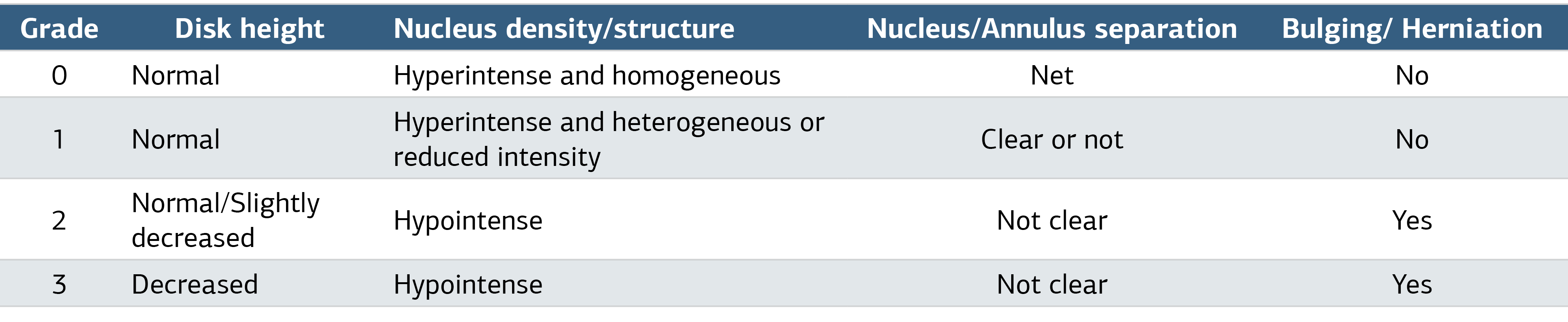
*Hyperintensity is defined as intensity similar to cerebrospinal fluid and/or bone marrow; decreased signal intensity is defined as intensity lower than bone marrow *A slight decrease in disc height is defined as less than 30% decrease in normal disc height, while a decrease is defined as more than 30% decrease in normal disc height.
Table 2. Comparison of Lordosis and Adjacent Segment Angle Measurements of Patients. Change in Preoperative and Postoperative Lordosis and Adjacent Segment Angles of Patients According to Groups
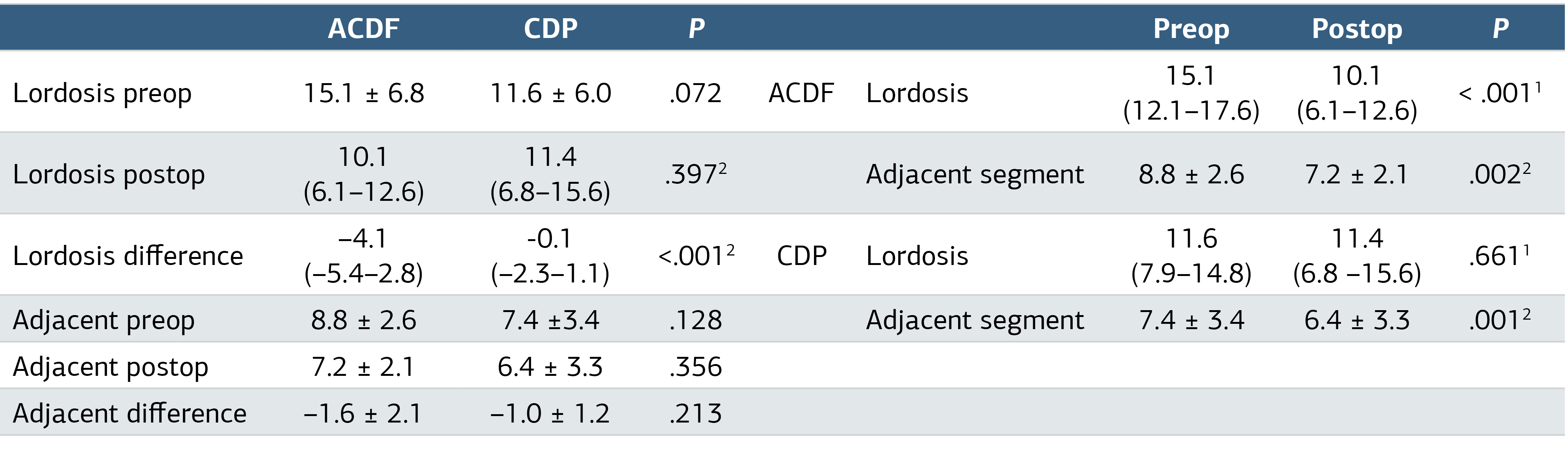
1 T-test was used. 2 Mann-Whitney U test was used.
Table 3. Degeneration Levels of the Patients Included in the Study According to the Groups
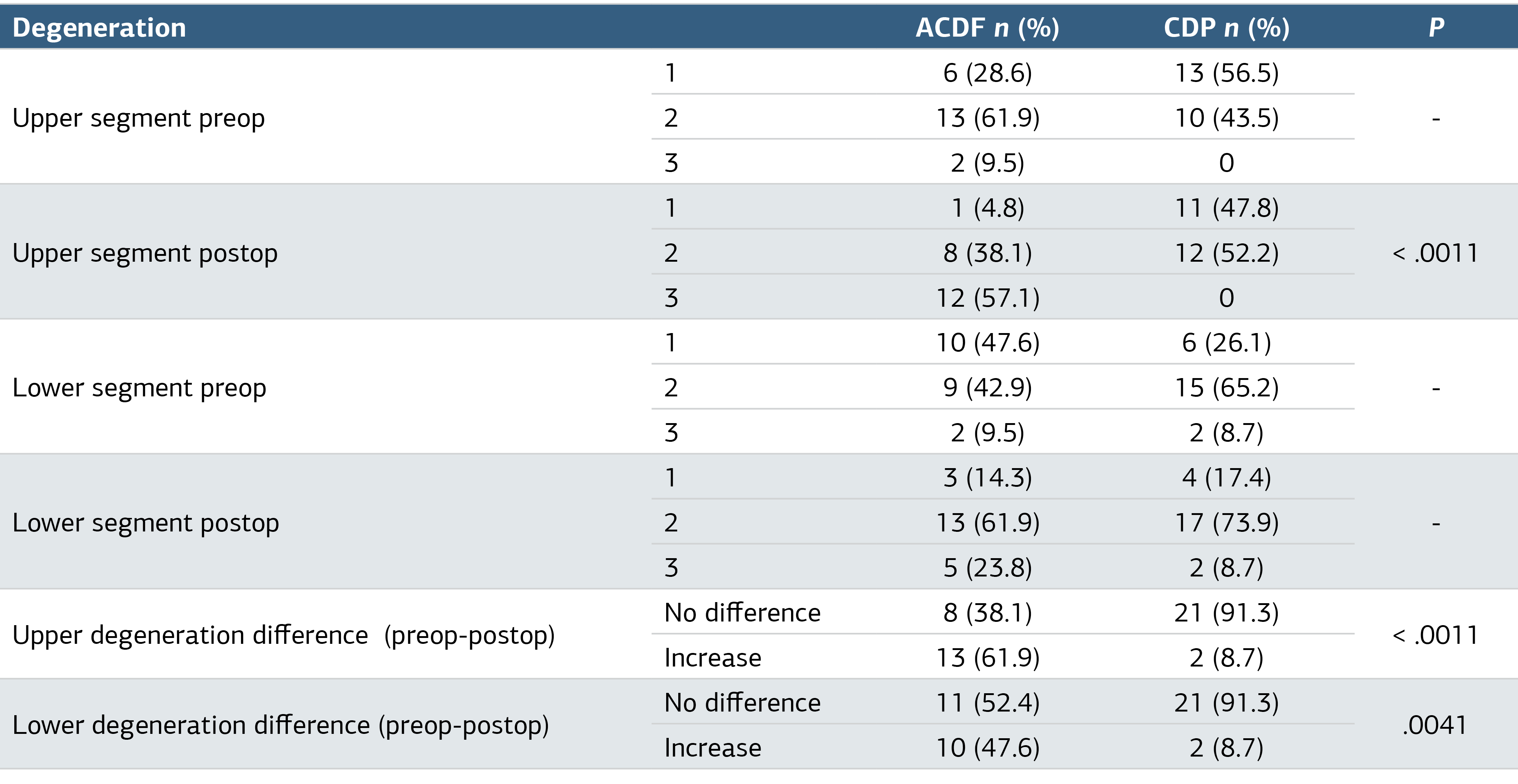
-The number of patients was not sufficient for chi-square analysis 1 Chi-square analysis was used.
Figures
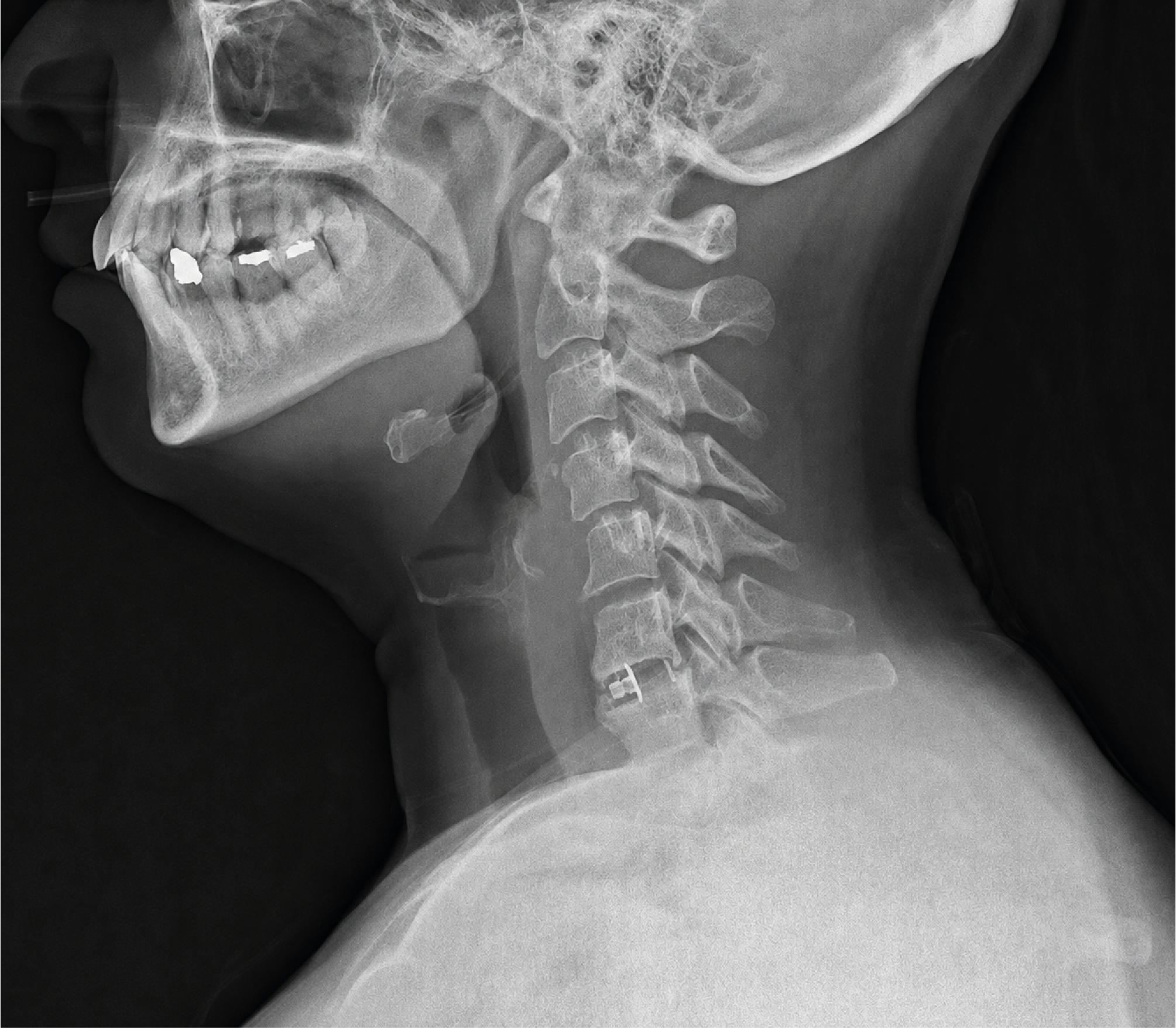
Figure 1. Lateral cervical radiograph of a patient who underwent C5-6 anterior cervical discectomy and ACDF
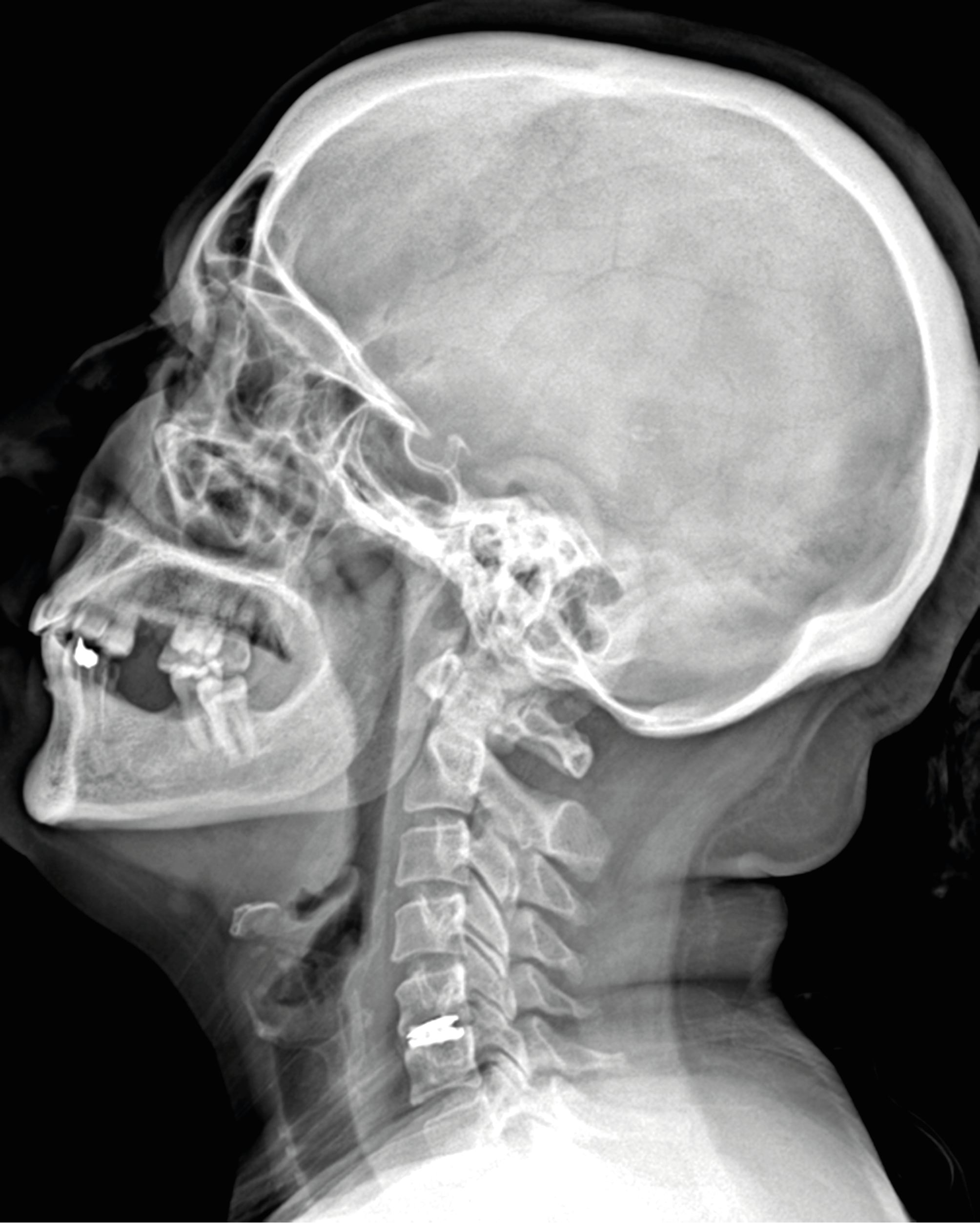
Figure 2. Lateral Cervical Radiograph of A Patient Who Underwent C5-6 Anterior Cervical Discectomy and CDP
Additional Information
Publisher’s Note
Bayrakol MP remains neutral with regard to jurisdictional and institutional claims.
Rights and Permissions

This work is licensed under a Creative Commons Attribution-NonCommercial 4.0 International License (CC BY-NC 4.0). To view a copy of the license, visit https://creativecommons.org/licenses/by-nc/4.0/
About This Article
How to Cite This Article
Atakan Besnek, Muhammed Erkan Emrahoğlu. Effect of fusion and disc prosthesis methods on cervical lordosis and adjacent segment degeneration. Ann Clin Anal Med 2024;15(7):505-509. doi:10.4328/ACAM.22193
Publication History
- Received:
- 22.03.2024
- Accepted:
- 06.05.2024
- Published Online:
- 16.05.2024
- Printed:
- 01.07.2024