
Abstract
AimFournier’s gangrene (FG) is a highly destructive condition characterized by necrotizing fasciitis in the perineal, genital, or perianal area. The primary treatment involves fluid resuscitation, surgical debridement, and broad-spectrum antibiotics. However, there is insufficient evidence regarding antibiotic use in FG. This research aims to assess the microbiological characteristics of FG.MethodsThis study covered 40 FG patients from 2010 to 2023. In surgery, all necrotic areas were removed until viable tissue was seen. Primary deformity wound care was performed using vacuum-assisted closure (VAC). Patients with significant issues were evaluated, and plastic surgery was performed to repair the afflicted areas. The research examined FG patients’ demographics, clinical features, bacterial cultures, and antibiotic susceptibility to establish the best empirical antibiotic therapy.ResultsAll patients were male and averaged 66.4 ± 17.5 years old. The average hospital stay was 13.5 ± 1.7 days. The median debridement number was 2 (1–4). Despite proper FG therapy, 7 (17.5%) patients died due to multiorgan failure. The wound cultures of 35 individuals (87.5%) showed bacterial growth. In 15 cases (37.5%), *Escherichia coli* was the most prevalent bacterium, followed by *Enterococcus sp.*, *Acinetobacter baumannii*, and *Streptococcus*. Amikacin had the most significant bacterial sensitivity (62.5%), followed by ceftriaxone (60%) and carbapenems (imipenem 57.5%, meropenem 55%). Metronidazole had the greatest bacterial sensitivity (52.5%) among anaerobic bacteria.ConclusionThe empirical antibiotherapy of amikacin + metronidazole and ceftriaxone/carbapenem antibiotics shows a notable susceptibility rate. Based on the findings of the culture antibiogram, it is recommended that the antibiotic treatment regimen be modified.
Keywords
Introduction
Fournier’s gangrene (FG) is an uncommon, quickly progressing, and very lethal condition that causes necrotizing fasciitis. It mainly affects the vaginal, perineal, and perianal areas but may also spread to the abdominal wall via the fascial planes.1 Immediate and forceful surgical debridement combined with broad-spectrum antibiotics is necessary for the condition. The reported incidence was 1.6–3 per 100,000, with a male predominance 10/1.2 Diabetes is a prevalent predisposing factor, affecting around 20-70% of cases.3 Alcoholism, atherosclerosis, peripheral vascular disease, trauma, tissue damage, malnutrition, immunosuppression, HIV infection, liver disease, and leukemia are other risk factors for FG.4 Patients are often admitted to the Emergency Department (ED) first. Timely diagnosis and treatment in the emergency department lead to reduced mortality rates and shorter hospital stays.5
Fournier’s gangrene is a complex microbial disease resulting from the combined action of gram-positive, gram-negative, anaerobic bacteria and fungi. These microorganisms cause infection, invade tissues, and induce microthrombosis and endarteritis obliterans, leading to tissue hypoxia, ischemia, necrosis, and gangrene.6 The origin of infection exhibits variability, including anorectal, genitourinary, or cutaneous origins. Nevertheless, it is possible to ascertain the source in around 95% of cases.3 Escherichia coli is the most often identified pathogen, but in over 60% of cases, the infection was caused by a combination of more than one microorganism.7
The current literature recommends aminoglycoside treatment with 3rd generation cephalosporins as empirical antibiotic therapy. Some publications have also discussed the addition of anaerobic clindamycin or metronidazole to this treatment. No definitive treatment modality has been specified regarding the empirical antibiotic therapy that should be initiated in this patient group. Hyperbaric oxygen and vacuum-assisted closure (VAC) might be additional treatment modalities. This study aims to assess FG patients’ microbiological and antibiotic characteristics at a single tertiary health care institute.
Materials and Methods
The data of patients diagnosed with FG who were followed up in the Urology Clinic of Tekirdağ Namık Kemal University between 2010 and 2023 were retrospectively analyzed. The research had a cohort of 40 male patients. The study excluded participants who did not meet the criteria for a diagnosis of FG or had other conditions that may potentially imitate it, such as local dermatitis, scrotal abscess, abscess, or cellulitis. The common findings in all patients were fever (>38.5 °C) and necrotic/draining lesions involving the scrotum skin (Figure 1). All admitted patients underwent imaging with non-contrast abdomen tomography (Figure 2). MRI was additionally included in patients with suspected pararectal invasion.8 Following the clinical presentation, we conducted a radical debridement of the affected devitalized tissues in all patients (Figure 3). All surgical procedures were performed by expert urologists experienced in the scrotal and perineal areas. Regarding suspicion of pararectal area involvement, general surgery specialists were invited to the surgery and received support. In the case of thigh involvement, perioperative opinion was requested from orthopedists. The dressings were replaced daily. The procedure of wound debridement was conducted at 48-hour intervals under general anesthesia inside the operating room. The wound therapy included the use of VAC as a clinical protocol. Patients receiving postoperative hyperbaric oxygen were excluded to prevent possible bias. The necrotic regions were thoroughly removed until viable tissue was seen inside the incision. The patients were treated in the intensive care unit (ICU) if deemed essential. Plastic surgery follow-up was performed for skin care and closure with grafting. Demographic data such as age, comorbidities, Fournier’s Gangrene Severity Index (FGSI) score, hospitalization time, wound cultures, bacterial types of the extracted specimen, antibiotic sensitivity, antibiogram, and treatment efficacy were evaluated separately. FGSI involves measuring nine parameters. These include body temperature, heart rate, respiratory rate, serum sodium, potassium, creatinine, bicarbonate levels, hematocrit, and leucocyte counts.9Ethical ApprovalThis study was approved by Ethics Committee of Tekirdağ Namık Kemal University (Date: 30.03.2021, Decision No: 2021.70.03.10).Statistical AnalysisContinuous variables were expressed as mean ± standard deviation or median (range), as appropriate, and categorical variables as numbers and percentages. Comparisons between groups were considered statistically significant at P < .05. Reporting GuidelinesThis study was reported according to the STROBE guidelines.
Results
All patients in the study were male, with an average age of 66.4 ± 17.5. On average, the duration of hospitalization was 13.5 ± 1.7 days. The median debridement number was 2 (1-4). Fifteen patients (37.5%) had type II and 2 (5%) patients had type I diabetes mellitus. Mean blood HgbA1C was %9.0 ± 3.0, and preoperative blood glucose was 218.2 ± 116.9 mg/dl. The mean length of hospital stay was 13.9 ± 7.3 (min:6, max:28) days. Ten patients (25.0%) needed care in the ICU, with an average stay of 4 days (1-8). Out of them, a total of 3 had mechanical ventilation. The average duration of mechanical ventilation after surgery was 2 ± 0.78 days. Unfortunately, despite the administration of suitable FG therapy, a total of 7 patients died due to multiorgan failure. The study revealed a mortality rate of 17.5%. The mean emergency department (ED) waiting time was 114.5 ± 34.7 minutes (90.5-127.8). In the subgroup analysis, we found that the waiting period in the ED for mortal patients was statistically significantly higher than for surviving patients (109.5 vs. 90.6 min, P = .043).
Bacterial proliferation was detected in the wound cultures of 35 individuals, accounting for 87.5% of the sample. *Escherichia coli* emerged as the predominant bacterium, accounting for 37.5% (15 cases) of the isolates, with other bacterial species including *Enterococcus sp.*, *Acinetobacter baumannii*, and *Streptococcus*. When examining the sensitivity of antibiotics, it was shown that Amikacin exhibited the most significant frequency of bacterial sensitivity at 62.5% (25 cases), followed by Ceftriaxone at 60% (24 patients). Carbapenem antibiotics (Imipenem at 57.5% (23 patients) and Meropenem at 55% (22 patients)) also demonstrated sensitivity. In the context of anaerobic microorganisms, Metronidazole had the greatest bacterial sensitivity in 21 cases, reaching 52.5%. The clinical and demographic parameters of the patients are given in Table 1.
Discussion
Fournier’s gangrene is a necrotizing infection that occurs rapidly and primarily affects the external genitalia, with the perineum often being affected.10 Polymicrobial bacteria, including aerobes and anaerobes, mainly cause FG. Monomicrobial species, such as *Escherichia coli* and *Streptococcus*, are afterward seen.11 In another study by Yanar et al., the predominant pathogens that were detected included *Escherichia coli*, *Bacteroides sp.*, *Staphylococcus aureus*, *Proteus*, *Streptococcus*, *Pseudomonas*, and *Enterococci* strains.12 While our current research has found *Escherichia* to be the most frequent pathogen, it is worth noting that the literature does not often report a positive growth of *Acinetobacter*.13 *Acinetobacter’s* elevated culture growth rates, a bacterium known for its resistance and opportunistic nature, might be attributed to the substantial influx of patients referred from other medical facilities to our tertiary referral center institution. This observation implies that the empirical management of patients admitted to the hospital with FG should include administering antimicrobial medication targeting these opportunistic bacteria.
It has been linked to several illnesses, such as advanced age, diabetes, alcoholism, immunosuppression (e.g., HIV), and obesity. The present mortality rates exhibit variability. Eke et al. conducted a comprehensive analysis of 1726 patients, reporting an overall mortality rate of 16%, ranging between 3%-45%, which is a very close ratio to our study’s findings. The reasons for death identified in this study were severe sepsis, coagulopathy, acute renal failure, and multiorgan failure.14 Diabetes mellitus, which is the most prevalent comorbidity (12-70%) among individuals with FG, similar to our study, serves as a predisposing factor for the progression of the illness.15 It is associated with reduced chemotaxis, phagocytosis, and cellular digestive function, resulting in an elevated infection vulnerability.16 Our research showed that DM was the prevailing comorbid condition, affecting 42.5% of the patients.
Laor et al.9 created the FGSI by using vital observations and laboratory data to assess the severity and prognosis of infection in patients with FG. Their 15-year analysis revealed that a FGSI score greater than nine was linked to a 75% likelihood of mortality, whereas a score below nine was connected with a 78% likelihood of survival. The FGSI score is a reliable and efficient instrument often used in several studies to assess the clinical condition of individuals with FG. The study revealed that the FGSI score, laboratory risk indicator for necrotizing fasciitis score, and neutrophil-to-lymphocyte ratio could predict a more unfavorable outcome.17 Our study used the FGSI and revealed that a relatively low score might explain our relatively low mortality rate. Even high-score patients can achieve low mortality thanks to early disease diagnosis and successful early supportive care, including ICU follow-up and mechanical ventilation.
Aggressive and repetitive debridement is of utmost importance in managing individuals diagnosed with FG.18 In order to manage severe infections, like most of our patient cohort, frequent debridements are needed. Removing infected and necrotic tissues until they reach a viable state is necessary, and then collecting samples for culture. The administration of broad-spectrum antibiotic combinations should commence before the surgical procedure and then be adjusted or maintained based on the results of culture analysis. As a clinical protocol, ceftriaxone and a combination of metronidazole and amikacin are used as an empirical treatment. The antibiotic therapy was modified based on the culture-antibiogram results. The empirical antibiotic treatment that is widely acknowledged and recommended consists of gentamicin, clindamycin, and ampicillin/sulbactam/3rd-generation cephalosporin. Nevertheless, several studies have suggested the substitution of metronidazole for clindamycin, other aminoglycosides, or fluoroquinolone-group antibiotics for gentamicin, likewise classified as an aminoglycoside.19 Regular use of amikacin for treating gram-negative bacterial infections is recommended owing to its notable susceptibility rates. In addition to third-generation cephalosporins, aminoglycoside antibiotics, metronidazole, or ornidazole, double- or triple-combination is often advised as the fundamental requirement.20 Additionally, there is support for using novel pharmaceuticals, such as meropenem and piperacillin-tazobactam, to achieve broader dispersion and reduce the risk of kidney damage. The treatment plans are implemented during the first admission based on practical evidence in this series. However, based on the culture findings, antibiotics need to be adjusted as necessary.
Limitations
There are various limitations inherent in this research. Firstly, the research was conducted retrospectively. Furthermore, a logistic regression analysis was needed. Individuals with FG are often treated in general surgery, urology, or reconstructive surgery clinics, depending on the affected location and system. Occasionally, a multidisciplinary approach is required. Other limitations of this research were the evaluation of outcomes for patients treated in the urology department and the limited sample size. Also, only male patients are involved; no female patients are included in the study due to the low number. Further research is necessary to address the limitations mentioned above.
Conclusion
The primary therapeutic approach for FG involves intensive surgical debridement, the administration of broad-spectrum antibiotic combinations, and the use of hyperbaric oxygen treatment in selected patients. Empirical treatment for FG should often involve carbapenem, 3rd-generation cephalosporin, metronidazole, and amikacin. While the treatment regimens for this condition include the administration of potent antibiotics and debridement, it should be kept in mind that mortality is high due to patient-related factors.
Declarations
Animal and Human Rights Statement
All procedures performed in this study were in accordance with the ethical standards of the institutional and/or national research committee and with the 1964 Helsinki Declaration and its later amendments or comparable ethical standards.
Informed Consent
Informed consent was waived due to the retrospective design of the study and the use of anonymized patient data.
Data Availability
The datasets used and/or analyzed during the current study are not publicly available due to patient privacy reasons but are available from the corresponding author on reasonable request.
Conflict of Interest
The authors declare that there is no conflict of interest.
Funding
None.
Abbreviations
BMI: Body mass index
CT: Computed tomography
ED: Emergency department
FG: Fournier’s gangrene
FGSI: Fournier gangrene severity index
ICU: Intensive care unit
MRI: Magnetic resonance imaging
VAC: Vacuum-assisted closure
References
- Pastore AL, Palleschi G, Ripoli A, et al. A multistep approach to manage Fournier gangrene in a patient with unknown type 2 diabetes: surgery, hyperbaric oxygen, and vacuum-assisted closure therapy: a case report. J Med Case Rep. 2013;7:1-5. doi:10.1186/1752-1947-7-1
- Taylor GM, Hess DV. Fournier gangrene: a rare case of necrotizing fasciitis of the entire right hemipelvis in a diabetic female. Oxf Med Case Reports. 2018;2018. doi:10.1093/omcr/omx094
- Thwaini A, Khan A, Malik A, et al. Fournier gangrene and its emergency management. Postgrad Med J. 2006;82(970):516-519. doi:10.1136/pgmj.2005.042069
- Kuzaka B, Wróblewska MM, Borkowski T, et al. Fournier gangrene: clinical presentation of 13 cases. Med Sci Monit. 2018;24:548-555. doi:10.12659/msm.905836
- Yilmaz Başer H, Zümrütbaş AE, Yilmaz A, Çelen S, Başer A. Importance of emergency department waiting period in Fournier gangrene: 10 years of experience. Int J Clin Pract. 2021;75(9). doi:10.1111/ijcp.14361
- Sokmen S. Fournier gangreni. ANKEM Derg. 2012;26:331-336.
- Morua AG, Lopez JA, Garcia JD, Montelongo RM, Guerra LS. Fournier gangrene: our experience in 5 years, bibliographic review and assessment of the Fournier gangrene severity index. Arch Esp Urol. 2009;62(7):532-540.
- European Association of Urology. EAU Guidelines on Urological Infections. European Association of Urology; 2024.
- Corcoran A, Smaldone M, Gibbons E, Walsh T, Davies B. Validation of the Fournier gangrene severity index in a large contemporary series. J Urol. 2008;180(3):944-948. doi:10.1016/j.juro.2008.05.021
- Shyam D, Rapsang A. Fournier gangrene. Surgeon. 2013;11(4):222-232. doi:10.1016/j.surge.2013.02.001
- Hagedorn JC, Wessells H. A contemporary update on Fournier gangrene. Nat Rev Urol. 2017;14(4):205-214. doi:10.1038/nrurol.2016.243
- Yanar H, Taviloglu K, Ertekin C, et al. Fournier gangrene: risk factors and strategies for management. World J Surg. 2006;30(9):1750-1754. doi:10.1007/s00268-005-0777-3
- Yilmazlar T, Gulcu B, Isik O, Ozturk E. Microbiological aspects of Fournier gangrene. Int J Surg. 2017;40:135-138. doi:10.1016/j.ijsu.2017.02.067
- Eke N. Fournier gangrene: a review of 1726 cases. Br J Surg. 2000;87(6):718-728. doi:10.1046/j.1365-2168.2000.01497.x
- Taviloglu K, Cabioglu N, Cagatay A, et al. Idiopathic necrotizing fasciitis: risk factors and strategies for management. Am Surg. 2005;71(4):315-320. doi:10.1177/000313480507100408
- Norton KS, Johnson LW, Perry T, Perry KH, Sehon JK, Zibari GB. Management of Fournier gangrene: an 11-year retrospective analysis of early recognition, diagnosis, and treatment. Am Surg. 2002;68(8):709-713. doi:10.1177/000313480206800810
- Çitgez S, Demirdağ Ç, Özkaya M, et al. Fournier gangrene: analysis of risk factors affecting mortality in a tertiary urology referral center. J Urol Surg. 2019;6(3):196-200. doi:10.4274/jus.galenos.2019.2642
- Fillo J, Cervenakov I, Labas P, et al. Fournier gangrene: can aggressive treatment save life? Int Urol Nephrol. 2001;33:533-536. doi:10.1023/a:1019554327341
- Bjurlin MA, O’Grady T, Kim DY, et al. Causative pathogens, antibiotic sensitivity, resistance patterns, and severity in a contemporary series of Fournier gangrene. Urology. 2013;81(4):752-758. doi:10.1016/j.urology.2012.12.041
- Martinez-Rodriguez R, Ponce de Leon J, Caparros J, Villavicencio H. Fournier gangrene: a monographic urology center experience with 20 patients. Urol Int. 2009;83(3):323-328.
Tables
Table 1. Clinical and Demographic Parameters of the Patients
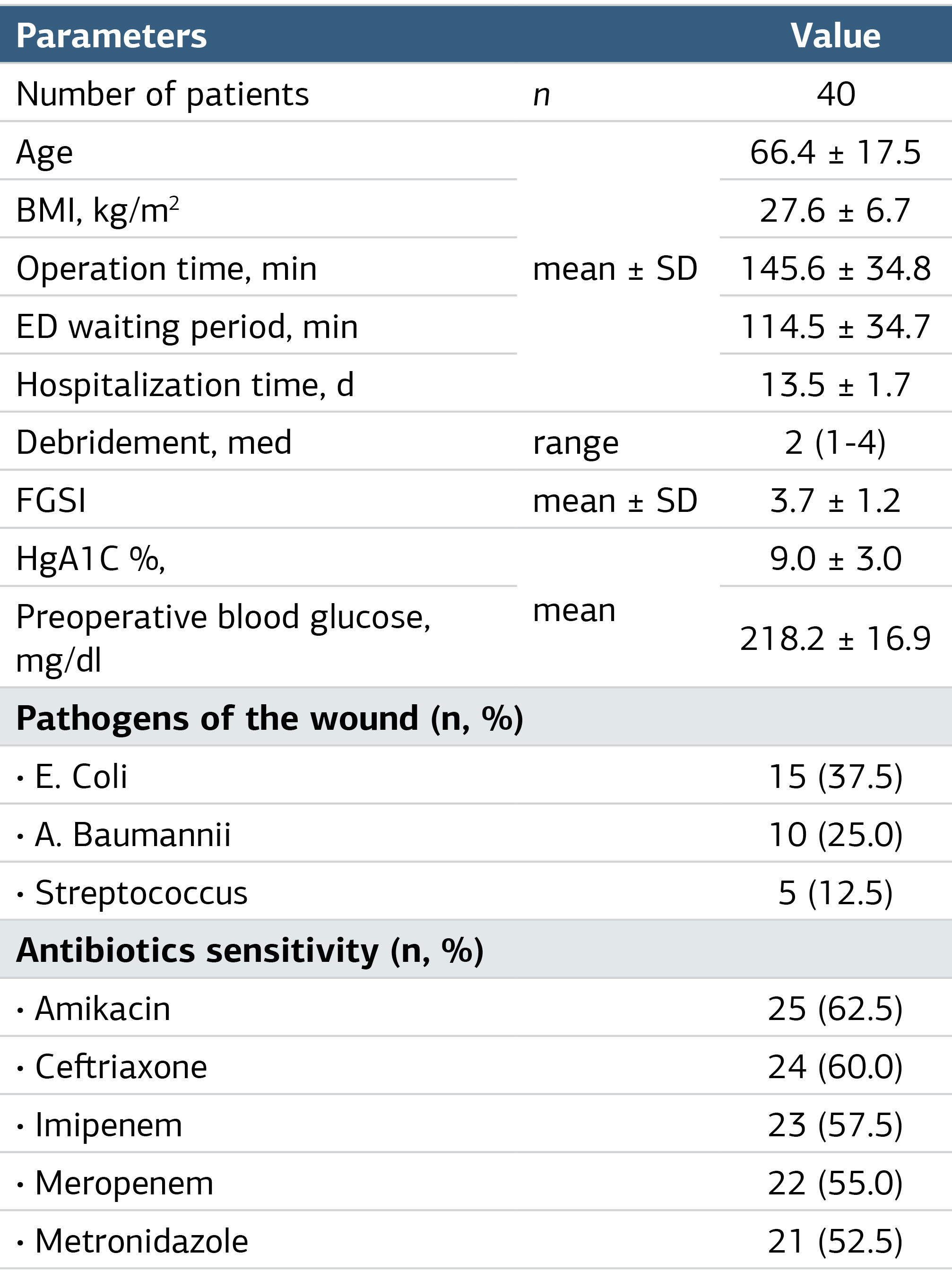
FGSI, Fournier’s gangrene severity index; BMI, Body mass index.
Figures
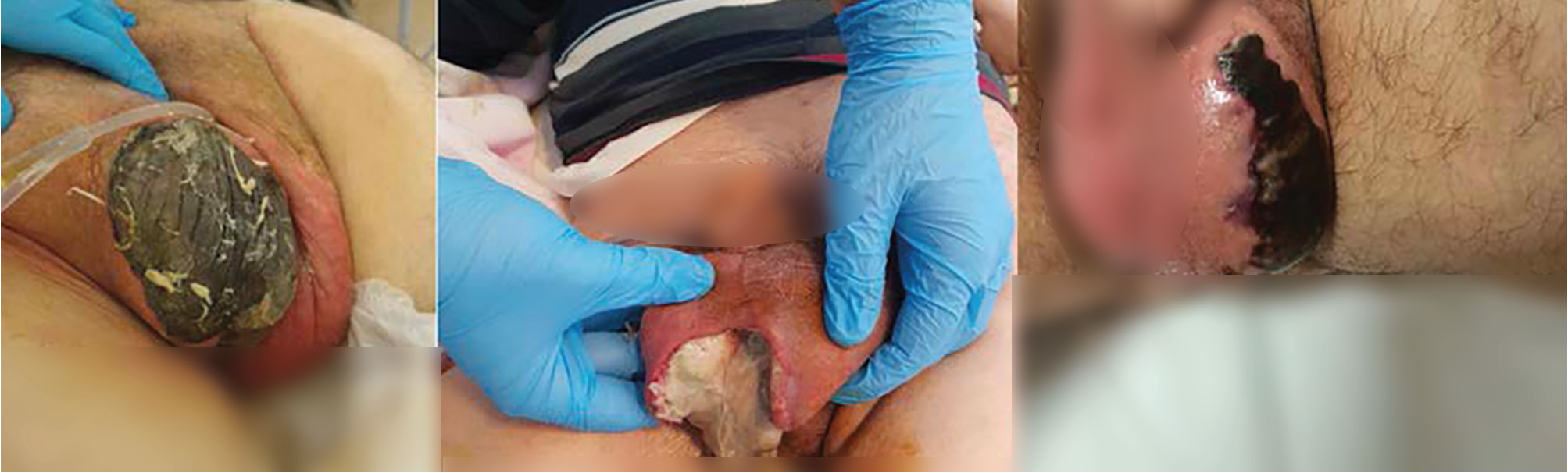
Figure 1. Samples of Fournier’s Gangrene Patients’ Clinical Presentations
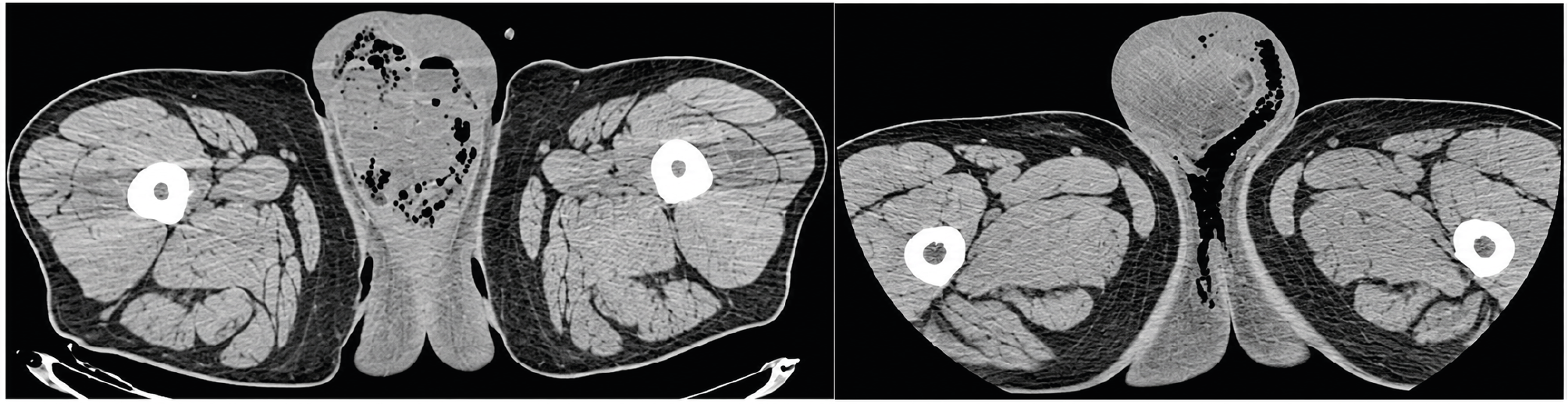
Figure 2. CT Images of Preoperative Patients’ Perineal Regions (Diffuse Air Images in the Scrotal Cavity)
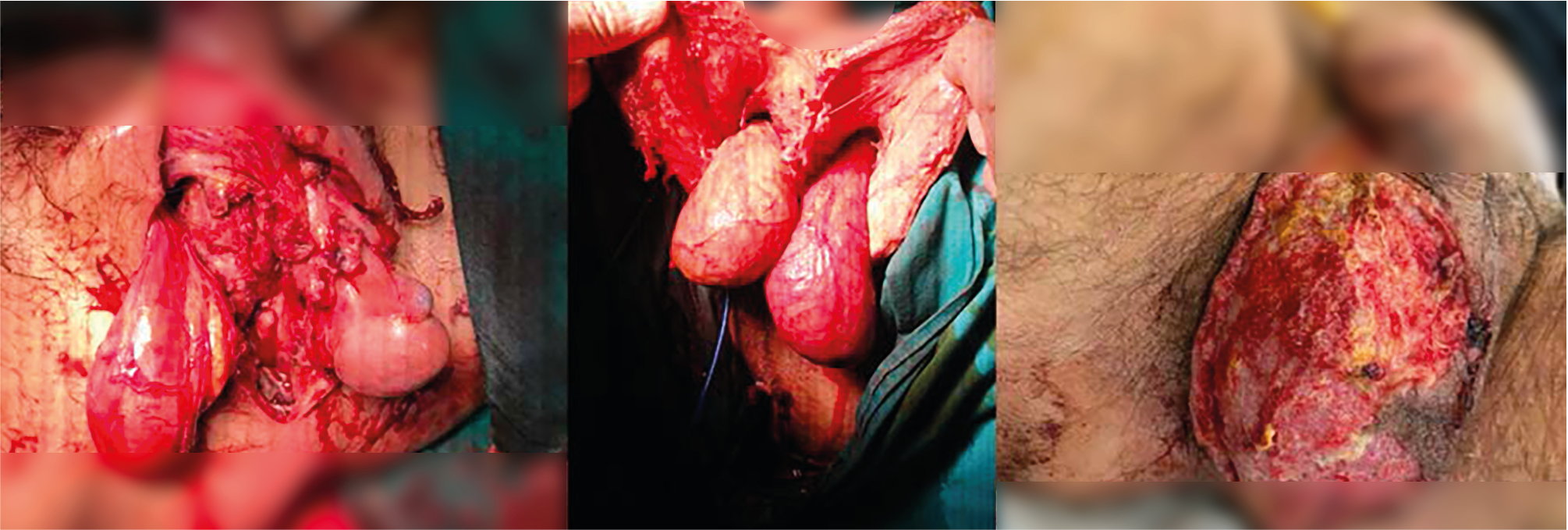
Figure 3. Samples of Patients’ Scrotums After Wound Debridement
Additional Information
Publisher’s Note
Bayrakol MP remains neutral with regard to jurisdictional and institutional claims.
Rights and Permissions

This work is licensed under a Creative Commons Attribution-NonCommercial 4.0 International License (CC BY-NC 4.0). To view a copy of the license, visit https://creativecommons.org/licenses/by-nc/4.0/
About This Article
How to Cite This Article
Mehmet Fatih Şahin, Çağrı Doğan, Hüseyin Ateş, Muhammed Sencer Köroğlu, Onur Orbeği, Murat Akgül, Cenk Murat Yazıcı. What is the appropriate empirical antibiotic treatment for patients diagnosed with Fournier’s gangrene? a single tertiary center experience. Ann Clin Anal Med 2024;15(10):681-684. doi:10.4328/ACAM.22212
Publication History
- Received:
- 01.04.2024
- Accepted:
- 29.07.2024
- Published Online:
- 11.09.2024
- Printed:
- 01.10.2024