
Abstract
AimIt is crucial to treat patients presenting with headaches quickly and effectively, particularly in emergency services and outpatient clinics. Given the widespread use of analgesics in headache treatment, the aim of this study is to emphasize the importance of oxygen inhalation therapy in enhancing efficacy and reducing analgesic use.MethodsData were collected prospectively from patients admitted to the emergency department with headache complaints between November 2016 and January 2017. Two randomized groups were formed: one group received only metoclopramide, while the other received metoclopramide with oxygen therapy.ResultsOur study included 106 patients, of whom 53 received IV metoclopramide therapy. Oxygen inhalation therapy was administered to 3% of patients at 10 L/min via a diffuser mask, along with IV metoclopramide. The median pain levels of patients in Group 2 were as follows: 20 minutes: -5 ± 3.4, 40 minutes: -2 ± 3.0, and 60 minutes: -1 ± 2. Treatment success rates at 20 minutes were 3.8% in Group 1 and 18.9% in Group 2, increasing to 60.4% and 81.1% at 60 minutes, respectively. The median time to the end of pain was 40 minutes in the metoclopramide treatment group and 50 minutes in the oxygen therapy group.ConclusionThe addition of oxygen to treatment has been shown to significantly increase treatment efficacy and shorten the time to patient pain relief. Oxygen inhalation has shortened the duration of patients’ pain and played an active role in early patient discharge.
Keywords
Introduction
A headache is defined as any pain localized in the region of the head. These pains are classified into three separate groups according to the international classification. These include primary headaches, whose etiology is not defined; secondary headaches, which have an identifiable cause such as neuropathies; and other types of headaches.1 The causes of primary headaches include migraines, cluster headaches, tension-type headaches, trigeminal autonomic cephalalgias, and other primary headaches, all of which constitute a significant health problem in society.2 According to current data, the lifetime prevalence of headaches is 96%, with variations by headache type, and it is most frequent in females. Tension-type headaches are the most prevalent, with a prevalence rate of 40%.3
Due to common primary headache causes such as tension-type headaches and migraines, patients often require excessive use of painkillers. This condition also leads to a lower quality of life, disability, and the tests and examinations used in its diagnosis cause an economic burden at both individual and societal levels. In the European Union, the total annual cost of headaches among adults aged 18 to 65 is estimated to be 173 billion euros.4,5 Moreover, according to the Global Burden of Disease study, headache is the second most common cause of years lived with morbidity.5,6 Accurate diagnosis and appropriate treatment can reduce the impact of headaches on patients and improve their quality of life. Additionally, it will prevent economic losses by reducing hospital visits and unnecessary medication use.5,7
In daily practice, a wide variety of prescription medications can be administered to patients presenting with headaches, but these medications may be ineffective or contraindicated in a significant number of cases. For such a complex pathology that affects patients in many areas, it is beneficial to plan both acute and prophylactic treatments. Moreover, non-pharmacological treatments have recently gained popularity in headache management. These treatments can be beneficial, can be combined with conventional treatments when necessary, and can serve as alternative therapies.8
Oxygen therapy is the first-line treatment for acute attacks recommended in cluster headache guidelines in Europe and America.9,10 It is frequently preferred as an alternative treatment option due to its lower cost, fewer side effects, and suitability for patients for whom triptans are contraindicated, such as those with coronary artery disease.11 The exact mechanism underlying the effects of oxygen therapy on headache disorders is unclear. Proposed mechanisms include the inhibition of the cranial parasympathetic pathway or the trigemino-autonomic reflex, modulation of neurotransmitters or neuropeptides, and cerebral artery vasoconstriction.12
In our study, we aim to evaluate the effect of oxygen therapy in patients presenting to the emergency department with primary headaches accompanied by nausea and vomiting, and to contribute to the literature with the data obtained.
Materials and Methods
Study DesignOur study was conducted in the emergency department of a tertiary education and research hospital. The hospital has a capacity of 688 beds and serves 450 emergency department patients daily. Necessary permissions were obtained before commencing the study. This is a single-center, prospective, observational study conducted in the emergency department of a tertiary education and research hospital. The study took place between November 1, 2016, and January 1, 2017.Study Settings and PopulationThe study included patients who presented to our hospital’s emergency department with primary headaches accompanied by nausea and vomiting between November 1, 2016, and January 1, 2017, and who met the inclusion criteria.
The patients who participated in the study were adults diagnosed with primary headaches. The diagnoses of primary headaches were made by a neurology specialist with at least three years of experience in the field. Diagnoses were based on patients’ medical histories, physical examination findings, imaging tests, and clinical evaluations from previous headache consultations. Patients diagnosed with conditions other than primary headaches, those with head trauma, a history of intracranial mass, pregnant patients, those who did not consent to participate, or those who wished to withdraw from the study were excluded.
The pain levels of the included patients were assessed using a numerical pain scale, and the determined scores were recorded on a pre-prepared study form. Additionally, the patients’ pain levels were reassessed and recorded at 0, 20, and 40 minutes after treatment.Study ProtocolThe data for the cases included in the study were obtained from patient files and the hospital’s automation system. Additionally, the medical histories and clinical data of the cases were recorded on a pre-prepared study form. These data were then transferred to a digital format.
The admission times, vital parameters, the number of symptoms accompanying the headache, and the pain levels according to the Numerical Pain Rating Scale (NPRS) and Visual Analog Scale (VAS) at 0, 20, 40, and 60 minutes were recorded on the form for the patients included in the study.MeasurementsThe medical treatment method to be applied to the patients was chosen by the doctor using the shuffle bag method. In one group of patients, 10 mg of metoclopramide was administered intravenously as an infusion in 150 cc of isotonic liquid over 15-20 minutes (Metoclopramide treatment group - MTP group). In another group, 10 mg of metoclopramide was administered intravenously in 150 cc of isotonic liquid over 15-20 minutes, along with 10 L/min of oxygen therapy via a diffuser mask for 60 minutes (Metoclopramide + O₂ treatment group - MTP+O₂ group).
During the treatment, the patients’ pain levels were assessed at the 20th, 40th, and 60th minutes and recorded in the data collection form. If the pain resolved earlier during the treatment period, the time of resolution was recorded on the data recording form.Ethical ApprovalThis study was approved by the Ethics Committee of Bozyaka Training and Research Hospital (Date:15.10.2014, Decision No: 2019-GOKAE-0931).Statistical AnalysisSPSS 22.0 and PAST 3 programs were used to analyze the data we obtained in our study. The suitability of univariate data for a normal distribution was evaluated with the Shapiro-Wilk test. The Independent Samples T-test was used to compare the quantitative data of two independent groups, and the Mann-Whitney U test was used to compare the average data of the two groups. To compare the quantitative variables of the dependent variables with each other, Friedman’s Two-Way test was evaluated with Monte Carlo simulation methods, while Dunn’s test was used for post hoc analysis. Pearson's Chi-Squared Test and Fisher's exact test were used to compare binary categorical variables. Quantitative variables were shown as mean ± std. (standard deviation), median ± IQR (interquartile Range) and median Range (maximum-minimum), and categorical variables were shown as n (%) in the tables.
Variables were examined at the 95% confidence level, and P values < .05 were considered significant.Reporting GuidelinesThis study was reported in accordance with the STROBE guideline.
Results
In the study, 68.9% of the 106 patients (n = 73) were female, and the mean age was 40.11 ± 13.70 years. In the MTP group, 66% of the 53 patients (n = 35) were female, with a mean age of 39.62 ± 12.73 years; in the MTP+O₂ group, 71.7% of the 53 patients (n = 38) were female, with a mean age of 39.62 ± 12.73 years. Photophobia was observed in 15% (n = 16) of cases, phonophobia in 13.2% (n = 14), and both photophobia and phonophobia together in 19.8% of patients (n = 21). At hospital admission (0 min), the median (±IQR) pain level across all patients was 8 ± 2. For the MTP group, the median (±IQR) pain level was 9 ± 2, while for the MTP+O₂ group, it was 8 ± 3. The median ± IQR values of the patients’ pain levels at the 20th, 40th, and 60th minutes during treatment are presented in Table 1. When examining the relationship between pain levels and medical treatments at the 20th, 40th, and 60th minutes, it was observed that the pain levels in the MTP+O₂ group were statistically significantly decreased compared to the MTP group at all time points (p20min = 0.012, p40min = 0.007, and p60min = 0.014) (Table 1). When the pain levels of the patients were assessed at the 20th, 40th, and 60th minutes, if “0” was marked on the NPRS scale, the treatment was considered successful, and the pain was completely gone; for other values, it was accepted that the pain continued, and the treatment was unsuccessful. The data were analyzed from this perspective, and the effectiveness of the MTP and MTP+O₂ group treatments was compared. It was observed that there was a statistically significant difference between the MTP and MTP+O₂ groups at all stated times (Table 2, Figure 1). In the study, treatment was considered successful if patients' headaches resolved within 60 minutes. Accordingly, the treatment was successful in 60.3% (n = 32) of patients who received MTP and in 81.1% (n = 43) of patients who received MTP+O₂. In light of these data, it was determined that adding O₂ to the treatment statistically increased its success. (P = .032). Additionally, when the average duration of pain relief was examined in these patients, it was 50 minutes (20-60 minutes) in those who received only MTP treatment, and 40 minutes (16-60 minutes) in those who received MTP+O₂ treatment. It was observed that even adding only O₂ to the treatment caused a statistically significant decrease in the total duration of pain relief (P = .020) (Table 3).Discussion
In the literature, alternative treatment procedures or combined treatment protocols, in addition to medical treatment, have been researched and continue to be investigated for primary headache cases. Oxygen therapy is already known for the treatment of cluster headaches. It is well-known that in patients with cluster headaches, oxygen therapy is the first-line treatment in the guidelines of Europe and America.9,10 In a study by Cho et al. on patients with cluster headaches, one group received zolmitriptan, while another group received oxygen therapy. Patient satisfaction was significantly higher in the group receiving oxygen therapy than in the group receiving zolmitriptan. Additionally, in the same study, 57% of patients who received 30 minutes of oxygen therapy reported no longer needing analgesics.13
In a study by Cohen et al., patients with headaches were divided into two groups: one group received room air, and the other received oxygen therapy. The treatment was considered successful if the patient’s pain was alleviated. At the 15th minute, treatment success was 20% in the air group and 68% in the oxygen group; at the 20th minute, 30% in the air group and 81% in the oxygen group; at the 30th minute, 38% in the air group and 85% in the oxygen group; and at the 60th minute, 59% in the air group and 92% in the oxygen group.11 Özkurt et al. found that treatment success was 80% in the group receiving oxygen.14 In a study by Singhal et al., it was reported that oxygen therapy led to a rapid and effective reduction in headache symptoms in migraine patients.15 Another systematic study investigated the effectiveness of oxygen therapy in migraine patients and found that it significantly reduced symptoms compared to placebo.16,17 Furthermore, Saeedi et al. conducted a study on primary headaches using three different oxygen delivery methods and found statistically significant improvement with all three methods.18 In a study by Soltani et al. comparing metoclopramide and ketorolac in patients with primary headaches, no superiority of either drug was demonstrated.19
In our study, we found that adding oxygen to MTP as a combined treatment for headache complaints resulted in significant differences in both treatment success and pain-relief time compared with patients who received only MTP, with pain resolving more quickly. In this context, our study demonstrated that oxygen therapy can be an economical and rapid treatment method for patients with primary headaches.
Oxygen therapy is routinely used in the treatment of cluster headaches. Nowadays, it is suggested that high-flow oxygen devices may effectively treat cluster headaches and may even be preferable to sumatriptan, which has FDA approval for this condition, due to their potentially lower side-effect profile.20 Currently, the use of oxygen, including high-flow oxygen, is recommended in the treatment of all types of primary headaches.21 Similarly, based on a study by Shah et al., oxygen therapy is recommended for patients with migraines.22
The literature reports that primary headaches, although they vary by type, predominantly affect females. Mihaiu et al. reported that females were the majority, with a mean age of 34.31 years, in their study on patients with primary headaches.23 Wells et al. noted that primary headaches are more prevalent in females and are commonly seen in younger patients.24 Mavioğlu et al. found that 85% of cases were female, with a mean age of 39.62 ± 12.73 years.25 Özkurt et al. observed a female predominance in both groups in their study, with a mean age of 39.42 ± 13.79 years.14 In our study, 68.9% of cases were female, with a mean age of 40.11 ± 13.70 years. Thus, our study aligns with the existing literature on age and gender distributions in primary headaches.
Limitations
Unfortunately, our study has certain limitations. Firstly, we acknowledge the single-center nature of our study and the relatively small sample size. Additionally, pain scores were evaluated using patient-reported outcomes, making them inherently patient-specific. However, we believe these limitations do not significantly impact the study outcomes. To generalize our findings, multicenter studies with larger patient cohorts are needed.
Conclusion
In our study, adding oxygen therapy to standard metoclopramide treatment in patients presenting with primary headaches resulted in faster pain relief and improved treatment success. Oxygen therapy also shortened treatment duration, which may reduce exposure to medications and facilitate earlier discharge from the emergency department. These findings suggest that oxygen therapy may be considered a potentially useful adjunct to standard treatment; however, larger multicenter randomized studies are needed to confirm these results.
Declarations
Animal and Human Rights Statement
All procedures performed in this study were in accordance with the ethical standards of the institutional and/or national research committee and with the 1964 Declaration of Helsinki and its later amendments, or comparable ethical standards.
Informed Consent
Written informed consent was obtained from all participants or their legal guardians before enrollment in the study.
Data Availability
The datasets used and/or analyzed during the current study are not publicly available due to patient privacy reasons, but are available from the corresponding author on reasonable request.
Conflict of Interest
The authors declare no conflict of interest.
Funding
None.
Author Contributions (CRediT Taxonomy)
Conceptualization: K.E.A., İ.E.A., İ.P.
Methodology: K.E.A., İ.E.A., G.A.A.
Investigation: K.E.A., İ.E.A., G.A.A.
Data Curation: K.E.A.
Formal Analysis: K.E.A., İ.E.A.
Writing – Original Draft: K.E.A.
Writing – Review & Editing: İ.E.A., G.A.A., İ.P.
Supervision: İ.P.
AI Usage Disclosure
The authors declare that no AI-assisted technologies were used.
Abbreviations
IQR: Interquartile range
MTP: Metoclopramide treatment
NPRS: Numerical pain rating scale
VAS: Visual analog scale
References
- Olesen J. International Classification of Headache Disorders. Lancet Neurol. 2018;17(5):396-7. doi:10.1016/s1474-4422(18)30085-1
- Headache Classification Committee of the International Headache Society (IHS) The International Classification of Headache Disorders, 3rd edition. Cephalalgia. 2018;38(1):1-211. doi:10.1177/0333102417738202
- Rizzoli P, Mullally WJ. Headache. Am J Med. 2018;131(1):17-24. doi:10.1016/j.amjmed.2017.09.005
- Linde M, Gustavsson A, Stovner LJ, Steiner TJ, Barré J, Katsarava Z, et al. The Cost of Headache Disorders in Europe: the Eurolight Project. Eur. J. Neurol. 2012;19(5):703–11. doi:10.1111/j.1468-1331.2011.03612.x
- Bora ES, Sorgun O, Çakır A. Acil Servise Vertigo ile Başvuran Hastalarda Vestibüler Migren İnsidansı. İzmir Eğitim ve Araştırma Hastanesi Tıp Dergisi (Medical Journal of İzmir Hospital), 2021;25(4):323-29.
- Nieswand V, Richter M, Gossrau G. Epidemiology of Headache in Children and Adolescents-Another Type of Pandemia. Curr. Pain Headache Rep. 2020;24(10): 62. doi:10.1007/s11916-020-00892-6
- Çınaroğlu OS, Bora ES, Acar H, Arıkan C, Küçük M, Kırık S. Is near-infrared spectroscopy a promising predictor for early intracranial hemorrhage diagnosis in the Emergency Department? Brazilian Journal of Medical and Biological Research. 2024;57:e13155. doi:10.1590/1414-431x2023e13155
- American Headache Society. The American Headache Society Position Statement On Integrating New Migraine Treatments Into Clinical Practice. Headache. 2019;59(1):1-18.
- May A, Leone M, Afra J, Linde M, Sándor PS, Evers S, Goadsby PJ; EFNS Task Force. EFNS guidelines on the treatment of cluster headache and other trigeminal-autonomic cephalalgias. Eur J Neurol. 2006;13(10):1066-77. doi:10.1111/j.1468-1331.2006.01566.x
- Robbins MS, Starling AJ, Pringsheim TM, Becker WJ, Schwedt TJ. Treatment of Cluster Headache: The American Headache Society Evidence-Based Guidelines. Headache. 2016;56(7):1093-106. doi:10.1111/head.12866
- Cohen AS, Burns B, Goadsby PJ. High-flow oxygen for treatment of cluster headache: a randomized trial. JAMA. 2009;302(22):2451-7. doi:10.1001/jama.2009.1855
- Akerman S, Holland PR, Lasalandra MP, Goadsby PJ. Oxygen inhibits neuronal activation in the trigeminocervical complex after stimulation of trigeminal autonomic reflex, but not during direct dural activation of trigeminal afferents. Headache. 2009;49:1131–43. doi:10.1111/j.1526-4610.2009.01501.x
- Cho S, Kim BK, Chu MK, Moon HS, Lee MJ, Bae DW, Han J, Lee SH, Cho SJ. Efficacy of Oxygen Treatment Using Home Oxygen Concentrators for the Treatment of Cluster Headaches: A Randomized, Crossover, Multicenter Study. J Clin Neurol. 2024;20(1):78-85. doi:10.3988/jcn.2023.0103
- Özkurt B, Cinar O, Cevik E, Acar AY, Arslan D, Eyi EY, et al. Efficacy of High flow Oxygen Therapy in All Types of Headache: A Prospective, Randomized, Placebo Controlled Trial American Journal of Emergency Medicine, 2012;30:1760-8.
- Singhal AB, Maas MB, Goldstein JN, Mills BB, Chen DW, Ayata C, Kacmarek RM, Topcuoglu MA. High-flow oxygen therapy for treatment of acute migraine: A randomized crossover trial. Cephalalgia. 2017;37(8):730-6. doi:10.1177/0333102416651453
- Ejaz S, Emmrich JV, Sitnikov SL, Hong YT, Sawiak SJ, Fryer TD, Aigbirhio FI, Williamson DJ, Baron JC. Normobaric hyperoxia markedly reduces brain damage and sensorimotor deficits following brief focal ischaemia. Brain. 2016;139(Pt 3):751-64. doi:10.1093/brain/awv391
- Schürks M, Kurth T, de Jesus J, Jonjic M, Rosskopf D, Diener HC. Cluster headache: clinical presentation, lifestyle features, and medical treatment. Headache. 2006;46(8):1246-54. doi:10.1111/j.1526-4610.2006.00534.x
- Saeedi M, Shahvaran SM, Ramezani M, Rafiemanesh H, Karimialavijeh E. Comparing the effects of 3 oxygen delivery methods plus intravenous ketorolac on primary headaches: A randomized clinical trial. Am J Emerg Med. 2020;38(1):55-9. doi:10.1016/j.ajem.2019.04.018
- Soltani KM, Motamed H, Eslami K, Majdinasab N, Kouti L. Randomised trial of IV metoclopramide vs IV ketorolac in treatment of acute primary headaches. Am J Emerg Med. 2021;50:376-80. doi:10.1016/j.ajem.2021.08.023
- Schindler EAD, Wright DA, Weil MJ, Gottschalk CH, Pittman BP, Sico JJ. Survey Analysis of the Use, Effectiveness, and Patient-Reported Tolerability of Inhaled Oxygen Compared With Injectable Sumatriptan for the Acute Treatment of Cluster Headache. Headache. 2018;58(10):1568-78. doi:10.1111/head.13405
- Kaçer İ, Çağlar A. High or mid-flow oxygen therapy for primary headache disorders: A randomized controlled study. Am J Emerg Med. 2023;68:138-43. doi:10.1016/j.ajem.2023.03.037
- Shah R, Assis F, Narasimhan B, et al. Trans-nasal high-flow dehumidified air in acute migraine headaches: A randomized controlled trial. Cephalalgia. 2021;41(9):968-78. doi:10.1177/0333102421997766
- Mihaiu J, Debucean D, Mihancea P, Maghiar AM, Marcu OA. Primary headache management in a multidisciplinary team- a pilot study. J Med Life. 2023;16(7):1127-35. doi:10.25122/jml-2023-0259
- Wells RE, Bertisch SM, Buettner C, Phillips RS, McCarthy EP. Complementary and alternative medicine use among adults with migraines/severe headaches. Headache. 2011;51(7):1087-97. doi:10.1111/j.1526-4610.2011.01917.x
- Mavioğlu H, Karaca S, Yılmaz H, Korkmaz H, Artuğ R, Selçuki D. Demographic and clinical profile of outpatient headache patients. Dusunen Adam J Psychiatry Neurol Sci. 2000;13(2):110-5.
Tables
Table 1. Comparison of pain scores at baseline, 20, 40, and 60 minutes between the treatment groups

Friedman test (Monte Carlo); post hoc analysis: Dunn’s test; Mann–Whitney U test (Monte Carlo). IQR: Interquartile range.
Table 2. Pain status of patients at 20, 40, and 60 minutes after treatment
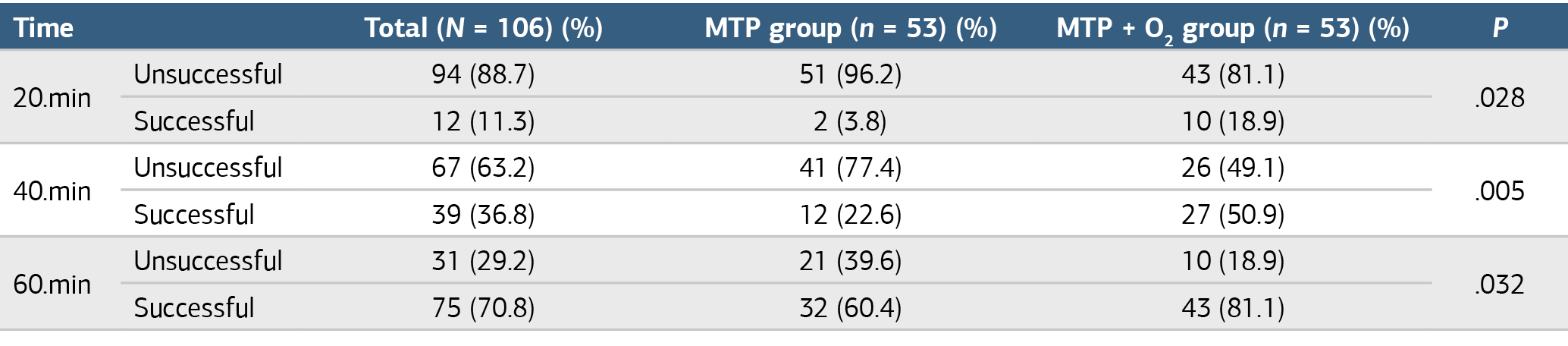
Pearson chi-square test and Fisher’s exact test.
Table 3. Comparison of pain resolution time according to treatment group
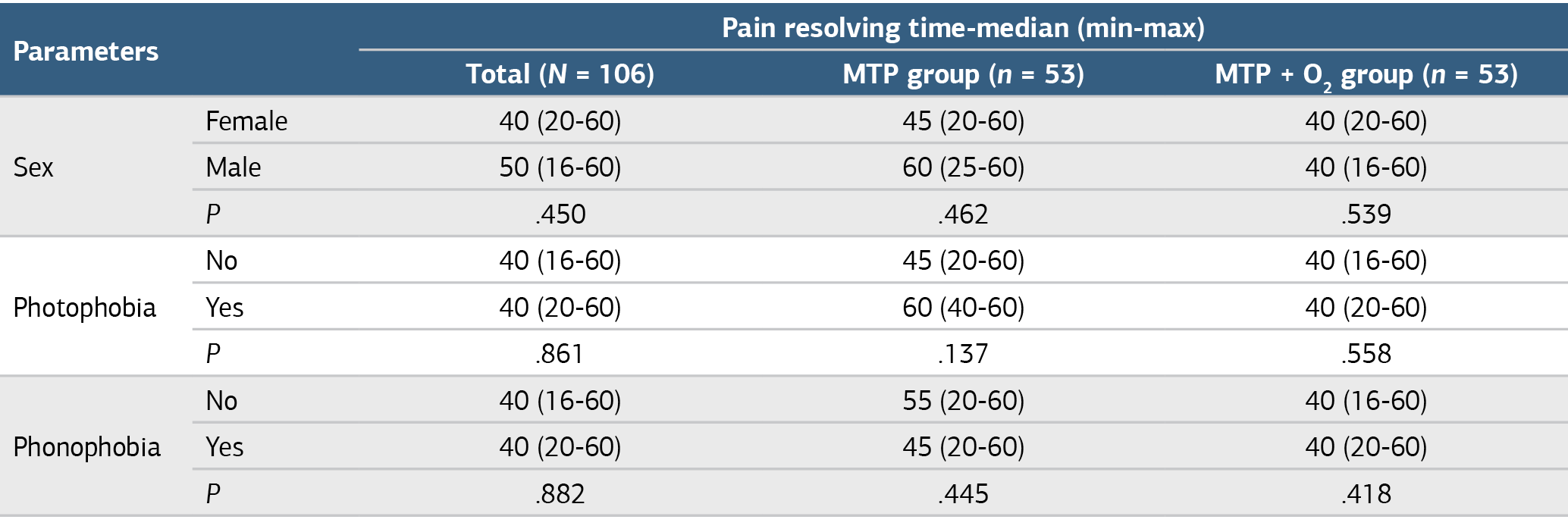
Mann–Whitney U test (Monte Carlo). Max: Maximum; Min: Minimum.
Figures
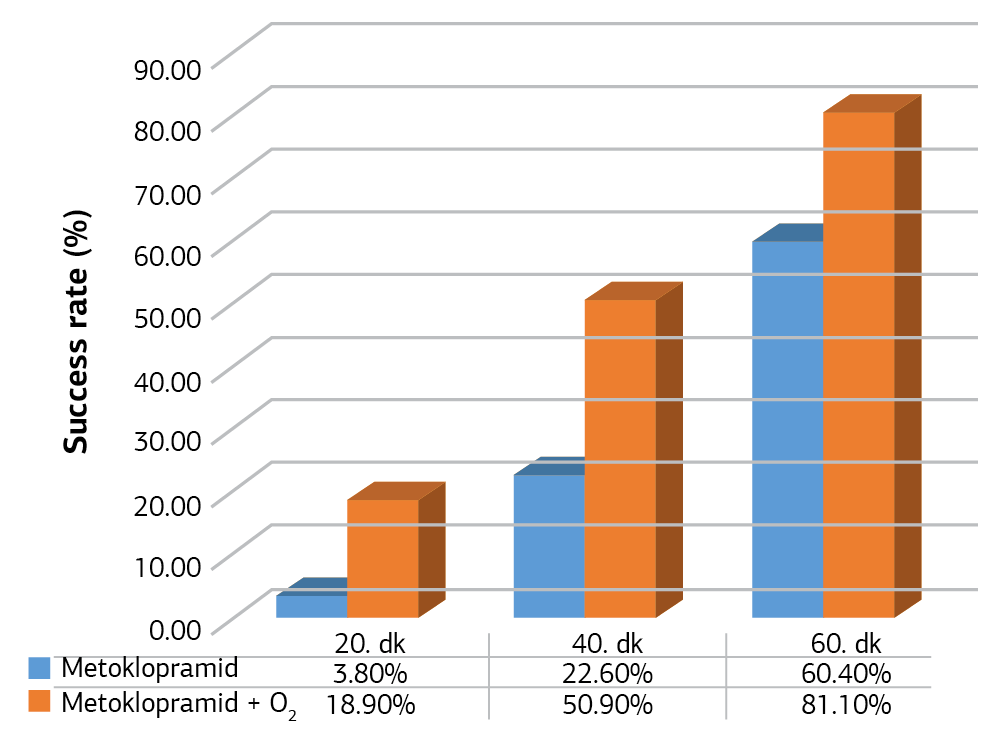
Figure 1. Outcome rates of pain according to treatment duration
Additional Information
Publisher’s Note
Bayrakol MP remains neutral with regard to jurisdictional and institutional claims.
Rights and Permissions

This work is licensed under a Creative Commons Attribution-NonCommercial 4.0 International License (CC BY-NC 4.0). To view a copy of the license, visit https://creativecommons.org/licenses/by-nc/4.0/
About This Article
How to Cite This Article
Kadriye Ela Aydoğan, İsmail Eren Akçay, Gizem Aydınok Akçay, İsmet Parlak. Evaluation of the role of oxygen therapy in the treatment of emergency department patients with primary headache accompanied by nausea and vomiting. Ann Clin Anal Med 2026;17(8):809-813. doi:10.4328/ACAM.22256
Publication History
- Received:
- 07.05.2024
- Accepted:
- 09.07.2024
- Published Online:
- 11.03.2026
- Printed:
- 01.08.2026