
Awareness about hypothyroidism among population in the northern border region, Saudi Arabia: A cross-sectional study
Public awareness about hypothyroidism
Authors
Abstract
AimThis study aimed to assess the public awareness about hypothyroidism the Northern Borders Province, Saudi Arabia.
MethodsThe study was conducted as a descriptive cross-sectional study enrolling residents aged 18 years and above in the Northern Borders Province, Saudi Arabia, excluding healthcare workers, medical students, and hypothyroid patients. Data were collected via an online questionnaire. It comprised demographic questions and 20 items assessing hypothyroidism awareness on a three-point Likert scale.
ResultsAfter applying the exclusion criteria to 436, we included 392 participants. The sample was predominantly males (53%), unmarried (60%), urban residents (97%), and holding a university degree (71%). The median age of 25 years. The mean knowledge score was 7.38±4.47, with 54.9% demonstrating good knowledge. Female gender, younger age and students were associated with an increase in knowledge of hypothyroidism (p<0.0001, <0.0001, and 0.029, respectively)
ConclusionThe study reveals moderate awareness about hypothyroidism in the Northern Border of Saudi Arabia. Targeted educational interventions to improve understanding of hypothyroidism should be implemented.
Keywords
Introduction
Thyroid glands disorders are globally recognized as one of the commonest endocrinal diseases. The thyroid glands are the largest endocrine glands in the body. These glands are placed at the front of the neck, and they are primarily responsible for producing and releasing thyroid hormones. These hormones play an essential role in protein synthesis, basal metabolic rate (BMR), and the growth of tissues and organs.1
Hypothyroidism is a hormonal disorder, which is caused by a deficiency of thyroid hormones. Clinical primary hypothyroidism is mainly characterized by elevated levels of thyroid-stimulating hormone (TSH) with a parallel decrease in the free thyroxine hormone levels. Mild or subclinical hypothyroidism, often indicates early thyroid dysfunction, is defined by elevated TSH levels, while free thyroxine remains within the normal range. It can result from either iodine deficiency or an autoimmune attack, leading to autoimmune thyroiditis, which is also known as Hashimoto’s disease.2 The prevalence of overt hypothyroidism ranges from 0-3% in the USA and 3-7% in Europe 3 to a broader range of 6.18% to 47.34% in the Arab region.4 Thyroid disorders are very common in Saudi Arabia. It shows a high prevalence of 49.76%, among which 39.25% were subclinical hypothyroidism and 5.3% were primary hypothyroidism.5
Hypothyroidism is manifested clinically in adults via a wide range of symptoms including easy fatigability, lethargy, intolerance to cold, increased body weight, constipation, voice changes, as well as dry skin. However, symptoms may vary based on age, gender, and duration of the disease.6,7 In 2010, a study conducted among hypothyroid patients in Chennai’s community hospital endocrine clinics assessed the knowledge of hypothyroidism. It revealed significant gaps in their understanding regarding the terminology, symptoms, and treatment. Some patients held incorrect beliefs, such as the idea that iodized salt could cure hypothyroidism.8
Similarly, in 2016, a study in India aimed to evaluate awareness about thyroid disorders. Findings indicated that 29.2% of females had never encountered the term “thyroid.” Furthermore, various symptoms were prevalent, with 55.2% of participants believing in alternative therapies for thyroid diseases.9 In 2021, a study from the Eastern Saudi Arabian province involved 882 participants and explored public awareness about thyroid diseases’ clinical presentation and the predisposing factors. Participants were categorized as having low (44.7%), average (41.2%), or high (14.2%) knowledge, with a mean knowledge score of 8.67.10 Another study revealed that 52% had a good understanding of the thyroid gland and its disorders, while 45% had limited knowledge.11
A significant concern is the presence of iodine deficiency in many parts of the world, which can severely affect the neuropsychiatric development among fetuses and children.12 Moreover, the potential impact of milder forms of deficient iodine intake during pregnancy on children’s cognitive skills development and their future school performance.13 Hypothyroidism was shown to increase the risk of several diseases, including coronary insufficiency, kidney and liver diseases including fatty liver, arthritis, associated diabetes mellitus, and higher cancer mortality.14,15,16 Given these factors, it is crucial to assess the general population’s awareness of hypothyroidism. Such studies can enable physicians to focus on specific issues during initial patient interactions and plan future interventions to enhance disease outcomes. Therefore, this study aimed to assess the awareness of hypothyroidism among the public in the Northern Border of Saudi Arabia and to evaluate its determinants. In addition, the demographic factors affecting the level of awareness were evaluated among the respondents.
Materials and Methods
Study Design, Settings and PopulationA descriptive cross-sectional study was conducted between January and March 2024 among the general population who resided on the northern border of Saudi Arabia, located in the country’s north, bordering Iraq and Jordan. We included participants who resided on the northern border of Saudi Arabia and were aged 18 years and above, excluding healthcare workers, students in the medical field, and patients with personal and/or family history of thyroid disorders. Knowledge of these groups may affect the estimation of real population knowledge.
Data Collection ToolA self-administered online questionnaire was used. The survey was easily disseminated via social media and Google Forms. A panel of specialists made revisions to the questionnaire to guarantee its validity. Expert clearance was obtained before a pilot study with 20 participants was carried out. The questionnaire was made more understandable and clearer by using the pilot study’s input. The final analysis does not incorporate the pilot study’s responses.
The questionnaire was in Arabic and divided into two sections: The first section questions assessed the demographic characteristics of the participants, such as age, gender, marital status, occupation, education, nationality, family history of thyroid disorders and personal history of thyroid disorders. The second section evaluates hypothyroidism awareness, which was adopted from a previous study.17 It contains 20 items on a three-point Likert scale (yes, no, I do not know). It covers the general knowledge (4 items), risk factors (6 items), clinical manifestations (7 items) and management lines (3 items).
Sample SizeEpi info was used to compute the sample size. A sample size of 384 was determined by taking a 5% margin of error, a 50% expected proportion, a 95% confidence interval, and a population of 383,051.
Ethical ApprovalThe study was reviewed and approved by the Ethics Committee of the Northern Border University (Date: 13.12.2023, Decision No: 118/23/H).
It was underlined how morally preferable it is for participants to leave at any time. Regarding participant identities and responses, anonymity and confidentiality were preserved.
Statistical AnalysisThe data was cleaned in an Excel sheet and imported to SPSS software version 27 (Statistical Product and Service Solutions, SPSS Inc, Chicago, IL, USA).
Firstly, the consistency of the responses was evaluated via Cronbach alpha test. To calculate the knowledge score, the correct answers were coded 1, while incorrect and insured answers were coded zero. The normality of the score was tested using a histogram and Kolmogorov- Smirnov test and participants who scored ≥ the median (median=10) were considered to have “Good knowledge.”
For continuous data, descriptive statistics were used to calculate the median and interquartile range, and for categorical variables, frequencies with percentages. We employed multiple logistic regression to identify the factors that predicted the knowledge of hypothyroidism. For this investigation, a p-value of less than 0.05 was deemed significant.
Reporting GuidelinesThe study was reported in accordance with STROBE guidelines.
Results
After applying the exclusion criteria to 436, the study included 392 participants. Among them, 47% were female and the median age was 25 years. Approximately 97% were Saudi, 60% were unmarried and 97% resided in urban areas. More than a third of participants (39%) were students, 42% were employed, and 19% were not working. Moreover, 29% had education before university, 71% held universities degrees (Table 1).
Cronbach Alpha showed estimated internal consistency of the responses of 0.89 which is considered a good satisfactory level of the data validity. The overall average of the correct answers to all questions was 40.7%. The highest average of correct answers was shown in the area of general knowledge (52.25%), while the lowest average scores of correct answers were shown in area of diagnosis and treatment (24.6%). Average scores of the correct answers in all survey studied areas are shown in (figure 1). The overall scores of the participants was 9.1 (ranging from 4-17). The average scores of the definite areas of general knowledge, risk factors, clinical manifestations, and management lines were 2.9/4, 2.7/6, 2.8/7, and 0.7/3, respectively.
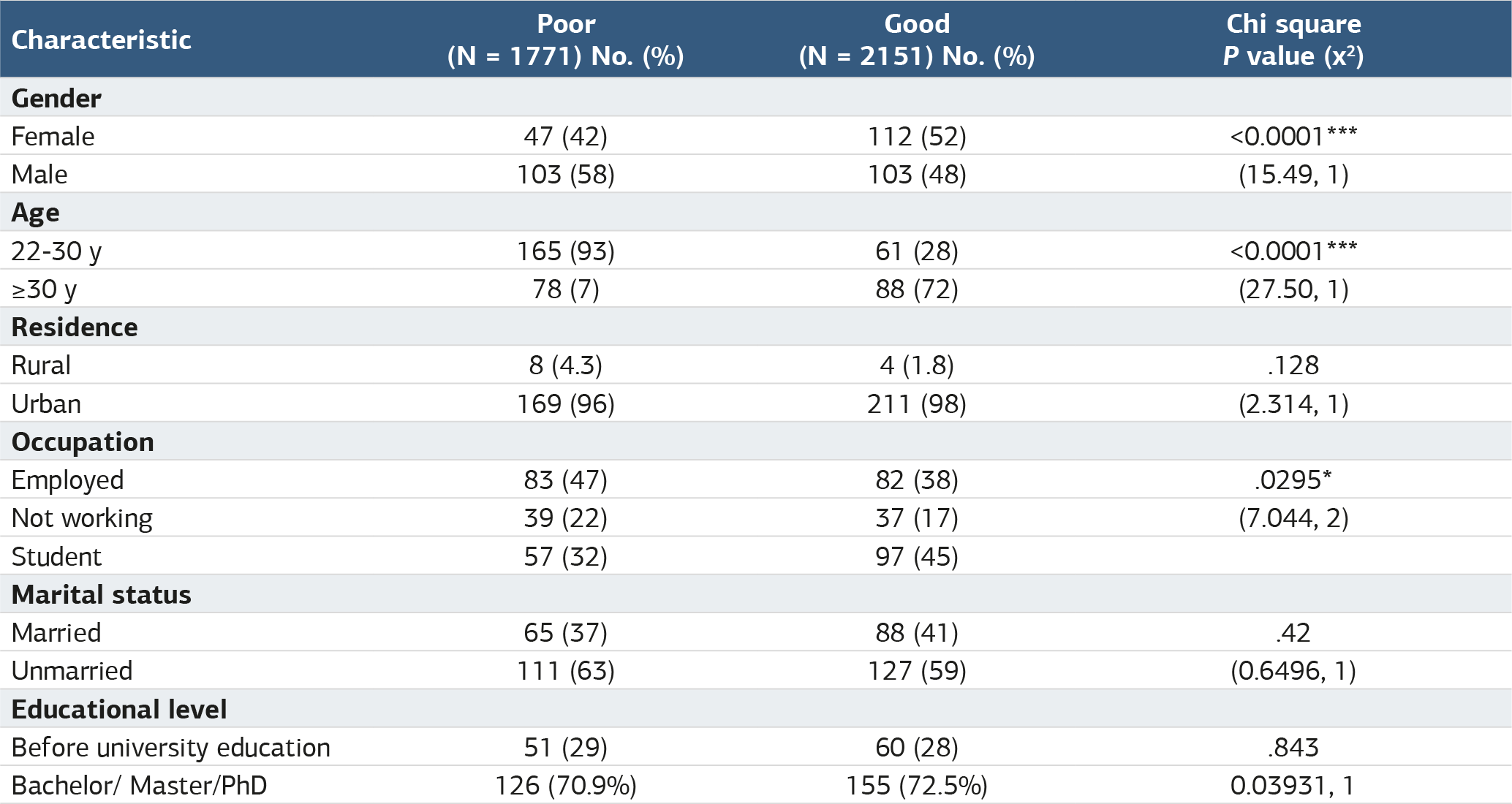
Regarding the general knowledge questions, approximately 47% recognized that reduced levels of thyroid hormone cause hypothyroidism, 37% reported that they can live without the thyroid gland, 5.8% identified that hypothyroidism is not a contagious disease, while only 48% of participants reported that hypothyroidism can affect children. According to the participants’ responses to the risk factors questions, 46% recognized that females are more likely to develop hypothyroidism. Approximately 48%, 51%, 46%, and 45% recognized positive family history of hypothyroidism, low iodine intake, smoking and autoimmune disease as risk factors for developing hypothyroidism, respectively. Regarding symptoms, 46%, 34%, and 60% correctly identified cold intolerance, constipation and swelling neck as a symptom of hypothyroidism. When 45% correctly identified that hypothyroidism can lead to thyroid cancer and 29% recognized that hypothyroidism can lead to infertility. Hypothyroidism related psychiatric and cognitive disorders were identified by only 26 and 43% of the enrolled participants, respectively. Regarding the knowledge of diagnostic and treatment methods, 19% correctly believed a biopsy must not be performed to diagnose hypothyroidism. However, 8.8% knew that thyroid-stimulating oral medication does not cure hypothyroidism and only 11% knew that surgical removal of the thyroid gland is not a cure for hypothyroidism (Table 2). Regarding the effect of demographic factors on the level of knowledge about hypothyroidism among the participants, Female gender, younger age and students were associated with an increase in knowledge of hypothyroidism (p<0.0001, <0.0001, and 0.029, respectively. Residence area, Marital status, and educational level didn’t show a significant association with knowledge of hypothyroidism. Female gender, younger age and students were associated with an increase in knowledge of hypothyroidism (p<0.0001, <0.0001, and 0.029, respectively) (Table 3).
Discussion
With the continued increase in its prevalence, thyroid disorders are considered the most common endocrine diseases.18 Thyroid disorders are very common in Saudi Arabia.5 A study in Jeddah city reported 29.1% hypothyroidism prevalence.19 Hence, in this study, we assessed the awareness of hypothyroidism and evaluated the determinants of hypothyroidism awareness among the general population in the northern border of Saudi Arabia.
Generally, 54.9% of participants demonstrated a good level of knowledge. A previous study by Almuzaini et al. reported nearly similar results, showing a good level of knowledge in 57.32% of responders.20 However, another study by Alzahrani et al., including mostly participants from the Central region, stated a mainly poor level of knowledge among responders.17 And surprisingly, the level of knowledge among Saudi patients with hypothyroidism was mostly low.21
The highest level of knowledge was about hypothyroidism transmission; 77% of participants knew that hypothyroidism is not a contagious disease. Moreover, 60% of participants identified neck swelling as a symptom of hypothyroidism. Anterior neck swelling is a common presentation of thyroid disorders; a previous study assessing the thyroid function in patients with anterior neck swelling indicates an association between subclinical hypothyroidism and patients 70-79 years of age.22 The lowest level of knowledge was reported in the diagnostic and treatment methods, with 11% of participants knowing that surgical removal of the thyroid gland does not cure Hypothyroidism and 8.8% knowing that Thyroid-stimulating oral medication does not cure Hypothyroidism.
We found a significant association between younger ages and knowledge level about hypothyroidism. This was in accordance with Alzahrani et al. who showed significantly higher knowledge in younger age groups than older individuals.17 However, this differs from what was reported by Almuzaini et al. who reported no significant association between age groups and knowledge level.20 Moreover, another study assessing the knowledge among hypothyroidism patients in India showed that the low knowledge level was significantly more prevalent in the 41–50 years age group.23 The higher level of knowledge among the younger age group and students in the current study can be explained by the national programs about hypothyroidism which targets more school children with screening for hypothyroidism, which is expected to improve their awareness about hypothyroidism.
The current study showed a significant difference was found in knowledge level between males and females with higher levels of awareness among females. This may be attributed to the fact that hypothyroidism is more common in females; thus, they might have previous exposure to the disease and its associated complications. In addition to better awareness among mothers about hypothyroidism in the primary healthcare centers they are bringing their newborns for the early screening sampling for hypothyroidism according to the implemented national program. This finding may be different from what was previously reported among the Saudi population with no gender predominance regarding hypothyroidism awareness.20 However, in another study among Saudi hypothyroidism patients, male patients showed lower levels of knowledge.17 Regarding employment status, we found a significantly higher knowledge level among students than among employed and unemployed participants. However, No significant difference was found between knowledge level and marital status, educational level, and residence area. Similar results were previously reported regarding educational level, residence and marital status.17,20,24
Limitations
This study provides a comprehensive overview of the level of awareness of hypothyroidism among the general population on the northern border of Saudi Arabia. However, several limitations must be addressed: Firstly, online questionnaires may bias the response toward younger and more educated individuals. Secondly, self-reported data carry a risk of response bias and inaccuracies. Finally, the small sample size carries a risk of selection bias and limits the generalizability of the findings.
Conclusion
More than half of the participants demonstrated a high level of hypothyroidism knowledge covering areas of clinical manifestations, diagnosis and treatment. Knowledge was significantly associated with younger ages and students. More effort is recommended for better public awareness about hypothyroidism, which is expected to guide the public to seek medical advice at the proper time with better compliance with the physicians’ instruction which is expected to lead to better outcomes of treatment.
Declarations
Animal and Human Rights Statement
All procedures performed in this study were in accordance with the ethical standards of the institutional and/or national research committee and with the 1964 Helsinki Declaration and its later amendments or comparable ethical standards.
Informed Consent
Each participant received a thorough description of the goals of the research. All participants subsequently provided online informed written consent, confirming their voluntary involvement in the study
Data Availability
The datasets used and/or analyzed during the current study are not publicly available due to patient privacy reasons but are available from the corresponding author on reasonable request.
Conflict of Interest
The authors declare that there is no conflict of interest.
Funding
None.
Abbreviations
BMR: Basal metabolic rate
SPSS: Statistical Product and Service Solutions
TSH: Thyroid-stimulating hormone
USA: United States of America
References
-
Mullur R, Liu YY, Brent GA. Thyroid hormone regulation of metabolism. Physiol Rev. 2014;94(2):355-382. doi:10.1152/physrev.00030.2013
-
Chaker L, Bianco AC, Jonklaas J, Peeters RP. Hypothyroidism. Lancet. 2017;390(10101):1550-1562. doi:10.1016/s0140-6736(17)30703-1
-
Taylor PN, Albrecht D, Scholz A, et al. Global epidemiology of hyperthyroidism and hypothyroidism. Nat Rev Endocrinol. 2018;14(5):301-316. doi:10.1038/nrendo.2018.18
-
Al Shahrani AS, El-Metwally A, Al-Surimi K, et al. The epidemiology of thyroid diseases in the Arab world: a systematic review. J Public Health Epidemiol. 2016;8(2):17-26.
-
Alqahtani SAM. Prevalence and characteristics of thyroid abnormalities and its association with anemia in Asir Region of Saudi Arabia: a cross-sectional study. Clin Pract. 2021;11(3):494-504. doi:10.3390/clinpract11030065
-
Carlé A, Pedersen IB, Knudsen N, Perrild H, Ovesen L, Laurberg P. Gender differences in symptoms of hypothyroidism: a population-based DanThyr study. Clin Endocrinol (Oxf). 2015;83(5):717-725. doi:10.1111/cen.12787
-
Carlé A, Pedersen IB, Knudsen N, et al. Hypothyroid symptoms fail to predict thyroid insufficiency in old people: a population-based case-control study. Am J Med. 2016;129(10):1082-1092. doi:10.1016/j.amjmed.2016.06.013
-
Kannan S, Mukundan L, Mahadevan S, et al. Knowledge, awareness and practices among patients with hypothyroidism attending endocrine clinics of community hospitals in Chennai. Thyroid Res Pract. 2010;7(1):11-15.
-
Rai S, Sirohi S, Khatri AK, Dixit SD, Saroshe S. Assessment of knowledge and awareness regarding thyroid disorders among women of a cosmopolitan city of central India. Natl J Community Med. 2016;7(3):219-222.
-
Alyahya A, AlNaim A, AlBahr AW, Almansour F, Elshebiny A. Knowledge of thyroid disease manifestations and risk factors among residents of the Eastern Province, Saudi Arabia. Cureus. 2021;13(1). doi:10.7759/cureus.13035
-
Alhawiti AM, Albalawi AS, Alghamdi AA. Assessment of public knowledge regarding the differences between hyperthyroidism and hypothyroidism. Egypt J Hosp Med. 2018;70(9):1595-1602. doi:10.12816/0044689
-
Zimmermann MB. Iodine deficiency. Endocr Rev. 2009;30(4):376-408. doi:10.1210/er.2009-0011
-
Bath SC, Steer CD, Golding J, Emmett P, Rayman MP. Effect of inadequate iodine status in UK pregnant women on cognitive outcomes in their children: results from the Avon Longitudinal Study of Parents and Children. Lancet. 2013;382(9889):331-337. doi:10.1016/s0140-6736(13)60436-5
-
Moon S, Kim MJ, Yu JM, Yoo HJ, Park YJ. Subclinical hypothyroidism and the risk of cardiovascular disease and all-cause mortality: a meta-analysis of prospective cohort studies. Thyroid. 2018;28(9):1101-1110. doi:10.1089/thy.2017.0414
-
Han C, He X, Xia X, et al. Subclinical hypothyroidism and type 2 diabetes: a systematic review and meta-analysis. PLoS One. 2015;10(8): e0135233. doi:10.1371/journal.pone.0135233
-
Zhang Y, Chang Y, Ryu S, et al. Thyroid hormone levels and incident chronic kidney disease in euthyroid individuals: the Kangbuk Samsung Health Study. Int J Epidemiol. 2014;43(5):1624-1632. doi:10.1093/ije/dyu126
-
AlHussein MM, Almehmadi BA, Alzahrani M, Alfhaid FM. Assessment of Saudi society’s knowledge regarding hypothyroidism and its neuropsychiatric clinical manifestations. Healthcare (Basel). 2023;11(2):277. doi:10.3390/healthcare11020277
-
Okosieme OE, Marx H, Lazarus JH. Medical management of thyroid dysfunction in pregnancy and the postpartum. Expert Opin Pharmacother. 2008;9(13):2281-2293. doi:10.1517/14656566.9.13.2281
-
Aljabri KS, Alnasser IM, Facharatz BS, Bokhari SA, Alshareef MA, Khan PM. The frequency of hypothyroidism in Saudi community-based hospital: a retrospective single-centre study. Trends Diabetes Metab. 2019;2(1):1-4.
-
Almuzaini A, Alshareef B, Alghamdi S, et al. Assessment of knowledge and awareness regarding thyroid disorders among Saudi people. Int J Diabetes Metab Disord. 2019;3(12):1070-1076. doi:10.24911/ijmdc.51-1568037206
-
Alhazmi RA, Alobaid AM, Althunayyan SM, Syed W, Al-Rawi MBA. A cross-sectional assessment of knowledge, awareness of risk factors, and perceptions of thyroid disease among adults living in Saudi Arabia: a community-based study. Front Public Health. 2022;10:1041745. doi:10.3389/fpubh.2022.1041745
-
Isaac A, Yakubu JA, Musa CH, et al. Thyroid hormone assessment in patients with anterior neck swelling: a five-year retrospective study at the National Ear Care Centre, Kaduna. Int J Adv Sci Res. 2023;9(4):26-31.
-
Sethi B, Khandelwal D, Vyas U. A cross-sectional survey to assess knowledge, attitude, and practices in patients with hypothyroidism in India. Thyroid Res Pract. 2018;15(1):15-22. doi:10.4103/trp.trp_25_17
-
Alharazi RM, Almarri LK, Ibrahim HM, et al. Awareness of thyroid diseases and their risk factors among the residents of Jeddah, Saudi Arabia. Cureus. 2024;16(6): e62113. doi:10.7759/cureus.62113
Figures

Figure 1. Average correct answers of the different areas covered in the questionnaire
Tables
Table 1. Demographic characteristics of study participants
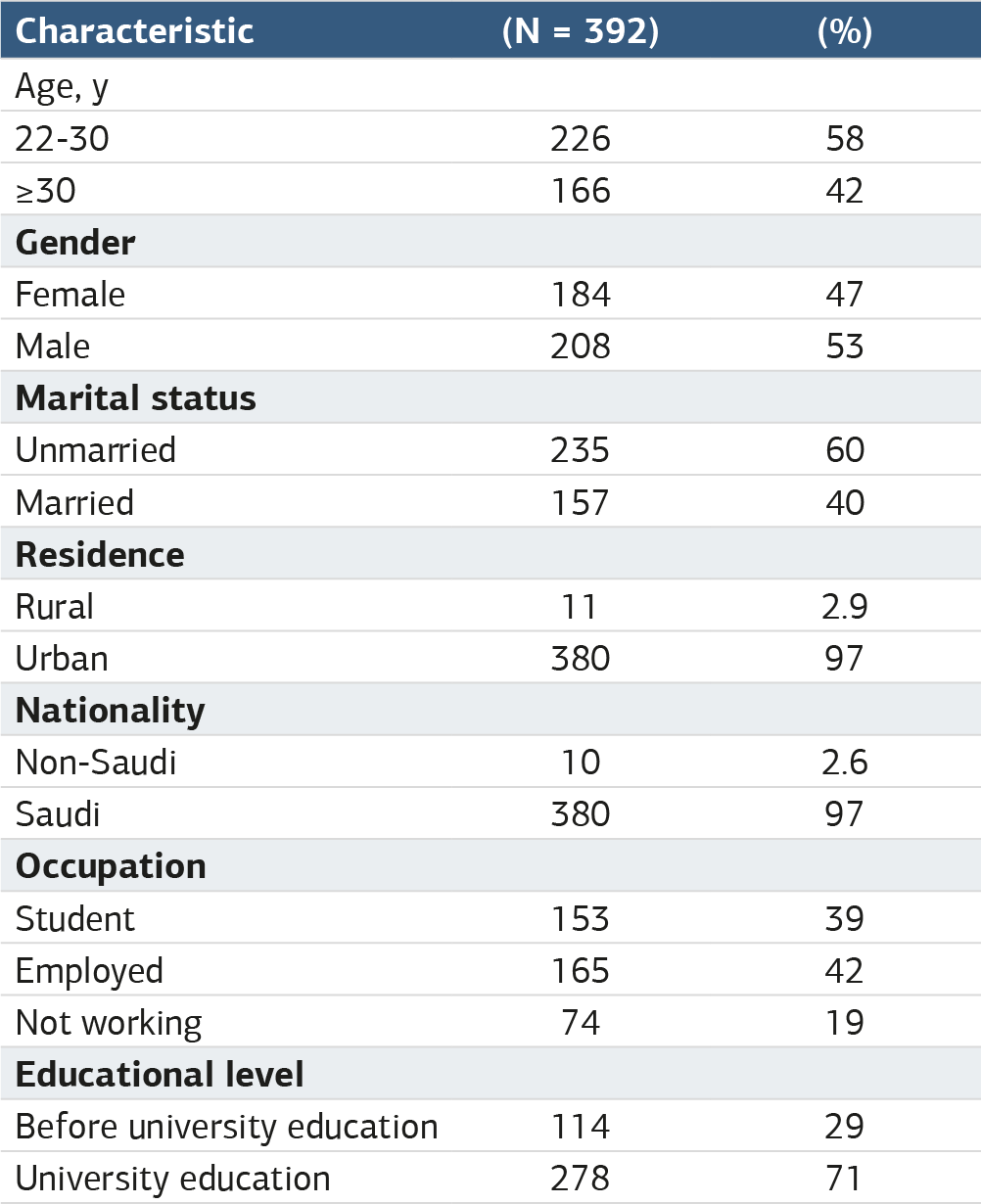
Table 2. Knowledge of hypothyroidism causes, risk factors, symptoms, complications and treatment

*Correct answers.
Table 3. Determinants of knowledge regarding hypothyroidism. * means p-value <0.05, while *** means p-value <0.0001
Additional Information
Publisher’s Note
Bayrakol MP remains neutral with regard to jurisdictional and institutional claims.
Rights and Permissions

This work is licensed under a Creative Commons Attribution-NonCommercial 4.0 International License (CC BY-NC 4.0). To view a copy of the license, visit https://creativecommons.org/licenses/by-nc/4.0/
About This Article
How to Cite This Article
Malik Azhar Hussain, Riyad Yahia Al Laham, Abdulelah Arar S Alruwaili, Daher Dakhel D Alenezi, Abdulelah Khalid H Alruwaili, Nasser Obaylik M Alruwaili, Ekramy Elmorsy. Awareness about hypothyroidism among population in the northern border region, Saudi Arabia: A cross-sectional study. Ann Clin Anal Med 2025;16(4):254-259. doi:10.4328/ACAM.22324
- Received:
- July 3, 2024
- Accepted:
- August 12, 2024
- Published Online:
- November 25, 2024
- Printed:
- April 1, 2025