
Abstract
AimMonocyte to high-density lipoprotein ratio is a new marker of chronic inflammation and oxidative stress, which plays a role in gestational diabetes. Here, we aimed to evaluate the second-trimester monocyte to high-density lipoprotein ratio in gestational diabetes and to assess the predictive role of insulin requirement and delivery mode in gestational diabetes.MethodsA total of 45 gestational diabetes patients and 45 healthy pregnant were included in this retrospective study. The gestational diabetes group was divided into two subgroups: diet-controlled (n = 15) and requiring insulin (n = 30). Demographic and obstetrics characteristics, complete blood count, and biochemical analysis results were compared between groups. The predictive role of monocyte to high-density lipoprotein ratio for gestational diabetes, insulin requirement, and delivery mode was evaluated by receiver operating curve analysis.ResultsThe monocyte to high-density lipoprotein ratio was higher in gestational diabetes (p<0.001). Also, it was higher in insulin-requiring diabetes as compared to the controlled diabetes group (p=0.021). Monocyte to high-density lipoprotein ratio was correlated with fasting glucose (r = 0.469, p=0.001) and 50-gram testing first-hour levels (r = 0.595, p<0.001). Monocyte to high-density lipoprotein ratio >8.2 discriminated gestational diabetes with 91.1% sensitivity and 80% specificity (AUC = 0.922, p<0.001), while >9.1 predicted insulin requirement with 86.7% sensitivity and 66.7% specificity (AUC = 0.713, p=0.032). It did not predict cesarean section in gestational diabetes (p=0.21).ConclusionThe second-trimester monocyte to high-density lipoprotein ratio might be a cheap and available marker for detecting gestational diabetes and the insulin requirement in gestational diabetes mellitus.
Keywords
Introduction
Gestational diabetes mellitus (GDM) is the most common metabolic disorder that is defined as the first occurrence of glucose intolerance during pregnancy. It has a prevalence of 1% to 14%, depending on the diagnostic criteria used in society and ethnic origin.1-2 In addition to increased adverse perinatal outcomes, GDM is associated with long-term cardiovascular risks, hypertensive disorders, development of insulin resistance, and type 2 diabetes.3 The pathophysiology of GDM is not fully understood. Patients who develop GDM have a pancreatic β-cell defect that fails to compensate for the insulin resistance of pregnancy. At the same time, increased oxidative stress caused by chronic low-grade inflammation in GDM triggers the production of inflammatory cytokines and free oxidative radicals.4-6 Understanding the pathophysiology of GDM and finding predicting markers can be a guide to minimizing major pregnancy and long-life complications. Thus, researchers focused on searching for new markers to investigate risk prediction to guide the prevention and treatment of GDM.7-8 Monocytes, which are immature immune system cells and constitute approximately 3-8% of the leukocytes in the peripheral blood, are involved in controlling inflammatory processes by secreting proinflammatory and prooxidant cytokines together with macrophages.9-10 During pregnancy, the number and activation of monocytes increase. It is known that monocytes in circulation contact with syncytiotrophoblasts and activate inflammation.11 High-density lipoprotein (HDL) cholesterol reduces the pro-oxidant and proinflammatory effects of monocytes with its antithrombotic, anti-inflammatory, and antioxidant effects. All these results showed that monocyte to HDL ratio (MHR) might be used as a new marker of chronic inflammation and oxidative stress due to the anti-inflammatory and antioxidant effects of HDL as well as the proinflammatory effect of monocytes. An increase in MHR levels indicates increased inflammation.12
In the present study, we aimed to determine the discriminative role of second-trimester MHR for GDM. Moreover, we aimed to evaluate the predictive role of MHR for insulin requirement and delivery mode in GDM.
Materials and Methods
This study was designed as a retrospective case-control study. It was carried out at a university-affiliated research and training hospital between January 2022 and January 2024.Study PopulationDuring the two-year study period, 678 patients were obtained from medical records who underwent GDM screening by a one-step protocol of 75-gram oral glucose tolerance testing (OGTT) or a two-step protocol of 50-gram OGTT followed by 100-gram OGTT.
The inclusion criteria were as follows: being 16 and 45 years old, pregnant women between 24-28 weeks who have two-step protocol OGTT screening and laboratory analysis including complete blood count and lipid profile, having regular antenatal visits, and giving birth in our clinic.
The exclusion criteria were composed of having any contraindications to OGTT, 75-gram OGTT screening, multiple pregnancies, unavailable perinatal data, smoking, history of pregestational diabetes or chronic diseases affecting inflammatory processes, patients who have dyslipidemia, autoimmune diseases, presence of hypertensive disorders of pregnancy, preterm premature rupture of membranes, threatened labor, intrauterine growth restriction, fetal anomaly noted in medical reports of our hospital.
In our clinic, GDM was diagnosed with a step protocol according to the recommendations by ACOG. A 50-gram OGTT was performed, followed by a 100-gram OGTT if plasma blood glucose levels at the first hour exceeded 140 mg/dL. Glucose levels of 200 and above after OGTT were accepted as GDM. In 100 gram OGTT, GDM was diagnosed if two abnormal values of 95 mg/dL for fasting, 180 mg/dL at the first hour, 155 mg/dL at the second hour, and 140 mg/dL at the third hour were detected.13
After the selection, due to the inclusion and exclusion criteria, a total of 90 patients were included and grouped as GDM (n = 45) and control (n = 45). Then, the participants were divided into two subgroups: diet-controlled GDM (n = 15) and GDM requiring insulin (n = 30).
Patients’ characteristics such as age, body mass index (BMI), gravida, parity, obstetrics features such as OGTT week and results, presence of macrosomia and polyhydramnios, birth weight, delivery week, delivery mode, NICU requirement and Apgar scores, complete blood count values, biochemical analysis results were recorded and compared between groups. The monocyte to HDL ratio was calculated by dividing the monocyte count by the HDL cholesterol value. A cut-off value for MHR for the presence of GDM and insulin requirement was detected by ROC analysis.Ethical ApprovalThis study was approved by the Ethics Committee of Health Science University Bursa Yüksek İhtisas Training and Research Hospital (Date: 06.07.2024, Decision No: 2024-TBEK).Statistical AnalysisThe normality assumption was assessed with the Shapiro-Wilk test. Descriptives were presented as mean (standard deviation) and median (minimum-maximum) values for continuous variables, while categorical variables were given with frequency and related percentage values. For comparison between the two groups, the Student t-test was used for normally distributed variables, and the Mann-Whitney U test was used for non-normally distributed ones. Categorical variables were compared with the Chi-square test or Fisher’s exact test. The association between MHR, 50-gram OGTT values, and HbA1c was evaluated with the Spearman correlation coefficient. The receiver operating curve analysis was used to determine the discriminative and predictive role of MHR for GDM, insulin requiring GDM, and delivery mode. The cut-off values were determined by using the Youden index. SPSS version 22.0 and MedCalc 18 were used for statistical analysis. A p≤0.05 was accepted as statistically significant.Reporting GuidelinesThe study was reported in accordance with STROBE guidelines.
Results
The demographic, perinatal, and laboratory characteristics of all patients are shown in Table 1. No significant difference was present between GDM and control groups regarding age, gravida, parity, OGTT week, presence of macrosomia, delivery mode, birth weight, Apgar scores, and neonatal intensive care unit requirement. Gestational diabetes mellitus patients had statistically significantly higher BMI, higher polyhydramnios rates, higher 50-gram OGTT values, and lower birth weeks as compared to the control group. The median MHR levels were 9.8 (7.9-12.7) in GDM and 7.3 (6.1-10.2) in the control group, which was significantly higher in GDM group (p<0.001). Median HbA1c was 5.5 (4.7-7.8) in GDM patients. The demographic, perinatal, and laboratory characteristics of diet-controlled and insulinre quiring GDM patients are presented in Table 2. There was no difference between diet-controlled GDM and insulin-requiring GDM groups for age, gravida, parity, OGTT week, presence of macrosomia and polyhydramnios, delivery mode, birth weight, neonatal intensive care unit requirement, HbA1c, and 50-gram OGTT levels. Insulin-requiring GDM patients had significantly higher BMI, lower birth weeks, and Apgar scores compared to the diet-controlled GDM group. The median MHR level was statistically significantly higher in the insulin-requiring GDM group as compared to the controlled GDM group (p=0.021). The association between MHR, 50-gram OGTT values, and HbA1c was assessed with the Spearman correlation coefficient (Table 3). MHR was not correlated with HbA1c levels, whereas it was positively correlated with 50-gram OGTT fasting glucose (r = 0.469, p=0.001) and 50-gram OGTT first-hour glucose levels (r = 0.595, p<0.001).
The discriminative role of MHR for GDM was evaluated by receiver operating curve analysis and presented in Figure 1. MHR above 8.2 was found to discriminate GDM with 91.1% sensitivity and 80% specificity (AUC = 0.922, p<0.001). Additionally, the receiver operating curve analysis demonstrated that MHR above 9.1 predicted GDM requiring insulin with 86.7% sensitivity and 66.7% specificity (AUC = 0.713, p=0.032), and this analysis was shown in Figure 2. Contrary to this, MHR did not predict the cesarean section in GDM patients (p=0.21).
Discussion
Low-grade subacute or chronic inflammation and oxidative stress play a crucial role in the pathogenesis of GDM.14 This inflammation is known to be responsible for insulin resistance and future life complications.15 Hence, inflammatory markers have been widely studied to predict pregnancy outcomes and prognosis in GDM. In a study by You et al.,16 a first-trimester triglyceride to HDL ratio above 2.27 predicted GDM with 72.9% sensitivity and 75.1% specificity. Moreover, they reported that the triglyceride to HDL ratio is a better predictor than triglyceride, HDL, total cholesterol, low-density lipoprotein, and HOMA-IR for GDM. In another study searching 954 pregnant women, the triglyceride to HDL ratio increased the risk of GDM by 3.87-fold.17 The possible mechanism between triglyceride to HDL ratio and GDM can be explained by increased estrogen levels and insulin resistance. Increased estrogen levels and insulin resistance trigger the synthesis of free fatty acids, which worsens insulin resistance and leads to glucose metabolism impairment.16
There are challenging results about monocyte counts in GDM. In a study by Huang et al.18 , decreased monocyte count was reported in GDM patients, while Shim et al.19 declared increased monocyte counts in GDM. Moreover, a systematic review has shown no association between monocyte count and GDM.20 This inconsistency could be related to the grading of monocytes such as low, intermediate, or mature and different trimesters of pregnancy. Additionally, monocytes can be pro-inflammatory or anti-inflammatory according to their maturation, like macrophages.
Monocyte to HDL ratio, which was defined in 2014 by Kanbay et al.21 is a representative of chronic inflammation. In this study, increased MHR levels estimated adverse cardiovascular events in chronic kidney disease patients. In a study by Selcuk et al.22 MHR was higher in non-dipper hypertension as compared to the control group and dipper hypertension patients. Gembillo et al.23 reported higher MHR levels and a positive correlation between MHR and C reactive protein in patients with persistent hypertension.
In obstetrics and gynecology practice, MHR has been studied in diseases such as preeclampsia, polycystic ovary syndrome, and GDM. Cakmak et al.24 reported higher MHR levels in polycystic ovary syndrome and claimed that MHR above 9.9 predicted metabolic syndrome in polycystic ovary syndrome patients. Köpük et al.11 found higher MHR levels in preeclamptic patients. In a study searching the role of MHR in GDM, higher MHR levels were reported, and MHR above 8.97 predicted GDM with 83.3% sensitivity and 69.2% specificity. Additionally, MHR was found to be correlated with some heavy metals, which reflects the role of MHR in oxidative stress.25 Similar to this study, Fagninou et al.7 demonstrated higher MHR levels in GDM. A study searching the role of C reactive protein to albumin ratio and MHR found that C reactive protein to albumin ratio was correlated with HOMA-IR and BMI, while no significant difference was reported for MHR between GDM and control groups. They claimed that C reactive protein to albumin ratio is superior to MHR for the prediction of GDM.15 In this study, blood samples were taken in the third trimester, and treatment could have affected the inflammatory processes. In the present study, we found higher MHR levels in GDM consistent with the literature. In addition to this finding, we compared MHR levels between GDM treatment groups for the first time and found higher MHR levels in insulin requiring diabetes as compared to the controlled diabetes group. Moreover, MHR was found to be correlated with fasting glucose and 50-gram oral glucose tolerance testing firsthour glucose levels. MHR above 8.2 discriminated GDM with 91.1% sensitivity and 80% specificity, while MHR above 9.1 predicted insulin requirement with 86.7% sensitivity and 66.7% specificity. To the best of our knowledge, our study was the first study evaluating the predictive role of MHR for treatment options such as diet or insulin.
Limitations
The present study has some restrictions. First, it has a small sample size and retrospective design. Second, the association between MHR and GDM may differ due to the study population and ethnicity. Finally, serial measurement of MHR might be more beneficial for detecting the differences between trimesters of pregnancy.
Conclusion
Second-trimester MHR might be a cheap and available marker that provides information about oxidative stress and inflammation. We suggest that MHR could be used for detecting GDM and the insulin requirement in GDM.
Declarations
Animal and Human Rights Statement
All procedures performed in this study were in accordance with the ethical standards of the institutional and/or national research committee and with the 1964 Helsinki Declaration and its later amendments or comparable ethical standards.
Informed Consent
Written informed consent was waived due to the retrospective design of the study.
Data Availability
The datasets used and/or analyzed during the current study are not publicly available due to patient privacy reasons but are available from the corresponding author on reasonable request.
Conflict of Interest
The authors declare that there is no conflict of interest.
Funding
None.
Abbreviations
AUC: area under the curve
BMI: body mass index
GDM: gestational diabetes mellitus
HDL: high-density lipoprotein
MHR: monocyte to high-density lipoprotein ratio
NICU: neonatal intensive care unit
OGTT: oral glucose tolerance test
ROC: receiver operating characteristic
References
- Artzi NS, Shilo S, Hadar E, Rossman H, Barbash-Hazan S, Ben-Haroush A, et al. Prediction of gestational diabetes based on nationwide electronic health records. Nat Med. 2020;26(1):71-76. doi:10.1038/s41591-019-0724-8
- Lin X, Xu Y, Pan X, Xu J, Ding Y, Sun X, et al. Global, regional, and national burden and trend of diabetes in 195 countries and territories: an analysis from 1990 to 2025. Sci Rep. 2020;10(1):14790. doi:10.1038/s41598-020-71908-9
- Gajera D, Trivedi V, Thaker P, Rathod M, Dharamsi A. Detailed review on gestational diabetes mellitus with emphasis on pathophysiology, epidemiology, related risk factors, and its subsequent conversion to type 2 diabetes mellitus. Horm Metab Res. 2023;55(5):295-303. doi:10.1055/a-2061-9441
- Mohan D, Chandrasekaran S. Gestational diabetes mellitus in Asian Indian population: pathophysiology and mechanism. J Indian Inst Sci. 2023;103(1):365-370. doi:10.1007/s41745-023-00367-8
- Sharma AK, Singh S, Singh H, Mahajan D, Kolli P, Mandadapu G, et al. Deep insight of the pathophysiology of gestational diabetes mellitus. Cells. 2022;11(17):2672. doi:10.3390/cells11172672
- Lappas M, Hiden U, Desoye G, Froehlich J, Hauguel-de Mouzon S, Jawerbaum A. The role of oxidative stress in the pathophysiology of gestational diabetes mellitus. Antioxid Redox Signal. 2011;15(12):3061-3100. doi:10.1089/ars.2010.3765
- Fagninou A, Nekoua MP, Fiogbe SEM, Moutaïrou K, Yessoufou A. Predictive value of immune cells in the risk of gestational diabetes mellitus: a pilot study. Front Clin Diabetes Healthc. 2022;3:819164. doi:10.3389/fcdhc.2022.819164
- Xiang LL, Chen C, Wang QY, Zhu YT, Chen YJ, Zeng Y. Impact of inflammatory factors, hemoglobin A1c, and platelet parameters in gestational diabetes mellitus. Arch Gynecol Obstet. 2023;307(2):439-446.
- Akdeniz FT, Akbulut Z, Sarı H, Aydın H, Dalan AB, Şit D, et al. Effect of pro-inflammatory markers on gestational diabetes. Turk J Immunol. 2017;5(2):45-50. doi:10.25002/tji.2017.586
- Kizilgul M, Sencar E, Ucan B, Beysel S, Ozcelik O, Ozbek M, et al. Components of the complete blood count in type 2 diabetes mellitus with inadequate glycemic control. Dicle Med J. 2018;45(2):113-120.
- Köpük ŞY, Naci N, Özcan C, Ulu İ. Monocyte to HDL ratio in preeclamptic patients: can it be a predictive marker? Clin Exp Health Sci. 2022;12(4):835-839.
- Ganjali S, Gotto AM, Ruscica M, Atkin SL, Butler AE, Banach M, et al. Monocyte-to-HDL cholesterol ratio as a prognostic marker in cardiovascular diseases. J Cell Physiol. 2018;233(12):9237-9246. doi:10.1002/jcp.27028
- ACOG Practice Bulletin No. 190: gestational diabetes mellitus. Obstet Gynecol. 2018;131(2). doi:10.1097/aog.0000000000002501
- Gregor MF, Hotamisligil GS. Inflammatory mechanisms in obesity. Annu Rev Immunol. 2011;29:415-445. doi:10.1146/annurev-immunol-031210-101322
- Gungor ND, Gungor K. CPR/albumin and monocyte/HDL ratio in gestational diabetes mellitus. Gynecol Reprod Health. 2020;4(4):1-3. doi:10.33425/2639-9342.1126
- You Y, Hu H, Cao C, Han Y, Tang J, Zhao W. Association between the triglyceride to high-density lipoprotein cholesterol ratio and the risk of gestational diabetes mellitus: a second analysis based on data from a prospective cohort study. Front Endocrinol. 2023;14:1153072. doi:10.3389/fendo.2023.1153072
- Pazhohan A, Rezaee MM, Pazhohan N. Association of first-trimester maternal lipid profiles and triglyceride-glucose index with the risk of gestational diabetes mellitus and large for gestational age newborn. J Matern Fetal Neonatal Med. 2019;32(7):1167-1175. doi:10.1080/14767058.2017.1402876
- Huang X, Zha B, Zhang M, Li Y, Wu Y, Zhang R, et al. Decreased monocyte count is associated with gestational diabetes mellitus development, macrosomia, and inflammation. J Clin Endocrinol Metab. 2022;107(1):192-204. doi:10.1210/clinem/dgab657
- Shim WS, Kim HJ, Kang ES, Ahn CW, Lim SK, Lee HC, et al. The association of total and differential white blood cell count with metabolic syndrome in type 2 diabetic patients. Diabetes Res Clin Pract. 2006;73(3):284-291. doi:10.1016/j.diabres.2006.02.001
- Gkrania-Klotsas E, Ye Z, Cooper AJ, Sharp SJ, Luben R, Biggs ML, et al. Differential white blood cell count and type 2 diabetes: systematic review and meta-analysis of cross-sectional and prospective studies. PLoS One. 2010;5(10):e13405. doi:10.1371/journal.pone.0013405
- Kanbay M, Solak Y, Unal HU, Kurt YG, Gok M, Cetinkaya H, et al. Monocyte count/HDL cholesterol ratio and cardiovascular events in patients with chronic kidney disease. Int Urol Nephrol. 2014;46(8):1619-1625. doi:10.1007/s11255-014-0730-1
- Selcuk M, Yildirim E, Saylik F. Comparison of monocyte with high-density lipoprotein cholesterol ratio in dipper and nondipper hypertensive patients. Biomark Med. 2019;13(15):1289-1296. doi:10.2217/bmm-2019-0062
- Gembillo G, Siligato R, Cernaro V, Satta E, Conti G, Salvo A, et al. Monocyte to HDL ratio: a novel marker of resistant hypertension in CKD patients. Int Urol Nephrol. 2022;54(2):395-403. doi:10.1007/s11255-021-02904-9
- Dincgez Cakmak B, Dundar B, Ketenci Gencer F, Boyama BA, Yildiz DE. TWEAK and monocyte to HDL ratio as a predictor of metabolic syndrome in patients with polycystic ovary syndrome. Gynecol Endocrinol. 2019;35(1):66-71. doi:10.1080/09513590.2018.1490401
- Onat T, Demir Caltekin M, Turksoy VA, Baser E, Aydogan Kirmizi D, Kara M, et al. The relationship between heavy metal exposure, trace element level, and monocyte to HDL cholesterol ratio with gestational diabetes mellitus. Biol Trace Elem Res. 2021;199(4):130. doi:10.1007/s12011-020-02499-9
Tables
Table 1. The demographic, perinatal, and laboratory characteristics of all patients
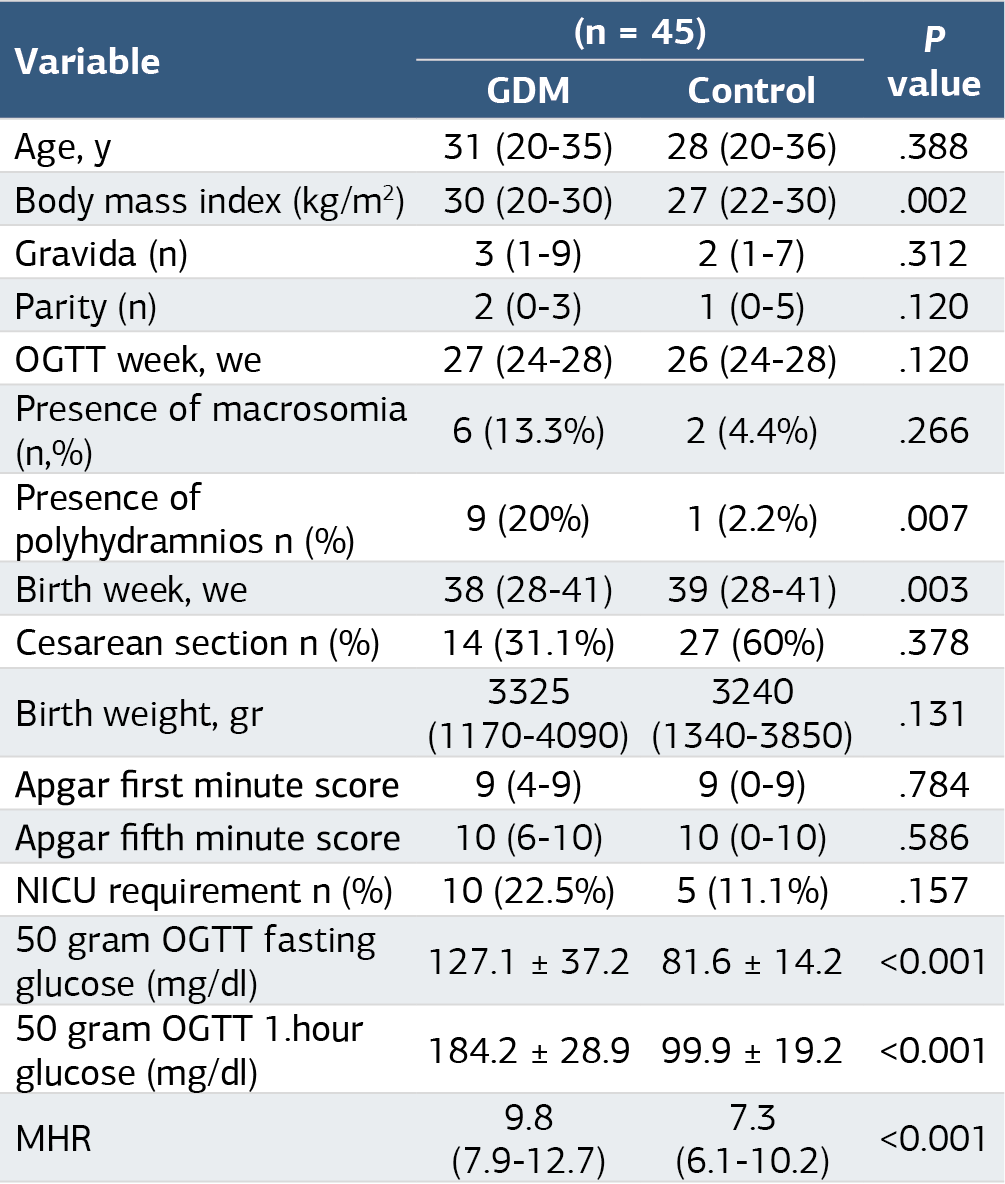
GDM: Gestational diabetes mellitus, MHR: Monocyte to high-density lipoprotein ratio, NICU: Neonatal intensive care unit, OGTT: oral glucose tolerance testing.
Table 2. Demographic, perinatal, and laboratory characteristics of diet-controlled and insulin-requiring GDM patients
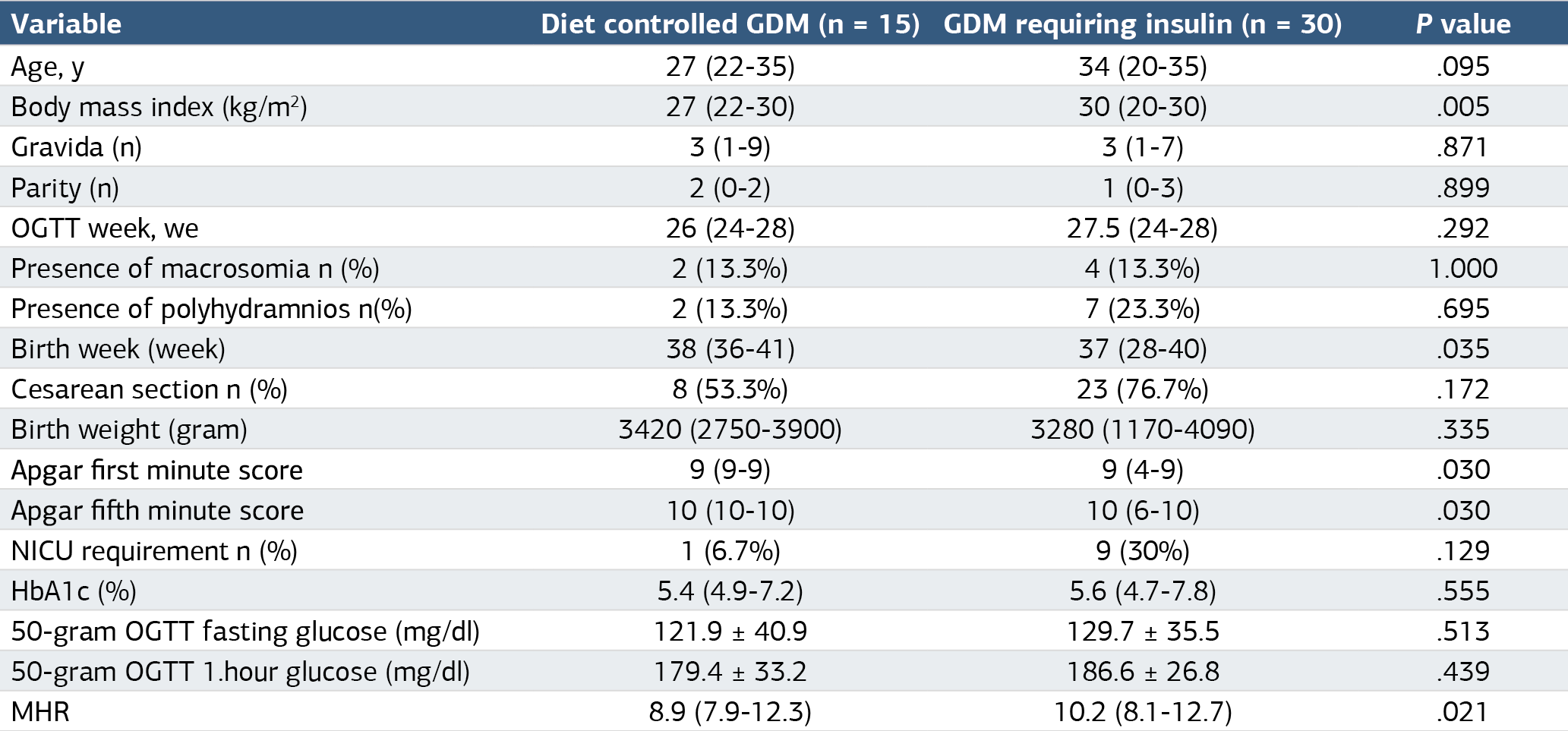
GDM: Gestational diabetes mellitus, MHR: Monocyte to high-density lipoprotein ratio, NICU: Neonatal intensive care unit, OGTT: oral glucose tolerance testing.
Table 3. Spearman correlation coefficient assessing the association between MHR, 50-gram OGTT values, and HbA1c
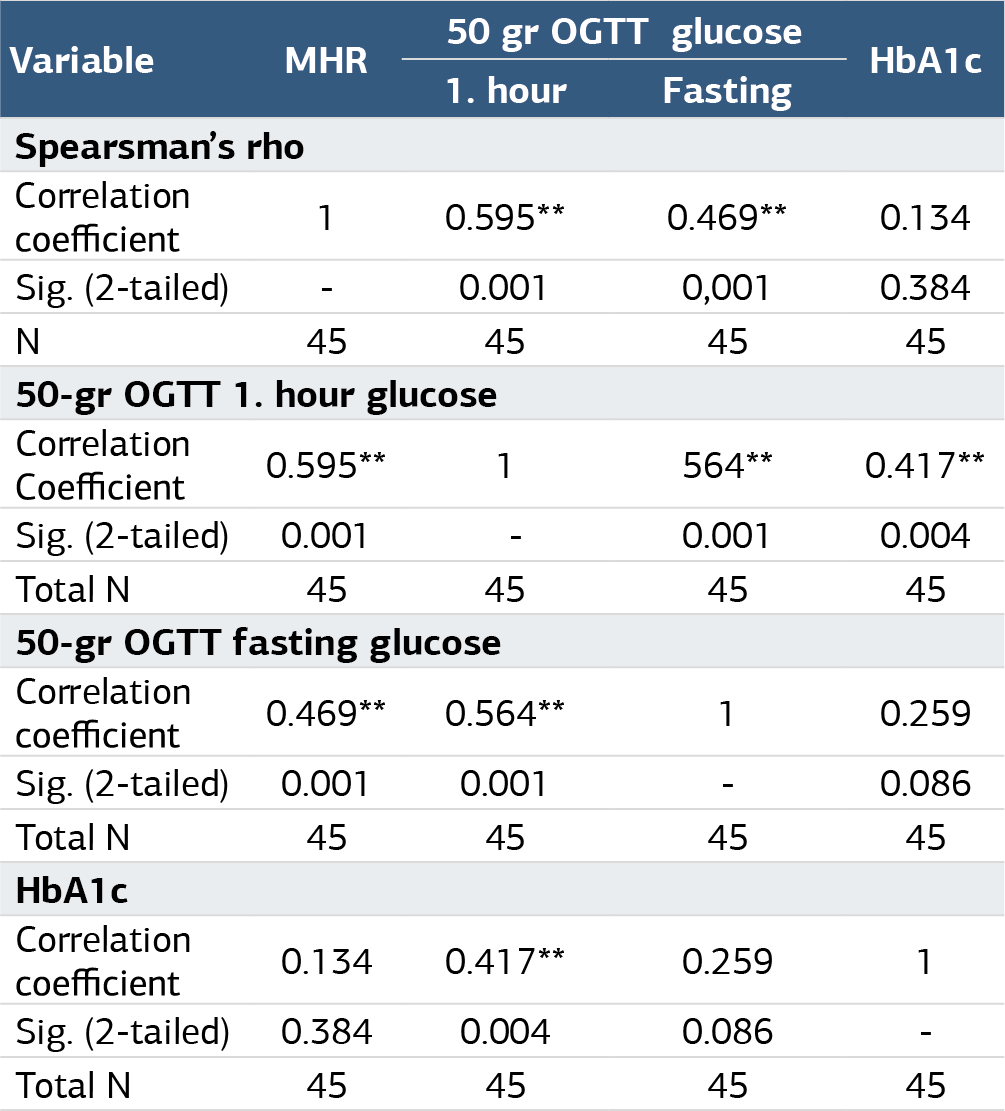
gr: gram MHR: Monocyte to high-density lipoprotein ratio, OGTT: oral glucose tolerance testing.
Figures
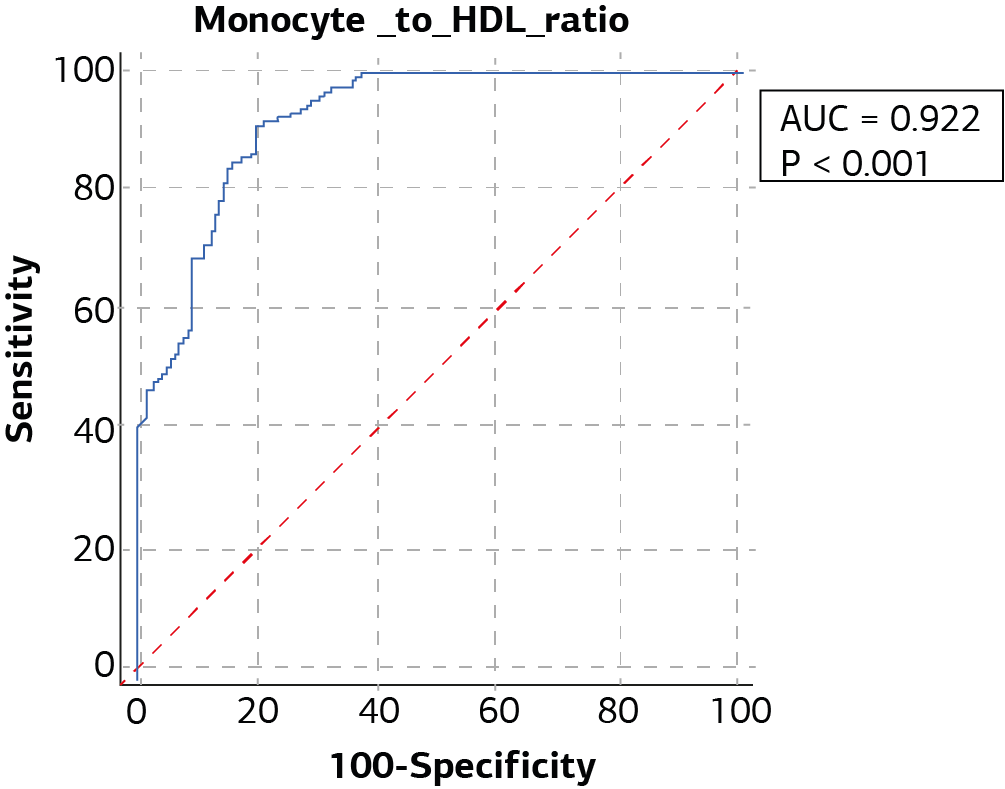
Figure 1. The receiver operating curve demonstrating the discriminative role of MHR for GDM
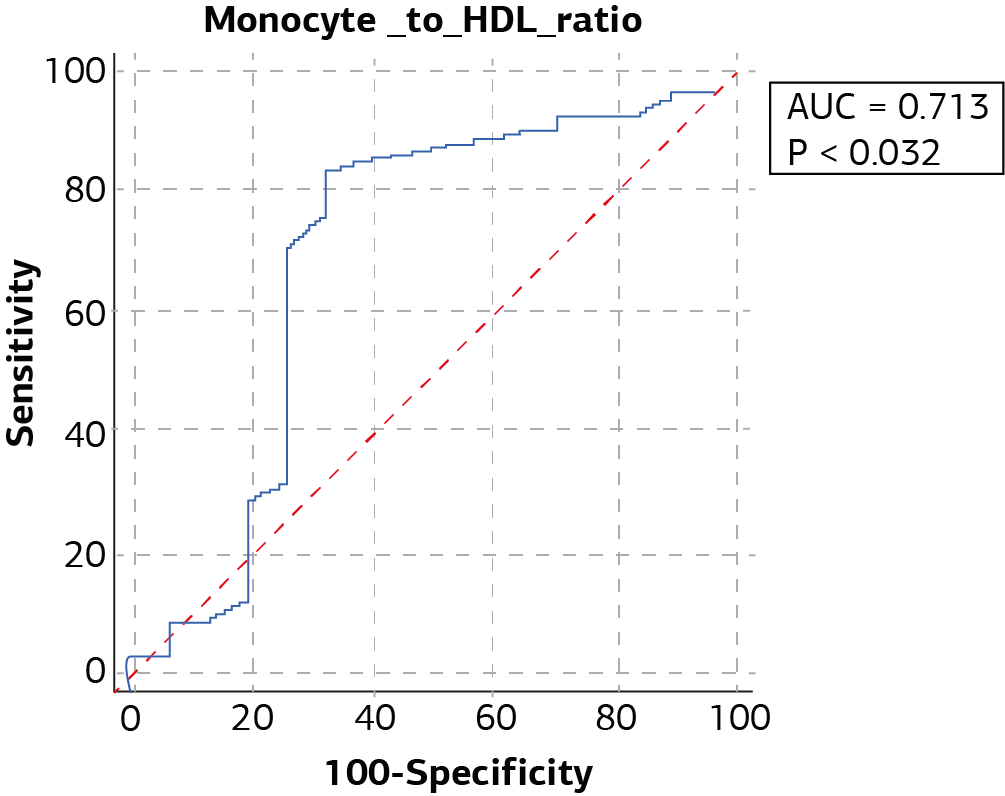
Figure 2. The receiver operating curve demonstrating the predictive role of MHR for GDM requiring insulin
Additional Information
Publisher’s Note
Bayrakol MP remains neutral with regard to jurisdictional and institutional claims.
Rights and Permissions

This work is licensed under a Creative Commons Attribution-NonCommercial 4.0 International License (CC BY-NC 4.0). To view a copy of the license, visit https://creativecommons.org/licenses/by-nc/4.0/
About This Article
How to Cite This Article
Burcu Dincgez, Gulten Ozgen, Levent Ozgen, Esra Kartal Golcuk. Can second trimester monocyte to high-density lipoprotein ratio predict insulin requirement in gestational diabetes mellitus?. Ann Clin Anal Med 2025;16(1):47-51. doi:10.4328/ACAM.22388
Publication History
- Received:
- 27.08.2024
- Accepted:
- 10.10.2024
- Published Online:
- 04.11.2024
- Printed:
- 01.01.2025