
Abstract
AimDue to hypoventilation, an increase in pulmonary shunts, and a decrease in functional residual capacity during general anesthesia, a higher concentration of O2 (20.8%) than the atmospheric rate is required. In the intraoperative period, anesthesia maintenance can be achieved by using different ratios of O2, dry air, and nitrogen protoxide (N2O). This proportional effect can be determined by blood gas parameters. This study aimed to investigate the effect of intraoperative oxygen ratios on arterial blood gas values under general anesthesia in lower extremity surgery.MethodsForty patients aged 20-65 years scheduled for ASA II lower extremity surgery were randomly divided into two groups. Group 50 was maintained with 50% O2 + 50% dry air, while Group 30 was maintained with 30% O2 + 70% N2 O and desflurane. Blood gas analysis was performed 13 times at designated times. The amounts of antiemetic and analgesic consumed postoperatively were determined.ResultsIn the intergroup comparison, PaO2 was higher in Group 50 intraoperatively and in the first 6 hours postoperatively, whereas the relatively higher SaO2 continued until the 1st hour postoperatively (p<0.001). Group 50 PaCO2 values were higher than Group 30 (p<0.05) at the 1st hour of the operation. Intraoperative pH values were higher in Group 30 (p<0.001). No difference was detected in terms of bicarbonate, base deficit, and PaCO2.ConclusionA comparison of 30% O2 + 70% N2O with 50% O2 + 50% air delivery for maintenance of anesthesia showed better arterial oxygenation during the intraoperative period and the first six hours postoperatively. Postoperative pain intensity, incidence of nausea and vomiting, and patient comfort were not significantly altered.
Keywords
Introduction
General anesthesia disrupts the physiological balance of the respiratory system, causing alveolar collapse and ventilation/ perfusion (VA/Q) mismatch. Hypoventilation or apnea leads to a decrease in arterial blood oxygen levels after induction. Under general anesthesia, tidal volume (TV) functional residual capacity (FRC) decreases, and airway resistance increases with loss of muscle tone.1 Therefore, it is necessary to administer oxygen (O2) at values higher than the concentration found in atmospheric air (20.8%) due to hypoventilation, increase in shunts, and decrease in FRC during anesthesia.2 Intraoperative inspired fraction of O2 (FiO2) value affects atelectasis, the incidence of postoperative nausea and vomiting, antimicrobial effect, proinflammatory response, and cost.3
Preoxygenation is performed using 100% O2 until the muscle relaxant effect settles, and laryngoscopy is performed. With this application, intrapulmonary O2 reserve is increased, and time is gained for desaturation and apnea in critical situations.4-5 Mixtures of 50% O2 and 50% air or 30% O2 and 70% nitrogen protoxide (N2O) are used for the maintenance of anesthesia.6 The composition of the inspired gas can change arterial oxygenation.7 Preoxygenation is performed using 100% O2 until the muscle relaxant effect settles, and laryngo copy is performed. With this application, intrapulmonary O2 reserve is increased, and time is gained for desaturation and apnea in critical situations.4-5 Mixtures of 50% O2 and 50% air or 30% O2 and 70% nitrogen protoxide (N2O) are used for the maintenance of anesthesia6 The composition of the inspired gas can change arterial oxygenation.7
In our study, we aimed to investigate the effect of oxygen concentration used in the maintenance of anesthesia on arterial blood gas values in patients undergoing lower extremity surgery under general anesthesia.
Materials and Methods
The study included 40 adult patients from the ASA I-II. Only lower extremity surgeries performed in the supine position were included because the position may have significant pulmonary effects and may alter oxygenation. Patient optimization was ensured by preferring those who used tourniquets during surgery.
Patients were randomly divided into two groups by closed envelope method: those who received 50% O2 and 50% air (Group 50, n=20) and those who received 30% O2 and 70% N2O (Group 30, n=20). Radial artery cannulation was performed for repeated blood gas sampling and continuous blood pressure monitoring. Electrocardiography (ECG), heart rate (HR), peripheral arterial oxygen saturation (SpO2) by pulse oximetry, invasive arterial blood pressures, inspired-expired anesthetic, and ETCO2 concentrations were continuously monitored. Intraoperative fluid management was performed by monitoring hourly urine output and bleeding amount. Fluid replacement was provided with 0.9% NaCl during the operation. Preoxygenation was performed for 3 minutes using 100% O2 with a face mask. Induction was achieved with 5-7 mg kg-1 sodium thiopental, 2 μg kg-1 fentanyl, and 0,1 mg kg-1 vecuronium. Ventilation was maintained mechanically with desflurane at a concentration of 5-6% with ETCO2 between 30-40%. Analgesia was maintained with repeated fentanyl and muscle relaxation with vecuronium at 1/3 of the induction dose. Neuromuscular blockade and depth of anesthesia were maintained by TOF and BIS monitoring. Neuromuscular block antagonism was performed with 0.03 mg kg-1 neostigmine and 0.01 mg kg-1 atropine. Patients with a modified Aldrete score and postanesthetic recovery score (PADS) of 10 points were transferred. 1 g i.v. paracetamol and 0.5 mg kg-1 meperidine were used for postoperative analgesia; ondansetron was used as antiemetic.
Blood gas samples were obtained before and after preoxygenation, 5 minutes after intubation, at one-hour intervals intraoperatively, before and 5 minutes after extubation, and at 1, 6, 12, 24, 48, and 72 hours postoperatively. Systolic (SBP) and diastolic (DBP) mean arterial blood pressures, SpO2, and HR were recorded at similar intervals. All patients were evaluated for nausea and vomiting at 2, 4, 6, 12, 24, 48 and 72 hours postoperatively. Visual Analog Scale (VAS) value of 4 or higher received 50 mg tramadol.Exclusion CriteriaPatients with chest deformity; patients with lung disease; patients with neuromuscular disease, heart failure, and cardiac rhythm problems; patients with abnormal serum electrolyte, hemoglobin, and hematocrit; patients with malnutrition or body mass index over 35; those who underwent enema, those with nasogastric catheter insertion, smokers and history of allergy were excluded.Ethical ApprovalThis study was approved by the Ethics Committee of Fırat University (Date: 03.07.2008, Decision No: 07-10).Statistical AnalysisThe sample size suitable for the study was determined by taking similar studies as examples and performing power analysis. Statistical analysis of the obtained data was performed using the SPSS (statistical package for social sciences for Windows 17.0) program. In addition to descriptive statistical evaluations (mean, standard deviation), the Independent Samples-T Test was used for intergroup comparisons of parameters showing normal distribution for quantitative data, and the Whitney U test was used for intergroup comparisons of parameters not showing normal distribution and homogeneity. Paired Samples-T Test was used for intra-group comparisons of parameters showing normal distribution and homogeneity, and Wilcoxon Sign Test was used for intra-group comparisons of parameters not showing normal distribution and homogeneity. Results were evaluated at a 95% confidence interval, and significance was evaluated at p<0.05 level.Reporting GuidelinesThe study was reported in accordance with STROBE guideline.
Results
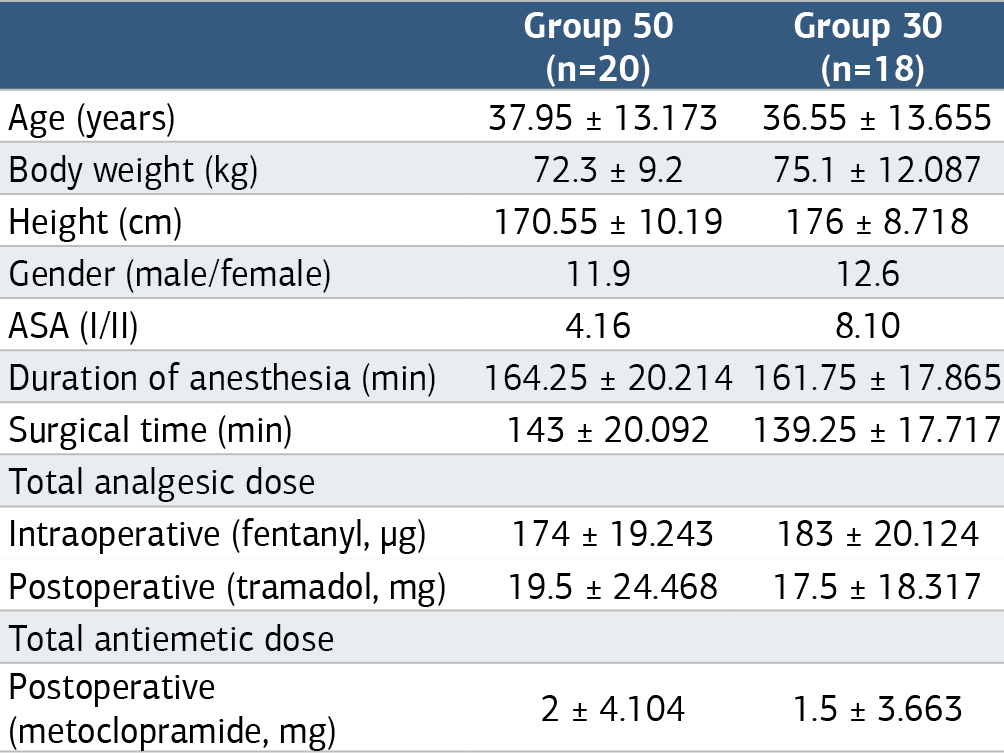
Forty patients (Group 50 n=20, Group 30 n=20) were included in the study. Two patients in Group 30 were excluded from the study because of intraoperative blood transfusion. Demographic data, duration of surgery and anesthesia, total analgesic dose, total antiemetic dose, and ASA were similar in the groups (Table 1).
pH showed a decreasing trend after intubation, started to increase after extubation, and approached the initial values before preoxygenation at the 6th postoperative hour. In the intergroup comparison, intraoperative pH in Group 50 was lower than those in Group 30 (Figure 1).
The increase in PaCO2 in the intraoperative period became more pronounced in the awakening period, and this increase was found to be highly significant (p<0.001) when compared with the baseline values. In the intergroup comparison, it was observed that the PaCO2 of Group 50 at the 1st hour of the operation was significantly (p<0.05) higher than Group 30.
Post-intubation (E5) PaO2 was the highest of all periods in Group 50 (292.15 mmHg) and Group 30 (179.72 mmHg) (p<0.001). In the intergroup comparison, Group 50 was significantly higher than Group 30 from post-intubation to postoperative 6th hour (Figure 2).
SaO2, which was above 95% in all periods, approached the basal at the 6th postoperative hour. In intergroup comparison, SaO2 at E5, 1st and 2nd hours after intubation in Group 50 were significantly (p<0.001) higher than those in Group 30. A slight decrease in HCO3 was observed after intubation until the 1st postoperative hour. In the postoperative period, it increased after the 6th hour and reached the preoperative values. A significant decrease was observed in base excess (BE) starting with endotracheal intubation and continuing until the 1st postoperative hour, which was significant compared to baseline values. It increased in the postoperative period and approached the baseline after the 24th hour.
Potassium increased significantly intraoperatively and until the 5th minute after extubation. There was no significant difference between the groups in terms of changes in potassium, peak, and plateau pressures.
Discussion
The effects of different O2 concentrations used in maintenance under general anesthesia on arterial blood gas values were examined. We found that the changes in blood gas parameters in the postoperative period continued until the 6th postoperative hour.
Giving O2 during general anesthesia causes denitrogenization of FRC and increases intrapulmonary O2 reserve. This increases the safety margin in critical situations and provides time for desaturation and apnea.5-6 Due to hypoventilation, increased shunts, and decreased FRC, it is necessary to use higher O2 ratios than the concentration found in atmospheric air (20.8%) to ensure adequate oxygenation during anesthesia and to reduce the number of shunts.2
O2 delivered in different fractions may cause clinical and physiologic effects and, thus, blood gas changes. Intraoperative high FiO2 reduces atelectasis, increases the antimicrobial and proinflammatory response of alveolar macrophages, decreases the incidence of postoperative nausea and vomiting, accelerates wound healing, and reduces postoperative infections, thereby reducing costs.3
Changes in the concentration of H+ in the blood (pH) are caused by CO2 or HCO3 changes. The acidity of body fluids can be understood by looking at pH.8 Dias et al.,9 performed blood gas analysis using two different FiO2 (G100: FiO2 100, G60: FiO2 60) ratios in a study investigating the increase in intracranial pressure in dogs. As the primary outcome, PaO2 and SvO2 were higher in G100; pH, PaCO2, SaO2, BE, and HCO3 were similar in both groups. Cummings et al. 10 examined the effect of O2 and air inhalation on blood gas parameters in cataract surgery. While the pH of arterial blood showed a statistically significant decrease in O2 inhalation patients, there was no difference in PaCO2 between the two groups. Similarly, in our study, pH was lower in the group with a higher O2 rate in the intraoperative period, while PaCO2 was higher, decreasing after extubation and reaching baseline values at the 6th hour. Clinically, no difference was observed in nausea-vomiting score or analgesic consumption.
Fuji et al. investigated the effects of using O /N2O and O2 / air on the incidence of postoperative hypoxia in patients. PaO2 was higher in the group given O2 /air, while PaCO2 was similar. They concluded that the use of N2O in maintenance may cause low-grade hypoxia in the late postoperative period.11 Korkulu et al. investigated the effects of different O2 concentrations used on gas exchange in the lung in patients. Patients in Group A were ventilated with air + 0.4 FiO2, those in Group N were ventilated with N2 O + 0.4 FiO2, and patients in Group O were ventilated with 1.0 FiO2. Lung gas changes were evaluated by looking at PaO2 / FiO2 and P(A-a) O2. The highest PaO2 /FiO2 ratios were reached in Group A. In Group O, it was found to be significantly higher than the baseline at 24 hours (p<0.05).12 Similarly, the O2 ratio presented in our study, PaO2, was significantly higher in Group 50 compared to Group 30. PaO2 reached baseline values at the 6th hour in both groups.
Anderson et al. investigated the hemodynamic effects of changes in FiO2 ratio in 30 ASA I-II patients.13 Hemodynamic responses were recorded by noninvasive transthoracic bioimpedance monitoring. After FiO2 was increased from 0.21 to 1 during preoxygenation, mean cardiac index, HR, and stroke volume decreased, and systemic vascular resistance increased, but OAB did not change. In our study, only at the 60th minute of recovery the mean pressure was found to be significantly higher in Group 30. It decreased after induction before laryngoscopy and increased again with hemodynamic response to intubation. Similarly, HR increased with hemodynamic response to endotracheal intubation but started to increase with discontinuation of inhalation agents during the waking period.
It is known that N2O increases the incidence of postoperative nausea and vomiting. The ENIGMA II study reported that PONV with the use of N2O was observed in procedures lasting longer than 2 hours. This study showed that N2O was not associated with increased mortality, cardiovascular complications, and surgical infections.14 Piper et al. investigated the incidence of PONV using different FiO2 rates.15 They reported that PONV was significantly lower in Group A (80% O2 - 20% air) and Group B (40% O2 - N2O) compared with Group C (40% O2 - 60% N2O) and that the use of N2O increased the incidence of PONV. Similar results were conducted by Mraovic et al. They investigated the dose relationship of N2O with postoperative nausea-vomiting in gynecological surgery (n=137), patients were randomly divided into three groups: G0 (30% O2), G50 (50% N2O), G70 (70% N2O).16 It was determined that the nausea-vomiting rates of the patients were similar at the 2nd postoperative hour, but at the 24th postoperative hour, it was the highest in G70 and the lowest in G0. In our study, in contrast, nausea and vomiting scores decreased over time in both groups, and there was no statistical difference between the groups.
Aksakal et al. 40 patients were randomized to use low or high pressure during laparoscopic cholecystectomy. Peak pressure increased significantly with low and high pneumoperitoneum pressure, while dynamic compliance decreased. Although CO2 insufflation caused a decrease in pneumoperitoneum pressure, blood pH was found to be significant only at high pneumoperitoneum pressure in both groups.17 The increase in peak and plateau levels is due to an increase in peak inspiratory pressure as a result of the diaphragm being pushed upward as a result of increased intraabdominal pressure and decreased lung compliance. We recorded peak and plateau pressure values at 15-minute intervals in the intraoperative period. In our study, no difference was found between the groups in terms of BE changes. BE values increased with preoxygenation in both groups in the intraoperative period, and intraoperative values after endotracheal intubation were lower. HCO3 increased after preoxygenation, and intraoperative and postoperative up to the 6th hour after endotracheal intubation were found to be lower than preintubation.
In our study, in the intraoperative period, higher PaO2 values were obtained with 50% O2 administration during the maintenance period of anesthesia. With the termination of anesthesia, a rapid decrease in PaO2 values was observed, especially in patients in group 50%. It was found that PaO2 reached the preoperative values at the 6th postoperative hour. SaO2 of patients in group 50 was found to be higher intraoperatively and in the first hour postoperatively, and similar to PaO2, they approached the baseline in the 6th hour postoperatively. In group 50, pH values were lower only in the intraoperative period, and serum potassium levels changed by pH. However, similar changes were found in HCO3, BE, and PaCO2 in all periods of follow-up.
Limitations
Among the limitations of the study is that the results cannot be generalized because it was conducted in a single center. Although the sample size decreased after those who did not meet the inclusion criteria were excluded from the study, it is qualified to show the targeted result because a large number of variables were studied together.
Conclusion
It was found that 50% O2 + 50% air instead of 30% O2 + 70% N2O during anesthesia maintenance provided better arterial oxygenation only in the intraoperative period and in the first six hours postoperatively. Postoperative pain intensity, incidence of nausea and vomiting, and patient comfort were not significantly changed.
Declarations
Animal and Human Rights Statement
All procedures performed in this study were by the ethical standards of the institutional and/or national research committee and with the 1964 Helsinki Declaration and its later amendments or comparable ethical standards.
Informed Consent
Informed consent was waived due to the retrospective design of the study.
Data Availability
The datasets used and/or analyzed during the current study are not publicly available due to patient privacy reasons but are available from the corresponding author on reasonable request.
Conflict of Interest
The authors declare that there is no conflict of interest.
Funding
The study was supported by FÜBAP (Fırat University Scientific Research Project).
Acknowledgements
None.
Abbreviations
ASA: American Society of Anesthesiologists
BIS: Bispectral index
DBP: Diastolic blood pressure
ECG: Electrocardiography
FRC: Functional residual capacity
HR: Heart rate
PADS: Postanesthetic discharge scoring system
PONV: Postoperative nausea and vomiting
SBP: Systolic blood pressure
SD: Standard deviation
SPSS: Statistical Package for the Social Sciences
TOF: Train-of-four
VAS: Visual analog scale
References
- Hedenstierna G, Rothen HU. Respiratory function during anesthesia: effects on gas exchange. Compr Physiol. 2012;2(1):69-96. doi:10.1002/cphy.c080111
- Gropper MA, Cohen NH, Eriksson LI, et al, eds. Respiratory physiology and pathophysiology. In: Erdem AF, ed. Miller Anesthesia. 9th ed. Güneş Kitabevleri; 2022:354-384.
- Hovaguimian F, Lysakowski C, Elia N, Tramèr MR. Effect of intraoperative high inspired oxygen fraction on surgical site infection, postoperative nausea and vomiting, and pulmonary function: systematic review and meta-analysis of randomized controlled trials. Anesthesiology. 2013;119(2):303-316. doi:10.1097/aln.0b013e31829aaff4
- Danish MA. Preoxygenation and anesthesia: a detailed review. Cureus. 2021;13(2).
- Bignami E, Saglietti F, Girombelli A, Bertolini A, Bove T, Vetrugno L. Preoxygenation during induction of anesthesia in noncritically ill patients: a systematic review. J Clin Anesth. 2019;52:85-90. doi:10.1016/j.jclinane.2018.09.008
- Tulunay M, Cuhruk H. Clinical Anesthesiology. Lange Medical Books; 2012:178-198.
- Topuz U, Salihoglu Z, Gokay BV, Umutoglu T, Bakan M, Idin K. The effects of different oxygen concentrations on recruitment maneuver during general anesthesia for laparoscopic surgery. Surg Laparosc Endosc Percutan Tech. 2014;24(5):410-413. doi:10.1097/sle.0000000000000048
- Hubble SMA. Acid-base and blood gas analysis. Anaesth Intensive Care Med. 2007;8(11):471-473. doi:10.1016/j.mpaic.2007.08.015
- Gonçalves Dias LG, Nunes N, Lopes PC, et al. The effects of 2 levels of the inspired oxygen fraction on blood gas variables in propofol-anesthetized dogs with high intracranial pressure. Can J Vet Res. 2009;73(2):111-116.
- Cummings AB, König HL. Effect of oxygen and air inhalation during cataract surgery on blood gas parameters. J Cataract Refract Surg. 1996;22(9):1236-1239. doi:10.1016/s0886-3350(96)80074-5
- Fujii Y, Tanaka H, Toyooka H. Intraoperative ventilation with air and oxygen during laparoscopic cholecystectomy decreases the degree of postoperative hypoxemia. Anaesth Intensive Care. 1996;24(1):42-44. doi:10.1177/0310057x9602400107
- Korkulu F, Uysal HY, Acar HV, Eruyar S, Dikmen B. The effect of different oxygen concentrations used in induction and maintenance of anesthesia on lung gas exchange. Turk J Anaesthesiol Reanim. 2012;40(1):11-19. doi:10.5222/jtaics.2012.011
- Anderson KJ, Harten JM, Booth MG. The cardiovascular effects of inspired oxygen fraction in anesthetized patients. Eur J Anaesthesiol. 2005;22(6):420-425. doi:10.1017/s0265021505000712
- Myles PS, Leslie K, Chan MT, et al; ANZCA Trials Group for the ENIGMA-II Investigators. The safety of the addition of nitrous oxide to general anesthesia in at-risk patients having major noncardiac surgery: the ENIGMA-II randomized, single-blind trial. Lancet. 2014;384(9952):1446-1454. doi:10.1016/s0140-6736(14)60893-x
- Piper SN, Röhm KD, Boldt JJ, et al. Inspired oxygen fraction of 0.8 compared with 0.4 does not further reduce postoperative nausea and vomiting in dolasetron-treated patients undergoing laparoscopic cholecystectomy. Br J Anaesth. 2006;97(5):647-653. doi:10.1093/bja/ael242
- Mraovic B, Simurina T, Sonicki Z, Skitarelic N, Gan TJ. The dose-response of nitrous oxide in postoperative nausea in patients undergoing gynecologic laparoscopic surgery: a preliminary study. Anesth Analg. 2008;107:818-823. doi:10.1213/ane.0b013e318181f4aa
- Aksakal N, Taviloğlu K, Yanar HT, et al. The effects of pneumoperitoneum pressure on blood gases, respiratory and venous systems during laparoscopic cholecystectomy: a prospective randomized trial. Laparosc Endosc Surg Sci. 2017;24(2):31-37. doi:10.14744/less.2017.25744
Tables
Table 1. Distribution of demographic data, duration of surgery and anesthesia, total analgesic dose, total antiemetic dose, and ASA risk classification according to groups (Mean±SD)
Figures
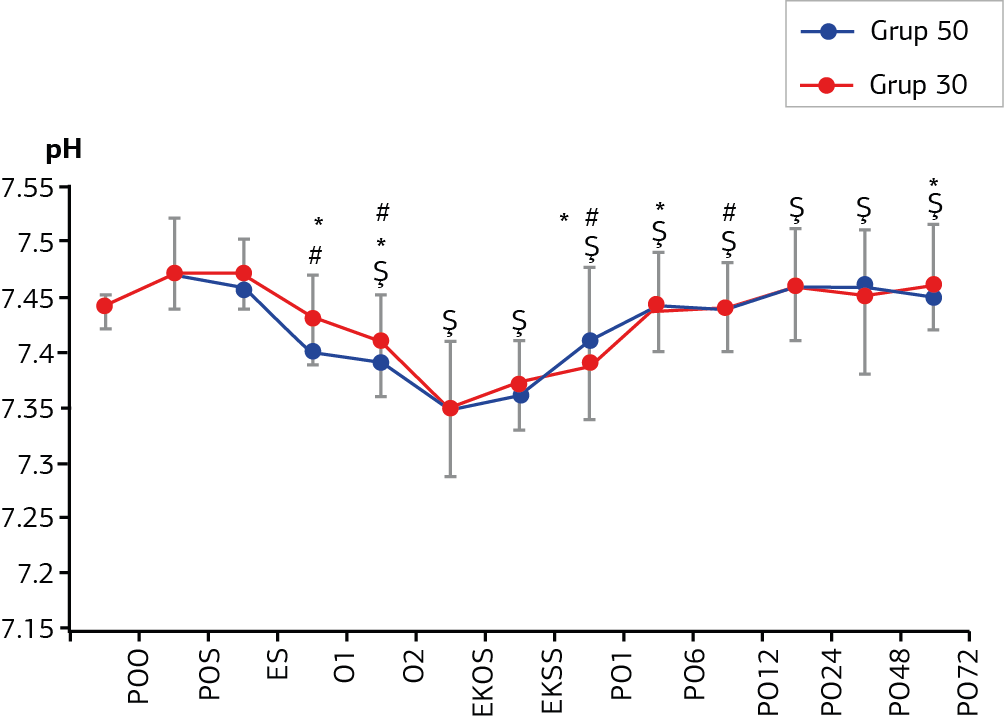
Figure 1. Changes in pH values of the groups according to the periods
ECO5: 5 minutes before extubation, ECS5: 5 minutes after extubation, E5: 5 minutes after intubation, O1 and O2: 1st and 2nd hours of operation, POO: Before preoxygenation, POS: After preoxygenation, PO1, PO6, PO12, PO24, PO48, PO72: Postoperative hours 1, 6, 12, 24, 48 and 72.
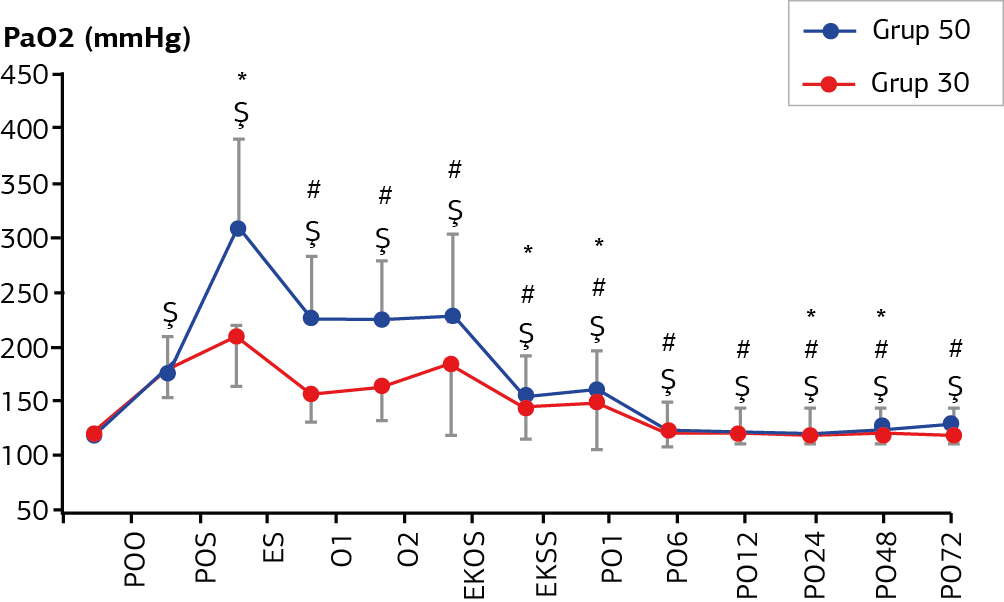
Figure 2. Variation of PaO2 values of the groups according to the periods
5 minutes before extubation, ECS5: 5 minutes after extubation, E5: 5 minutes after intubation, O1 and O2: 1st and 2nd hours of operation, POO: Before preoxygenation, POS: After preoxygenation, PO1, PO6, PO12, PO24, PO48, PO72: Postoperative hours 1, 6, 12, 24, 48 and 72.
Additional Information
Publisher’s Note
Bayrakol MP remains neutral with regard to jurisdictional and institutional claims.
Rights and Permissions

This work is licensed under a Creative Commons Attribution-NonCommercial 4.0 International License (CC BY-NC 4.0). To view a copy of the license, visit https://creativecommons.org/licenses/by-nc/4.0/
About This Article
How to Cite This Article
Serpil Bayındır, Azize Beştaş. The effect of oxygen concentration on arterial blood gas values duringmaintenance of anesthesia in patients undergoing lower extremity surgery (prospective, randomized, clinical study). Ann Clin Anal Med 2025;16(3):161-165. doi:10.4328/ACAM.22429
Publication History
- Received:
- 28.09.2024
- Accepted:
- 11.11.2024
- Published Online:
- 18.11.2024
- Printed:
- 01.03.2025