
Abstract
Aim Schizophrenia patients who are at risk for cardiovascular diseases are often hospitalized in forensic psychiatry wards due to crimes they have committed. In this study, we evaluated schizophrenia patients in a forensic psychiatry service regarding cardiovascular risk scoring using the triglyceride-glucose index. Methods The study included 51 healthy controls and 51 patients with schizophrenia receiving treatment in a forensic psychiatry service, resulting in 102 participants. The Triglyceride-Glucose Index [fasting triglyceride (mg/dL) × fasting plasma glucose (mg/dL) / 2] and the Framingham Risk Score were calculated for all participants. The relationship between these values and clinical variables was then analyzed. Results BMI, platelet count, triglyceride, and total cholesterol values were significantly higher, while urea and creatinine values were significantly lower in the case group compared to the control group. The Framingham score and 10-year CVD risk score of the case group were significantly higher than the control group, while the groups were similar in terms of Triglyceride-Glucose index (p<0.001; p<0.001; p=0.066, respectively). The groups were similar according to the type of crime committed (p>0.05). There was a significant positive correlation between the duration of schizophrenia and Framingham score and 10-year CVD risk score (p<0.001; p<0.001, respectively). Conclusion We propose that close monitoring of schizophrenia patients for cardiovascular diseases in forensic psychiatry wards, where long-term hospitalizations are common, may contribute to reducing mortality and morbidity.Keywords
Introduction
Schizophrenia is a psychiatric condition that impacts roughly 1% of individuals worldwide of the population and is characterized by cognitive and motor symptoms. This encompasses positive symptoms like hallucinations and delusions, along with negative symptoms such as social withdrawal and apathy.1-2 While schizophrenia is primarily managed with outpatient medication, inpatient treatment may be required during acute episodes.3 In certain cases, patients who commit crimes during these episodes may undergo long-term inpatient treatment in forensic psychiatry services, as mandated by court decisions.4
The risk of developing metabolic syndrome is significantly higher in patients with schizophrenia compared to the general population.5 While the underlying causes of this increased risk are not fully understood, contributing factors include a sedentary lifestyle, the use of antipsychotic medications, and the neglect of physical health due to mental health challenges.6-7 Patients with schizophrenia have a reduced life expectancy, with an average loss of at least 13–15 years.8 The primary contributor to this reduced life expectancy is cardiovascular disease, emphasizing the importance of early prevention to mitigate physical morbidity and mortality.9 Research has demonstrated that schizophrenia patients face higher mortality rates from preventable cardiometabolic diseases compared to the general population.10 Furthermore, Bergman et al. reported that individuals receiving forensic psychiatric care often exhibit poor physical health coupled with high levels of stress and aggression.11
Over time, population-based models for assessing cardiovascular disease (CVD) risk have been developed to estimate an individual’s likelihood of developing cardiovascular disease over the next decade. Ten-year CVD risk is defined as the probability of the first occurrence of atherosclerotic CVD, stroke, or coronary heart disease in individuals without a prior history of atherosclerotic CVD.12
The Framingham model, one of the oldest and most widely used tools, primarily predicts the risk of coronary heart disease. This assessment considers factors such as gender, age, total cholesterol, HDL cholesterol levels, blood pressure, smoking history, and the presence or absence of diabetes.13 In addition to the Framingham risk score assessment, the Triglyceride-glucose index, which has recently been used in studies, has been defined as an independent risk factor for coronary artery disease. Triglyceride-glucose index (TyG index): [Fasting triglyceride (mg/dl) × fasting glucose (mg/dl)]/2 and is a composite indicator consisting of fasting triglyceride (TG) and fasting glucose (FG) levels.14
Research indicates that individuals with psychotic disorders hospitalized in forensic psychiatry services exhibit a higher prevalence of cardiometabolic disease indicators in comparison to the general population but with a comparable or even lower prevalence than individuals with psychotic disorders in the broader community.15
The elevated risk of cardiovascular diseases among patients in forensic psychiatry wards may be influenced by factors such as prolonged hospitalization, a predominantly sedentary lifestyle during their stay, and the substantial stress associated with forensic legal processes. To date, the number of studies available remains limited in evaluating the TyG index alongside the Framingham risk score, a tool for predicting coronary heart disease, about 10-year CVD risk in patients with schizophrenia. The purpose of this study is to examine the clinical utility of the TyG index and Framingham risk score as a novel, simple, and cost-effective method potentially suitable for routine assessment of long-term inpatients with schizophrenia who have committed criminal offenses.
Materials and Methods
This research was carried out in compliance with the ethical standards outlined in the Declaration of Helsinki. The sample size was calculated using G*Power software version 3.1.9.2 (Universität Kiel, Germany). Using a statistical power of 95%, a significance level of 0.07, and an effect size of 0.5, the required sample size for each group was determined to be 45 participants. This prospective study included 51 schizophrenia patients hospitalized in the forensic psychiatry service at Elazığ Fethi Sekin City Hospital and 51 healthy volunteers who attended the internal medicine outpatient clinic for routine check-ups and had no chronic diseases. Inclusion criteria for the case group consisted of schizophrenia patients aged 18 to 65 years, diagnosed according to the DSM-5 criteria. Illiterate patients had mental retardation, alcohol or substance use disorders, or personality disorders were excluded from the study. Additionally, individuals with poor general health, chronic conditions requiring medical treatment, cardiovascular disease, metabolic syndrome, diabetes mellitus, renal or hepatic dysfunction, known malignancies, or local/systemic inflammatory diseases were not included. Verbal and written informed consent were obtained from all participants, as well as from their guardians, when necessary. Following consent, a psychiatrist conducted assessments, and a sociodemographic and clinical data form was administered to all participants. This form collected demographic information such as age, marital status, and education level. Routine blood test results, obtained after an average fasting period of 12 hours, were retrieved from the hospital’s registration system after the case group was admitted to the ward. Triglyceride levels were extracted from the lipid panel, and the Triglyceride-Glucose Index was calculated using the formula: Fasting triglyceride (mg/dL) × Fasting plasma glucose (mg/dL) / 2. Additionally, Framingham Risk Score and 10-year CVD risk scores.13 were computed based on participants’ gender, age, total cholesterol and HDL cholesterol levels, blood pressure, smoking history, and the presence or absence of diabetes. These values were then analyzed about clinical variables to assess their associations.Ethical ApprovalThis study was approved by the Ethics Committee of Fırat University (Date: 05.03.2024, Decision No: 2024/04-14).Statistical AnalysisStatistical analysis was conducted using Statistical Package for Social Sciences (SPSS, version 22.0). The normality of the data was assessed using the Shapiro-Wilk test, kurtosis-skewness values, and histogram plots. Categorical data were analyzed using the Chi-square test. Numerical data following a normal distribution were compared using the Student’s t-test, while the Mann-Whitney U test was applied for pairwise comparisons of non-normally distributed data. The Kruskal-Wallis test was used for comparisons among multiple groups. The Spearman correlation test was employed to assess relationships between variables. Statistical significance was determined at p-values less than 0.05.Reporting GuidelinesThis study was reported according to the STROBE guidelines.
Results
In this research, 51 patients with schizophrenia were compared to 51 sociodemographically matched healthy controls. In the case group, 92.2% (n = 47) were male, compared to 90.2% (n = 46) in the control group, with no statistically significant difference observed between the groups (p>0.05). The mean age of the case group was 38.29 ± 10.45 years, while the mean age of the control group was 34.18 ± 10.77 years, showing no significant difference (p>0.05). Further comparisons of the participants’ sociodemographic characteristics are provided in Table 1.
The mean duration of illness in the case group was 10.86 ± 5.79 years. The most common type of offense committed by individuals in the case group was assault, representing 33.3% (n = 17) of the cases. Other types of offenses committed by the case group are illustrated in Figure 1. Comparison of body mass index (BMI) between the case and control groups, blood pressure values, and blood parameters are presented in Table 2. The case group exhibited significantly higher BMI, platelet count, triglyceride, and total cholesterol levels compared to the control group. Conversely, the case group had significantly lower urea and creatinine levels than the control group. The TyG index, Framingham score, and 10-year cardiovascular disease risk scores were assessed using nonparametric tests due to the non-normal distribution of the data. Framingham score and 10-year cardiovascular disease risk were notably higher in the case group when compared to the control group. No notable difference in the TyG index was found between the case and control groups. Detailed statistical comparisons are shown in Table 3. The Kruskal-Wallis test was used to evaluate whether scores varied according to the type of crime committed. No substantial differences were identified between the groups based on crime type (p>0.05).
The relationship between disease duration and risk scores was assessed using Spearman’s correlation analysis. No significant correlation was found between the TyG index and disease duration. However, a significant positive correlation was observed between disease duration and both the Framingham score and 10-year CVD risk score (Spearman’s rho: 0.535, p<0.001; Spearman’s rho: 0.511, p<0.001, respectively).
Discussion
In our study, schizophrenia patients hospitalized in forensic psychiatry services exhibited significantly higher BMI, platelet count, triglyceride, and total cholesterol levels compared to the control group. These findings suggest that schizophrenia patients are at an elevated risk for cardiovascular disease, both currently and over the next 10 years.
Smoking, a modifiable risk factor for the development of cardiovascular pathology and major cardiac events, was found to be more prevalent in the schizophrenia group in our study. A study by Kelly DL et al. reported that smoking patients with schizophrenia had a 12-fold higher risk of cardiogenic death compared to non-smoking patients.16 Similarly, a study by Mohammed F et al. found that substance use was more common among schizophrenia patients who were noncompliant with antipsychotic medications.17 In our study, both smoking and alcohol use were found to be higher in the case group, regardless of treatment compliance, which aligns with the findings of these previous studies.
Several studies have linked lipid profile disorders and weight gain in patients with schizophrenia to the use of second-generation antipsychotics.18 However, some authors suggest that hypertriglyceridemia, at least in part, may be intrinsically associated with the pathobiology of schizophrenia, independent of medication use.19 Similarly, in our study, triglyceride and total cholesterol levels were found to be significantly higher in the schizophrenia group compared to the control group, regardless of medication use.
In our study, both the Framingham score and the associated 10-year risk of CVD were found to be elevated in patients with schizophrenia. However, this finding appears to contradict the study by Rebecca C. Rossom et al., which reported no significant difference in the overall 10-year cardiovascular risk between patients with serious mental illness (including bipolar disorder, schizophrenia, and schizoaffective disorder) and those without serious mental illness. Our study compared the schizophrenia group with healthy controls. We believe that more comprehensive results may emerge from studies that include other patient groups with psychiatric disorders beyond schizophrenia. In the same study, a higher BMI was also observed,20 which aligns with our findings. This suggests that the sedentary lifestyle of schizophrenia patients, combined with a higher risk of developing obesity and metabolic syndrome compared to the general population, may help explain the elevated cardiovascular risk in this population.
In a study by Komuro J et al.21 the prevalence of obesity, hypertension, diabetes, dyslipidemia, and physical inactivity was found to be more common in both men and women with schizophrenia. The same study also demonstrated that schizophrenia was associated with an increased risk of cardiovascular disease (CVD) in both men and women, not only in those under 50 years of age but also in those over 50. Similarly, a study conducted in China (with 83 schizophrenia patients and 243 controls) reported that patients had a higher mean 10-year CVD risk compared to controls.22 In our study, BMI, triglyceride, and total cholesterol levels were significantly higher in the schizophrenia group compared to the control group, which is consistent with the findings of these studies. Likewise, the 10-year CVD risk in schizophrenia patients, assessed using the Framingham risk score, was comparable to the results found in the aforementioned studies.
In the study by Yating Yang et al., triglyceride and TyG index levels were found to be significantly higher than those in the general population. The TyG index, which has recently gained attention as an independent risk factor for coronary artery disease, was assessed alongside the Framingham risk score.23 Similarly, the study by Hu C et al. demonstrated that a high TyG index was significantly associated with an increased risk of cardiovascular events, regardless of diabetes status.24 In another study by Si Y et al., the TyG index was identified as an independent risk factor for coronary artery disease.25 Despite these studies linking the TyG index to a higher risk of cardiovascular disease, the lack of a significant difference between the groups in our study may be attributed to the relatively small sample size.
Limitations
The main limitation of our study is that it is the only center in our region as a high-security forensic psychiatric hospital. In addition, the patient group we selected as the population in our study is predominantly male and low in number. These limitations of the current study will help future studies on similar topics.
Conclusion
In conclusion, patients with schizophrenia have an elevated 10-year risk of developing cardiovascular disease, as assessed by the Framingham risk score. Additionally, smoking and high BMI are more prevalent in this population. However, the recently introduced triglyceride-glucose (TyG) index did not show significant differences in schizophrenia patients in our study. We anticipate more robust and meaningful results in future multicenter studies with larger patient populations.
Declarations
Animal and Human Rights Statement
All procedures performed in this study were in accordance with the ethical standards of the institutional and/or national research committee and with the 1964 Helsinki Declaration and its later amendments or comparable ethical standards.
Informed Consent
All participants provided informed consent before being included in the study.
Data Availability
The datasets used and/or analyzed during the current study are not publicly available due to patient privacy reasons but are available from the corresponding author on reasonable request.
Conflict of Interest
The authors declare that there is no conflict of interest.
Funding
None.
Abbreviations
BMI: Body mass index
CVD: Cardiovascular disease
DSM-5: Diagnostic and Statistical Manual of Mental Disorders, Fifth Edition
FG: Fasting glucose
HDL: High-density lipoprotein
SPSS: Statistical Package for the Social Sciences
TG: Triglyceride
References
- American Psychiatric Association. Diagnostic and Statistical Manual of Mental Disorders. 5th ed. American Psychiatric Publishing; 2013. doi:10.1176/appi.books.9780890425596
- Tandon R, Nasrallah H, Akbarian S, et al. The schizophrenia syndrome, circa 2024: what we know and how that informs its nature. Schizophr Res. 2024;264:1-28. doi:10.1016/j.schres.2023.11.015
- Patel KR, Cherian J, Gohil K, Atkinson D. Schizophrenia: overview and treatment options. P T. 2014;39(9):638-645.
- Akram F, Rosales M, Chaudhuri S, et al. Predictors of civil and forensic inpatient psychiatric readmissions at a public mental health hospital. Psychiatry Res. 2020;293:113447. doi:10.1016/j.psychres.2020.113447
- Vancampfort D, Stubbs B, Mitchell AJ, et al. Risk of metabolic syndrome and its components in people with schizophrenia and related psychotic disorders, bipolar disorder, and major depressive disorder: a systematic review and meta-analysis. World Psychiatry. 2015;14(3):339-347. doi:10.1002/wps.20252
- Mothi SS, Tandon N, Padmanabhan J, et al. Increased cardiometabolic dysfunction in first-degree relatives of patients with psychotic disorders. Schizophr Res. 2015;165(1):103-107. doi:10.1016/j.schres.2015.03.034
- Badcock JC, Mackinnon A, Waterreus A, et al. Loneliness in psychotic illness and its association with cardiometabolic disorders. Schizophr Res. 2019;204:90-95. doi:10.1016/j.schres.2018.09.021
- Hjorthøj C, Stürup AE, McGrath JJ, Nordentoft M. Years of potential life lost and life expectancy in schizophrenia: a systematic review and meta-analysis. Lancet Psychiatry. 2017;4(4):295-301. doi:10.1016/s2215-0366(17)30078-0
- Hoang U, Goldacre MJ, Stewart R. Avoidable mortality in people with schizophrenia or bipolar disorder in England. Acta Psychiatr Scand. 2013;127(3):195-201. doi:10.1111/acps.12045
- Ali S, Santomauro D, Ferrari AJ, Charlson F. Schizophrenia as a risk factor for cardiovascular and metabolic health outcomes: a comparative risk assessment. Epidemiol Psychiatr Sci. 2023;32. doi:10.1017/s2045796023000045
- Bergman H, Nilsson T, Andiné P, Degl’Innocenti A, Thomeé R, Gutke A. Physical performance and physical activity of patients under compulsory forensic psychiatric inpatient care. Physiother Theory Pract. 2020;36(4):507-515. doi:10.1080/09593985.2018.1488320
- Conroy RM, Pyörälä K, Fitzgerald AP, et al. Estimation of 10-year risk of fatal cardiovascular disease in Europe: the SCORE project. Eur Heart J. 2003;24(11):987-1003. doi:10.1016/s0195-668x(03)00114-3
- O’Donnell CJ, Elosua R. Cardiovascular risk factors: insights from Framingham Heart Study. Rev Esp Cardiol. 2008;61(3):299-310.
- Tao LC, Xu JN, Wang TT, Hua F, Li JJ. Triglyceride-glucose index as a marker in cardiovascular diseases: landscape and limitations. Cardiovasc Diabetol. 2022;21(1):68. doi:10.1186/s12933-022-01511-x
- Ma T, Mackinnon T, Dean K. The prevalence of cardiometabolic disease in people with psychotic disorders in secure settings: a systematic review. J Forens Psychiatry Psychol. 2021;32(2):281-307.
- Kelly DL, McMahon RP, Wehring HJ, et al. Cigarette smoking and mortality risk in people with schizophrenia. Schizophr Bull. 2011;37(4):832-838. doi:10.1093/schbul/sbp152
- Mohammed F, Geda B, Yadeta TA, Dessie Y. Antipsychotic medication nonadherence and factors associated among patients with schizophrenia in eastern Ethiopia. BMC Psychiatry. 2024;24(1):108. doi:10.1186/s12888-024-05554-0
- Chen CH, Leu SJJ, Hsu CP, Pan CC, Shyue SK, Lee TS. Atypical antipsychotic drugs deregulate the cholesterol metabolism of macrophage-foam cells by activating the NOX-ROS-PPARγ-CD36 signaling pathway. Metabolism. 2021;123:154847. doi:10.1016/j.metabol.2021.154847
- So HC, Chau KL, Ao FK, Mo CH, Sham PC. Exploring shared genetic bases and causal relationships of schizophrenia and bipolar disorder with 28 cardiovascular and metabolic traits. Psychol Med. 2019;49(8):1286-1298. doi:10.1017/s0033291718001812
- Rossom RC, Hooker SA, O’Connor PJ, Crain AL, Sperl-Hillen JM. Cardiovascular risk for patients with and without schizophrenia, schizoaffective disorder, or bipolar disorder. J Am Heart Assoc. 2022;11(6). doi:10.1161/jaha.121.021444
- Komuro J, Kaneko H, Suzuki Y, et al. Sex differences in the relationship between schizophrenia and the development of cardiovascular disease. J Am Heart Assoc. 2024;13(5). doi:10.1161/jaha.123.032625
- Tay YH, Nurjono M, Lee J. Increased Framingham 10-year CVD risk in Chinese patients with schizophrenia. Schizophr Res. 2013;147(1):187-192. doi:10.1016/j.schres.2013.03.023
- Yang Y, Ning X, Wang X, et al. The triglyceride/glucose index is a reliable predictor of insulin resistance in schizophrenia. Schizophr Res. 2020;223:366-367. doi:10.1016/j.schres.2020.07.005
- Hu C, Zhang J, Liu J, et al. Discordance between the triglyceride-glucose index and fasting plasma glucose or HbA1c in patients with acute coronary syndrome undergoing percutaneous coronary intervention predicts cardiovascular events: a cohort study from China. Cardiovasc Diabetol. 2020;19(1):116. doi:10.1186/s12933-020-01091-8
- Si Y, Fan W, Han C, Liu J, Sun L. Atherogenic index of plasma, triglyceride-glucose index, and monocyte-to-lymphocyte ratio for predicting subclinical coronary artery disease. Am J Med Sci. 2021;362(3):285-290. doi:10.1016/j.amjms.2021.05.001
Tables
Table 1. Comparisons of sociodemographic data of the groups
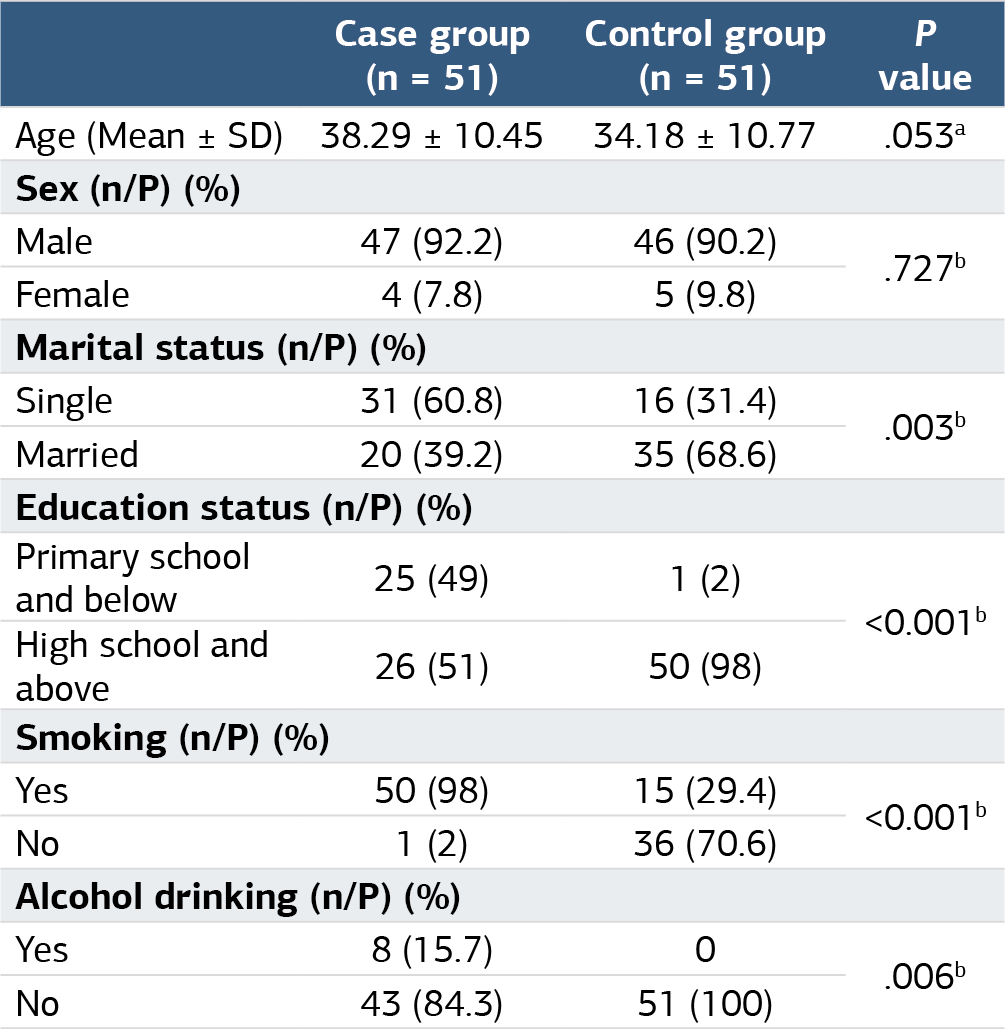
n: Number, P: Percentage, S.D.: Standart deviation a student t-test b chi-square test
Table 2. Comparisons of metabolic and blood parameters of the groups
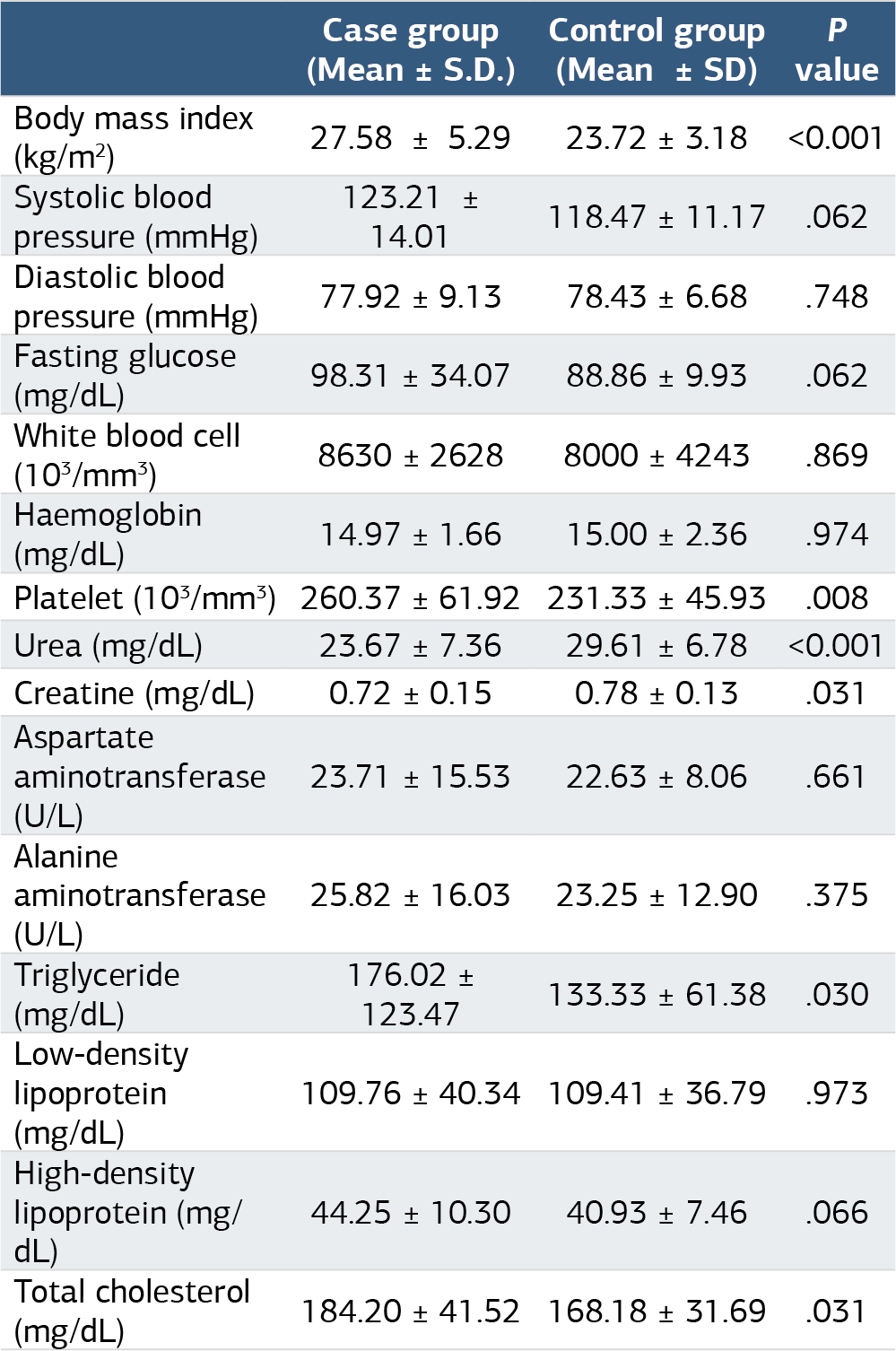
Student t-test S.D.: Standart deviation

Figures
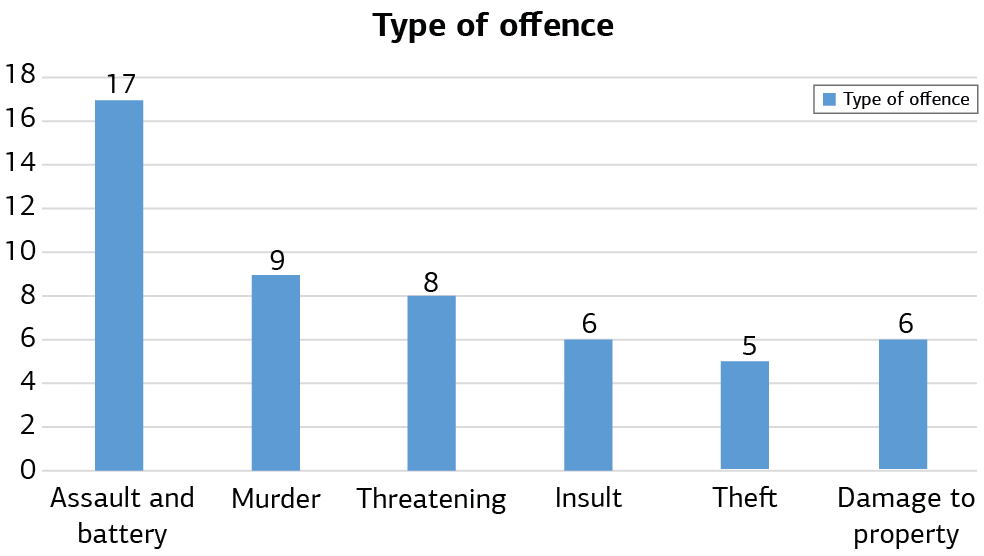
Figure 1. Types of crimes committed by the case group
Additional Information
Publisher’s Note
Bayrakol MP remains neutral with regard to jurisdictional and institutional claims.
Rights and Permissions

This work is licensed under a Creative Commons Attribution-NonCommercial 4.0 International License (CC BY-NC 4.0). To view a copy of the license, visit https://creativecommons.org/licenses/by-nc/4.0/
About This Article
How to Cite This Article
Muhammed Fuad Uslu, Muhammed Fatih Tabara, Sevler Yıldız, Alaaddin Hekim. Evaluation of triglyceride-glucose index with cardiovascular risk scoring in schizophrenia patients. Ann Clin Anal Med 2025;16(6):430-434. doi:10.4328/ACAM.22493
Publication History
- Received:
- 19.11.2024
- Accepted:
- 24.12.2024
- Published Online:
- 06.01.2025
- Printed:
- 01.06.2025