
Abstract
AimBone fracture studies, which may be metabolically and socioculturally related to oral care in children, are essential in preventing fractures, emphasizing the importance of oral care and psychosocial awareness. In this study, we aimed to investigate the relationship between oral hygiene and the incidence of fractures in school-age children with upper extremity fractures and healthy school-age children.MethodsThis study included 102 patients. There were 20 (55.6%) male patients in the control group (n = 36) and 50 (75.8%) male patients in the fracture group (n = 66). DMFT index was used for assessing oral hygiene.ResultsThe mean years of maternal and paternal education were higher in the control group than in the fracture group. Both differences were statistically significant, i.e., p<0.001 and p=0.0038 for maternal and paternal education, respectively. The DMFT values for deciduous teeth were higher in the fracture group compared to the control group, and this difference between the groups was statistically significant (p=0.02), while the DMFT values for permanent teeth were higher in the control group than in the fracture group.ConclusionIn our study, the relationship between education level, socioeconomic status, and fractures was significant. The DMFT values showed that the risk of fracture increased in children with poor oral hygiene. However, the evaluation of permanent teeth also revealed no difference.
Keywords
Introduction
Fractures are a major public health concern common in the pediatric age group. In childhood, fractures are observed at a rate of 12–36.1/1000 per year.1 In childhood, the risk of fracture is 42%–64% in boys and 27%–40% in girls.2 Despite being healthy, most children with fractures suffer from genetic, metabolic, and systemic diseases that affect bone metabolism, causing fractures. Furthermore, low bone mass and mineral density, low calcium intake, a high body mass index, inactivity, carbonated drinks, and drug use have been associated with fractures in children.3
For more than 70 years, the decayed, missing, and filled teeth (DMFT) index has been the most important index used to assess dental and oral hygiene and, more importantly, to assess public health in epidemiologic studies.4 This index determines the low number of teeth, the number of treated teeth, and the number of teeth lost due to caries.5 Periodontitis, also called gum disease, is caused by specific pathogenic bacterial flora in the subgingival space. Chronic inflammation leads to gradual alveolar bone resorption and gingival recession. The bone destruction mechanism in periodontitis may cause tooth loss in adults.6 In adults, osteoporosis and poor bone quality increase the risk of fractures. However, no clear evidence exists for this in children.7 Also, studies in the literature need to investigate the relationship between oral hygiene and pediatric bone fractures.
Bone fracture studies, which may be metabolically and socioculturally related to oral care in children, are essential in preventing fractures, emphasizing the importance of oral care and psychosocial awareness. Our study’s objective was to examine the connection between dental health and fracture rates in school-age children who have upper extremity fractures and those who are healthy.
Materials and Methods
In this study, the patient population included children who were admitted to the Orthopedics and Traumatology outpatient clinic of Konya City Hospital due to upper extremity fractures and patients who had not received any psychopharmacological treatment in the last 6 months and who were admitted to the orthopedic outpatient clinic for reasons such as counseling and growth pain. The study group included 6–16-year-old patients with only upper extremity fractures. Patients with high-energy fractures and known comorbidities were excluded from the study. The control group included patients aged 6–16 who were admitted to the outpatient clinic for counseling or growing pains without any disease.
The DMFT index was used by our hospital dentist for oral hygiene assessment. In this index, the number of patients with decay in deciduous and permanent teeth, loss in deciduous and permanent teeth, and fillings in deciduous and permanent teeth were determined in the intraoral examination of each patient included in the study. The “d” represented decay in a deciduous tooth, the “D” represented decay in a permanent tooth, the “m” represented a missing deciduous tooth, the “M” represented a missing permanent tooth, the “f” represented filling in a deciduous tooth, and the “F” represented filling in a permanent tooth. The DMFT index was grouped into five classes: as very low, between 0.0–1.1, 1.2–2.6 as low, 2.7–4.4 as moderate, 4.5–6.5 as high, and >6.6 as very high. The calculation of the DMFT index was performed with the formula D + M + F / T. Here, “T” represents the number of people examined.Ethical ApprovalThis study was approved by the Ethics Committee of Necmettin Erbakan University (Date: 16.11.2022, Decision No: 2022/4074).Statistical AnalysisThe analyses were performed using the R 4.2.1 program.
Mean and standard deviation were used as descriptive statistics for numerical variables, and frequency and percentage statistics were used for nominal variables. Chi-square and Fisher’s exact tests were used to analyze nominal variables. The T-test and Poisson regression methods were used to compare numerical variables. A p-value of <0.05 was considered significant.Reporting GuidelinesThis study was reported according to the STROBE guidelines.
Results
This study included 102 patients. There were 20 (55.6%) male patients in the control group (n = 36) and 50 (75.8%) male patients in the fracture group (n = 66) (Table 1). The mean age of the control group was 11.67 ± 3.02 years, and the mean age of the fracture group was 10.74 ± 3.09 years (p=0.15). In the fracture group, eight (12%) patients had recurrent upper extremity fractures.
The mean years of maternal and paternal education were higher in the control group than in the fracture group. Both differences were statistically significant, i.e., p<0.001 and p=0.0038 for maternal and paternal education, respectively. The difference between the monthly income distribution of the patients in the control and fracture groups was not statistically significant (p=0.4) (Table 2).
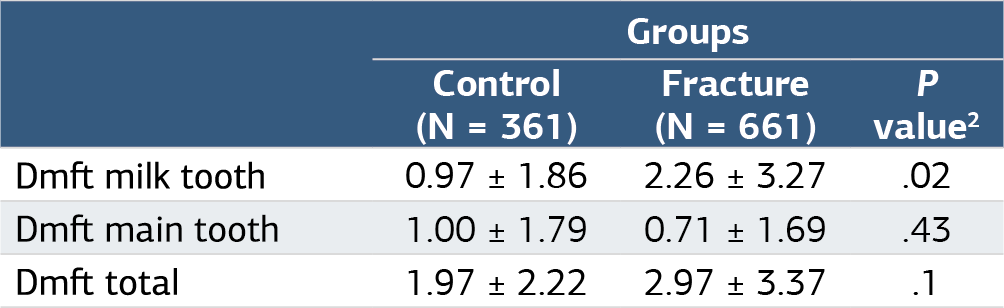
The DMFT values for deciduous teeth were higher in the fracture group compared to the control group, and this difference between the groups was statistically significant (p=0.02) (Figure 1), while the DMFT values for permanent teeth were higher in the control group than in the fracture group (Figure 2). However, the DMFT total values were higher in the fracture group compared to the control group, and no statistically significant difference was found (p=0.43) (Table 3).
Discussion
The occurrence of fractures in childhood is a common condition, with an incidence ranging between 1.2% and 5% with variations.8 Compared to the anatomical region, upper extremity fractures constitute approximately two-thirds of all childhood fractures.9 It has been shown that the risk of refracture increases in children who have experienced a fracture10 and have a lower bone mineral density (BMD).11 In one study, inadequate calcium intake was determined in children with recurrent fractures, and it was shown that this decreased BMD and increased the risk of fracture.8 In addition, the skeletal system and teeth are similar structures originating from similar origins.12 Based on this information, people with poor oral hygiene also have poor bone quality, which may increase the risk of fracture.
These differences in the rates of childhood fractures are influenced by the child’s health status, age, and social and environmental factors. The information in the literature on the epidemiology of fractures in different childhood periods is quite limited. Physical, cognitive, and social developments differ in different age groups of children, which may explain the differences in the mechanism of fracture.9 A previous study has shown that boys are more at risk of fracture than girls and that two-thirds of the injuries are caused by low-energy trauma and are frequently seen in the upper extremities. The same study showed that the male/female ratio increased with age (due to increased participation in sports).13 A case-control study by Ma and Jones14 showed that participation in sports increased the risk of upper extremity fracture in boys and decreased the risk of fracture in girls. A study by Clark et al. showed that increased participation in sports increased the incidence of fractures independently of bone densitometry changes.15
In another study, no relationship was found between family educational status and the frequency of fracture formation.13 Therefore, the relationship between socioeconomic level and fracture formation was analyzed. In the preschool period, unintentional domestic injuries were associated with the education level of the caregiver,16 whereas no relationship was found between parental education level and fracture risk in childhood.3 In our study, the level of maternal education in the control group was significantly higher than in the fracture group (p<0.001). Similar to the literature, it was found that the higher the level of maternal education, the fewer fractures occurred in children. In addition, the level of the father’s education was significantly higher in the control group than in the fracture group (p=0.0038). These statistically significant values indicate that an increase in parental education level will decrease the risk of fracture occurrence.
In a study conducted by Williams et al., it was shown that the economic level of the parents was associated with injury incidents occurring in the adolescent period and affected the type and extent of risky behaviors.17 However, our study showed that there was no significant difference in the monthly income distribution of the parents of the patients in the control and fracture groups (p=0.4).
Oral health reflects the cultural characteristics of individuals.18 Many epidemiologic studies show that oral health is related to the social and economic environment. The relationship between low socioeconomic status and poor oral health in children has been demonstrated in the literature.19 Sociodemographic characteristics directly affect the knowledge and level of oral care in a population. As a result, low parental education levels directly affect the oral health of children.20
The DMFT index is a simple and useful value used worldwide that shows oral hygiene about patients’ level of education. For example, Mattila et al. showed that young maternal age, cohabitation of parents, rural residence, poor care conditions of parents, poor dental health and hygiene of the mother, the introduction of children to sugar before 18 months of age, and headaches in children at the age of 5 years were primarily associated with the DMFT index.21
Previous studies have shown that periodontitis due to poor oral hygiene decreases bone mass.22 In one study, an inverse relationship was observed between tooth loss in the mouth and BMD.23 Another study conducted with Brazilian women revealed a relationship between poor oral hygiene and low bone density.24 In our study, the DMFT index for deciduous teeth was significantly lower in the control group than in the fracture group (p=0.02). This statistical analysis shows that children with poor oral hygiene have a higher risk of upper extremity fractures from simple trauma. In another study conducted between 14–18 years of age, it was found that there was no relationship between DMFT and BMD.25 The permanent DMFT values were higher in the control group than in the fracture group, but the permanent DMFT values of the groups were not statistically different (p=0.43). The equalization of the DMFT index value in permanent teeth can be explained by the fact that as children grow old, personal care becomes independent from the family, and they are influenced by a common environment with more relationships with their friends at school.
In light of all this literature, we can conclude that simple trauma and related fractures are less common in children of families with higher levels of education due to better oral care, adequate calcium intake, and living in a safer environment. It can also be interpreted that parents with higher levels of education in Turkey are more protective of their children, and children of rural families spend more time outside the home without supervision, which increases the risk of fracture.
Limitations
As to the limitations of this study, more studies are needed to evaluate the relationship between the DMFT index and fractures. The population of our study is single-centered and limited in number, and a larger number of samples and a population from various regions would yield more meaningful results. In our study, we used the DMFT index for oral care, but other indices evaluate oral care. Therefore, we recommend the use of more evaluation parameters in future studies.
Conclusion
This is the first study of its kind, as there have been none in the literature.
In conclusion, in our study, the relationship between education level, socioeconomic status, and fractures was significant, in line with the literature. Although publications are showing the relationship between DMFT and BMD, there is no clear consensus. In our study, the DMFT values showed that the risk of fracture increased in children with poor oral hygiene. However, the evaluation of permanent teeth also revealed no difference.
For this reason, we recommend that patients with pediatric simple fractures be reminded to undergo routine dental examinations for oral care. Therefore, it will be advantageous to maintain good oral hygiene and reduce the likelihood of developing osteoporosis at an advanced age due to chronic inflammation.
Declarations
Animal and Human Rights Statement
All procedures performed in this study were in accordance with the ethical standards of the institutional and/or national research committee and with the 1964 Helsinki Declaration and its later amendments or comparable ethical standards.
Informed Consent
Written informed consent was obtained from the parents or legal guardians of all participants.
Data Availability
The datasets used and/or analyzed during the current study are not publicly available due to patient privacy reasons but are available from the corresponding author on reasonable request.
Conflict of Interest
The authors declare that there is no conflict of interest.
Funding
None.
Acknowledgements
Thanks to ENAGO for translation and edditing the manuscript.
Abbreviations
BMD: Bone mineral density
DMFT: Decayed, missing, and filled teeth
SD: Standard deviation
References
- Rosendahl K, de Horatio LT, Habre C, et al. The incidence of fractures in children under 2 years of age: a systematic review. BMC Musculoskelet Disord. 2024;25(1):528. doi:10.1186/s12891-024-07633-5
- Donaldson LJ, Reckless IP, Scholes S, Mindell JS, Shelton NJ. The epidemiology of fractures in England. J Epidemiol Community Health. 2008;62(2):174-180. doi:10.1136/jech.2006.056622
- Hallal PC, Siqueira FV, Menezes AM, Araújo CL, Norris SA, Victora CG. The role of early life variables on the risk of fractures from birth to early adolescence: a prospective birth cohort study. Osteoporos Int. 2009;20(11):1873-1879. doi:10.1007/s00198-009-0889-y
- Broadbent JM, Thomson WM. For debate: problems with the DMF index pertinent to dental caries data analysis. Community Dent Oral Epidemiol. 2005;33(6):400-409. doi:10.1111/j.1600-0528.2005.00259.x
- Görgün E, Çağlayan F. The relationship between submandibular gland size and oral health status, gender, age, and body mass index in a healthy population: a cross-sectional study. Turkiye Klinikleri J Dent Sci. 2023;29(1):45-51.
- Lai YL. Osteoporosis and periodontal disease. J Chin Med Assoc. 2004;67(8):387-388.
- Shah MA, Faheem HI, Hamid A, et al. The entrancing role of dietary polyphenols against the most frequent aging-associated diseases. Med Res Rev. 2024;44(1):235-244. doi:10.1002/med.21985
- Cooper C, Dennison EM, Leufkens HG, Bishop N, van Staa TP. Epidemiology of childhood fractures in Britain: a study using the General Practice Research Database. J Bone Miner Res. 2004;19(12):1976-1981. doi:10.1359/jbmr.040902
- Rennie L, Court-Brown CM, Mok JY, Beattie TF. The epidemiology of fractures in children. Injury. 2007;38(8):913-922. doi:10.1016/j.injury.2007.01.036
- Sillence DO. A dyadic nosology for osteogenesis imperfecta and bone fragility syndromes 2024. Calcif Tissue Int. 2024:1-18. doi:10.1007/s00223-024-01248-7
- Manias K, McCabe D, Bishop N. Fractures and recurrent fractures in children: varying effects of environmental factors as well as bone size and mass. Bone. 2006;39(3):652-657. doi:10.1016/j.bone.2006.03.018
- Famili P, Cauley J, Suzuki JB, Weyant R. Longitudinal study of periodontal disease and edentulism with rates of bone loss in older women. J Periodontol. 2005;76(1):11-15. doi:10.1902/jop.2005.76.1.11
- Valerio G, Gallè F, Mancusi C, et al. Pattern of fractures across pediatric age groups: analysis of individual and lifestyle factors. BMC Public Health. 2010;10:656. doi:10.1186/1471-2458-10-656
- Omondi MP. Epidemiology of orthopedic injuries among inpatients admitted at a tertiary teaching and referral hospital in Kenya: a retrospective cross-sectional study. BMC Musculoskelet Disord. 2024;25(1):670. doi:10.1186/s12891-024-07793-4
- Clark EM, Ness AR, Tobias JH. Bone fragility contributes to the risk of fracture in children, even after moderate and severe trauma. J Bone Miner Res. 2008;23(2):173-179. doi:10.1359/jbmr.071010
- Ramsay LJ, Moreton G, Gorman DR, et al. Unintentional home injury in preschool-aged children: looking for the key—an exploration of the inter-relationship and relative importance of potential risk factors. Public Health. 2003;117(6):404-411. doi:10.1016/s0033-3506(03)00072-6
- Blaabæk EH, Andersen LH, Fallesen P. From unequal injuries to unequal learning? Socioeconomic gradients in childhood concussions and the impact on children’s academic performance. Soc Sci Med. 2024;341:116524. doi:10.1016/j.socscimed.2023.116524
- Atchison KA, Dubin LF. Understanding health behavior and perceptions. Dent Clin North Am. 2003;47(1):21-39. doi:10.1016/s0011-8532(02)00051-4
- Petersen PE. Sociobehavioural risk factors in dental caries: international perspectives. Community Dent Oral Epidemiol. 2005;33(4):274-279. doi:10.1111/j.1600-0528.2005.00235.x
- Castilho ARFD, Mialhe FL, Barbosa TDS, Puppin-Rontani RM. Influence of family environment on children’s oral health: a systematic review. J Pediatr (Rio J). 2013;89(2):116-123. doi:10.1016/j.jped.2013.03.014
- Mattila ML, Rautava P, Sillanpää M, Paunio P. Caries in 5-year-old children and associations with family-related factors. J Dent Res. 2000;79(3):875-881. doi:10.1177/00220345000790031501
- Pejčić A, Kojović D, Grigorov I, Stamenković B. Periodontitis and osteoporosis. Facta Univ Ser Med Biol. 2005;12(2):100-103.
- Rezazadeh F, Emad S, Emad M. Relationship between bone mineral density and oral health status among Iranian women. Int J Prev Med. 2019;10:149. doi:10.4103/ijpvm.ijpvm_314_18
- Henriques PS, Pinto Neto AM. Association between tooth loss and bone mineral density in Brazilian postmenopausal women. J Clin Med Res. 2011;3(3):118-123. doi:10.4021/jocmr513w
- Konstantynowicz J, Sierpinska T, Kaczmarski M, Piotrowska-Jastrzebska J, Golebiewska M. Dental malocclusion is associated with reduced systemic bone mineral density in adolescents. J Clin Densitom. 2007;10(2):147-152. doi:10.1016/j.jocd.2007.02.002
Tables
Table 1. Comparision of the groups regarding the gender
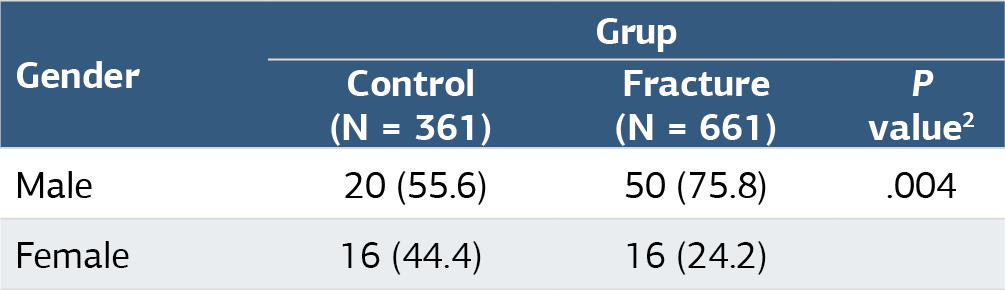
1Mean ± SD; n (%) *2T testi; Poisson regression; Fisher's exact test; chi square testi
Table 2. Comparision of the groups regarding the age, educatn levelf parents and salary
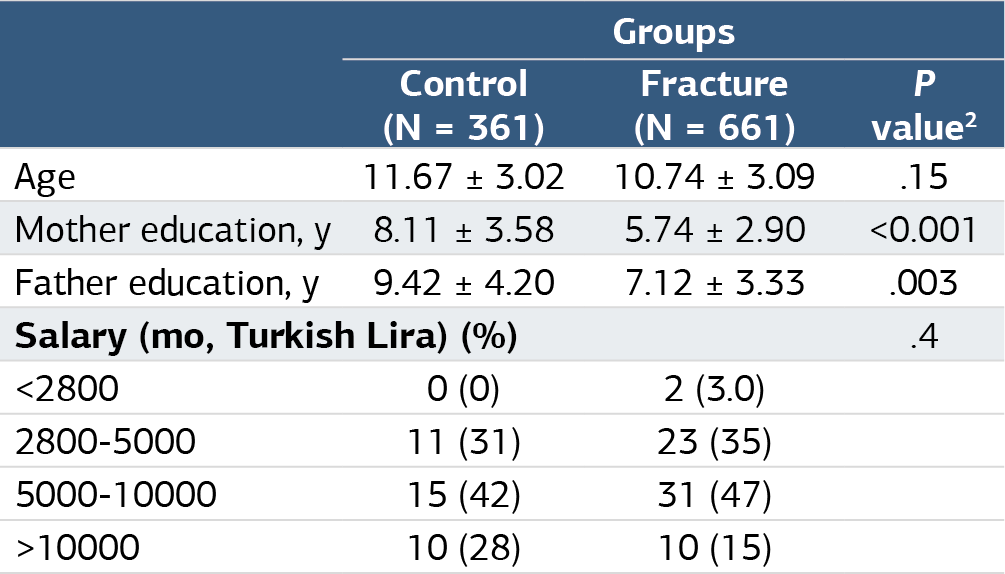
Table 3. Comparision of the groups regarding DMFT index
Figures
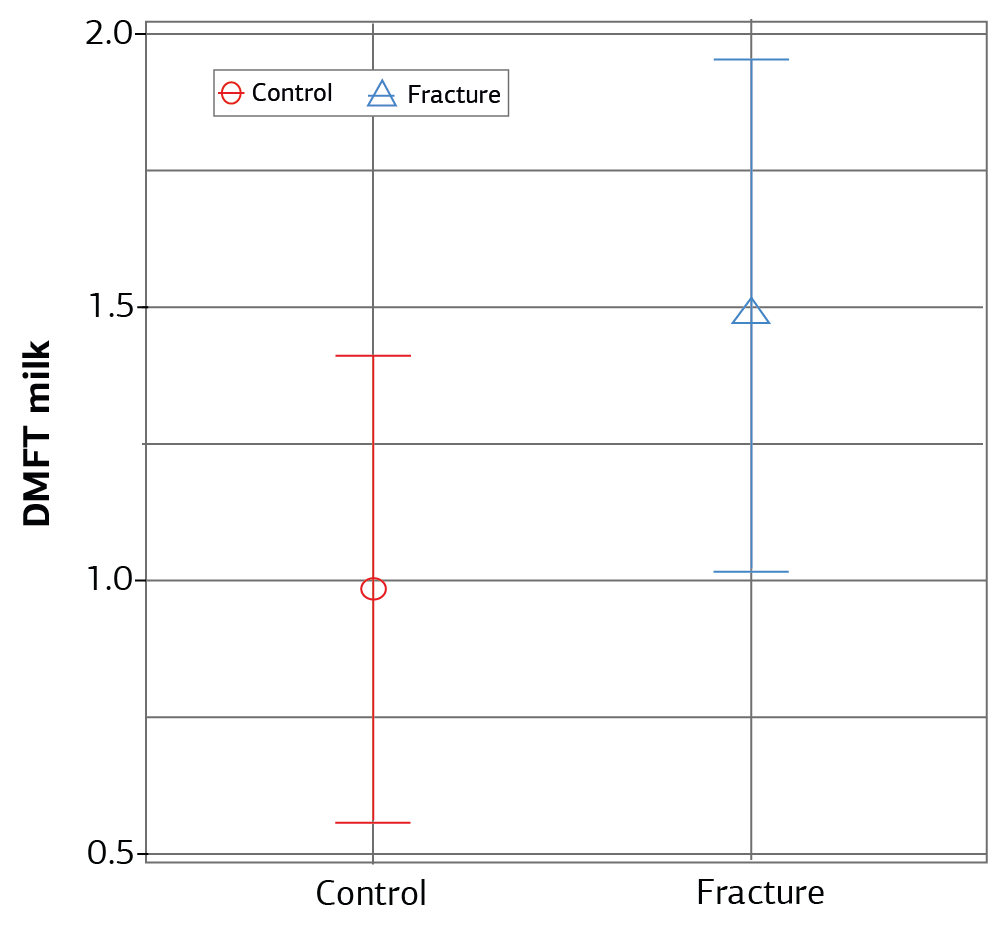
Figure 1. Comparison of the groups regarding the DMFT milk tooth index
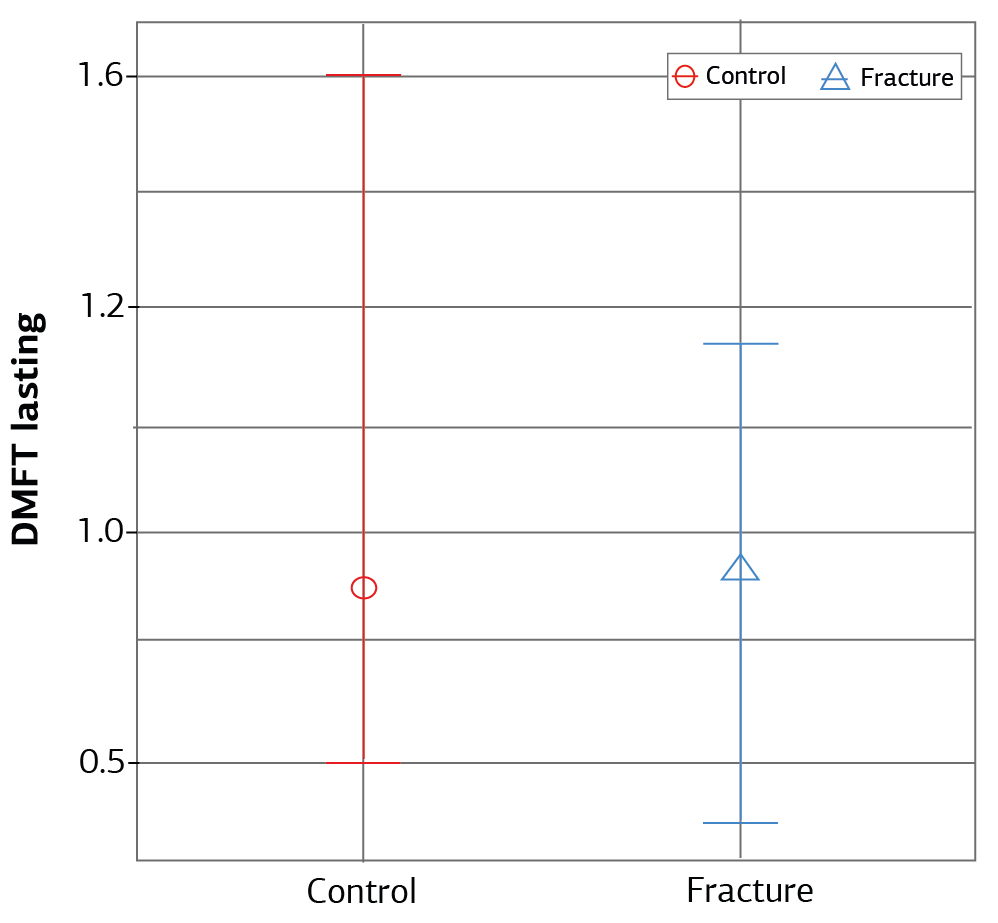
Figure 2. Comparison of the groups regarding the DMFT main tooth index
Additional Information
Publisher’s Note
Bayrakol MP remains neutral with regard to jurisdictional and institutional claims.
Rights and Permissions

This work is licensed under a Creative Commons Attribution-NonCommercial 4.0 International License (CC BY-NC 4.0). To view a copy of the license, visit https://creativecommons.org/licenses/by-nc/4.0/
About This Article
How to Cite This Article
Muhammet Zeki Gültekin, Burak Kuscu, Fatih Doğar, Ahmet Sinan Sarı, Ahmet Tuğrul Küpeli. The relationship between oral hygiene and upper extremity fractures in children. Ann Clin Anal Med 2025;16(6):435-439. doi:10.4328/ACAM.22498
Publication History
- Received:
- 21.11.2024
- Accepted:
- 24.12.2024
- Published Online:
- 03.01.2025
- Printed:
- 01.06.2025