
Treatment methods for temporomandibular disorders: a bibliometric analysis
Temporomandibular disorders treatments
Authors
Abstract
Aim This study aimed to analyze in detail the authors, journals, keywords and cited references of relevant publications in the treatment of Temporomandibular Disorders (TMD) in the Web of Science Core Collection scientific database between 2020 and 2024 by bibliometric methods, as well as to categorize and examine the treatment methods used in TMD.
Methods Studies published from 2020 to 2024 were retrieved from the Web of Science Core Collection on March 20, 2024. A total of 200 studies were included in the bibliometric analysis. Common word analyses were performed with the VOSViewer application. The full texts of 91 articles were examined to categorize treatment approaches using descriptive content analysis based on citation prominence. The categorization of treatment methods was conducted as a descriptive content analysis of highly cited studies and does not constitute a formal systematic review.
Results Lobbezoo F. was the author of most studies on TMD treatment methods. The leading journal in terms of publications was The Journal of Oral Rehabilitation. The most frequently used keyword was ‘temporomandibular disorder’. The three most used treatment methods were occlusal splint therapy, physical modalities and electrotherapy, and pharmacological treatment.
Conclusion To the best of our knowledge, this study provides a comprehensive recent bibliometric categorization of treatment approaches used in TMD. Our study may provide researchers planning studies on TMD treatment with a comprehensive overview of a large dataset and the opportunity to conduct further research on the results.
Keywords
Introduction
The Temporomandibular Joint (TMJ) is one of the most complex and frequently used joints in the human body, located between the articular eminence of the temporal bone and the fossa of the mandible.1 Temporomandibular joint dysfunction (TMD) is a neuromuscular and musculoskeletal pathology resulting from disrupted physiologic harmony in the TMJ and related structures. TMD is known to be one of the leading causes of chronic pain and disability, affecting individuals of all ages and genders in the general population.2 TMD has a multifactorial etiology with several recently identified risk factors, including anatomical factors, parafunctional habits, cervical posture, trauma or hypermobility of the joints, and psychosocial problems.3 In light of the various etiologies, the diagnosis of TMD remains challenging. Its prevalence is approximately 5-12%. Individuals with TMD often report impaired mastication due to joint/muscle dysfunction, pain and fatigue during chewing.4,5
TMD can cause functional limitations that affect an individual’s quality of life. These limitations include difficulties in speaking, eating, sleeping and psychological problems such as anxiety and depression.2 The long course of the disease and the variability of symptoms in TMD pose a challenge for both patients and health professionals. However, many patients have suffered from excessive and even harmful treatments and high costs due to a lack of accurate diagnosis and treatment for TMDs. The high price, prevalence, and complexity of TMDs have attracted many scientists to research TMDs-related fields.6 Due to the multifactorial etiology, the correct ways to treat TMDs still need to be examined and clarified.
Bibliometric analysis is a new research design that highlights the most common topics researchers focus on, fills the knowledge gap about current trends in the literature, and highlights the most expanding innovations in a given field. It can also determine the output, citations and keyword frequency of authors, institutions and countries conducting research in specific fields.7 Thus, it is essential to help researchers categorize research topics and reveal disciplinary boundaries.
Although bibliometric studies on TMJ have been conducted in the literature,6,8,9,10 there is a lack of bibliometric analysis of current TMD treatment approaches. Therefore, in this study, we comprehensively analyzed the research trends used in TMD treatment. Authors, journals, keywords, and cited references of relevant publications in TMD treatment from 2020 to 2024 were analyzed in detail. In addition, it was aimed to categorize the treatment methods used in TMD, create a citation ranking list in each category, and provide valuable reference guidelines for future studies by systematically examining the treatment protocols used in relevant studies.
Materials and Methods
Data AcquisitionOn March 20, 2024, 1532 results were obtained as a result of a search in the Web of Science database by selecting the title ‘Topic’ with the keywords ‘Temporomandibular Joint Disorder’ OR ‘Temporomandibular Joint Dysfunction’ OR ‘Temporomandibular Disorder’ OR ‘Temporomandibular Dysfunction’ AND ‘Treatment.’ When the oldest 2020 and the newest 2024 were selected according to years, 473 results were reached. By making another filtering, only 277 studies with open access were reached. When studies with article type of publication were selected, 205 results were obtained. Finally, 200 articles were found when the writing language was filtered as English. As a result of this analysis, 200 articles were included in the scope of the research for bibliometric analysis. To determine the treatment types used in the articles included in the scope of the research, the studies were systematically examined, and 109 studies were excluded from the focus of the research because they did not include intervention for TMD. The treatment methods used in the remaining 91 studies were grouped. It was determined that 14 different treatment types were used in the articles, and the most cited studies of each treatment type were presented as a systematic review.
Ethics ApprovalThis study is based solely on published literature and did not involve human participants or animals. Therefore, ethics committee approval was not required.
Statistical AnalysisVOSviewer (version 1.6.20) is a software tool for creating and visualizing bibliometric networks. Due to the analyses performed with VOSviewer, reports of numerical and visual maps can be generated. VOSviewer can perform three types of visualization of an analysis: network, coverage and density. A network visualization shows relationships with nodes and links; a coverage visualization maps the distribution of topics; a density visualization highlights the degree of importance or intensity with colors. The visualized maps include analysis findings represented by different circles. Colors and connecting lines are used to define these circles. As the weight of an item increases, the label identifying the circle and the size of the circle increase. The distance between two items indicates closeness and relationship, while the thickness of the line between the items represents the strength of the ties.11 In the study, common word analyses were performed with the VOSViewer application. Full counting was used for bibliometric mapping, and minimum occurrence thresholds were set according to the distribution of keyword frequencies.
Reporting GuidelinesThis study was conducted in accordance with established bibliometric analysis methodology and reporting principles. Supplementary material is available online.
Results
General StatisticsFor the bibliometric analysis, when the oldest 2020 and the newest 2024 were selected according to years, 473 results were reached, and 200 articles were included in the scope of the research (Figure 1).
Figure 2 shows the distribution of the number of articles and citations of the studies analyzed within the scope of this research, which were conducted between 2020 and 2024. According to Figure 2, most of the studies in the relevant field belong to 2021 (n = 57), and most citations belong to 2023 (n = 366).
The top 3 scientific categories in which the articles analyzed in this study were included, and the number of articles and citations in each category. It is seen that the related studies are primarily in the Dentistry, Oral Surgery, & Medicine (n = 75) categories according to the number of articles. After that, it is seen that General Internal Medicine (n = 30) and Experimental Medicine Research (n = 14). When we look at the distribution of articles according to the number of citations, it was determined that the highest number of citations were in the categories of Dentistry, Oral Surgery & Medicine (n = 249), Clinical Neurology (n = 115) and General Internal Medicine (n = 73).
Analysis of Authors and JournalsFigure 2 shows the distribution of the top 10 authors with the highest number of publications on the subject determined in the research. According to the distribution of the authors and articles shown in Figure 2, Lobbezoo F. wrote the most articles in the relevant field, with seven publications. Then Ohrbach R. (6 publications), Visscher CM. (5 publications.). The other authors in the figure contributed to the literature on the related subject with four or three studies.
The top 10 journals in which the most articles were published on the subject examined in the study are given in Figure 2. Accordingly, it was determined that most articles were published in the Journal of Oral Rehabilitation (n = 14). After that, BMC Oral Health (n = 10) and International Journal of Environmental Research and Public Health (n = 8) were the journals where most articles were published.
Analysis of KeywordsFor author keyword analysis, keywords that appeared at least twice were included, and 89 out of 602 keywords met these values. As a result of the analysis of the keywords used by the authors at least two times in the relevant field, 12 clusters, 355 links and 452 link strengths were identified. According to Figure 2, the most frequently used keywords in the related studies are ‘temporomandibular disorder’ (n = 48), ‘temporomandibular disorders’ (n = 24), orofacial pain (n = 20), and temporomandibular joint (n = 19), respectively.
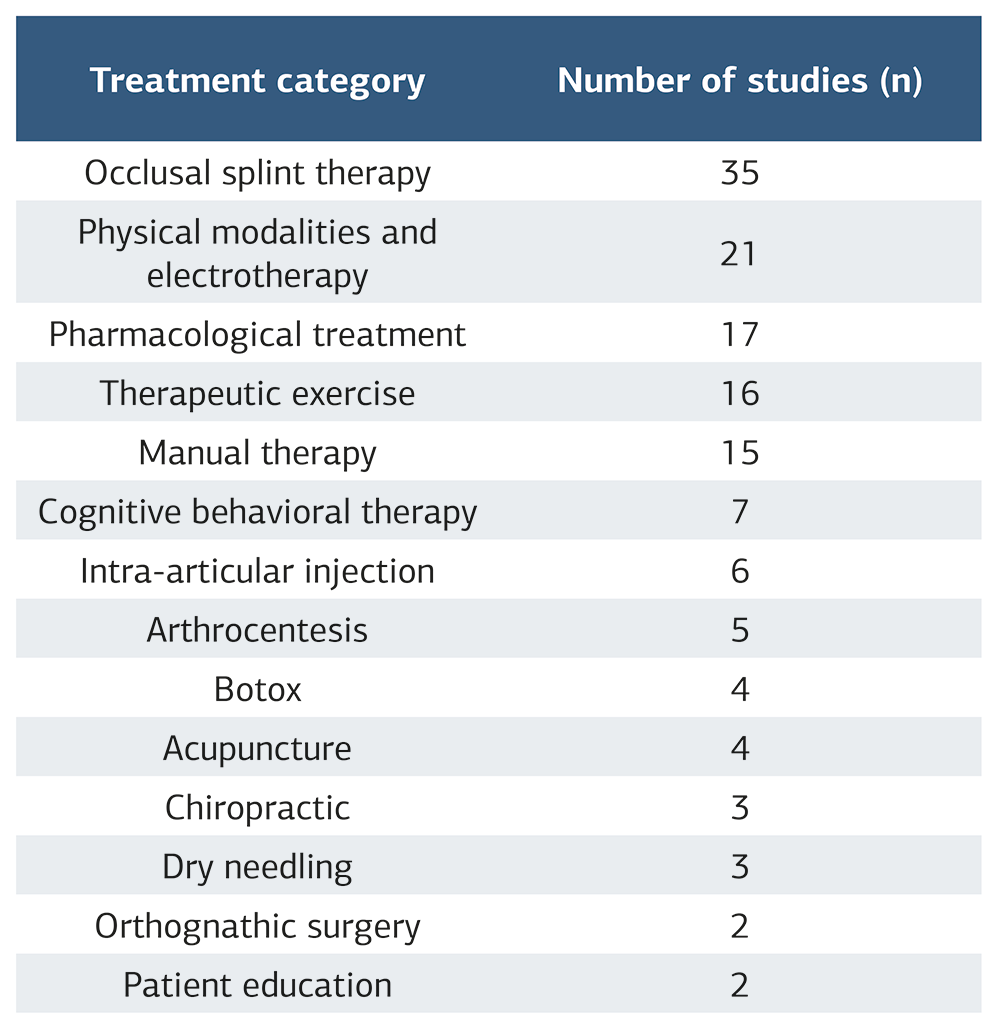
Treatment MethodsTo determine the types of treatment used in the articles included in the scope of the research, the studies were systematically examined, and 109 studies were excluded from the focus of the research because they did not include intervention for TMD. The treatment methods used in the remaining 91 studies were grouped. The treatment methods analyzed were divided into 14 categories. Each treatment was added to the relevant category in studies where different therapies were compared simultaneously. According to the distribution in Figure 3, it is seen that the treatment types used in the analyzed articles were mostly in the occlusal splint therapy category (n = 35). The most frequently used treatment modalities were physical modalities and electrotherapy (n = 21), pharmacological treatment (n = 17), therapeutic exercise (n = 16) and manual therapy (n = 15). The distribution of treatment categories among included studies is summarized in Table 1.
Detailed characteristics of representative studies are provided in Supplementary Table 1.
Discussion
In this study, bibliometric analysis was performed on publications related to TMD treatment between 2020 and 2024. Considering the first months of the year, it is reasonable that the number of publications in 2024 is low, but it was noteworthy that the number of publications in the previous two years was less than in 2021. The author with the most studies was ‘Lobbezoo F.’ It was noteworthy that the journal with the most articles was ‘The Journal of Oral Rehabilitation.’ The most frequently used keyword in TMD studies was ‘temporomandibular disorder.’ In our study, the treatment methods used in TMD were categorized, and it was seen that the three most commonly used treatment methods were occlusal splint therapy, Physical Modalities and Electrotherapy, and Pharmacological Treatment, respectively.
TMD is a common chronic pain condition that significantly affects quality of life. According to research, TMD is the second most common chronic pain condition in the general population after low back pain.4 The multifactorial etiology of TMD complicates the diagnosis and treatment process.4,6 Therefore, a personalized and multifaceted treatment plan is required instead of a single standard approach.
In multidisciplinary TMD treatment, options are individualized according to the patient’s symptoms, severity, and underlying causes. Conservative methods are preferred in the first line of management; these include painkillers, muscle relaxants, physiotherapy, jaw exercises and occlusal splinting.12,13,15,16 Physical modalities and electrotherapy approaches have been shown to be particularly effective for pain relief.13 Occlusal splints can relieve symptoms by reducing joint stress.12 In cases where conservative treatments are inadequate, invasive methods such as intra-articular injections (corticosteroids or hyaluronic acid), arthrocentesis, and surgical interventions can be used.18,19,24 Arthrocentesis is a minimally invasive procedure that improves mobility by removing joint fluid,19 while surgery is usually considered a last resort.24 In addition, alternative therapies such as Botox, acupuncture, chiropractic and dry needling are also used to manage TMD.20,21,22,23
Success in TMD treatment is possible with correct diagnosis and individualized treatment planning. Active participation of the patient and physician-patient cooperation are of critical importance in the treatment process. Due to the tendency of TMD to become chronic, regular follow-up and preventive approaches are necessary after treatment. Stress management, control of clenching/grinding habits, posture correction and lifestyle changes contribute significantly to treatment.17,25 In the future, a better understanding of the pathophysiology of TMD and the development of new treatment methods may lead to more effective results in managing this condition. Therefore, clinical trials and research continue to play an essential role in treating TMD.
Limitations
The study has some limitations. Our research is limited to the search words specified in the methodology. To reach articles with high-impact factors, only articles in the WoS database were analyzed; other databases and indexes were excluded. However, the study’s findings may not be up-to-date, as there may have been newly published articles as of the date of our data search. The categorization of treatment methods was based on descriptive analysis of citation-prominent studies rather than comparative effectiveness assessment. Limiting the analysis to the Web of Science Core Collection and open-access English-language articles may have excluded relevant studies indexed in other databases or published in different languages.
Conclusion
To the best of our knowledge, this study provides a comprehensive recent bibliometric categorization of treatment approaches used in temporomandibular disorders. This study shows the authors of the field that should be followed for researchers interested in TMD treatment, the journals with the most relevant studies, and the most frequently used keywords. In addition, the treatment methods used in TMD were categorized for researchers, and the studies with the most citations in each category were examined in detail. Systematically reviewing the treatment protocols used in the relevant studies aimed to provide valuable reference guidelines for future studies. Our study provided a comprehensive overview of a large dataset to researchers planning studies on TMD treatment, and the opportunity to conduct further research on the results was provided.
Declarations
Ethics Declarations
This study is based solely on published literature and did not involve human participants or animals. Therefore, ethics committee approval was not required.
Animal and Human Rights Statement
All procedures performed in this study were in accordance with the ethical standards of the institutional and/or national research committee and with the 1964 Helsinki Declaration and its later amendments or comparable ethical standards.
Data Availability
The data supporting the findings of this article are available from the corresponding author upon reasonable request, due to privacy and ethical restrictions. The corresponding author has committed to share the de-identified data with qualified researchers after confirmation of the necessary ethical or institutional approvals. Requests for data access should be directed to bmp.eqco@gmail.com
Conflict of Interest
The authors declare that there is no conflict of interest.
Funding
None
Author Contributions (CRediT Taxonomy)
Conceptualization: H.C.G.
Methodology: H.C.G., A.D.S.
Data curation: H.C.G., A.D.S.
Formal analysis: H.C.G., A.D.S.
Writing – original draft: H.C.G., A.D.S.
Writing – review & editing: H.C.G.
Supervision: H.C.G., A.D.S.
Scientific Responsibility Statement
The authors declare that they are responsible for the article’s scientific content, including study design, data collection, analysis and interpretation, writing, and some of the main line, or all of the preparation and scientific review of the contents, and approval of the final version of the article.
Abbreviations
BID: twice daily
CBCT: cone beam computed tomography
DC/TMD: Diagnostic Criteria for Temporomandibular Disorders
EMG: electromyography
FPI: Facial Pain Index
HA: hyaluronic acid
i-PRF: injectable platelet-rich fibrin
JLFS 8: Jaw Functional Limitation Scale 8
LLLT: low-level laser therapy
MMO: maximum mouth opening
NDI: Neck Disability Index
OBC: Oral Behaviour Checklist
PRP: platelet-rich plasma
RCT: randomized controlled trial
ROI: region of interest
sEMG: surface electromyography
TMD: temporomandibular disorder
TMJ: temporomandibular joint
VAS: visual analog scale
WoS: Web of Science
References
-
Di Francesco F, Lanza A, Di Blasio M, et al. Application of botulinum toxin in temporomandibular disorders: a systematic review of randomized controlled trials (RCTs). Appl Sci. 2022;12:12409. doi:10.3390/app122312409
-
Minervini G, Franco R, Marrapodi MM, et al. The association between COVID-19 related anxiety, stress, depression, temporomandibular disorders, and headaches from childhood to adulthood: a systematic review. Brain Sci. 2023;13(3):481. doi:10.3390/brainsci13030481
-
Ferrillo M, Marotta N, Giudice A, et al. Effects of occlusal splints on spinal posture in patients with temporomandibular disorders: a systematic review. Healthcare (Basel). 2022;10(4):739. doi:10.3390/healthcare10040739
-
Li DTS, Leung YY. Temporomandibular disorders: current concepts and controversies in diagnosis and management. Diagnostics (Basel). 2021;11(3):459. doi:10.3390/diagnostics11030459
-
Yıldız NT, Kocaman H, Yıldırım H, Canlı M. An investigation of machine learning algorithms for prediction of temporomandibular disorders by using clinical parameters. Medicine (Baltimore). 2024;103(41):e39912. doi:10.1097/MD.0000000000039912
-
Bai B, Bai X, Wang C. Mapping research trends of temporomandibular disorders from 2010 to 2019: a bibliometric analysis. J Oral Rehabil. 2021;48(5):517-530.
-
Donthu N, Kumar S, Mukherjee D, et al. How to conduct a bibliometric analysis: an overview and guidelines. J Bus Res. 2021;133:285-296. doi:10.1016/j.jbusres.2021.04.070
-
Xiong X, Gao X, Zhong J, et al. Bibliometric analysis of research on temporomandibular joint and occlusion from 2000 to 2022. J Pain Res. 2023;16:2847-2860.
-
Wang Q, Jia J, Zhou C, Ye W, Bi R. A bibliometric analysis of research on temporomandibular joint disc displacement from 1992 to 2022. Healthcare (Basel). 2023;11(14):2108. doi:10.3390/healthcare11142108
-
Ferrillo M, Gallo V, Lippi L, et al. The 50 most-cited articles on temporomandibular disorders: a bibliometric analysis. J Back Musculoskelet Rehabil. 2023;36(2):279-297.
-
Van Eck NJ, Waltman L. Software survey: VOSviewer, a computer program for bibliometric mapping. Scientometrics. 2010;84(2):523-538. doi:10.1007/s11192-009-0146-3
-
Festa F, Rotelli C, Scarano A, Navarra R, Caulo M, Macrì M. Functional magnetic resonance connectivity in patients with temporomandibular joint disorders. Front Neurol. 2021;12:629211. doi:10.3389/fneur.2021.629211
-
Shousha T, Alayat M, Moustafa I. Effects of low-level laser therapy versus soft occlusive splints on mouth opening and surface electromyography in females with temporomandibular dysfunction: a randomized controlled study. PLoS One. 2021;16(10):e0258063. doi:10.1371/journal.pone.0258063
-
Tchivileva IE, Hadgraft H, Lim PF, et al. Efficacy and safety of propranolol for treatment of temporomandibular disorder pain: a randomized placebo-controlled clinical trial. Pain. 2020;161(8):1755-1767.
-
Crăciun MD, Geman O, Leuciuc FV, et al. Effectiveness of physiotherapy in the treatment of temporomandibular joint dysfunction and the relationship with cervical spine. Biomedicines. 2022;10(11):2962. doi:10.3390/biomedicines10112962
-
Melo RA, de Resende CMBM, Rêgo CRF, et al. Conservative therapies to treat pain and anxiety associated with temporomandibular disorders: a randomized clinical trial. Int Dent J. 2020;70(4):245-253. doi:10.1111/idj.12546
-
Lam J, Svensson P, Alstergren P. Internet-based multimodal pain program with telephone support for adults with chronic temporomandibular disorder pain: randomized controlled pilot trial. J Med Internet Res. 2020;22(10):e22326. doi:10.2196/22326
-
Pihut M, Gala A. The application of intra-articular injections for management of the consequences of disc displacement without reduction. Int J Environ Res Public Health. 2020;17(13):4726. doi:10.3390/ijerph17134726
-
Ghoneim NI, Mansour NA, Elmaghraby SA, Abdelsameaa SE. Treatment of temporomandibular joint disc displacement using arthrocentesis combined with injectable platelet-rich fibrin versus arthrocentesis alone. J Dent Sci. 2022;17(1):468-475.
-
Raphael KG, Janal MN, Tadinada A, et al. Effect of multiple injections of botulinum toxin into painful masticatory muscles on bone density in the temporomandibular complex. J Oral Rehabil. 2020;47(11):1319-1329.
-
Sant’Anna CBM, Caxias FP, Zuim PRJ, et al. Treatment of masticatory muscle pain with acupuncture: is it necessary to associate with occlusal splints? J Acupunct Meridian Stud. 2021;14(3):89-94.
-
Chu EC, Lee WT, Chau C, Wong E, Cheng HY. Temporomandibular disorder treated with chiropractic therapy. Cureus. 2023;15(3):e36377. doi:10.7759/cureus.36377
-
Dunning J, Butts R, Bliton P, et al. Dry needling and upper cervical spinal manipulation in patients with temporomandibular disorder: a multi-center randomized clinical trial. Cranio. 2024;42(6):809-822.
-
Abate A, Lanteri V, Marcolongo L, et al. Evaluation of masticatory muscles in adult patients with maxillary hypoplasia treated with surgically assisted rapid maxillary expansion: a retrospective study. J Clin Med. 2023;12(2):607. doi:10.3390/jcm12020607
-
Xu L, Cai B, Lu S, Fan S, Dai K. The impact of education and physical therapy on oral behaviour in patients with temporomandibular disorder: a preliminary study. Biomed Res Int. 2021;2021:6666680. doi:10.1155/2021/6666680
Figures
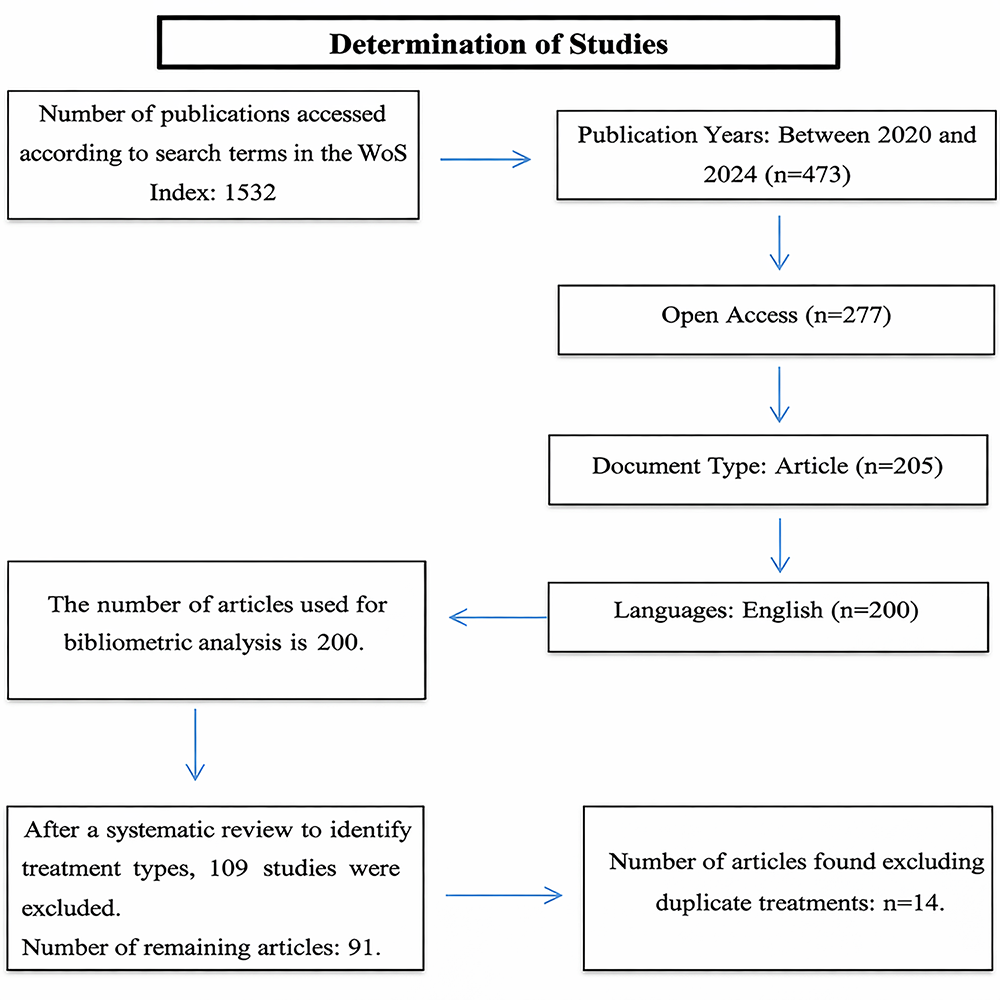
Figure 1. Flow diagram illustrating the selection process of articles for bibliometric and descriptive content analysis
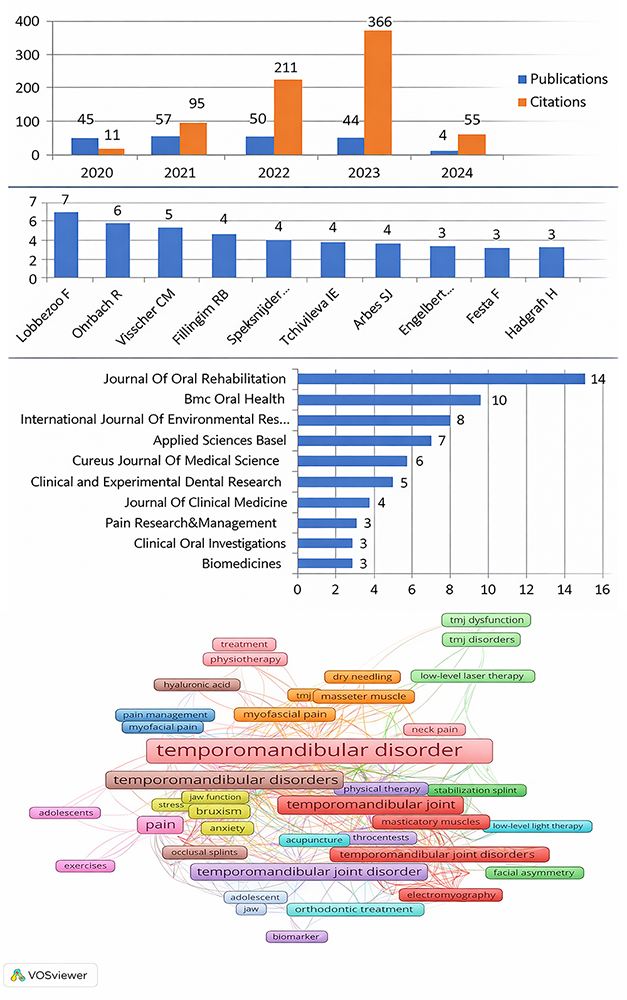
Figure 2. Distribution of the number of articles and citations between 2020 and 2024, the top 10 authors by number of articles, journals by number of articles, Network visualization for author keyword analysis, respectively
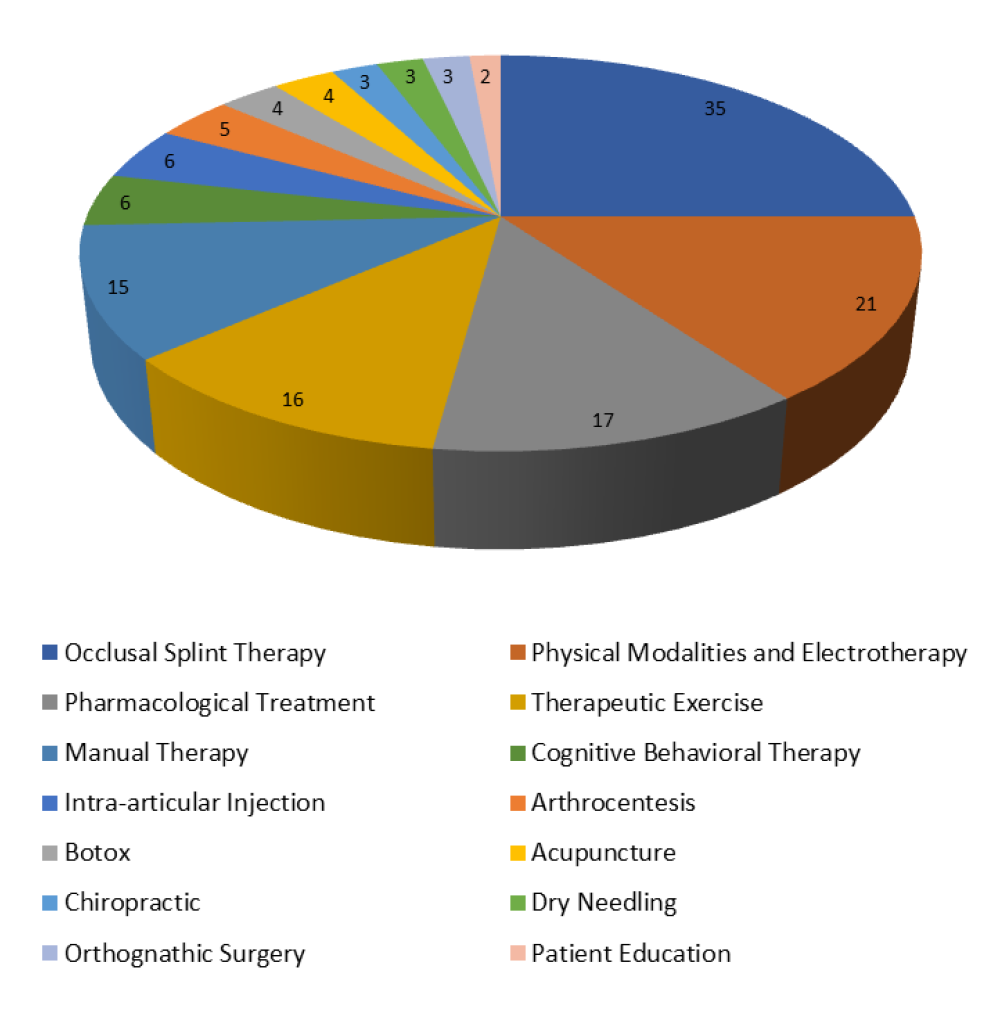
Figure 3. Distribution of treatment types included in article contents
Tables
Table 1. Distribution of treatment categories among included studies
Additional Information
Publisher’s Note
Bayrakol MP remains neutral with regard to jurisdictional and institutional claims.
Rights and Permissions

This work is licensed under a Creative Commons Attribution-NonCommercial 4.0 International License (CC BY-NC 4.0). To view a copy of the license, visit https://creativecommons.org/licenses/by-nc/4.0/
About This Article
How to Cite This Article
Hazel Celik Guzel, Aysegül Demir Sariipek. Treatment methods for temporomandibular disorders: a bibliometric analysis. Ann Clin Anal Med 2026;17(Suppl 1):S18-22
- Received:
- January 29, 2025
- Accepted:
- April 7, 2025
- Published Online:
- May 9, 2025
- Printed:
- February 20, 2026