
Abstract
AimPan-immune-inflammatory value (PIV) provides a more comprehensive and informative assessment of the patient’s immunoinflammatory status, thus allowing for a more precise evaluation of the prognosis of inflammatory disease. Within the scope of this research, we aimed to elucidate the predictive value of PIV obtained in the first trimester for gestational diabetes mellitus (GDM).MethodsThis retrospective case-control study included 185 singleton pregnant women whose pregnancy follow-ups and deliveries took place at our hospital between June 2020 and June 2024. The study group included 64 pregnant women diagnosed with GDM according to the criteria of the American College of Obstetricians and Gynecologists (ACOG). The control group consisted of 121 healthy pregnant women who were not diagnosed with GDM. PIV values were calculated from the hemogram values of the patients at their first examination in the first trimester.ResultsPLT (p=0.0002) and neutrophil counts (p=0.008) were significantly elevated in the GDM group. Additionally, both SII and PIV were significantly elevated (p=0.0030 and p=0.0038, respectively). The AUC values indicated moderate diagnostic performance for both SII and PIV markers. The optimal cut-off value for SII was 684.6, with a sensitivity of 50% and specificity of 72%. The optimal cut-off value for PIV was 478.7, with a sensitivity of 68% and specificity of 56%.ConclusionThese findings suggest that while both markers are potentially diagnostic tools for differentiating patients with GDM, their sensitivity and specificity warrant further investigation for clinical application.
Keywords
Introduction
Gestational diabetes mellitus (GDM) is a carbohydrate intolerance of varying degrees that begins during pregnancy or is first diagnosed during pregnancy. This definition does not exclude the possibility of diabetes before conception but is not known until the first examination during pregnancy.1 Although the American College of Obstetricians and Gynecologists still uses the same terminology, in recent years, the International Association of Diabetic Pregnancy Study Groups (IADPSG), the American Diabetes Association (ADA), the World Health Organization (WHO), and others have stated that women who are first diagnosed during pregnancy but are probably diabetic beforehand should be distinguished from transient diabetes due to pregnancy-related insulin resistance. These organizations use the term “gestational diabetes” for diabetes that occurs in the second half of pregnancy and the term “overt diabetes” or “GDM” for diabetes that is diagnosed with standard nongestational criteria in the early stages of pregnancy when insulin resistance is less.2-3
Diabetes mellitus (DM) is a chronic inflammatory disease, and even if blood sugar levels are controlled, complications are inevitable due to the ongoing inflammatory process. Recently, some new systemic inflammation markers derived from complete blood count (CBC) have been proposed to demonstrate chronic inflammation. These new systemic inflammation markers have been used to assess inflammation, monitor disease progression, and predict outcomes in various conditions, including cardiovascular diseases, autoimmune diseases, and infections.4 The systemic immune-inflammation index (SII), systemic inflammation response index (SIRI), and pan-immune inflammation value (PIV) have been suggested to indicate inflammation more comprehensively than the traditional CBC-derived neutrophil-to-lymphocyte ratio (NLR), monocyte-to-lymphocyte ratio (MLR), and platelet-to-lymphocyte ratio (PLR) and to be strongly correlated with prognosis.5
Pan-immune-inflammatory value (PIV) is calculated by combining multiple immunological and inflammatory parameters, such as circulating immune cell subsets (CD4+ T cells, CD8+ T cells, NK cells), cytokines (IL-6, TNF-α), and acute phase reactants as C-reactive protein (CRP). By combining these various components, PIV provides a more comprehensive and informative assessment of the patient’s immunoinflammatory status, thus allowing for a more precise evaluation of the prognosis of inflammatory disease.6
Integrating PIV with clinicopathological factors can improve risk stratification and guide the establishment of personalized treatment strategies, which may ultimately facilitate diabetes management in pregnant individuals. Within the scope of this research, we aimed to assess the predictive value of PIV obtained in the first trimester for gestational DM.
Materials and Methods
This retrospective case-control study included 185 singleton pregnant women whose pregnancy follow-ups and deliveries were conducted in our hospital between June 2020 and June 2024. All procedures followed were in accordance with the ethical standards of the responsible committee on human experimentation (institutional and national) and with the Helsinki Declaration of 1975, as revised in 2008. Our institution granted ethics committee approval on 25/09/2024 with protocol number 255048741. As this research was retrospective in nature, no informed consent was obtained from the participants.
During the study period, a total of 185 singleton pregnancies were included, all of whom had pregnancy follow-ups and deliveries in our hospital. All patients had a 75-g oral glucose tolerance test (OGTT) at 24-28 weeks gestation. Diagnostic criteria for GDM include fasting blood glucose levels of 5.1 mmol/l [92 mg/dl], one-hour plasma glucose levels of 10 mmol/l [180 mg/dl], and two-hour plasma levels of 8.5 mmol/l [153 mg/dl]. A total of 64 patients diagnosed with GDM according to the OGTT results and whose follow-up and treatment were performed in our hospital were included in the GDM group. A total of 121 healthy pregnant women who delivered at term (after the 37th week of gestation) in our hospital and had no additional diseases were randomly selected and included in the control group. They were healthy singleton pregnancies without GDM, based on OGTT results.Inclusion CriteriaSingleton pregnant women, 18-45 years old, whose pregnancy follow-ups and deliveries were conducted in our hospital between June 2020 and June 2024, were included in this analysis.Exclusion CriteriaPregnant women with chronic systemic disorders, chronic hypertension, pregestational diabetes, pregestational diabetes (type 1 and type 2 DM), and autoimmune diseases, those with ongoing infections, and smokers were excluded from the study. Additionally, for individuals with multiple pregnancies, complications such as preeclampsia, fetal growth restriction, preterm premature rupture of the membranes, intrauterine fetal death, and pregnancy cholestasis were also excluded. Patient data were obtained from the hospital’s information system and patient records. Patients’ age, gravida, parity, and body mass index (BMI) were evaluated when the blood sample was taken. BMI was calculated by dividing the body weight (in kilograms) by the square of the height (m2). All blood count analyses were performed in the same Istanbul Başakşehir Çam and Sakura Hospital laboratory. Those whose hemogram samples were taken in the first 14 weeks of pregnancy (first trimester) were scanned backward. Hemoglobin (Hb), WBC, neutrophil count, lymphocyte count, platelet count (PLT), plateletcrit (PCT), platelet distribution width (PDW), red cell distribution width (RDW), and mean platelet volume (MPV), along with the newly identified inflammatory markers NLR, PLR, SII, SIRI, and PIV were retrospectively examined.
SII was calculated as (PLT count × neutrophil count/lymphocyte count), and SIRI was calculated as (monocyte count × neutrophil count/lymphocyte count), respectively. PIV was calculated as follows: neutrophil count × PLT count × monocyte count / lymphocyte count. The success of all variables in predicting GDM and the cutoff values of the significant ones were calculated. Tubes containing K3-EDTA (Tri-potassium ethylenediaminetetraacetic acid) were used for CBC research. The CBC parameters were measured by flow cytometry using an automatic hematology analysis device (XN1000, Sysmex, Roche Corp., Japan).Ethical ApprovalThis study was approved by the Ethics Committee of Başakşehir Cam and Sakura City Hospital (Date: 30.09.2024, Decision No: 2024-234).Statistical AnalysisAll analyses were conducted using the R statistical software (R Core Team, 2023). Continuous variables were assessed for normality using the Shapiro-Wilk test. As most variables did not follow a normal distribution (p<0.05), non-parametric methods were employed. The Mann-Whitney U test was used to compare continuous variables between groups. In contrast, categorical variables were analyzed using the Chi-squared test or Fisher’s exact test, depending on the expected cell counts. Statistical significance was set at p<0.05. Results are presented as medians and interquartile ranges (IQRs) for continuous variables and as frequencies and percentages for categorical variables. To evaluate the diagnostic utility of selected biomarkers, receiver operating characteristic (ROC) curve analysis was performed using the pROC package. The area under the curve (AUC) was computed to assess overall diagnostic accuracy. Optimal cut-off points were determined using the Youden Index. Sensitivity, specificity, and the corresponding cut-off values are reported for each biomarker.Reporting GuidelinesThis study was reported in accordance with the STROBE guideline.
Results
The GDM group showed significant differences in clinical and laboratory parameters compared to the control group. Maternal age, gravidity, parity, body mass index, birth weight, and gestational ages at birth (week) showed no significant differences between the groups. PLT counts (p=0.0002) and neutrophil counts (p=0.008) were significantly elevated in the GDM group. Additionally, SII and PIV were significantly elevated in patients, with p-values of 0.0030 and 0.0038, respectively. The PLR and SIRI showed no significant differences between the groups (Table 1).
Figure 1 and Figure 2 depict the ROC curves for SII and PIV in GDM prediction, with corresponding data in Table 2. The AUC values showed moderate diagnostic accuracy for SII and PIV. Using the Youden Index, the optimal cut-off value for SII was 684.6, with a sensitivity of 50% and specificity of 72%. The optimal cut-off value for PIV was 478.7, with a sensitivity of 68% and specificity of 56%. These findings suggest that while both markers are potentially diagnostic tools for differentiating patients with GDM, their sensitivity and specificity warrant further investigation for clinical application.
Discussion
The inflammatory process parameters, peripheral blood neutrophil, platelet, and lymphocyte counts, are used to calculate many indices, including the SII. The prognostic value of many biomarkers such as albumin, C-reactive protein, fibrinogen, NLR, PLR, and MLR, which are also peripheral blood-derived parameters, and SIRI have been examined in various inflammatory diseases and malignant tumors. SII has been identified as a significant prognostic marker.7 SII is a combination of PLR and NLR, and studies are increasing daily to evaluate the potential role of SII, which combines these three parameters (neutrophil, platelet, lymphocyte), and to obtain more detailed data with PIV. Due to the ease of detection and low cost of systemic inflammatory biomarkers, investigating their prognostic features is a current issue. There are two types of inflammatory markers: the first type is derived from C-reactive protein and albumin, and the second type is derived from leukocyte-related inflammation indices such as PLR, NLR, and SII.8
The relationship between SII and disease prognosis is not yet clearly known. However, it is logical to evaluate the components and tasks of the SII formula in cancer and hypothesize that they have been undertaken. First of all, it is known that neutrophils secrete cytokines and chemokines such as vascular endothelial growth factor (VEGF), interleukin-6 (IL-6), and tumor necrosis factor-alpha, which increase angiogenesis, support inflammation and adhesion in the circulation, and facilitate dissemination. In addition, increased neutrophil counts can release high amounts of reactive oxygen and nitric oxide, which can cause T-cell dysfunction and help cancer cells escape the immune response.9 In the same study, Yildiz et al.9 reported that SIRI and SII may help predict GDM in the first trimester, but it’s unclear how well they predict insulin needs.
Platelets enable circulating cells to evade the immune response and promote inflammatory cell migration. The contribution of lymphocytes to the acquired immune system, indispensable for the body’s immune defense and surveillance, is also significant.10 Lymphocytes are an essential cellular component of the body’s immune response and are a cell line with immune recognition function. Lymphocyte depletion is widespread in advanced cancers, and a potentially inadequate immune system creates a favorable microenvironment for the dissemination and metastasis of tumor cells.11 Based on these mechanisms, increased neutrophil or platelet counts or decreased lymphocyte counts with high NLR, SII and PIV play an essential role in determining the inflammatory outcome.10-11-12
Studies have shown that persistent low-grade inflammation is a fundamental mechanism in the progression of diabetes and metabolic syndrome. Inflammatory responses can provoke insulin resistance, facilitating the initiation and progression of problems associated with type 2 diabetes and gestational diabetes.13 The SII and PIV are new inflammatory markers that incorporate multiple white blood cell subgroups, reflecting the equilibrium between inflammation and immune response, and may be computed using straightforward formulas. Recent investigations have associated SII and PIV with illnesses including cancer, cardiovascular disease, hepatic steatosis, and diabetic nephropathy. However, these biomarkers remain relatively underexplored, and the relationship between SII, PIV, and diabetes remains unclear.14
Chronic low-grade inflammation is a sustained, non-specific inflammatory condition characterized by alterations in several inflammatory cells and mediators during the inflammatory response. Leukocyte exudation is the principal characteristic of this inflammatory response. Neutrophils, the predominant subset of white blood cells, are the initial responders to an inflammatory site during the onset of inflammation. Research by Giovenzana et al.15 indicated markedly increased neutrophil numbers in patients with type 2 diabetes relative to healthy individuals. Neutrophils can modulate immunity via various methods. Neutrophil extracellular traps (NETs) have recently been identified as a novel immune defense mechanism and a significant regulator of diabetes and its consequences.16 Chronic inflammation stimulates the hyperactivation of neutrophils, resulting in NET aggregation that may induce vascular blockage, tissue damage, and intensified inflammation. Research conducted by Njeim et al.17 has further corroborated the association between increased NET levels and diabetes and diabetic nephropathy. This validates the involvement of neutrophils in the onset of diabetes and its associated consequences. The activation of monocyte-macrophages is a significant indicator of chronic inflammation. The activated cells release many inflammatory mediators, including IL-1, IL-6, TNF-α, and MCP-1, which obstruct the insulin signaling pathway, stimulate intracellular signals that foster insulin resistance and type 2 diabetes mellitus (T2DM), and facilitate the onset and advancement of T2DM.18
Platelets are crucial for hemostasis and thrombosis and have lately been acknowledged for their involvement in white blood cell recruitment and the modulation of host immunological response. Bioactive mediators released by activated platelets can enhance platelet adhesion to various leukocyte subsets and augment leukocyte pro-inflammatory activity. The elevation in neutrophil, monocyte, and platelet counts signifies immune system activation, reflecting the existence of inflammation. Lymphocytes are essential for immunological protection and surveillance via cellular and humoral immunity. Reduced lymphocyte levels indicate a deterioration in immunological function.19 In our study, the platelet counts and neutrophil counts were significantly elevated in the GDM group, similar to the findings above.
SIRI is a simple and cost-effective new inflammatory biomarker based on peripheral neutrophil, monocyte and lymphocyte counts. Recently, SIRI in obstetrics has only been used in a few studies. A recent study reported that patients with early pregnancy loss and GDM had higher SIRI values in their first trimester blood samples.9,20 However, in our study, no significant relationship was found between first trimester SIRI values and GDM.
Limitations
Some limitations of the study are the retrospective design and the fact that it was conducted in a single center. The strengths of this study are the evaluation of the relationship between numerous inflammatory parameters and GDM. Additionally, there are few studies in the literature examining the relationship between systemic inflammatory markers and GDM. The relationship between inflammatory diseases and PIV has recently been reported in the literature.21 However, to our knowledge, this is the first time the relationship between PIV and GDM has been evaluated in the literature. And in our study, the significant relationship between PIV and GDM is shown for the first time in the literature.
Conclusion
This study suggests that SII and PIV may serve as diagnostic markers for differentiating GDM patients. However, further research is necessary to validate their clinical utility due to limitations in sensitivity and specificity.
Abbreviations
ACOG: American College of Obstetricians and Gynecologists
ADA: American Diabetes Association
AUC: Area under the curve
BMI: Body mass index
CBC: Complete blood count
CRP: C-reactive protein
DM: Diabetes mellitus
GDM: Gestational diabetes mellitus
IADPSG: International Association of Diabetes and Pregnancy Study Groups
IQR: Interquartile range
MLR: Monocyte-to-lymphocyte ratio
MPV: Mean platelet volume
NETs: Neutrophil extracellular traps
NLR: Neutrophil-to-lymphocyte ratio
OGTT: Oral glucose tolerance test
PCT: Plateletcrit
PDW: Platelet distribution width
PIV: Pan-immune-inflammation value
PLR: Platelet-to-lymphocyte ratio
PLT: Platelet count
RBC: Red blood cell
RDW: Red cell distribution width
ROC: Receiver operating characteristic
SII: Systemic immune-inflammation index
SIRI: Systemic inflammation response index
TNF-α: Tumor necrosis factor-alpha
VEGF: Vascular endothelial growth factor
WBC: White blood cell count
WHO: World Health Organization
References
- Sweeting A, Hannah W, Backman H, et al. Epidemiology and management of gestational diabetes. Lancet. 2024;404(10448):175-192. doi:10.1016/s0140-6736(24)00825-0
- González-González NL, González-Dávila E, Megía A, et al. The NDDG criteria versus the IADPSG or the ADA criteria for diagnosing early-onset gestational diabetes mellitus or abnormal glucose tolerance. Int J Gynaecol Obstet. 2023;160(3):906-914.
- Alfadhli E. Gestational diabetes in Saudi women identified by the International Association of Diabetes and Pregnancy Study Group versus the former American Diabetes Association criteria: a prospective cohort study. Ann Saudi Med. 2015;35(6):428-434. doi:10.5144/0256-4947.2015.428
- Ma R, Cui L, Cai J, et al. Association between systemic immune inflammation index, systemic inflammation response index and adult psoriasis: evidence from NHANES. Front Immunol. 2024;15:1323174. doi:10.3389/fimmu.2024.1323174
- Yan Y, Lu H, Zheng Y, Lin S. Association between systemic immune inflammation index and diabetes mellitus in the NHANES 2003-2018 population. J Endocr Soc. 2024;8(8). doi:10.1210/jendso/bvae124
- Ramasamy J, Murugiah V, Dhanapalan A, Balasubramaniam G. Diagnostic utility of pan-immune-inflammation value in predicting insulin resistance: results from the National Health and Nutrition Examination Survey 2017-2020. EJIFCC. 2024;35(2):100-110. doi:10.21203/rs.3.rs-3945289/v1
- Zhao Q, Liu X, Xu J, Rao X, Liu M. Association of systemic immunity-inflammation index with type 2 diabetes and insulin resistance in NHANES 2005-2018. Sci Rep. 2024;14(1):30133. doi:10.1038/s41598-024-79763-8
- Tuzimek A, Dziedzic EA, Beck J, Kochman W. Correlations between acute coronary syndrome and novel inflammatory markers, systemic immune-inflammation index, systemic inflammation response index, and aggregate index of systemic inflammation, in patients with and without diabetes or prediabetes. J Inflamm Res. 2024;17:2623-2632. doi:10.2147/jir.s454117
- Yildiz EG, Tanacan A, Okutucu G, Bastemur AG, Ipek G, Sahin D. Can systemic inflammation response index or systemic immune inflammation index predict gestational diabetes mellitus in the first trimester? A prospective observational study. Int J Gynaecol Obstet. 2024;166(2):837-843. doi:10.1002/ijgo.15442
- Anitua E, Troya M, Alkhraisat MH. Immunoregulatory role of platelet derivatives in the macrophage-mediated immune response. Front Immunol. 2024;15:1399130. doi:10.3389/fimmu.2024.1399130
- Chi H, Pepper M, Thomas PG. Principles and therapeutic applications of adaptive immunity. Cell. 2024;187(9):2052-2078. doi:10.1016/j.cell.2024.03.037
- Gavriilidis P, Pawlik TM. Inflammatory indicators such as systemic immune inflammation index, systemic inflammatory response index, neutrophil-to-lymphocyte ratio, and platelet-to-lymphocyte ratio as prognostic factors of curative hepatic resections for hepatocellular carcinoma. Hepatobiliary Surg Nutr. 2024;13(3):509-511. doi:10.21037/hbsn-23-631
- Weinberg Sibony R, Segev O, Dor S, Raz I. Overview of oxidative stress and inflammation in diabetes. J Diabetes. 2024;16(10). doi:10.1111/1753-0407.70014
- Li P, Qiao Q, Nie C, et al. The mediating role of chronic low-grade inflammation participation in the relationship between obesity and type 2 diabetes: findings from the NHANES. BMC Endocr Disord. 2024;24(1):130. doi:10.1186/s12902-024-01671-9
- Giovenzana A, Carnovale D, Phillips B, Petrelli A, Giannoukakis N. Neutrophils and their role in the aetiopathogenesis of type 1 and type 2 diabetes. Diabetes Metab Res Rev. 2022;38(1). doi:10.1002/dmrr.3483
- Shrestha S, Lee YB, Lee H, et al. Diabetes primes neutrophils for neutrophil extracellular trap formation through trained immunity. Research (Wash D C). 2024;7:0365. doi:10.34133/research.0365
- Njeim R, Azar WS, Fares AH, Azar ST, Kfoury Kassouf H, Eid AA. NETosis contributes to the pathogenesis of diabetes and its complications. J Mol Endocrinol. 2020;65(4). doi:10.1530/jme-20-0128
- Wong A, Sun Q, Latif II, Karwi QG. Metabolic flux in macrophages in obesity and type 2 diabetes. J Pharm Pharm Sci. 2024;27:13210. doi:10.3389/jpps.2024.13210
- Lam N, Lee Y, Farber DL. A guide to adaptive immune memory. Nat Rev Immunol. 2024;24(11):810-829. doi:10.1038/s41577-024-01040-6
- Çallıoğlu N, Gül DK, Arslan İÖ, Geyikoğlu İ, Demirçivi E. Inflammatory markers in systemic immune-inflammatory index and inflammatory response index to predict early pregnancy loss. Saudi Med J. 2024;45(8):808-813. doi:10.15537/smj.2024.45.8.20240404
- Seyhanli Z, Bayraktar B, Baysoz OB, et al. The role of first trimester serum inflammatory indexes and the β-hCG to PAPP-A ratio in predicting preeclampsia. J Reprod Immunol. 2024;162:104190. doi:10.1016/j.jri.2023.104190
Tables
Table 1. Comparison of demographic features, laboratory test results, and inflammatory parameters between healthy pregnant women and pregnant women with Gestational Diabetes Mellitus
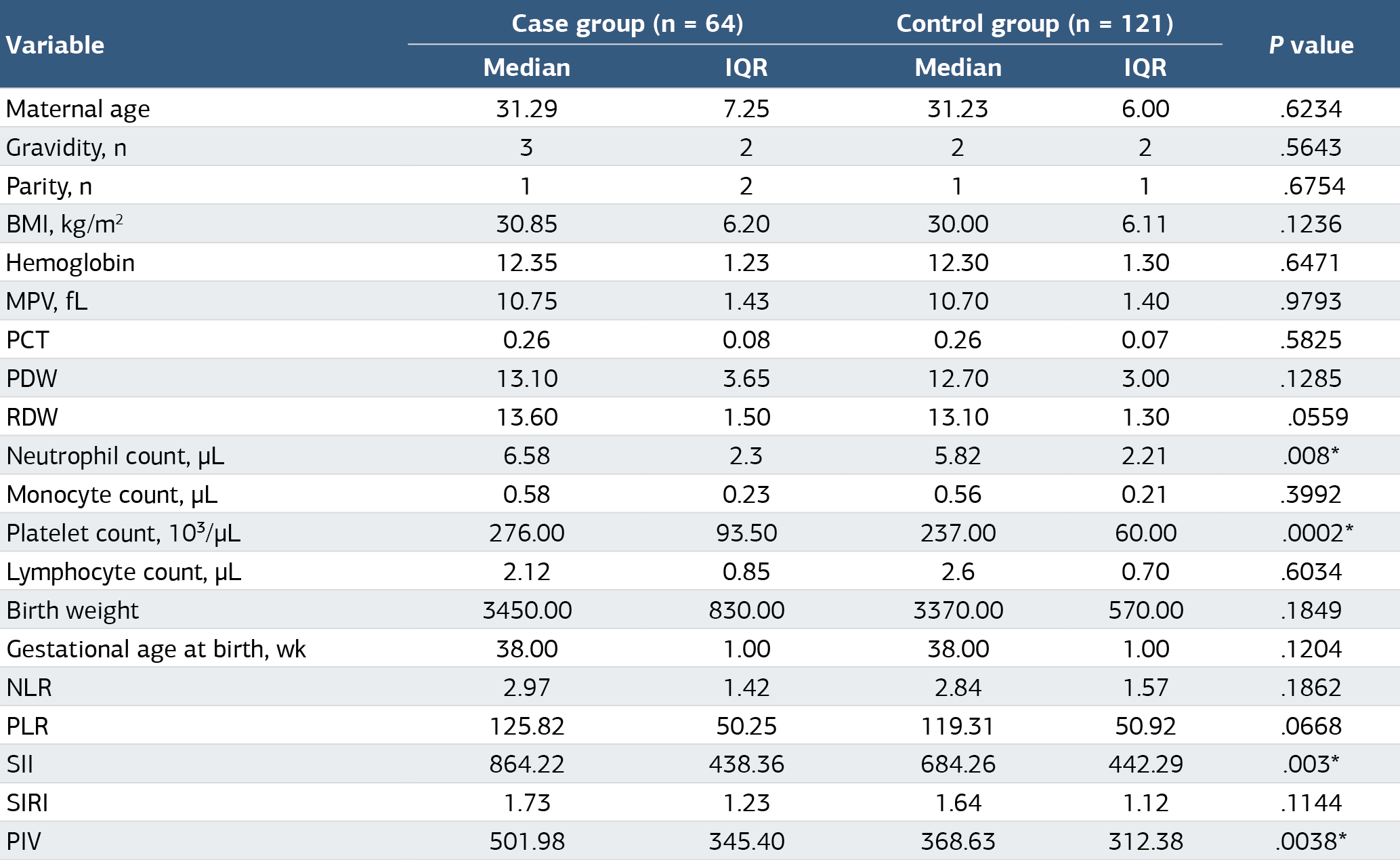
BMI: Body mass index, NLR: Neutrophile to lymphocyte ratio, SIRI: Systemic inflammation response index, SII: Systemic immune-inflammation index, PCT: Platecrit, PIV: Pan immuneinflammation value, PLR: Platelet to lymphocyte ratio; PDW: Platelet distribution width, RDW: Red cell distribution width, MPV: Mean platelet volume. *A significant p-value is
Table 2. ROC curve analysis to assess the performance of inflammatory parameters in Predicting Gestational Diabetes Mellitus

PIV: Pan immune-inflammation value., SII: Systemic immune-inflammation index, ROC: Receiver operating characteristic, AUC: Area under the curve. * A significant p-value is
Figures
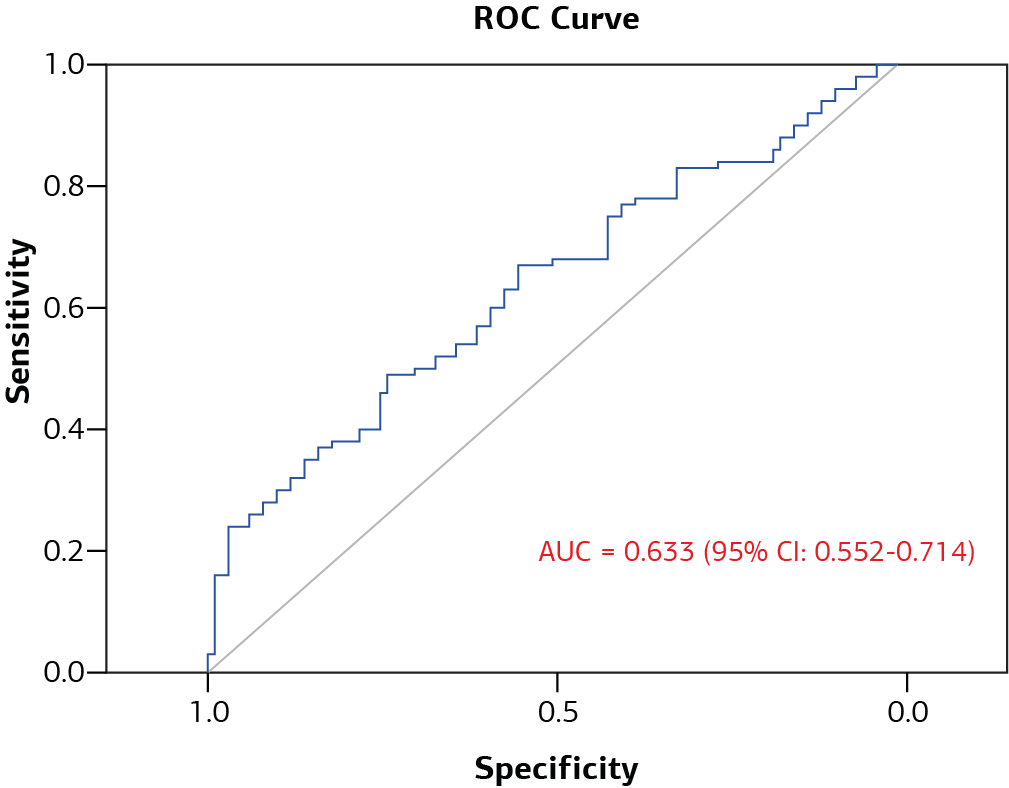
Figure 1. Receiver operating characteristic (ROC) curve for the Gestational Diabetes Mellitus (Source of the curve: Systemic immune-inflammation index (SII))
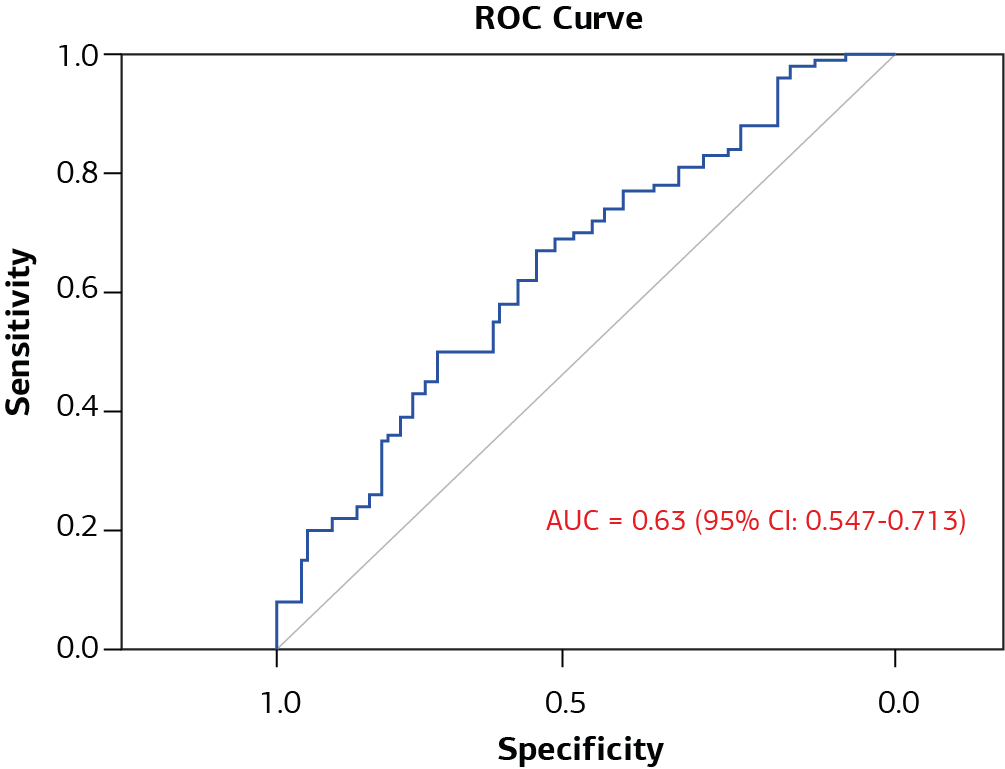
Figure 2. Receiver operating characteristic (ROC) curve for the Gestational Diabetes Mellitus (Source of the curve: Pan immune-inflammation value (PIV))
Additional Information
Publisher’s Note
Bayrakol MP remains neutral with regard to jurisdictional and institutional claims.
Rights and Permissions

This work is licensed under a Creative Commons Attribution-NonCommercial 4.0 International License (CC BY-NC 4.0). To view a copy of the license, visit https://creativecommons.org/licenses/by-nc/4.0/
About This Article
How to Cite This Article
Nihal Çallıoğlu, İlke Özer Arslan. The predictive role of first-trimester pan-immune-inflammation value ingestational diabetes mellitus. doi:10.4328/ACAM.22590
Publication History
- Received:
- 31.01.2025
- Accepted:
- 04.03.2025
- Published Online:
- 11.03.2025
- Printed:
- 25.03.2025