
Abstract
AimThis study investigates the impact of cast color on depression, anxiety, and quality of life (QoL) in children with forearm fractures. We hypothesize that colored casts may reduce depression and improve QoL during treatment, enhancing overall well-being.MethodsA total of 202 children, aged 8 to 14, were randomly divided into two groups: non-colored (white) and colored (pink or blue). Depression, anxiety, and QoL were assessed using the Pediatric Quality of Life Inventory (PedsQL), Children’s Depression Inventory (CDI), and the Screen for Child Anxiety Related Disorders (SCARED), respectively. Measurements were taken at baseline (pre-casting) and four weeks post-casting.ResultsChildren with colored casts exhibited significantly lower depression scores and higher QoL scores compared to those with white casts. Post-casting mean CDI scores were 10.63 (SD = 6.32) in the colored group and 15.76 (SD = 4.61) in the white group. Mean PedsQL scores post-casting were 52.59 (SD = 5.36) for the colored group and 49.84 (SD = 6.22) for the white group. However, there was no significant difference in SCARED anxiety scores between the groups.ConclusionColored casts significantly improve depression and QoL in children undergoing forearm fracture treatment, though anxiety levels remain unaffected. Allowing children to choose colored casts may enhance their psychological well-being and recovery experience. These findings emphasize the importance of incorporating patient-centered and enjoyable options in pediatric orthopaedic care to improve outcomes.
Keywords
Introduction
Extremity fractures are common injuries that occur in childhood due to reasons such as falls and traffic accidents.1-2 Anxiety, depression, and reduced quality of life are common issues among children facing medical procedures, particularly those involving pediatric fractures.3 The use of plaster casts is a standard treatment for such injuries, and the color of the plaster is often a matter of personal preference or simply a default option. However, the psychological effect of plaster color on the depression, anxiety, and quality of life (QoL) levels of pediatric patients has not been extensively studied.
In a recent study, Zomia et al.4 emphasized the need for psychotherapy to prevent depression and anxiety after orthopedic surgery in children and adolescents. This underscores the need for new approaches to address these issues across various settings, including the medical context. Furthermore, the COVID-19 pandemic has exacerbated rates of depression and anxiety in children, with depression affecting 1 in 4 children and youth and problematic anxiety affecting 1 in 5.5 Given the escalating mental health problems, there is a significant need for effective ways to improve anxiety and depression among school-age children. A recent study investigated a large group of patients who underwent orthopedic surgery and showed that the type of surgical procedure performed, especially spine surgeries, increased anxiety and depression in children.6
This study aims to investigate the impact of plaster color on the depression, QoL, and anxiety levels of children undergoing cast treatment for forearm fracture. We hypothesize that the choice of plaster color can play a significant role in reducing depression and anxiety and improving the overall well-being and QoL of pediatric patients during the cast treatment for forearm fracture. By addressing this understudied area, our research seeks to contribute to the growing body of knowledge on effective interventions to support children’s mental health in medical settings.
Materials and Methods
The study included 202 children aged 8 to 14 years old who were scheduled for long-arm cast treatment for non-surgical forearm fracture (the radius and/or ulna) in a trauma hospital. The participants were randomly divided into two groups according to the order of their application to the hospital, with the first group being non-colored (white) (n:102) and the second group being colored (pink or blue) (n:100) (Figure 1). All participants were first wrapped in a classic white plaster cast, and then, for the colored plaster group, a coban bandage was wrapped over the white plaster. In the group where we applied colored casts, blue casts were applied to men, and pink casts were applied to women. Patients who had previously received any psychiatric diagnosis, treatment, or use of medication were not included in the study.
The sample size was calculated using a power analysis to ensure the detection of a medium effect size with 80% power and a significance level of 0.05. To achieve a significant result with α = 0.05, 1−β = 0.801, and d = 0.93d, the required sample size is sufficient. However, the sample size used in your study (n1 = 102, n2 = 100) is much larger than this requirement, indicating that the study has a very robust design.
The materials used in this study included plaster casts in the two-color groups (white and blue or pink group), the Children’s Depression Inventory (CDI).7 and the Screen for Child Anxiety Related Disorders (SCARED).8 The CDI and SCARED are well-established, validated measures of depression and anxiety in children, respectively.
This study employed a randomized controlled trial design to compare the depression and anxiety levels of children assigned to different cast colors. The independent variable was the color of the plaster cast (white, blue, pink), and the dependent variables were the CDI and SCARED scores.
Upon being admitted to the hospital, participants were randomly allocated to one of two groups based on plaster color. After plaster application, participants completed the CDI and SCARED to assess their depression and anxiety levels. The CDI and SCARED were administered pre-casting and post-casting to evaluate the effectiveness of the cast color on depression and anxiety scores.Ethical ApprovalThis study was approved by the Ethics Committee of Gazi Yaşargil Training and Research Hospital (Date: 30.09.2022, Decision No:183).Statistical AnalysisA one-way between-subjects analysis of variance (ANOVA) was employed to compare CDI and SCARED scores across the two cast color groups. Tukey’s HSD test was used for posthoc comparisons to identify significant differences between the groups. A significance level of 0.05 was applied for all statistical analyses.
This research received approval from the local institutional review board, and informed consent was collected from all participants and their legal guardians. Participants were made aware that they could leave the study at any point without any repercussions. All data were kept confidential and securely stored.Reporting GuidelinesThis study was reported in accordance with the CONSORT guideline.
Results
This study investigated the effect of cast color on depression, anxiety, and quality of life (QoL) scores in children undergoing surgery for forearm fracture. A total of 202 children, aged 8 to 14, were randomly divided into two groups according to the order of their application to the hospital, with the first group being non-colored (white) and the second group being colored (pink or blue) (Table 1). The primary outcomes measured were changes in depression (assessed using the Children’s Depression Inventory - CDI), anxiety (assessed using the Screen for Child Anxiety Related Disorders - SCARED), and QoL (assessed using the Pediatric Quality of Life Inventory - PedsQL) from baseline (pre-surgery) to post-surgery (4 weeks follow-up).Depression ScoresDepression was evaluated using the Children’s Depression Inventory (CDI). The results showed a significant effect of cast color on depression scores. Children with colored cast had significantly lower depression scores after cast application compared to those with white cast. The mean post-cast application CDI scores for the colored cast group were 10.63 (SD = 6.32), while the mean white cast group was 15.76 (SD = 4.61). An independent samples t-test revealed a significant difference between the groups (p<0.001), indicating that colorful casts were associated with lower depression scores (Table 2).Anxiety ScoresAnxiety levels were measured using the Screen for Child Anxiety Related Disorders (SCARED). The analysis revealed no significant difference in anxiety scores between the two cast color groups. The mean SCARED scores for the colored cast group were 19.41 (SD = 9.26), and for the white cast group, it was 18.39 (SD = 11.04). An independent samples t-test indicated no significant effect of cast color on anxiety scores (p=0.343) (Table 2).Quality of Life ScoresThe Pediatric Quality of Life Inventory (PedsQL) was used to evaluate the quality of life. The findings indicated a significant improvement in QoL scores for children with colored cast compared to those with white plasters. The mean post-cast application PedsQL scores for the colored cast group were 52.59 (SD = 5.36), while the mean increase for the white cast group was 49.84 (SD = 6.22). An independent samples t-test indicated a significant difference between the groups (p=0.025), implying that colorful casts were linked to higher QoL scores (Table 2).
Discussion
This study aimed to investigate the impact of cast color on depression, anxiety, and quality of life (QoL) in children undergoing long-arm cast treatment for forearm fracture. The findings revealed that the color of the cast may affect depression and QoL scores but does not significantly influence anxiety scores. These findings carry significant implications for pediatric care and the psychological management of children with forearm fractures.
The lower depression scores among children with colored casts, as measured by the Children’s Depression Inventory (CDI), suggest that aesthetic elements play a crucial role in emotional recovery. The use of bright, engaging colors likely provides a positive distraction and helps enhance the mood of young patients. This aligns with color psychology principles, which indicate that certain colors can improve mood and emotional well-being. For instance, colors like blue and pink are often associated with calmness and happiness, respectively, which may contribute to the observed reduction in depression. Allowing children to choose their plaster color might also give them a sense of control and personal agency, further contributing to their emotional well-being.
This finding suggests that incorporating funny or colorful preferences into medical interventions for pediatric patients can have a positive impact on their mental health during the treatment of forearm fracture. The relationship between color and emotion has been a topic of interest in various fields, including psychology and art therapy. Color is often used as a means of expression and communication, and it has been suggested that certain colors can evoke specific emotional responses.5 In the context of this study, allowing children to choose the color of their cast may have provided them with a sense of control and autonomy, which could have contributed to the observed reduction in depression and anxiety levels.
The current study aligns with previous research that has highlighted the importance of addressing mental health in pediatric patients undergoing medical procedures. For example, emphasized the need for school-based interventions to prevent depression and anxiety in children and young people, further emphasizing the need for effective interventions to support children’s mental health.9 The potential of virtual reality (VR) to alleviate anxiety in children within the plaster room has been investigated,10 suggesting that innovative interventions can play a role in managing anxiety and pain perception during medical procedures.
Kang et al. found that depression and anxiety decreased in patients who received psychological support, treatments that emphasized healing, and psychological support during the liberation period after surgery due to orthopedic injury.11 In their study, Duramaz et al.12 found higher rates of attention deficit hyperactivity disorder, anxiety, and depression in patients who had a pediatric fracture compared to those who did not, and they stated that necessary psychiatric precautions should be taken in these children due to the risk of refracture. Our study adds to this body of knowledge by demonstrating that the choice of cast color can be an effective intervention for reducing depression and anxiety in children undergoing surgery for forearm fracture. Future investigations could examine the enduring impacts of cast color choice on children’s depression and anxiety levels and investigate the potential benefits of incorporating color preferences into other medical interventions for pediatric patients.
The improvement in QoL scores, assessed using the Pediatric Quality of Life Inventory (PedsQL),13 indicates that colored long-arm casts positively influence various aspects of children’s lives during recovery. Children with colored plasters reported better physical, emotional, social, and school functioning compared to those with white plasters. This enhancement in QoL could be due to the positive psychological impact of having a colorful and personalized cast, which might boost self-esteem and social interaction. The ability to choose their cast color can empower children, making them feel more involved in their treatment process and improving their overall recovery experience.
The lack of a significant difference in anxiety scores, as measured by the Screen for Child Anxiety Related Disorders (SCARED), between the colored and white plaster groups suggests that the visual appeal of the plaster does not alleviate anxiety related to the treatment process. Anxiety in children undergoing treatment process may be driven more by factors such as fear of the procedure, pain, and separation from parents, which are not directly mitigated by the color of the cast. This finding highlights the need for targeted interventions to address anxiety, such as psychological support, counseling, and effective pain management strategies, which could complement the positive effects of colored casts on depression and QoL. Burkhart et al.14 In their study, they stated that the use of physical and technology-based distraction tools during patient procedures in the plaster room played an important role in increasing patient satisfaction and reducing depression. In our study, we found that the use of colored plaster reduces depressive symptoms after the procedure, as it attracts attention, especially among family and friends, and acts as a positive indicator instead of fear. Therefore, we think that the use of psychologically effective tools in such childhood treatments improves patient outcomes.
The results of this study suggest that healthcare providers should consider offering colored cast options as a simple, funny, and cost-effective intervention to improve the psychological well-being and QoL of pediatric patients. This approach can be easily implemented in clinical settings and has the potential to significantly enhance the recovery experience for children undergoing long-arm cast treatment for forearm fracture. By addressing both the physical and emotional needs of young patients, healthcare providers can offer more holistic and effective care. The results of this study indicate that the choice of cast color does indeed have a significant impact on the depression, anxiety, and QoL scores of children undergoing long-arm cast treatment for forearm fracture. Specifically, children who were allowed to choose the color of their cast exhibited lower depression and anxiety levels and higher QoL scores compared to those who were assigned a random color. This finding suggests that incorporating color preferences into medical interventions for pediatric patients can have a positive impact on their mental health during the treatment process.
These findings contribute to the growing body of knowledge on effective interventions to support children’s mental health in medical settings. By allowing children to choose the color of their cast, healthcare professionals can provide a simple yet effective means of reducing depression and anxiety and improving the overall experience and well-being of young patients undergoing long-arm cast treatment for forearm fracture. Future research should explore the long-term effects of cast color choice on children’s depression, anxiety, and QoL levels and investigate the potential benefits of incorporating color preferences into other medical interventions for pediatric patients. Additionally, further investigation is needed to determine the factors that affect postoperative anxiety, depression, and quality of life among children who undergo medical procedures.
Limitations
This study is subject to several limitations, including a relatively small sample size that may restrict the generalizability of findings. Moreover, the study did not delve into the extended psychological effects of cast color beyond the initial four-week follow-up period. Subsequent research should endeavor to replicate these results across larger and more diverse populations while also exploring the enduring psychological implications of colored casts. Further studies could also explore which specific colors are most effective in reducing depression and enhancing QoL, as well as the mechanisms underlying these effects.
Conclusion
In conclusion, the color of plaster casts significantly affects depression and QoL in children undergoing cast treatment for forearm fracture but does not significantly impact anxiety levels. Providing children the option to choose a colored cast can enhance their psychological well-being and overall quality of life during recovery. These findings support the inclusion of children in the premedication process and integration of funny choices in pediatric orthopedic care to improve patient outcomes.
Abbreviations
ANOVA: Analysis of variance
CDI: Children’s Depression Inventory
CONSORT: Consolidated Standards of Reporting Trials
PedsQL: Pediatric Quality of Life Inventory
QoL: Quality of life
SCARED: Screen for Child Anxiety Related Disorders
SD: Standard deviation
References
- Caruso G, Caldari E, Sturla FD, et al. Management of pediatric forearm fractures: what is the best therapeutic choice? A narrative review of the literature. Musculoskelet Surg. 2021;105(3):225-234. doi:10.1007/s12306-020-00684-6
- Lee A, Colen DL, Fox JP, Chang B, Lin IC. Pediatric hand and upper extremity injuries presenting to emergency departments in the United States: epidemiology and health care–associated costs. Hand (N Y). 2021;16(4):519-527. doi:10.1177/1558944719866884
- Stoddard FJ, Saxe G, Mk D. Ten-year research review of physical injuries. J Am Acad Child Adolesc Psychiatry. 2001;40(10):1128-1145. doi:10.1097/00004583-200110000-00007
- Al Zomia AS, Alqarni MM, Alaskari AA, et al. Child anxiety, depression, and post-traumatic stress disorder following orthopedic trauma. Cureus. 2023;15(7). doi:10.7759/cureus.42140
- Wong LP, Alias H, Md Fuzi AA, et al. Escalating progression of mental health disorders during the COVID-19 pandemic: evidence from a nationwide survey. PLoS One. 2021;16(3). doi:10.1371/journal.pone.0248916
- Catanzano AA, Bastrom TP, Bartley CE, Yaszay B, Upasani VV, Newton PO. Depression screening in pediatric orthopedic surgery clinics and identifying patients at risk. J Pediatr Orthop. 2024;44(4):291-296. doi:10.1097/bpo.0000000000002635
- Kovacs M. Children’s Depression Inventory. In: The Encyclopedia of Clinical Psychology. Wiley; 2015:1-5.
- De Silva S, Seneviratne S, Samaranayake D. Screen for Child Anxiety Related Disorders–Child version: validity and reliability assessment among children aged 13-15 years. J Coll Community Physicians Sri Lanka. 2022;28(2):583. doi:10.4038/jccpsl.v28i2.8539
- Caldwell DM, Davies SR, Hetrick SE, et al. School-based interventions to prevent anxiety and depression in children and young people: a systematic review and network meta-analysis. Lancet Psychiatry. 2019;6(12):1011-1020. doi:10.1016/s2215-0366(19)30403-1
- Shepherd K, Shanmugharaj Y, Kattan O, Kokkinakis M. Can virtual reality headsets be used safely as a distraction method for paediatric orthopaedic patients? A feasibility study. Ann R Coll Surg Engl. 2022;104(2):144-147. doi:10.1308/rcsann.2021.0144
- Kang KK, Ciminero ML, Parry JA, Mauffrey C. The psychological effects of musculoskeletal trauma. J Am Acad Orthop Surg. 2021;29(7). doi:10.5435/jaaos-d-20-00637
- Duramaz A, Yilmaz S, Ziroğlu N, Bursal Duramaz B, Bayram B, Kara T. The role of psychiatric status on pediatric extremity fractures: a prospective analysis. Eur J Trauma Emerg Surg. 2019;45(6):989-994. doi:10.1007/s00068-018-0955-2
- Varni JW, Seid M, Rode CA. The PedsQL: measurement model for the Pediatric Quality of Life Inventory. Med Care. 1999;37(2):126-139. doi:10.1097/00005650-199902000-00003
- Burkhart RJ, Hecht CJ, McNassor R, Mistovich RJ. Interventions to reduce pediatric anxiety during orthopaedic cast room procedures. JBJS Rev. 2023;11(2):100-108. doi:10.2106/jbjs.rvw.22.00181
Tables
Table 1. Socioeconomic variables
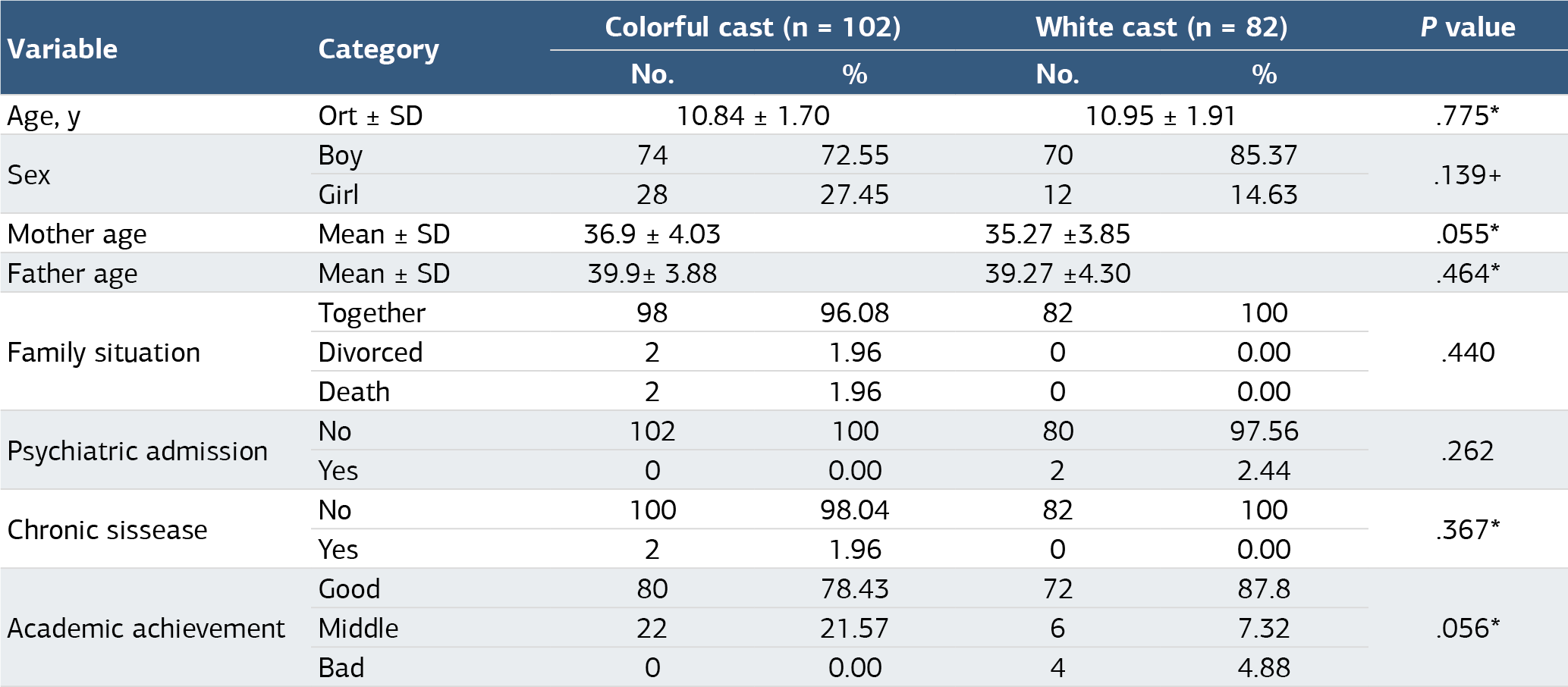
Table 2. Depression, anxiety and QoL Scores
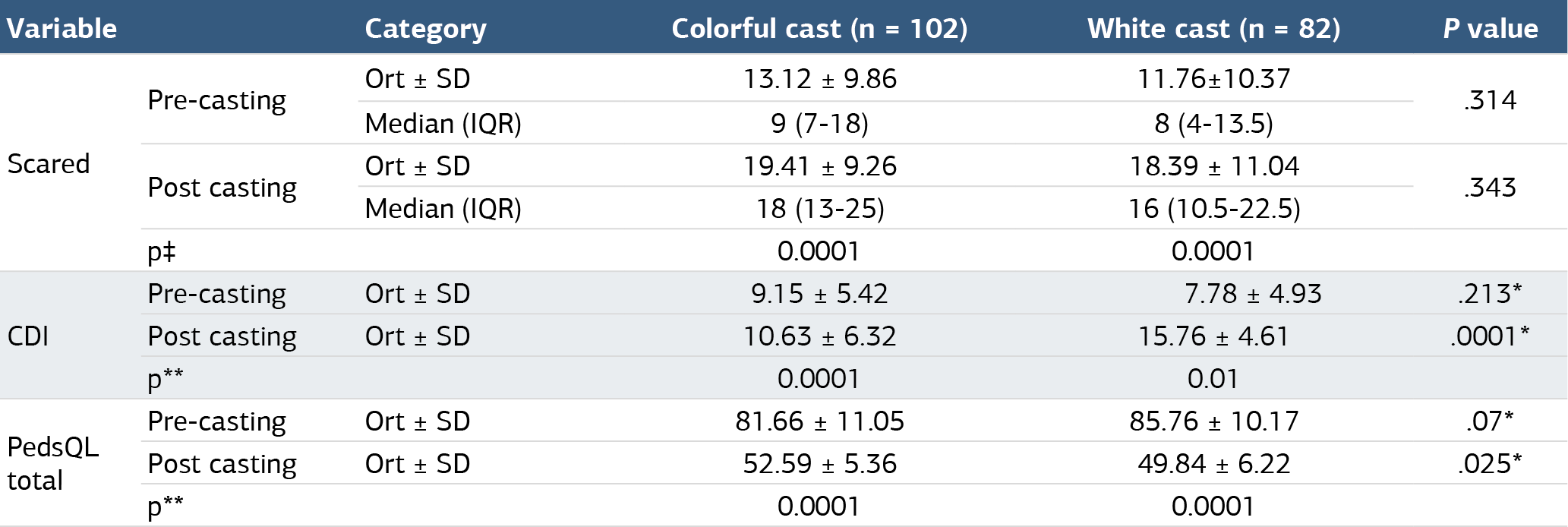
*Independent t test **Paired t test †Mann Whitney U test ‡Wilcoxon test.
Figures
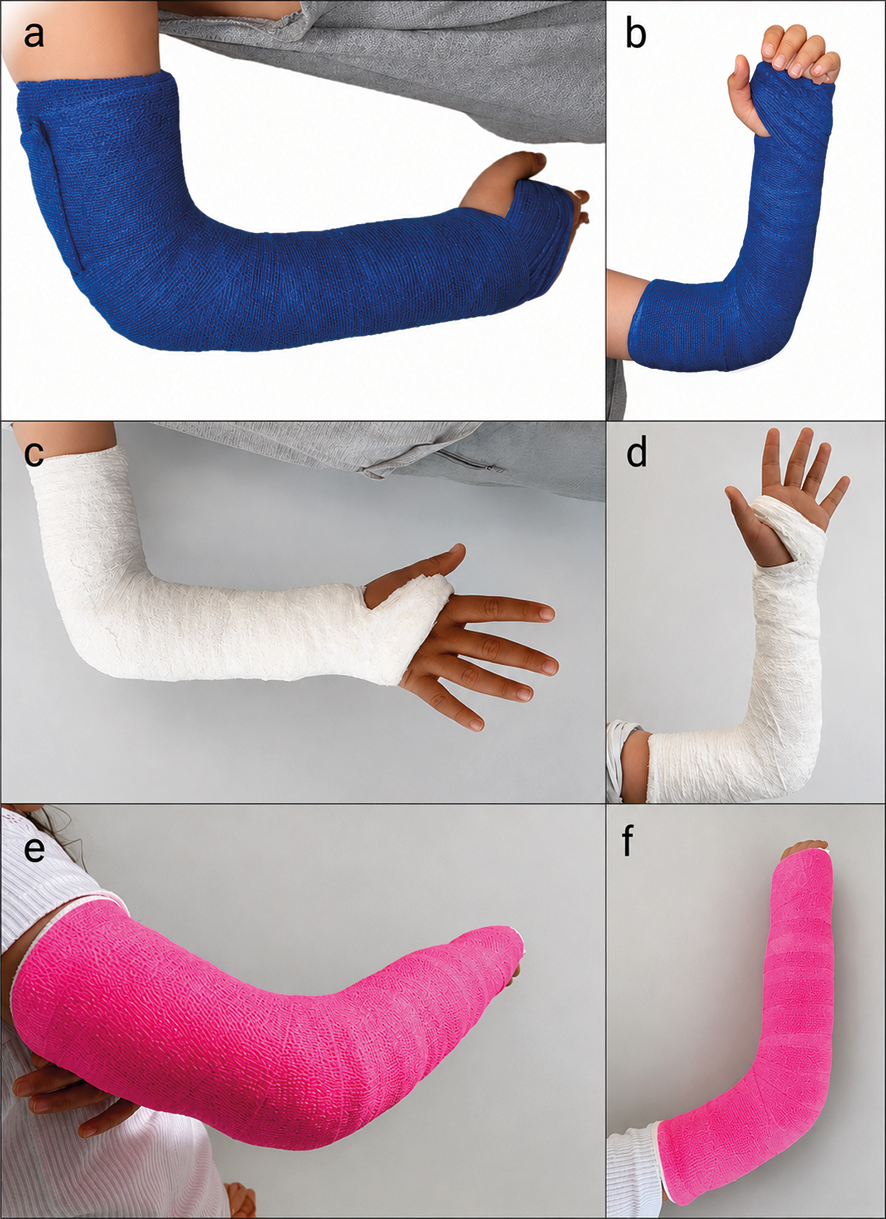
Figure 1. Representative long-arm cast colors used in the study
(A, B) Blue-colored cast; (C, D) White-colored cast; (E, F) Pink-colored cast.
Additional Information
Publisher’s Note
Bayrakol MP remains neutral with regard to jurisdictional and institutional claims.
Rights and Permissions

This work is licensed under a Creative Commons Attribution-NonCommercial 4.0 International License (CC BY-NC 4.0). To view a copy of the license, visit https://creativecommons.org/licenses/by-nc/4.0/
About This Article
How to Cite This Article
Mesut Karıksız, Veysi Ceri. Effect of coloring the long-arm cast on depression, anxiety, and quality of life in children treated with a cast for forearm fractures. doi:10.4328/ACAM.22596
Publication History
- Received:
- 06.02.2025
- Accepted:
- 10.03.2025
- Published Online:
- 20.03.2025
- Printed:
- 25.03.2025