
Abstract
IntroductionBilateral adrenal Burkitt’s lymphoma is sporadic, especially in children. Its prognosis is generally poor in adults, and there is limited data on the pediatric population.Case PresentationWe report on the case of a 7-year-old boy who presented with abdominal pain and weight loss. Imaging revealed many lymph nodes around the abdominal aorta, bilateral masses in the adrenal gland, and invading adjacent organs. LDH and acid uric in plasma are moderately elevated. We performed an ultrasound-guided needle core biopsy on his right adrenal gland. Histopathology and immunohistochemistry revealed Burkitt’s lymphoma. His staging assessment was stage III. He had been successfully treated with the LMB96 protocol group B, including chemotherapy, residual bilateral adrenal tumor resection, and hormonal replacement.ConclusionThis successful treatment may contribute to current literature about the standard management.
Keywords
Introduction
Burkitt’s lymphoma (BL) is a highly aggressive B-cell nonHodgkin lymphoma that typically presents as rapidly growing tumor masses in the abdomen (distal ileum, stomach, cecum, mesentery, and kidney), lymph nodes, jaw or facial bones, and other sites in the lymphatic system. However, primary adrenal lymphoma (PAL) is extremely rare and accounts for <1% of all non-Hodgkin lymphoma cases in adults, with only sparse reports in children.1
The most common etiology of bilateral adrenal masses is pheochromocytoma, followed by tuberculosis, PAL, metastases, non-functioning adenoma, and others.2,3 Bilateral PAL accounts for 75% of PAL cases, and 61% have adrenal insufficiency.4 Most patients with adrenal lymphoma are male, and the pathology is diffuse large B-cell non-Hodgkin lymphoma. Clinical manifestations are typically nonspecific and may include abdominal pain, fever, or symptoms of adrenal insufficiency. Imaging often reveals large bilateral adrenal tumors, with an average diameter of around 8 cm in most cases. Prognosis for bilateral PAL has generally been poor in the literature, with early mortality often occurring during chemotherapy. There is currently no standardized treatment of such cases, and management approaches vary mainly as a combination of chemotherapy and surgical resection. Hence, we herein report the successful treatment of a case of bilateral PAL with the LMB96 protocol and hormonal replacement. It aims to enrich the current literature on non-Hodgkin lymphoma in pediatrics and highlights the need for more literature reviews in determining the optimal treatment in such cases.
Case Presentation
A seven-year-old boy in good physical health was referred to the Vietnam National Children’s Hospital on March 1, 2023, with complaints of a two-month history of significant weight loss and abdominal pain. His medical and family history was unremarkable. Clinical examination detected a palpable mass in the abdomen, but no signs of lymphadenopathy or hypertension. Laboratory investigations revealed elevated lactate dehydrogenase (LDH) concentration and acid uric levels. However, there were no signs of tumor lysis syndrome with normal levels of calcium, phosphate, potassium, and renal function (Table 1).
CT scan with intravenous contrast was performed and revealed many para-aortic enlarged lymph nodes and bilateral suprarenal hypodense well-defined masses with invasion into the liver and right kidney. The masses measured 120x82x104mm on the right and 96x78x84mm on the left, and both masses showed poor enhancement after intravenous contrast injection. Some small calcifications were within the tumors (Figure 1). The thoracic CT scan did not show any hilar or mediastinal lymphadenopathy. Bilateral adrenal hypodense masses with some small calcifications may suggest several differential diagnoses, including neuroblastoma, adenoma, pheochromocytomas, primary adrenal lymphoma, metastases, or bilateral macronodular adrenal hyperplasia.
Adrenal insufficiency and pheochromocytoma were excluded based on unremarkable medical history, and normal levels of all serum hormones, and urine catecholamine metabolites. Due to the imaging studies showing infiltrative growth of bilateral adrenal glands and lymphadenopathy, an ultrasound-guided needle core biopsy of the right adrenal gland was performed. Histopathological examination revealed Burkitt’s lymphoma, which had a sheet of intermediate-sized cells and a starry sky appearance. Immunohistochemistry examination of the tumor cells was strongly positive with CD20, Ki67 (Figure 2), LCA, CD79a, BCL6, CD10 (not shown) and negative for BCL2, CD3, TdT.
Staging assessment was done with normal bilateral bone marrow aspiration and no involvement of the central nervous system. FISH analysis was performed, and the result surprisingly showed an atypical signal pattern (gain 5’MYC), no MYC rearrangement (Figure 3). Based on these findings and in accordance with the Murphy staging system, the patient was finally diagnosed with stage III Burkitt’s lymphoma. The patient was treated with the FAB/LMB96 protocol, group B, arm B1, for a total of 6 cycles, including: COP, COPADM1, COPADM2, CYM1, CYM2, COPADM3. COP: IV Vincristine 1.0mg/m² D1; IV Cyclophosphamide 300mg/m² D1; po Prednisolone 60mg/m²/day D1 to D7; IT Methotrexate D1; COPADM1 and COPADM2: IV Vincristine 2.0mg/m² D1; IV Methotrexate 3000mg/m² D1; IV Cyclophosphamide 500mg/m² D2 to D4; IV Doxorubicin 60mg/m2 D2; po Prednisolone 60mg/m²/day D1 to D5; IT Methotrexate D2 and D6; CYM1 and CYM2: IV Methotrexate 3000mg/m² D1; Cytarabine 100mg/m² D2 to D6; IT Methotrexate D2 and D7; COPADM3: IV Vincristine 2.0mg/m² D1; IV Methotrexate 3000mg/m² D1; IV Cyclophosphamide 500mg/m² D2, D3; IV Doxorubicin 60mg/m² D2; po Prednisolone 60mg/m²/day D1 to D5; IT Methotrexate D2.
Treatment started with the COP regimen on March 13, 2023. The first evaluation on March 22, 2023, showed a significant decrease in the tumor size on both sides: 58x82x78mm on the right and 80x71x62mm on the left. Based on this response, the patient continued chemotherapy with COPADM1. A second assessment was done confirming a complete response, so we continued the chemotherapy regimen, with COPADM2 administered on April 22, 2023, and CYM1 administered on May 23, 2023. However, the third evaluation, following CYM1 on June 21, 2023, CT scan revealed a residual tumor in both adrenal glands. According to the protocol guideline, we operated to remove all the tumors in the bilateral adrenal glands on July 3, 2023. To prevent adrenal insufficiency, we actively prescribed hydrocortisone orally for the patient before, during, and after surgery. No remarkable complication was identified, and the patient recovered well. Histopathology showed near necrosis, with no residual tumor cells on both sides (Figure 2).
The patient received two additional cycles of chemotherapy, including CYM2 on July 11, 2023, and COPADM3 on August 11, 2023, along with oral hydrocortisone for hormonal replacement. During treatment, he experienced many complications, including three episodes of severe febrile neutropenia. We treated him by actively prescribing G-CSF and using antibiotics early based on fever and neutropenia guidelines. Furthermore, the patient faced acute kidney injury due to coordinating amphotericin B and vancomycin febrile neutropenia treatment. We immediately stopped these drugs and gave aggressive supportive care. He is currently recovered with normal organ function. The patient completed chemotherapy in September 2023 and has had regular follow-ups. He has had more than two years of stable disease and with continued hydrocortisone oral replacement. He is in the third year of primary school and healthy enough to play sports with his friends.Ethical ApprovalThis study was approved by the Ethics Committee of National Children’s Hospital (Date: 2023-10-20, No: 1984/BVNTUHDDD-2023-10).CARE StatementThis case report was prepared in accordance with the CARE guidelines.
Discussion
Primary adrenal lymphoma is most commonly seen in patients aged 60–69 years. It is rare in children, with few cases reported in pediatric literature. To our knowledge, it is the youngest case with bilateral adrenal Burkitt’s lymphoma. Males were more commonly affected than females (male/female: 1.8:1).4 The diagnosis of PAL is usually challenging because most of the symptoms are nonspecific. The duration of disease ranged from 2 weeks to 3 months, with a median duration of symptoms of one month. At the time of initial diagnosis, the most common presenting symptoms were B-symptoms, abdominal pain, and fatigue.4 Individuals may have adrenal insufficiency (AI), which occurs only after the adrenal glands have been destroyed by at least 90%.5 Vomiting, extreme fatigue, skin discoloration, and hypotension are all signs of adrenal insufficiency. In our case, the patient was a 7-year-old boy with a two-month history of significant weight loss and abdominal pain. Despite bilateral adrenal involvement, he exhibited no clinical signs or symptoms of adrenal insufficiency.
There is no lymphoid tissue in the human adrenal glands, and the exact pathogenesis of primary adrenal lymphoma remains unclear. Many factors have been implicated, including immune dysfunction, mutations in the p53 and c-kit genes, autoimmune-associated infections like Epstein-Barr virus and HIV infections. In children, neuroblastoma is the most common tumor in the adrenal gland, followed by adrenocortical carcinoma and pheochromocytoma. However, adrenocortical carcinoma and pheochromocytoma are typically hyper-vascular with substantial enhancement after intravenous injection. Primary adrenal lymphoma is less common than neuroblastoma, adrenocortical carcinoma, and pheochromocytoma. On CT scans, primary adrenal lymphoma is characteristically hypodense and poorly enhanced. At diagnosis, PAL masses are commonly large, ranging from 5–8 cm. PAL is not a hyper-vascular tumor with slight to moderate enhancement after intravenous injection. Calcification in lymphoma is rarely seen. In our case, the bilateral adrenal masses were large and poorly enhanced with some small calcifications. At first glance, we considered two possibilities: adrenocortical carcinoma or neuroblastoma infiltrating adjacent organs; however, the histopathology surprisingly confirmed Burkitt’s lymphoma. Notably, the patient’s LDH concentration increases dramatically, which is in accordance with data shown by Wang et al. (2020).6 More than 80% of PAL is diffuse large B-cell lymphoma, followed by natural killer (NK)/T-cell lymphoma and peripheral T-cell lymphoma. Bilateral Adrenal Burkitt lymphoma is extremely rare in both children and adults (accounting for 1.1% of all PAL cases). Immunohistochemical analysis revealed that the tumor cells were positive for BCL2 (92%), MYC (70.6%).6 Our patient’s pathology result was strongly positive for Ki67 (>90%), CD20 (+), BCL6, CD10, CD79a, BCL2 (-). Notably, the FISH analysis showed an atypical signal pattern, a gain of 5’MYC but no MYC amplification. Adult patients with 5’MYC gain showed MYC expression and were often refractory to chemotherapy.7 However, our patient had a good response to chemotherapy, possibly because we chose an aggressive regimen from the beginning.
The prognosis for PAL is poor, with more than 90% of patients dying within one year after the initial diagnosis. A systematic review of PAL indicated that the 3-, 6-, and 12-month survival rates of PAL were 67%, 46%, and 20%.4 Another study reported that the estimated 5-year and 10-year OS rates of PAL were 19.17% and 3.33%, respectively. Poor prognostic indicators include older age at diagnosis, large tumor size, adrenal insufficiency at presentation, and elevated LDH levels. Conversely, favorable outcomes are associated with a good initial response to chemotherapy and the patient’s ability to tolerate treatment.
There are several treatment modalities for the management of PAL which including chemotherapy, bilateral adrenalectomy, radiotherapy, and a combination of these approaches. The role of surgery is still controversial and has been associated with poor prognosis. Chemotherapy plays an important role in treatment, which helps increase overall survival and decrease the risk of death (P < .05).6 The frequently used protocol in adults is CHOP or R-CHOP. Chemotherapy with R-CHOP (rituximab, cyclophosphamide, doxorubicin, vincristine, and prednisone) is the widely recognized strategy for PAL. Studies have shown that compared to traditional CHOP regimens, R-CHOP regimens have higher complete response (76% vs. 56%, P < .005) and higher 2-year OS and PFS rates (57% vs. 38%, P < .001; 70% vs. 57%, P = .007, respectively).8 However, our department routinely uses FAB/LMB86 protocol for pediatric Burkitt’s lymphoma, which is why we treated him with chemotherapy, group B (oral prednisone, IV vincristine, cyclophosphamide, doxorubicin, methotrexate, and cranial prophylaxis with IT methotrexate and cytarabine) without rituximab. The third evaluation showed a residual tumor in both adrenal glands, so we operated to remove the tumor and treated the patient with hormonal replacement (hydrocortisone) accordingly. The patient is currently alive and continues to be monitored. He is now in third grade and enjoys good health, actively participating in sports with his friends. The difference between children and adults is intrathecal prophylaxis chemotherapy by methotrexate and cytarabine. 13% of patients with PAL had CNS relapse, and CNS involvement showed a negative impact on long-term prognosis.4 That is why CNS prophylaxis may be considered in patients with PAL.
Limitations
Due to limited resources country, we could not perform a PET/ CT scan at the time of diagnosis for staging assessment. In addition, our case focuses on the unusual disease, so it may be back in the ability to generalize the validity of the study, and publication bias.
Conclusion
In conclusion, we reported the successful treatment of a rare case with bilateral adrenal Burkitt lymphoma in a child with the FAB/LMB96 protocol, including chemotherapy, surgery, and hormonal therapy. Furthermore, it could contribute to current literature about standard management for such cases.
Declarations
Animal and Human Rights Statement
All procedures performed in this study were in accordance with the ethical standards of the institutional and/or national research committee and with the 1964 Helsinki Declaration and its later amendments or comparable ethical standards.
Informed Consent
Consent was obtained from his parent in this study.
Data Availability
The datasets used and/or analyzed during the current study are not publicly available due to patient privacy reasons but are available from the corresponding author on reasonable request.
Conflict of Interest
The authors declare that there is no conflict of interest.
Funding
None.
Abbreviations
CNS: Central nervous system
COP: Cyclophosphamide, vincristine, and prednisolone
COPADM: Cyclophosphamide, vincristine, prednisolone, doxorubicin, and methotrexate
CT: Computed tomography
CYM: Cytarabine and methotrexate
HE: Hematoxylin and eosin
IT: Intrathecal
IV: Intravenous
LDH: Lactate dehydrogenase
MYC: Myelocytomatosis oncogene
PAL: Primary adrenal lymphoma
References
- Mozos A, Ye H, Chuang WY, et al. Most primary adrenal lymphomas are diffuse large B-cell lymphomas with a non-germinal center B-cell phenotype, BCL6 gene rearrangement, and poor prognosis. Blood. 2009;114(5):937-951.
- Kumar R, Kapoor R, Mahajan A, et al. Bilateral adrenal masses in children: a single-center experience. Indian J Urol. 2016;32(2):106-110.
- Shah A, Bansal D, Marwaha RK, et al. Bilateral adrenal masses in children: a single-center experience. Indian J Pediatr. 2009;76(3):289-293.
- Kebudi R, Ayan I, Darendeliler E, et al. Primary adrenal lymphoma in children: a report of two cases and review of the literature. Pediatr Hematol Oncol. 2013;30(12):1144-1150.
- Goyal G, Shah MV, Hook CC, et al. Clinical features and outcomes of primary adrenal lymphoma: a Mayo Clinic study. Leuk Lymphoma. 2014;55(2):292-296.
- Zhou Y, Wang H, Li Y, et al. Primary adrenal lymphoma: a retrospective study of 18 cases. Endocr J. 2020;67(5):595-602.
- Matsuo T, Ichikawa T, Fujimoto H, et al. Primary adrenal lymphoma: a case report and literature review. Radiol Case Rep. 2023;18(2):272-275.
- Ichikawa T, Ohtomo K, Araki T, et al. Primary adrenal lymphoma: report of 4 cases and review of the literature. Radiology. 2002;222(3):733-737.
Figures
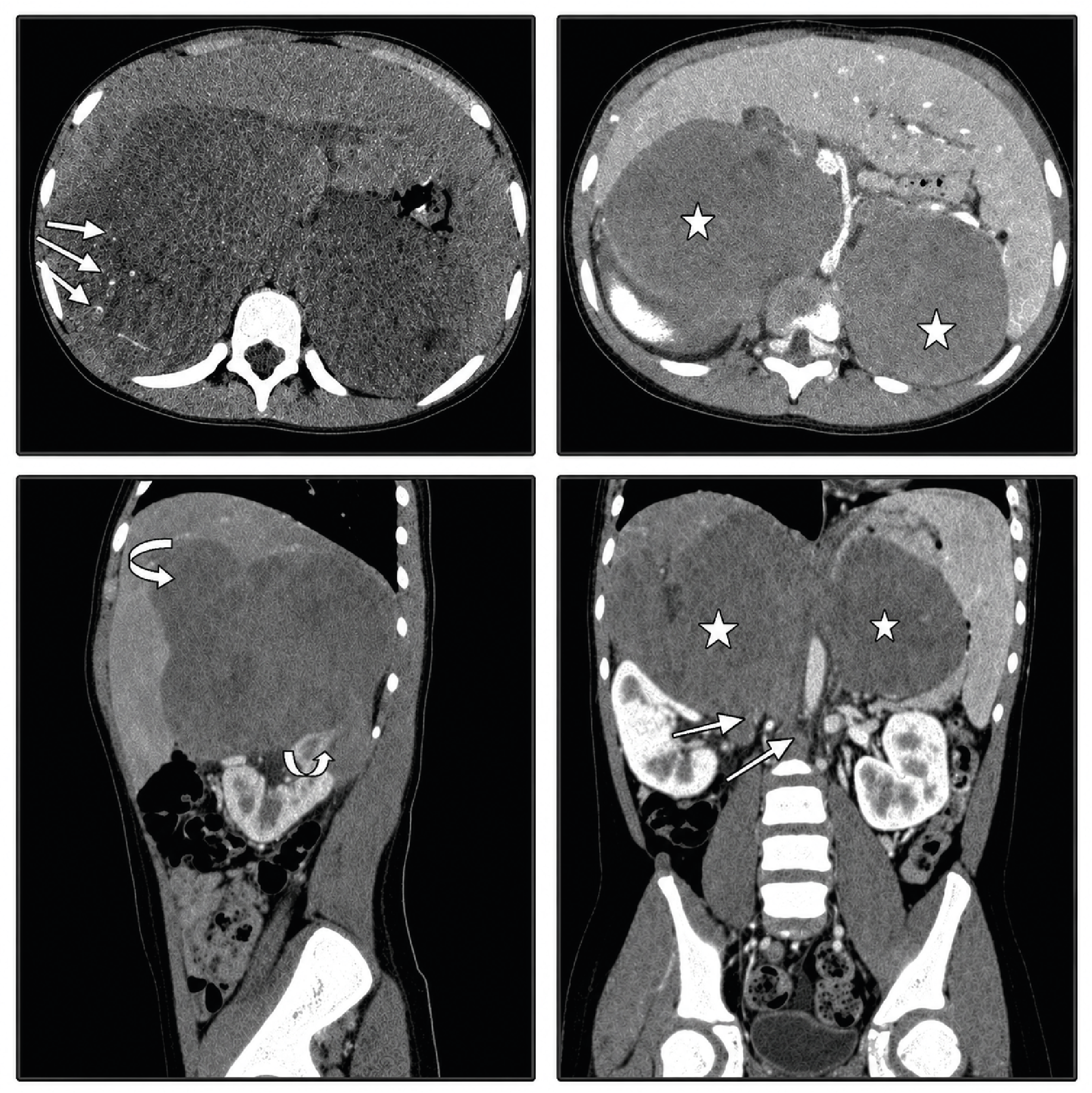
Figure 1. Abdominal CT scan with contrast
calcifications within the tumors (white arrow); enlarged para-aortic lymph nodes (black arrow); liver and kidney invasion (curved arrow); adrenal masses (star)
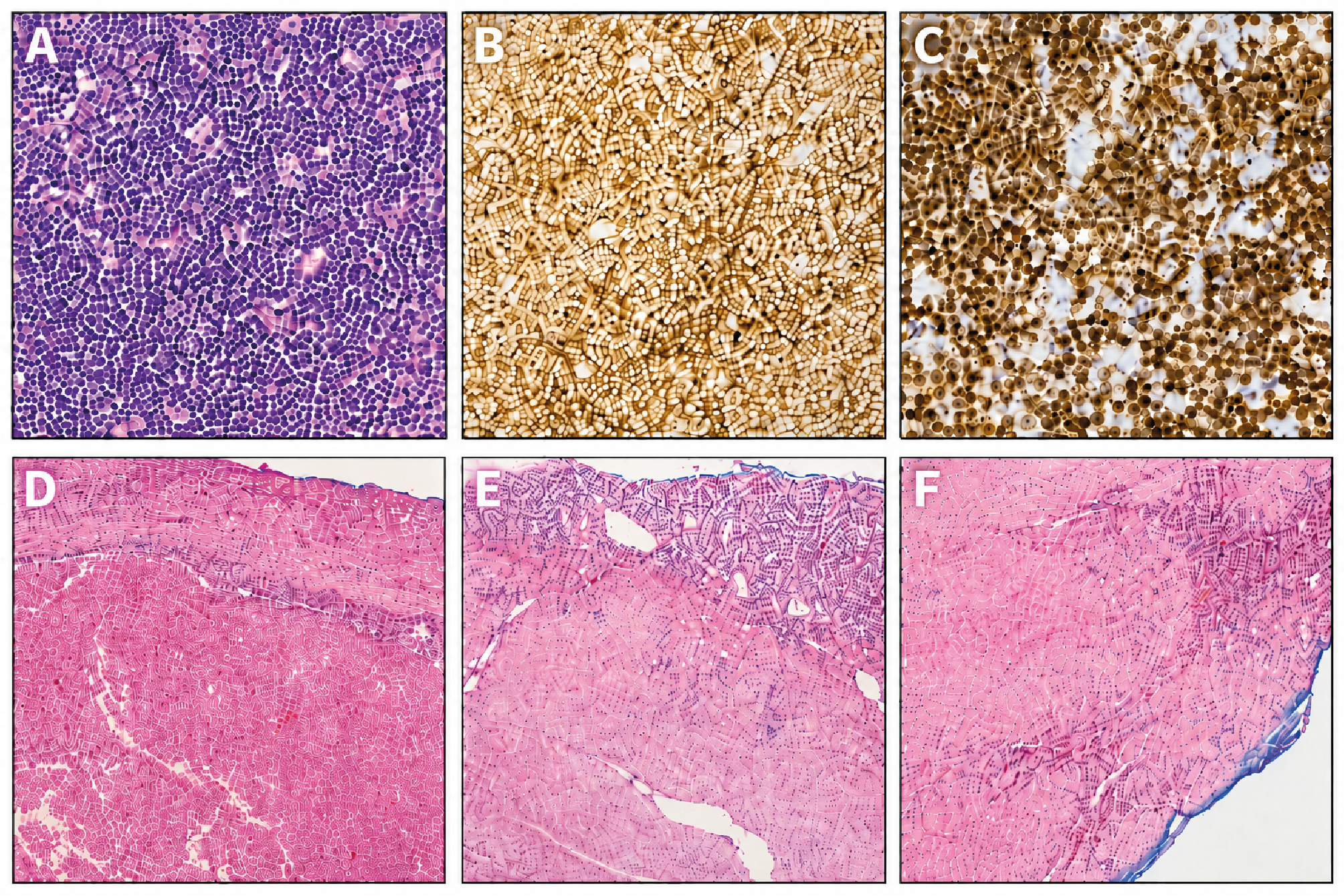
Figure 2. Histopathology and IHC at diagnosis (A, B, C) and after surgery (D, E, F)
(A) Monotonous intermediate size cells with typical starry sky appearance (HE 400x), (B) CD20 stain is strongly positive, (C) Ki67 positivity is approaching 100%,(D) Left adrenal biopsy, large diffuse necrotic areas without remaining tumor cells (HE 100x), (E) Necrosis (lower left) and adrenal gland tissue (right above) (HE 100x), (F) Right adrenal biopsy, necrotic changes with no feature of tumor (HE 100x).
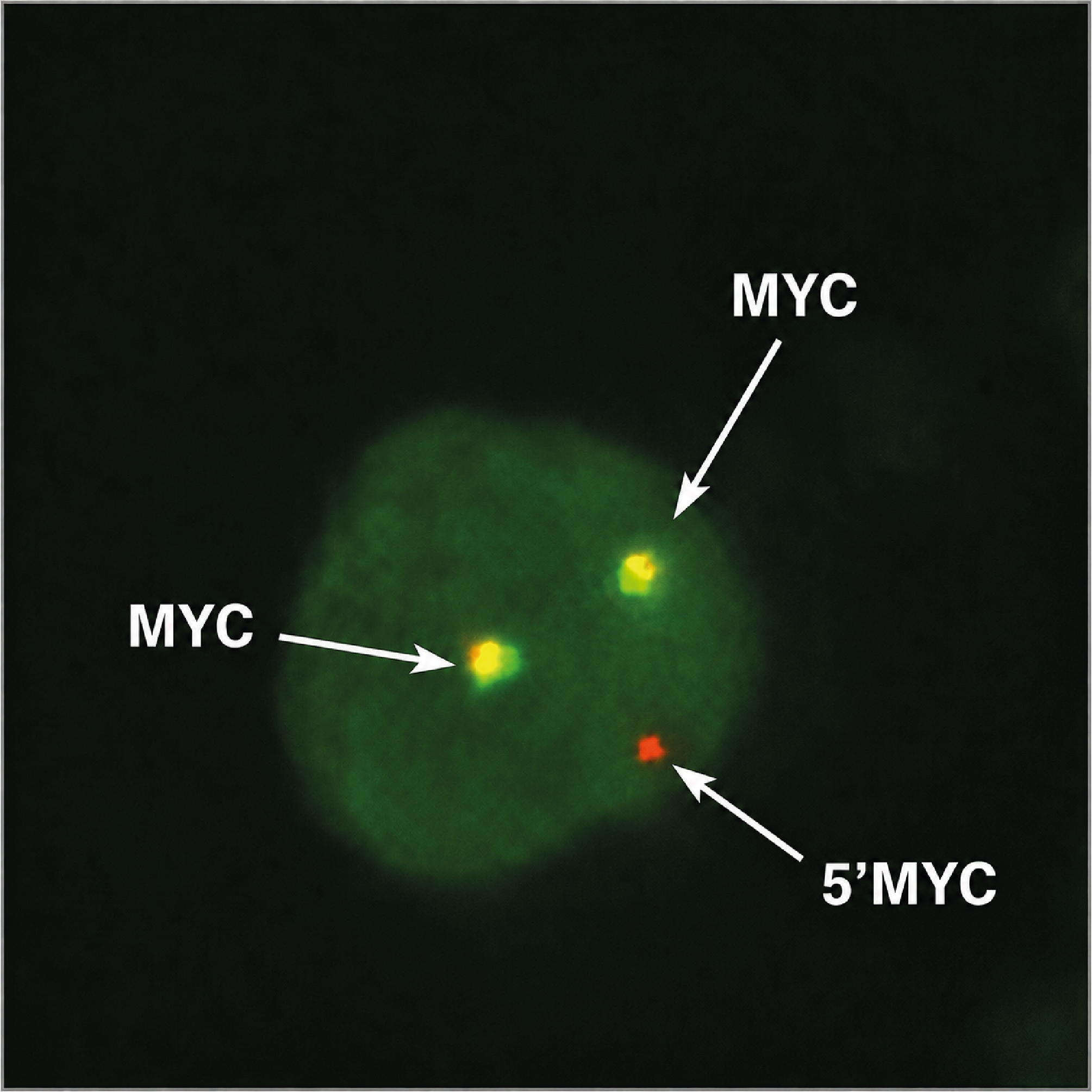
Figure 3. Gain 5’MYC on FISH test
Additional Information
Publisher’s Note
Bayrakol MP remains neutral with regard to jurisdictional and institutional claims.
Rights and Permissions

This work is licensed under a Creative Commons Attribution-NonCommercial 4.0 International License (CC BY-NC 4.0). To view a copy of the license, visit https://creativecommons.org/licenses/by-nc/4.0/
About This Article
How to Cite This Article
Lan Ngoc Bui, Ai Thi Tran, Thach Ngoc Hoang, Ngoc Thi Kim Le, Hoan Manh Vu, Anh Hoai Nguyen. Successful treatment of bilateral adrenal burkitt’s lymphoma in a child at Vietnam national children’s hospital: A Case Report. Ann Clin Anal Med 2025;16(Suppl 2):124-127. doi:10.4328/ACAM.22729
Publication History
- Received:
- 06.05.2025
- Accepted:
- 25.05.2025
- Published Online:
- 25.05.2025
- Printed:
- 25.05.2025