
Abstract
IntroductionMarsili syndrome is a rare congenital disorder characterized by markedly reduced pain perception with preserved tactile and proprioceptive functions. Altered nociception presents unique challenges for anesthetic management, particularly regarding analgesic dosing and intraoperative monitoring.Case PresentationA 17-year-old male with Marsili syndrome underwent surgical debridement of an infected leg prosthesis. Preoperative assessment revealed diminished pain and temperature sensation, lip atrophy, and a potentially difficult airway. General anesthesia was induced and maintained with propofol and remifentanil, guided by bispectral index (BIS) monitoring. The intraoperative course was uneventful, with stable hemodynamic parameters; no postoperative analgesia was required.ConclusionThis case demonstrates that safe anesthetic management in patients with Marsili syndrome can be achieved through individualized, carefully titrated anesthetic techniques and vigilant monitoring. Further clinical experience is required to establish standardized anesthetic guidelines for this rare condition.
Keywords
Introduction
Marsili syndrome, a rare congenital condition characterized by hypoalgesia, was first described by Balestrini et al.1 This syndrome is characterized by a markedly elevated pain threshold. Affected individuals may sustain serious injuries, such as burns and fractures, or develop infections without being aware of them. Remarkably, other sensory modalities, including tactile perception, thermal sensation, and proprioception, remain largely unaffected by this condition. A rare mutation in the zinc finger homeobox 2 (ZFHX2) gene has been associated with Marsili syndrome. This gene is thought to modulate neuronal transcription factors associated with the perception of pain.2
Marsili syndrome poses multiple challenges in the context of anesthetic practice. For these patients, traditional pain-based anesthetic and analgesic monitoring may prove ineffective. There may be few objective responses, such as hemodynamic changes, or subjective responses, such as patient-reported pain. Consequently, the necessity for analgesia may be obscured by the postoperative stress response, leading to either inadequate or excessive analgesic administration.3 Nonetheless, the inability to sense pain may result in surgical complications remaining undetected.
One of the most important characteristics of the condition is that motor and cognitive development may remain normal despite significantly impaired pain perception. Consequently, affected individuals may remain unaware of serious injuries. Impaired thermal awareness, insensitivity to high temperatures, susceptibility to dermal infections, and protracted healing post-trauma are supplementary findings that may constitute the clinical presentation. Patients must be meticulously assessed for all of these attributes during surgical interventions. This case report describes a young patient diagnosed with Marsili syndrome undergoing orthopedic surgery.
We present this case to raise awareness of the limited number of documented instances of anesthesia administration in individuals with this rare illness.
Case Presentation
An orthopedic clinic referred a 17-year-old male patient with Marsili syndrome to the anesthesiology department for debridement and cleansing due to an infection in his right leg prosthesis. The laboratory results and chest X-ray from the preoperative assessment were normal. The patient demonstrated mild cognitive impairment and was compliant and oriented during the physical assessment. Persistent chewing resulted in atrophy of the lower lip (Figures 1 and 2), and the dorsal surfaces and digits of both hands exhibited abnormalities (Figure 3). The patient’s pain and temperature sensations were markedly diminished; he reported having pain but could not identify its specific location. The tactile perception was preserved.
The sternomental distance was evaluated as 10 cm, and the Mallampati score was recorded as IV during the preoperative airway assessment. After the patient and his family were informed of the planned anesthetic technique and its associated risks, informed consent was obtained from the patient. The patient was monitored in the operating room using BIS, temperature assessment, and standard monitoring techniques (electrocardiography, non-invasive arterial pressure measurement, and pulse oximetry). The initial vital signs recorded were blood pressure 100/50 mmHg, heart rate 84 beats per minute, and SpO₂ 99%. In the case of a difficult airway, the necessary equipment was readily available. Intravenous midazolam (0.05 mg/kg) was administered as premedication. A size 4 laryngeal mask was subsequently positioned without difficulty following the administration of 3 mg/kg of propofol for induction. Propofol and remifentanil were administered to maintain the BIS value between 40 and 60 during anesthesia, using a gas mixture of 50% oxygen and 50% air.
The approximately one-hour surgical procedure was completed without complications. Infusions were terminated at the end of the surgery, and 100% oxygen was administered for ventilation. The laryngeal mask was removed without difficulty when the patient had a BIS score of 85 and was breathing spontaneously. During the postoperative phase, the patient did not require any supplementary analgesics.
Our manuscript is a single case report; therefore, formal ethics committee approval was not sought, as it does not constitute a case series or research involving multiple subjects. Informed consent for publication, including the use of clinical images, was obtained from the patient. To ensure patient confidentiality, identifying features in the photographs have been adequately anonymized.Ethical ApprovalEthical approval was not required.
This case report was prepared in accordance with the CARE guidelines.
Discussion
Individuals with Marsili syndrome, a rare congenital condition, have a significant reduction in their perception of pain. The literature has not sufficiently addressed the challenges this condition poses for anesthetic operations. The surgical stress response is not completely absent in individuals with Marsili syndrome, despite their absence of conscious pain awareness. The autonomic system may continue to elicit responses such as tachycardia, hypertension, and hormonal alterations.4 Individuals with congenital insensitivity to pain still require anesthesia; nevertheless, it necessitates meticulous analgesic planning to ensure intraoperative stability.5
The patient’s hemodynamic responses were stable when propofol and remifentanil were administered in conjunction with minimal to no opioids for anesthesia. This suggests that individuals with Marsili syndrome may find low-dose mixtures of opioids and non-opioids sufficient. Nonetheless, there exists a possibility of either excessive or insufficient analgesia if behavioral feedback regarding pain is unattainable. The lack of pain feedback may increase the likelihood of postoperative respiratory depression, especially with the administration of strong opioid dosages. Consequently, titration-based and multimodal analgesia methods are recommended for these individuals.6
The patient in our case exhibited facial deformities resulting from lip atrophy, posing a risk of a difficult airway and difficult intubation; thus, it is essential to prepare for a difficult airway with readily available equipment.
The absence of pain indicators in these patients throughout the postoperative period may result in possible issues remaining undetected. Patients may fail to disclose an infected surgical wound or one compromised by a hematoma due to the absence of pain. Consequently, it is imperative to closely monitor these patients through clinical examination, visual inspection, and laboratory testing (such as CRP and leukocyte count).
Marsili syndrome has been associated with issues related to perspiration and insensitivity to cold.1 Body temperature was monitored throughout the intraoperative period. In this case, thermal dissipation was reduced during the procedure, and the patient’s temperature was closely monitored. Each patient must have their temperature regulation, cardiac stability, and fluid-electrolyte balance evaluated separately, as numerous congenital hypoalgesia illnesses are linked to autonomic dysfunctions.
Effective analgesia relies on an objective evaluation of the body’s nociceptive responses, even in the absence of pain perception or of the ability to elicit a subjective response. The NOL (Nociception Level) device may objectively assess physiological indicators to ascertain the presence and intensity of nociception in patients, independent of their subjective pain perception. The efficacy of the NOL index in evaluating intraoperative nociceptive activity in adult and pediatric patients has been substantiated in the literature.7
Due to the absence of the necessary equipment in our clinic, we were unable to utilize it for this patient. There is a scarcity of material regarding the application of anesthesia in individuals with Marsili syndrome, namely HSAN type IV or V, for which supplementary information exists. This case report demonstrates that an individual with Marsili syndrome can undergo anesthesia safely and be treated satisfactorily. It is clear, however, that personalized anesthetic treatments should replace traditional methods for these individuals.
Limitations
This case report provides important insights into the anesthetic management of a patient with Marsili syndrome; however, its findings are limited by the study's single-patient design. The absence of advanced nociception monitoring tools, such as the NOL index, may have hindered accurate assessment of intraoperative analgesic needs. Additionally, the lack of standardized anesthetic protocols for this rare condition necessitated an individualized approach, which may not be applicable to all similar cases.
Conclusion
Although patients with Marsili syndrome lack subjective pain perception, their anesthetic management requires a distinct approach compared to conventional protocols. This case highlights that, with careful preoperative planning and vigilant intraoperative monitoring, individualized, titration-based, and multimodal anesthesia strategies can be applied both safely and effectively. Nonetheless, due to the rarity of this condition, further comprehensive case series and systematic studies are essential to establish evidence-based anesthetic guidelines for this unique patient population.
Declarations
Animal and Human Rights Statement
All procedures performed in this study were in accordance with the ethical standards of the institutional and/or national research committee and with the 1964 Declaration of Helsinki and its later amendments, or comparable ethical standards.
Informed Consent
Written informed consent for publication was obtained from the patient.
Data Availability
The datasets used and/or analyzed during the current study are not publicly available due to patient privacy reasons but are available from the corresponding author on reasonable request.
Conflict of Interest
The authors declare no conflict of interest.
Funding
None.
Author Contributions (CRediT Taxonomy)
Conceptualization: C.N.D.S., A.A.
Methodology: C.N.D.S., A.A.
Investigation: C.N.D.S.
Data Curation: C.N.D.S.
Formal Analysis: C.N.D.S., A.A.
Writing – Original Draft: C.N.D.S.
Writing – Review & Editing: A.A.
Supervision: A.A.
AI Usage Disclosure
The authors declare that no AI-assisted technologies were used.
Abbreviations
BIS: Bispectral index
CRP: C-reactive protein
NOL: Nociception level
ZFHX2: Zinc finger homeobox 2
References
- Xiong XM, Wei XY, Wang HY, Wen ZG. Marsili syndrome manifested by fever: a case report and literature review. Zhonghua Jie He He Hu Xi Za Zhi. 2022;45(7):686-91. doi:10.3760/cma.j.cn112147-20211130-00848
- Habib AM, Matsuyama A, Okorokov AL, et al. A novel human pain insensitivity disorder caused by a point mutation in ZFHX2. Brain. 2018;141(2):365-76. doi:10.1093/brain/awx326
- Akdoğan A, Eroğlu A, Kutanis D, Cekic B. Anesthetic management in a patient with congenital insensitivity to pain syndrome for lower extremity surgery. Int J Anesth Res. 2016;4(10):340–2. doi:10.19070/2332-2780-1600070
- Zhang Y, Geng Z. Anesthetic management of a child with congenital insensitivity to pain with anhidrosis: a case report. Front Surg. 2022;9:997162. doi:10.3389/fsurg.2022.997162
- Zlotnik A, Natanel D, Kutz R, et al. Anesthetic management of patients with congenital insensitivity to pain with anhidrosis: a retrospective analysis of 358 procedures performed under general anesthesia. Anesth Analg. 2015;121(5):1316-20. doi:10.1213/ANE.0000000000000912
- Özmete Ö, Şener M, Bali Ç, Çalışkan E, Arıboğan A. Congenital insensitivity to pain: How should anesthesia be managed? Turk J Pediatr. 2017;59(1):87-9. doi:10.24953/turkjped.2017.01.016
- Huiku M, Uutela K, van Gils M, et al. Assessment of surgical stress during general anaesthesia. Br J Anaesth. 2007;98(4):447-55. doi:10.1093/bja/aem004
Figures
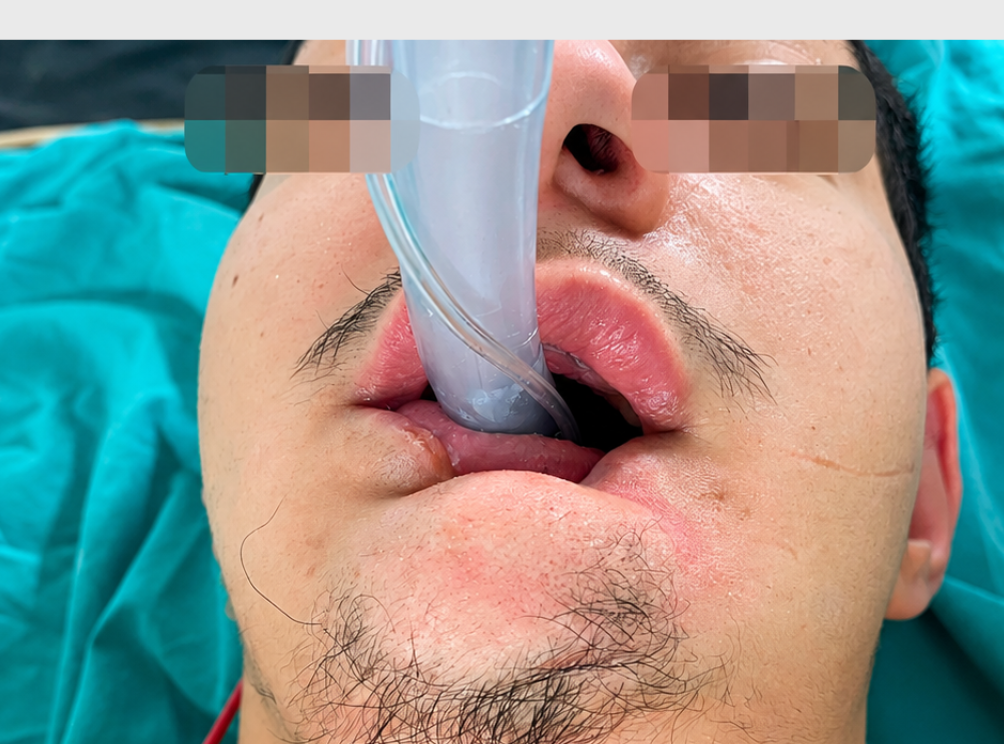
Figure 1. Persistent chewing leading to lip atrophy
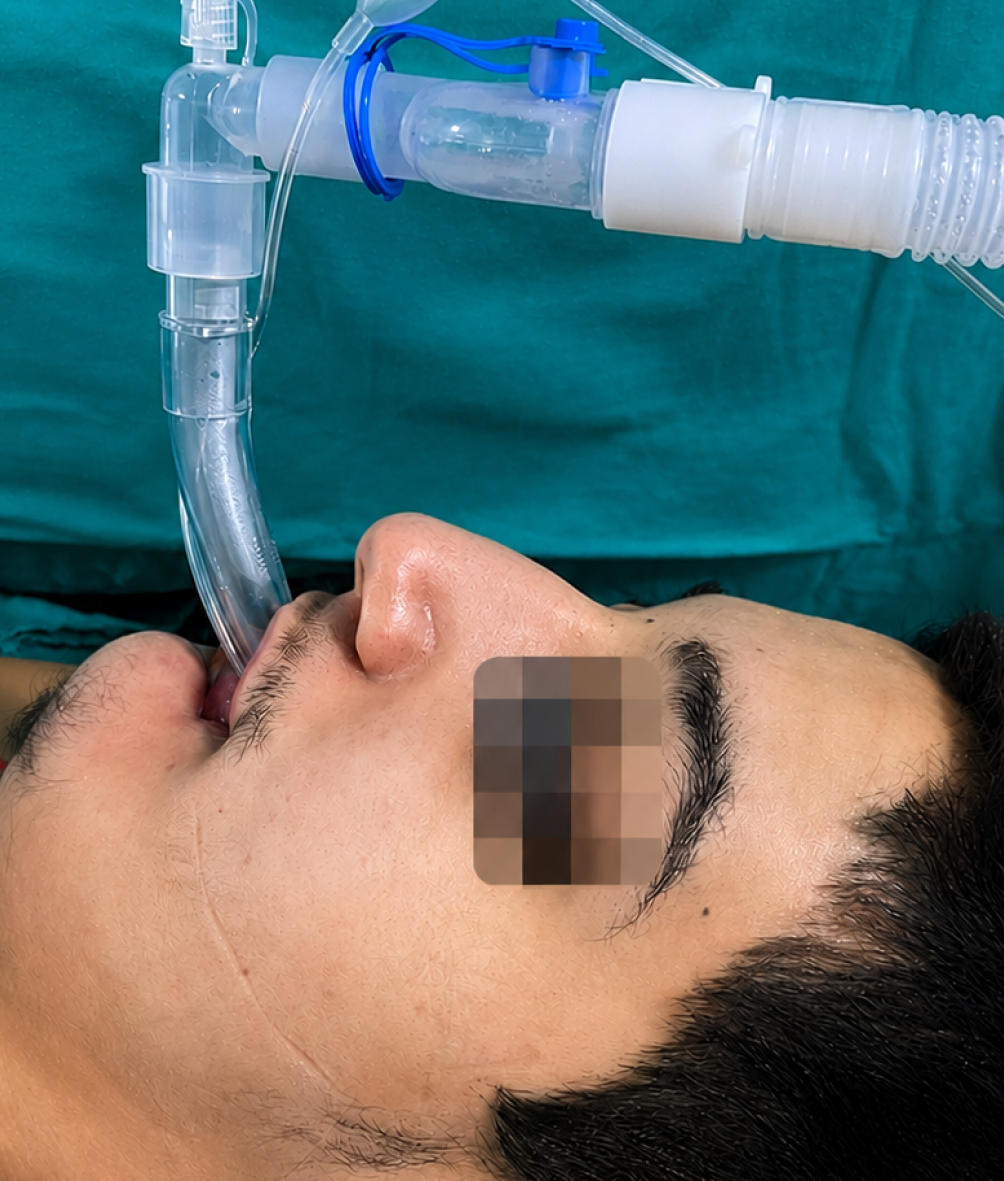
Figure 2. Atrophy of the lower lip due to persistent chewing
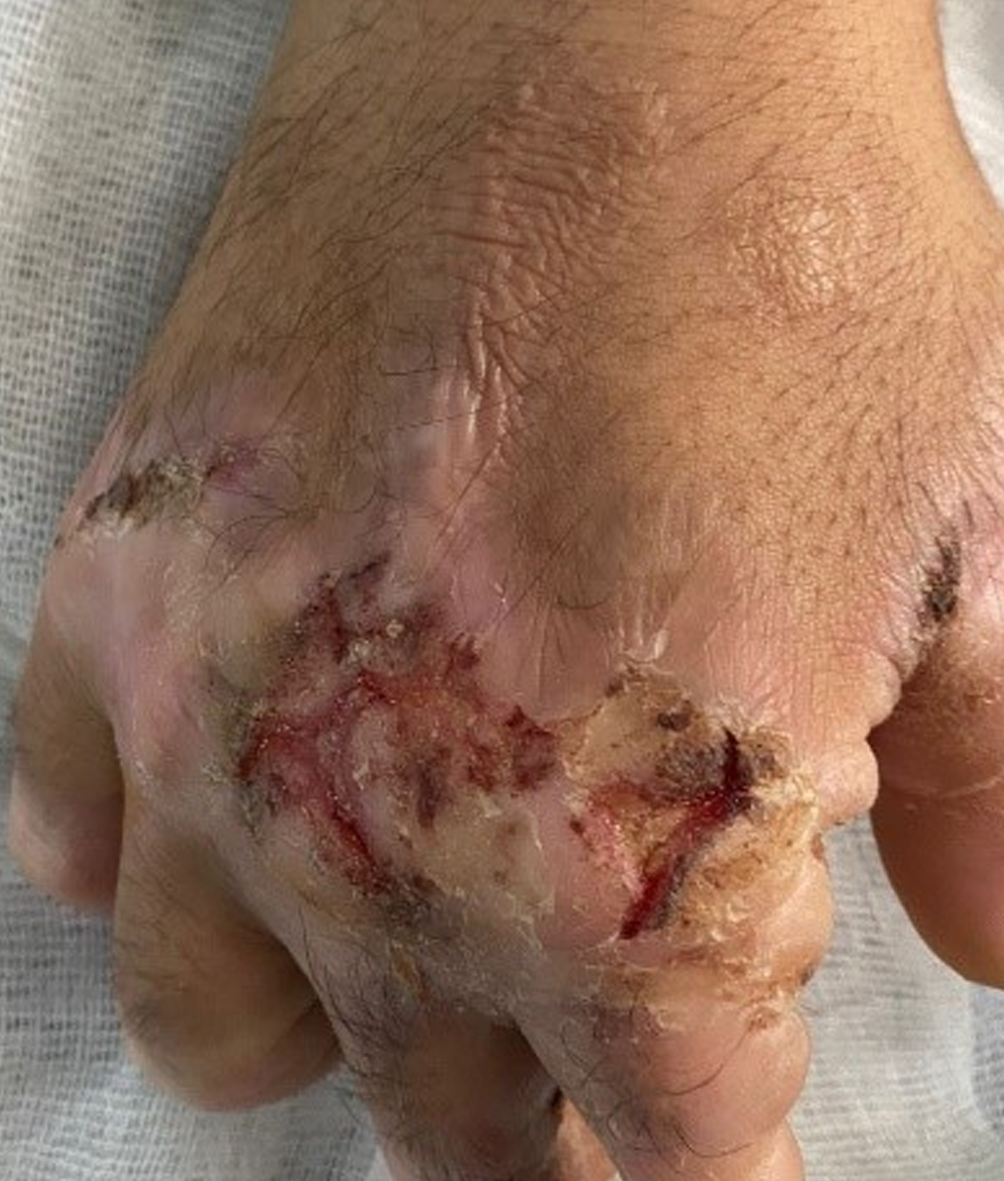
Figure 3. Abnormalities on the dorsal surfaces and digits of both hands
Additional Information
Publisher’s Note
Bayrakol MP remains neutral with regard to jurisdictional and institutional claims.
Rights and Permissions

This work is licensed under a Creative Commons Attribution-NonCommercial 4.0 International License (CC BY-NC 4.0). To view a copy of the license, visit https://creativecommons.org/licenses/by-nc/4.0/
About This Article
How to Cite This Article
Ceren Nur Duygun Sahin, Ali Akdogan. Anesthetic management in a patient with Marsili syndrome: A case report and review of literature. Ann Clin Anal Med 2026;17(8):864-867. doi:10.4328/ACAM.22747
Publication History
- Received:
- 18.05.2025
- Accepted:
- 14.07.2025
- Published Online:
- 22.07.2025
- Printed:
- 01.08.2026