
Thirty years of auditory brainstem implantation research: scientific milestones and global collaborations
Auditory brainstem implantation research
Authors
Abstract
Aim To analyze global publication trends in auditory brainstem implantation (ABI) using bibliometric methods, and to identify the leading authors, institutions, and countries contributing to the field.
Methods We queried the Web of Science (WoS) All Databases for ABI-related publications between 1992 and 2025. The keywords “Auditory Brainstem Implant”, “Auditory Brainstem Implantation”, and “Auditory Brainstem Implant Surgery” were used in this analysis. The publications obtained from the search were evaluated to verify their relevance to the subject. Data on authors, organizations, journals, document types, and publication distribution by years were obtained from the WoS collection.
Results The most prolific author in the field was found to be Vittorio Colletti, with 13 publications and 283 citations. The University of Verona ranked highest with the same number of publications and citations, followed by the House Research Institute. These studies were published across 36 different journals, with Otology & Neurotology leading in publication count. The United States, Italy, and Germany were the highest contributing countries. National Institutes of Health (NIH), the United States Department of Health and Human Services, and the NIH National Institute on Deafness and Other Communication Disorders were the most prominent funding bodies.
Conclusion ABI-related research has increased significantly since 2000 and is concentrated in a few specialized centers. These findings provide a roadmap for the development of new ABI programs and underscore the need for global collaboration and resource allocation.
Keywords
Introduction
The World Health Organization has reported that approximately 5% of the global population experiences hearing loss severe enough to require rehabilitation, and this figure is projected to double by the year 2050.1 Hearing loss has remained a critical focus within otorhinolaryngology, with substantial advancements observed over the past four decades. The emergence of 8,013 publications between 1980 and 2023 highlights the sustained and intensifying scholarly interest in this domain.2 Among the most transformative developments in the field of hearing loss, auditory brainstem implants (ABIs) and cochlear implants stand out as landmark innovations.1,3,4,5 The auditory brainstem implant (ABI) is a neuroprosthetic device designed to restore hearing in individuals lacking a functional cochlea or cochlear nerve. The ventral and dorsal cochlear nuclei are the primary anatomical targets for the placement of the electrode array in auditory brainstem implantation. Initially developed for auditory rehabilitation in patients with neurofibromatosis type 2 (NF2), the ABI bypasses both the cochlea and cochlear nerve, directly stimulating the cochlear nuclei.3,5,6 The first auditory brainstem implant was developed in 1979 at the House Ear Institute as a single-channel device intended for patients with NF2.4,5,6,7 In subsequent years, multichannel ABI systems were developed, received approval from the U.S. Food and Drug Administration (FDA), and began to be widely adopted worldwide. Today, the ABI has become the most frequently implanted surface stimulator of the central nervous system, with over 1,000 users worldwide.3,6 Research on auditory brainstem implants has increased rapidly in the 21st century, and the technology continues to develop with ongoing advancements in surgical techniques, device engineering, and clinical applications.6 The clinical indications for auditory brainstem implantation have expanded over time, and today, conditions such as complete labyrinthine aplasia, rudimentary otocyst, cochlear aplasia, cochlear aperture aplasia, and cochlear nerve aplasia are recognized as definitive indications for the procedure.4,7 Studies have demonstrated that auditory brainstem implantation is also beneficial for auditory rehabilitation in non-tumor patients.3 ABI surgery is typically performed via a retrosigmoid approach, involving the placement of the electrode array into the lateral recess of the fourth ventricle. Due to the complexity of the surgical procedure, as well as the subsequent programming and rehabilitation phases, a multidisciplinary approach carried out by a highly experienced and technically equipped team is essential.3,4 During activation in ABI recipients, non-auditory side effects, such as dizziness, facial twitching, or nausea-are frequently observed, reflecting unintended sensory or motor stimulation across various regions of the body. These adverse effects can often be minimized by deactivating specific electrodes or by modifying the stimulation strategies employed.3 Therefore, the auditory performance of ABI may be different.3,4 It has been reported that a minimum of 52% of the electrodes must be active to achieve satisfactory hearing and speech comprehension outcomes. While the number of active electrodes is an important factor for achieving favorable outcomes with ABI, studies have demonstrated that auditory performance tends to be better in pediatric patients.8 The auditory brainstem implant (ABI), despite its performance limitations, has become a significant milestone in the development of auditory prostheses aimed at directly stimulating the central auditory pathways.3
Auditory brainstem implantation is a high-cost, low-volume, and complex therapeutic modality, and the precise incidence of infants and children who may benefit from this intervention remains unknown. However, it is estimated that approximately one out of every 100 children evaluated for cochlear implantation (CI) may be a potential candidate for ABI. As such, while ABI is not performed as frequently as CI, it represents a critically important intervention. Compared to CI, the surgical procedure, device programming, and post-operative rehabilitation associated with ABI are considerably more challenging. The mission of experienced centers is to guide the implementation of this procedure across diverse regions of the World. Nonetheless, significant challenges persist regarding insurance coverage for ABI devices, surgery, and rehabilitation services.4 Therefore, achieving surgical success alone is insufficient; audiological management and long-term rehabilitation must also be meticulously planned and executed. Accordingly, the 3rd International Pediatric ABI Consensus Report emphasized the need for the establishment of National ABI Centers and the development of a government-supported program.4
Bibliometric analysis (BA) is widely utilized in the fields of medicine and health sciences.9 Conducting searches through reliable data sources and accurately assessing the relevance and specificity of the retrieved records are critically important for the validity of bibliometric studies.10 Bibliometric analysis (BA) is a valuable methodological tool for understanding the dynamics of research fields in an era of rapidly expanding scientific literature. Standard BA procedures typically involve the evaluation and visualization of publication trends, authorship patterns, countries, institutions, journals, and citation metrics.9 Bibliometric analysis not only identifies the leading countries, institutions, and authors in each research field but also maps inter-institutional collaborations, providing a comprehensive overview of the scholarly landscape.10
In this context, identifying internationally experienced centers and investigators in ABI application is essential for guiding the development of new programs and fostering global collaboration and knowledge dissemination. This study aims to identify the most influential institutions and authorities worldwide in the field of auditory brainstem implantation, based on a bibliometric analysis of the scientific literature. In doing so, it seeks to establish a reference framework that can serve as a strategic roadmap for the development of future centers.
Materials and Methods
Publications related to auditory brainstem implantation (ABI) were retrieved using the Web of Science (WoS) All Databases collection, developed by Clarivate Analytics (Philadelphia, PA, USA). This study included publications from the period between 1992 and 2025. The search was conducted using ABI-related keywords as well as terms listed under Medical Subject Headings (MeSH) relevant to auditory brainstem implantation. In this analysis, the keywords ‘Auditory Brainstem Implant,’ ‘Auditory Brainstem Implantation,’ and ‘Auditory Brainstem Implant Surgery’ were used. A comprehensive analysis of the Web of Science databases was conducted using these keywords, with data collection finalized as of June 2025. The identified publications were thoroughly reviewed to confirm their relevance to the topic. Data regarding authors, institutions, funding agencies, countries, journals, publication types, Web of Science index, citation counts, and annual publication trends related to ABI research were extracted from the WoS collection. The extracted data were transferred in plain text format into the VOSviewer software (Version 1.6.20, Leiden University) for analysis. VOSviewer is a software tool used for constructing and visualizing bibliometric networks. It presents classifications through both tabular formats and mapping techniques, and it is considered significantly more powerful and efficient than other visualization tools in terms of data processing and network mapping.9,114
Ethics ApprovalAs this study is a bibliometric analysis based solely on publicly available data, it does not require approval from an ethics committee.
Statistical AnalysisDescriptive statistical methods were used to summarize publication counts, citation data, authorship patterns, institutional productivity, and country distribution. Bibliometric network analyses and visualization were performed using VOSviewer software (Version 1.6.20, Leiden University). No inferential statistical tests were conducted due to the descriptive nature of the study.
Reporting GuidelinesThis retrospective observational study was reported in accordance with the STROBE guidelines.
Results
The initial search yielded 217 publications, of which 68 were confirmed to be relevant and subsequently included in the analysis. Vittorio Colletti was identified as the most prolific
author in the field of ABI, with 13 publications and 283 citations (Table 1) (Figure 1). The most active institutions were the University of Verona (13 publications, 283 citations) and the House Research Institute (7 publications, 264 citations) (Table 2). An analysis of the countries contributing to ABI-related research revealed that the United States ranked first with 30.8% of the publications, followed by Italy (23.5%) and Germany (16.1%). Turkey and France shared fourth place, each accounting for 7.3% of the total output. The analysis of funding agencies revealed that the National Institutes of Health (NIH), the United States Department of Health and Human Services, and the NIH National Institute on Deafness and Other Communication Disorders (NIDCD) were the best three funding sources supporting ABI-related research.
Notably, most of the publications (95.5%) were published in journals indexed in the Science Citation Index Expanded (SCI-E). These studies appeared across 36 different journals, with Otology & Neurotology ranking first (11 articles, 220 citations), followed by The Journal of Laryngology and Otology (6 articles, 63 citations), and Otolaryngology–Head and Neck Surgery (6 articles, 267 citations). Most of the studies (85.2%) were research articles. The highest number of publications related to ABI was recorded in the year 2000, followed by a renewed increase in research interest after 2014.
Discussion
This bibliometric analysis provides critical findings into the field of auditory brainstem implantation (ABI), a highly complex and experience-dependent area of clinical practice. The most significant finding of our study is that ABI-related research has demonstrated a notable increase over time and has become concentrated within a limited number of specialized centers. We hypothesize that this trend may be primarily attributed to the intricate, multidisciplinary nature of the ABI procedure, along with the challenges associated with establishing adequate infrastructure for postoperative rehabilitation.
Initially limited to tumor cases such as neurofibromatosis type 2 (NF2), the indications for ABI have progressively expanded to include non-tumor patients who are not candidates for cochlear implantation — such as those with cochlear aplasia, cochlear nerve aplasia, or cochlear ossification — as well as individuals with intractable tinnitus.3,4,6,7 Congenital hearing loss is the most common sensory deficit, with a prevalence ranging from 1% to 3%. Inner ear anomalies are identified in approximately 20% of affected children.12 A major paradigm shift occurred in 2000 when Vittorio Colletti introduced the use of ABI in non-tumor cases, offering a novel rehabilitative strategy for individuals with severe inner ear malformations.3,4,6,7,12 The use of Auditory Brainstem Implants (ABI) in non-tumor indications has been reported to yield promising outcomes.7 Less severe inner ear malformations, implantation before the age of three, and intraoperative electrically evoked auditory brainstem responses (eABR) exceeding 60% are associated with better auditory and speech outcomes.12 Moreover, comparative studies have demonstrated that auditory performance tends to be better in ABI recipients with non-tumor etiologies-such as cochlear nerve aplasia-compared to those with tumor-related indications.3,13,14
According to our analysis, most publications originated from the United States, Italy, and Germany-likely reflecting the substantial research funding and advanced audiological infrastructure available in these countries. In parallel, the prominence of U.S.-based funding bodies such as the NIH and NIDCD underscores the role of strategic financial support in accelerating scientific output. A bibliometric study analyzing the 100 most-cited publications on hearing implants also reported that the most frequently cited studies originated from the United States, suggesting that the presence of one of the world’s leading hearing implant manufacturers in the country may contribute to this dominance.15
The fact that the most frequently publishing journals — such as Otology & Neurotology and The Journal of Laryngology and Otology — are specialized in otologic surgery and neurotology highlights the specificity of ABI-related research. The predominance of publications in SCI-E indexed journals further reflects strong academic interest in the field and indicates that high-impact journals recognize its scientific value. However, the distribution of publications across countries indicates a significant underrepresentation of many nations, highlighting persistent disparities in global access to ABI technology.
The consensus report from the Third International Pediatric ABI Meeting emphasized the critical importance of concentrating ABI procedures within a limited number of centers in each country or region to facilitate the accumulation of clinical expertise. Moreover, it was stated that once these centers have acquired sufficient experience, providing mentorship and support to newly established centers could lead to the development of a more robust and sustainable framework.4 We believe that with such structured planning, global capacity in this field can be advanced in a more coordinated and sustainable manner.
Limitations
While our study provides valuable insights into global research trends and prominent centers in the field of ABI, it is not without limitations. The most significant limitation lies in the exclusive inclusion of publications indexed in the Web of Science Core Collection (WoSCC), thereby excluding studies from other databases such as Scopus and Google Scholar.
Conclusion
The scientific findings presented in this study are of great importance as they reveal where knowledge leadership in the field of ABI is most concentrated. We believe that collaborating with leading researchers and institutions will represent a strategic step for newly planned centers, facilitating knowledge transfer and enhancing clinical efficiency. Moreover, we believe that developing national and international support mechanisms to facilitate access to ABI procedures in low- and middle-income countries would be highly beneficial.
Declarations
Ethics Declarations
This study was conducted using publicly available bibliographic data and did not involve human or animal subjects; therefore, ethics approval was not required.
Animal and Human Rights Statement
Not applicable.
Informed Consent
Not applicable.
Data Availability
All data analyzed in this study were obtained from the Web of Science database and are publicly accessible. The extracted dataset supporting the findings of this study is available from the corresponding author upon reasonable request.
Conflict of Interest
The author declares that there is no conflict of interest.
Funding
None
Author Contributions (CRediT Taxonomy)
Conceptualization: B.U.
Methodology: B.U.
Software: B.U.
Validation: B.U.
Formal Analysis: B.U.
Investigation: B.U.
Data Curation: B.U.
Writing – Original Draft Preparation: B.U.
Writing – Review & Editing: B.U.
Visualization: B.U.
Supervision: B.U.
Project Administration: B.U.
Scientific Responsibility Statement
The authors declare that they are responsible for the article’s scientific content, including study design, data collection, analysis and interpretation, writing, and some of the main line, or all of the preparation and scientific review of the contents, and approval of the final version of the article.
Abbreviations
ABI: Auditory Brainstem Implant
BA: Bibliometric Analysis
CI: Cochlear Implant
eABR: Electrically Evoked Auditory Brainstem Response
FDA: Food and Drug Administration
MeSH: Medical Subject Headings
NF2: Neurofibromatosis Type 2
NIDCD: National Institute on Deafness and Other Communication Disorders
NIH: National Institutes of Health
SCI-E: Science Citation Index Expanded
WoS: Web of Science
WoSCC: Web of Science Core Collection
References
-
Abari J, Tekin AM, Bahsi I, Topsakal V. More than 40 years of cochlear implant research: A bibliometric analysis. Cochlear Implants Int. 2024;25(3):222-230.
-
Aktar Ugurlu G, Ugurlu BN. Listening to the past, predicting the future: A bibliometric exploration of hearing loss publications over four decades. Laryngoscope. 2024;134(11):4697-4706.
-
Garcia A, Haleem A, Poe S, et al. Auditory brainstem implant outcomes in tumor and nontumor patients: A systematic review. Otolaryngol Head Neck Surg. 2024;170(6):1648-1658.
-
Sennaroglu L, Lenarz T, Roland JT, et al. Current status of pediatric auditory brainstem implantation in inner ear malformations; consensus statement of the third international pediatric ABI meeting. Cochlear Implants Int. 2024;25(4):316- 333.
-
Schwartz MS, Otto SR, Shannon RV, Hitselberger WE, Brackmann DE. Auditory brainstem implants. Neurotherapeutics. 2008;5(1):128-136.
-
Shetty KR, Ridge SE, Kanumuri V, Zhu A, Brown MC, Lee DJ. Clinical and scientific innovations in auditory brainstem implants. World J Otorhinolaryngol Head Neck Surg. 2021;7(2):109-115.
-
Kumar P, Bhatarai P, Jayan A. Auditory brainstem implants in children with inner ear anomalies: An indian perspective. Indian J Otolaryngol Head Neck Surg. 2022;74(Suppl 3):4171-4176.
-
Veronese S, Cambiaghi M, Tommasi N, Sbarbati A, Galvin JJ 3rd. Ten-year follow-up of auditory brainstem implants: From intra-operative electrical auditory brainstem responses to perceptual results. PLoS One. 2023;18(3):e0282261.
-
Hassan W, Duarte AE. Bibliometric analysis: A few suggestions. Curr Probl Cardiol. 2024;49(8):102640.
-
Abdelwahab SI, Taha MME, Farasani A, et al. Bibliometric analysis: A few suggestions (Part Two). Curr Probl Cardiol. 2025;50(3):102982.
-
Dundar MA, Avci A, Arik M, Akcan AT, Kazak H. Bibliometric analysis of global research trends in vestibular neuritis (1980-2024). Eur Arch Otorhinolaryngol. 2025;282(4):1879-1890.
-
Zhang Y, Chai Y, Zhang Y, et al. Neural plasticity and hearing-speech development in children with auditory brainstem implants for congenital hearing loss due to severe inner ear malformation. Adv Sci (Weinh). 2025;28:e2406092.
-
Colletti V, Shannon RV. Open set speech perception with auditory brainstem implant? Laryngoscope. 2005;115(11):1974-1978.
-
Colletti V, Carner M, Miorelli V, Guida M, Colletti L, Fiorino F. Auditory brainstem implant (ABI): New frontiers in adults and children. Otolaryngol Head Neck Surg. 2005;133(1):126-138.
-
Ko TK, Tan DJY, Chu TSM, Chan J. The 100 most-cited manuscripts in hearing implants: a bibliometrics analysis. Cureus. 2023;15(1):e33711.
Figures
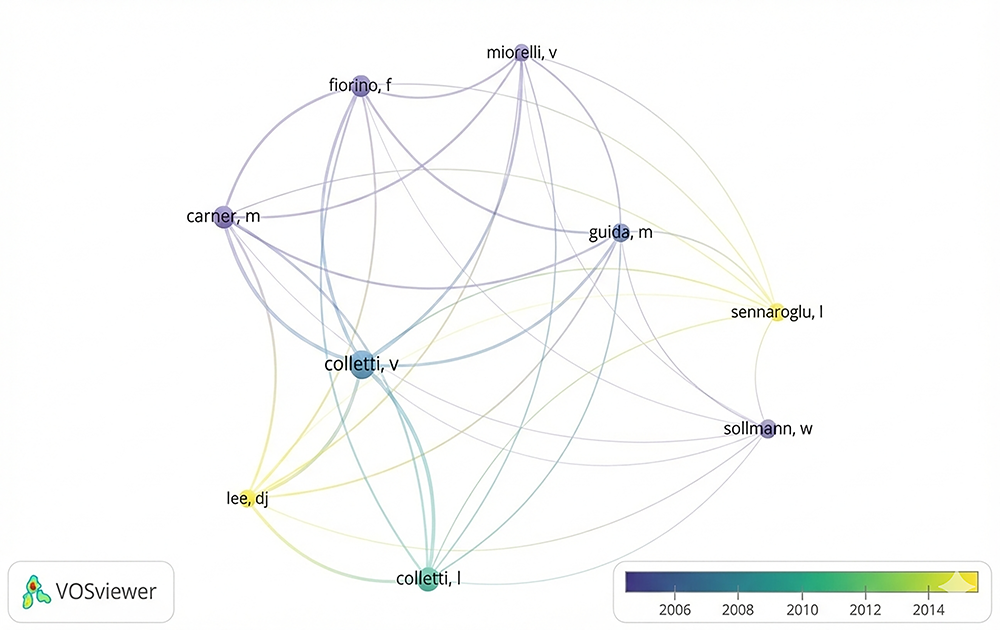
Figure 1. Authors and citation status (Vosviewer)
Tables
Table 1. Authors with at least 5 publications on ABI and their citation status (Web of Science)

Table 2. Institutions with at least 4 publications on ABI and their citation status

Additional Information
Publisher’s Note
Bayrakol MP remains neutral with regard to jurisdictional and institutional claims.
Rights and Permissions

This work is licensed under a Creative Commons Attribution-NonCommercial 4.0 International License (CC BY-NC 4.0). To view a copy of the license, visit https://creativecommons.org/licenses/by-nc/4.0/
About This Article
How to Cite This Article
Bülent Ulusoy. Thirty years of auditory brainstem implantation research: scientific milestones and global collaborations. Ann Clin Anal Med 2026;17(Suppl 1):S54-58
- Received:
- June 18, 2025
- Accepted:
- July 21, 2025
- Published Online:
- July 28, 2025