
Abstract
AimOral mucositis (OM) is a common and debilitating complication of cancer therapy in children. This bibliometric study aimed to evaluate publication trends, influential studies, leading authors, institutions, and countries contributing to pediatric OM research over the last decade.MethodsA bibliometric analysis was performed using 99 articles retrieved from the Scopus database. Citation metrics, publication characteristics, levels of evidence, and collaboration networks were analyzed using Bibliometrix Biblioshiny software.ResultsRandomized controlled trials were the most common study design, focusing on interventions such as cryotherapy and photobiomodulation therapy. The analysis demonstrated increasing research activity, international collaboration, and growing evidence supporting the management of oral mucositis in pediatric oncology.ConclusionResearch on pediatric oral mucositis has increased over the last decade. These findings may support future research and evidence-based management strategies in pediatric oncology.
Keywords
Introduction
Pediatric cancer, representing 2-3% of all cancers, is the second leading cause of mortality for the pediatric population, with an estimated 13.7 million new cases of cancer in children worldwide between 2020 and 2050.1 Treatment of pediatric cancer can involve a combination of surgery, radiotherapy, and/ or chemotherapy.2 However, radiotherapy and chemotherapy may have a number of unfavorable side effects due to their cytotoxic effects on noncancerous cells. This cytotoxic effect may cause anatomical and functional problems, including anemia, myelosuppression, arthralgia, exanthem, dysphagia, vomiting, diarrhea, malnutrition, cardiac and renal damage, and oral mucositis.3
Oral mucositis (OM) is regarded as one of the most severe and acute side effects of cancer therapy.3,4 It is characterized by an inflammatory response that manifests clinically as erythematous and/or ulcerated lesions, with a preference for the soft palate, dorsal tongue, buccal mucosa, and floor of the mouth.5 The frequency of OM in patients following hematopoietic stem cell transplantation (HSCT) can vary from 73% to 90%, while in patients receiving chemotherapy, it can range from 51.7% to 75%.6,7
The pathophysiology of OM is considered to be complex and involves multiple processes. According to the existing evidence so far, it consists of the following five stages: i) initiation of oral mucosal damage by reactive oxygen species (ROS) formed as a result of damage to the DNA of cells by antineoplastic agents, ii) up-regulation of primary damage through emission of intercellular signals (pro-inflammatory cytokines) iii) signaling and amplification of the damage, consequently causing clinical erythema and edema in the oral mucosa, iv) mucosal ulceration stage as a result of epithelial apoptosis and necrosis, v) healing stage in which the epithelium integrity gets repaired.8,9 OM appears 3–10 days after the beginning of chemotherapy and can last for 3 weeks, peaking at 7–14 days.10 Oral mucositis can impair the patient’s oral feeding, swallowing, and oral hygiene measures. It can also trigger the need for higher analgesic dosages due to extreme pain, raise the risk of infection, cause antineoplastic treatment to be delayed or stopped, lengthen hospitalization and treatment costs, and have an impact on the patient’s quality of life.9,11
A clinical practice guideline for managing oral mucositis in pediatric cancer patients has been published by the Mucositis Study Group of the Multinational Association for Supportive Care in Cancer and the International Society of Oral Oncology (MASCC/ISOO). It has been suggested that it is very appropriate to implement basic oral care protocols that include multi-agent combination oral care protocols (daily oral hygiene with a soft toothbrush and toothpaste, and gargling with normal saline, sodium bicarbonate mouthwash), patient education, and chlorhexidine.12 Additionally, a variety of therapeutic modalities, such as cryotherapy, herbal remedies, anti-inflammatory medications, growth factors, cytokines, and photobiomodulation therapy (PBMT), may be utilized to treat or prevent OM.13,14
To our knowledge, a bibliometric study of oral mucositis in children has not yet been published, despite being a well- researched topic. Bibliometric analysis deciphers and maps the condition of the intellectual constitution and emerging trends of a study field across time, in contrast to systematic literature reviews that summarize the findings of the body of existing literature or meta-analyses that concentrate on the outcomes of homogenous studies.15 It analyzes published articles both quantitatively and qualitatively, and it visualizes the data using statistical and mathematical techniques.16 A bibliometric analysis integrates subjective and objective metrics, such as the most popular topic of interest and thematic analysis, with data on the number of published papers worldwide, citation counts, publishing patterns, keyword frequency, and degree of international scientific cooperation.17
Despite the increasing popularity of bibliometric studies in the research field, no information regarding the bibliometric analysis of oral mucositis is available. Therefore, the aim of this study was to analyze the most cited articles on oral mucositis in children in the last decade, identify the most cited authors, institutions, and countries of origin, detect the level of evidence, citation trends, and insightful features of influential publications, identify hotspots for research in this area, and provide a valuable reference for future research.
The objective of this review was to provide a bibliometric overview of research on oral mucositis in pediatric cancer patients over the last decade.
Materials and Methods
An advanced electronic search was conducted in the Scopus database from Elsevier in January 2024. The search strategy involved keywords specifically related to oral mucositis in children in the title section (oral AND mucositis AND (children OR pediatric)) AND ABS (oncology OR cancer OR chemotherapy OR leukemic OR leukemia OR hematopoietic OR stem OR cell OR transplantation OR methotrexate OR oncologic OR malignant OR radiotherapy). Oral mucositis was utilized as the keyword, instead of using the term mucositis, which is an umbrella term and also denotes inflammation in the mucosa of the gastrointestinal tract. Titles and abstracts of publications on oral mucositis in children were screened by two independent and calibrated investigators. As a result of the search in the Scopus database, 109 publications in this field in the last decade were found on 31 January 2024.
The selection criteria included oral mucositis in children-related studies such as clinical studies, cohort studies, case-control studies, cross-sectional studies, case series, case reports, and reviews in the English language only. Conference papers, non- English literature, editorial letters, and communication letters were excluded. The inclusion and exclusion of publication were carried out by the same two independent investigators. In case of any discrepancies on data inclusion and extraction, the two investigators resolved them by consensus or by discussion with the third investigator. Consequently, throughout the last ten years, 99 publications regarding oral mucositis in children have been found.Ethical ApprovalNot applicable.Statistical AnalysisThe retrieved data were saved as ‘CSV’ from the Scopus database. The articles were arranged in decreasing order by the number of Scopus citations. The articles’ bibliometric parameters, including number of citations, citation density, year of publication, first and contributing authors, authors’ countries and institutions, and journal of publication, were obtained from the Scopus database. Based on their study design, two calibrated investigators independently categorized the included articles using the level of evidence (LoE) ranking system.18 The Bibliometrix Biblioshiny R-package software was utilized to analyze the bibliometric data.Reporting GuidelinesNo specific reporting guideline was applicable to this bibliometric analysis.
Results
Main informationA total of 447 authors contributed to these articles, and only two of the 99 articles have a single author. Generally, there are an average of 6 authors in an article. The international co- authorship rate is 13.3%. A total of 70 journals published these articles. The mean citation count per article was 12. Among the 99 articles, 13 articles were not cited, which were published between 2021 and 2023.
Accordingly, the annual growth rate of articles on oral mucositis in children with cancer is 10.22%. Specifically, the year 2022 had the highest number of articles (n = 15) in the last decade. The majority of articles in the last decade are in the domains of medicine, dentistry, genetics and molecular biology, and nursing, but there are also studies in the areas of toxicology and pharmacology, immunology, microbiology, and engineering. The most common trend topics were words, except keywords included “keratinocyte growth factor”, “laser therapy”, “olive oil”, “zinc”, “honey”, “chlorhexidine”, and “herpes virus”.The most cited articles in OM in childrenThe 10 most cited articles on OM in children, their total citation numbers, number of self-citations, and number of average citations per year are shown in Supplementary Table 1.
The most cited article was published in 2017 by Sung et al., who evaluated the efficacy of the treatments specified to prevent oral mucositis in children undergoing cancer treatment or stem cell transplantation and prepared a guideline appropriate to the medical condition of the patient.19 According to the most cited articles, oral mucositis is commonly diagnosed using the “WHO Oral Mucositis Grading Objective Scale”. Based on the OM treatment guide updated in 2019 by The Multinational Association of Supportive Care in Cancer and International Society for Oral Oncology (MASCC/ISOO), it is stated that mouthwash with saline or bicarbonate and chewing gum have no effect on preventing OM. Additionally, oral hygiene education, Benzydamine mouthwash, chlorhexidine mouthwash, topical honey application, intraoral photobiomudulation therapy, and cryotherapy are recommended as treatment approaches. Based on the local citation analysis, the publication with the highest number of local citations has received citations from more than 95% of the other research conducted within its field, which shows that the studies with high local citation have much more impact on the field than other studies.Most Relevant Authors, their Affiliations, and CountriesThe top 10 authors with the most studies among 99 articles, their institutions and countries, local citation numbers, h-index, and g-index are presented in Table 1.
The highest contribution of articles was made by namely, Valença AMG (n = 12), Ribeiro ILA (n = 11), and De Jonge R (n = 5) (Supplementary Figure 1a). Valença AMG and Ribeiro ILA have consistently conducted research in this field over the last 6 years. The top 10 contributing institutes on OM in children: Federal University of Paraíba (n = 41), Princess Máxima Center For Pediatrıc Oncology (n = 15), All India Institute of Medical Sciences (n = 14), Unıversidade Federal De Minas Gerais (n = 11), Federal University of Rio Grande Do Sul (n = 9), Fondazıone Policlinico Universitario A. Gemelli Irccs (n = 8), Nicolaus Copernicus University In Toruń (n = 8), University of Brescia (n = 8), Uppsala University (n = 8), University of Adelaide (n = 7) (Supplementary Figure 1b).
Supplementary Figure 2 shows the countries and international networks that conduct the most studies on OM in children. Brazil, Italy, the Netherlands, Japan, and the United States are the countries that produce the most studies regarding OM in children. Among the countries that have developed the strongest international relations on this topic are the United States, Canada, Italy, the Netherlands, and Brazil. Countries that do not conduct international relations include Mexico, Chile, Egypt, Romania, Turkey, Poland, Saudi Arabia, Iran, and India.
The top 7 contributing journals on OM in children in the last decade: Supportive Care in Cancer (n = 10), Pediatric Blood and Cancer (n = 5), Journal of Pediatric Hematology/Oncology (n = 4), Oral Diseases (n = 4), International Journal of Environmental Research and Public Health (n = 3), International Journal of Paediatric Dentistry (3 articles), and Pesquisa Brasileira em Odontopediatria e Clinica Integrada (n = 3).Network analysisClustering of the most locally cited 40 authors based on bibliographic coupling is shown in Supplementary Figure 3a. This analysis aims to examine the intellectual structure of the authors based on the similarity of references. Accordingly, as a result of bibliographic coupling analysis, the authors are divided into 5 groups:
Cluster 1 (red): Miranda-Silva W, Abed H, Alkhayal Z, Brunetto AT, Curra M, Gregianin LJ, Martıns MAT, Martins MD, Tissing WJE, Semerci R, Kocaaslan EN
Cluster 2 (blue): Gibson P, Sung L, Treister N, Gue S, Debski R, Krenska A, Wysocki M
Cluster 3 (green): Ottoviani G, Decembrino N, Defabianis P, Vitale MC, Biosotto M, Gobbo M, Ronfani L, Verzegnassi F, Zanazzo GA, Amadori F, Bardellini E, Majorana A
Cluster 4 (purple): Ljungman G, Arvidson J, Mellgren K, Svanberg A, Toporski J, Von Essen L
Cluster 5 (orange): Valença AMG, Ribeiro ILA, Dos Santos FG, Bezerra PMM
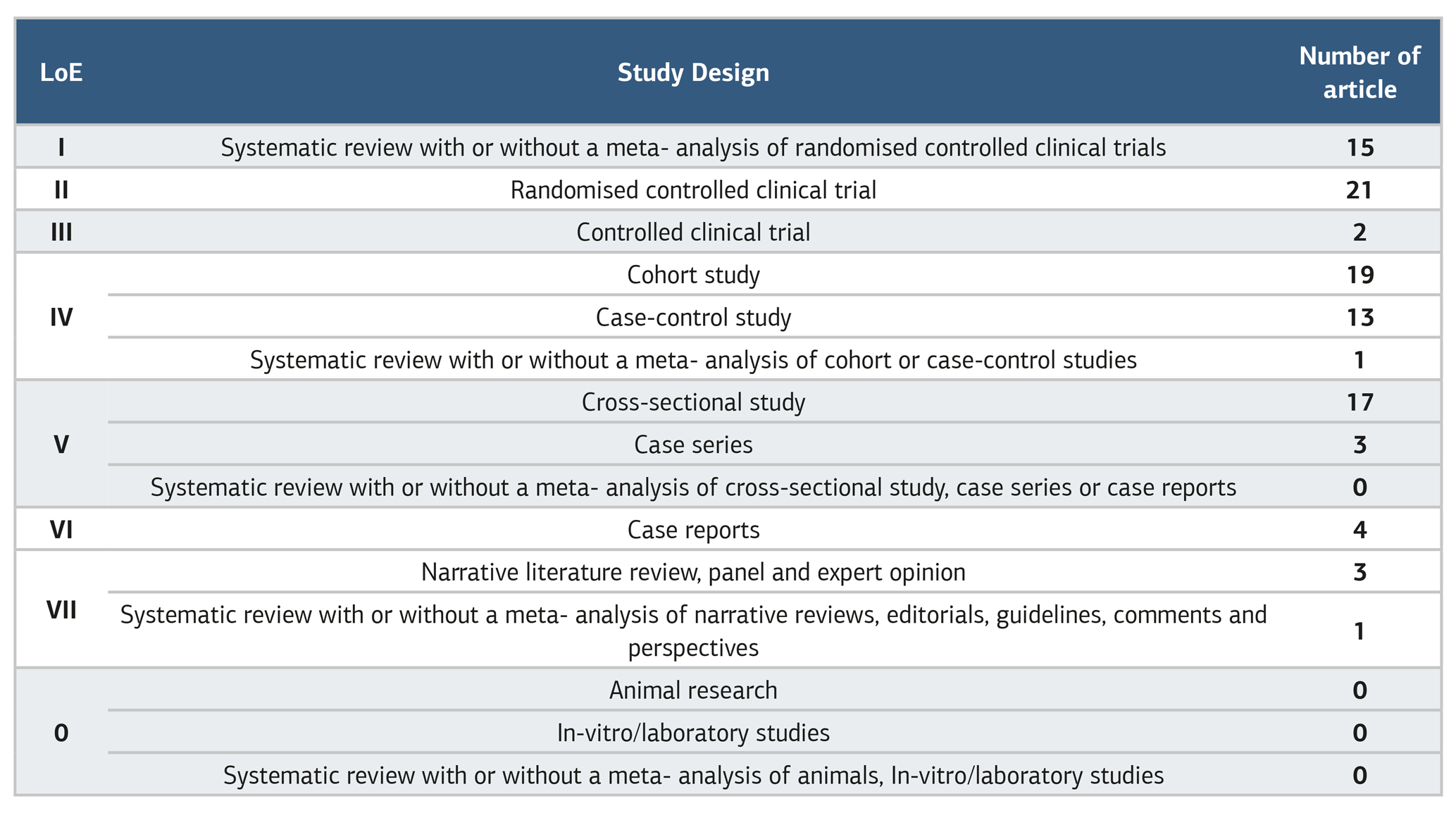
The centrality and impact values of these clusters are shown in Supplementary Figure 3b. Centrality in a cluster would denote which nodes are more influential or central in terms of connections inside that particular cluster. However, impact within the cluster would draw attention to nodes whose contributions have received widespread recognition or citations, demonstrating their significance within that specific collaborative or thematic context. For example, the highest citation value is in Cluster 5, the most influential (within the network) and best-connected authors are in Cluster 2. The walktrap algorithm was used when creating this scheme.Study designStudy designs and levels of evidence of articles published on OM in children in the last decade are shown in Table 2. Analysis of the included studies revealed that the systematic reviews with or without a meta-analysis of randomized controlled clinical trials were of the highest LoE (LoE I), and they represented 15.1% of the 99 articles. The majority (21.2%) of study designs included within 99 articles were randomised controlled clinical trials of LoE II. Overall, only 2 controlled clinical trials of LoE III were included. At the LoE IV, cohort studies, case-control studies, and systematic reviews with or without a meta- analysis of cohort or case-control studies represented 33.2% of the included studies. Case reports (LoE VI), narrative literature reviews, and systematic reviews with or without a meta- analysis of narrative reviews (LoE VII) represented a similar 4% of the 99 studies. As a result, the level of evidence of articles on oral mucositis in children in the last decade is ranked as LoE I (systematic review or meta-analysis of randomised controlled clinical trials) and LoE II (randomised controlled clinical trials).
Discussion
OM is an important consequence of cancer therapy in children, and in addition, children are at a possibly higher risk of developing OM than adults. This could be associated with the tendency to utilize more intensive therapies, the high frequency of haematological malignancies, and a greater proliferation index of basal epithelial cells in children.20 Considering this, OM in children has attracted increasing attention from researchers in recent years, consistent with our findings. Although it is better known that the pathogenesis of OM is based on a five-stage model, there has been an increase in the quality of research on OM in children and the evaluation of interventions to prevent OM in children in the last decade. According to our findings, most of the studies consisted of randomized controlled trials with LoE II, which mostly evaluate treatment interventions to prevent OM in children, and the most frequently investigated treatment methods include cryotherapy, low laser light therapy, and keratinocyte growth factor. However, there is no treatment protocol to prevent OM in infants and very young children, and ineffective treatments cannot be clearly stated in the literature. Additionally, the knowledge regarding the short-term and long- term toxicity of some methods used in children is scarce.
A variety of factors affect the number of citation that reflects the impact of the article in its field. One of them is self-citation, which is usually defined as a citation in which the citing and the cited paper have at least one author in common.21 According to a previous study, highly-cited articles have fewer self- citations compared to moderate and lowly cited articles.22 Similarly, in the present study, the self-citation rate of the 10 most cited articles is low (14%). Additionally, self-citation can be accepted as an ambiguous phenomenon. On the one hand, citing oneself is natural and may serve beneficial purposes; on the other hand, it can also be a sign of egotism.23 Another factor is the international collaboration of authors. It has been demonstrated that highly cited articles are the result of international collaboration among researchers.24 The current study’s findings stated that international collaboration was greater in 10 highly cited articles.
Identifying the most locally cited articles helps measure the impact of an article in a specific research field and helps evaluate prominent views and issues in that field. The percentage of the citation count of an article helps compare the citation number of that article with others.25 The study conducted by Sung et al. in 2017 has the highest number of local citations. The percentile of the number of citations is 95%, which means that the study by Sung et al. has been cited more than 95% of the studies in this field.19
Analyzing the network of the 40 top authors on OM in children, different views have arisen about the localization of nodes within the same cluster. The localization of nodes may be based on visual separation or similarities in references. The size of the nodes varies depending on the citations the authors receive from other authors within their cluster. Larger nodes indicate authors with more impactful contributions. The thickness of the connections between the authors indicates the degree of similarity of the references given by the authors.26 Valença AMG and Ribeiro da Silva VC are regarded as two of the top authors on OM in children, and their intellectual bond appears to be greater than that of other authors.
In this study, the Scopus database was used as a bibliometric data source. For a number of reasons, Scopus is a more suitable tool for assessing research findings. At first, Scopus offers more comprehensive and complete content coverage. Secondly, Scopus is more practical to use because it has separate profiles for each author, institution, and serial source in addition to a connected database interface. Most importantly, there are no further limits or uncertainty surrounding content accessibility because Scopus is subscribed to as a single database. Furthermore, because Scopus offers free access to author and source data, including metrics, it is more accessible to the general public.27
Various software tools are available for conducting bibliometric analyses, including VOSviewer, CiteSpace, and Biblioshiny. Among these options, Biblioshiny emerges as the most suitable tool for this review due to its comprehensive capabilities in statistical analysis and data processing tasks. Biblioshiny facilitates the assessment of authors’ impact and productivity through metrics such as the H-index and production trends over time. Additionally, it enables the evaluation of key information pertaining to selected articles, including total author counts, publication sources, and distribution across various journals. Unlike Bibliometrix, Biblioshiny offers a user-friendly interface that eliminates the need for coding, making it accessible and intuitive for researchers seeking to analyze bibliographic data efficiently.28,29
Limitations
There are some drawbacks in the current study. Firstly, since reviews and articles from only one database (Scopus) were adopted, some important publications may have been omitted. Secondly, the study was restricted to English-language publications.
Conclusion
The management of oral mucositis in pediatric cancer patients merits meticulous attention and strategic planning. This bibliometric analysis primarily aims to enhance comprehension of the research trends influencing the trajectory of this field, identify key institutions and countries involved, and highlight influential studies. Recent initiatives like cryotherapy or LLLT offer promising approaches to alleviate oral mucosa pain and ulcers. Moreover, countries such as Brazil and Italy, with institutions like the Federal University of Paraiba, have made significant contributions to this area of study.
Declarations
Animal and Human Rights Statement
This study did not involve human participants, patient data, or animals.
Informed Consent
Not applicable.
Data Availability
The bibliometric data analyzed during this study were obtained from publicly accessible databases and are available from the corresponding author upon reasonable request.
Conflict of Interest
The authors declare that there is no conflict of interest.
Funding
None.
Author Contributions (CRediT Taxonomy)
Conceptualization: Ş.Ö., S.C.İ.
Methodology: Ş.Ö., S.C.İ.
Investigation: Ş.Ö., S.C.İ.
Data Curation: Ş.Ö.
Formal Analysis: Ş.Ö., S.C.İ. Writing–Original Draft: Ş.Ö. Writing–Review & Editing: S.C.İ.
Supervision: S.C.İ.
AI Usage Disclosure
No artificial intelligence tools were used in the preparation of this manuscript.
Abbreviations
HSCT: Hematopoietic stem cell transplantation
LLLT: Low-level laser therapy
MASCC: Multinational Association of Supportive Care in Cancer
OM: Oral mucositis
PBMT: Photobiomodulation therapy
ROS: Reactive oxygen species
References
- Atun R, Bhakta N, Denburg A, et al. Sustainable care for children with cancer: a Lancet Oncology Commission. Lancet Oncol. 2020;21(4):e185-224. doi:10.1016/s1470-2045(20)30022-x
- Tydings C, Kim A. Technology and precision therapy delivery in childhood cancer. Curr Opin Pediatr. 2020;32(1):1-6. doi:10.1097/mop.0000000000000865
- Sonis ST, Elting LS, Keefe D, et al. Perspectives on cancer therapy-induced mucosal injury: pathogenesis, measurement, epidemiology, and consequences for patients. Cancer. 2004;100(Suppl 9):1995-2025. doi:10.1002/cncr.20162
- Qutob AF, Gue S, Revesz T, Logan RM, Keefe D. Prevention of oral mucositis in children receiving cancer therapy: a systematic review and evidence-based analysis. Oral Oncol. 2013;49(2):102-107. doi:10.1016/j.oraloncology.2012.08.008
- Villa A, Sonis ST. An update on pharmacotherapies in active development for the management of cancer regimen-associated oral mucositis. Expert Opin Pharmacother. 2020;21(5):541-548. doi:10.1080/14656566.2020.1718652
- Vitale MC, Modaffari C, Decembrino N, Zhou FX, Zecca M, Defabianis P. Preliminary study in a new protocol for the treatment of oral mucositis in pediatric patients undergoing hematopoietic stem cell transplantation (HSCT) and chemotherapy (CT). Lasers Med Sci. 2017;32(6):1423-1428. doi:10.1007/s10103-017-2266-y
- Çakmak S, Nural N. Incidence of and risk factors for development of oral mucositis in outpatients undergoing cancer chemotherapy. Int J Nurs Pract. 2019;25(1):e12710. doi:10.1111/ijn.12710
- Al-Dasooqi N, Sonis ST, Bowen JM, et al. Emerging evidence on the pathobiology of mucositis. Support Care Cancer. 2013;21(7):2075-2083. doi:10.1007/s00520-013-1810-y
- Hong CH, Gueiros LA, Fulton JS et al. Systematic review of basic oral care for the management of oral mucositis in cancer patients and clinical practice guidelines. Support Care Cancer. 2019;27(10):3949-3967. doi:10.1007/s00520-019-04848-4
- Cheng KK, Molassiotis A, Chang AM, Wai WC, Cheung SS. Evaluation of an oral care protocol intervention in the prevention of chemotherapy-induced oral mucositis in paediatric cancer patients. Eur J Cancer. 2001;37(16):2056-2063. doi:10.1016/s0959-8049(01)00098-3
- Bezinelli LM, de Paula Eduardo F, da Graça Lopes RM et al. Cost-effectiveness of the introduction of specialized oral care with laser therapy in hematopoietic stem cell transplantation. Hematol Oncol. 2014;32(1):31-39. doi:10.1002/hon.2050
- Miranda-Silva W, Gomes-Silva W, Zadik Y, et al. MASCC/ISOO clinical practice guidelines for the management of mucositis: sub-analysis of current interventions for the management of oral mucositis in pediatric cancer patients. Support Care Cancer. 2021;29(7):3539-3562. doi:10.1007/s00520-020-05803-4
- Zadik Y, Arany PR, Fregnani ER, et al. Systematic review of photobiomodulation for the management of oral mucositis in cancer patients and clinical practice guidelines. Support Care Cancer. 2019;27(10):3969-3983. doi:10.1007/s00520-019-04890-2
- Mazhari F, Shirazi AS, Shabzendehdar, M. Management of oral mucositis in pediatric patients receiving cancer therapy: a systematic review and meta- analysis. Pediatr Blood Cancer. 2019;66(3):e27403. doi:10.1002/pbc.27403
- Liu FH, Yu CH, Chang YC. Bibliometric analysis of articles published in Journal of Dental Sciences from 2009 to 2020. J Dent Sci. 2022;17(1):642-646. doi:10.1016/j.jds.2021.08.002
- Ma D, Yang B, Guan B, et al. A bibliometric analysis of pyroptosis from 2001 to 2021. Front Immunol. 2021;12:731933. doi:10.3389/fimmu.2021.731933
- Jiang CM, Duangthip D, Chan AKY, Tamrakar M, Lo ECM, Chu CH. Global research interest regarding silver diamine fluoride in dentistry: a bibliometric analysis. J Dent. 2021;113:103778. doi:10.1016/j.jdent.2021.103778
- Ackley BJ, Ladwig GB, Swan BA, Tucker SJ. Evidence-based nursing care guidelines. 1st ed. Philadelphia, PA: Elsevier Health Sciences; 2004.
- Sung L, Robinson P, Treister N, et al. Guideline for the prevention of oral and oropharyngeal mucositis in children receiving treatment for cancer or undergoing haematopoietic stem cell transplantation. BMJ Support Palliat Care. 2017;7(1):7-16. doi:10.1136/bmjspcare-2014-000804
- Tomlinson D, Judd P, Hendershot E, Maloney AM, Sung L. Measurement of oral mucositis in children: a review of the literature. Support Care Cancer. 2007;15(11):1251-1258. doi:10.1007/s00520-007-0323-y
- Tahamtan I, Safipour Afshar A, Ahamdzadeh K. Factors affecting number of citations: a comprehensive review of the literature. Scientometrics. 2016;107(3):1195-1225. doi:10.1007/s11192-016-1889-2
- Costas R, van Leeuwen T, Bordons M. Self-citations at the meso and individual levels: effects of different calculation methods. Scientometrics. 2010;82(3):517-537. doi:10.1007/s11192-010-0187-7
- Aksnes, DW. A macro study of self-citation. Scientometrics. 2003;56(2):235-246. doi:10.1023/a:1021919228368
- Aksnes, DW. Characteristics of highly cited papers. Res Eval. 2003;12(3):159-170. doi:10.3152/147154403781776645
- Pech G, Delgado C. Assessing the publication impact using citation data from both Scopus and WoS databases: an approach validated in 15 research fields. Scientometrics. 2020;125(2):909-924. doi:10.1007/s11192-020-03660-w
- Yan E, Ding Y. Applying centrality measures to impact analysis: a coauthorship network analysis. J Am Soc Inf Sci Technol. 2010;60(10):2107-2118.
- Pranckutė, R. Web of Science (WoS) and Scopus: the titans of bibliographic information in today’s academic world. Publications. 2021;9(1):12. doi:10.3390/publications9010012
- Arruda H, Silva ER, Lessa M, Proença D Jr, Bartholo R. VOSviewer and bibliometrix. J Med Libr Assoc. 2022;110(3):392-395. doi:10.5195/jmla.2022.1434
- Guofang Z, Rasul MS, Omar M. A bibliometric analysis of publications on university-industry collaboration using VOSViewer and R-Biblioshiny. Multidiscip J Educ Soc Technol Sci. 2024;11(2):26-50. doi:10.4995/muse.2024.21167
Tables
Table 1. Main information of the top 10 authors with the most research
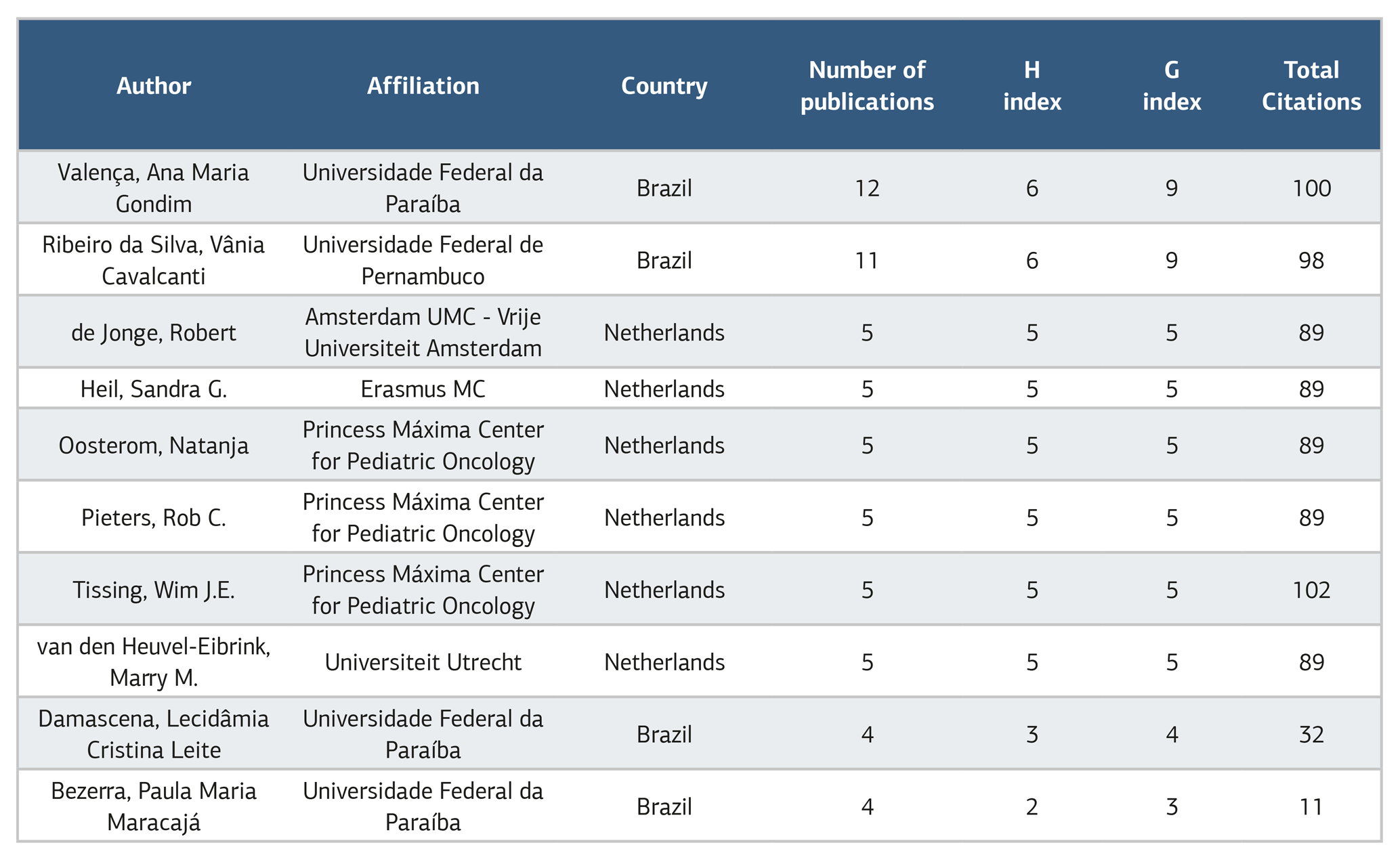
Table 2. Study design and level of evidence of articles
Additional Information
Publisher’s Note
Bayrakol MP remains neutral with regard to jurisdictional and institutional claims.
Rights and Permissions

This work is licensed under a Creative Commons Attribution-NonCommercial 4.0 International License (CC BY-NC 4.0). To view a copy of the license, visit https://creativecommons.org/licenses/by-nc/4.0/
About This Article
How to Cite This Article
Şelale Özel, Sabiha Ceren İlisulu. Research trends and management of oral mucositis in pediatric cancer patients: a bibliometric analysis of the last decade. Ann Clin Anal Med 2026;17(7):768-773. doi:10.4328/ACAM.22832
Publication History
- Received:
- 30.07.2025
- Accepted:
- 08.09.2025
- Published Online:
- 26.09.2025
- Printed:
- 01.07.2026