
Abstract
AimThis study aimed to evaluate the knowledge and experience levels of physicians from different specialties regarding advanced life support (ALS).MethodsA cross-sectional survey was conducted between May 1 and November 1, 2022, among 151 physicians (70.9% internal medicine; 29.1% surgical) working at a tertiary training and research hospital. A 14-item questionnaire was designed based on the 2020 AHA ALS guidelines and distributed online. Participants’ specialties, years of professional experience, and prior ALS training were assessed. Data were analyzed using SPSS 24.0, and categorical variables were compared using Pearson’s chi-square test.ResultsOf the participants, 80.8% had less than 10 years of professional experience. The rate of correct responses differed significantly by specialty. Physicians in internal medicine showed higher accuracy rates than surgical physicians in chest compression rate (P = .001), drug protocols (P = .001), and defibrillation rhythm selection (P = .010). No statistically significant differences were found in overall accuracy rates based on years of experience (P > .05).ConclusionKnowledge of ALS varies across specialties, with internal medicine physicians demonstrating higher proficiency in certain critical areas. However, years of professional experience were not a determining factor. The findings highlight the importance of regular, multidisciplinary ALS training.
Keywords
Introduction
Advanced life support (ALS) is a set of interventions applied in cardiac arrest or life-threatening emergencies, extending beyond basic life support and requiring advanced skills. Its main components include effective cardiopulmonary resuscitation (CPR), airway management, defibrillation, and pharmacological interventions.1 These measures are essential to reduce mortality and morbidity.
Among these, airway management is particularly critical, as failure to secure the airway renders other interventions ineffective. Endotracheal intubation is considered the cornerstone of ALS; however, incorrect or prolonged procedures may cause serious complications, such as post-intubation tracheal stenosis.2,3 Therefore, both technical competence and adequate training are vital.
The American Heart Association (AHA) guidelines provide a global framework for ALS, with the 2020 update forming the basis of this study’s questionnaire.4 The guidelines emphasize high-quality CPR, appropriate airway strategies, and timely pharmacological treatment. In addition, recent research highlights the benefits of preoxygenation during intubation and the positive impact of structured training, even among nonmedical staff.5-7
In Turkey, surveys have revealed variability in physicians’ knowledge of rapid sequence intubation and cardiopulmonary resuscitation across specialties.8,9 Assessing these differences is important for identifying training needs. In this study, we compared ALS knowledge among physicians from surgical and internal medicine specialties, as well as by years of professional experience.
Materials and Methods
This study was conducted as a cross-sectional survey between May 1 and November 1, 2022. Physicians working at a tertiary training and research hospital were included. Participants consisted of specialists, residents, and general practitioners from internal medicine and surgical departments. Participation was entirely voluntary, and only physicians who had been actively practicing for at least one year were eligible. Physicians who did not complete the questionnaire in full were excluded from the analysis.
The questionnaire was developed based on the 2020 American Heart Association (AHA) advanced life support (ALS) guidelines. It consisted of knowledge-based items on cardiopulmonary resuscitation algorithms, airway management, intubation practices, defibrillation, and pharmacological interventions, as well as demographic sections that addressed participants’ specialties, years of professional experience, ALS training background, and practical application experience. Data were collected anonymously through online forms, and each participant was allowed to respond only once.Ethical ApprovalThis study was approved by the Ethics Committee of Ankara City Hospital No. 2 Clinical Research Ethics Committee (Date: 07.12.2022, Decision No: E222-2965).Statistical AnalysisStatistical analyses were performed using SPSS (Statistical Package for the Social Sciences) version 24.0. Descriptive statistics were presented as frequencies and percentages. Pearson’s chi-square test was used to compare categorical variables (specialty, years of experience, and responses). This test was preferred as it is appropriate for assessing independence between categorical data. A significance level of P < .05 and P < .01 was considered statistically significant.
Reporting GuidelinesThis study was reported according to the STROBE guidelines.
Results
When the departmental distribution was examined, 29.1% (n = 44) of the participants were from surgical departments and 70.9% (n = 107) from internal medicine. Most had less than 10 years of experience (80.8%, n = 122). In out-of-hospital cardiac arrest, 57.0% (n = 86) reported that high-quality CPR should be initiated immediately, while 39.7% (n = 60) chose activation of emergency medical services. The correct chest compression rate (100–120/min) was identified by 54.3% (n = 82), and ventricular fibrillation was recognized as a defibrillable rhythm by 87.4% (n = 132). For adrenaline administration in shockable rhythms, 60.3% (n = 91) selected “after the second shock (Table 1).
In department-based comparisons, internal medicine physicians more frequently identified the correct chest compression rate, drug protocol, defibrillable rhythm, and the unnecessary nature of the precordial thump (all P < .01). They were also more confident in managing CPR with ancillary staff only (P = .020). Although not statistically significant, they showed higher awareness of capnography use compared with surgical physicians (P = .053) (Table 2).
With years of professional experience, no statistically significant differences were observed in most responses. Physicians with ≥10 years of experience showed slightly higher accuracy in drug protocol and defibrillable rhythm recognition; however, these did not reach statistical significance. The only significant difference was observed in the precordial thump question, where physicians with less than 10 years of experience more often selected “unnecessary” (P = .001). Confidence in managing CPR with ancillary staff only was higher among more experienced physicians, although not statistically significant (P = .069) (Table 3).
Discussion
In this study, the knowledge and practice levels of internal medicine and surgical physicians regarding advanced life support (ALS) in a tertiary care hospital were compared, along with an assessment of ALS knowledge and practice levels according to physicians’ years of professional experience. When the responses to the 14 survey questions were analyzed, no statistically significant differences were observed in 13 questions between physicians with longer professional experience and other groups. This finding suggests that, rather than years of experience, differences between specialties play a more prominent role in ALS knowledge and practice. Furthermore, the lack of significant variation in overall knowledge by professional experience indicates that knowledge retention and adherence to current guidelines are not solely dependent on clinical seniority.
In contrast, a study conducted by Küçükceran et al. in Erzurum in 2021, which assessed CPR knowledge among 251 residents and specialists, reported that physicians with more than 15 years of experience had significantly lower rates of correct responses compared to other groups. Their study emphasized the importance of regular training and updates, particularly for physicians in specialties less frequently exposed to CPR, and highlighted the necessity of practical training for all physicians.10
The 2020 AHA guidelines underscore that high-quality CPR (with correct rate and depth of compressions, and minimal interruptions) and appropriate drug administration have a critical impact on survival; therefore, the deficiencies in compression rate and pharmacological knowledge observed in this survey are clinically significant.4 In contrast to Karaca et al., who reported in their 2024 study of 163 participants that ALS knowledge levels were higher among surgical specialists than internal medicine specialists,11 our study found that internal medicine physicians demonstrated higher accuracy in chest compression rate, drug protocol selection, and recognition of defibrillable rhythms. These differences may be attributable to the distinct clinical focuses and training priorities of different specialties; surgical physicians may have fewer opportunities for practical management of acute cardiac events, which could theoretically explain this discrepancy.
From an educational perspective, regular, hands-on ALS training, multidisciplinary scenarios, and periodic refresher examinations are recommended. The existence of survey-based studies in Türkiye that reflect local practice variations (e.g., national surveys on rapid sequence intubation) further supports the need for tailored educational strategies that address country-specific requirements.8
In light of these findings, ALS training should be delivered in a multidisciplinary manner, with regular updates; institutional simulation programs and practical training, particularly for surgical specialties, should be expanded; and the role of certification or competency examinations should be strengthened. Moreover, since this study was conducted in a single center, its generalizability is limited, and future multicenter studies are needed to validate these findings.
Limitations
This study has some limitations. First, it was conducted in a single tertiary care hospital, which may limit the generalizability of the findings. Second, the data were collected through a self-administered questionnaire, which may be subject to recall or reporting bias. Finally, the cross-sectional design prevents establishing causal relationships between specialty, professional experience, and ALS knowledge. Future multicenter and longitudinal studies are warranted to validate and expand these results.
Conclusion
In this single-center study, we observed significant differences in advanced life support knowledge between internal medicine and surgical physicians, with the former group demonstrating higher proficiency in several critical areas. Years of professional experience were not associated with improved knowledge levels. These findings emphasize the importance of continuous, structured, and multidisciplinary ALS training programs for physicians across all specialties.
Declarations
Animal and Human Rights Statement
All procedures performed in this study were in accordance with the ethical standards of the institutional and/or national research committee and with the 1964 Helsinki Declaration and its later amendments or comparable ethical standards.
Informed Consent
Written informed consent was obtained from all participants.
Data Availability
The datasets used and/or analyzed during the current study are not publicly available due to patient privacy reasons but are available from the corresponding author on reasonable request.
Conflict of Interest
The authors declare that there is no conflict of interest.
Funding
None.
Abbreviations
AHA: American heart association
ALS: Advanced life support
CPR: Cardiopulmonary resuscitation
References
- Soar J, Nolan JP, Böttiger BW, et al. European Resuscitation Council guidelines for resuscitation 2021: adult advanced life support. Resuscitation. 2021;161:115-151. doi:10.1016/j.resuscitation.2021.02.010
- Cook TM, Woodall N, Frerk C. Major complications of airway management in the UK: results of the Fourth National Audit Project. Br J Anaesth. 2011;106(5):617-631. doi:10.1093/bja/aer058
- Akboğa SA, Gökce A, Hatipoğlu Yetim M, et al. Surgical management of patients with postintubation tracheal stenosis: a single-center experience. Med Sci. 2022;11(4):1711-1714.
- Panchal AR, Bartos JA, Cabañas JG, et al. 2020 American Heart Association guidelines for cardiopulmonary resuscitation and emergency cardiovascular care. Circulation. 2020;142(16 suppl 2).
- Weingart SD, Levitan RM. Preoxygenation and prevention of desaturation during emergency airway management. Ann Emerg Med. 2012;59(3):165-175. doi:10.1016/j.annemergmed.2011.10.002
- Baillard C, Fosse JP, Sebbane M, et al. Noninvasive ventilation improves preoxygenation before intubation of hypoxic patients. Am J Respir Crit Care Med. 2006;174(2):171-177. doi:10.1164/rccm.200509-1507oc
- Bestemir A, Tuncar A, Canbaz H. Basic life support training and results for non-health hospital employees. Istanbul Med J. 2022;23(2):128-134.
- Güneysel O, Sarıyer G, Mutlu B, et al. A national survey of rapid sequence intubation in Turkish emergency departments. World J Emerg Med. 2008;29(1):27-31.
- Gündoğan S, Taşlidere B, Biberci Keskin E. Adequacy of cardiopulmonary resuscitation knowledge among 4th, 5th, and 6th grade medical students at Bezmialem Vakıf University. Arch Emerg Med. 2020;4(1):6-12.
- Küçükceran K, Güçlü Utlu S, Tekin E. Evaluation of physicians’ cardiopulmonary resuscitation knowledge according to professional experience and specialization. Akdeniz Med J. 2021;7(2):251-257.
- Karaca A, Yıldız H, Doğanay M, et al. Formation of study groups: evaluation of basic and advanced life support knowledge of resident doctors at Kayseri Training and Research Hospital. J Acad Med Emerg Res. 2024;9(1):19-26. doi:10.55694/jamer.1396972
Tables
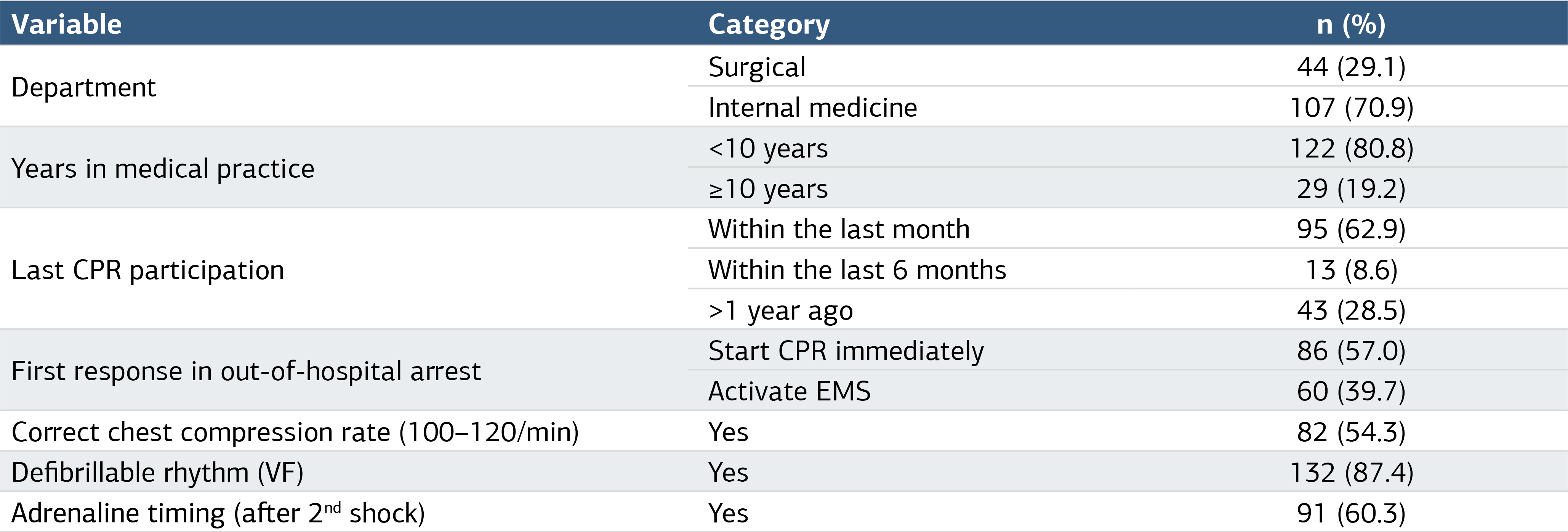
Table 2. Distribution of responses by department
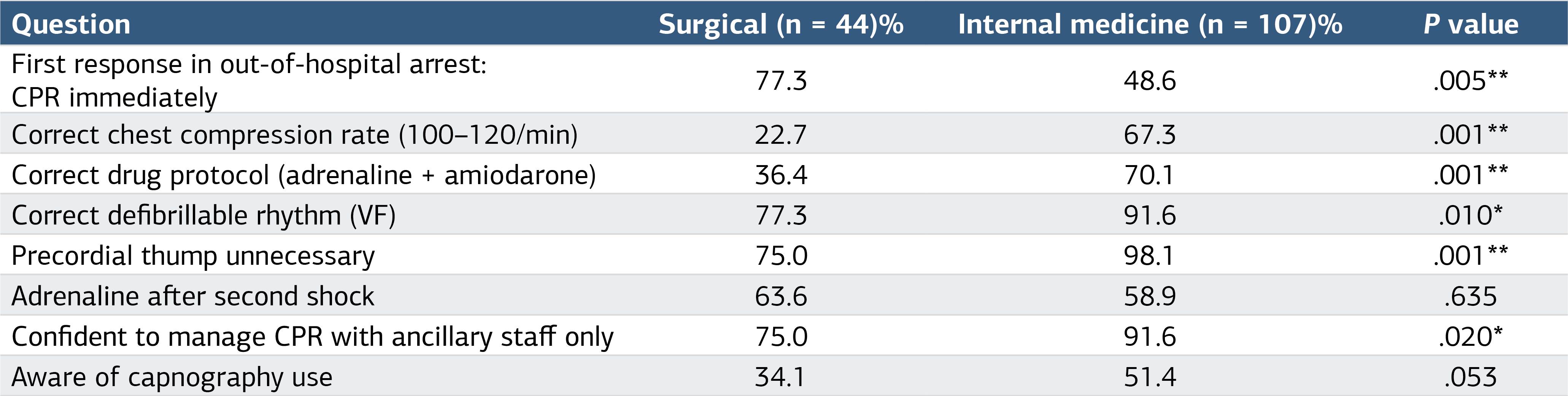
Table 3. Distribution of responses by years of professional experience

Additional Information
Publisher’s Note
Bayrakol MP remains neutral with regard to jurisdictional and institutional claims.
Rights and Permissions

This work is licensed under a Creative Commons Attribution-NonCommercial 4.0 International License (CC BY-NC 4.0). To view a copy of the license, visit https://creativecommons.org/licenses/by-nc/4.0/
About This Article
How to Cite This Article
Neslihan Ergün Süzer, Hayri Canbaz, Özgür Sirkeci, Emel Erkuş Sirkeci. Evaluation of advanced life support knowledge and practices across medical specialties: a cross-sectional survey. Ann Clin Anal Med 2025;16(Suppl 3):188-191. doi:10.4328/ACAM.22913
Publication History
- Received:
- 24.09.2025
- Accepted:
- 23.10.2025
- Published Online:
- 24.10.2025
- Printed:
- 25.10.2025