
Abstract
AimThis study evaluated associations of perioperative laboratory parameters, inflammatory and nutritional indices, and their changes over time with anastomotic leakage after colorectal surgery.MethodsPatients undergoing colorectal surgery between January 2020 and April 2026 were retrospectively evaluated; 28 without anastomosis were excluded, leaving 183 patients with primary anastomosis. We analyzed preoperative, postoperative day 1 (POD1), and postoperative day 3 (POD3) hematological and biochemical parameters and derived indices (NLR, PLR, LMR, SII, SIRI, CAR, and PNI), as well as POD1-to-POD3 changes, by anastomotic leakage status.ResultsAnastomotic leakage occurred in 21 patients (11.5%) and was associated with a longer mean (SD) hospital stay (23.43 [20.53] vs. 11.14 [6.06] days; P < .001). Preoperative parameters did not differ significantly between patients with and without anastomotic leakage. On POD1, leukocyte (P = .018) and neutrophil (P = .032) levels were higher in the leakage group, while on POD3, leukocyte, neutrophil, CRP, NLR, SII, SIRI, and CAR were significantly elevated (all P < .05). POD1-to-POD3 changes were not associated with leakage. POD3 CRP remained associated with anastomotic leakage after adjustment for age, sex, and tumor diameter (adjusted OR=1.010; 95% CI: 1.003–1.016; P = .002).ConclusionPOD3 inflammatory markers were associated with anastomotic leakage, and the association with CRP persisted after adjustment for age, sex, and tumor diameter. Changes from POD1 to POD3 were not significantly associated with leakage. Clinical predictive performance was not evaluated.
Keywords
Introduction
Anastomotic leakage following colorectal surgery is one of the most important conditions determining the postoperative clinical course, and its early recognition is of critical importance for reducing morbidity and mortality. Despite advances in surgical techniques and perioperative care aimed at reducing anastomotic leakage, recent large series have reported leakage rates ranging from approximately 3% to 10%.1 The development of anastomotic leakage is associated not only with increased postoperative mortality but also with prolonged hospital stay and increased healthcare costs.2 Because the systemic inflammatory response and nutritional status affect anastomotic healing, researchers have increasingly investigated the role of routine laboratory parameters in predicting anastomotic leakage.3 In this context, in addition to readily available parameters such as C-reactive protein (CRP), leukocyte, neutrophil, monocyte, lymphocyte, and albumin levels, derived indices including the prognostic nutritional index (PNI), neutrophil-to-lymphocyte ratio (NLR), platelet-to-lymphocyte ratio (PLR), lymphocyte-to-monocyte ratio (LMR), and CRP-to-albumin ratio (CAR) have been evaluated for the prediction of various surgical outcomes.4
More recently, indices that simultaneously incorporate multiple cellular components of inflammation, such as the systemic immune-inflammation index (SII) and the systemic inflammation response index (SIRI), have attracted attention as more comprehensive indicators of the systemic inflammatory response.5 Preoperative hemoglobin levels reflect the patient’s anemic status and, consequently, preoperative physiological reserve, whereas changes in postoperative hemoglobin levels may reflect tissue oxygenation and perfusion adequacy; therefore, perioperative hemoglobin levels may be associated with anastomotic leakage.6,7 Determining the ability of these parameters to predict anastomotic leakage in the early postoperative period is particularly valuable because they are derived from widely used, easily accessible, and low-cost laboratory tests in routine clinical practice. Early recognition of anastomotic leakage may allow timely intervention, thereby reducing morbidity and mortality and shortening the length of hospital stay.8
In this study, we aimed to evaluate the association between routine laboratory parameters and derived inflammatory and nutritional indices and anastomotic leakage after colorectal surgery, and to assess whether their perioperative changes provided additional information beyond measurements obtained at individual time points.
Materials and Methods
Study Design and Patient PopulationThis retrospective study included patients who underwent colon and rectal surgery at the Department of General Surgery, Malatya Training and Research Hospital, between January 2020 and March 2026. Of the screened patients, 28 who did not undergo anastomosis were excluded. We included 183 patients with primary anastomosis and classified them according to the presence or absence of anastomotic leakage. Leakage occurred in 21 patients (11.5%).
Anastomotic leakage was defined as a defect in the integrity of the intestinal wall at the anastomotic site, resulting in communication between the intra- and extraluminal compartments. We established the diagnosis during postoperative follow-up based on clinical findings, abnormal drain contents or drainage characteristics, and radiological and/or endoscopic findings in clinically suspected cases. Importantly, in all patients who developed anastomotic leakage, POD3 laboratory samples were obtained before the clinical, radiological, or endoscopic diagnosis of leakage.Data Collection and Laboratory AssessmentDemographic, clinical, surgical, pathological, and laboratory data were retrospectively obtained from electronic medical records, patient files, operative records, and pathology reports. Recorded variables included age, sex, length of hospital stay, surgical approach, resection type, urgency of surgery, stoma status, pathological T, N, and M stages, total number of lymph nodes removed, and tumor diameter. Resections were classified as anterior resection, low anterior resection, right hemicolectomy, left hemicolectomy, or subtotal colectomy.
Hematological and biochemical parameters were evaluated preoperatively, on POD1, and POD3. Complete preoperative, POD1, and POD3 laboratory data were available for all included patients, and no missing data imputation was required. Hemoglobin, leukocyte, neutrophil, lymphocyte, monocyte, platelet, C-reactive protein (CRP), and serum albumin levels were recorded. We calculated seven derived indices: neutrophil-to-lymphocyte ratio (NLR), platelet-to-lymphocyte ratio (PLR), lymphocyte-to-monocyte ratio (LMR), systemic immune-inflammation index (SII), systemic inflammation response index (SIRI), C-reactive protein-to-albumin ratio (CAR), and prognostic nutritional index (PNI).
NLR was calculated as neutrophil/lymphocyte count, PLR as platelet/lymphocyte count, and LMR as lymphocyte/monocyte count. SII was calculated as platelet × neutrophil/lymphocyte count, SIRI as neutrophil × monocyte/lymphocyte count, CAR as CRP/albumin, and PNI as serum albumin (g/L) + 5 × total lymphocyte count (10⁹/L).
Early postoperative changes were calculated as Δ = POD3−POD1 for each laboratory parameter and derived index. Positive Δ values indicated an increase and negative values a decrease. Absolute values and temporal changes were compared according to anastomotic leakage status.Ethical ApprovalThis study was approved by the Ethics Committee of Malatya Turgut Özal University (Date: 02.04.2026, Decision No: E-30785963-020-382739).Statistical AnalysisStatistical analyses were performed using IBM SPSS Statistics for Windows, Version 31.0. Normality was assessed using skewness and kurtosis coefficients (± 1.96). Continuous variables were presented as mean (SD) and median (minimum–maximum), and categorical variables as number (n) and percentage (%). Continuous variables were compared using the independent-samples t-test or Mann–Whitney U test, as appropriate, while categorical variables were analyzed using the Pearson chi-square or Fisher’s exact test.
Repeated measurements were analyzed using the Friedman test with Bonferroni-adjusted pairwise comparisons. Associations between anastomotic leakage and demographic, clinical, pathological, laboratory, index, and Δ variables were evaluated using Spearman’s rank correlation. We performed univariable and multivariable binary logistic regression analyses. Given the limited number of anastomotic leakage events, the multivariable model was deliberately restricted to a small number of variables to reduce the risk of overfitting and unstable estimates. We included sex and age as baseline demographic covariates, tumor diameter as a clinically relevant disease-related variable, and POD3 CRP as the principal postoperative inflammatory marker. We did not enter closely related inflammatory variables simultaneously to minimize multicollinearity. Given the exploratory nature of the biomarker analyses, we did not apply a global adjustment for multiple testing across all biomarkers, indices, and time points. Individual findings, particularly those with P values close to the significance threshold, should therefore be interpreted cautiously. All tests were two-sided, and P < .05 was considered statistically significant.
Reporting GuidelinesThis study was reported in accordance with the STROBE guideline.
Results
Baseline Demographic, Surgical, Clinical, and Pathological CharacteristicsAnastomotic leakage occurred in 21 of 183 patients (11.5%), as shown in Figure 1. All leakage events were diagnosed after POD3 laboratory sampling. No statistically significant between-group differences were observed in sex, age, surgical approach, resection type, pathology, urgency of surgery, stoma status, pathological T or M stage, lymph node yield, or tumor diameter (all P > .05). The between-group difference in pathological N stage was not statistically significant (P = .055). Hospital stay was significantly longer in patients with leakage (23.43 [20.53] vs. 11.14 [6.06] days; P < .001). Table 1 presents detailed patient characteristics.
Perioperative Laboratory Parameters by Anastomotic Leakage StatusPreoperative hematological and biochemical parameters did not differ significantly between patients with and without anastomotic leakage. On POD1, leukocyte and neutrophil levels were significantly higher in the leakage group (P = .018 and P = .032, respectively). On POD3, leukocyte (P < .001), neutrophil (P < .001), monocyte (P = .043), and C-reactive protein (CRP) levels (P = .002) were significantly higher in patients with leakage. Among the derived indices, neutrophil-to-lymphocyte ratio (NLR), systemic immune-inflammation index (SII), systemic inflammation response index (SIRI), and C-reactive protein-to-albumin ratio (CAR) were also significantly higher on POD3 (P = .016, P = .018, P = .001, and P = .007, respectively). No significant between-group differences were observed for hemoglobin, lymphocyte, platelet, albumin, platelet-to-lymphocyte ratio (PLR), lymphocyte-to-monocyte ratio (LMR), or prognostic nutritional index (PNI) at any time point. Supplementary Table 1 presents detailed results.Clinical and Perioperative Correlates of Anastomotic LeakageCorrelation analysis showed weak negative associations between anastomotic leakage and pathology group (rₛ = −0.149; P = .045) and pathological N stage (rₛ = −0.178; P = .016), whereas length of hospital stay showed a moderate positive correlation with leakage (rₛ = 0.330; P < .001). No significant correlations were observed for sex, age, surgical approach, resection type, urgency of surgery, stoma status, pathological T or M stage, total number of lymph nodes removed, or tumor diameter (P > .05).
None of the changes (Δ = POD3−POD1) in hematological or biochemical parameters, including hemoglobin, leukocyte, lymphocyte, neutrophil, monocyte, platelet, CRP, and albumin, were significantly associated with anastomotic leakage. Similarly, Δ NLR, PLR, LMR, SII, SIRI, CAR, and PNI showed no significant associations (all P > .05). Although several inflammatory markers were higher on POD3 in patients with leakage, changes from POD1 to POD3 were not significantly associated with leakage.Correlations of Perioperative Biomarkers With Anastomotic LeakagePreoperative laboratory parameters and inflammatory-nutritional indices showed no significant association with anastomotic leakage (all P > .05). On postoperative day 1 (POD1), only leukocyte (rₛ = 0.175; P = .018) and neutrophil levels (rₛ = 0.159; P = .032) were significantly associated with leakage. By POD3, significant positive correlations were observed for leukocyte (rₛ = 0.250; P < .001), neutrophil (rₛ = 0.272; P < .001), monocyte (rₛ = 0.150; P = .043), C-reactive protein (CRP) (rₛ = 0.229; P = .002), neutrophil-to-lymphocyte ratio (NLR) (rₛ = 0.179; P = .015), systemic immune-inflammation index (SII) (rₛ = 0.175; P = .018), systemic inflammation response index (SIRI) (rₛ = 0.236; P = .001), and C-reactive protein-to-albumin ratio (CAR) (rₛ = 0.201; P = .006). No significant associations were observed for hemoglobin, lymphocyte, platelet, albumin, platelet-to-lymphocyte ratio (PLR), lymphocyte-to-monocyte ratio (LMR), or prognostic nutritional index (PNI) on POD3.
Figure 2 illustrates the correlation pattern of preoperative, POD1, and POD3 laboratory parameters and inflammatory-nutritional indices with anastomotic leakage, with positive correlations shown in red, negative correlations in blue, and statistically significant associations marked with an asterisk (*).Logistic Regression Analysis of Anastomotic LeakageWe performed univariable and multivariable logistic regression analyses to identify factors associated with anastomotic leakage. We included sex and age in the multivariable model as baseline confounders, along with tumor diameter and POD3 CRP. We did not enter closely related inflammatory variables simultaneously to minimize multicollinearity and overfitting.
Sex, age, surgical approach, stoma presence, pathological T and M stages, total lymph node count, and tumor diameter were not significantly associated with anastomotic leakage in univariable analyses (all P > .05). Pathological N stage showed a significant inverse association with leakage (OR = 0.404; 95% CI: 0.184–0.887; P = .024).
Among postoperative inflammatory parameters, POD3 CRP was significantly associated with anastomotic leakage in univariable analysis (OR = 1.009; 95% CI: 1.003–1.016; P = .002) and remained independently associated after multivariable adjustment (adjusted OR = 1.010; 95% CI: 1.003–1.016; P = .002). Each 10 mg/L increase in CRP corresponded to an approximately 10% increase in the odds of leakage. POD3 neutrophil (OR = 1.280; P < .001) and leukocyte levels (OR = 1.249; P < .001) were also significantly associated with leakage in univariable analyses but were not simultaneously included with CRP because of their close biological relationship.
Among the derived inflammatory indices, POD3 C-reactive protein-to-albumin ratio (CAR) was significantly associated with anastomotic leakage (OR = 1.132; 95% CI: 1.025–1.251; P = .015), corresponding to an approximately 13.2% increase in leakage odds per unit increase. However, we did not include CAR with CRP in the multivariable model because it is directly derived from CRP and albumin. POD3 neutrophil-to-lymphocyte ratio (NLR), platelet-to-lymphocyte ratio (PLR), lymphocyte-to-monocyte ratio (LMR), systemic immune-inflammation index (SII), systemic inflammation response index (SIRI), and prognostic nutritional index (PNI) were not significantly associated with leakage in univariable regression. POD3 CRP remained associated with anastomotic leakage after adjustment for age, sex, and tumor diameter.
Discussion
Hospital stay was significantly longer in patients with anastomotic leakage (23.43 [20.53] vs. 11.14 [6.06] days; P < .001), highlighting the clinical burden of leakage. Similar prolongation of hospitalization has been reported in other colorectal surgery series.9,10 In the multicenter study by Gosavi et al. involving 2,217 patients, median hospital stay was 21 days in patients with leakage versus 7 days in those without leakage (P < .001), consistent with our findings.11
In our study, pathological T (P = .806) and M stages (P = .297) were not associated with anastomotic leakage. The between-group comparison for pathological N stage was not statistically significant (P = .055), whereas univariable logistic regression showed an inverse association with leakage (OR = 0.404; 95% CI: 0.184–0.887; P = .024). Yi et al. identified T and N stages as independent risk factors for anastomotic leakage, partially supporting our findings regarding N stage, although T stage was not significant in our study.12
Leukocyte and neutrophil levels were higher on POD1 and remained elevated on POD3, while CRP became significantly higher on POD3 in patients with leakage (218.76 [73.14] vs. 160.64 [77.99] mg/L; P = .002). Mužina et al. reported that POD3 CRP >169 mg/L predicted anastomotic leakage with a 78% probability, consistent with our findings.13 Similarly, Gordiichuk and Myasoyedov showed that changes in CRP, neutrophils, and neutrophil-to-lymphocyte ratio (NLR) were more pronounced in clinically significant leaks, with NLR demonstrating predictive value 24 hours before clinical manifestation (P < .001).14
Composite indices may provide a more comprehensive assessment of the systemic inflammatory response than individual laboratory parameters. In our study, systemic immune-inflammation index (SII), systemic inflammation response index (SIRI), and C-reactive protein-to-albumin ratio (CAR) were similar between groups preoperatively and on POD1, but were significantly higher in patients with anastomotic leakage on POD3 (P = .018, P = .001, and P = .007, respectively). Ghirlea et al. similarly reported higher POD3 CAR in patients with leakage and identified CAR as an independent predictor (OR = 1.91; P < .001). This is consistent with our findings, in which CAR was higher in the leakage group (median 9.43 vs. 6.16; P = .007) and was associated with leakage in univariable analysis (OR = 1.132; P = .015).15 Martin-Arevalo et al. reported an anastomotic leakage incidence of 9.8% and identified C-reactive protein (CRP) and SIRI within the first 24 postoperative hours as strong predictors (AUC-ROC = 0.819). In our study, SIRI was not significant on POD1 (P = .526) but was significantly higher on POD3 (median 6.38 vs. 3.44; P = .001), suggesting that its discriminatory value may depend on measurement timing and perioperative characteristics.16 POD1-to-POD3 changes did not distinguish patients with and without leakage, possibly reflecting the nonspecific physiological response to surgical stress.
Limitations
This study has several limitations. Its retrospective, single-center design and the relatively small number of leakage events limited statistical power and multivariable modeling, increasing the risk of overfitting and residual confounding. Clinical heterogeneity across resection types, surgical approaches, and emergency versus elective procedures, as well as the absence of a separately recorded anastomotic level variable, may also have influenced the findings. Because anastomotic leakage was retrospectively ascertained, some degree of ascertainment bias cannot be excluded. Although POD3 laboratory sampling preceded clinical suspicion and diagnosis in all leakage cases, elevated inflammatory markers may still reflect an evolving but clinically occult leak. In addition, the large number of biomarkers and comparisons increases the possibility of type I error, particularly for borderline P values. Finally, no ROC analysis, clinically applicable cutoff values, calibration, or external validation was performed; therefore, the findings should be interpreted as exploratory associations rather than established clinical predictive performance.
Conclusion
In our study, anastomotic leakage was associated with a markedly prolonged hospital stay, and differences in postoperative inflammatory markers became particularly evident on POD3. Preoperative hematological, biochemical, and inflammatory-nutritional parameters did not differ significantly according to leakage status, whereas POD3 leukocyte, neutrophil, CRP, NLR, SII, SIRI, and CAR values were significantly higher in patients who developed anastomotic leakage. Among these parameters, POD3 CRP remained independently associated with anastomotic leakage after multivariable adjustment. In contrast, changes between POD1 and POD3 were not significantly associated with leakage. These findings support an association between POD3 inflammatory status and anastomotic leakage; however, predictive performance was not formally evaluated. Therefore, larger multicenter prospective studies with clinically applicable cutoff values and external validation are required before these markers can be considered for individual clinical risk assessment.
Declarations
Animal and Human Rights Statement
All procedures performed in this study were in accordance with the ethical standards of the institutional and/or national research committee and with the 1964 Helsinki Declaration and its later amendments or comparable ethical standards.
Informed Consent
Informed consent was not required due to the retrospective design of the study.
Data Availability
The datasets generated and/or analyzed during the current study are available from the corresponding author upon reasonable request.
Conflict of Interest
The authors declare no conflict of interest regarding the publication of this article.
Funding
None.
Author Contributions (CRediT Taxonomy)
Conceptualization: D.K.
Methodology: D.K.
Software: D.K.
Validation: D.K.
Formal Analysis: D.K.
Investigation: D.K.
Resources: D.K.
Data Curation: D.K.
Writing – Original Draft Preparation: D.K., E.K.
Writing – Review & Editing: D.K.
Visualization: D.K.
Supervision: E.K.
Project Administration: E.K.
AI Usage Disclosure
The authors declare that no AI-assisted technologies were used.
Abbreviations
CAR: C-reactive protein-to-albumin ratio
CI: Confidence interval
CRP: C-reactive protein
LMR: Lymphocyte-to-monocyte ratio
NLR: Neutrophil-to-lymphocyte ratio
OR: Odds ratio
PLR: Platelet-to-lymphocyte ratio
PNI: Prognostic nutritional index
POD1: Postoperative day 1
POD3: Postoperative day 3
SII: Systemic immune-inflammation index
SIRI: Systemic inflammation response index
SPSS: Statistical package for the social sciences
STROBE: Strengthening the reporting of observational studies in epidemiology
References
- ESCP EAGLE Safe Anastomosis Collaborative and NIHR Global Health Research Unit in Surgery. Evaluation of a quality improvement intervention to reduce anastomotic leak following right colectomy (EAGLE): pragmatic, batched stepped-wedge, cluster-randomized trial in 64 countries. Br J Surg. 2024;111(1):znad370. doi:10.1093/bjs/znae032
- Nijssen DJ, Wienholts K, Postma MJ, et al. The economic impact of anastomotic leakage after colorectal surgery: a systematic review. Tech Coloproctol. 2024;28(1):55. doi:10.1007/s10151-024-02932-4
- Rajabaleyan P, Jootun R, Möller S, et al. Early warning model to detect anastomotic leakage following colon surgery: a clinical observational study. Ann Coloproctol. 2024;40(5):431-439. doi:10.3393/ac.2023.00745.0106
- Harada T, Numata M, Izukawa S, et al. C-reactive protein-to-albumin ratio as a risk factor for anastomotic leakage after anterior resection for rectal cancer with intraoperative use of indocyanine green fluorescence imaging. Surg Endosc. 2024;38(8):4236-4244. doi:10.1007/s00464-024-10940-6
- Patrascu S, Cotofana-Graure GM, Surlin V, et al. Preoperative immunocite-derived ratios predict surgical complications better when artificial neural networks are used for analysis—a pilot comparative study. J Pers Med. 2023;13(1):101. doi:10.3390/jpm13010101
- de Wit A, Bootsma BT, Huisman DE, Kazemier G, Daams F; Taskforce Anastomotic Leakage. Early detection and correction of preoperative anemia in patients undergoing colorectal surgery—a prospective study. Tech Coloproctol. 2025;29(1):92. doi:10.1007/s10151-025-03131-5
- Harada T, Numata M, Atsumi Y, et al. Risk factors for anastomotic leakage in rectal cancer surgery reflecting current practices. Surg Today. 2025;55(8):1043-1051. doi:10.1007/s00595-024-02988-7
- Savitch SL, Lagisetty KH, Suwanabol PA. Delayed diagnosis of anastomotic leak and failure to rescue after colon resection. JAMA Surg. 2026;161(4):352-359. doi:10.1001/jamasurg.2025.6551
- Alkurt EG, Akdoğan MY, Tutan MB, Kartal B, Turhan VB. Impact of circular stapler diameter on anastomotic leakage in left-sided colorectal cancer: a retrospective single-center case-control analysis. Medicina (Kaunas). 2025;61(12):2231. doi:10.3390/medicina61122231
- Buniatov T, Weidinger C, Krautz C, et al. Anastomotic leakage after colorectal surgery: exploratory analysis of perioperative risk factors in a 672-patient cohort. Cureus. 2026;18(2):e103531. doi:10.7759/cureus.103531
- Gosavi R, Yap R, Bell S, et al. Anastomotic leak following colon cancer resection: an independent predictor of non-oncologic mortality and morbidity. J Surg Oncol. 2025;132(7):1250-1256. doi:10.1002/jso.70100
- Yi X, Chen C, Diao J, Li H, Lin J, Ouyang M. Clinical prediction model for anastomotic leakage in rectal cancer surgery: a single-center large-sample cohort study. Surg Endosc. 2025;39(7):4345-4356. doi:10.1007/s00464-025-11821-2
- Mužina D, Kopljar M, Bilić Z, et al. The value of C-reactive protein and peritoneal cytokines as early predictors of anastomotic leak after colorectal surgery. Diagnostics (Basel). 2024;14(18):2101. doi:10.3390/diagnostics14182101
- Gordiichuk M, Myasoyedov S. Laboratory predictors for diagnosing colorectal anastomotic leakage. Exp Oncol. 2024;46(2):146-153. doi:10.15407/exp-oncology.2024.02.146
- Ghirlea OF, Paşca P, Georgescu DE, Duţă C, Olariu S, Murariu MS. Comparative performance of postoperative day 3 biomarkers for predicting anastomotic leakage after colorectal cancer surgery—a retrospective cohort study. Chirurgia (Bucur). 2026;121(3):286-295. doi:10.21614/chirurgia.3327
- Martin-Arevalo J, Guimaraes A, Palomo-Lopez I, et al. Early prediction of anastomotic leakage within 24 h after minimally invasive colorectal cancer surgery using postoperative inflammatory markers: development and temporal validation of a machine learning model. Surg Endosc. Published online July 23, 2026. doi:10.1007/s00464-026-13163-z
Tables
Table 1. Comparison Of Demographic, Surgical, Clinical, And Pathological Characteristics Of Patients Undergoing Colorectal Anastomosis According To Anastomotic Leakage Status
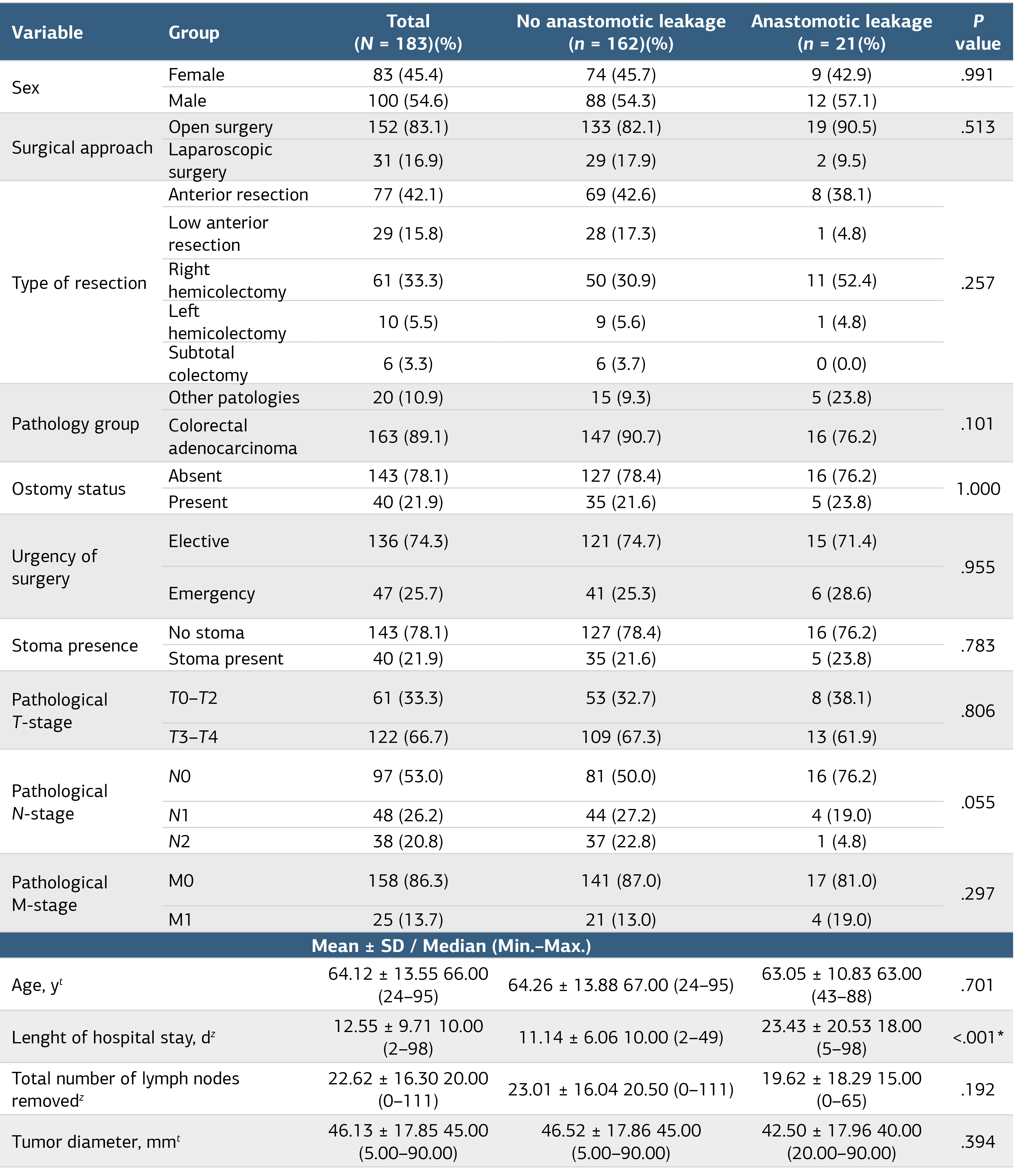
Note; Data are presented as n (%) for categorical variables and mean ± standard deviation and median (minimum–maximum) for continuous variables. Categorical variables were compared using the chi-square test. Continuous variables were compared using the independent-samples t test (t) and Mann–Whitney U test (z). *P < .05 was considered statistically significant.
Figures
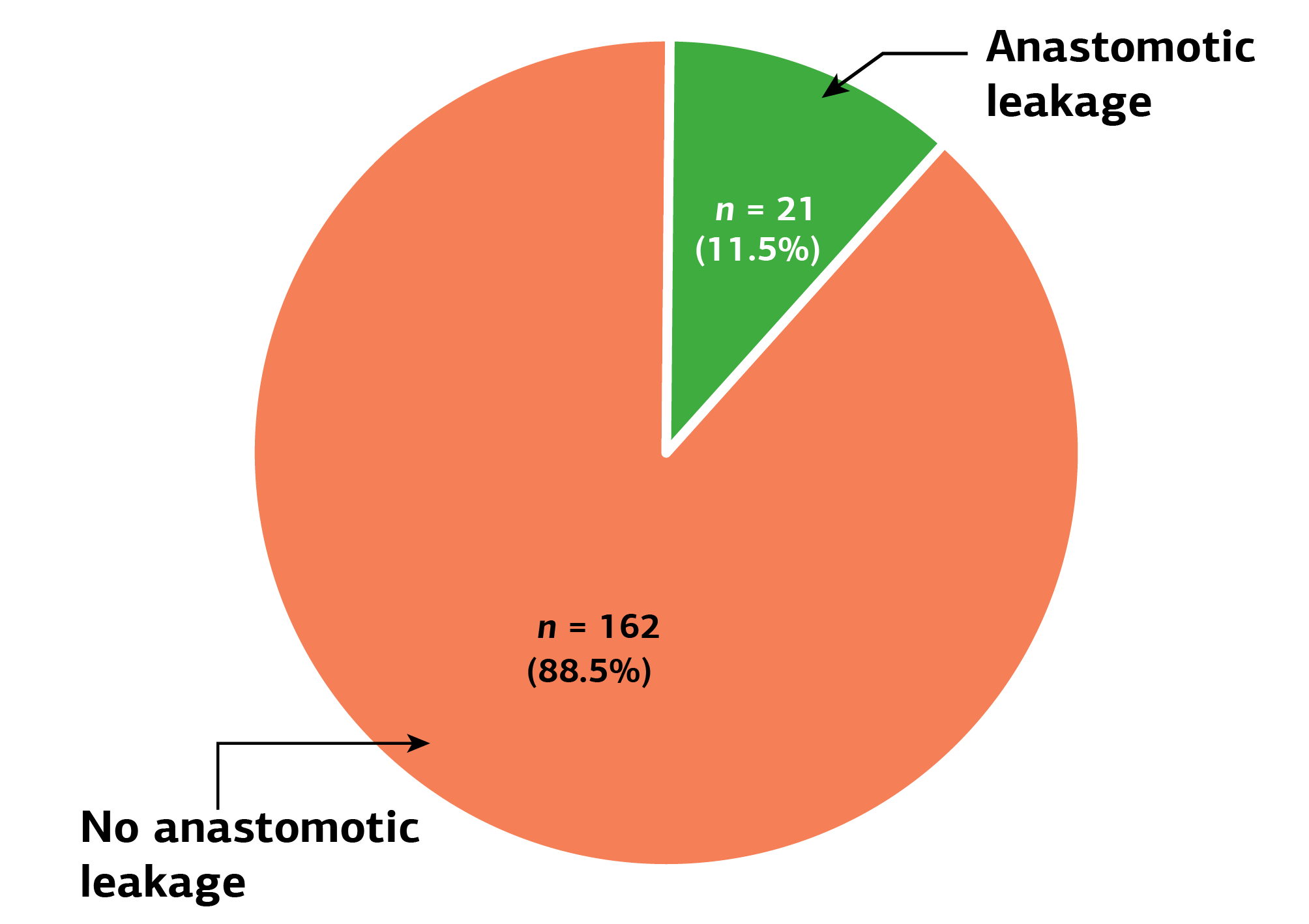
Figure 1. Distribution of patients according to anastomotic leakage status
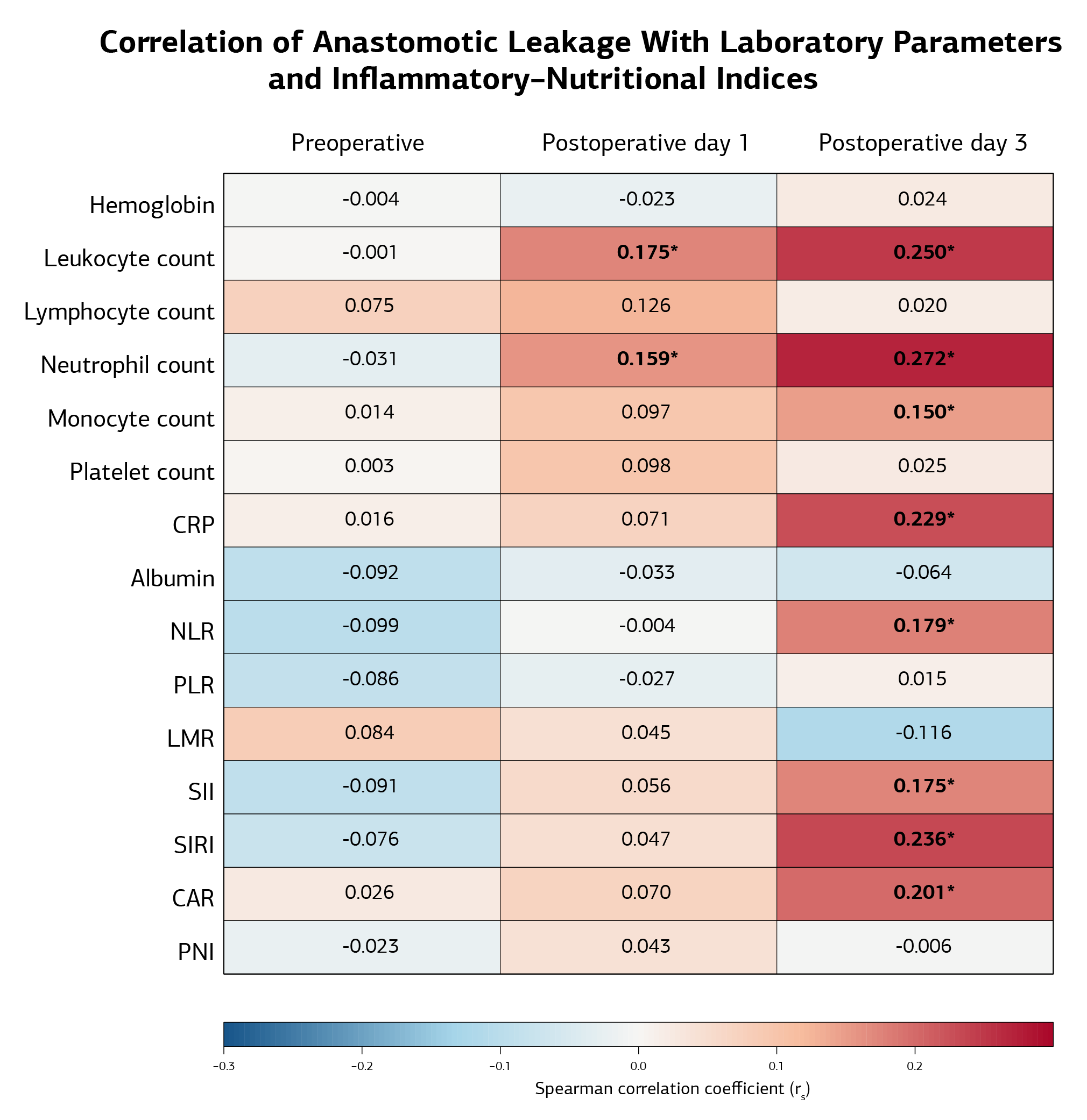
Figure 2. Correlation Matrix Between Anastomotic Leakage and Perioperative Laboratory Parameters and Inflammatory-Nutritional Indices
Additional Information
Publisher’s Note
Bayrakol MP remains neutral with regard to jurisdictional and institutional claims.
Rights and Permissions

This work is licensed under a Creative Commons Attribution-NonCommercial 4.0 International License (CC BY-NC 4.0). To view a copy of the license, visit https://creativecommons.org/licenses/by-nc/4.0/
About This Article
How to Cite This Article
Denizhan Kılıç, Erhan Kızılkaya. Perioperative trajectories of inflammatory and nutritional biomarkers in predicting anastomotic leakage after colon surgery. Ann Clin Anal Med 2026;17(10):1111-1116. doi:10.4328/ACAM.75003
Publication History
- Received:
- 19.08.2026
- Accepted:
- 19.09.2026
- Published Online:
- 05.09.2026
- Printed:
- 01.10.2026